
 Kitchen remodeling
 Bathroom remodeling
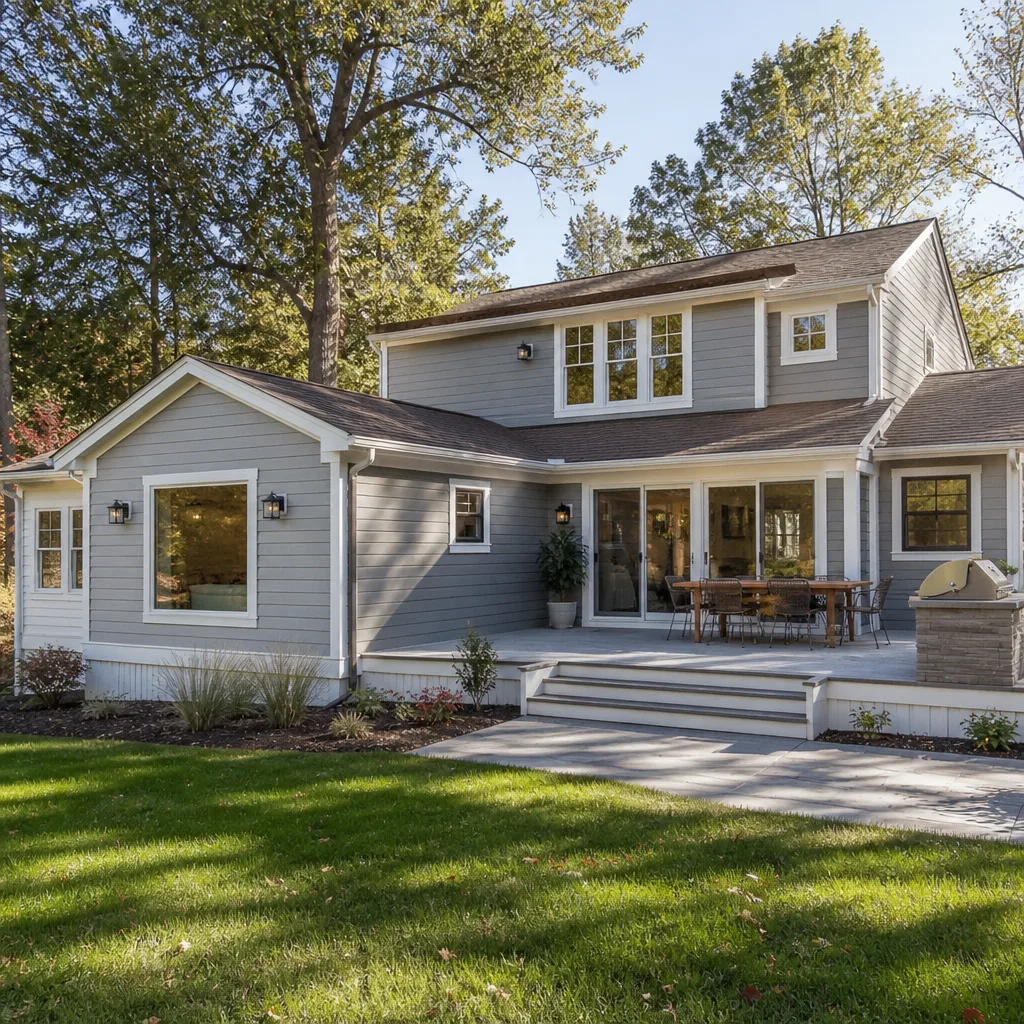 Home additions & ADU
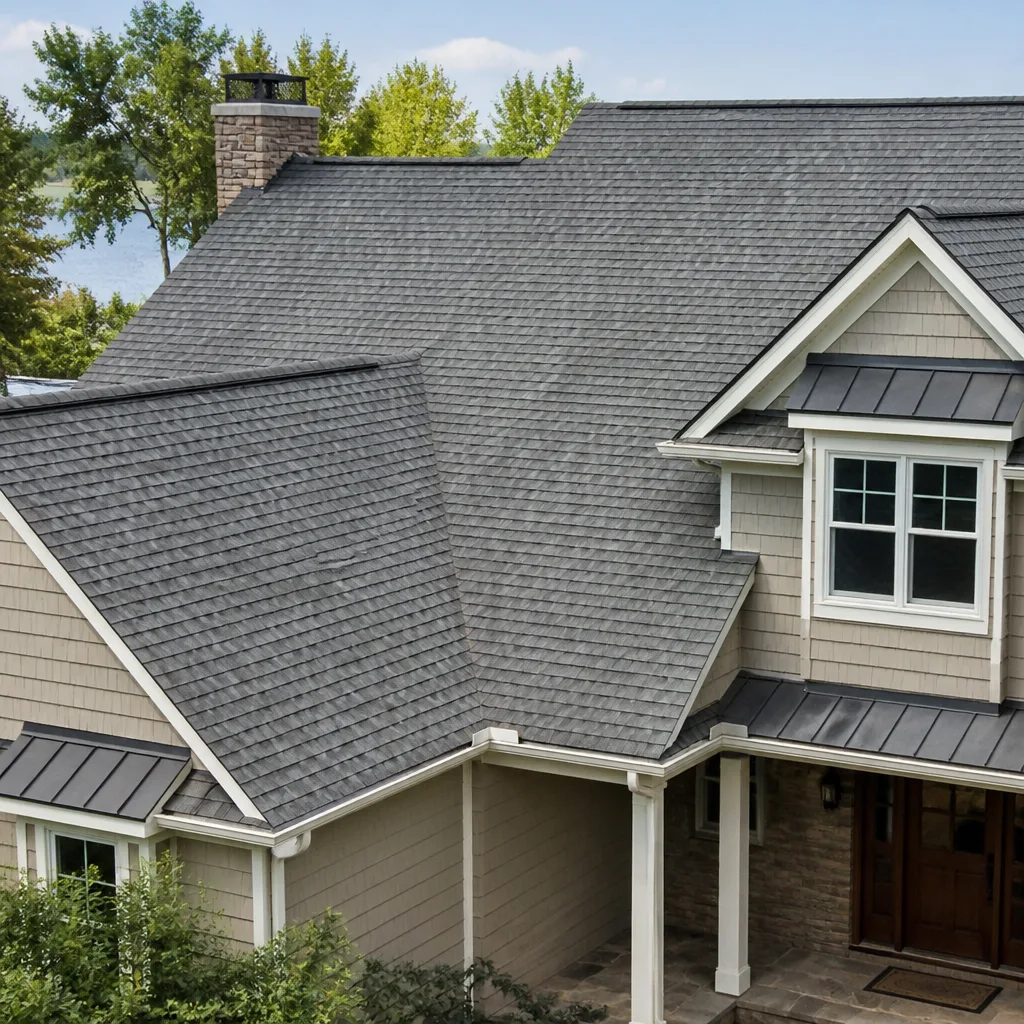 Roofing
 Windows & doors
 Driveway & pavers
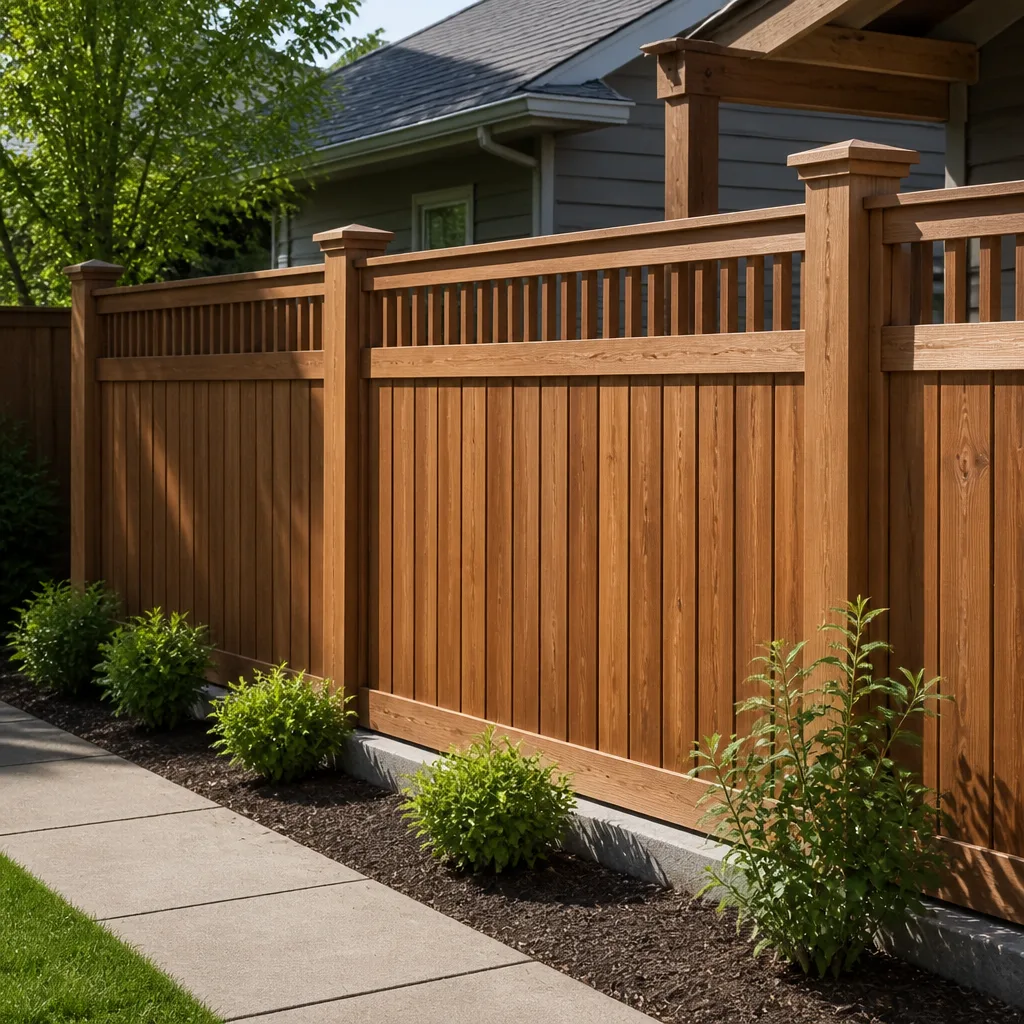 Fence
Free written scope consultation - allowances, timeline, and change-order rules on paper before a single trade is scheduled
Styles & brands we work with
- Kitchen remodeling
- Bathroom remodeling
- Home additions & ADU
- Roofing
- Windows & doors
- Driveway & pavers
- Fence
See the difference
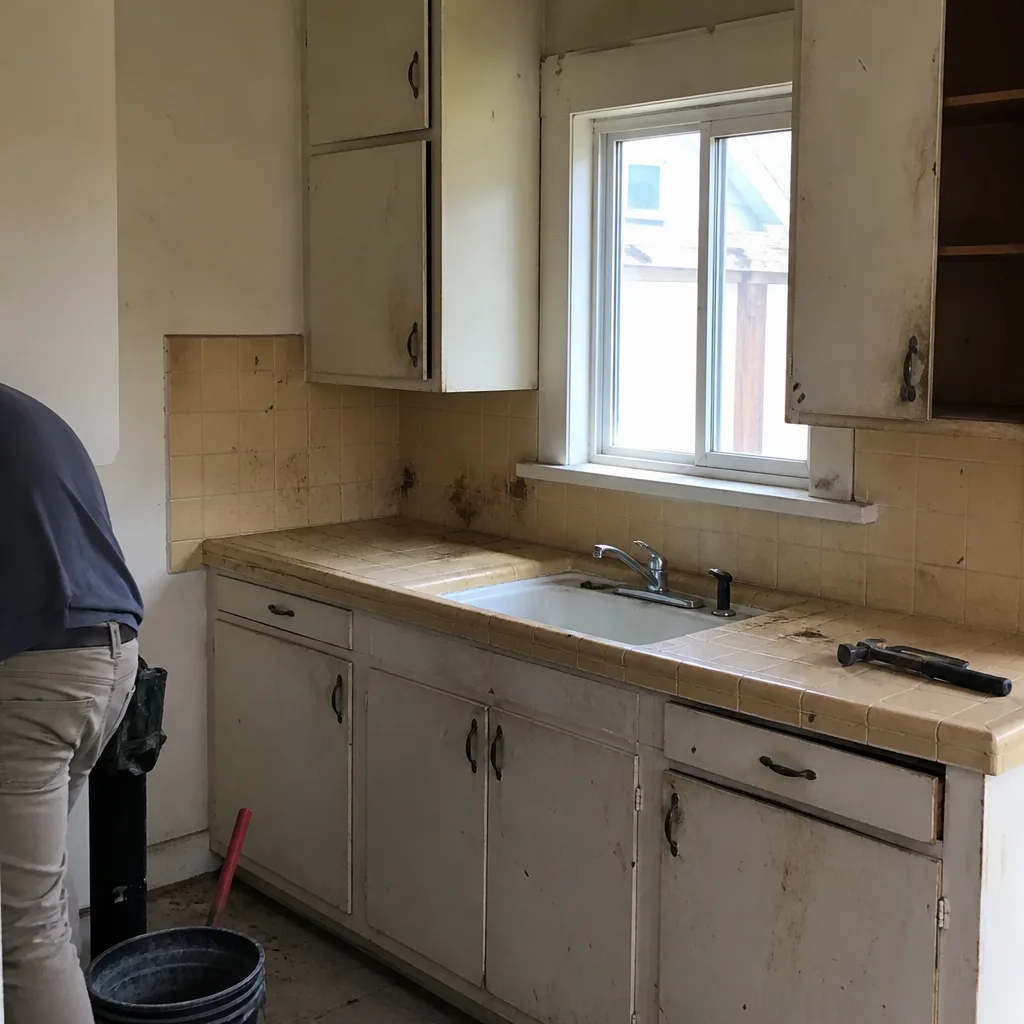 Before
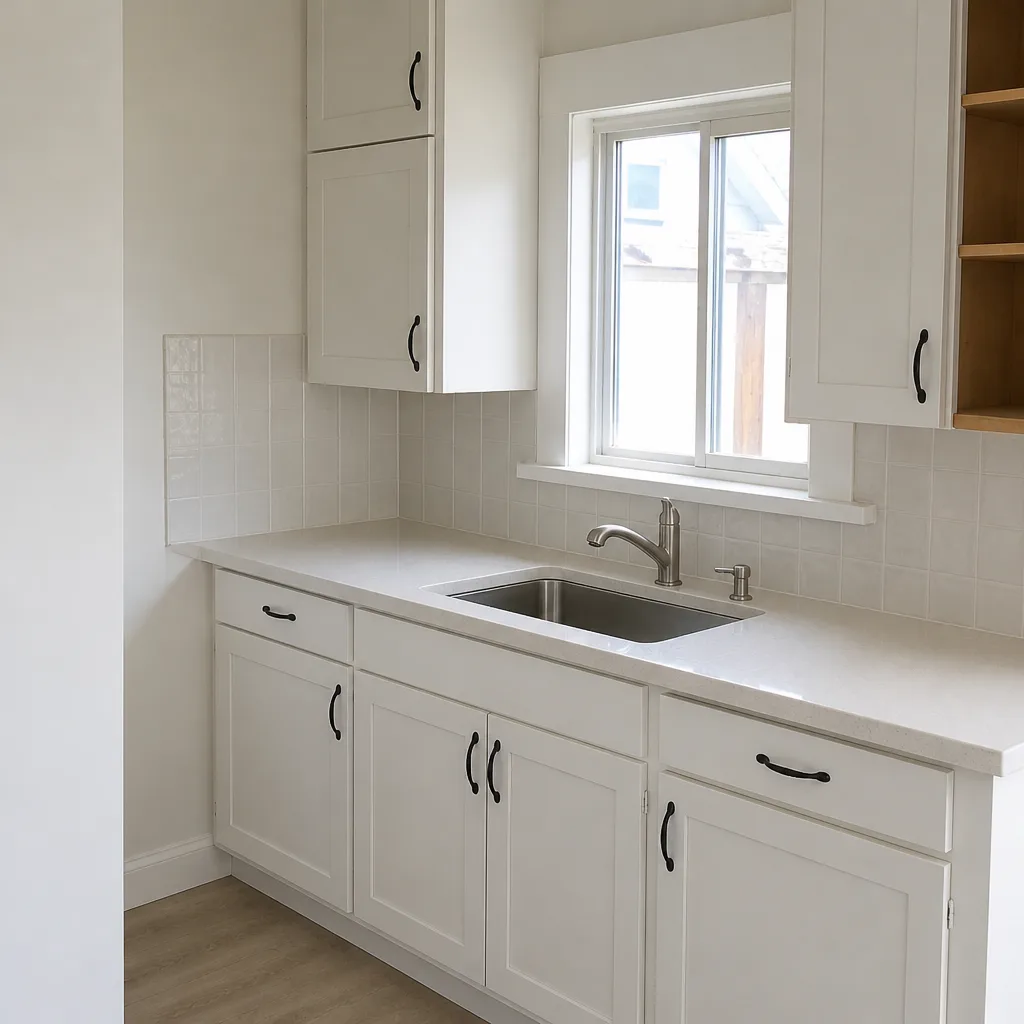 After
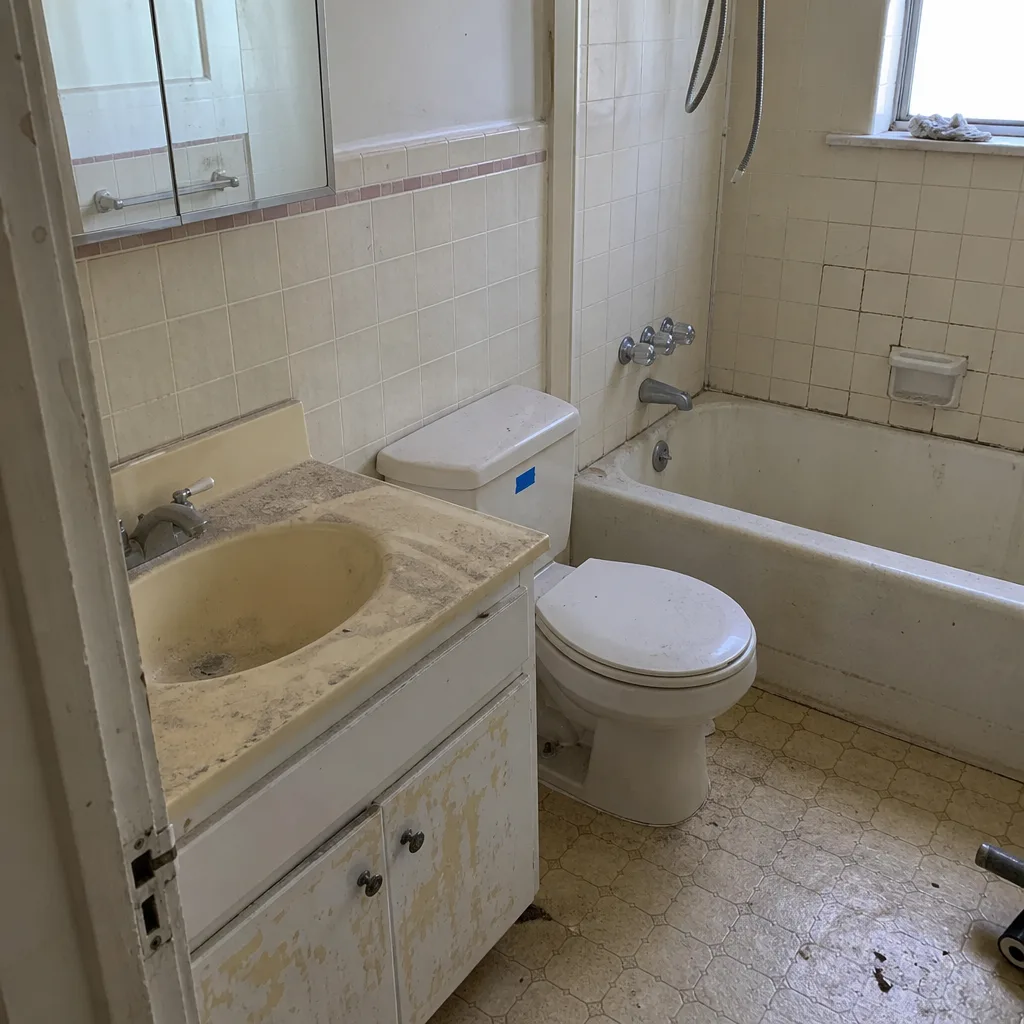 Before
 After
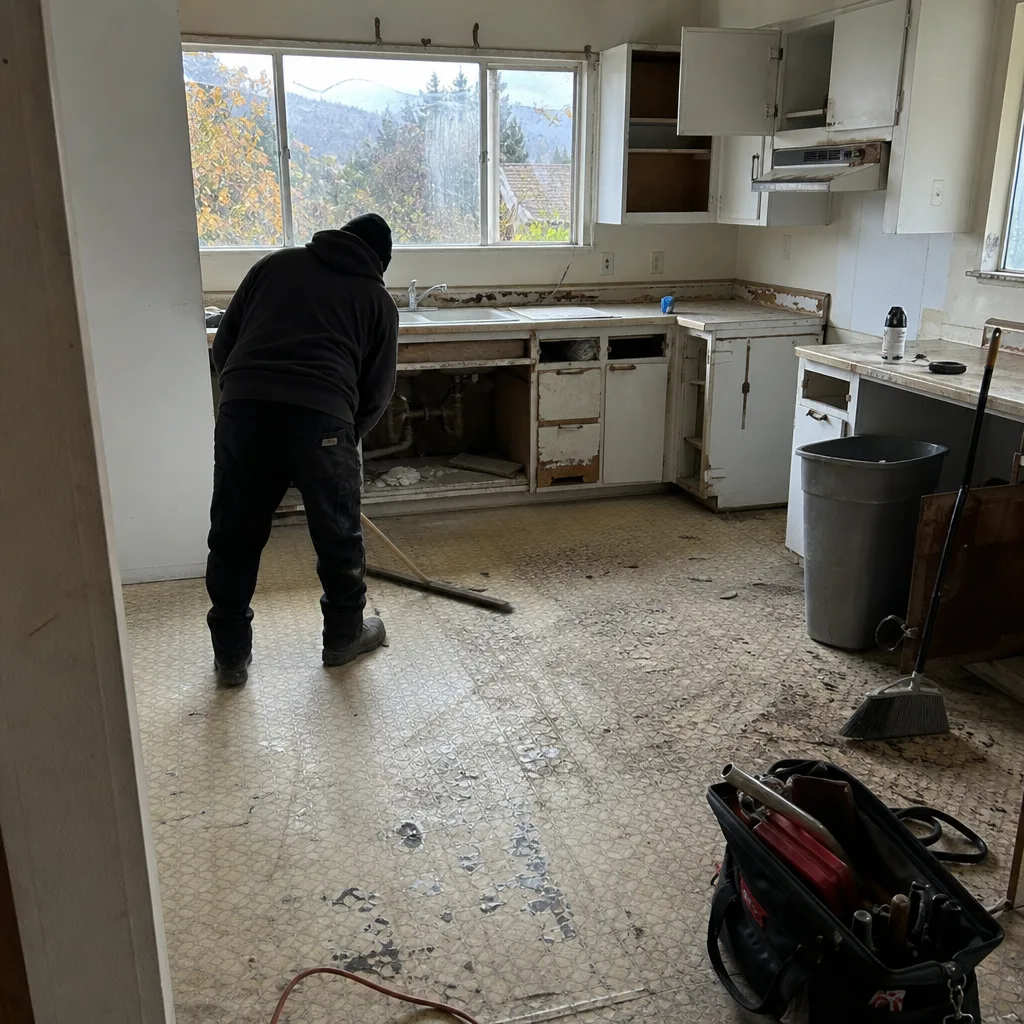 Before
 After
What Causes Roof Leaks in Oakland, CA? The Answer Is Usually 90 Years Old
The most common cause of roof leaks in Oakland, CA, is a failed flashing joint at an original chimney or addition junction on a house built before 1940 – not a storm event or a bad install. Oakland’s Victorian row houses, Craftsman bungalows, and stucco-clad Mediterranean revivals have outlived the materials they were built with, and their aging junctions fail long before the shingles above them do. If you’re watching a ceiling stain spread after the first real rain, call Groundwork Construction Co. of Oakland at (833) 997-7759 for a full-envelope inspection.
Oakland’s Roof Leak Causes, Ranked by How Often We Actually See Them
National guides rank leak causes by what fails on a 1990s suburban roof: wind-driven rain, missing shingles, clogged gutters. Oakland’s housing stock was largely built between 1900 and 1940, and the failure pattern looks different. Here’s the hierarchy we see on Oakland roofs, ordered by frequency – not by what sounds dramatic.
- Failed original chimney and penetration flashing. A 90-year-old flashing joint that’s been patched three times (“the tar bucket special”) is the single most common active leak source we find. Each patch hides the problem for a season or two, then fails again in a harder winter.
- Unpermitted addition roofline junctions. Oakland has tens of thousands of homes with mid-20th-century additions, and the seam between the original roof and the addition is where most leaks start. Those junctions were often never flashed to code, and they’ve been taking Oakland’s wet winters for 50-plus years.
- Dry-rotted skip sheathing beneath intact-looking surface materials. The roof looks fine from the ground, but the boards under it have shrunk and pulled away from the fasteners.
- Failed valley flashing on complex Victorian rooflines. The steeper, more articulated roofs in neighborhoods like Rockridge and Temescal have more valleys than a modern ranch, and each valley is a channel that concentrates water.
- Age-related underlayment failure. Underlayment has a shorter service life than the shingles on top of it, so it can give out while the roof still looks presentable.
Notice what’s not at the top of that list: wind damage. Oakland’s mild climate is part of the problem. The area doesn’t get hard freezes, so exterior work happens year-round – and that also means dry-rot and pest damage progress quietly through the cool, damp coastal air with nothing to interrupt them.
The Unpermitted Addition Problem: Oakland’s Most Common Active Leak Source
The junction between an original roof and an unpermitted addition is the most common active leak source we find in Oakland. Plenty of these additions went in during the mid-20th century, when permitting was looser and the junction between old and new rooflines got whatever flashing the builder had on hand – or none worth mentioning. Fifty winters later, that seam is the first place water finds a path.
What makes these junctions hard to diagnose is that they leak intermittently. Water enters at the seam, travels along a rafter, and shows up as a ceiling stain in a room that has nothing to do with the addition. Homeowners spend a season convinced the leak is “over there” when the actual opening is 15 feet away and one roofline up. This is why a repair scoped to the visible stain tends to fail – the stain is a symptom, and the junction is the source.
Dry-Rot Is a Leak Cause, Not Just a Leak Consequence
Most guides treat dry-rot as the damage a leak leaves behind. In Oakland’s cool, damp climate, it also creates new leak pathways. As sheathing and rafters rot, the wood shrinks and pulls away from the fasteners that hold the roof assembly together, opening gaps in the building envelope that didn’t exist when the roof went on. A roof that was watertight in 1965 can start leaking in 2026 because the structure beneath it has moved.
That’s the mechanism behind the deferred-maintenance pattern we see constantly: a pinhole flashing failure in October becomes a soaked rafter bay by February. There’s often no visible interior sign until the following winter, which means the structural damage has been compounding for roughly 15 months before anyone calls. By then, a repair that should have been small has grown into sheathing replacement and rafter work.
Why a Point Repair on an Oakland Roof Often Doesn’t Hold
Because these causes are systemic rather than isolated point failures, patching the one spot where water drips through misses the problem. An Oakland roof built in the 1920s may have three or four junctions within a few years of each other in age and condition. Fix the loudest one and the next one fails the following winter. That cycle is how homeowners end up paying for the same roof three times.
When we look at an Oakland roof through our Roofing service, the inspection covers the whole envelope – chimney flashing, penetration boots, addition junctions, valley flashing, and the sheathing beneath all of it – rather than only the visible damage. It’s the same discipline we apply on the Oakland service area across every trade, because opening a wall to fix one thing and finding three more is standard practice on homes this old. If you’ve had enough of that particular surprise, our home page lays out how we handle full-scope work in one contract.
What a Full-Envelope Inspection Covers
- Chimney and all penetration flashing, with the age of the last patch noted
- Every junction where an addition roofline meets the original roof
- Valley flashing on complex or multi-plane rooflines
- Skip sheathing condition under intact-looking surface material
- Underlayment age and remaining service life
- Attic-side evidence: staining on rafters, daylight gaps, wood shrinkage at fasteners
What Roof Leak Diagnosis and Repair Costs in Oakland
Diagnosis and repair is usually far less than replacement, which is why the full-envelope inspection matters: it tells you which one you’re actually facing. Oakland market ranges:
| Work | Typical Oakland Range |
|---|---|
| Roof repair (flashing, penetrations, localized sheathing) | $400 - $1,800 |
| Tile roof repair | $600 - $2,500 |
| Roof replacement | $8,000 - $20,000 |
| Metal roof installation | $15,000 - $40,000 |
Upfront pricing, no surprises: the number you see is the number you pay, and every repair is covered by the 730-Day Done Right Promise – if it’s not done right, we make it right. That guarantee covers the full repair scope, not just the replacement material, which matters when the real cause was flashing and sheathing rather than shingles. We install with GAF and CertainTeed, and for premium envelopes we work with Boral and PGT.
When to Stop Diagnosing and Call Someone
Roof work on a 90-year-old Oakland home is not a ladder-and-caulk-gun job. Chimney flashing failures, addition junctions, and valley repairs involve working at height on steep, complex rooflines, sometimes over original skip sheathing whose condition you can’t judge from below. A fall from a two-story Victorian is a serious injury, and a wrong flashing detail just moves the leak. Our technicians have up to 12 years of experience and arrive background-checked and in uniform. Calls are answered by a live person 24/7, so a leak found on a Sunday night doesn’t wait until Monday. Estimates are free, and 0% financing for 18 months is available, plus $1,000 off projects over $10,000.
FAQs
Failed original flashing at a chimney or addition junction is the most common cause in Oakland’s pre-1940 homes, followed by unpermitted addition roofline seams. Both are junction failures, not surface-material failures. Call (833) 997-7759 for a free assessment – we’ll tell you which one you’re dealing with.
Intermittent leaks usually mean water is entering at a junction and traveling along a rafter before it drips inside, so it only shows up in certain wind and rain conditions. That travel is why the stain is often not below the actual opening. Call (833) 997-7759 and we’ll trace it to the source rather than the symptom.
Repair is almost always cheaper when the failure is confined to flashing or a junction: Oakland roof repair runs $400 - $1,800 against $8,000 - $20,000 for replacement. Replacement makes more sense when underlayment and sheathing have failed across the whole roof. Call (833) 997-7759 for an exact quote – estimates are free.
We answer calls live 24/7, so you’ll reach a person any hour and get on the schedule as fast as conditions allow. Winter rain is when Oakland leaks surface, so call (833) 997-7759 the moment you see a new stain.
Contact Groundwork Construction Co. of Oakland
If you’d rather have it looked at than keep patching the same joint, Groundwork Construction Co. of Oakland offers a no-pressure assessment in Oakland – call (833) 997-7759. We’ll inspect the whole envelope, tell you what’s actually failing, and quote it upfront.
Written by the team at Groundwork Construction Co. of Oakland, serving Oakland, CA.