
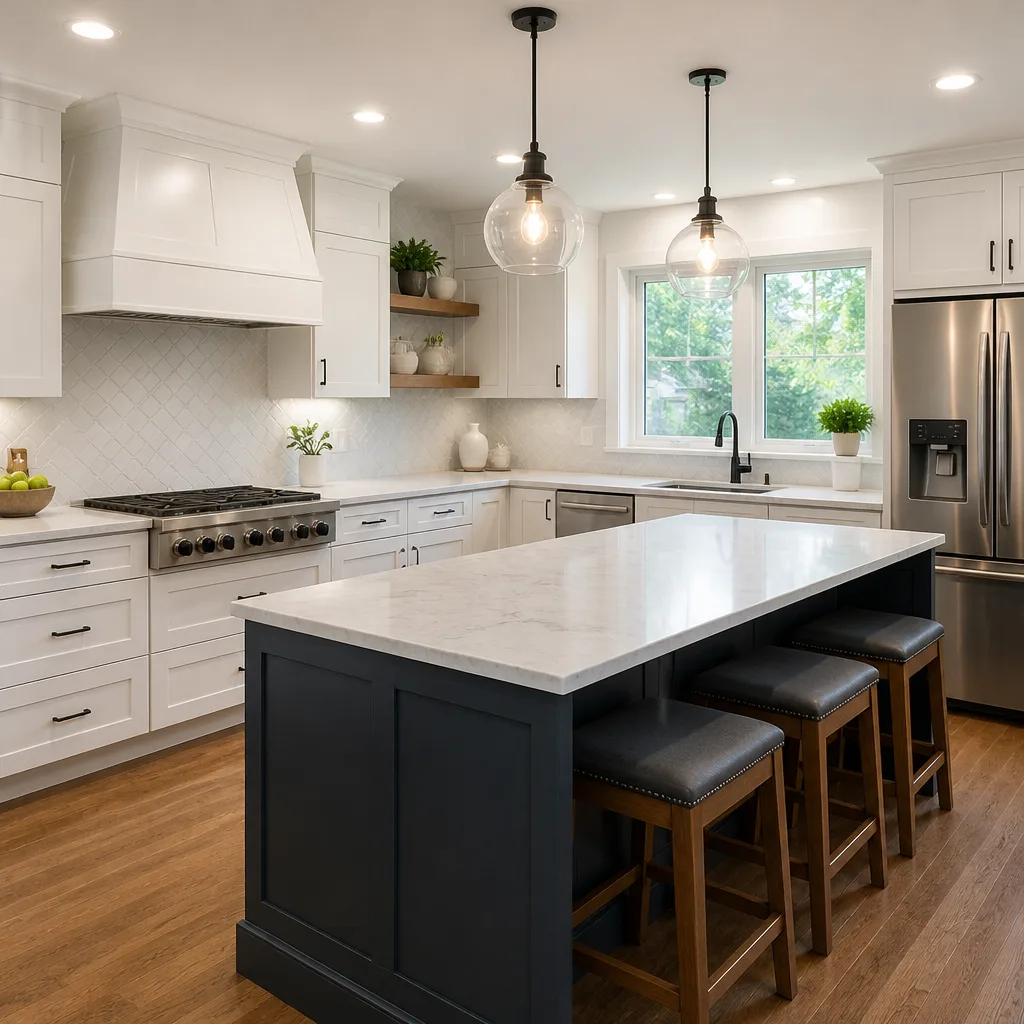
 Kitchen remodeling
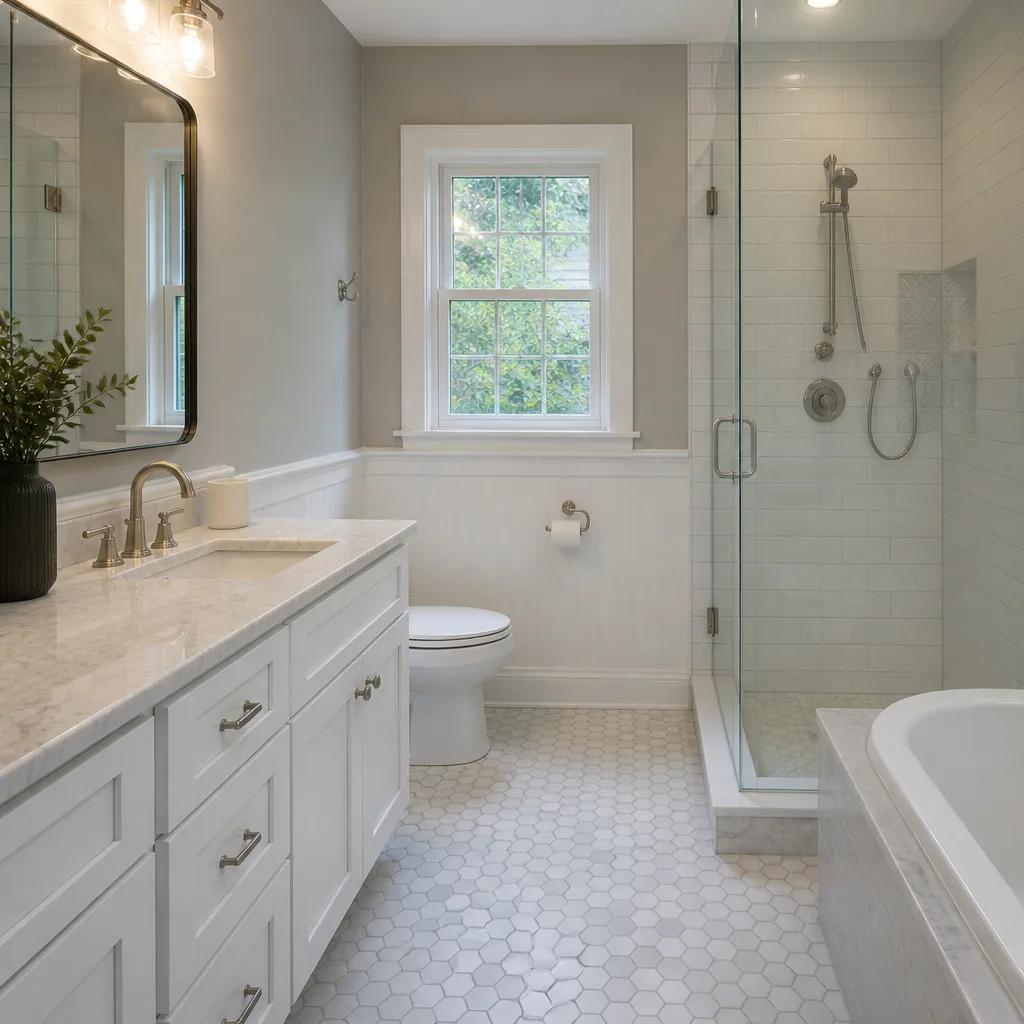 Bathroom remodeling
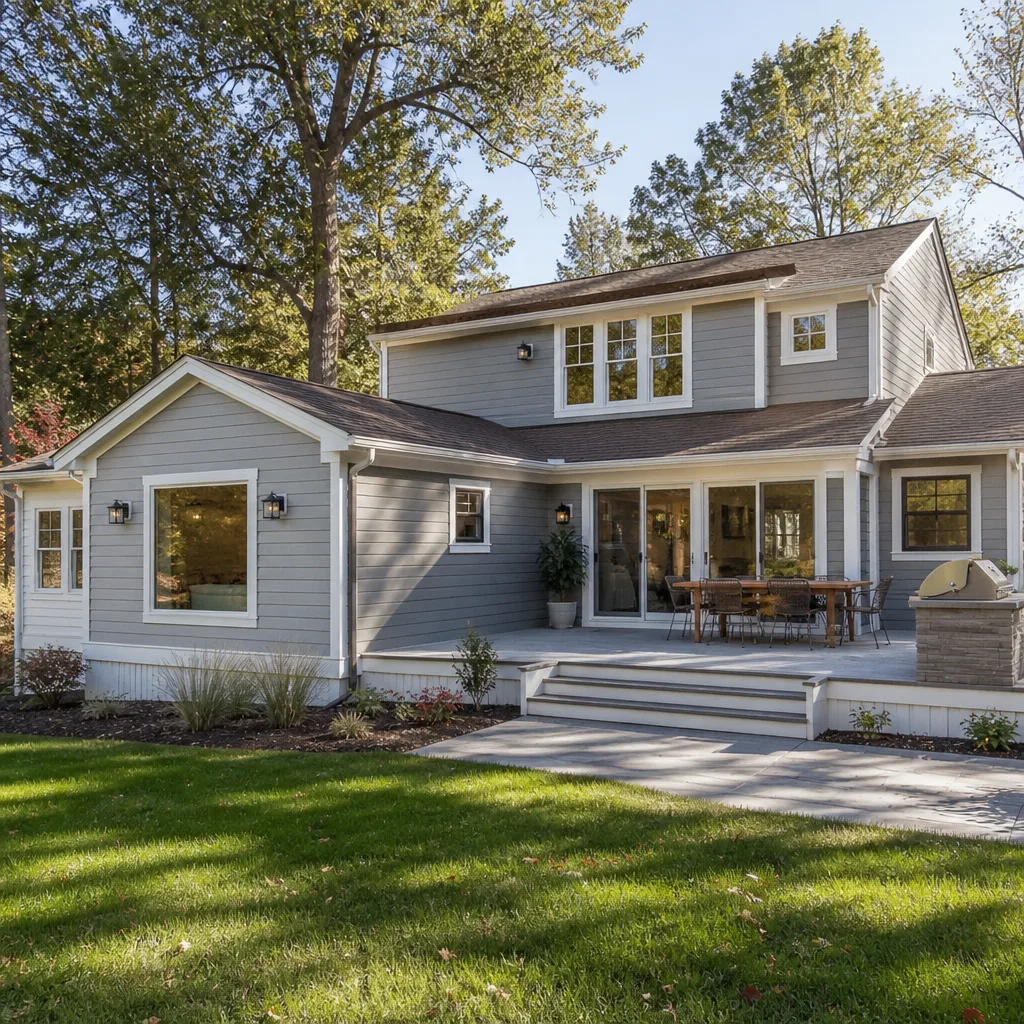 Home additions & ADU
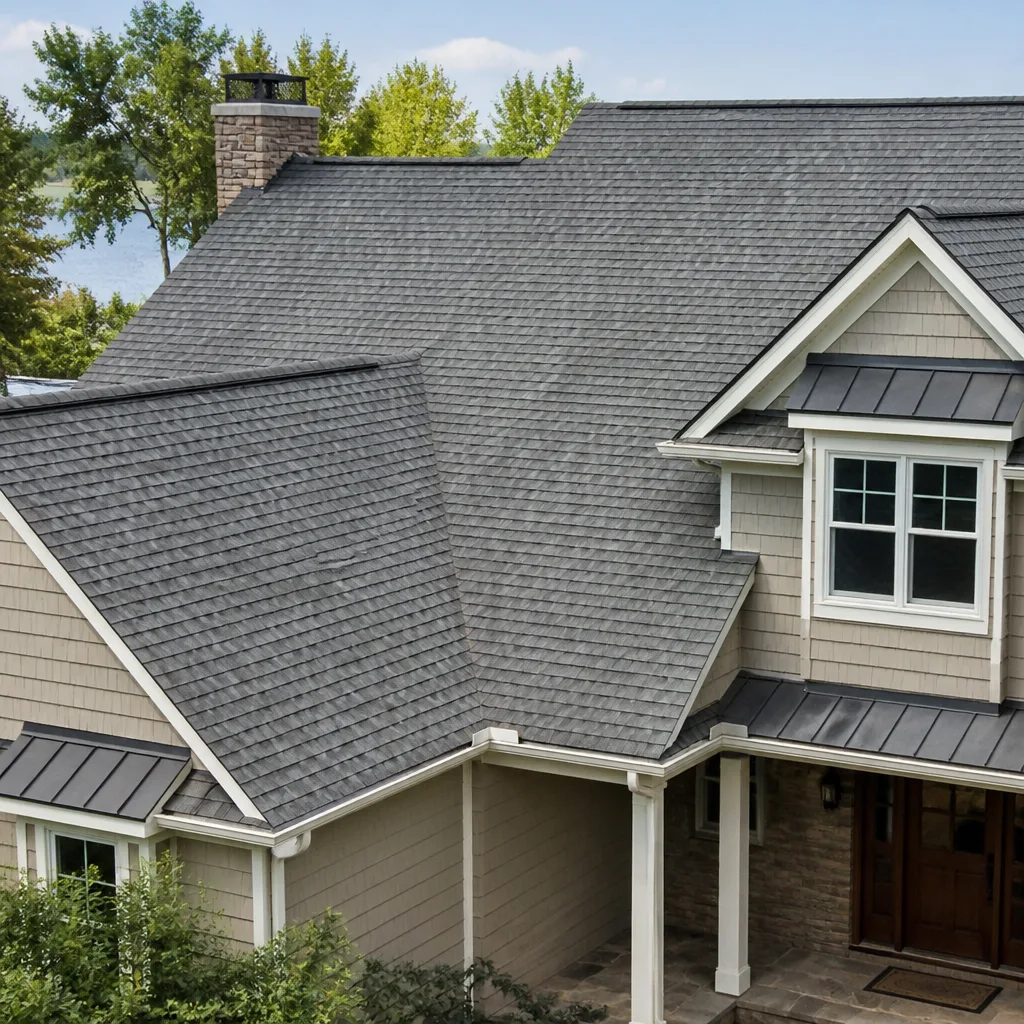 Roofing
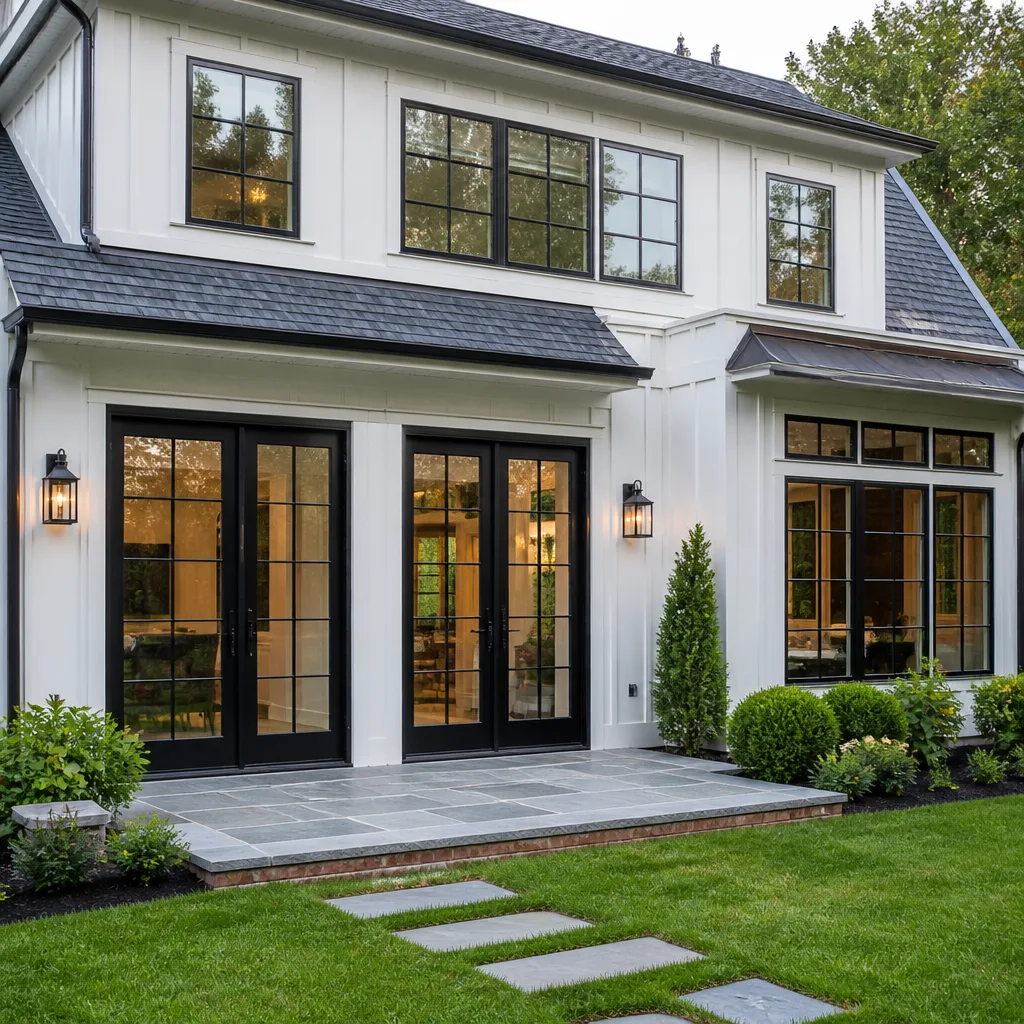 Windows & doors
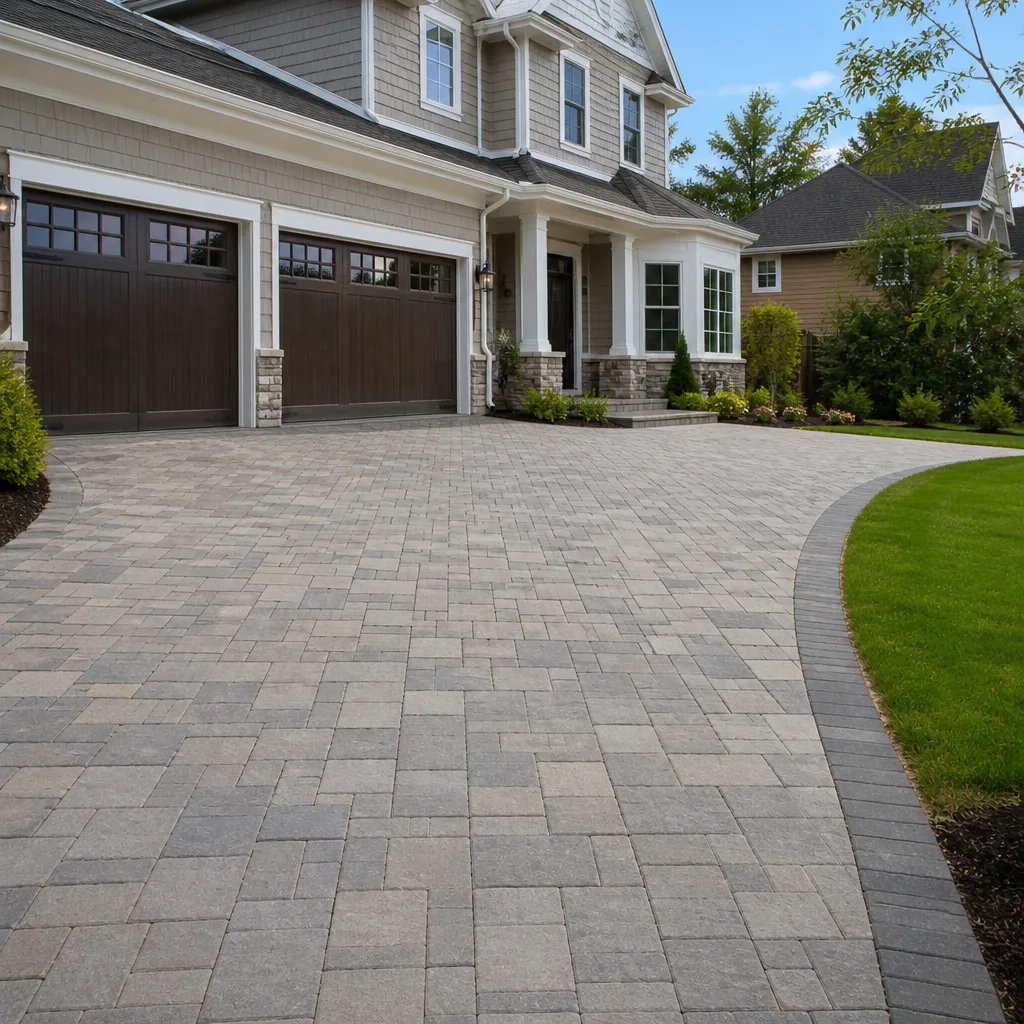 Driveway & pavers
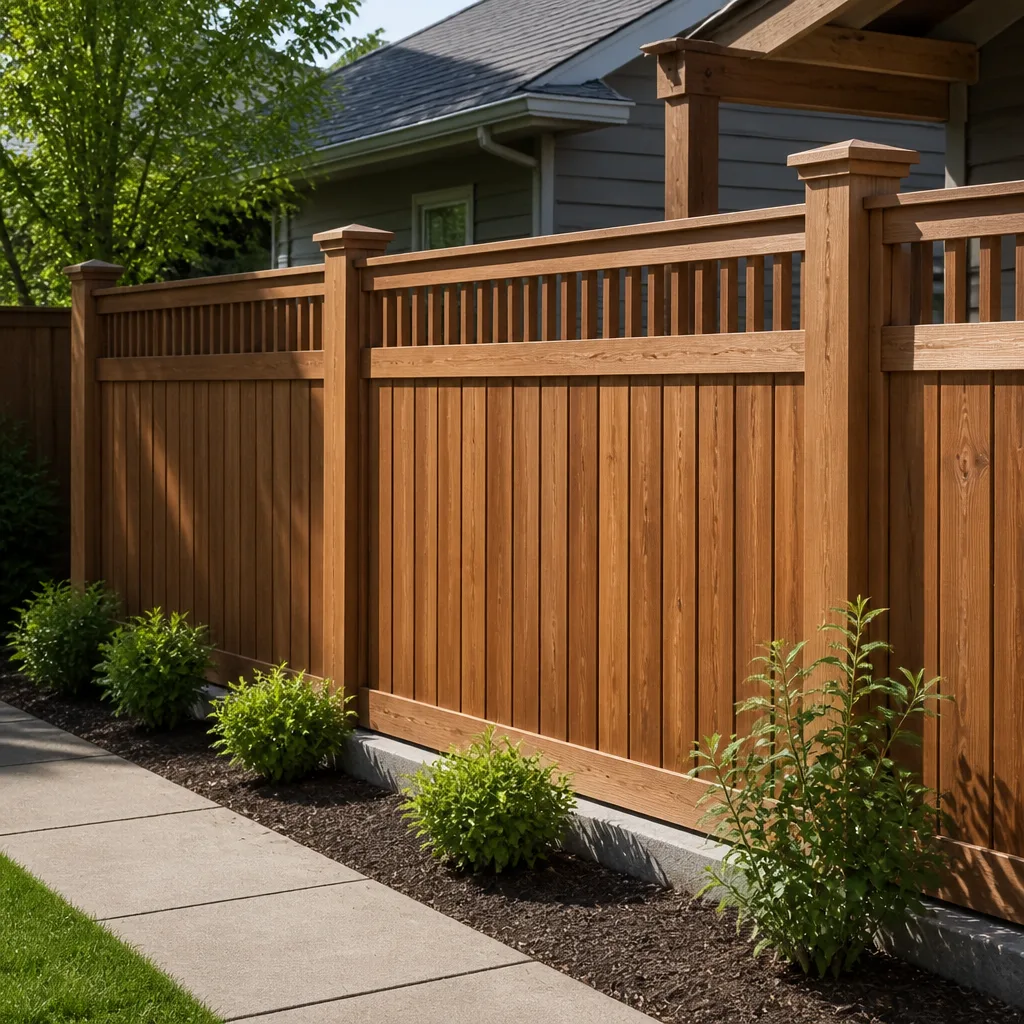 Fence
Free written scope consultation - allowances, timeline, and change-order rules on paper before a single trade is scheduled
Styles & brands we work with
- Kitchen remodeling
- Bathroom remodeling
- Home additions & ADU
- Roofing
- Windows & doors
- Driveway & pavers
- Fence
See the difference
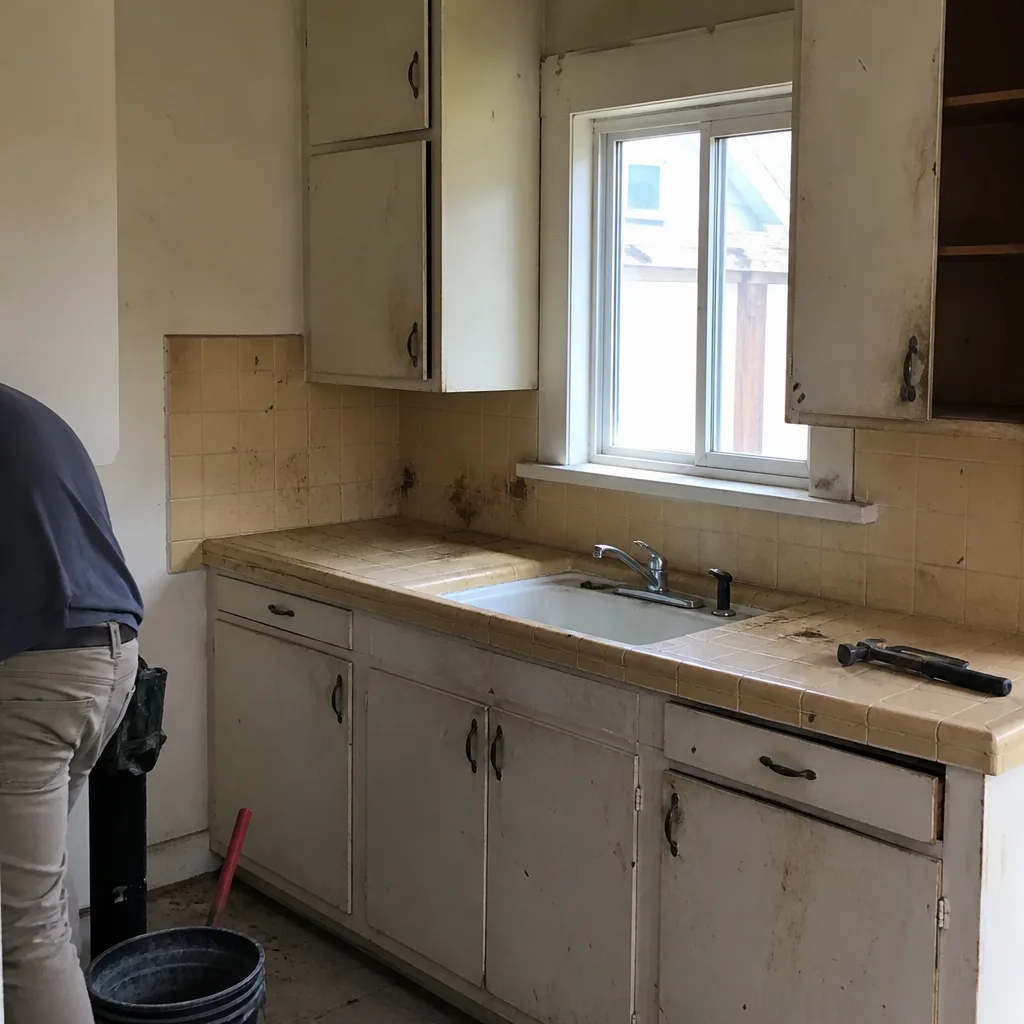 Before
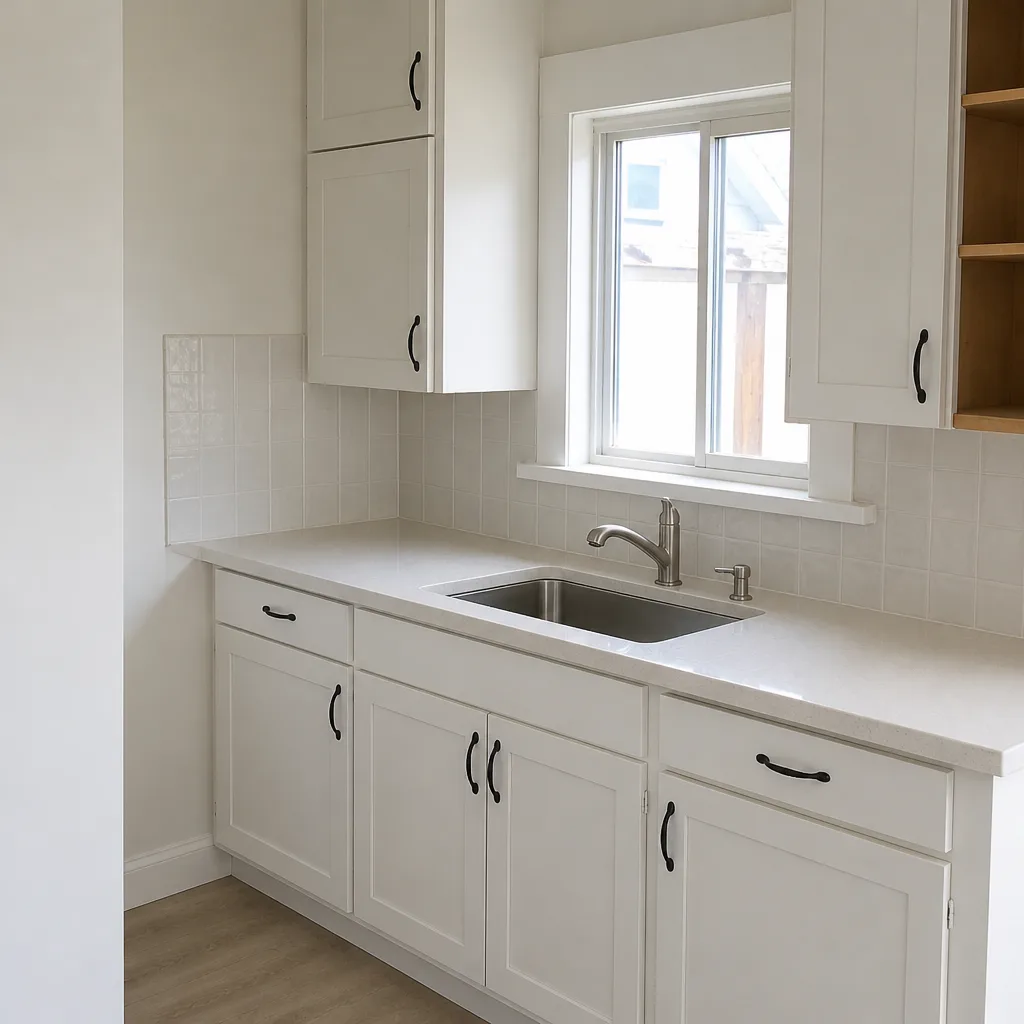 After
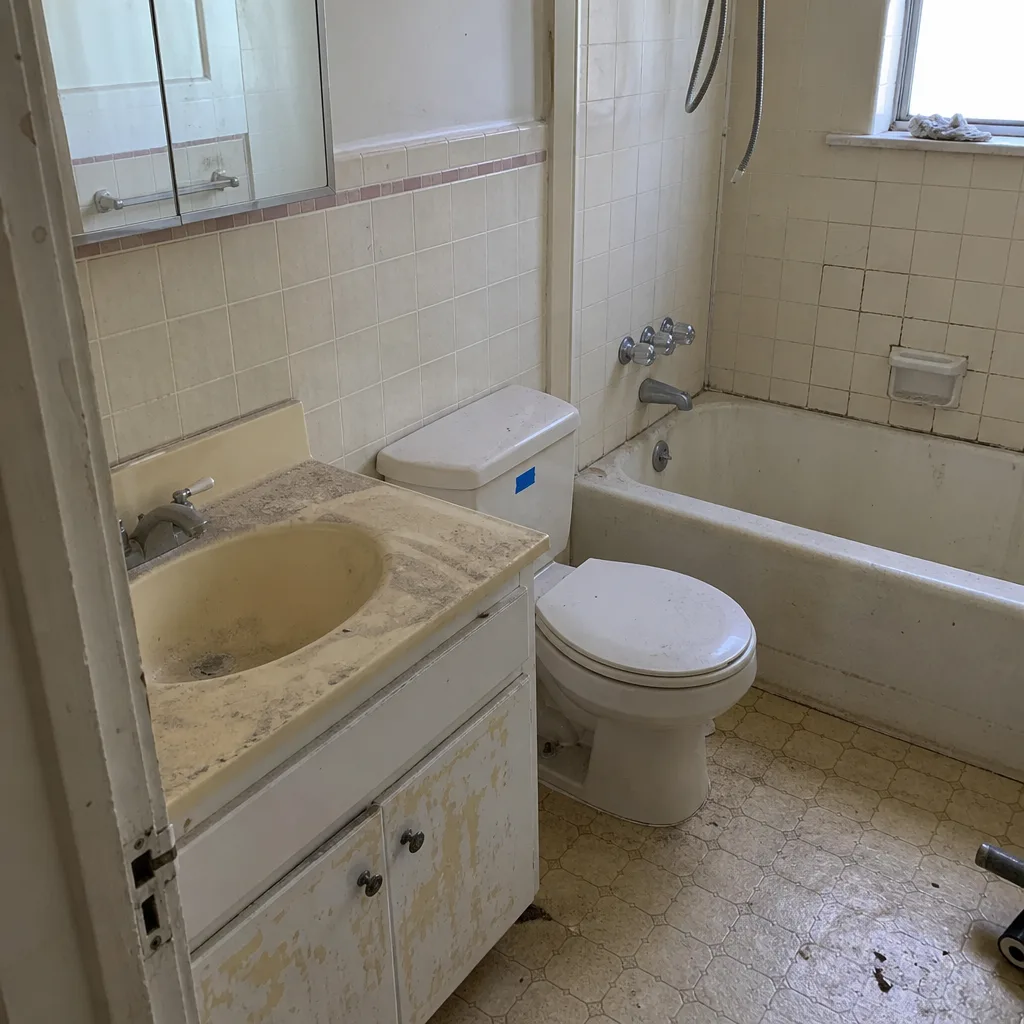 Before
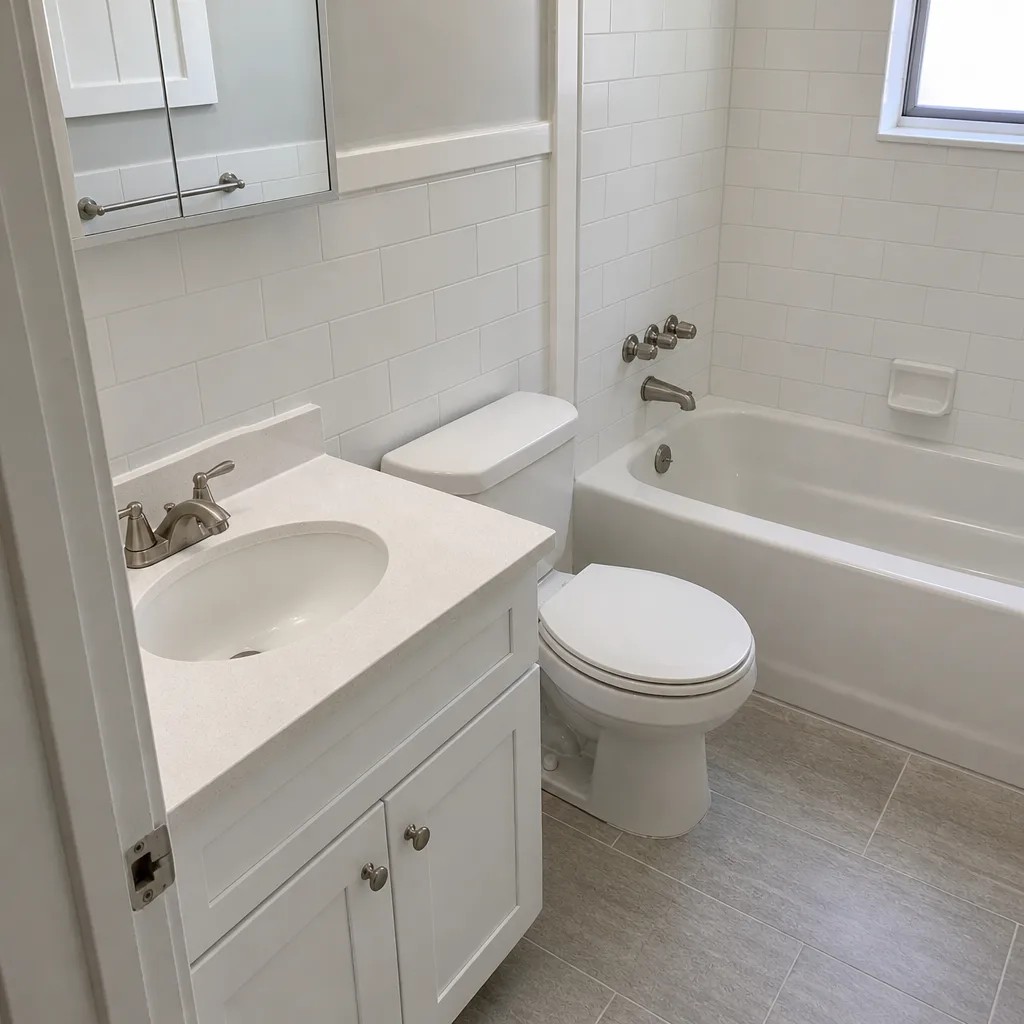 After
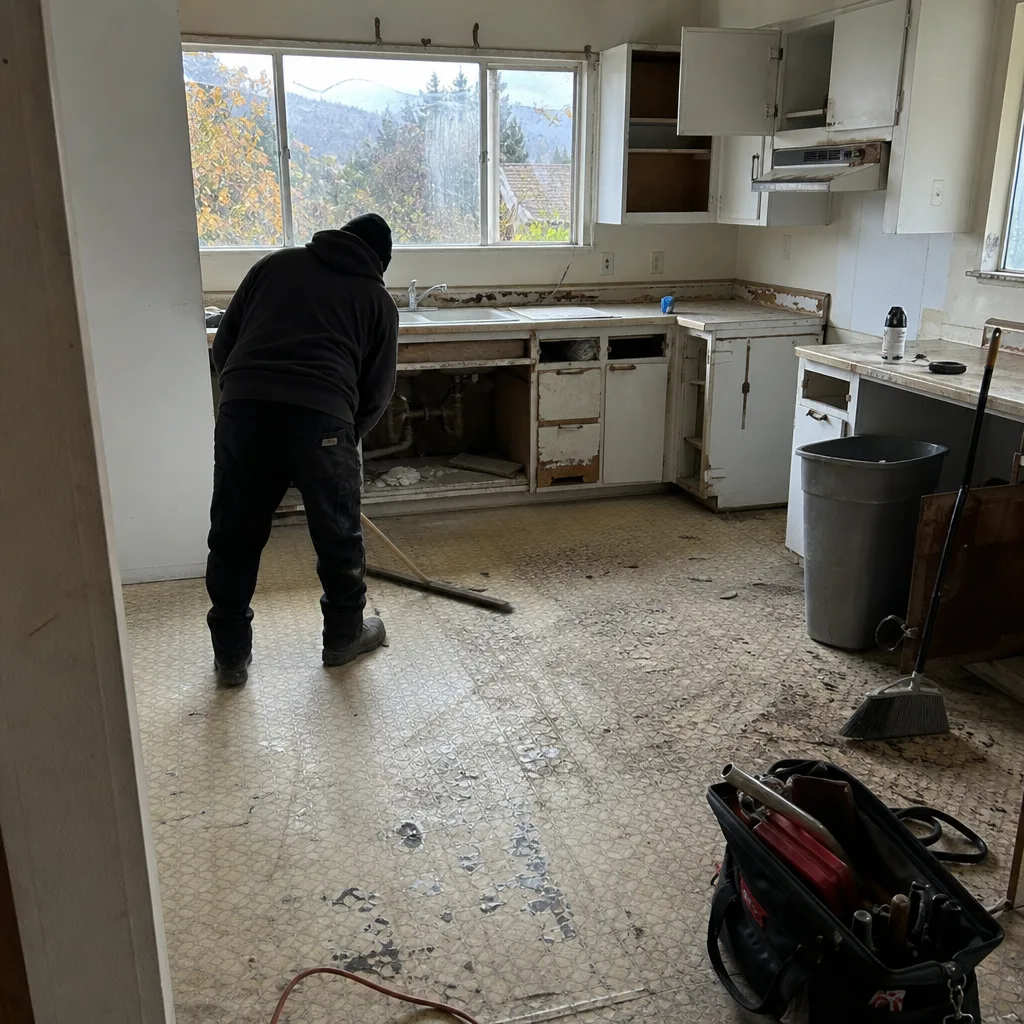 Before
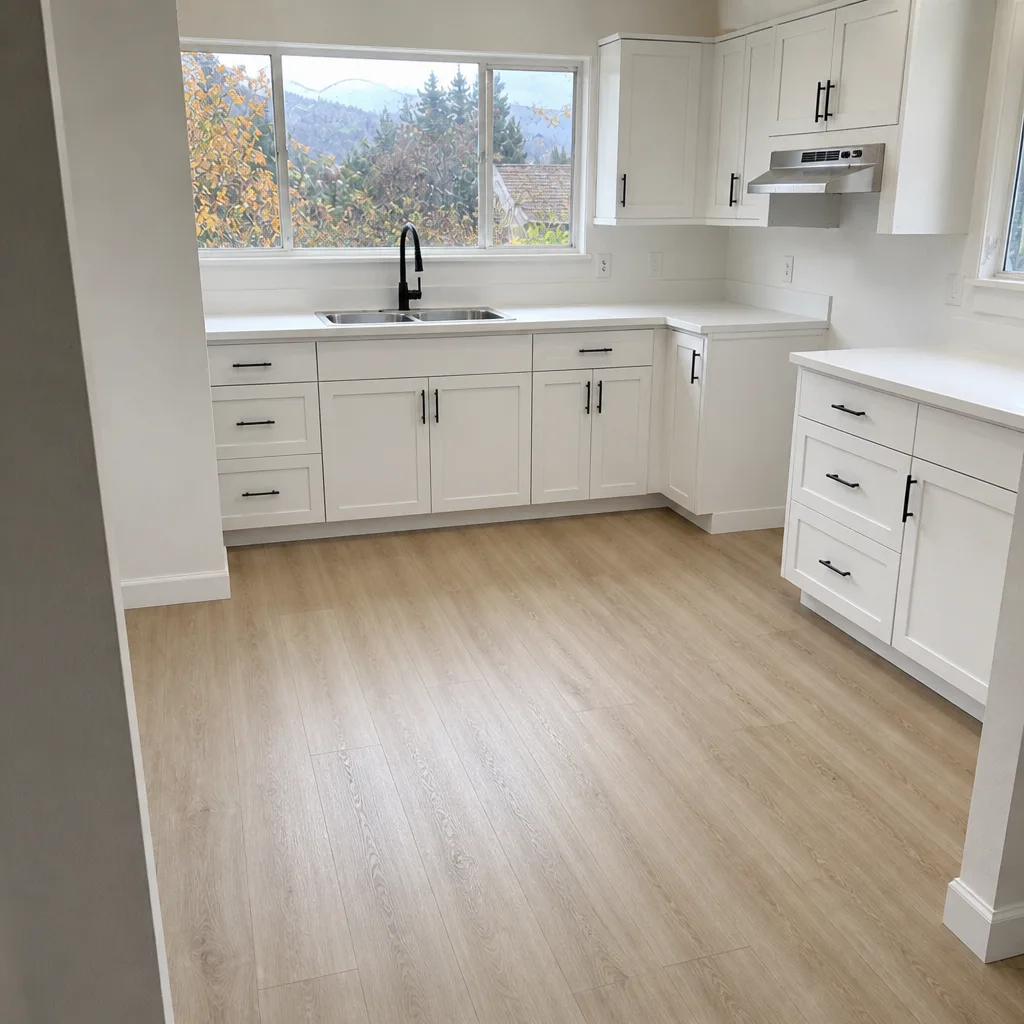 After
What Is Low-E Glass? The Oakland Answer Most Window Pages Get Wrong
Low-e glass is a window pane with an invisible metallic oxide coating that reflects heat radiation while letting visible light pass through, and it comes in two opposite configurations: passive low-e, which allows solar heat gain, and solar-control low-e, which blocks it. Choosing the wrong one for your Oakland home’s orientation and microclimate can trap heat when you need none, or block free warmth when you need every BTU. For a west-facing Rockridge Craftsman baking in July afternoon sun, that’s a $4,500-$15,000 window replacement decision you only want to make once. Call (833) 997-7759 and we’ll spec it by elevation, not by what’s sitting in a warehouse.
Hard-Coat vs. Soft-Coat: The Distinction That Actually Matters
The coating itself is a microscopic layer of silver or metal oxide applied to the glass surface. How it’s applied determines everything about how the window performs.
Hard-coat (passive low-e) is fused into the glass while it’s still molten. It’s durable, allows a meaningful amount of solar heat into the room, and reflects interior heat back inside during cold months. Passive low-e is the right call when you want the sun to do some of your heating for you.
Soft-coat (solar-control low-e) is applied in a vacuum chamber as a separate layer, usually inside a sealed double-pane unit. It blocks far more solar heat gain while still admitting light. Solar-control low-e is the right call on south and west exposures in sunny climates, where unwanted heat is the bigger problem.
Most window pages stop there. That’s where the useful part starts. The two specs are not interchangeable, and a “low-e window” label tells you nothing about which one you’re getting. If your installer asks which orientation your windows face before quoting, that’s a good sign. If they don’t, ask why.
Why One Spec Doesn’t Work Across Oakland
Oakland’s weather isn’t one weather. West Oakland and the flats sit under coastal fog most summer mornings. The hills above Rockridge and Montclair run noticeably warmer and sunnier. A west-facing Victorian that gets hard afternoon sun and a north-facing row house that never sees direct winter light are working two completely different energy equations, even if they’re a 15-minute drive apart.
Here’s how that plays out in practice:
- A west-facing Craftsman in Rockridge with big unshaded windows takes intense afternoon sun. Solar-control low-e cuts the heat load and keeps the rooms livable without an air conditioner fighting the glass.
- A north-facing Victorian row house in West Oakland that sits in fog most of the morning gains little from blocking sun it barely gets. Passive low-e lets what solar gain there is come through and holds interior heat in the evening.
- An east-facing hillside home that warms early has a shorter exposure window, which changes how aggressive the SHGC spec needs to be.
A one-size recommendation handed down without walking the site and checking orientation is how homeowners end up with windows that underperform the ones they replaced. In Temescal and West Oakland, where the housing stock is heavily pre-1940 Victorian and Edwardian, original single-pane assemblies were often oddly sized, which makes spec mistakes more expensive to fix later.
Title 24 and Climate Zone 3: The Permit Side of Low-E
California’s Title 24 energy code sets specific U-factor (how fast heat escapes) and SHGC, or solar heat gain coefficient (how much solar heat comes through), requirements for window replacements, and Oakland sits in Climate Zone 3. The low-e coating you choose is what determines whether a window meets those numbers. A permit-ready installation needs the right spec, not just any product carrying a low-e label. The code numbers and the practical spec don’t always point the same direction, which is why a knowledgeable contractor runs the compliance math before the order goes in, not after the inspector shows up.
Groundwork Construction Co. of Oakland works within Title 24 requirements as a matter of course on every window job. Our technicians bring up to 12 years of experience, and the work is covered by our 730-Day Done Right Promise: if it’s not done right, we make it right. Materials come from partners like Marvin and Andersen, both of which offer multiple low-e configurations within their lines, so the spec gets matched to the room instead of the shelf.
What Good Low-E Windows Cost in Oakland
Window replacement in Oakland runs $4,500-$15,000 for a typical project, and impact-rated window installation runs $8,000-$25,000. The low-e configuration you select usually sits inside those ranges rather than adding to them, but the wrong spec can cost you twice: once on the install, and again in winter heating bills when passive solar gain you used to get for free is now blocked.
| Scope | Oakland range |
|---|---|
| Standard window replacement | $4,500-$15,000 |
| Impact window installation | $8,000-$25,000 |
| Full window and door package (larger homes) | Quoted per project |
No-hassle upfront pricing means the number you see is the number you pay. We also run 0% financing for 18 months and $1,000 off projects over $10,000, which takes some of the sting out of a whole-house window order. Every estimate and design consult is free. When you want to talk through the spec for your specific rooms, our Windows & Doors team walks the elevations with you.
Common Local Scenarios We Run Into
A homeowner in Rockridge with a west-facing living room installs solar-control low-e and stops running a window AC unit from June through September. The same house’s north-facing bedrooms get passive low-e, and the difference in winter comfort is noticeable.
In West Oakland, a Victorian row house with fog-soaked north and east exposures ends up with solar-control low-e on the one sunny west wall and passive low-e on the north. Mixed specs on one house are normal here. They should be.
The mistake we see most often: a north-facing Oakland Victorian spec’d entirely with solar-control low-e, which blocks the modest passive solar gain that partly heated the room before. The homeowner’s winter heating costs go up, not down, because a coating chosen to keep sun out is now keeping sun out all year. That’s the spec mistake a no-nonsense contractor catches before the order goes in. It’s also why we ask which way each window faces before pricing the job.
Oakland’s older housing stock makes orientation work more important, not less. Homes built between 1900 and 1940 weren’t designed around modern glazing, and window openings vary in ways new construction doesn’t. Getting the coating right on the first order is cheaper than living with the wrong one for a decade. If your project grows into something bigger, that fits how we work across trades, from Oakland on out.
FAQs
Low-e glass has a thin metallic oxide coating that reflects heat radiation while letting light through. In winter it bounces interior warmth back into the room; in summer the right coating blocks solar heat from entering. Which way you want it to work depends on your window’s orientation, and in Oakland that means a west-facing window and a north-facing window may need different specs.
Yes, but only with the right configuration. Oakland’s mild Mediterranean climate doesn’t demand the heaviest solar-control spec everywhere. A north-facing home under coastal fog benefits more from passive low-e, while a west-facing rooms with hard afternoon sun need solar-control. Spec’d correctly, the windows pay for themselves in comfort and energy use. Call (833) 997-7759 for a free estimate that takes orientation into account.
Oakland sits in Climate Zone 3, and Title 24 sets U-factor and SHGC requirements for replacement windows that a low-e coating helps you meet. The coating you choose directly determines compliance, so the spec has to be worked out before ordering. A permit-ready job needs the right low-e, not just any low-e. Call us for a spec review before you buy.
You can, but it’s often the wrong move in Oakland. On north-facing windows that get little direct sun, solar-control low-e can block the passive heat that used to warm those rooms in winter, raising heating costs. We spec window by window, not with one blanket recommendation, and the difference shows up on your energy bill. Call (833) 997-7759 to talk through your layout.
Let’s Get the Spec Right the First Time
If you’d rather have it looked at, Groundwork Construction Co. of Oakland offers a no-pressure assessment in Oakland. We walk the elevations, run the Title 24 numbers, and recommend the low-e configuration room by room, backed by our 730-Day Done Right Promise and a free design consult. Call (833) 997-7759 to schedule yours. Live people answer, 24/7, and the estimate is free.
Written by the team at Groundwork Construction Co. of Oakland, serving Oakland, CA.