
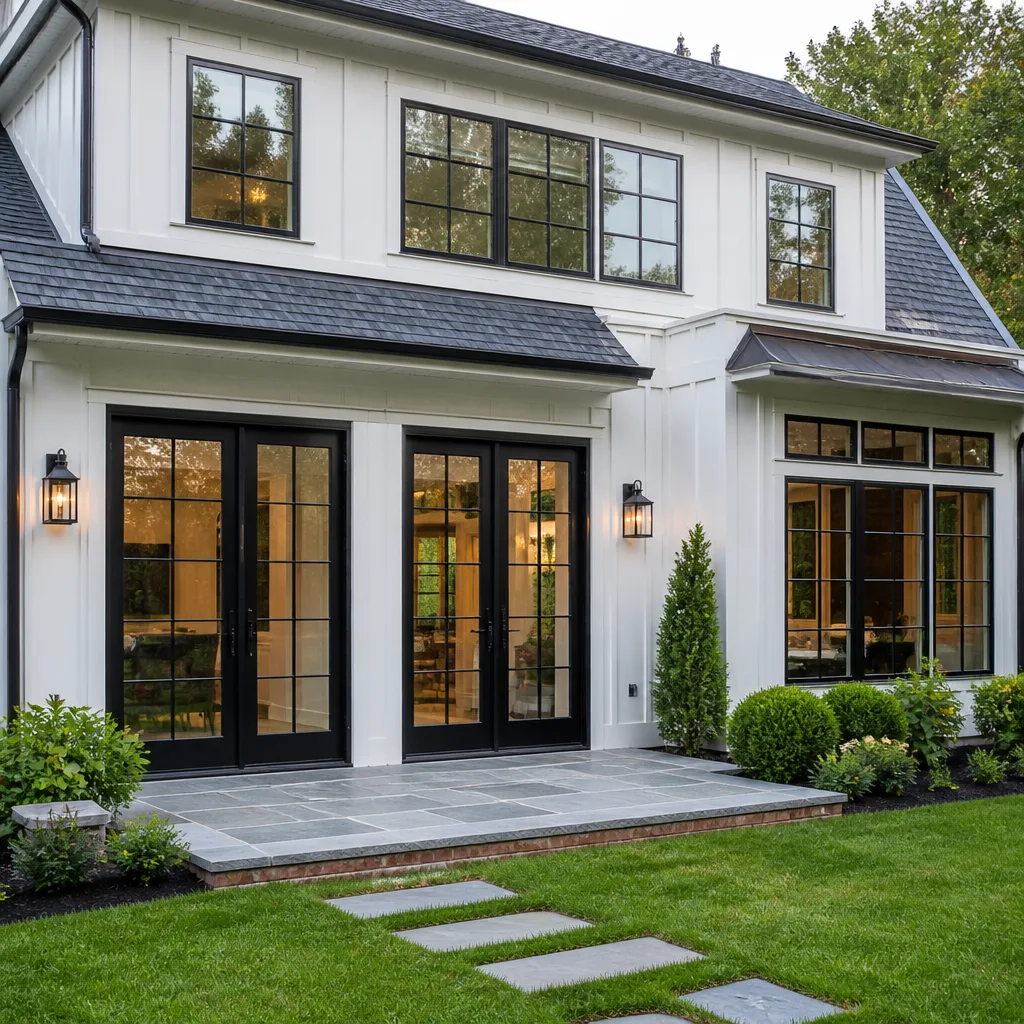
 Windows & doors
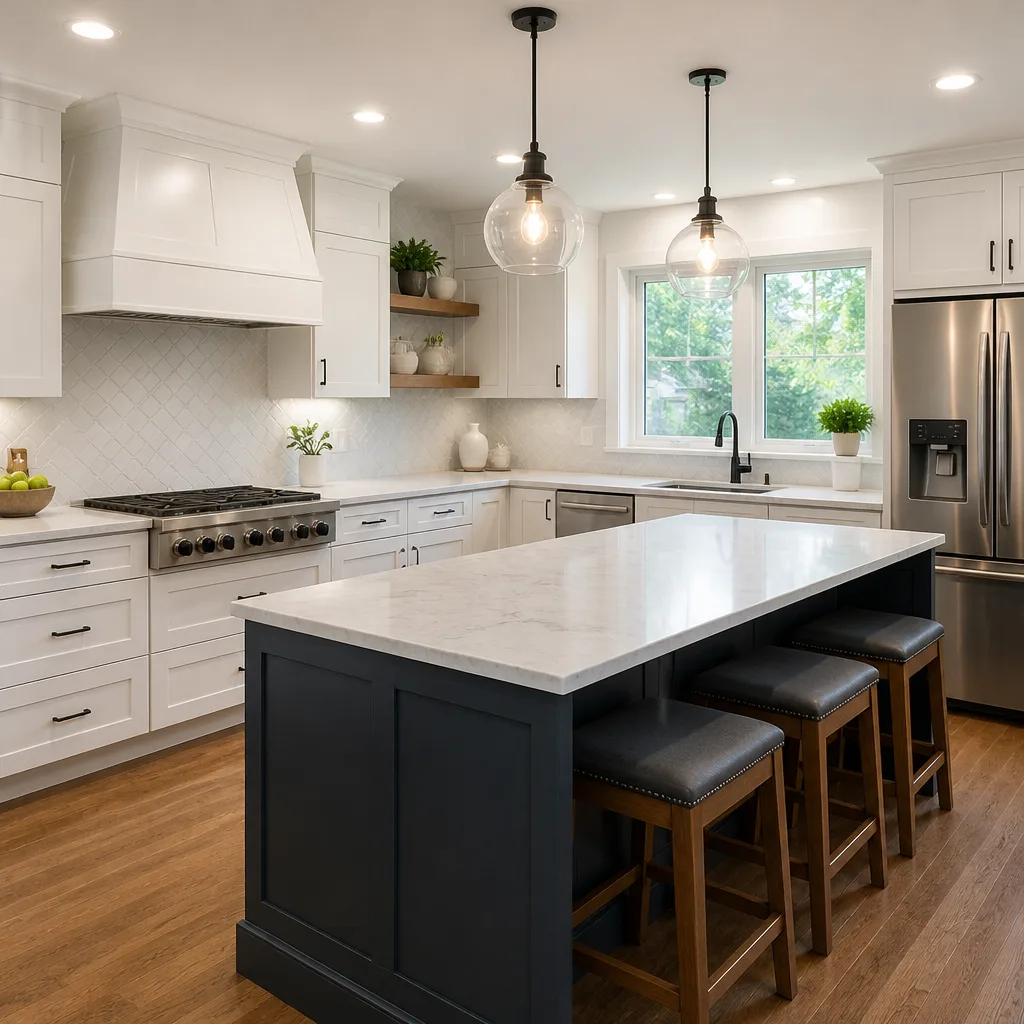 Kitchen remodeling
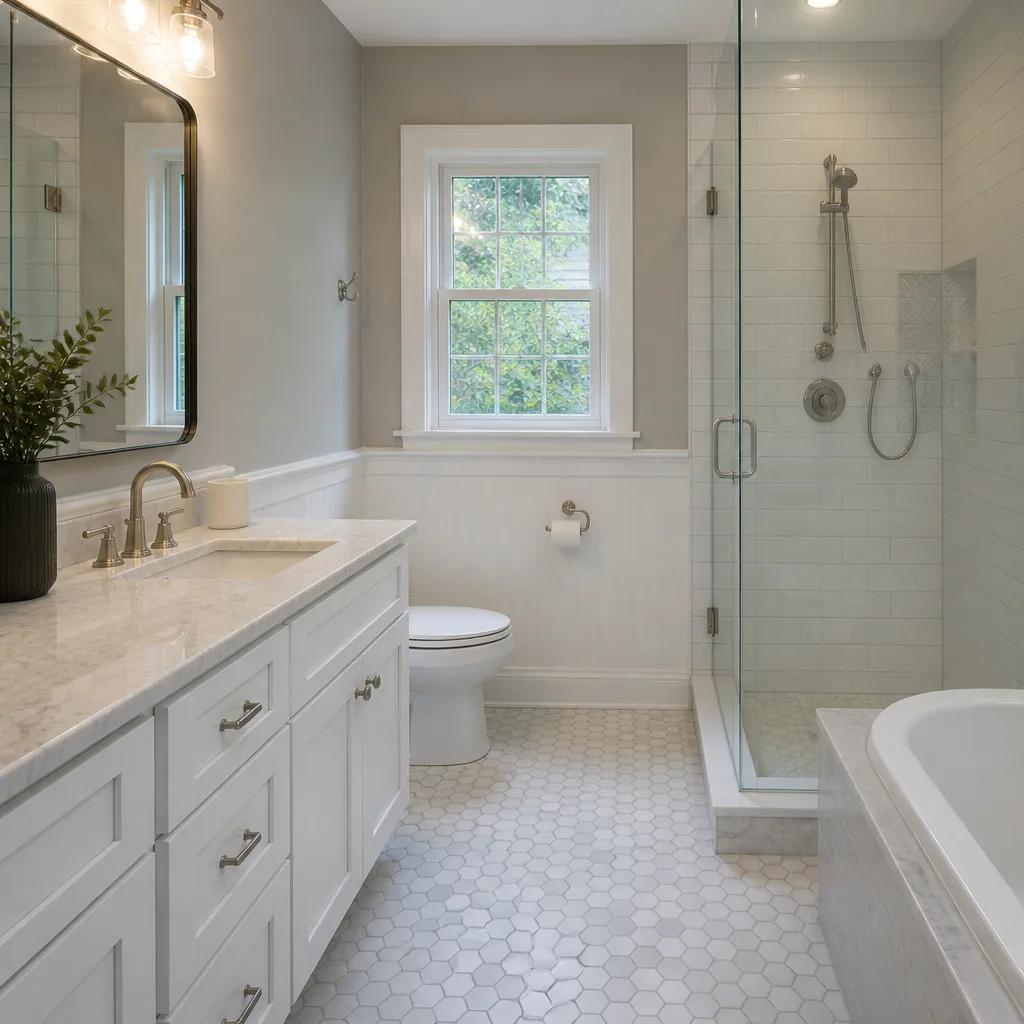 Bathroom remodeling
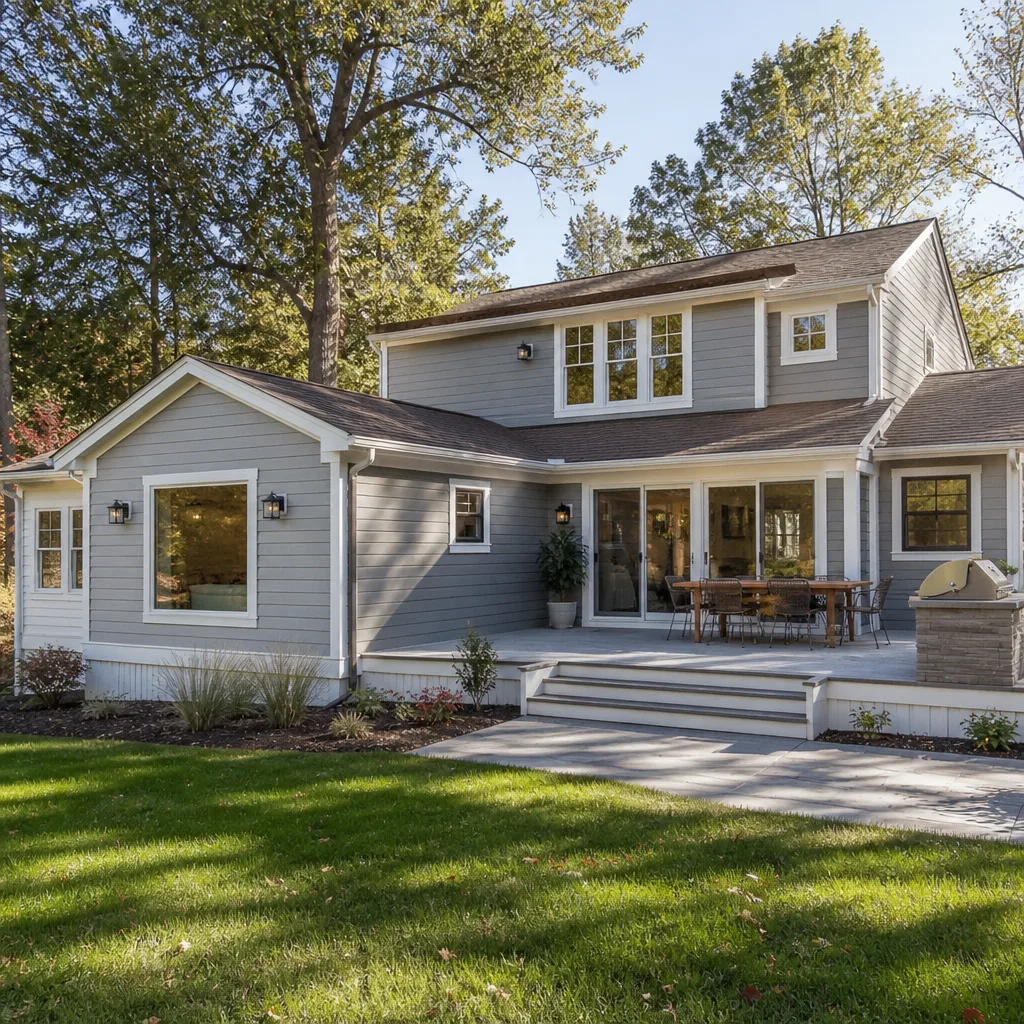 Home additions & ADU
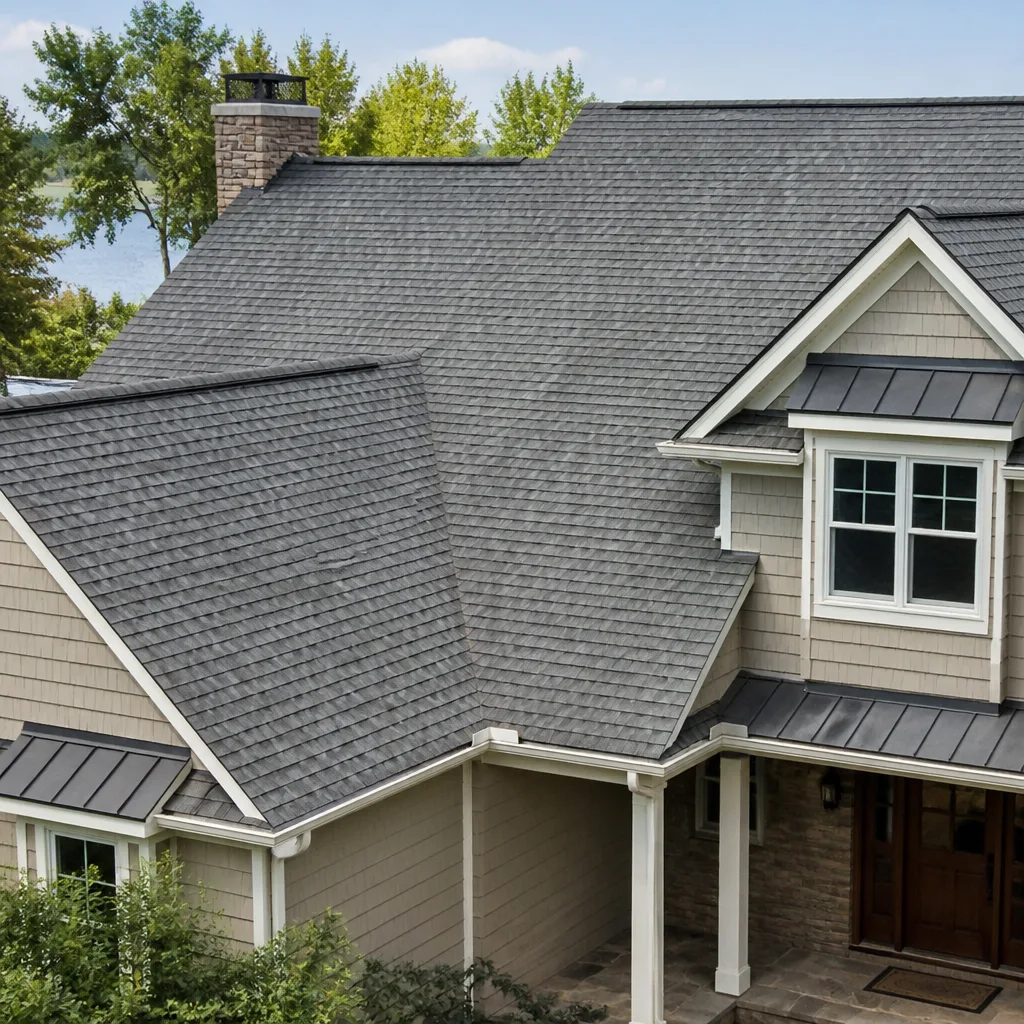 Roofing
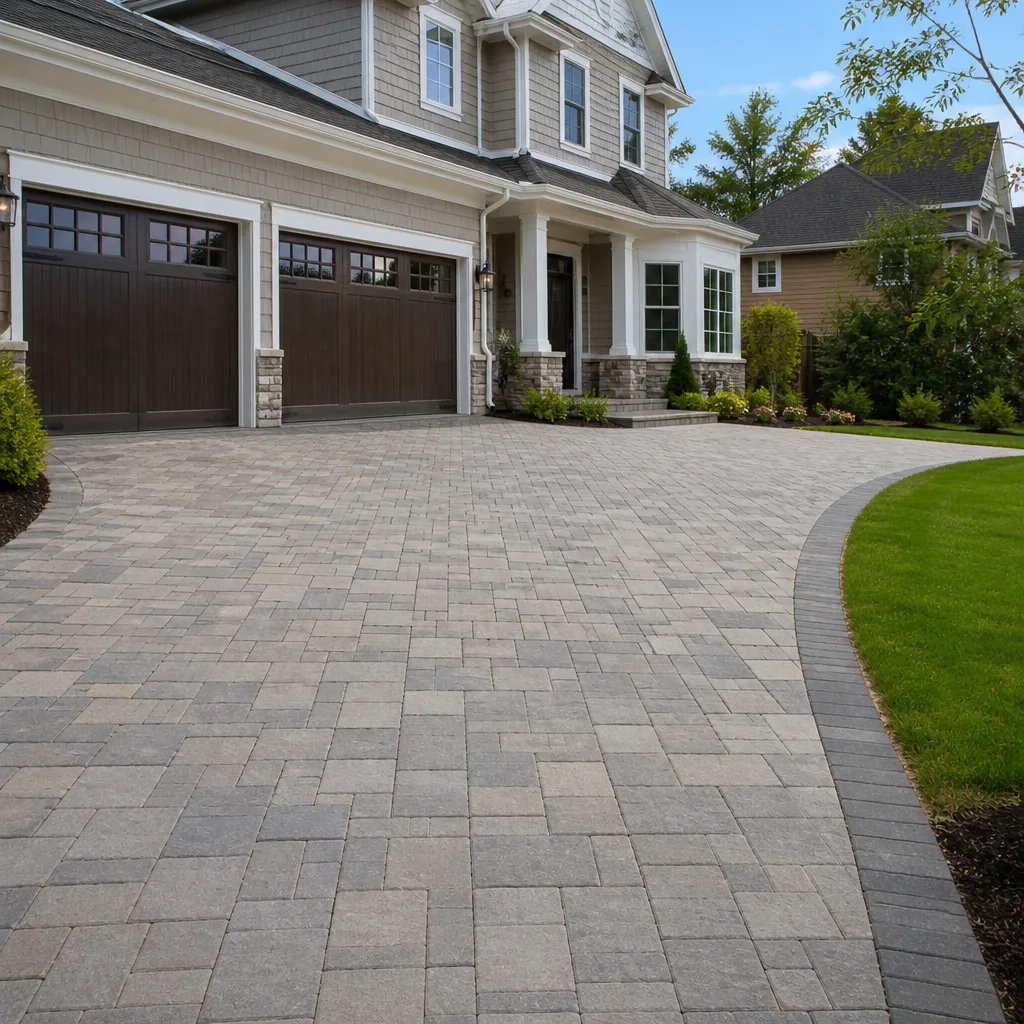 Driveway & pavers
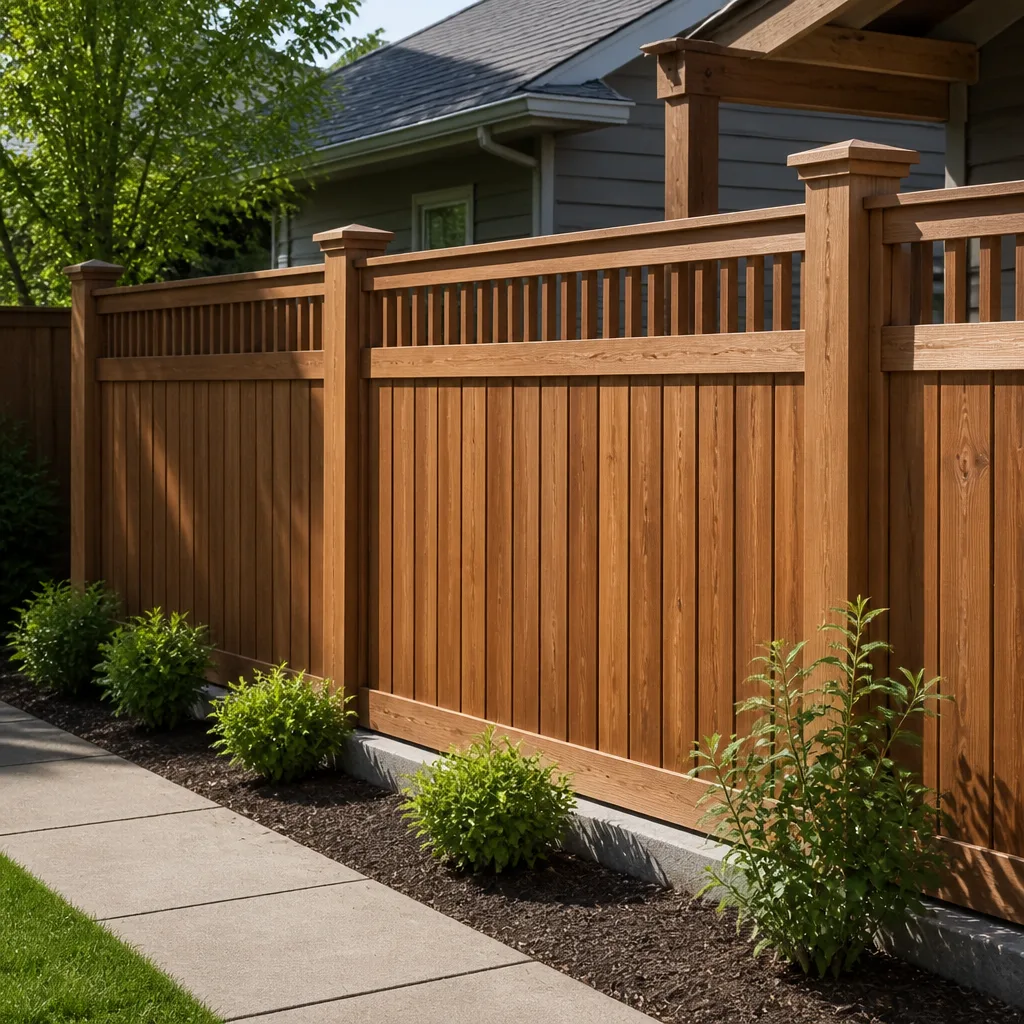 Fence
Free written scope consultation - allowances, timeline, and change-order rules on paper before a single trade is scheduled
Styles & brands we work with
- Kitchen remodeling
- Bathroom remodeling
- Home additions & ADU
- Roofing
- Windows & doors
- Driveway & pavers
- Fence
See the difference
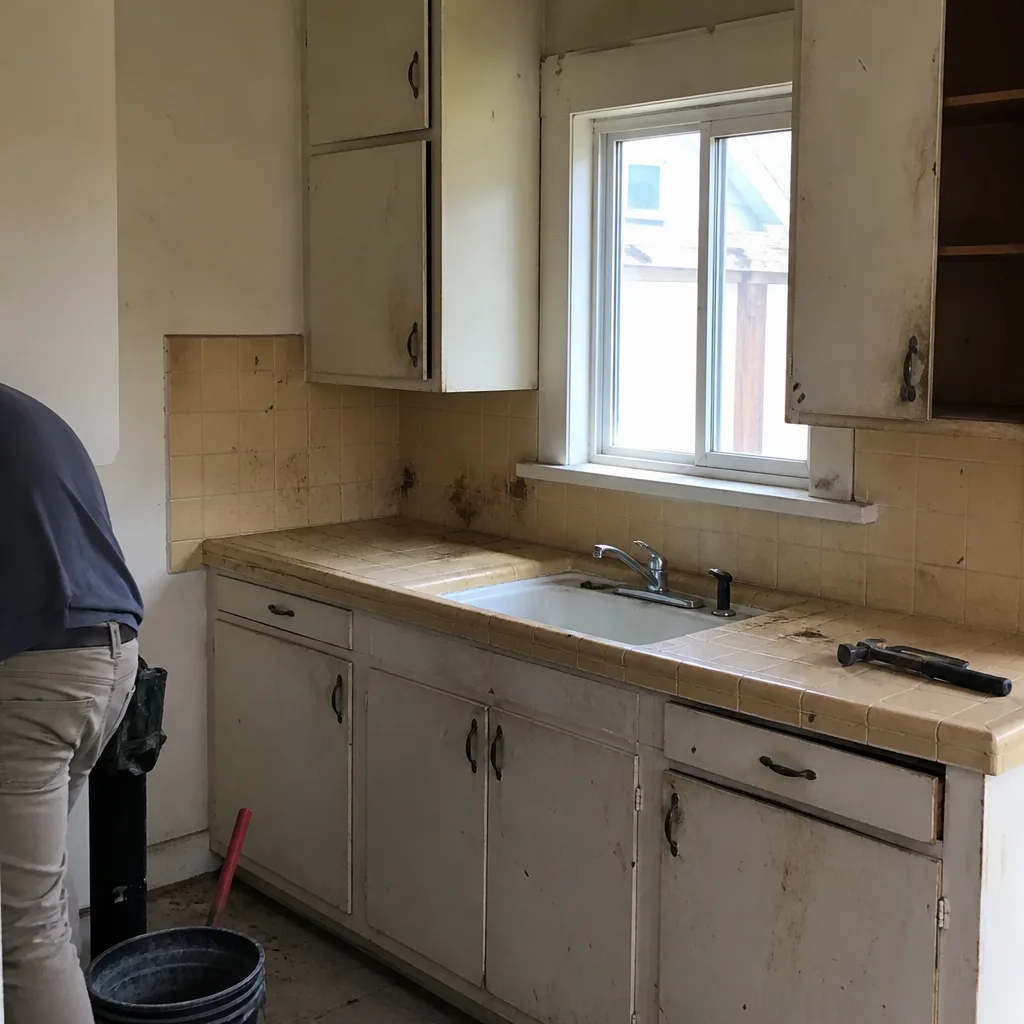 Before
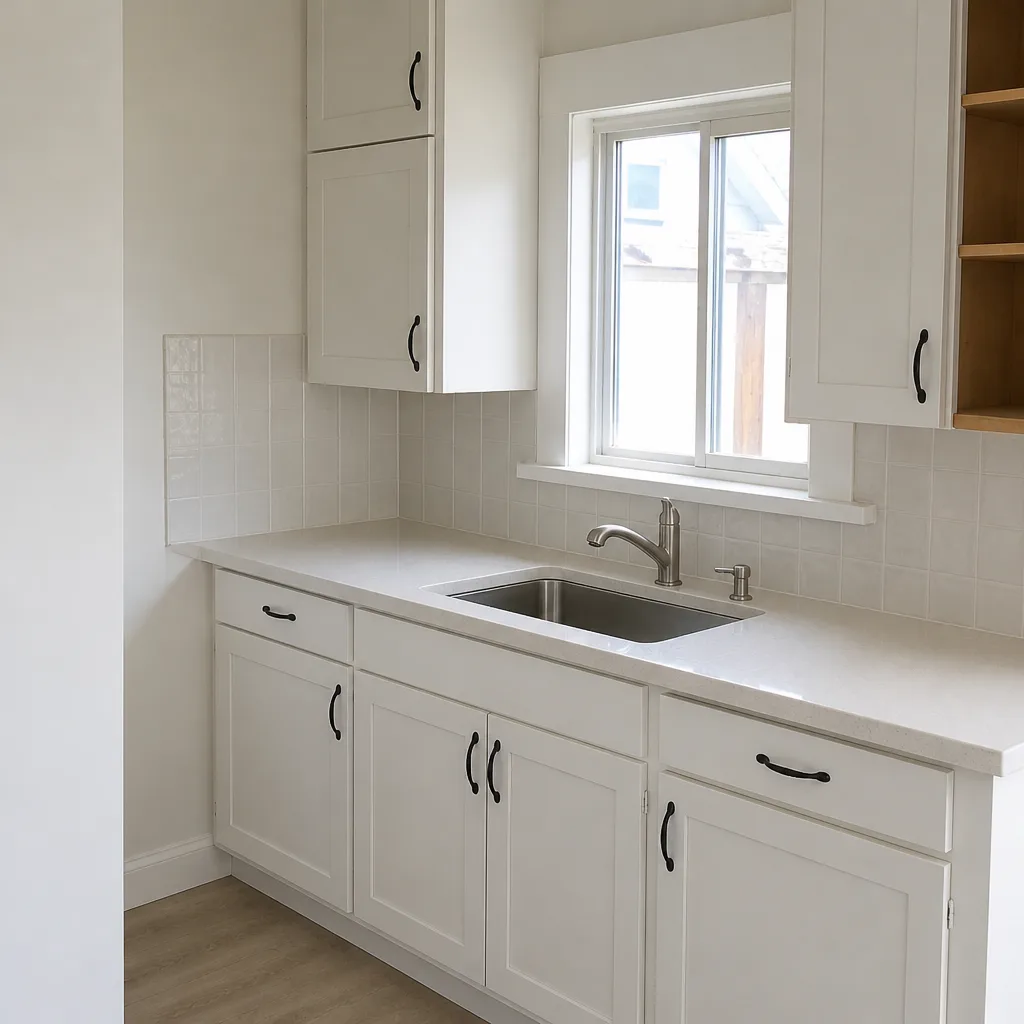 After
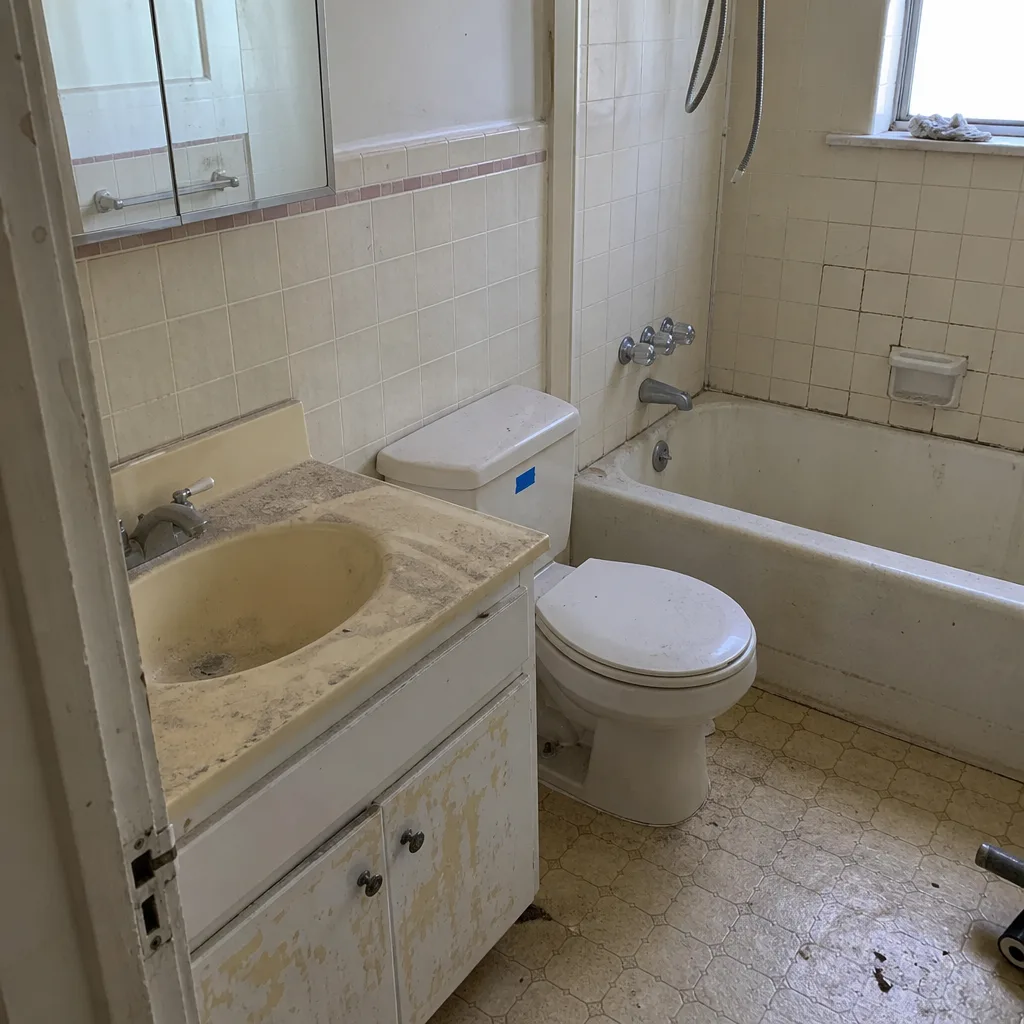 Before
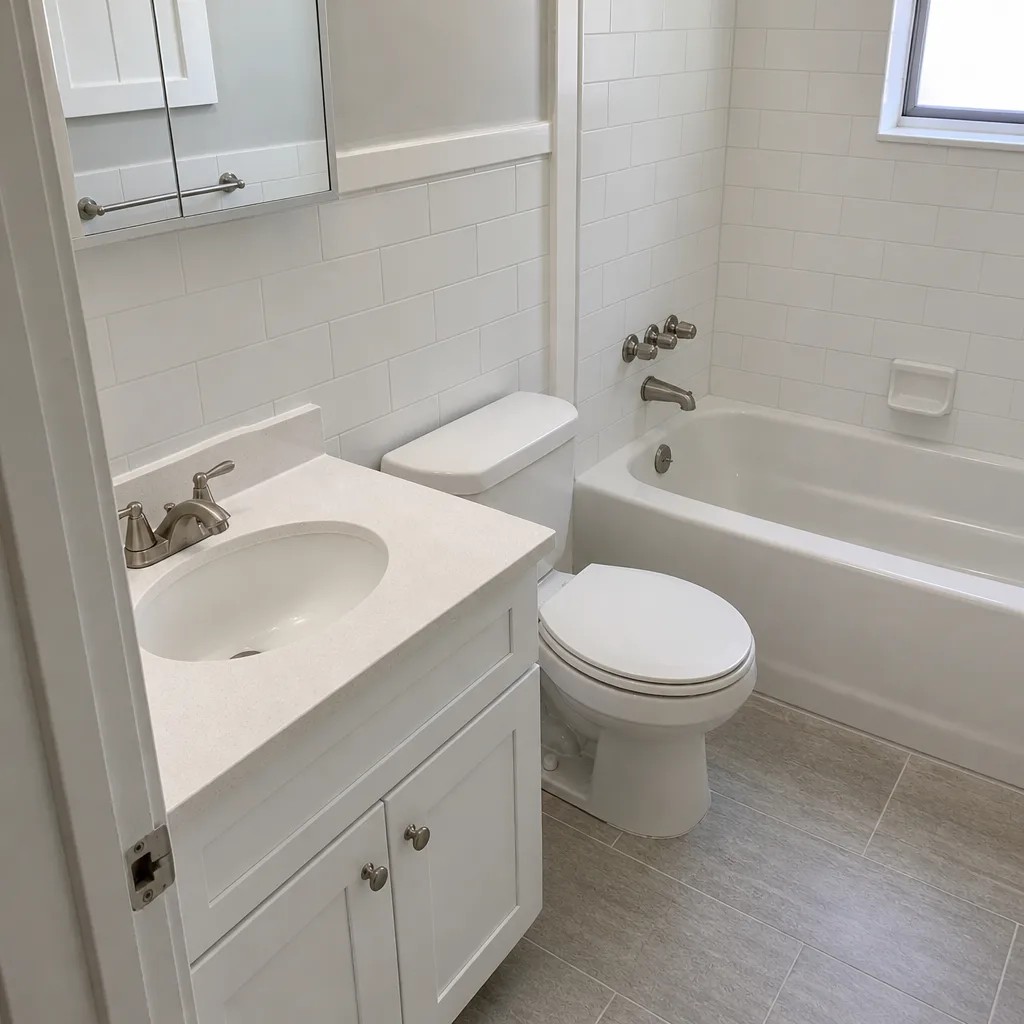 After
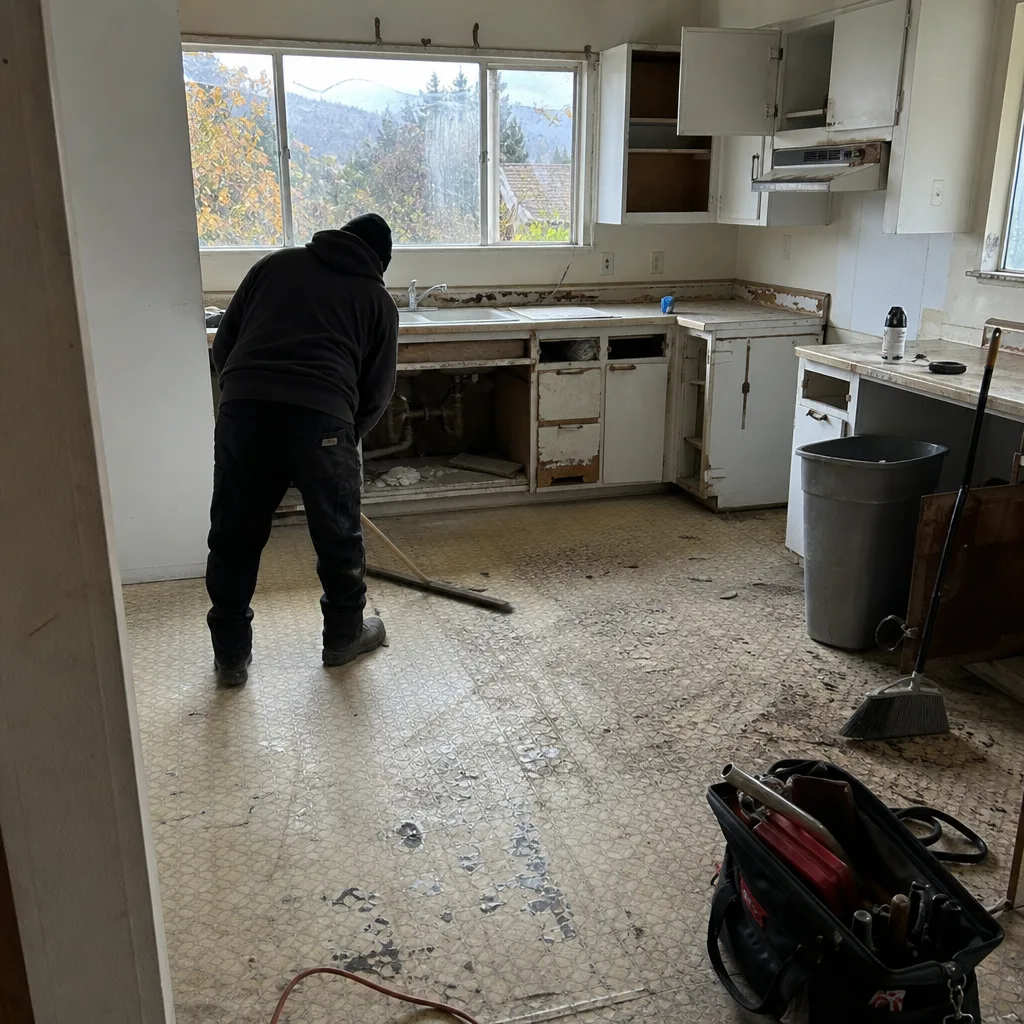 Before
 After
Impact, Hurricane-Proof, and Storm-Rated Windows in Oakland: What the Labels Actually Mean
They are not synonyms. “Impact-resistant” refers to glass that passed ASTM E1886/E1996 large and small missile testing (debris launched by hurricane wind). “Storm-rated” usually points to an AAMA/WDMA/CSA 101.I.S.2.A440 performance grade for wind-pressure resistance. “Hurricane-proof” is a marketing phrase with no standardized regulatory definition at all. None of those frameworks were written for Oakland’s wildfire ember exposure or seismic racking load, so choosing a window by its hurricane label is the wrong decision tree here. Call (833) 997-7759 and we’ll walk through which certification your specific Oakland home actually needs.
Key Takeaways
- Impact-resistant = passed missile-debris testing; hurricane-proof = no legal definition; storm-rated = wind-pressure performance grade.
- California’s residential code runs on Title 24 (U-factor and SHGC by climate zone) and ASCE 7 wind pressure, not on hurricane standards.
- In Oakland’s Fire Hazard Severity Zones, Cal Fire Chapter 7A governs glazing, and a Miami-Dade NOA alone may not clear a WUI-zone permit.
- Laminated glass earns its keep in Oakland for forced-entry resistance and acoustic dampening - choose it on purpose, not by accident.
Why None of the Three Labels Maps to What Oakland Windows Actually Face
Here’s the thing nobody selling windows tells you: all three labels were born in places with a specific threat in mind, and Oakland isn’t that place. Miami-Dade impact ratings exist because of flying roof tile and coconuts in 150 mph wind. AAMA storm ratings exist because coastal wind pushes against glass and the frame has to hold. Those are real problems. They’re just not yours.
Oakland’s hillside homes face two threats the hurricane system was never asked to answer. The first is ember and radiant heat. The second is lateral racking during a seismic event - a house on a slope in the Oakland hills flexes in ways a flat Florida lot never will, and the window frame either tolerates that movement or it doesn’t. A window can carry a spotless Florida hurricane certificate and still be the wrong unit for a Rockridge bungalow or a hillside house above Piedmont Avenue. That isn’t a knock on the product. It’s a mismatch between the testing regime and the risk environment.
And the housing stock makes the decision more complicated, not less. Oakland’s detached and semi-detached homes were largely built between 1900 and 1940 - Victorian row houses, Craftsman bungalows, stucco Mediterranean revivals. Rough openings in a century-old Craftsman are out of square by half an inch here and an inch there, so the specified unit has to be sized to the actual opening, not the drawing. We’ve opened walls on a “simple” window swap in a pre-1940 Oakland home and found knob-and-tube wiring and a header that was never engineered. That’s why we treat window replacement in these houses as a small structural project, not a cosmetic one.
What California Code Actually Asks For (and It Isn’t a Hurricane Rating)
Two separate frameworks govern window performance in Oakland.
Title 24 sets thermal performance: U-factor and Solar Heat Gain Coefficient, tested by climate zone. Oakland’s mild Mediterranean climate with wet winters and dry summers means you want a U-factor that holds heat in during January and an SHGC that keeps summer sun from cooking the west-facing rooms without blacking out the daylight that makes these houses livable.
ASCE 7 sets the structural wind-pressure rating the unit must achieve, based on the building’s exposure category and height. That’s the number your window has to satisfy for the permit, and it comes from the structural calc, not from a manufacturer’s marketing collateral.
Then there’s the framework that trips up the most Oakland homeowners: Cal Fire’s Chapter 7A. If your property sits inside a designated Fire Hazard Severity Zone (many hillside parcels are), Chapter 7A requires tempered or multi-pane glazing with specific integrity ratings against ember intrusion and radiant heat. Chapter 7A is a completely separate certification from hurricane standards, and it is the one the Oakland planning department will ask to see when a WUI-zone window permit crosses the counter. A unit with a Florida Miami-Dade NOA and no Chapter 7A listing may not satisfy the reviewer. Ask your installer whether the specific product has a Chapter 7A listing number before you sign a contract - this is the single most common reason a WUI-zone window permit gets sent back.
Where Impact-Rated Glass Earns Its Place in Oakland Anyway
None of this means laminated glass is wasted on an Oakland home. It means the reason to buy it is different from the reason it exists.
- Forced-entry resistance. Laminated glass (the same construction used in impact-rated windows) holds together under a break attempt. Flatlands break-ins are a real thing in this city, and a laminated unit slows the entry window from a few seconds to several minutes.
- Acoustic dampening. A laminated assembly knocks down street noise noticeably more than a single-pane or basic dual-pane unit. On a corridor-facing home in Temescal or a West Oakland block near the freeway, that difference is what makes a bedroom usable at night.
- Ember and radiant-heat integrity. The interlayer and multi-pane construction that gives laminated glass its forced-entry benefit also performs well against the heat-and-ember load Chapter 7A was written for. That’s a co-benefit, not a coincidence.
Our rule at Groundwork Construction Co. of Oakland is to start the selection with Chapter 7A compliance and Title 24 performance, then layer in laminated glass where the security and acoustic case justifies the upcharge. Not the other way around. That’s how you end up with a window that matches your house instead of a specification that looks impressive on a brochure.
For a full breakdown of what we install and how a typical project runs, see our Windows & Doors page. When we specify Andersen or Marvin units for an Oakland project, the selection gets driven by the Chapter 7A listing and the Title 24 numbers first, then we discuss glass construction, glazing options, and frame material.
What Does Window Work Cost in Oakland?
Straight numbers, in the ranges we actually quote for Oakland homes. The spread reflects glass type, frame material, the number of units, and how much framing repair the opening needs once the old unit comes out.
| Project | Typical Oakland range |
|---|---|
| Window replacement (whole-house, standard glazing) | $4,500 - $15,000 |
| Impact-rated / laminated glass window installation | $8,000 - $25,000 |
| Title 24 documentation and permit package | Included in the project quote |
| Framing repair (rot or out-of-square opening, per opening) | Quoted after inspection |
Every estimate we give comes with upfront pricing, no surprises - the number you see is the number you pay. Larger projects over $10,000 qualify for $1,000 off, and we offer 0% financing for 18 months so the work doesn’t have to wait for a savings account to catch up. All of it is covered by our 730-Day Done Right Promise: if it’s not done right, we make it right. Technicians are background-checked, arrive in uniform, and bring up to 12 years of experience to the job.
Frequently Asked Questions
Yes. “Hurricane-proof” is a marketing term with no standardized regulatory definition, while “impact-resistant” refers specifically to glass that passed ASTM E1886/E1996 large and small missile testing. A manufacturer can print “hurricane-proof” on a box without any certification behind it; an impact-resistant window has a test report. Ask for the report, not the label.
Not for hurricanes, but you may need them for a different reason: forced-entry resistance and acoustic benefit. Oakland’s flatlands neighborhoods see enough break-in activity that laminated glass makes a practical difference, and homes near busy corridors get real relief from street noise. If your house sits in a Fire Hazard Severity Zone, Chapter 7A compliance matters far more than any hurricane rating, and that’s where the selection should start. Call (833) 997-7759 and we’ll check your parcel against the fire zone map.
Most Oakland impact-rated window projects run $8,000 - $25,000, while standard window replacement lands in the $4,500 - $15,000 range. The gap comes from glass cost per unit plus anything the rough opening needs once the old frame is out. Pre-1940 Oakland homes often reveal rot or an out-of-square header that adds framing time. Call (833) 997-7759 for an exact quote - estimates are free.
Not necessarily. A Florida Miami-Dade Notice of Acceptance covers hurricane impact performance, but it is not a Chapter 7A listing, and Oakland’s planners are looking for Chapter 7A compliance on WUI-zone permits. You need the product’s Chapter 7A listing number, filed alongside the Title 24 documentation and the ASCE 7 wind-pressure calc. A window can carry both certifications; it can also carry only one. Confirm before you order.
Usually the whole unit, because of what the opening needs. In pre-1940 Oakland homes, the rough opening is rarely square, and pulling the sash to swap glass exposes whatever the builder did (or didn’t do) to the framing. Replacing the full unit lets us correct the opening and get a proper Chapter 7A listed assembly in place. On a newer home with sound framing, a glass-only replacement can pencil out. We’ll tell you which case you’re in after we see the frame.
If you’d rather have it looked at than figured out from a web page, Groundwork Construction Co. of Oakland offers a no-pressure assessment in Oakland. We’ll confirm which certifications your property actually needs, price the work in writing, and answer your call with a live person - 24/7. Contact us at (833) 997-7759 for a free estimate. You can also read more about how we work across the Oakland service area.
Written by the team at Groundwork Construction Co. of Oakland, serving Oakland, CA.