
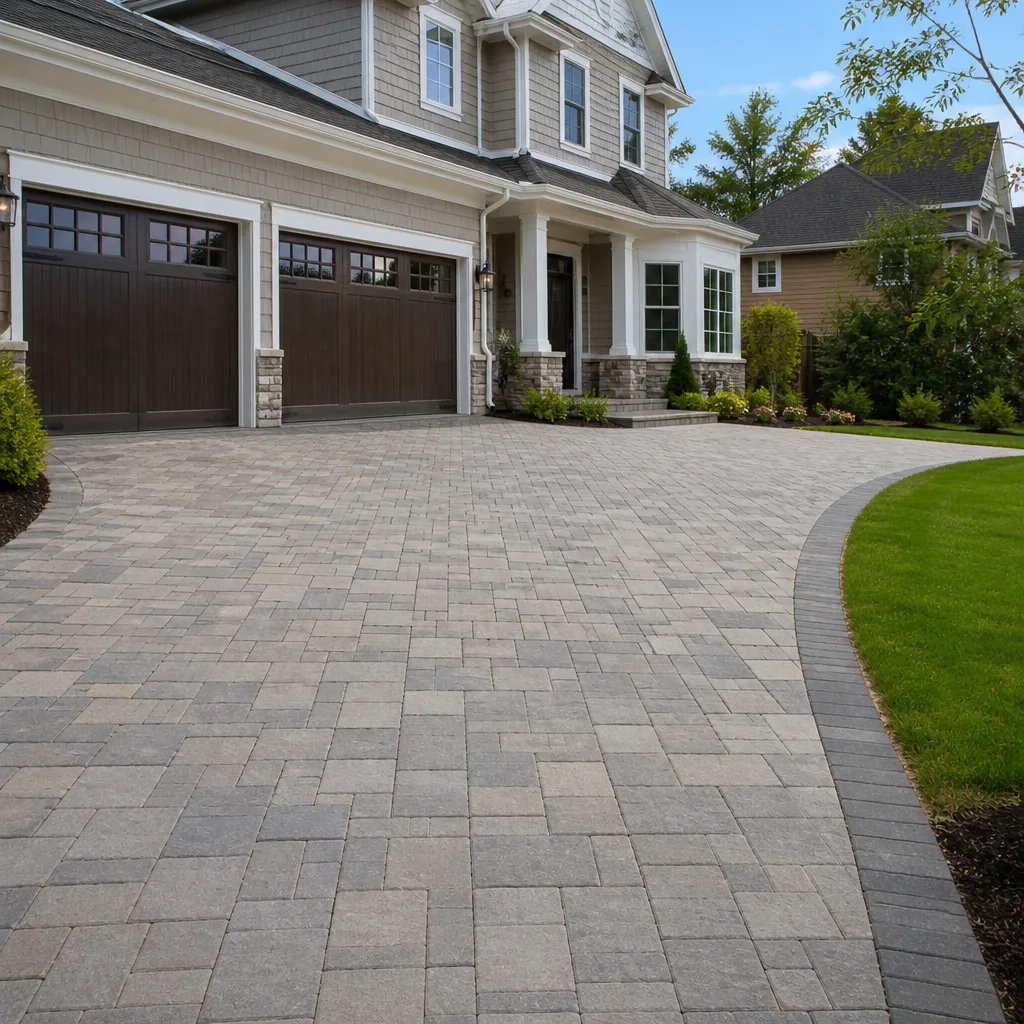
 Driveway & pavers
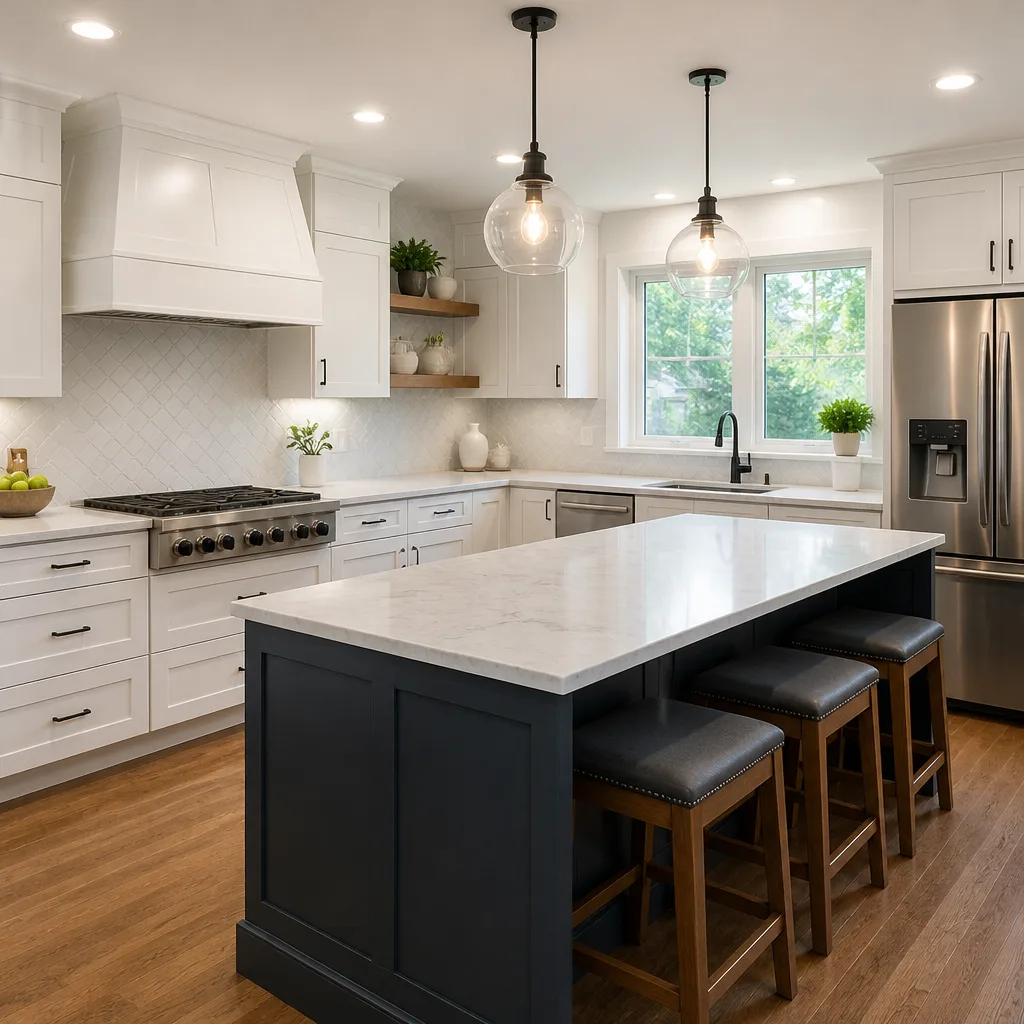 Kitchen remodeling
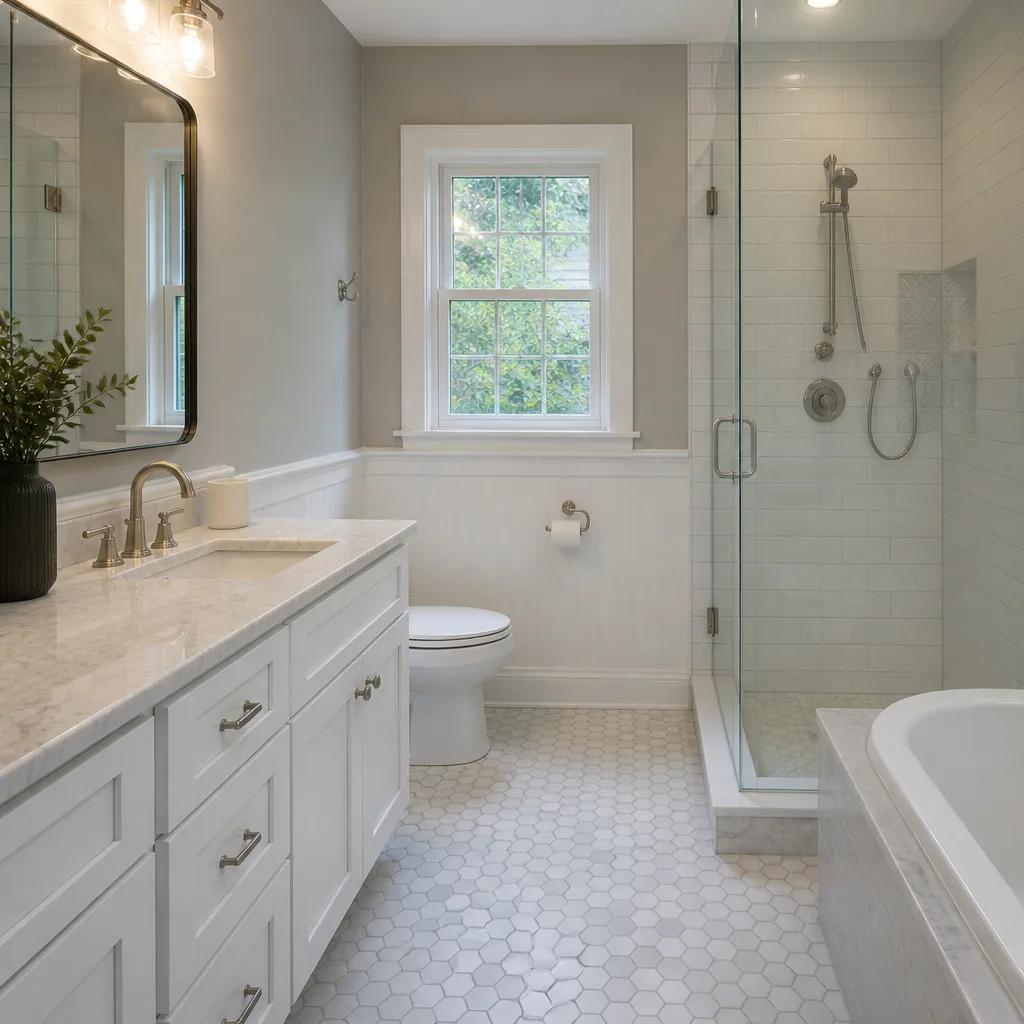 Bathroom remodeling
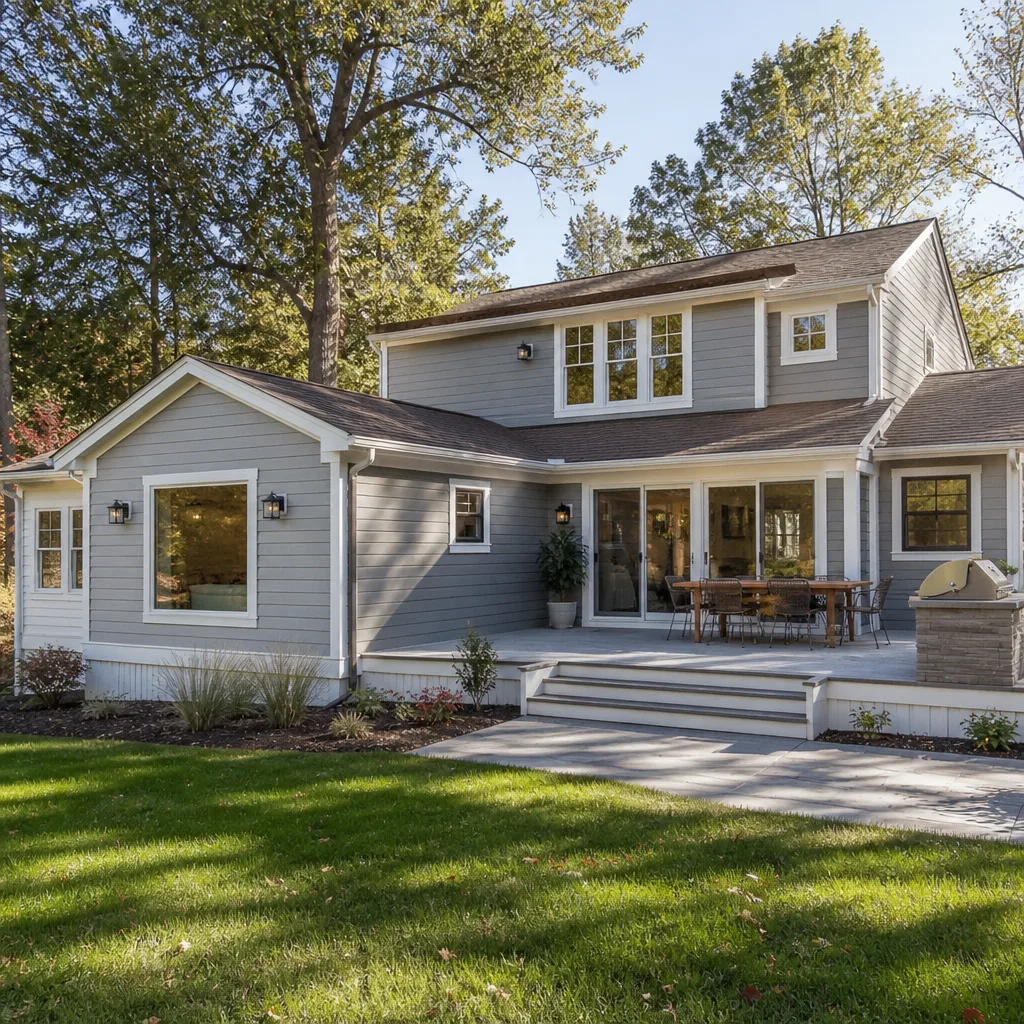 Home additions & ADU
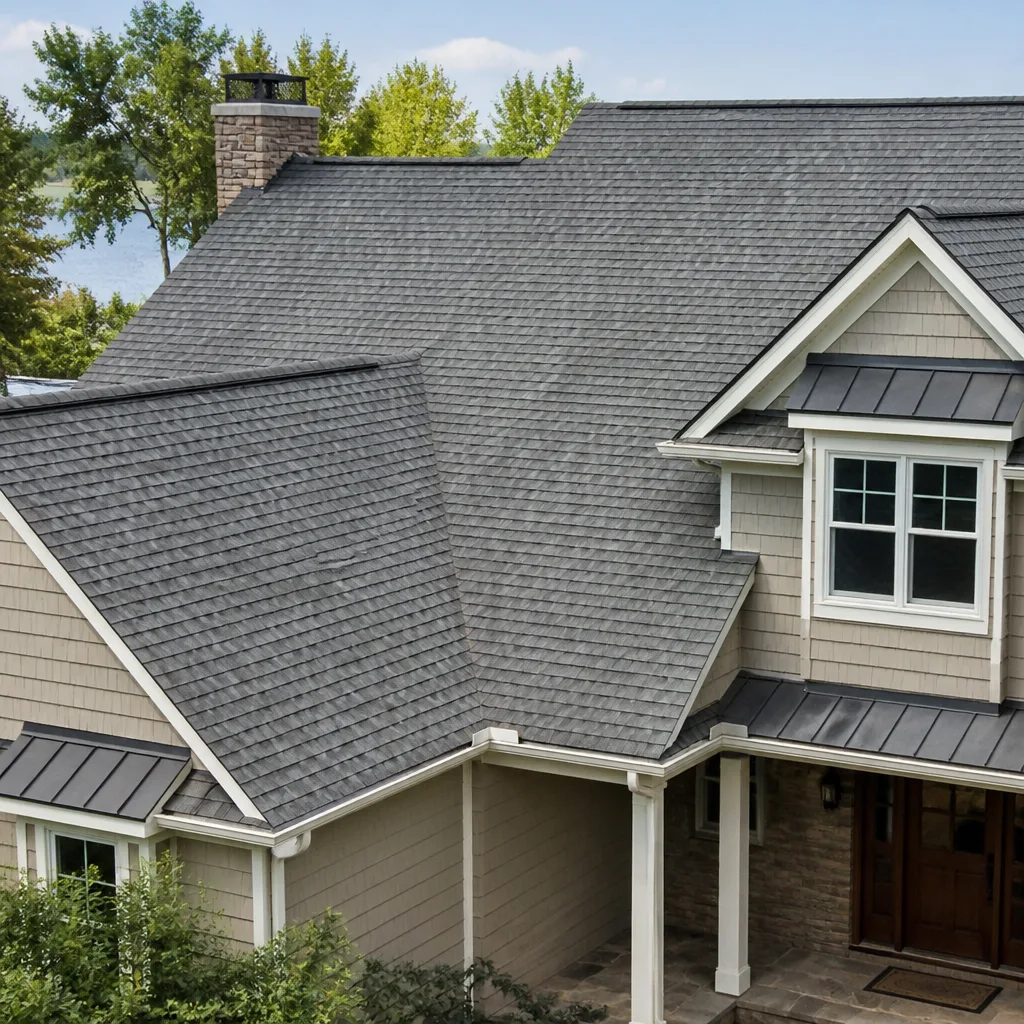 Roofing
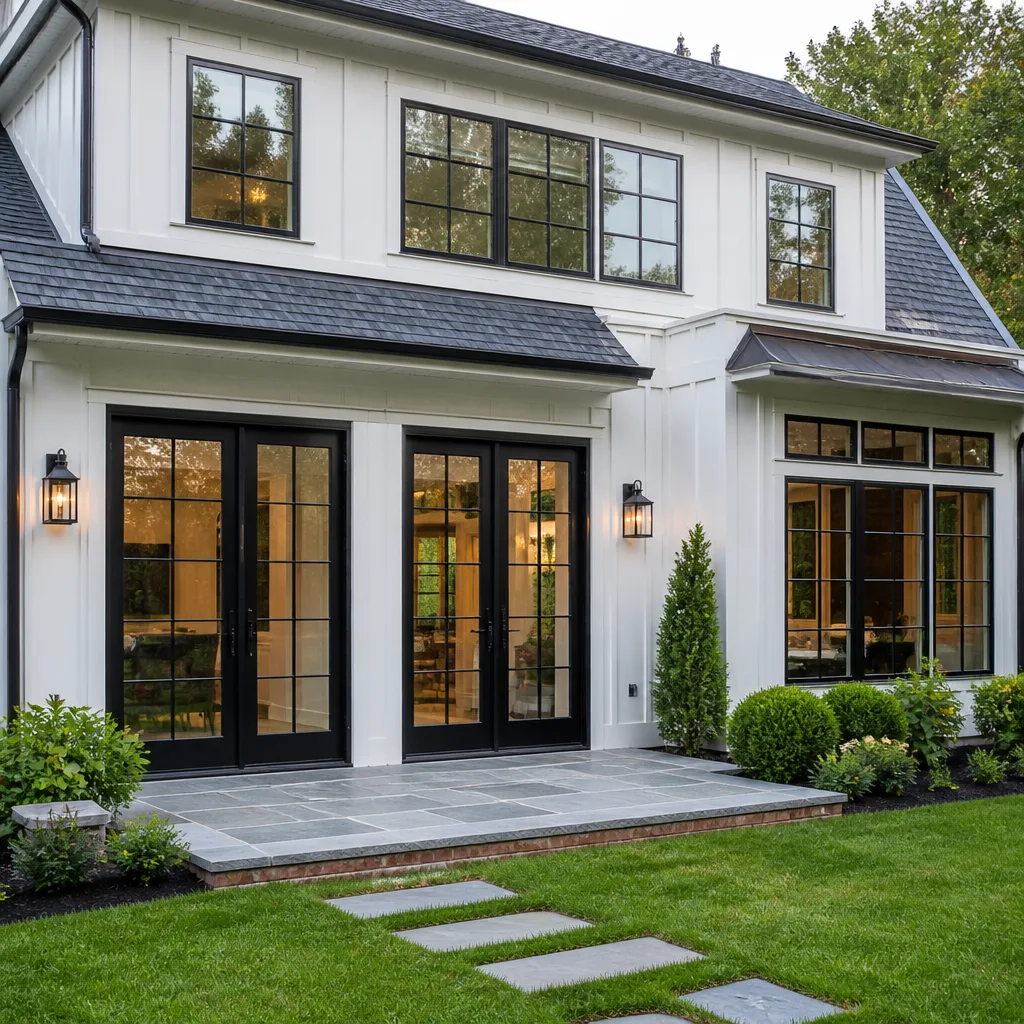 Windows & doors
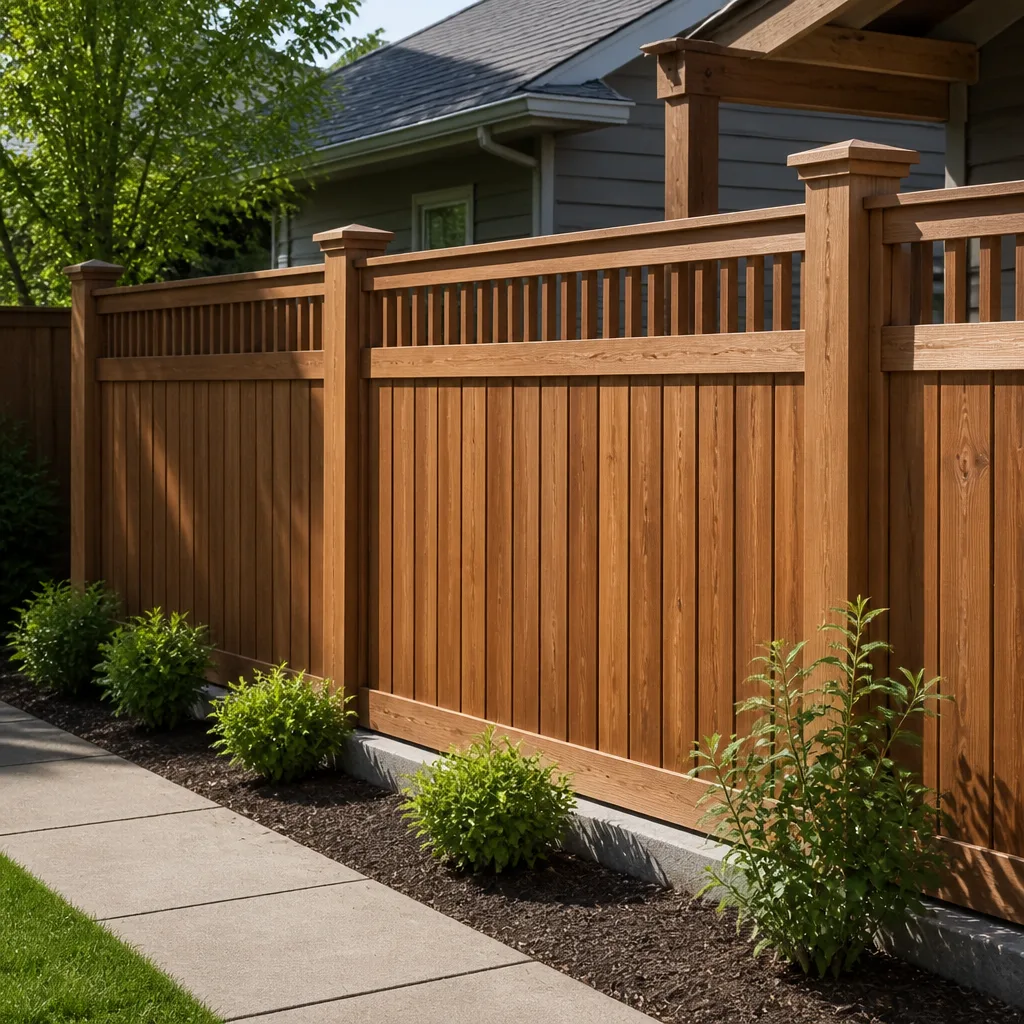 Fence
Free written scope consultation - allowances, timeline, and change-order rules on paper before a single trade is scheduled
Styles & brands we work with
- Kitchen remodeling
- Bathroom remodeling
- Home additions & ADU
- Roofing
- Windows & doors
- Driveway & pavers
- Fence
See the difference
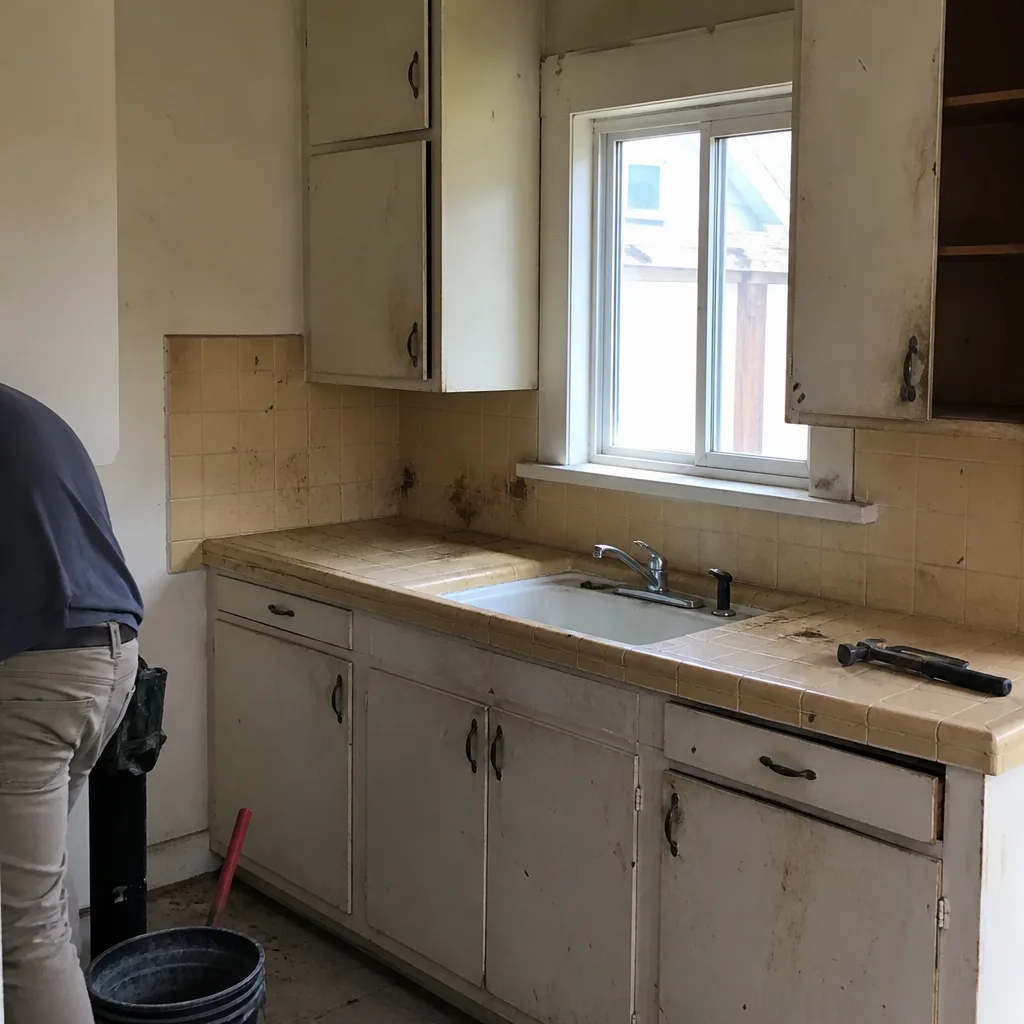 Before
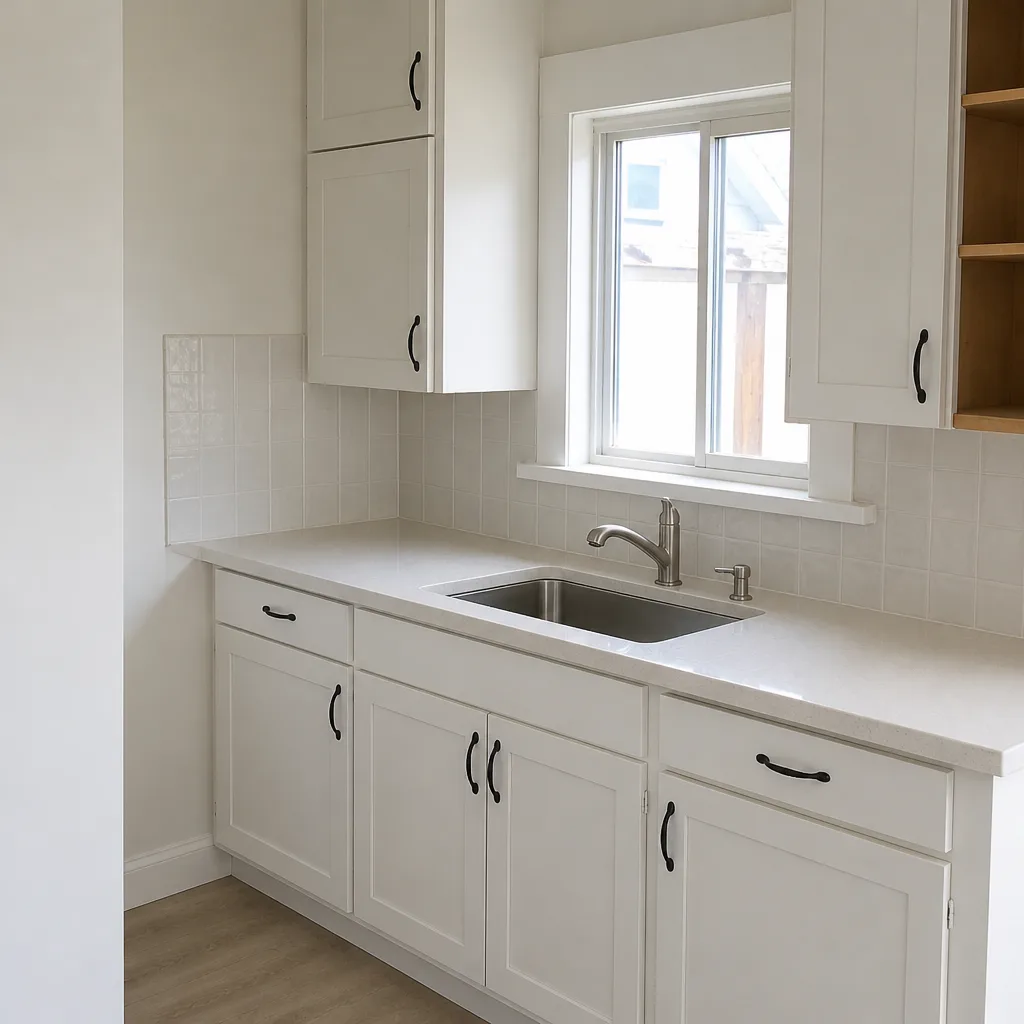 After
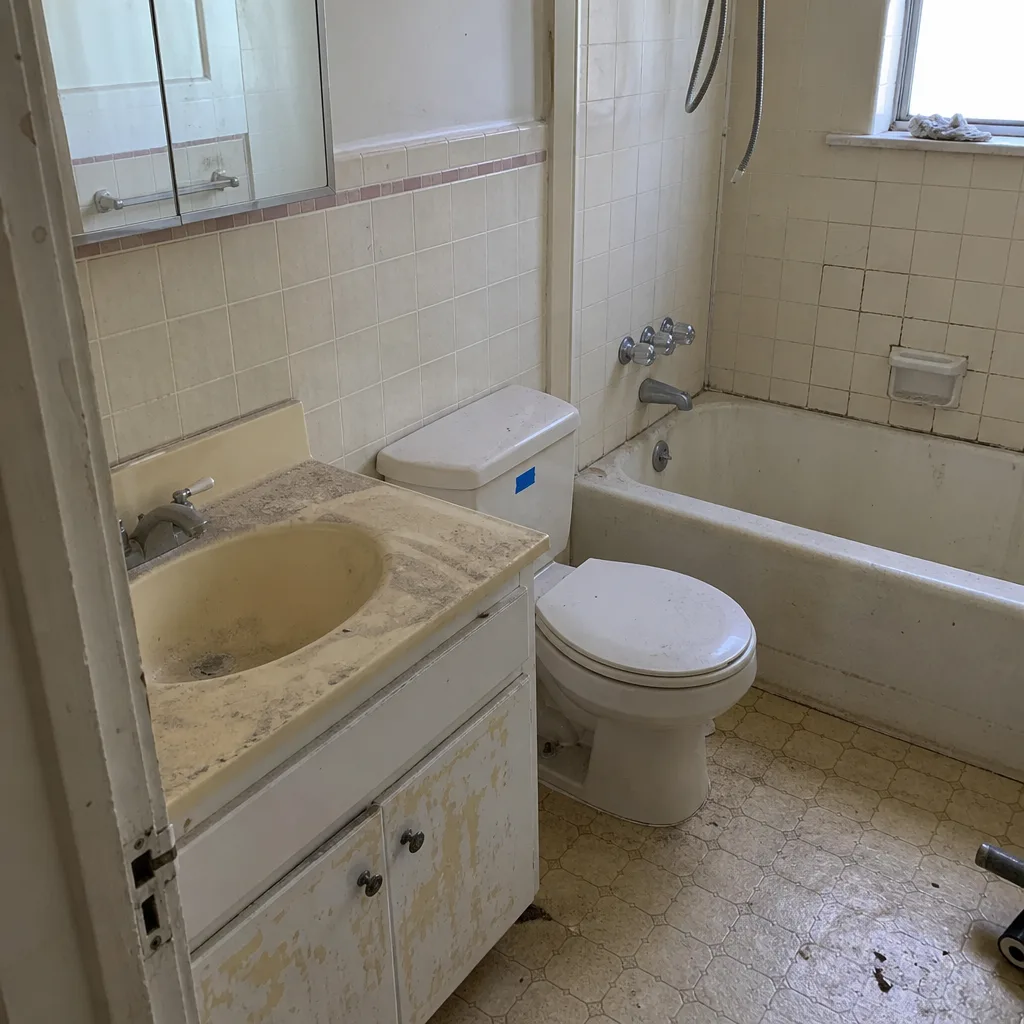 Before
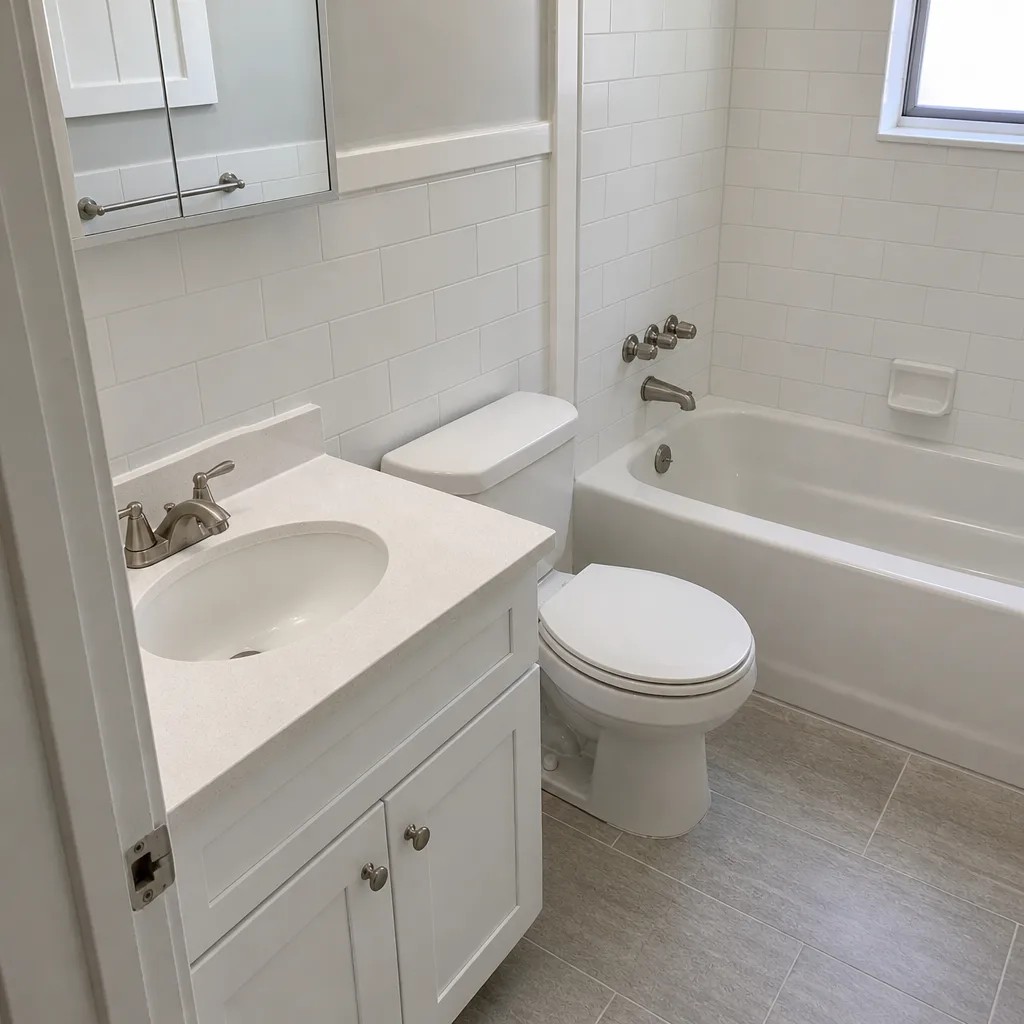 After
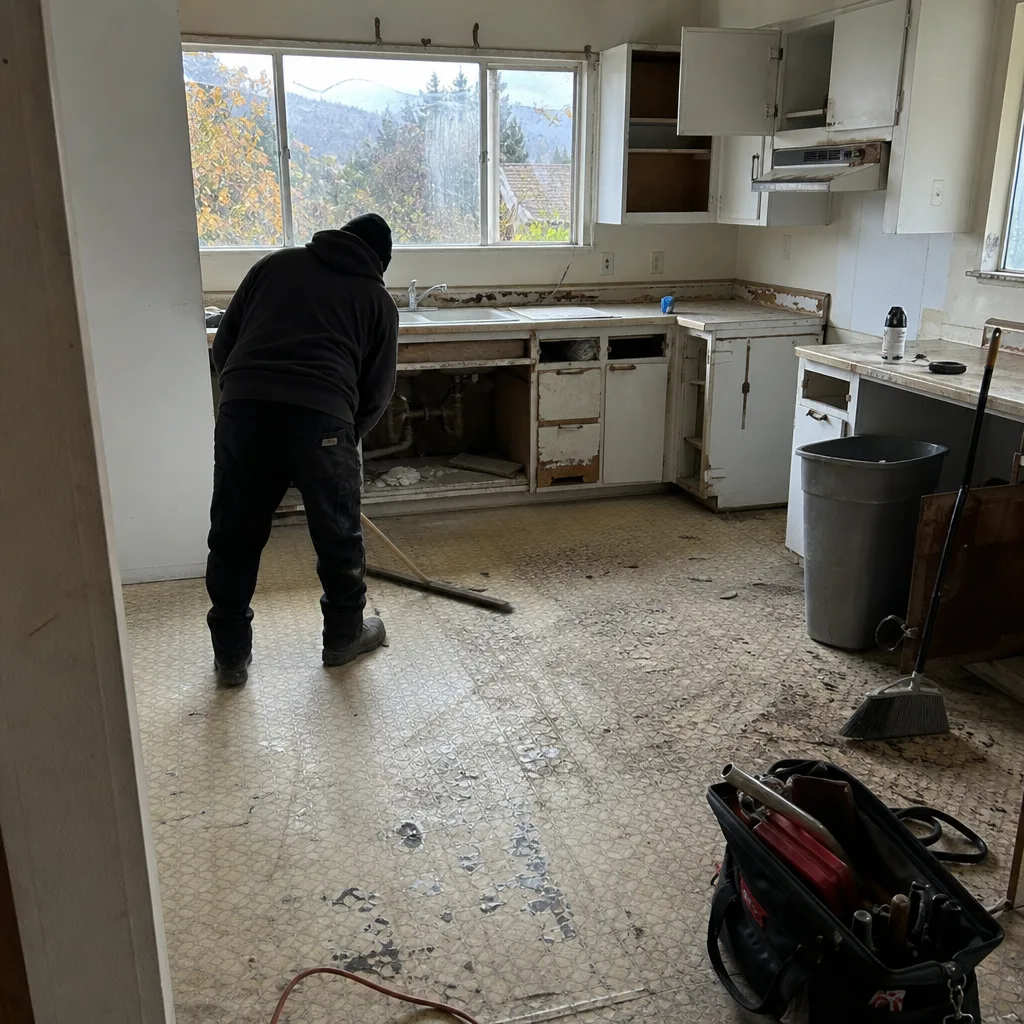 Before
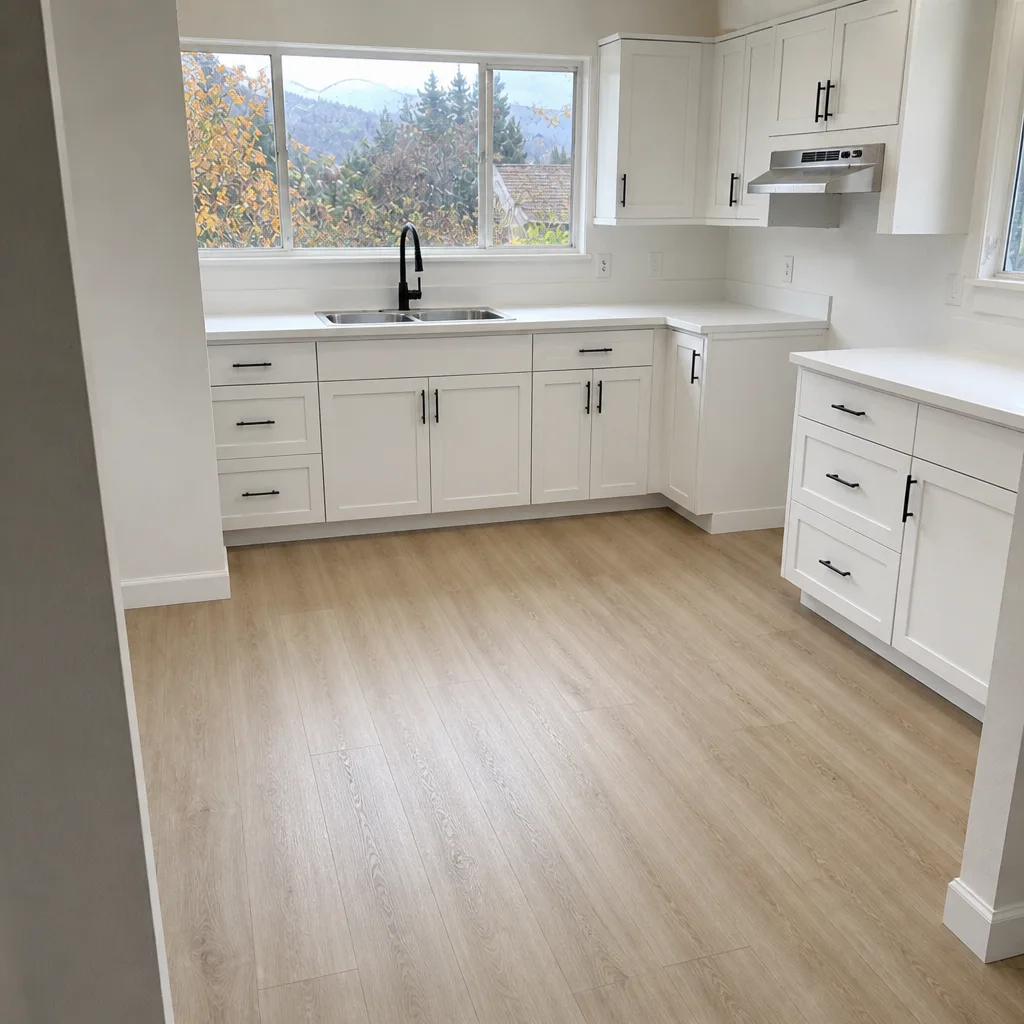 After
How Thick Should a Concrete Driveway Be in Oakland, CA?
For most Oakland driveways, the right answer is 5 to 6 inches of concrete over a compacted base of at least 6 inches – not the 4-inch minimum you’ll find in most national guides. That 4-inch figure assumes stable soil and ordinary passenger cars, and Oakland rarely offers either. The number that actually decides how long your driveway lasts sits below the slab, not in the slab, and getting it wrong is why so many pours here crack within a couple of years. If you’d rather skip the guesswork, call Groundwork Construction Co. of Oakland at (833) 997-7759 for a no-pressure assessment.
Key Takeaways
- 4 inches is a code floor, not a target, for Oakland’s clay soils and heavy vehicles.
- A 4-inch slab on 6 inches of compacted Class II base beats a 6-inch slab on sand over native soil.
- Control joints should sit no more than 10 feet apart; many budget pours stretch to 15-20 feet and crack fast.
- Fiber reinforcement or epoxy-coated rebar holds up better in Oakland’s damp coastal air than bare steel.
Why Oakland’s Ground Changes the Right Number
A 4-inch concrete slab is the code minimum. It is not the right answer for a pre-war Oakland property on expansive clay soil where the sub-base has never been engineered. The number that matters is what’s below the concrete, and that changes everything above it.
Oakland’s flatlands sit on expansive clay that swells when the winter rains arrive and shrinks through the dry summer. A slab poured straight onto that native soil has nothing stable to bear on. Add the fact that Oakland never gets a hard freeze to consolidate the ground, and you get movement that shows up as cracking and settling. When we evaluate a driveway, we test the sub-base before we commit to a thickness. In the flats, a 4-inch slab sitting on 6 inches of properly compacted Class II base will outperform a 6-inch slab sitting on 2 inches of sand over untouched clay every time. Thickness alone is not the variable. The whole system is.
That matters because so much of Oakland’s housing stock went up between 1900 and 1940 – Victorian row houses, Craftsman bungalows, stucco-clad Mediterranean revivals – and the driveways and approaches around them were rarely engineered to modern standards. Every remodel here is a negotiation with century-old conditions, and driveways are no exception. Hidden layers show up underfoot just as often as they do inside the walls.
What to Look For: The Variables That Decide Your Slab Spec
Instead of asking “how thick,” ask what your specific driveway has to carry and what it’s sitting on. Here’s the comparison that actually matters when you’re reading bids:
- Sub-base depth and compaction. A bid that doesn’t mention base thickness or compaction is quoting a slab, not a driveway. Ask for the base spec in writing.
- Vehicle weight. The Bay Area has one of the highest rates of pickup, SUV, and van ownership in California. Oakland driveways routinely park vehicles over 6,000 lbs GVWR – the threshold where 4-inch concrete on soft sub-grade starts showing stress cracks within 5 years.
- Reinforcement type. Steel rebar adds tensile strength, but in Oakland’s humid coastal air bare steel can corrode once a crack lets water reach it. Fiber-reinforced concrete or epoxy-coated rebar is often the smarter call here.
- Control joint spacing. Oakland swings from 40°F winter nights to 100°F+ heat dome events. That expansion stress calls for control joints no more than 10 feet apart in a 4-inch slab; many budget pours run 15-20 feet and crack within 2 years.
- Drainage and slope. Wet winters expose drainage failures fast. The grade has to move water away from the slab and the house.
Those five items tell you more about a driveway’s future than the thickness number printed on the quote. A quote that lists “4-inch concrete” and nothing else is telling you the base and reinforcement weren’t thought through.
What Does a Concrete Driveway Cost in Oakland?
Concrete driveway installation in Oakland runs $4,500 to $12,000, and full driveway replacement runs $5,000 to $14,000. Those ranges assume a properly built base, which is the part cheap bids leave out. Here’s how the line items compare for a typical single-car approach:
| Item | Typical Oakland Range |
|---|---|
| Concrete driveway installation (5-6 in. slab, engineered base) | $4,500-$12,000 |
| Full driveway replacement | $5,000-$14,000 |
| Paver driveway installation | $7,000-$18,000 |
| Asphalt driveway paving | $3,500-$9,000 |
| Driveway sealing | $250-$700 |
If you’re weighing concrete against pavers, our Driveway & Pavers in Oakland page lays out where each option holds up better on clay. We build with materials from partners like Quikrete and Oldcastle, and we put the base spec in the bid so you can compare quotes fairly. Upfront pricing, no surprises – the number you see is the number you pay.
When Should You Call a Pro Instead of Pouring It Yourself?
Call a professional when your existing driveway is cracked, settling, or heaving in sections, or when the bid you’re holding doesn’t mention base depth or reinforcement. Those are the signs that the sub-base or slab spec needs a real evaluation, not a patch. A slab that’s already failing tells you something below it was wrong, and repouring the same way repeats the mistake.
We start every driveway with a sub-base evaluation before the thickness is locked in. That means the recommendation comes from what’s actually under your driveway, not a one-size spec applied to every job. Our technicians have up to 12 years of experience, and every project is backed by our 730-Day Done Right Promise – if it’s not done right, we make it right. We also offer 0% financing for 18 months and $1,000 off projects over $10,000. You can see the full scope on our home and Driveway & Pavers pages.
FAQs
4 inches is the code minimum but it’s usually too thin for Oakland, where expansive clay and vehicles over 6,000 lbs GVWR stress the slab. Most Oakland driveways do better at 5-6 inches over a compacted base of at least 6 inches. For an exact spec on your property, call (833) 997-7759 – estimates are free.
For a full-size pickup, SUV, or van routinely parked at home, plan on 5 to 6 inches of concrete over a well-compacted base. Below 4 inches is asking for trouble with any heavy vehicle. The Bay Area’s high truck and SUV ownership makes this a real consideration in Oakland. Call (833) 997-7759 and we’ll spec it to your vehicle weight.
No. A thick slab on a poor base still cracks, because the soil underneath keeps moving. A 4-inch slab on 6 inches of compacted Class II base beats a 6-inch slab on shallow sand over native clay. In Oakland, the base is the deciding factor. Call (833) 997-7759 to have your base evaluated before the pour.
Keep control joints no more than 10 feet apart in a 4-inch slab, and scale that spacing to your final thickness. Oakland’s wide swings between cold winter nights and 100°F+ heat events put real expansion stress on concrete, and stretching joints to 15-20 feet is one of the most common causes of early cracking. Call (833) 997-7759 if your existing driveway is cracking along joints.
If you’d rather have it looked at, Groundwork Construction Co. of Oakland offers a no-pressure assessment in Oakland – call (833) 997-7759. We answer with a live person, 24/7, and every driveway is built to last and backed in writing.
Written by the team at Groundwork Construction Co. of Oakland, serving Oakland, CA.