
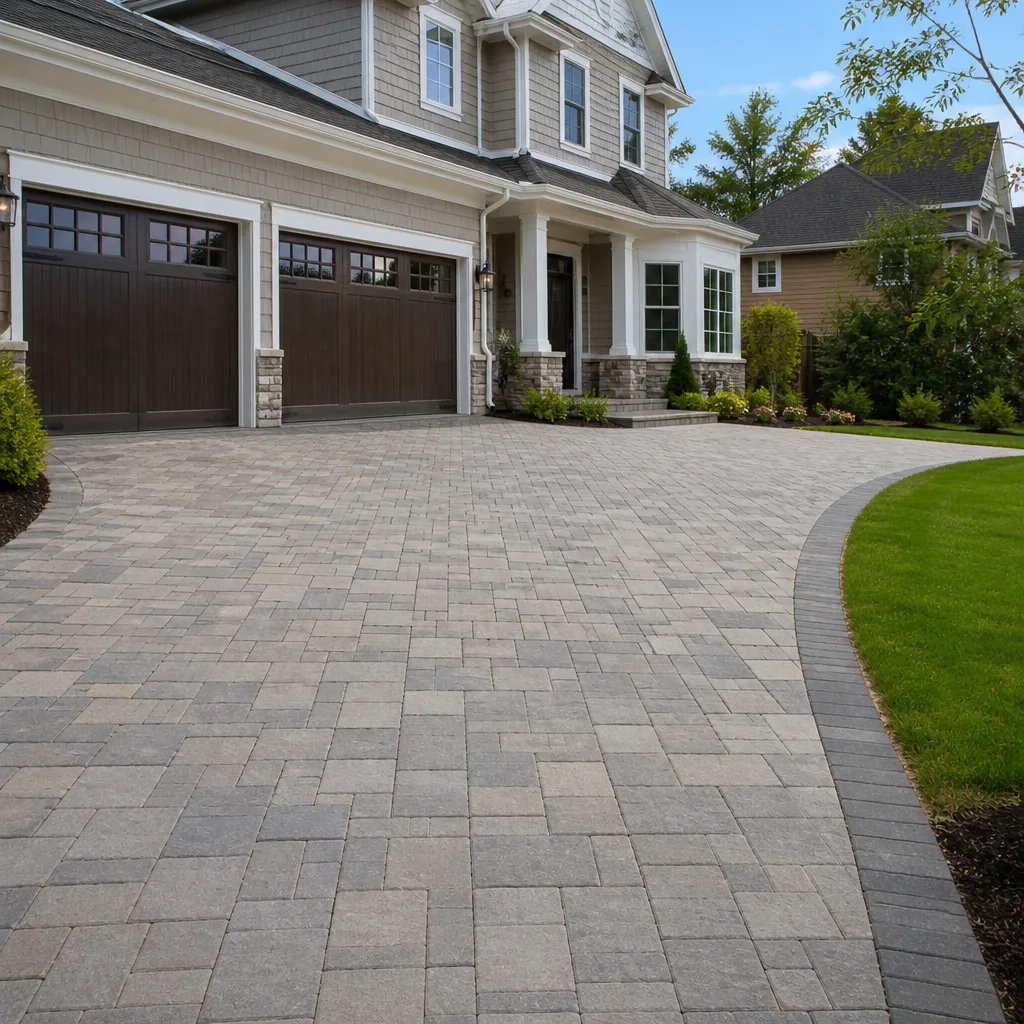
 Driveway & pavers
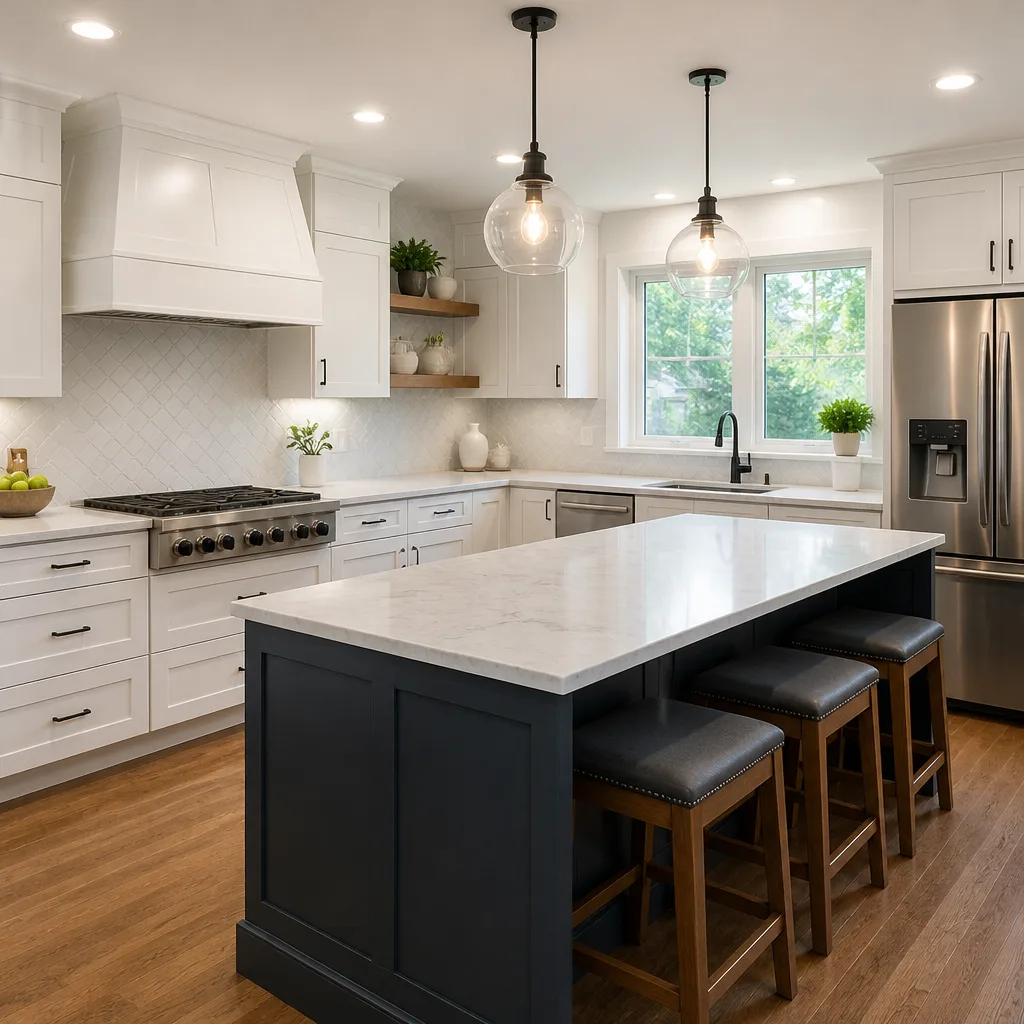 Kitchen remodeling
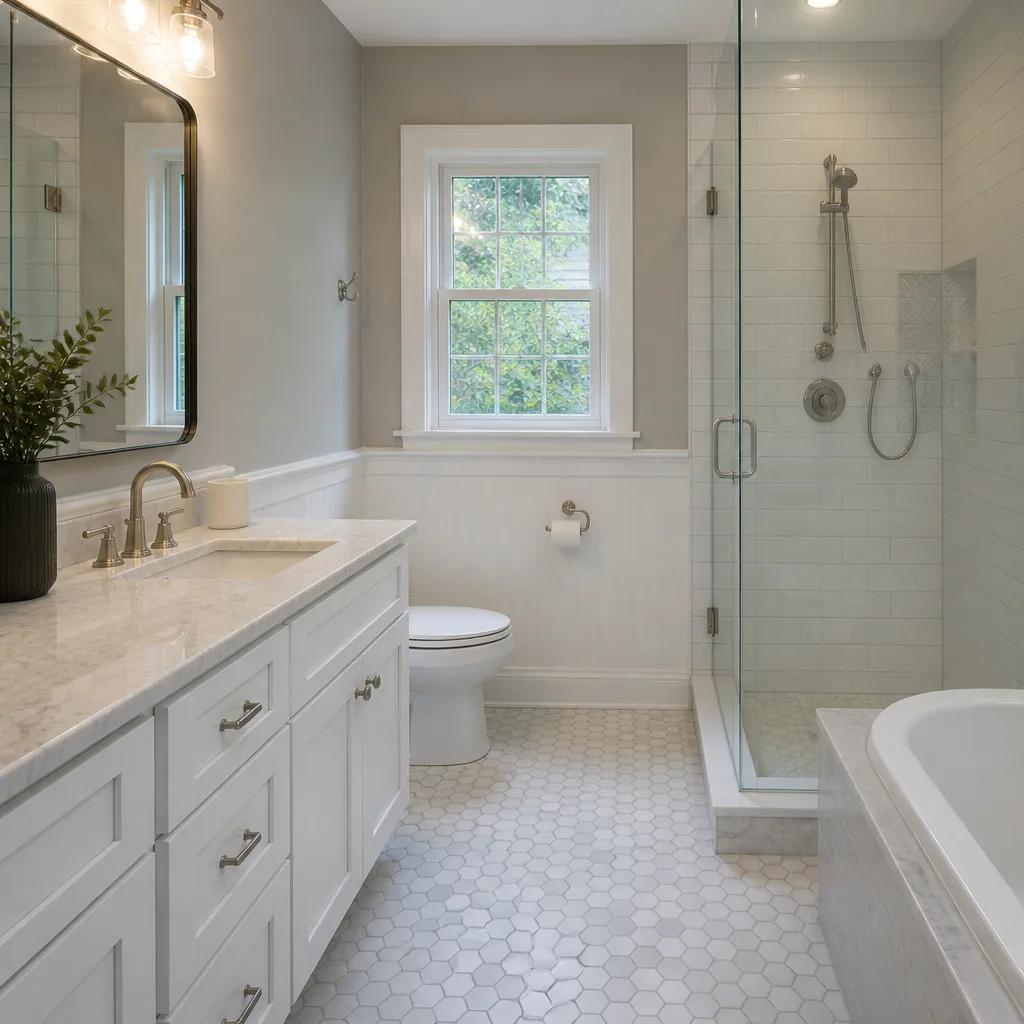 Bathroom remodeling
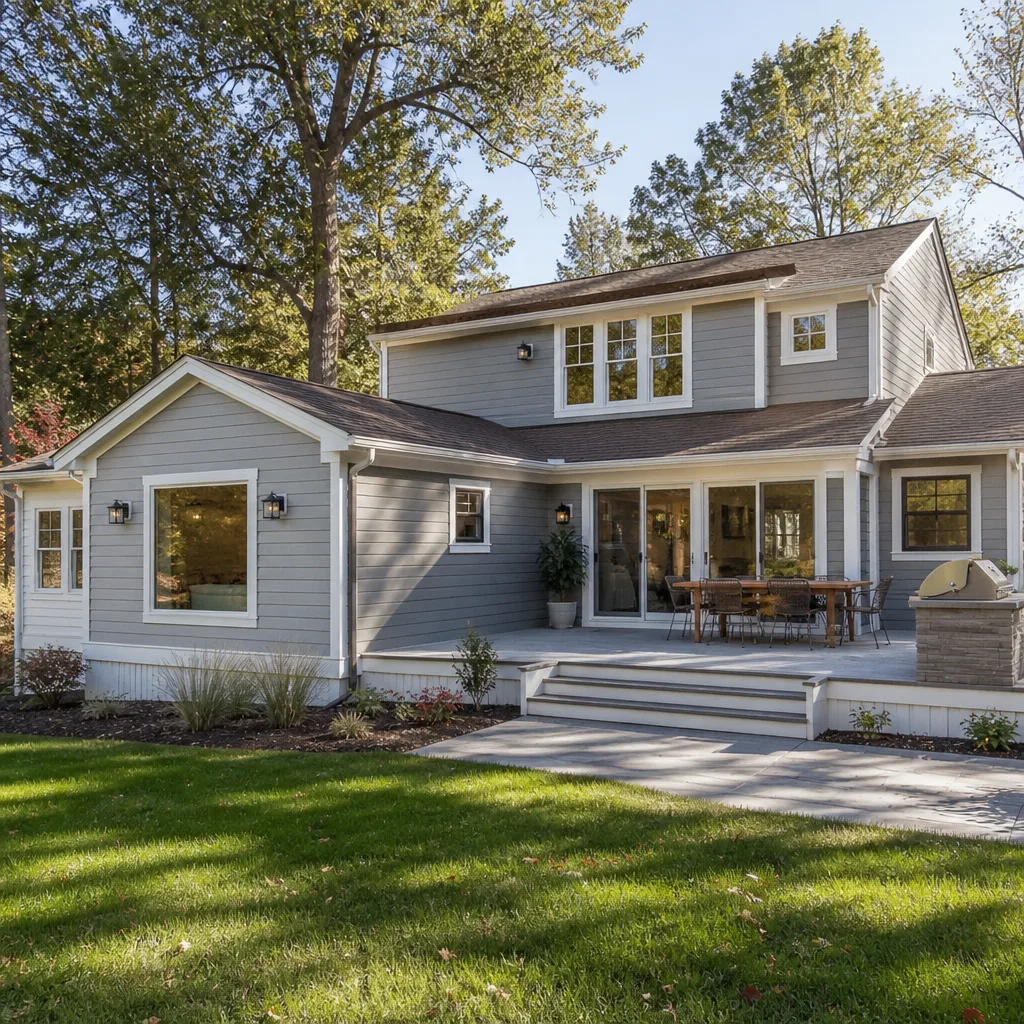 Home additions & ADU
 Roofing
 Windows & doors
 Fence
Free written scope consultation - allowances, timeline, and change-order rules on paper before a single trade is scheduled
Styles & brands we work with
- Kitchen remodeling
- Bathroom remodeling
- Home additions & ADU
- Roofing
- Windows & doors
- Driveway & pavers
- Fence
See the difference
 Before
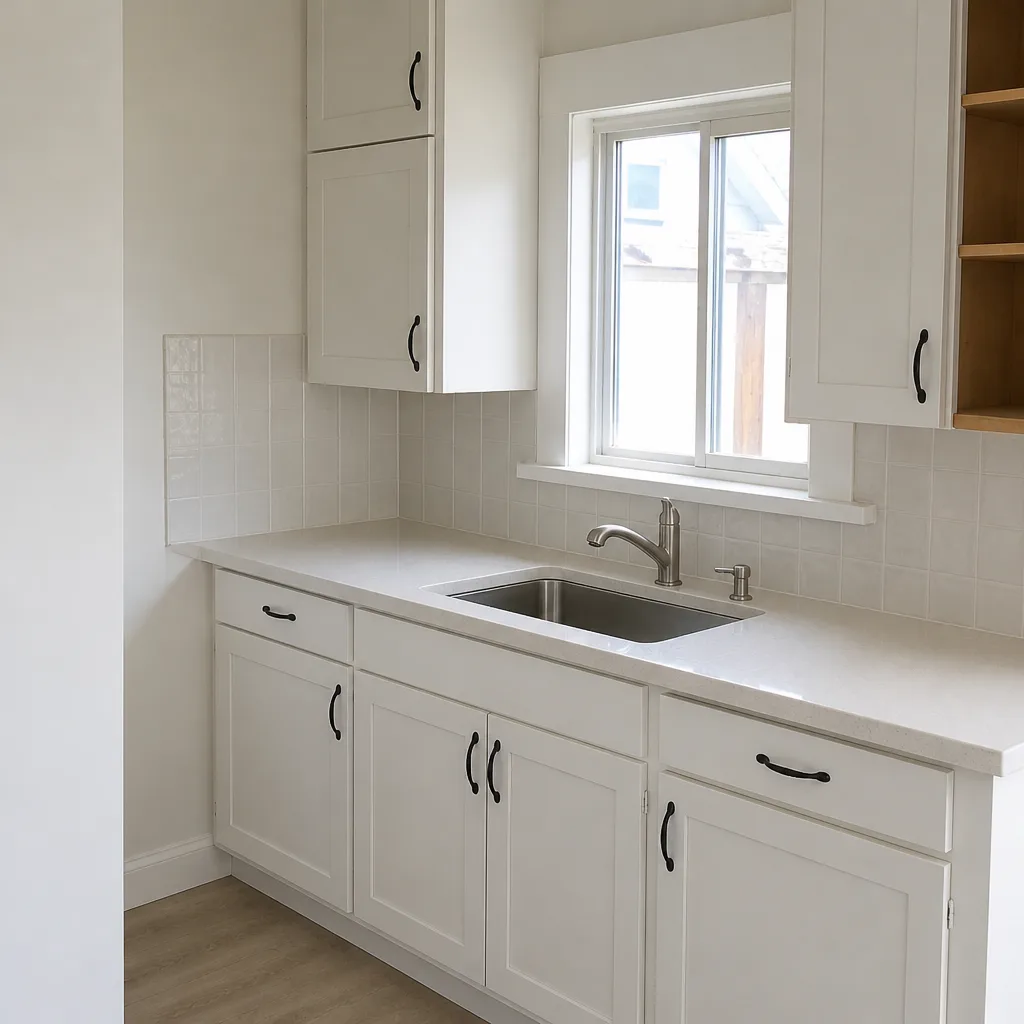 After
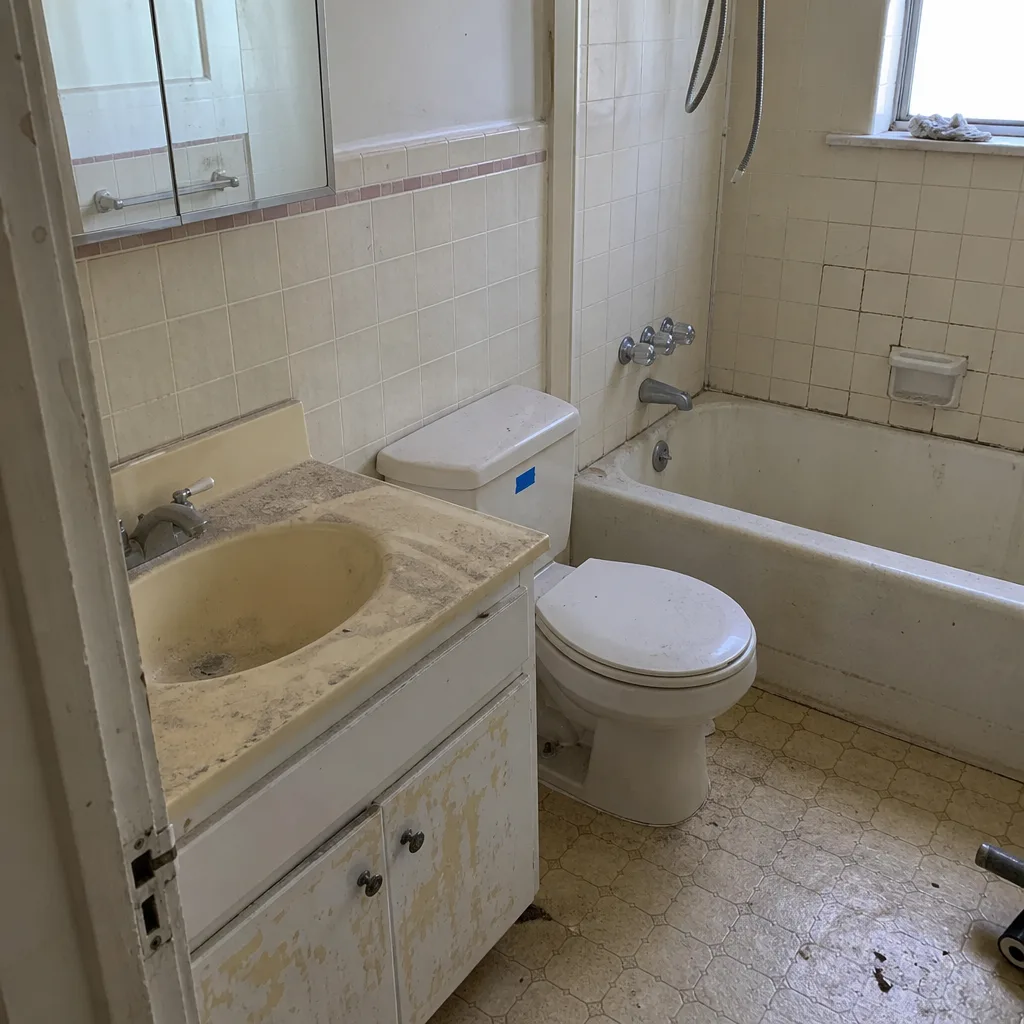 Before
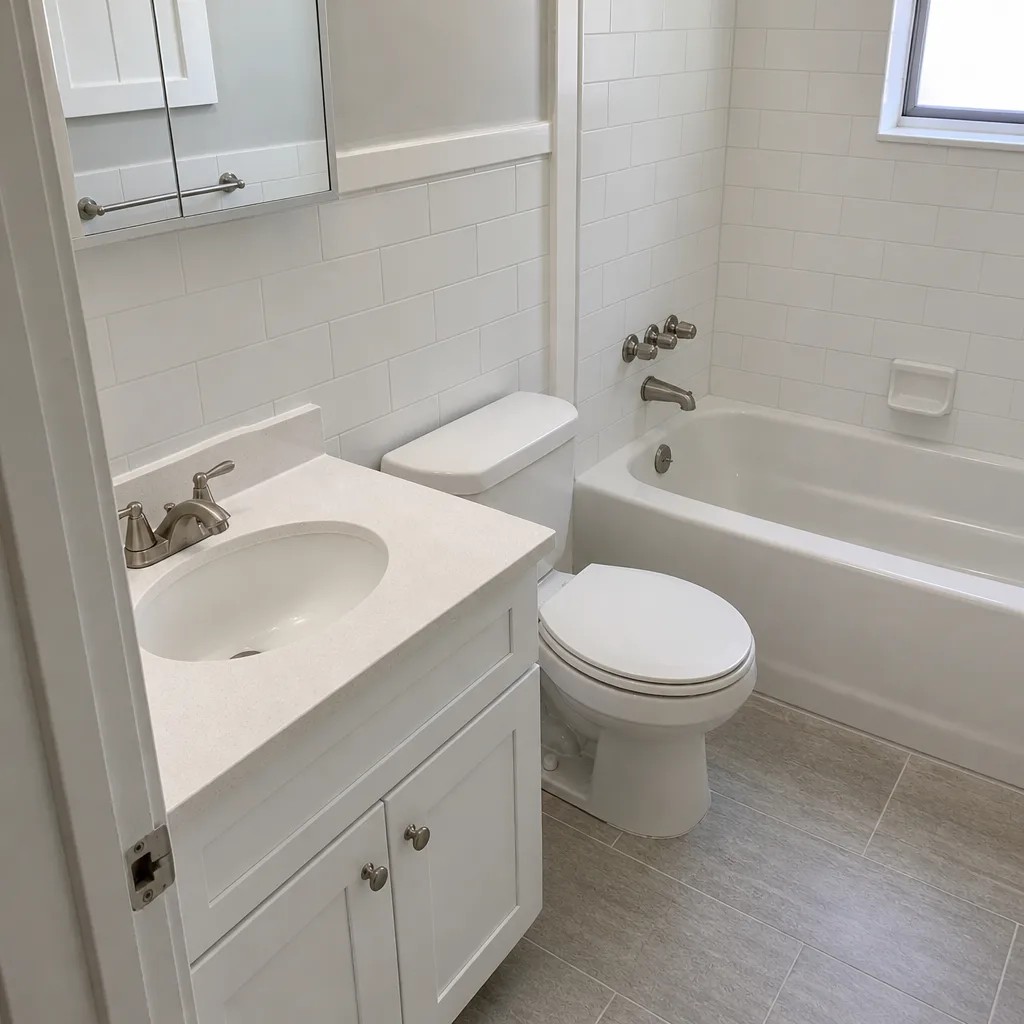 After
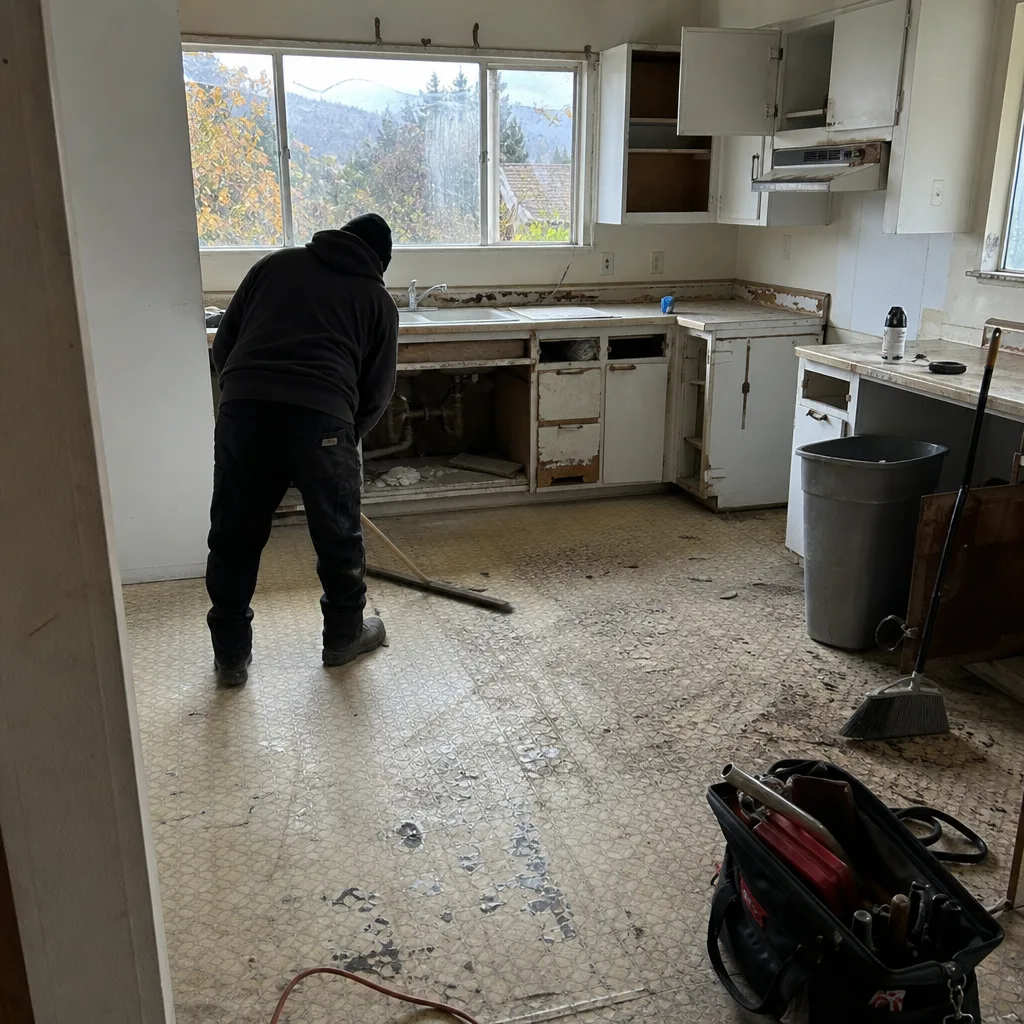 Before
 After
Pavers vs Concrete Driveway in Oakland: The Honest Answer
Choose pavers if your Oakland driveway has to survive the Hayward Fault, sit on expansive clay, or match the character of a pre-1940 Craftsman. Choose concrete only if you want the lowest day-one number and accept that a single stress crack may eventually mean replacing the entire slab. That’s the bottom line. Oakland sits about 12 miles from the Hayward Fault, one of the most hazardous urban faults in the country, and that single fact should lead any honest comparison for this city. For a side-by-side quote on either option, call Groundwork Construction Co. of Oakland at (833) 997-7759.
Why Oakland Is a Harder Question Than It Looks
Most paver-vs-concrete writeups assume flat ground and stable soil. Oakland gives you neither. Much of the city’s housing stock went up between 1900 and 1940, and a lot of those driveways sit on expansive clay that swells and shrinks with the wet winters and dry summers. Add routine seismic movement and you have a slab that’s being worked from three directions at once: from below as the clay breathes, from the side as the ground shifts, and from above as the sun bakes the surface on warm afternoons. Concrete handles each of those fine on its own. Together, they’re what puts cracks in driveways across Rockridge and Temescal.
We’re not guessing. Our technicians have up to 12 years of experience installing both materials in Oakland, and the call pattern we see is consistent. A concrete driveway goes in looking sharp. Three or four winters later, a hairline crack opens along a control joint. Water gets in, the clay beneath swells, and by the next rainy season the crack has widened into something you can catch a fingernail in. That’s the pattern. It’s not bad luck.
What Actually Happens to Concrete in Oakland’s Clay Soil
Concrete is a monolithic slab. It’s designed to act as one continuous surface, which is great for load distribution and terrible for localized movement. When the ground shifts under one corner, the slab has nowhere to give, so it cracks along the nearest stress line. Once that crack is open, water infiltrates on the next storm. Oakland doesn’t deal with freeze-thaw, but expansive clay does the same kind of damage: wet soil pushes, dry soil pulls away, and the crack widens season over season. Repair is usually cosmetic at first and structural later. When a slab fails badly enough, the fix isn’t a patch. It’s removal and a full repour.
There’s a second layer here that most comparisons skip. A concrete driveway is poured around a drainage plan that’s essentially permanent. If Oakland’s grading or stormwater requirements change for your property (and they have changed for new construction), you’re looking at breaking out the slab to adjust how water moves. That’s a sunk cost you can’t recover.
Why Interlocking Pavers Behave Differently on a Moving Fault Line
Interlocking pavers have no mortar joints. Each unit is a separate piece sitting in a compacted base, and the system is designed to flex slightly as individual pavers shift against their neighbors. That’s the entire point of the format. When the Hayward Fault produces the M2 to M3 tremors Oakland residents barely notice, a paver driveway absorbs the movement pawn by pawn instead of failing as a single rigid surface. A damaged paver can be lifted, the bedding adjusted, and the same unit or a new one set back in place without disturbing the rest of the drive. You’re replacing a brick, not a slab.
That same flexibility pays off when the base needs work. Need to adjust drainage, add a channel, or correct a low spot near the garage apron? Lift the pavers, fix the base, reset them. The concrete version of that job involves a jackhammer and a dumpster.
We install from curated brand partners like Belgard pavers and back the work with our 730-Day Done Right Promise, so if a settling issue shows up inside that window, we make it right.
Does the Material Matter for an Older Oakland Home’s Value?
On a Rockridge or Temescal Craftsman bungalow, concrete’s industrial finish fights the architecture. It looks like a parking lot against a redwood porch and a stucco facade. Pavers in clay or tumbled styles read as period-appropriate, and in design-conscious Oakland neighborhoods, that’s a detail buyers notice during a walkthrough and appraisers notice on a sheet. We’re not going to overstate it as a guaranteed percentage bump. What we will say is that curb appeal is part of your appraisal, and the material choice either supports the house or works against it.
Side-by-Side: Pavers vs Concrete in Oakland
| Factor | Interlocking Pavers | Poured Concrete |
|---|---|---|
| Moving with minor seismic activity | Flexes unit by unit; survives small tremors | Cracks along stress lines; fails as a slab |
| Repair after damage | Lift and reset a single paver | Patch, or break out and repour the slab |
| Changing the drainage plan later | Lift, adjust base, reset | Permanent; a change means new concrete |
| Fit with pre-1940 Craftsman homes | Clay and tumbled styles match period architecture | Industrial finish, often fights the house |
| Typical Oakland cost | $7,000-$18,000 | $4,500-$12,000 |
What Does It Cost in Oakland? Day-One vs Ten-Year
Here’s where we part ways with most estimates you’ll get. A single day-one number is not a cost comparison, because pavers and concrete don’t fail the same way. Concrete is cheaper to pour and more expensive to lose. Pavers cost more upfront and hold their value through targeted repairs.
- Paver driveway installation: $7,000-$18,000
- Concrete driveway installation: $4,500-$12,000
- Driveway replacement (either material): $5,000-$14,000
- Asphalt driveway paving (for comparison): $3,500-$9,000
- Driveway sealing: $250-$700
Run the ten-year math. A $6,000 concrete slab that cracks and needs a full replacement at year eight is a $6,000 decision followed by a $5,000-$14,000 one. A $9,000 paver driveway that needs a $400 reset of six units after a tremor is still a $9,000 decision plus pocket change. Materials run through brand partners like Oldcastle for base and edging, and we price both options transparently side by side so you’re making the call on real numbers. No-hassle upfront pricing means the number you see is the number you pay.
What We Look For Before Recommending Either
A driveway recommendation that ignores the site is worthless. When we walk an Oakland property, we look at the base condition, drainage slope, clay behavior, and the house itself. If you’re on a steep Oakland hills grade, pavers with a proper retaining edge usually win. If you’re on a flat lot with well-draining base and want the lowest day-one number, concrete is a defensible call. Here’s our rule of thumb:
- Expansive clay or visible past cracking? Pavers.
- Pre-1940 home where architecture matters to resale? Pavers.
- Flat lot, stable base, tight budget, short horizon? Concrete is honest.
- Anticipating drainage or code changes? Pavers, every time.
Either way, the workmanship is covered by the 730-Day Done Right Promise. If it’s not done right, we make it right. That guarantee applies whether you choose pavers or concrete, so installation quality isn’t the variable you’re weighing. You can see the full scope on our Driveway & Pavers page, or compare how we run paver projects specifically on our Driveway & Pavers in Oakland service page.
FAQs
Repair is cheaper short-term and usually the wrong call in Oakland clay. A patch over a stress crack holds for a year or two, then the same movement reopens it. Once a slab has cracked in two or more places along control joints, replacement typically runs $5,000-$14,000, and that’s the number to compare against pavers before you pour. Call (833) 997-7759 for a free estimate on either path.
Yes, because the two materials absorb ground movement differently. Interlocking pavers flex unit by unit and can be reset individually; concrete is monolithic, so a shift pulls it apart along stress lines. We’re talking about the small M2 to M3 tremors Oakland gets regularly, not a major event. A paver system tolerates that routine movement without fracturing; a slab doesn’t.
A well-installed paver driveway with a properly compacted base routinely lasts decades, and individual units can be replaced as needed. The failure mode isn’t the paver, it’s the base, which is why base preparation and drainage matter more than the surface. Our technicians have up to 12 years of experience on Oakland installs, and the 730-Day Done Right Promise covers the installation. Call for a free estimate, and we’ll walk your base first.
That’s one of the strongest reasons to choose pavers here. Clay and tumbled styles match the period architecture of Rockridge and Temescal homes in a way poured concrete doesn’t, and design-conscious Oakland neighborhoods reward that choice at appraisal. We can walk you through paver styles in person. Call (833) 997-7759 and we’ll bring samples to the free design consult.
Ready to Compare Real Numbers?
If you’d rather have it looked at than argued about online, Groundwork Construction Co. of Oakland offers a no-pressure assessment in Oakland. We’ll price pavers and concrete side by side, explain the ten-year math for your specific lot, and let you decide. Free estimate and design consult. Call (833) 997-7759. Calls are answered by a live person 24/7. Financing at 0% for 18 months and $1,000 off projects over $10,000 are available. From foundation to finish line, on either material.
Written by the team at Groundwork Construction Co. of Oakland, serving Oakland, CA.