

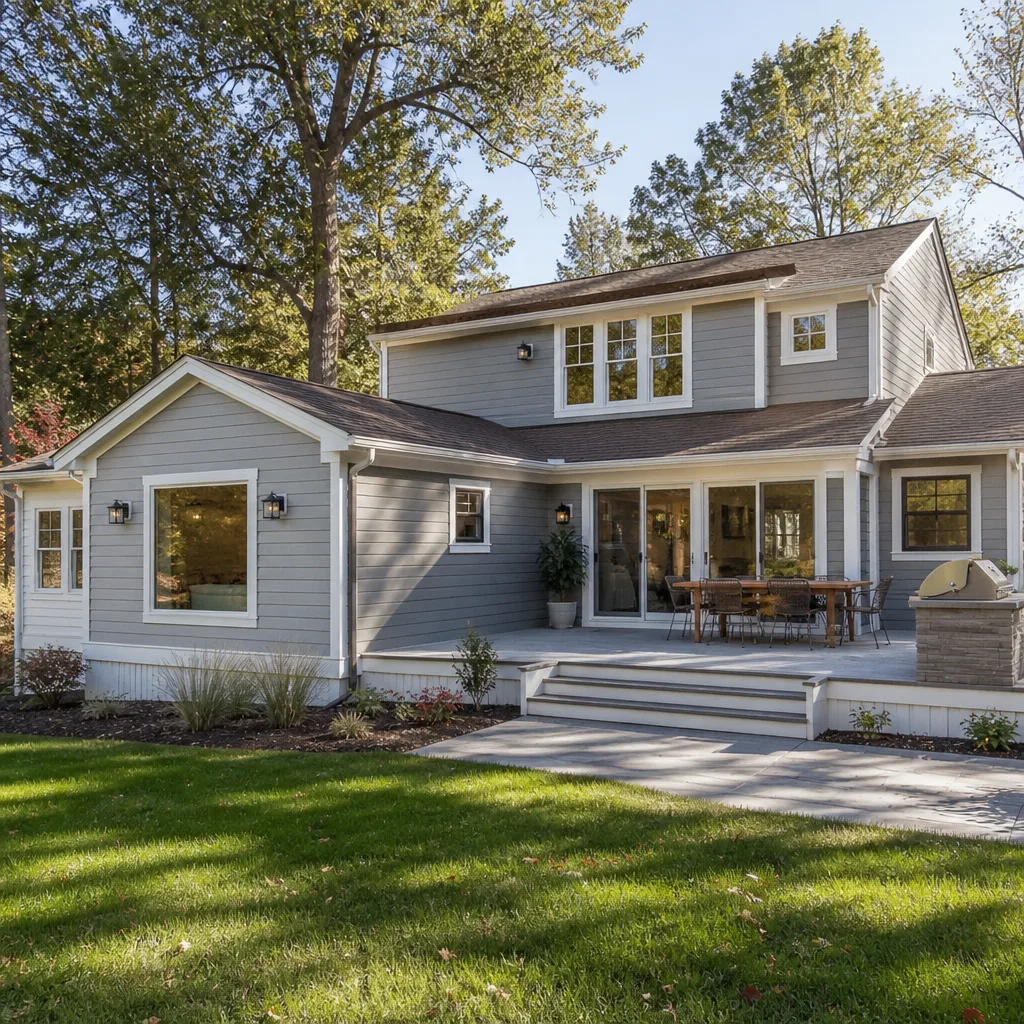
 Home additions & ADU
 Kitchen remodeling
 Bathroom remodeling
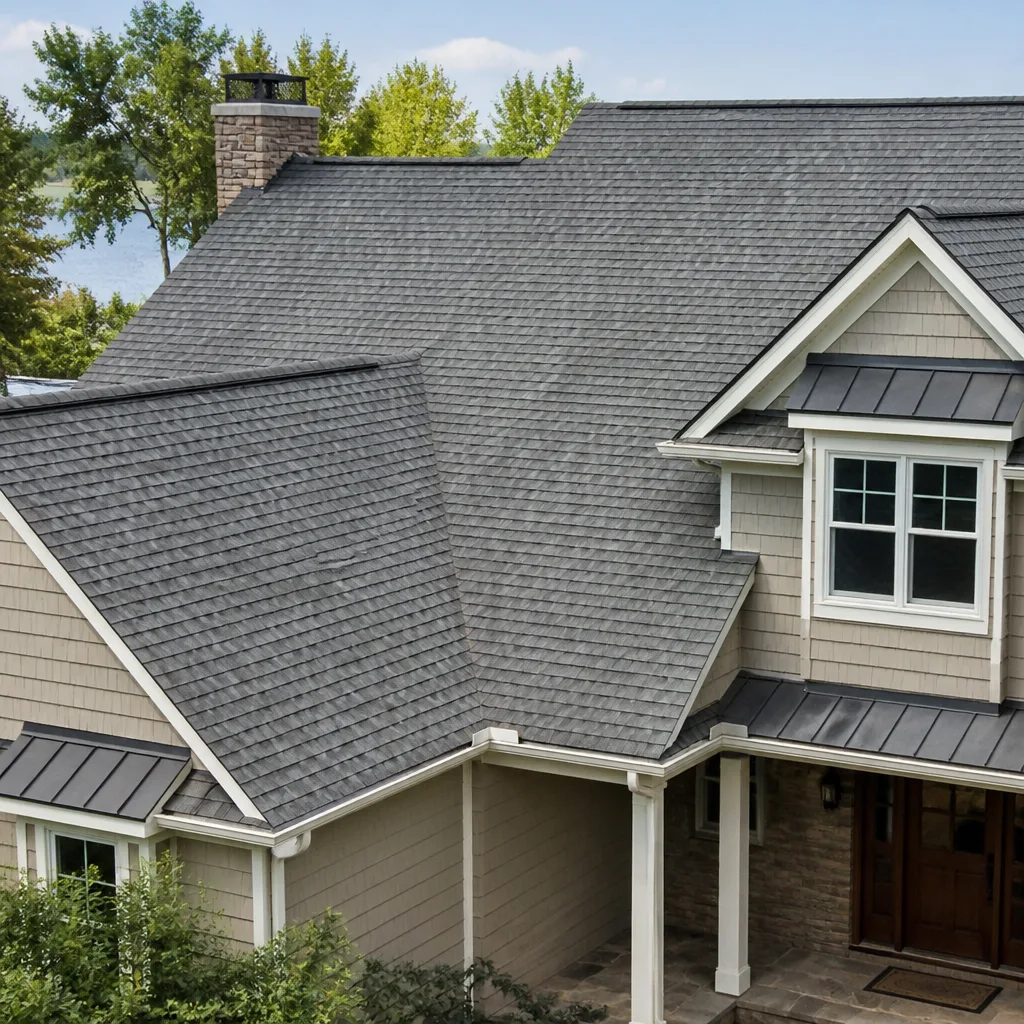 Roofing
 Windows & doors
 Driveway & pavers
 Fence
Free written scope consultation - allowances, timeline, and change-order rules on paper before a single trade is scheduled
Tamko Home Additions & ADU: The Oakland Owner’s Guide
We build Tamko-spec home additions and accessory dwelling units (ADUs) in Oakland, and installed projects run $45,000 – $130,000 for an addition and $90,000 – $220,000 for a full ADU, with garage conversions landing in the $30,000 – $80,000 band. Permits are pulled, inspections are passed, and every build is covered by our 730-Day Done Right Promise. If your existing Tamko envelope is failing – water showing at ceiling joints, a soft rim at the sill plate, bubbling paint under a window – you’ll usually spot it after the first heavy rain of the season, when water finds a path it couldn’t before. In Oakland, that timing matters: a January leak that gets patched in March is often a slow framing problem by the fall.
We’re an independent construction company, not affiliated with Tamko. We build to Tamko system specs because their flashing and weather-resistive barrier lines are what many of Oakland’s existing additions already use, and matching the original system is the cleanest path to a warrantable roof and wall assembly.
Which Tamko Models This Applies To
Tamko doesn’t make one “addition part.” What your owner will actually be replacing is a piece of the waterproofing and roof system: Tamko’s Metal-Era edge metal and drip edge profiles, TW-60 or SA-60 self-adhered underlayment, Titan XT or Heritage shingles at the tie-in, or the flashing tape that seals a valley where an addition meets the original roofline.
Identify the right part by pulling the install label from the original work – the band printed on the underside of a shingle bundle or the roll label on underlayment. If the label is long gone, measure: edge metal is typically 2.5-inch or 4-inch face, and underlayment roll widths run 36-inch standard. OEM Tamko flashing matches the exact profile of their edge metal; aftermarket equivalents get close but often miss on the hem depth by 1/8 inch, which is exactly where water climbs in a wind-driven Oakland storm.
For a Tamko system, we usually stay OEM at the critical tie-ins (valleys, wall flashings, penetrations) and go with a quality aftermarket on broader field materials where the profile gap doesn’t matter. That keeps the waterproofing integrity where it counts and the overall budget honest.
Styles & brands we work with
- Kitchen remodeling
- Bathroom remodeling
- Home additions & ADU
- Roofing
- Windows & doors
- Driveway & pavers
- Fence
Signs Your Tamko Home Additions & ADU Is Failing
- Water staining at ceiling or wall joints. The most common failure: failed flashing tape or a lifted underlayment lap letting water track inside a tie-in. You’ll see a brown outline on drywall before you see a drip.
- Lifted or curling edge metal. Wind-driven rain in the Oakland Hills works edge metal loose over 3 – 5 seasons. Once the hem lifts, the fascia behind it starts to rot.
- Bubbling or peeling paint on the addition’s exterior wall. Usually trapped moisture behind the weather-resistive barrier – a sign the barrier’s lapped wrong or has a puncture from the original build.
- Soft spots in the rim or sill plate. Press a screwdriver into the wood at the base of the wall. If it sinks easily, water’s been reaching framing for a while, and the fix has escalated from parts to structure.
- Granule loss at valley shingles. If the shingles at the addition tie-in look bald after 8 – 10 years, the valley was likely built with an aftermarket underlayment that didn’t bond to the Tamko field.
Each of these is a system failure, not a cosmetic one. In our experience, a part that’s failed on a Tamko envelope is usually one of three things: the flashing, the tape, or the underlayment lap. Identifying which one is what separates a $600 repair from a $6,000 one.
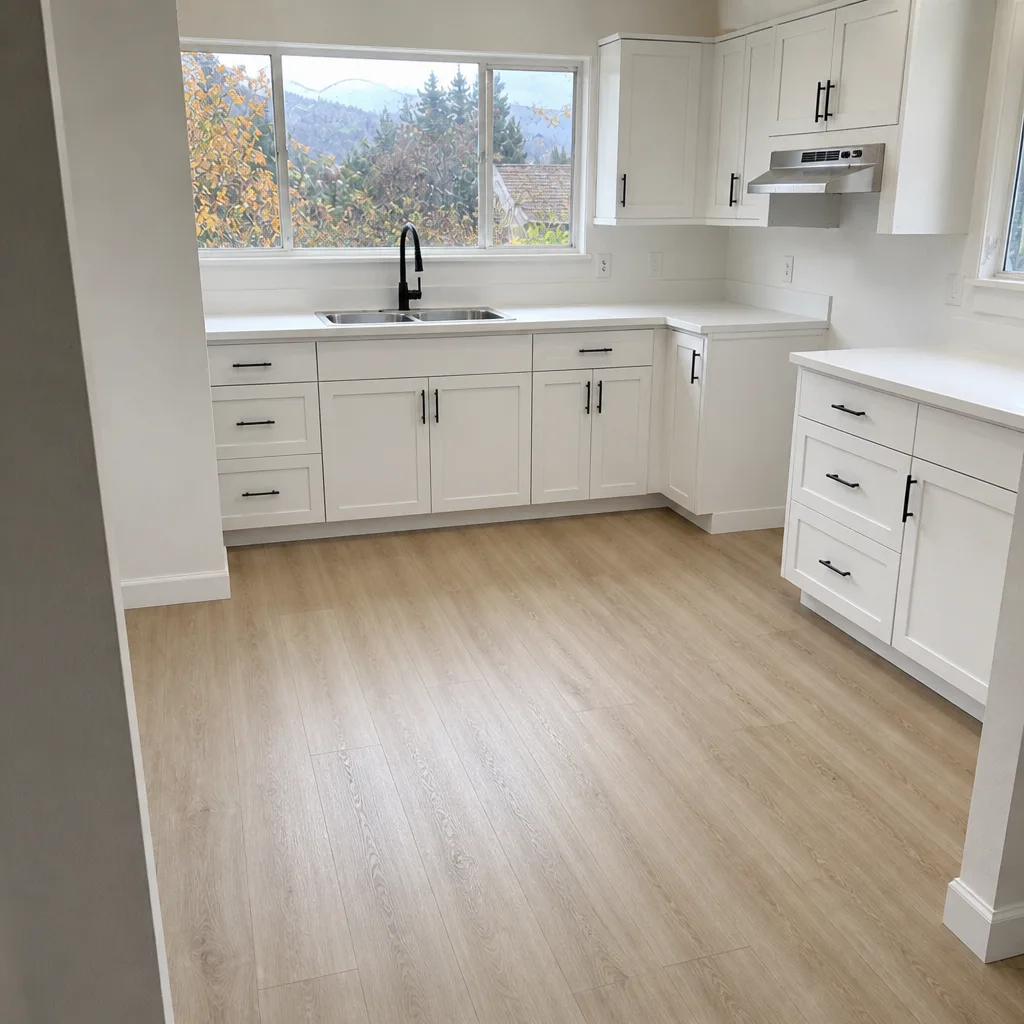
See the difference
 Before
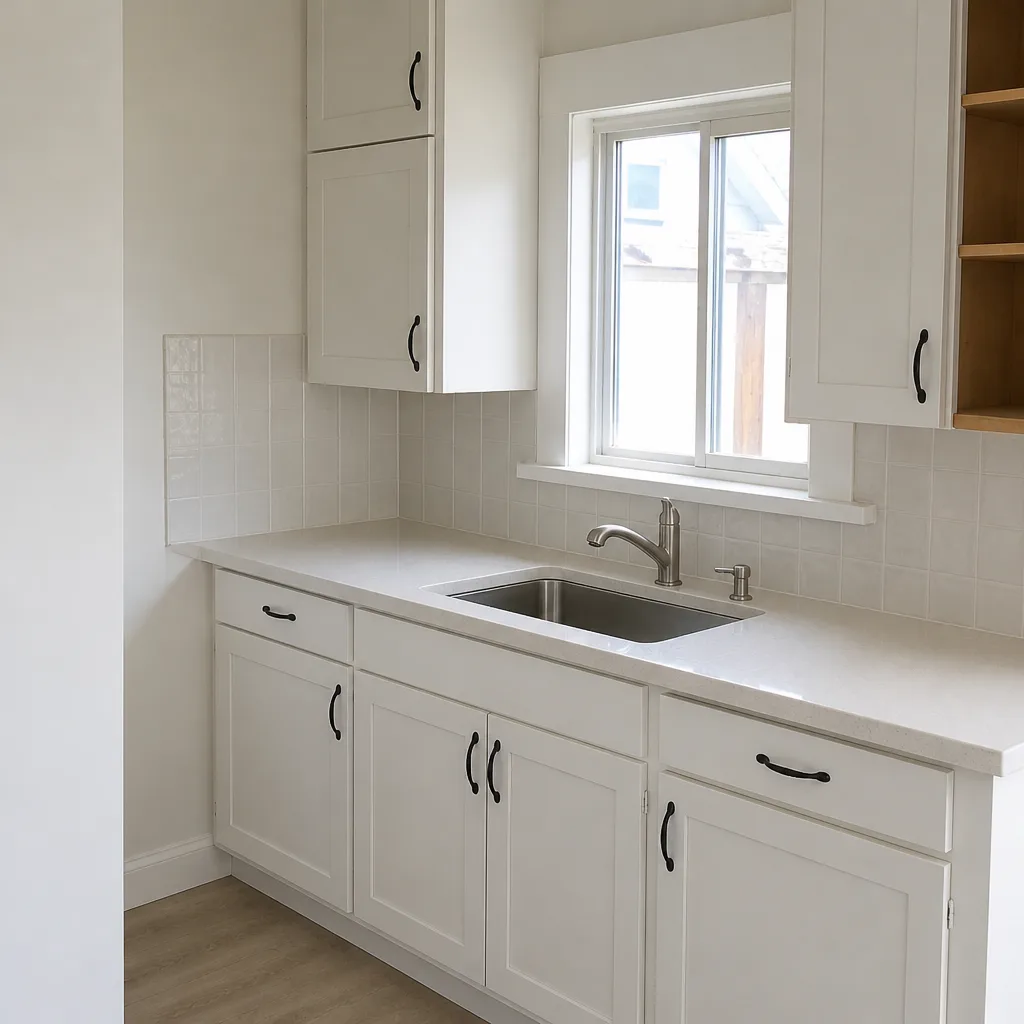 After
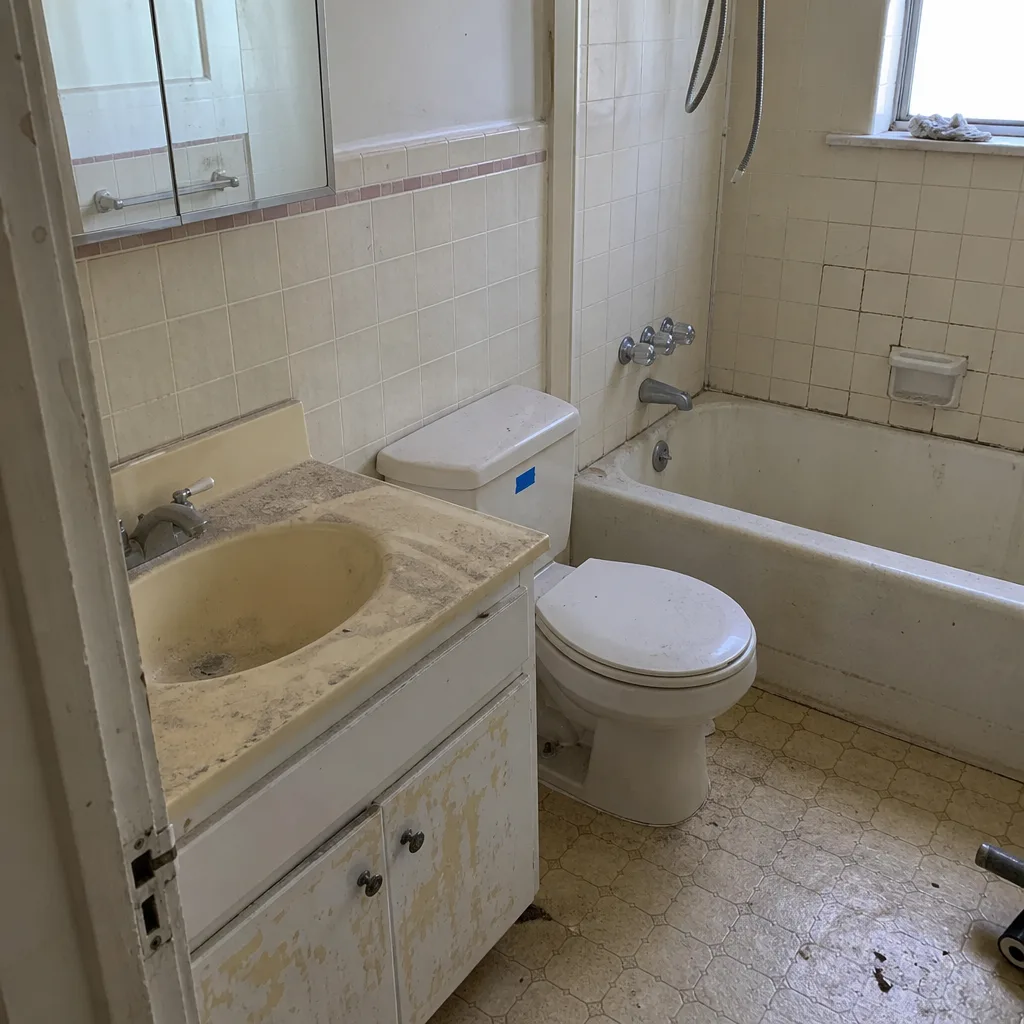 Before
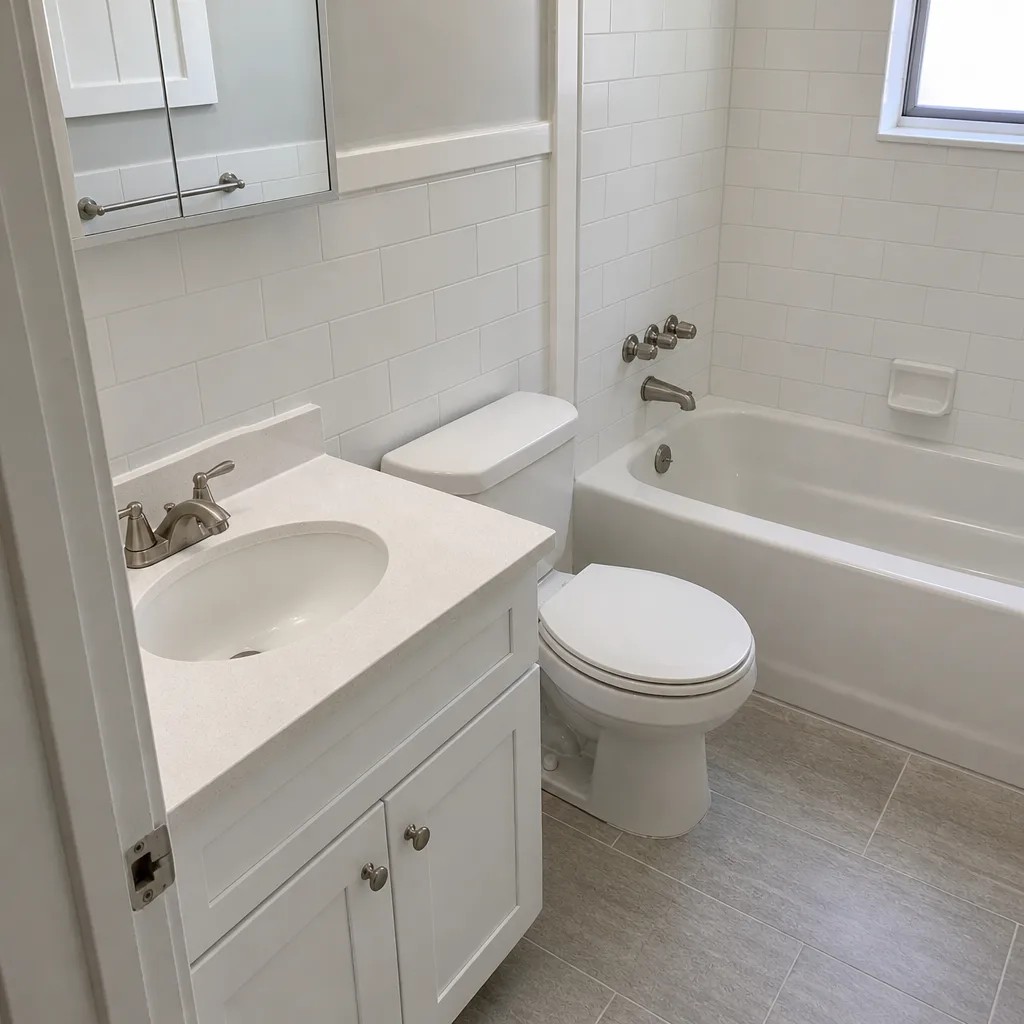 After
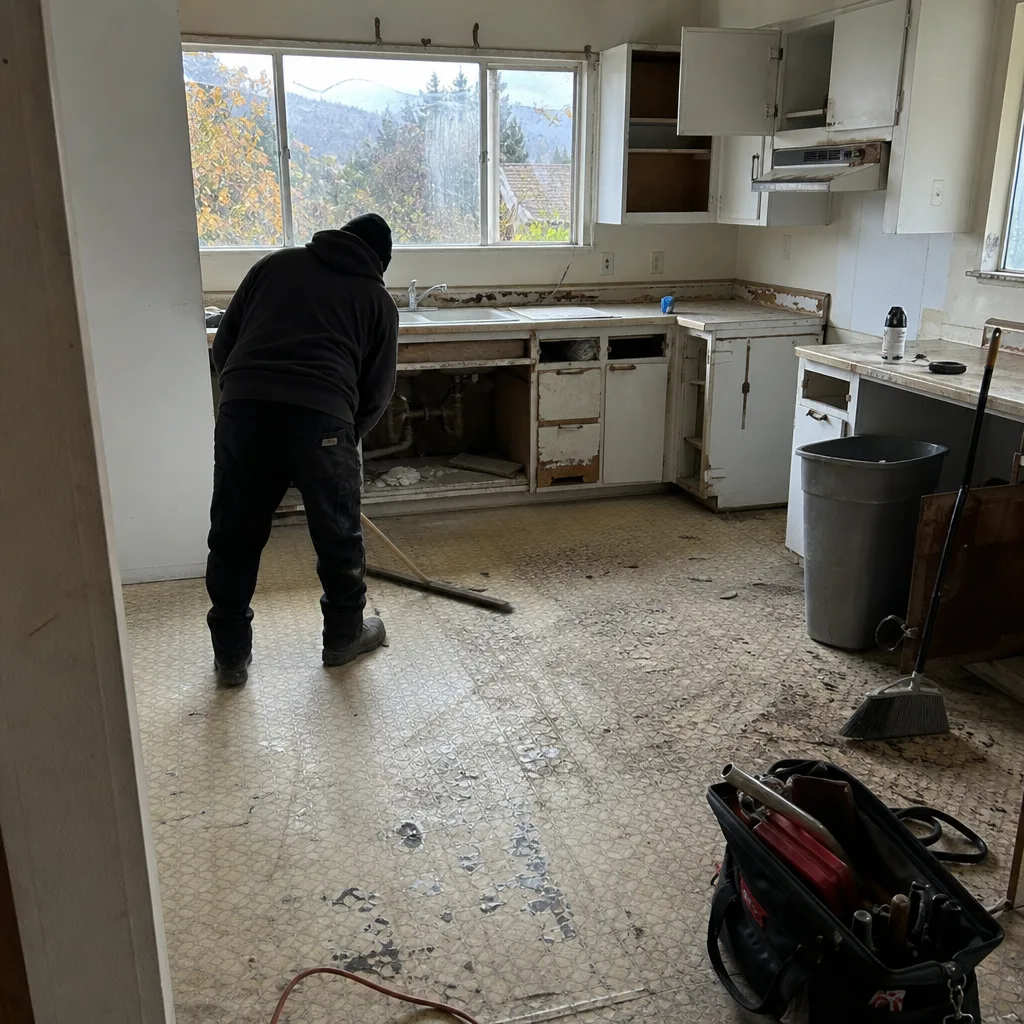 Before
 After
Replacement Cost & What’s Included
Replacing a failed waterproofing or roof-tie-in component on an Oakland addition typically runs $450 – $1,800 when the failure is localized to a flashing or tape run, and $2,500 – $8,000 when the underlayment or valley has to come up and be rebuilt. Full-home additions here run $45,000 – $130,000; ADU builds run $90,000 – $220,000. Garage conversions land in the $30,000 – $80,000 range.
The range depends on three things: how much of the system comes up (a single valley vs. a full slope), whether framing underneath needs repair, and whether the fail is at the roof or at the wall junction. Our parts-plus-labor quotes are written line-item, upfront, no change orders – the number you see is the number you pay. Every replacement is covered by the same 730-Day Done Right Promise, and we pull permits when the scope requires it.
DIY or Call Us?
If your concern is a leak at the tie-in, you can safely walk the exterior and check a few things yourself: look for lifted edge metal, look for a soft patch on the fascia with a screwdriver, and check the ceiling inside after a rain for a brown outline. That’s a good check, and it’ll tell you whether the issue is at the roof line or at the wall.
Where DIY goes wrong: anything above a 6-foot ladder, or any scope that requires removing flashing or underlayment to get to the failed part. The Tamko system is a continuous assembly; if you peel one piece out and don’t re-lap and re-seal correctly, you’ve moved the leak 4 inches instead of fixing it, and you’ve voided the system warranty on the rest of the assembly. Roof work is also genuinely dangerous, and a fall from a one-story Addition roof in Oakland is not a small accident. We recommend a trained crew for any part that lives above the wall plate.
For the parts and the labor, call (833) 997-7759 and we’ll walk the failure with you. Calls are answered by a live person, 24/7, and estimates are free.
FAQs
Tamko’s self-adhered underlayment and edge metal are typically rated for 20 – 30 years in a properly installed system, but around the Bay Area we regularly see 12 – 18 years on components that get full summer sun exposure and winter rain cycling. The Tamko field materials hold; the failure is usually at the tie-in, the tape, or the flashings that got overworked by a wind event, not the shingle itself.
Often a localized repair is enough. If the failure is a single flashing or tape run and the underlayment and field shingles are still healthy, we’ll replace the failed part and re-seal to the Tamko system, usually for $450 – $1,800. If the underlayment has been compromised across a larger area, a full system rebuild of that slope is the honest call. We won’t sell you a full re-roof when a $600 repair solves the problem.
A localized flashing or tape replacement on a Tamko tie-in is typically a single-day job. A valley rebuild or a partial underlayment replacement runs one to three days depending on weather and access. We’ll tell you the day count on the written quote – not a guess made over the phone on the morning of the work.
We source through Tamko’s verified distributor network, which is the same channel that stocks OEM-flavored flashing profiles, edge metal in the 2.5-inch and 4-inch face sizes, and the TW-60 and SA-60 underlayment rolls. Where the OEM part is out of stock or the profile doesn’t match your existing system, we’ll price a quality aftermarket equivalent and tell you exactly where the spec differs and why it still works. We don’t stock parts on a truck – each part is ordered to your specific Tamko model and system.
For other trades, we also work with KraftMaid, Cambria, and Silestone for the interior finish scope of an addition or ADU.
If your Tamko envelope is failing and the Oakland rain is already telling you, call (833) 997-7759 for a free estimate. We’ll check the tie-ins, write a line-item quote, and tell you whether it’s a part or a whole system. Upfront pricing, no surprises, backed by the 730-Day Done Right Promise.
Written by the team at Groundwork Construction Co. of Oakland, serving Oakland and nearby areas.