

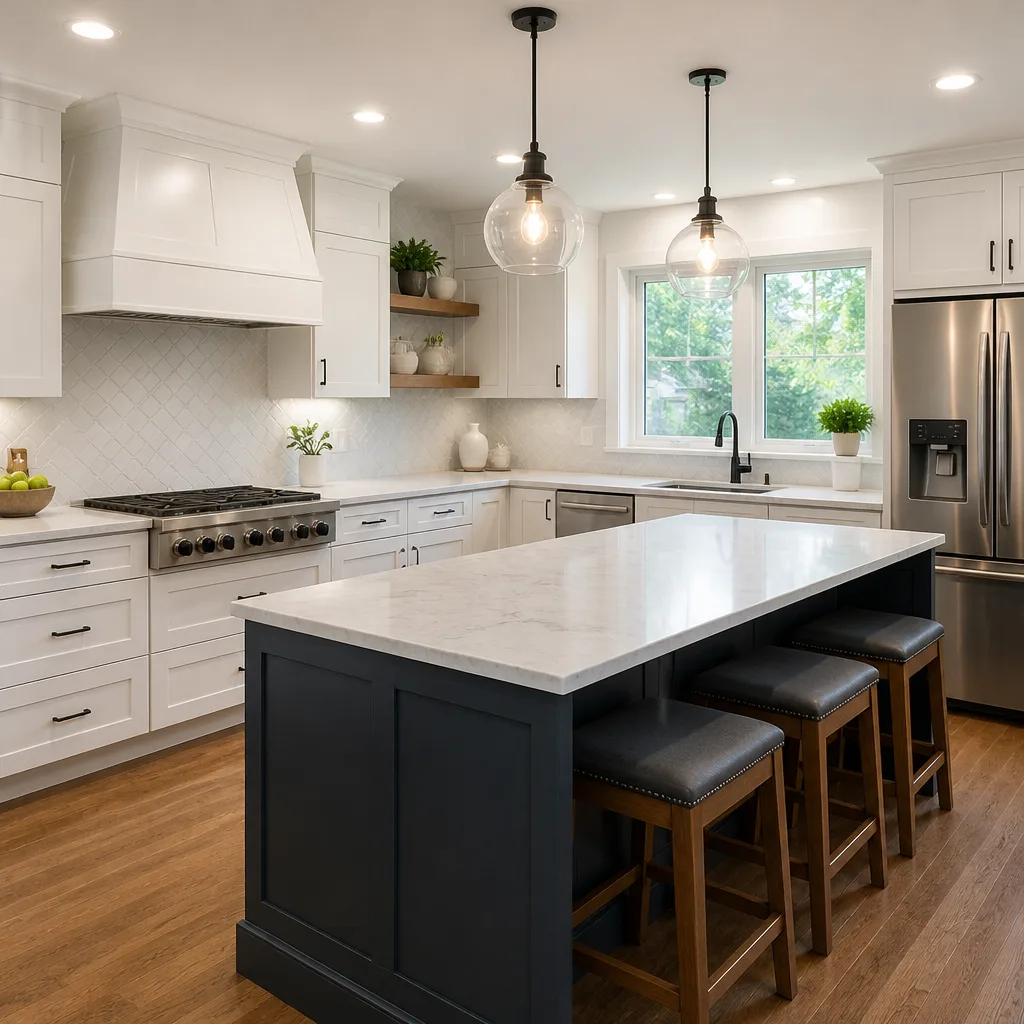
 Kitchen remodeling
 Bathroom remodeling
 Home additions & ADU
 Roofing
 Windows & doors
 Driveway & pavers
 Fence
Free written scope consultation - allowances, timeline, and change-order rules on paper before a single trade is scheduled
Sakrete Kitchen Remodeling: The Oakland Owner’s Guide
Sakrete kitchen remodeling in Oakland typically runs $14,000 to $45,000 installed, with small kitchen projects landing closer to $9,000 to $20,000. Sakrete is a cement and mortar brand, so on a kitchen project it shows up in the mortar bed under tile, the patching and leveling compound under flooring, and the repair work behind a failed backsplash or a cracked subfloor. It isn’t a cabinet or countertop product, which is where most homeowner confusion starts.
Owners usually discover the problem before they know what caused it. A tile backsplash pops loose near the range. Floor tiles sound hollow underfoot in a six-foot stretch near the sink. Grout lines crack in a straight line across the room, or a countertop starts rocking because the substrate underneath gave way. In every one of those cases, the Sakrete product was the layer holding things together, and that layer failed first.
Which Sakrete Models This Applies To
Sakrete makes mortar mixes, sand and topping mixes, concrete patching products, and polymer-modified mortars used in tile setting and floor leveling. Which one your project uses depends on what’s under your kitchen floor and behind your walls, not on a model number stamped on a label.
Identifying the right product means reading three things: the original bag or bucket if the previous installer left one, the thickness of the mortar bed under existing tile, and the substrate itself. A 3/4-inch mortar bed over a wood subfloor on a 1920s bungalow in Temescal needs a different mix than a thin-set application over a concrete slab in a West Oakland loft conversion. Get that wrong and the new tile will fail the same way the old one did.
The OEM-versus-aftermarket question works differently for Sakrete than it does for a faucet cartridge. Sakrete’s own product line is the reference standard; competing brands make equivalent mixes at similar price points. What matters more is matching the mix to the application and to Oakland’s building stock. Our technicians have up to 12 years of experience, and most of that experience with mortar failures comes down to a mix that looked right on the bag and was wrong for the substrate. We’re an independent service provider and not affiliated with Sakrete.
Styles & brands we work with
- Kitchen remodeling
- Bathroom remodeling
- Home additions & ADU
- Roofing
- Windows & doors
- Driveway & pavers
- Fence
Signs Your Sakrete Product Underlayment Is Failing
Here’s what actually brings homeowners to call us, and what’s happening underneath.
- Hollow-sounding floor tile. Tap a tile with a coin and listen. A dull thud instead of a sharp click means the mortar didn’t bond, either because the mix dried too fast or the substrate flexed after curing.
- Grout cracks in straight lines. Cracks that follow a seam or a beam line point to movement in the floor structure that the mortar bed couldn’t absorb. Hairline cracks across a single tile are usually shrinkage from a mix that was too wet.
- Backsplash tile lifting near the range or sink. Heat cycling and moisture are the two usual suspects, and behind them is mortar that lost its grip on the drywall or cement board.
- A rocking or unlevel countertop. If a level check shows a high spot under the counter, the leveling compound underneath settled unevenly. Stone counters can crack under that stress.
- Soft spots or crumbling near the sink and dishwasher. Slow leaks over months break down mortar and subfloor together. This is the one symptom worth stopping everything for.
One thing worth knowing about Oakland specifically: homes in the flats and near the waterfront deal with more seasonal humidity swings than inland buyers expect, and original pier-and-beam construction here means floor movement is common. We regularly see mortar failures in older Rockridge and Adams Point kitchens that have nothing to do with the product and everything to do with a floor that was never flat to begin with.
See the difference
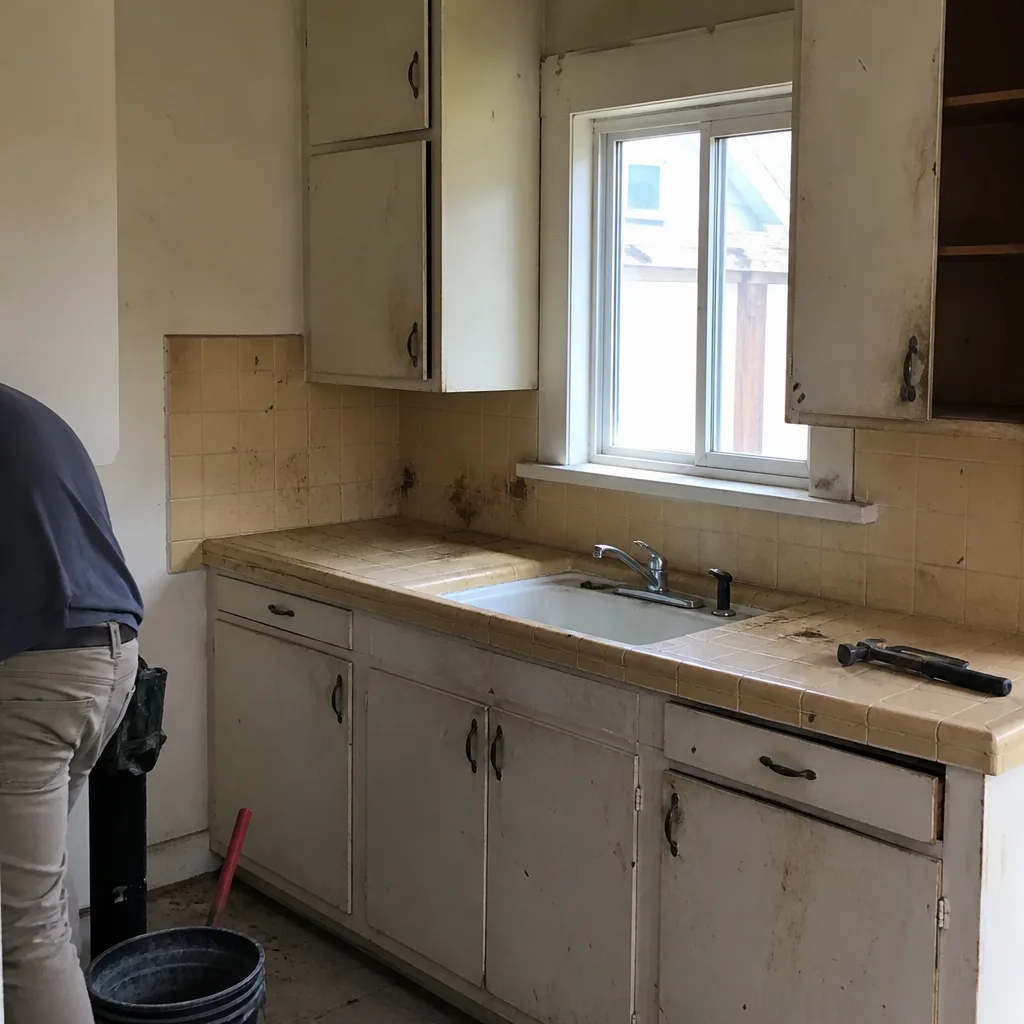 Before
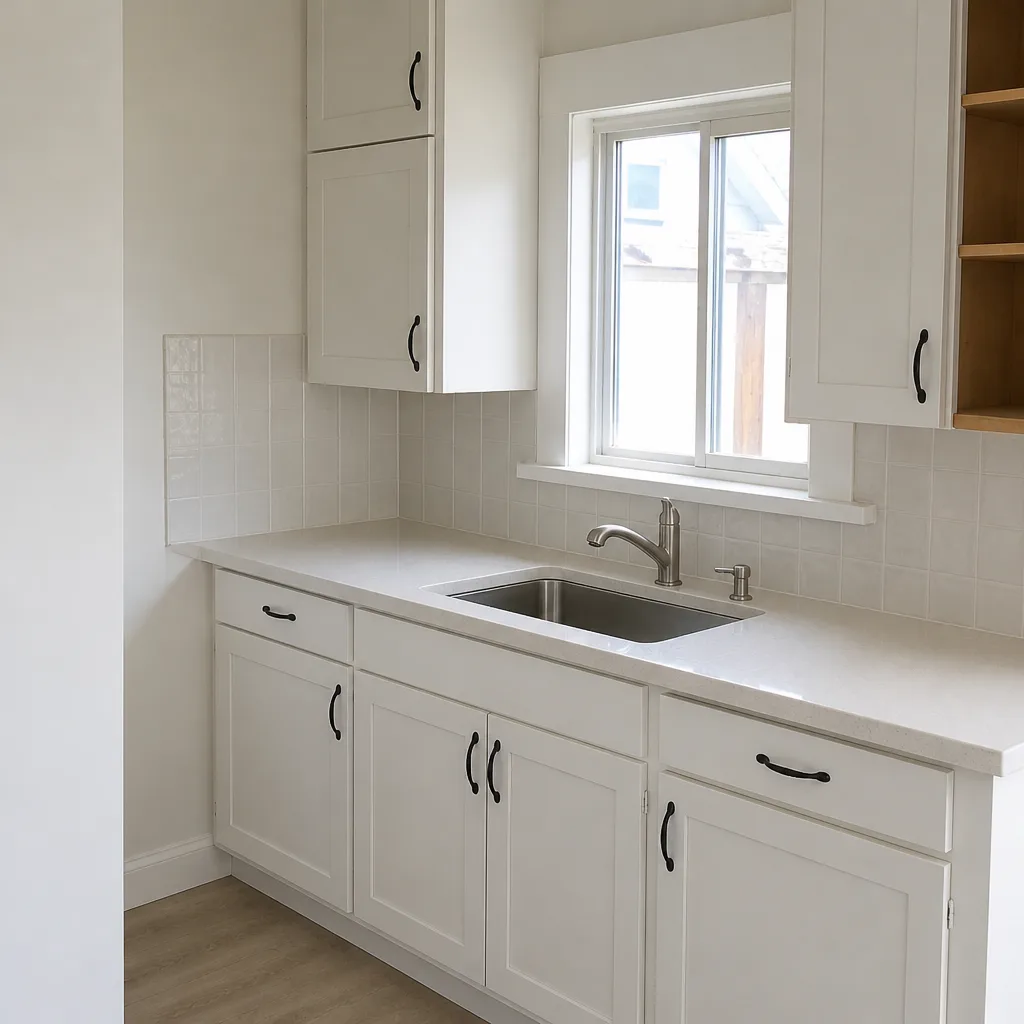 After
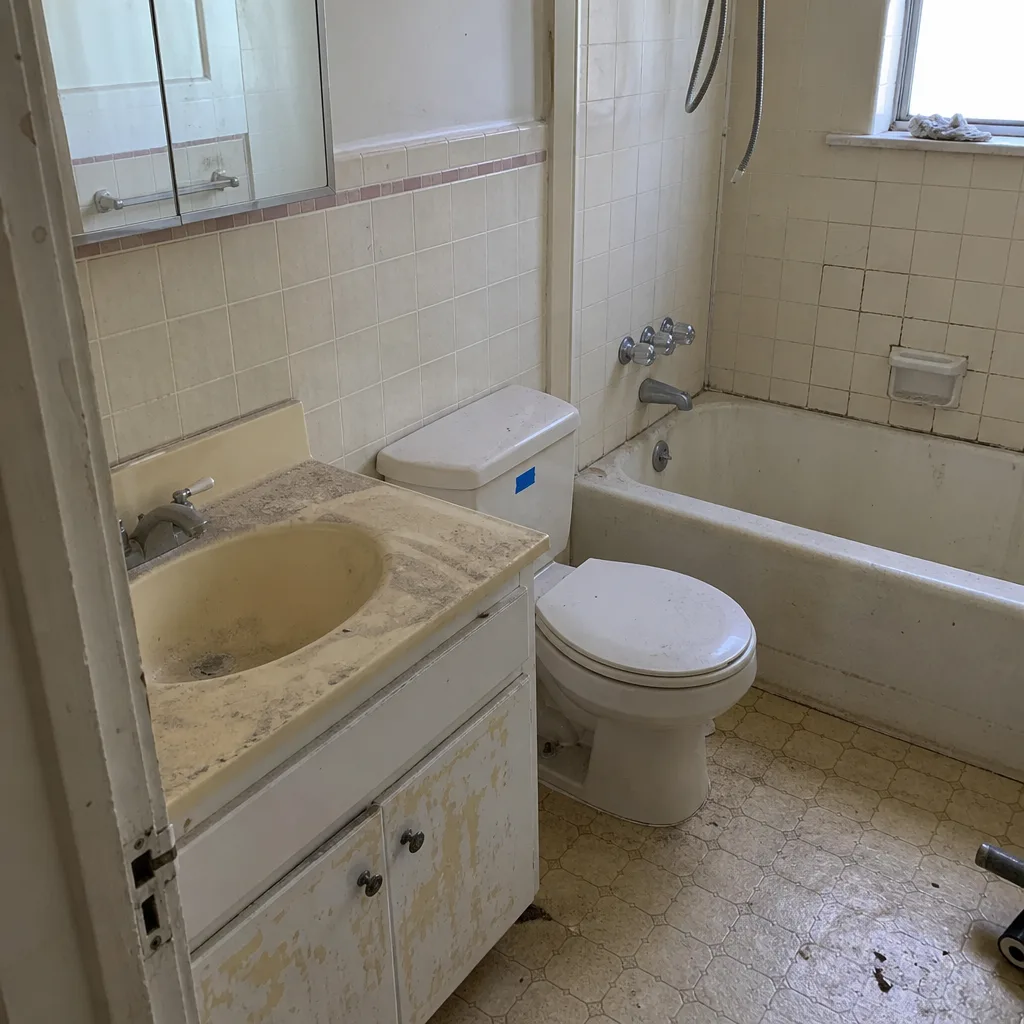 Before
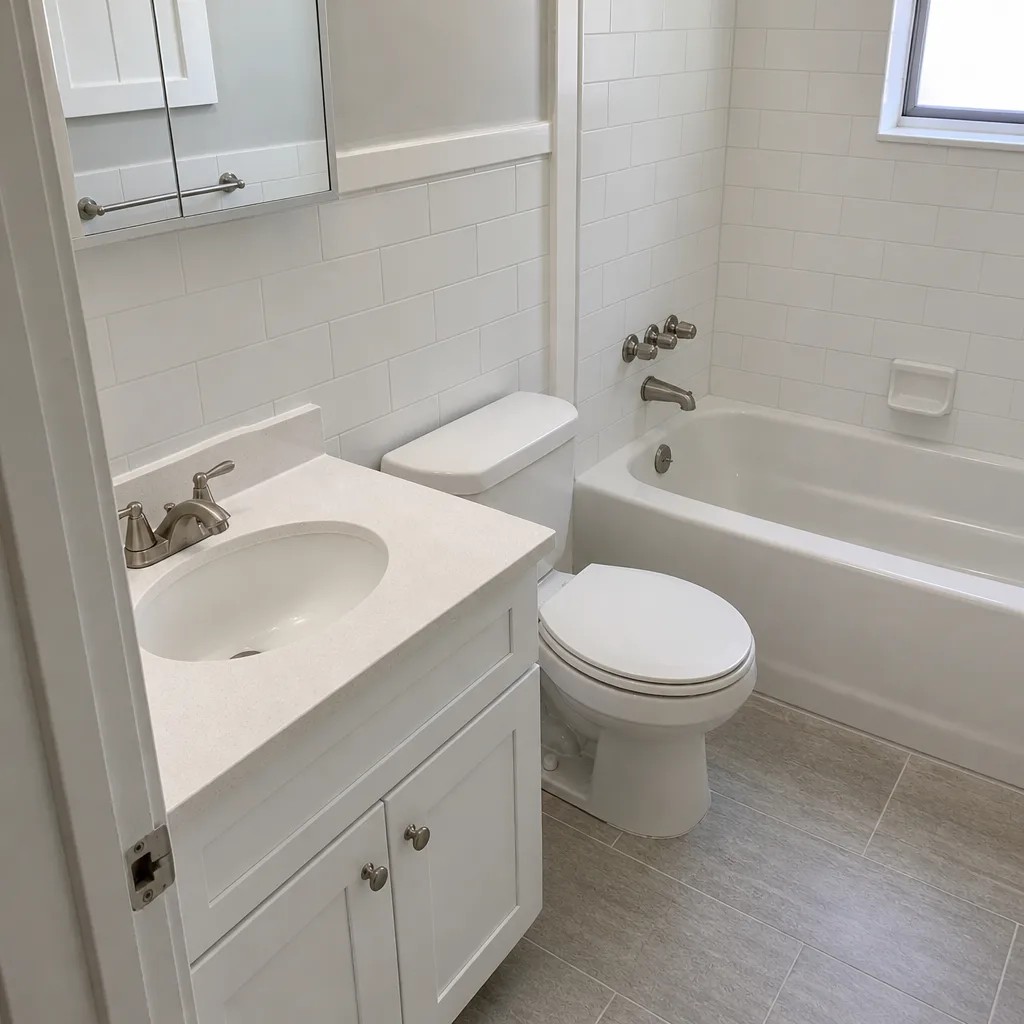 After
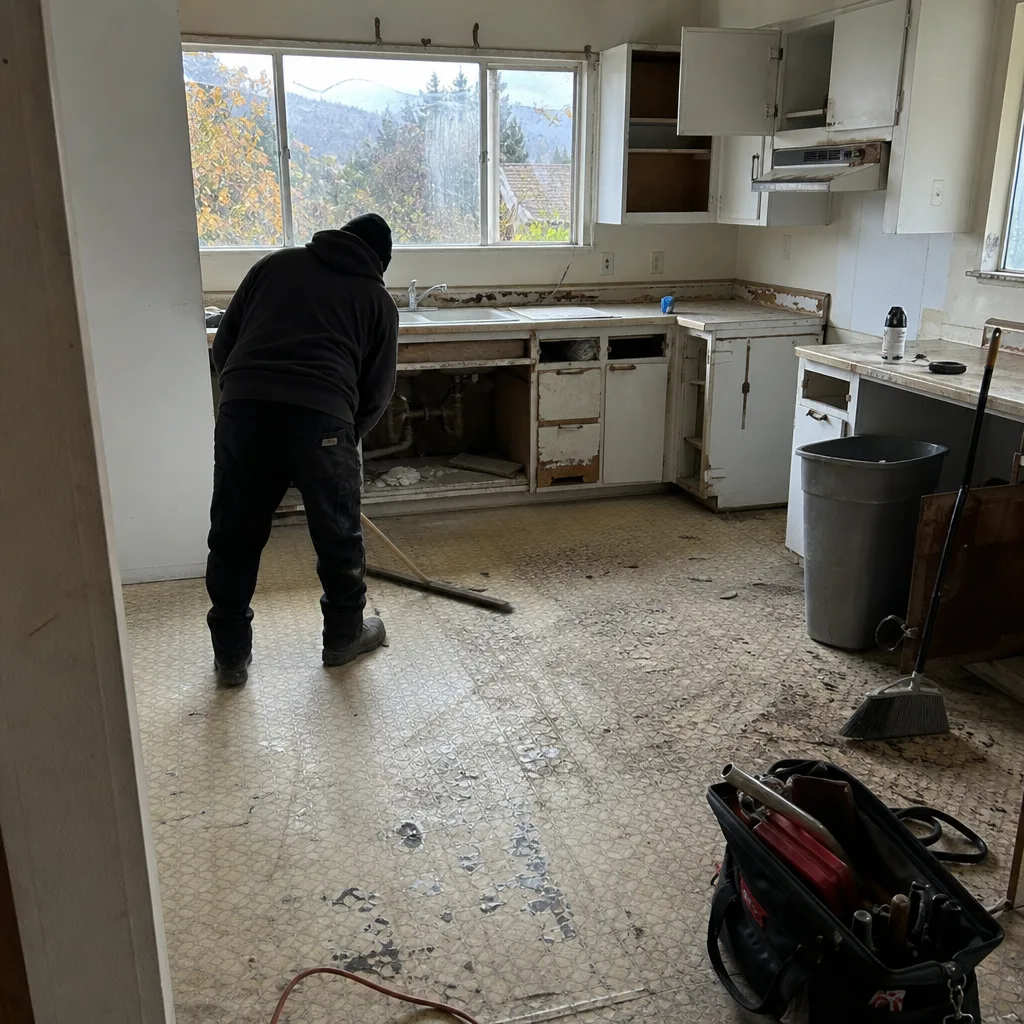 Before
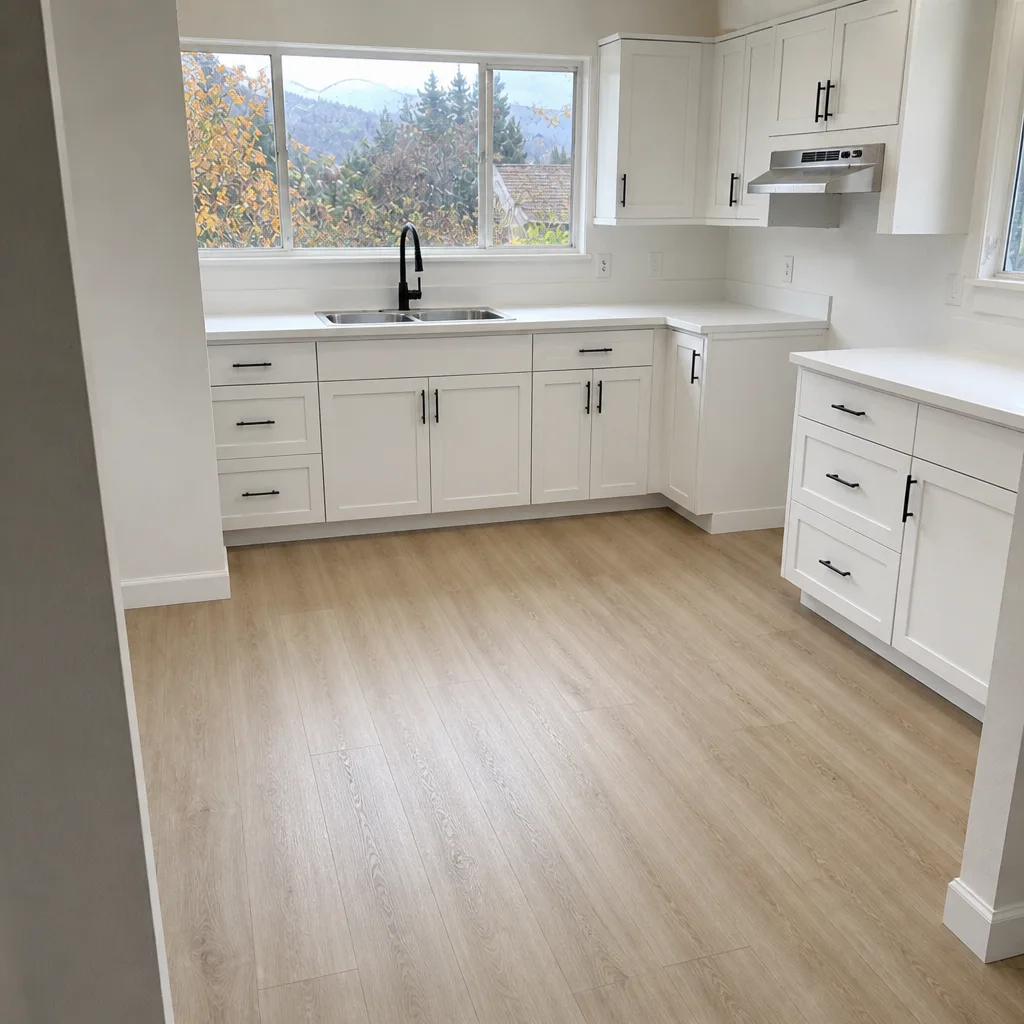 After
Replacement Cost & What’s Included
Because Sakrete materials sit under finished surfaces, pricing depends on how much surface has to come up with them. Here’s how Oakland kitchen scopes break down.
| Scope | Typical Oakland range |
|---|---|
| Kitchen remodel, full scope | $14,000-$45,000 |
| Small kitchen remodel | $9,000-$20,000 |
| Backsplash installation (with substrate repair) | $800-$2,500 |
| Countertop installation (with leveling correction) | $2,000-$6,500 |
| Cabinet installation (floor prep included) | $4,000-$13,000 |
What moves the number: whether tile has to be demolished, how much substrate needs replacing, whether the floor structure itself requires sistering or shimming, and the size of the room. We quote line-item, so material, labor, and disposal each show up separately. The number you see is the number you pay, and every project carries the 730-Day Done Right Promise. If the work isn’t right, we make it right.
DIY or Call Us?
Some checks are safe and worth doing yourself. Tap tiles for hollow spots, run a four-foot level across the floor to see how far out of flat it is, look under the sink cabinet for staining or soft wood, and photograph anything that looks wet. That’s a head start on the conversation, and it costs nothing.
Where DIY goes wrong is the repair itself. Mortar and leveling compounds are unforgiving on cure time and mix ratio, and the failure mode is invisible for six months before it shows up as cracked tile or a rocking counter. This isn’t a dangerous trade like electrical work, but redoing a failed mortar bed twice costs more than doing it once correctly. If you’ve got hollow tile across more than a few square feet or any soft spot near plumbing, that’s the point to stop. Call (833) 997-7759 and we’ll tell you straight whether it’s a patch or a rebuild.
FAQs
Properly mixed and applied over a stable, correctly prepped substrate, a mortar or leveling bed should outlast the finish material on top of it, typically 20 years or more. Failures inside ten years almost always trace back to substrate movement or moisture, not the product.
Sometimes yes. Isolated hollow tiles or a single grout crack can often be repaired in place. A continuous failure line across the room, or any soft substrate, means the bed has to come out. We’ll test several spots and show you what we find before quoting either path.
Substrate-only repair while keeping your existing tile is usually a 2 to 3 day job. If tile and countertops come out with the bed, plan on one to two weeks. Cure time for the mortar itself is built into that schedule, not rushed.
By reading the substrate first, then matching the mix. Onsite, that means confirming slab versus wood subfloor, checking deflection, and measuring bed thickness before anything gets ordered. Call (833) 997-7759 for a free estimate and we’ll walk the kitchen with you.
Whether it’s mortar under your tile or cabinets from KraftMaid, counters from Cambria or Silestone, or finish work across the room, we handle the whole scope with one crew and one point of contact. From foundation to finish line, built to last, backed in writing. Call Groundwork Construction Co. of Oakland at (833) 997-7759 to schedule your free project estimate and design consult. We also offer $1,000 off projects over $10,000 and 0% financing for 18 months.
Written by the team at Groundwork Construction Co. of Oakland, serving Oakland and nearby areas.