
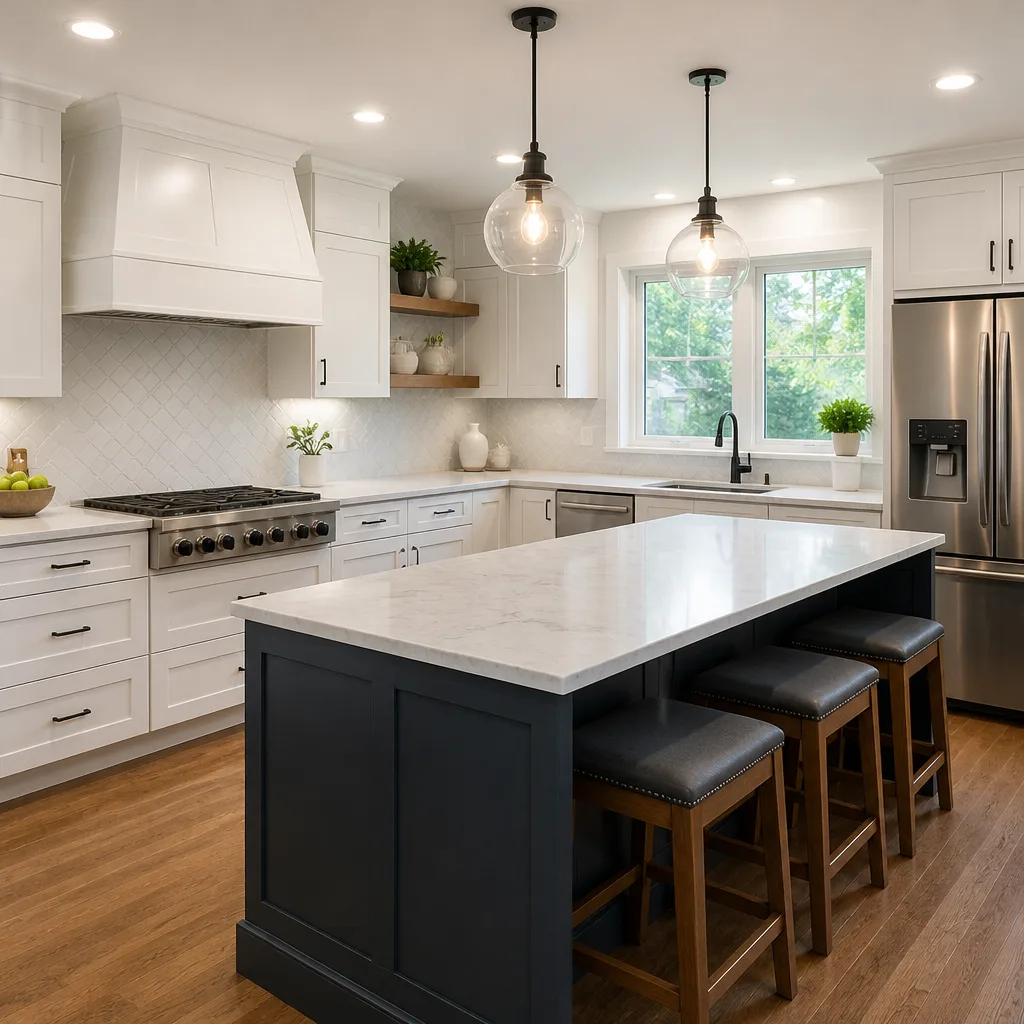
 Kitchen remodeling
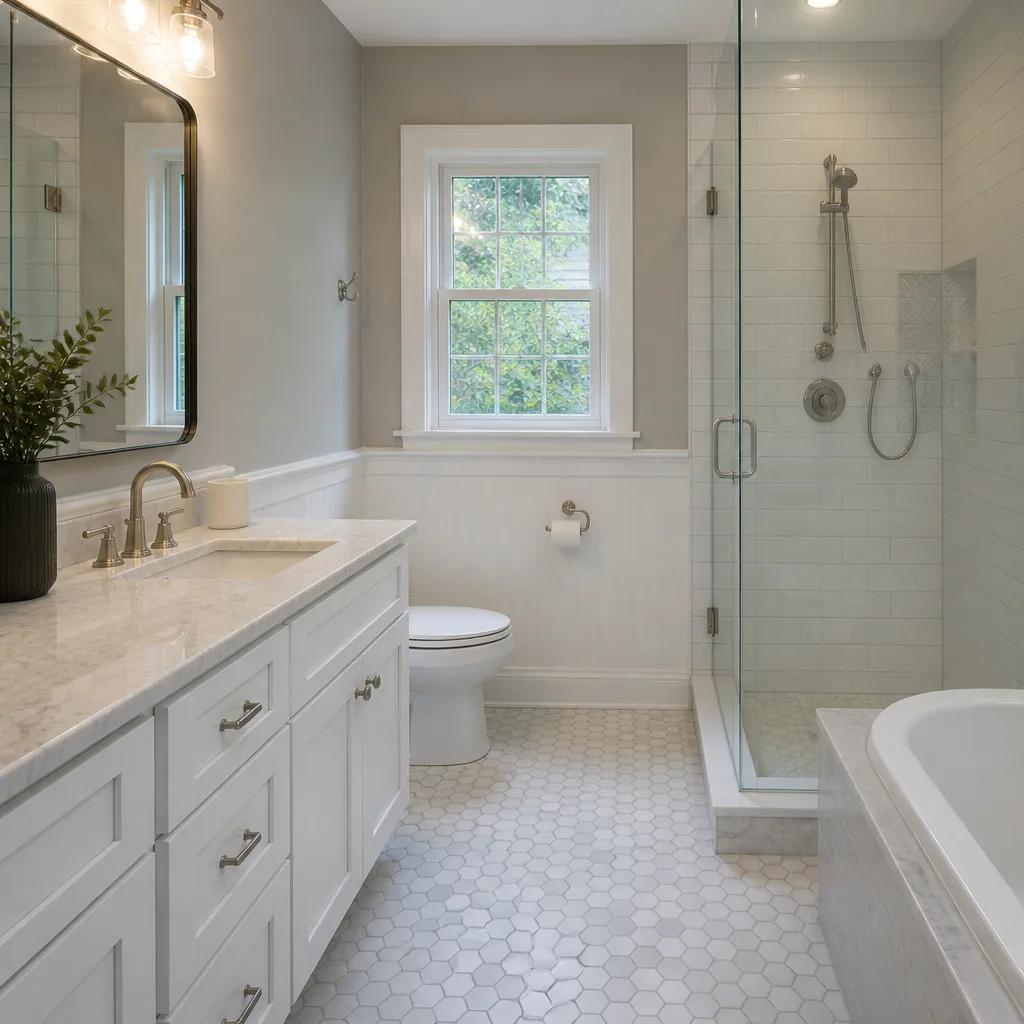 Bathroom remodeling
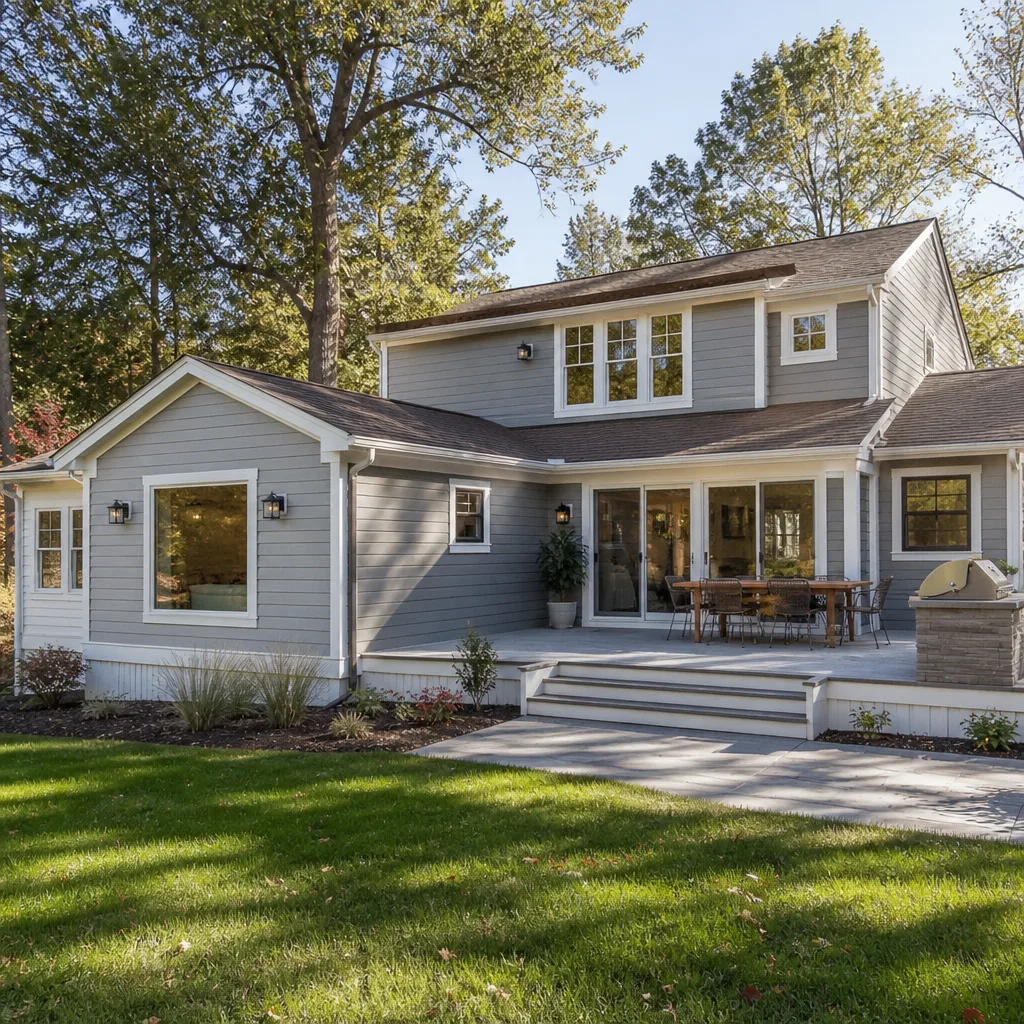 Home additions & ADU
 Roofing
 Windows & doors
 Driveway & pavers
 Fence
Free written scope consultation - allowances, timeline, and change-order rules on paper before a single trade is scheduled
ADU Site Prep & Utilities in Emeryville: What It Covers and What It Costs
ADU site prep and utilities in Emeryville runs $45,000 – $130,000 as a standalone scope, and covers everything that has to be true before a single wall goes up: excavation, grading, the foundation pour, and the trenching and rough-in for water, sewer, gas, and electrical. Expect 6 – 10 weeks for the prep and utility phase on a typical infill lot. Call (833) 997-7759 to schedule a free on-site estimate and we’ll walk the parcel with you.
Stages of Site Prep & Utilities, From First Cut to Final Inspection
This is the part of an ADU build where surprises live. On Emeryville’s built-out parcels, the ground rarely matches the drawings until we open it up. Here’s the real sequence we run.
Day 1 – 3: Boundary survey confirmation and utility locate
Before anything gets cut, we confirm setbacks against the survey and call in locates on every known utility. On older parcels west of San Pablo Avenue, service laterals were often added piecemeal over decades, so a locate ticket is a starting point, not a guarantee. You’ll need to decide where the ADU’s private sewer lateral will tie in, and that decision gets locked in now, not later.
Week 1 – 2: Demolition, clearing, and grading
We strip the site, remove any old slab, shed footing, or buried debris, and grade to the drainage plan. On flat, low-lying ground near the shoreline, we’re grading for positive fall away from the structure so winter rain doesn’t pond against the foundation. This is your first real decision point on drainage: surface swales cost less, a buried French drain costs more but handles flat lots better.
Week 2 – 4: Excavation and foundation
Footings get dug, forms set, rebar placed, and the inspection called before any concrete goes in. On an infill parcel, this is where we sometimes find undocumented fill or old industrial footings that weren’t on any drawing. If that happens, the fix is a soils review and possibly over-excavation, which adds time and money. Your decision here is foundation type: a conventional perimeter footing versus a slab-on-grade, and whether the soil report calls for anything deeper.
Week 4 – 7: Utility trenching and rough-in
Water, sewer, gas, and electrical all get trenched, laid, and inspected before backfill. Sewer needs correct fall to the tie-in; water and gas need proper depth and protection. Electrical conduit gets run to the panel location and to the exterior for future connections. You’ll decide here whether the ADU gets its own meter or sub-panels off the main house, a decision that affects both cost and future billing.
Week 7 – 10: Backfill, compaction, and final site inspection
Trenches get backfilled and compacted in lifts, the site gets final graded to drain, and we call the inspections that close out the prep phase. Utility connections get tested and documented. Once this passes, framing can start. This is the stage where a clean paper trail matters, because everything downstream depends on it.
Styles & brands we work with
- Kitchen remodeling
- Bathroom remodeling
- Home additions & ADU
- Roofing
- Windows & doors
- Driveway & pavers
- Fence
The Choices You’ll Actually Make on the Prep and Utility Scope
The prep phase is full of quiet cost decisions. Here’s what you’re really choosing between, with the honest trade-offs:
- Foundation type: slab-on-grade vs. perimeter footing with stem wall. A slab is faster and cheaper and suits flat Emeryville lots. A perimeter footing handles uneven bearing better on fill-heavy parcels but adds cost and time. If the soil report is clean, slab usually wins.
- Sewer tie-in: gravity to the main vs. a lift pump. Gravity is cheap and reliable when the fall works. A lift pump (grinder pump) costs more upfront and needs power, but it’s sometimes the only option on a lot with poor slope to the lateral.
- Water and gas pipe: copper vs. PEX for interior runs, and schedule 40 vs. schedule 80 PVC for exterior. Copper lasts decades and handles heat well but costs more. PEX is faster and cheaper, and it’s what most modern ADUs use. Exterior runs should be in the heavier PVC.
- Electrical service: dedicated meter vs. sub-panel. A dedicated meter means separate utility billing and a bigger trench, but it keeps the ADU self-contained, which matters if you ever rent it. Sub-panels off the main house are cheaper and faster.
- Drainage: surface swale vs. buried French drain or dry well. Swales cost a fraction, but on flat bay-adjacent ground they can be marginal. Buried drains handle winter rain better where the ground doesn’t fall away naturally.
Windows and doors come into the picture once walls go up, and this is where a brand like Therma-Tru or ViewLux earns its keep for a detached unit. That’s a later phase, but the framing openings get set in the prep plan.
What ADU Site Prep & Utilities Costs in Emeryville, CA
Plan on $45,000 at the low end and up to $130,000 at the high end for the full prep and utility scope. The number moves for five predictable reasons:
- Lot condition. Clean, surveyed ground runs toward $45,000. A parcel with buried tanks, contaminated soil, or undocumented fill pushes toward the top of the range, because environmental review and over-excavation add real dollars.
- Trench length and tie-in distance. A short run to the street and nearby laterals is cheap. A long sewer or water run across the lot, or a lift pump, adds thousands.
- Foundation depth and soil report. A standard slab sits at the low end. Deeper footings or over-excavation for poor bearing climb fast.
- Utility configuration. A shared sub-panel is cheaper than a dedicated meter and separate service drop.
- Permit and inspection scope. Environmental review, geotech, and separate utility permits all add line items.
A written estimate from us covers excavation, grading, foundation, trenching, rough-in, inspections, and backfill, with the price locked in writing. What it doesn’t cover is what we can’t see until we open the ground: contaminated soil remediation, buried tanks, or undocumented structures. That’s why the site visit comes first. If you’re weighing prep cost against the whole project, it helps to see the full Home Additions & ADU in Emeryville picture alongside it.
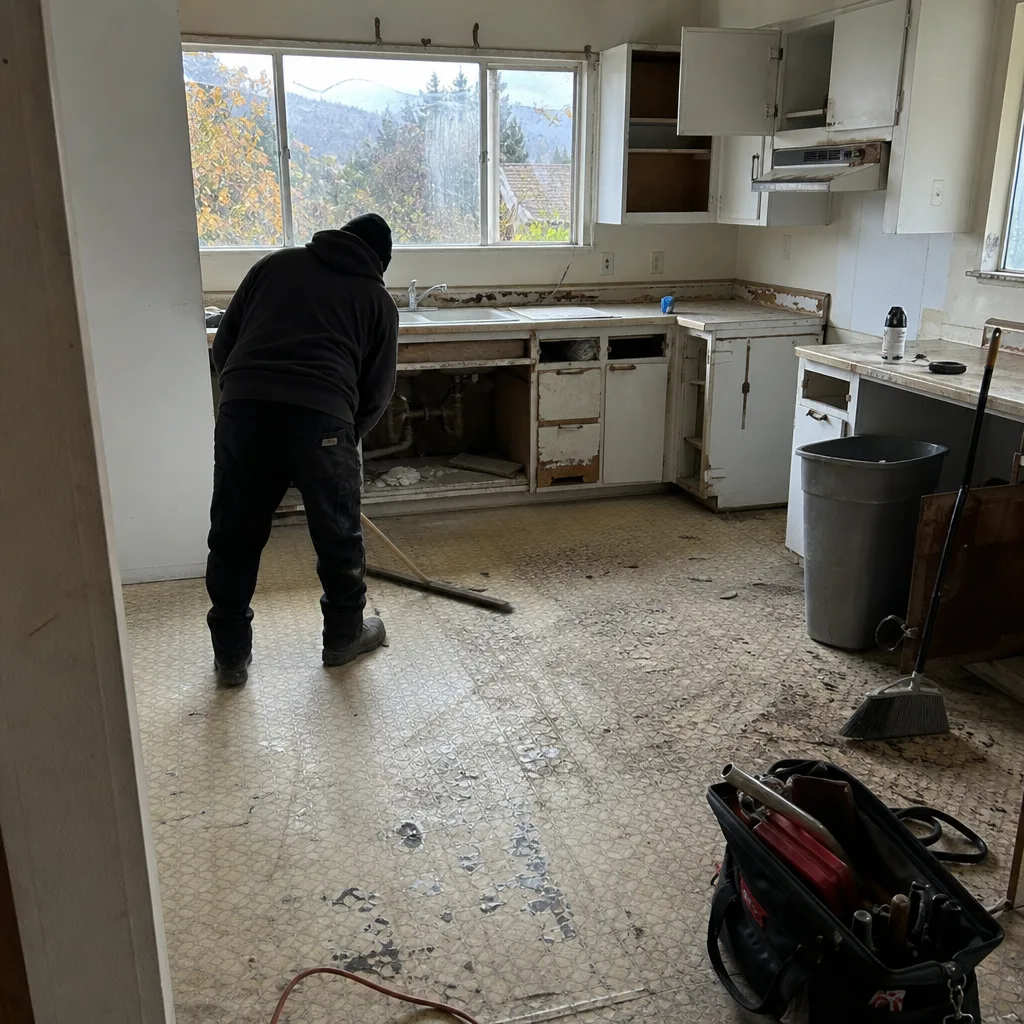
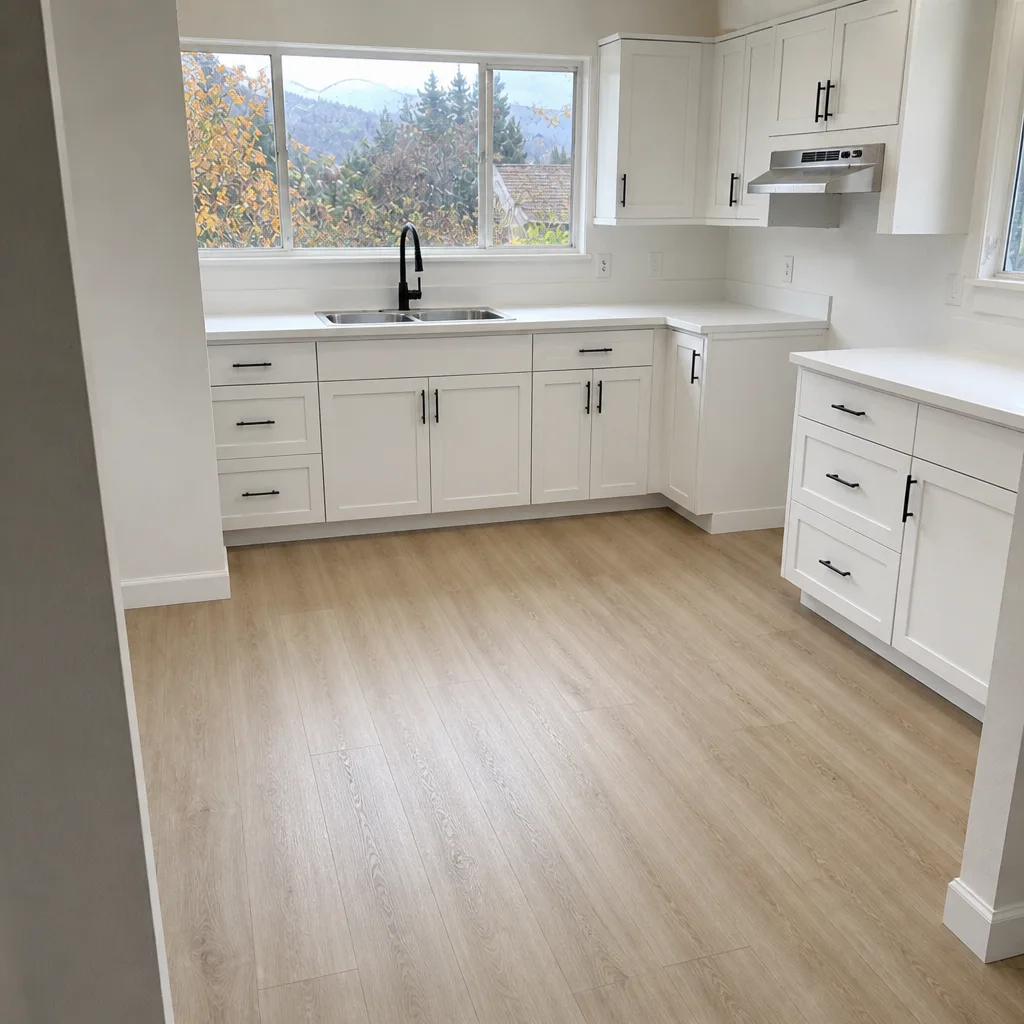
See the difference
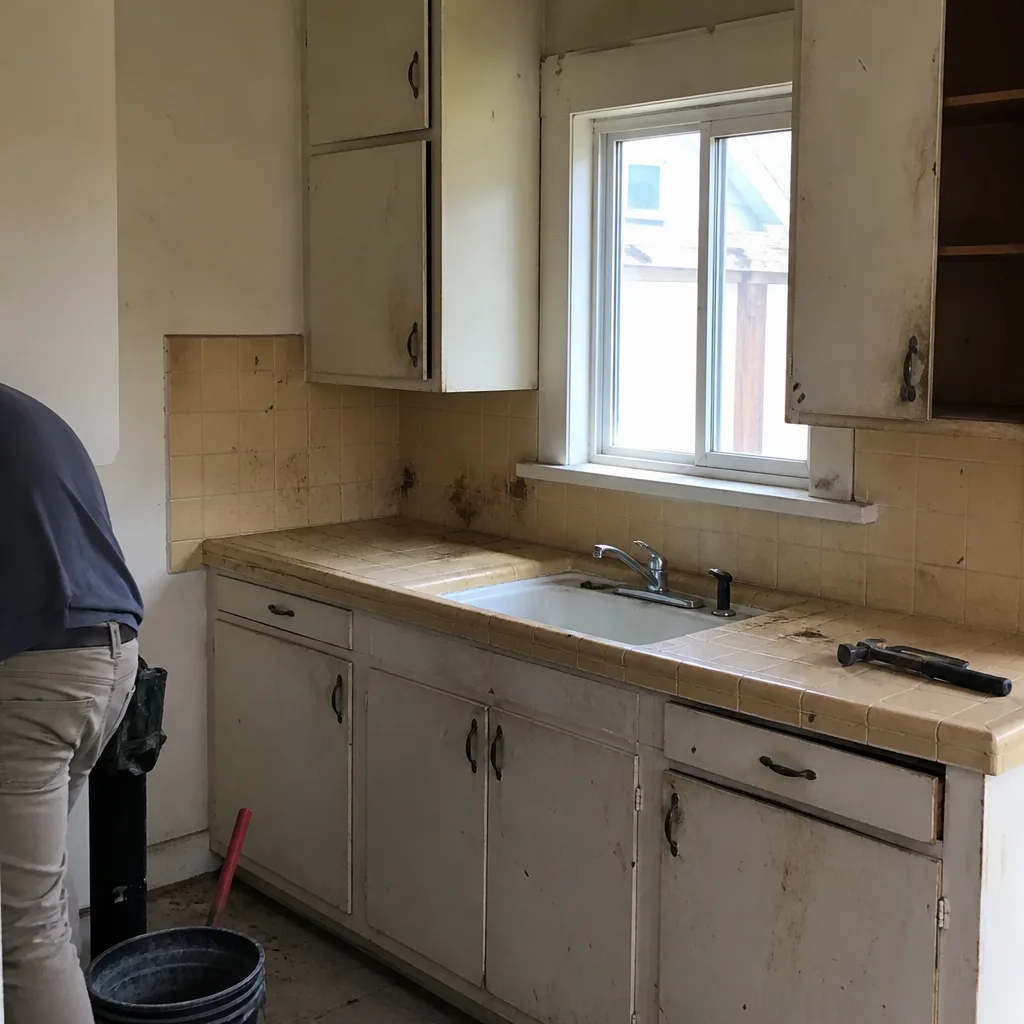 Before
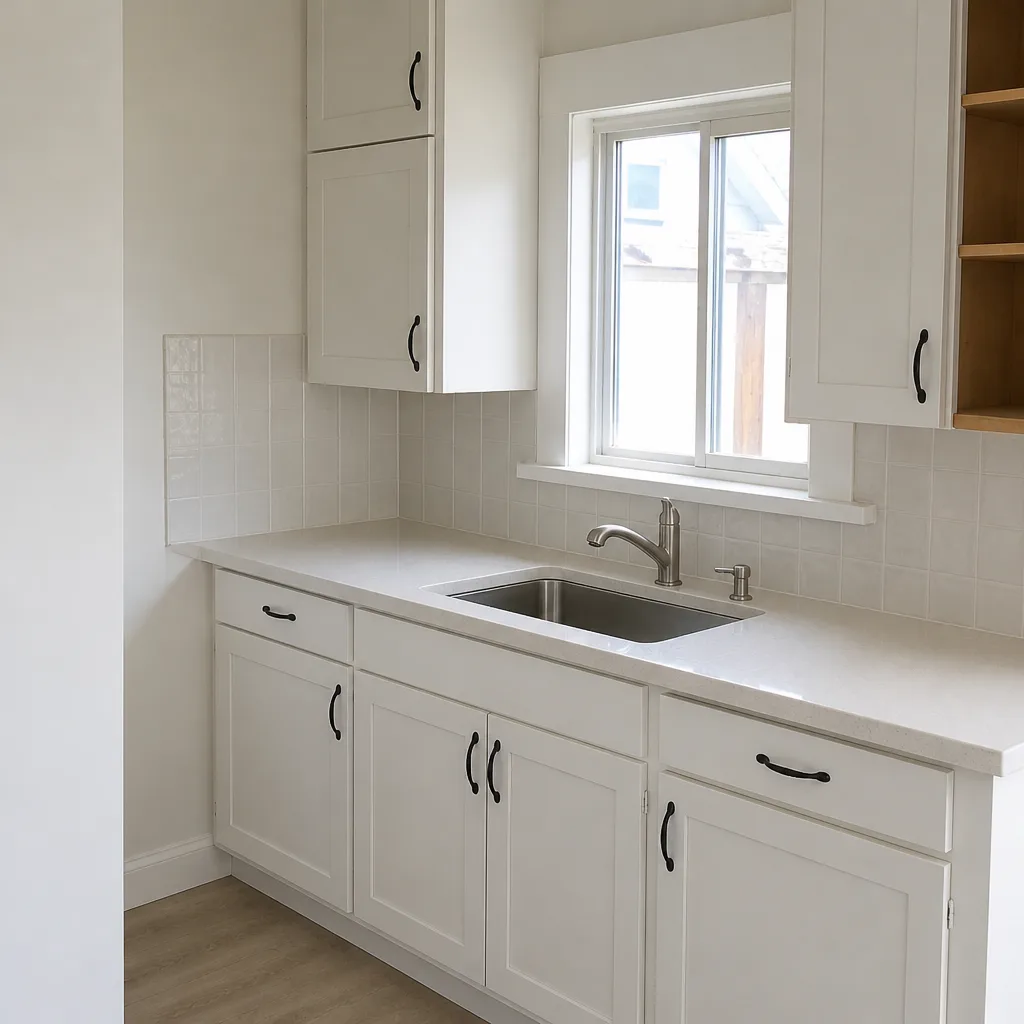 After
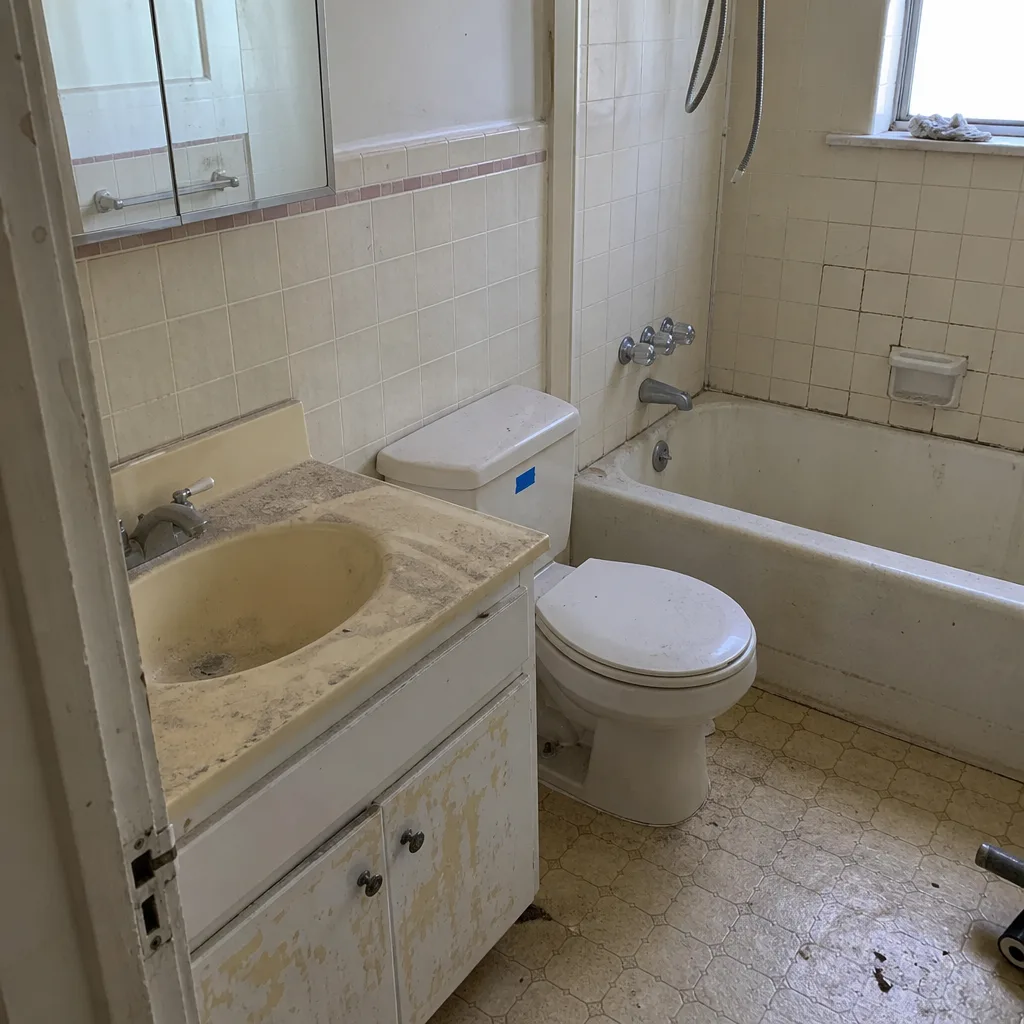 Before
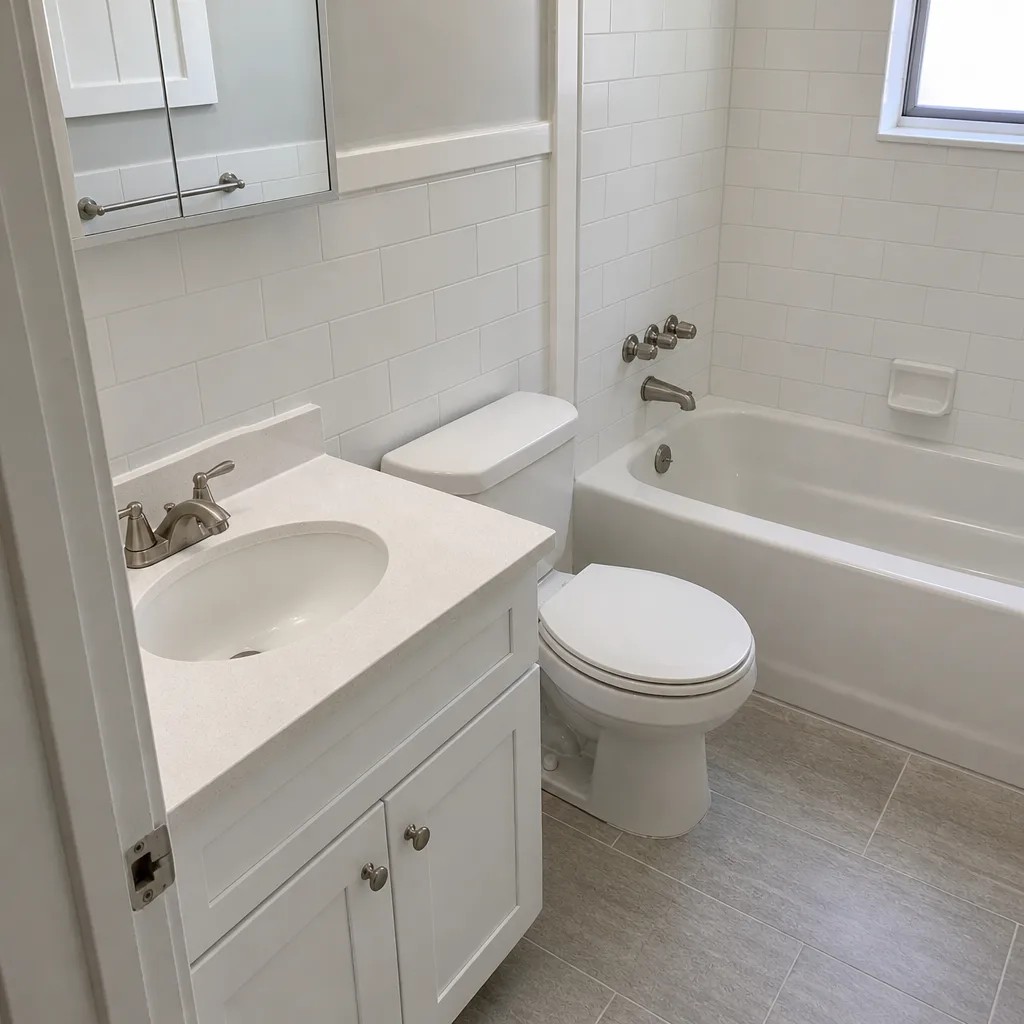 After
 Before
 After
How Emeryville’s Ground and Buildings Change This Job
Emeryville is small and built-out, so almost every ADU here is infill, and a lot of it happens on former industrial and warehouse parcels. That’s the thing that most changes site prep: any project inside the old industrial zone can hit buried tanks, contaminated soil, or undocumented fill, and a routine site visit can turn into a full Phase II environmental review before a shovel hits the ground. Near the shoreline, the Bay Conservation and Development Commission has a say in anything close to the water, and that oversight shapes where you can dig and what you can put there.
The housing stock is just as varied. West of San Pablo Avenue you’ll find early-1900s worker cottages and bungalows with original plumbing and old service drops, while the newer mid-rise and biotech wave brings modern utility infrastructure that’s easier to tie into. On the older cottage parcels, we regularly see undersized sewer laterals and single-drop electrical service that can’t carry a second unit without a service upgrade. Rain runs November through March, so exterior and foundation sequencing gets planned around it, and the marine air off the bay accelerates corrosion on exposed steel and exterior finishes, which is why we spec corrosion-resistant hardware and finishes on anything within reach of the fog. We work the whole Emeryville area, including 94608 and 94662, and every site gets walked in person before a number is quoted.
Serving Emeryville, CA – Our Local Coverage Area
We serve Emeryville and nearby communities. Use the map below to see the area we cover. If you’re nearby, we can almost certainly help.
Frequently Asked: ADU Site Prep & Utilities in Emeryville
Six to ten weeks from first cut to final inspection on a typical lot. Clean parcels with a short utility run finish closer to six; parcels that need a soils review or over-excavation run longer. Call (833) 997-7759 for a timeline estimate specific to your lot.
Yes. Excavation, foundation, and all utility rough-in require permits and inspections, and near-shoreline parcels may need BCDC review as well. We pull the permits and schedule the inspections as part of the job, so nothing gets buried that hasn’t been signed off. Call (833) 997-7759 to talk through your site’s permit path.
Often yes, especially when the ADU footprint stays clear of the main house’s lateral and service drop. But if the existing sewer or electrical can’t carry a second unit, a service upgrade or lateral replacement is usually unavoidable. We confirm that during the site visit, before anything is quoted.
Between $45,000 and $130,000 for the full prep and utility scope, with clean lots at the low end and contaminated or fill-heavy industrial-zone parcels at the top. Call (833) 997-7759 for an exact quote, and estimates are free.
Every project we do is covered by the 730-Day Done Right Promise, and if it’s not done right, we make it right. That covers the foundation and utility rough-in we install. Call (833) 997-7759 with questions.
If you’re planning the ADU as part of a bigger backyard project, homeowners often pair this with Small & Partial Kitchen Remodels in Emeryville inside the new unit, and Full Bathroom Remodeling in Emeryville once the shell is up. The site prep phase is where the whole thing gets grounded, literally, and getting it right the first time saves the most money. For the wider picture of what we handle, see our Home Additions & ADU service.
Get a Free On-Site Estimate for Your Emeryville ADU Site Prep
Call (833) 997-7759 to schedule a free on-site estimate for ADU Site Prep & Utilities in Emeryville. A live person answers around the clock, and on the visit we’ll walk the parcel, review the soil and utility ties, and give you a written line-item quote with the price locked in. No sales pitch, just a real number for your lot.
Written by the team at Groundwork Construction Co.