
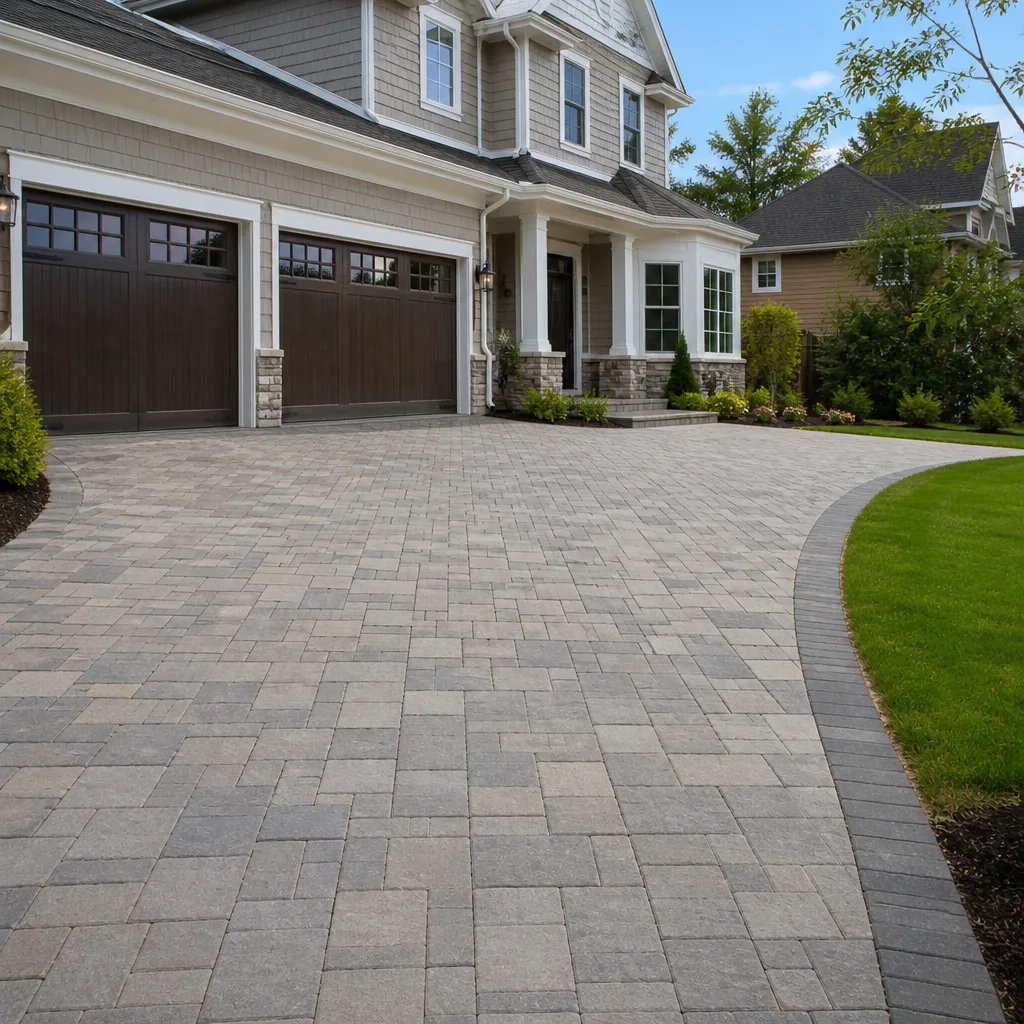
 Driveway & pavers
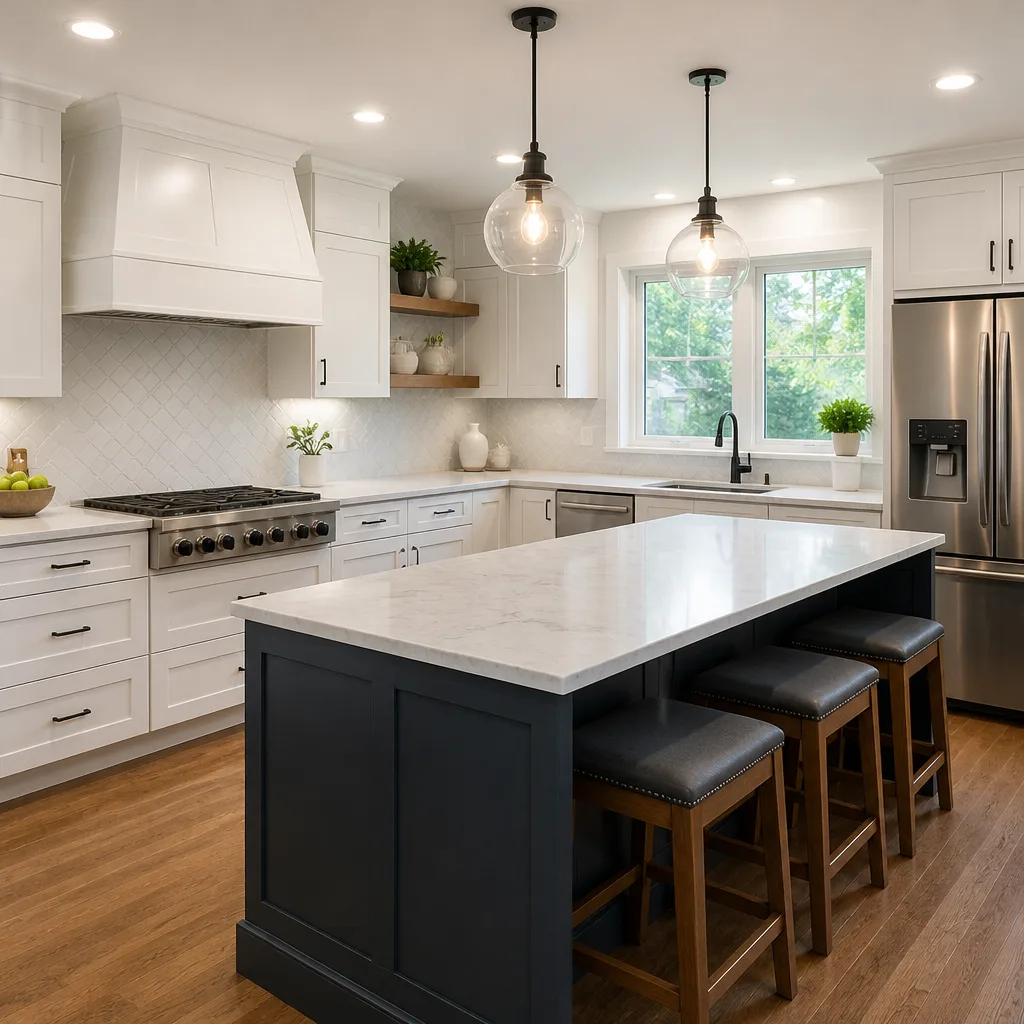 Kitchen remodeling
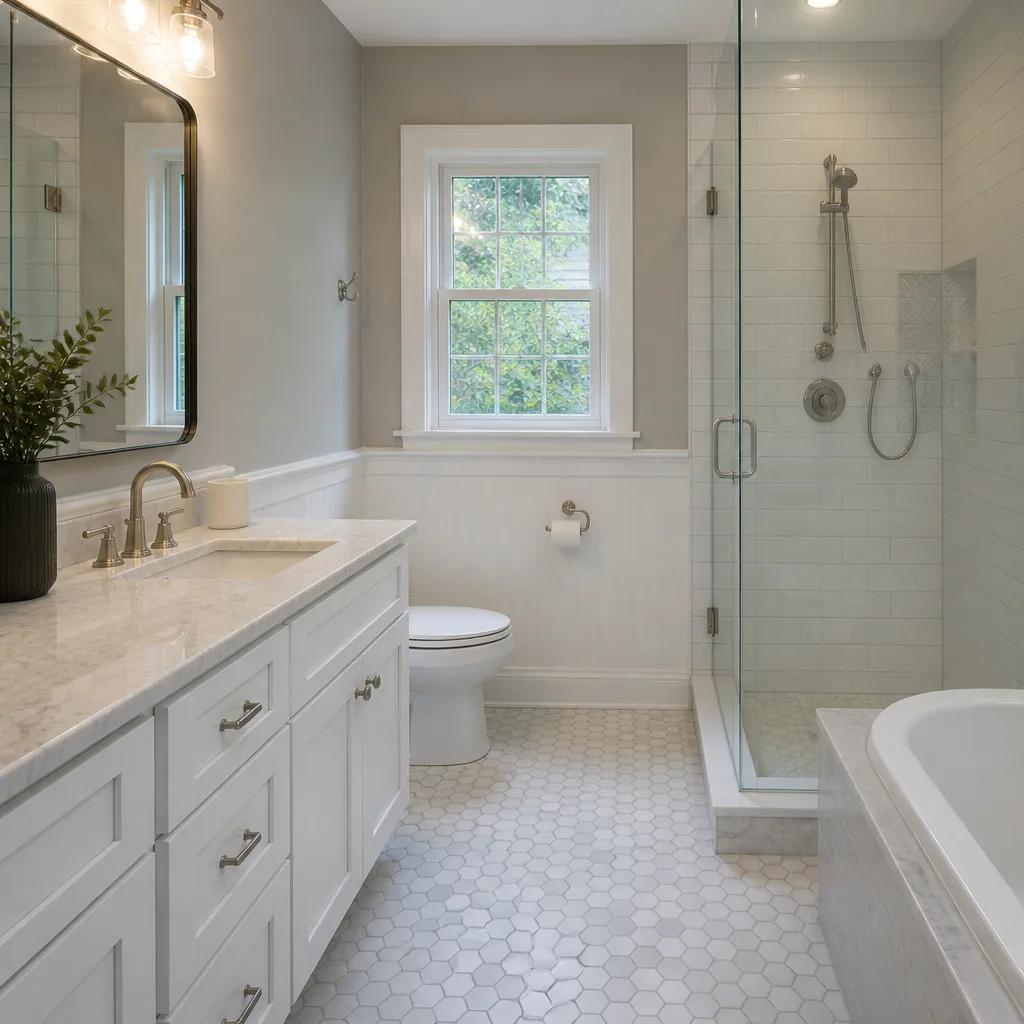 Bathroom remodeling
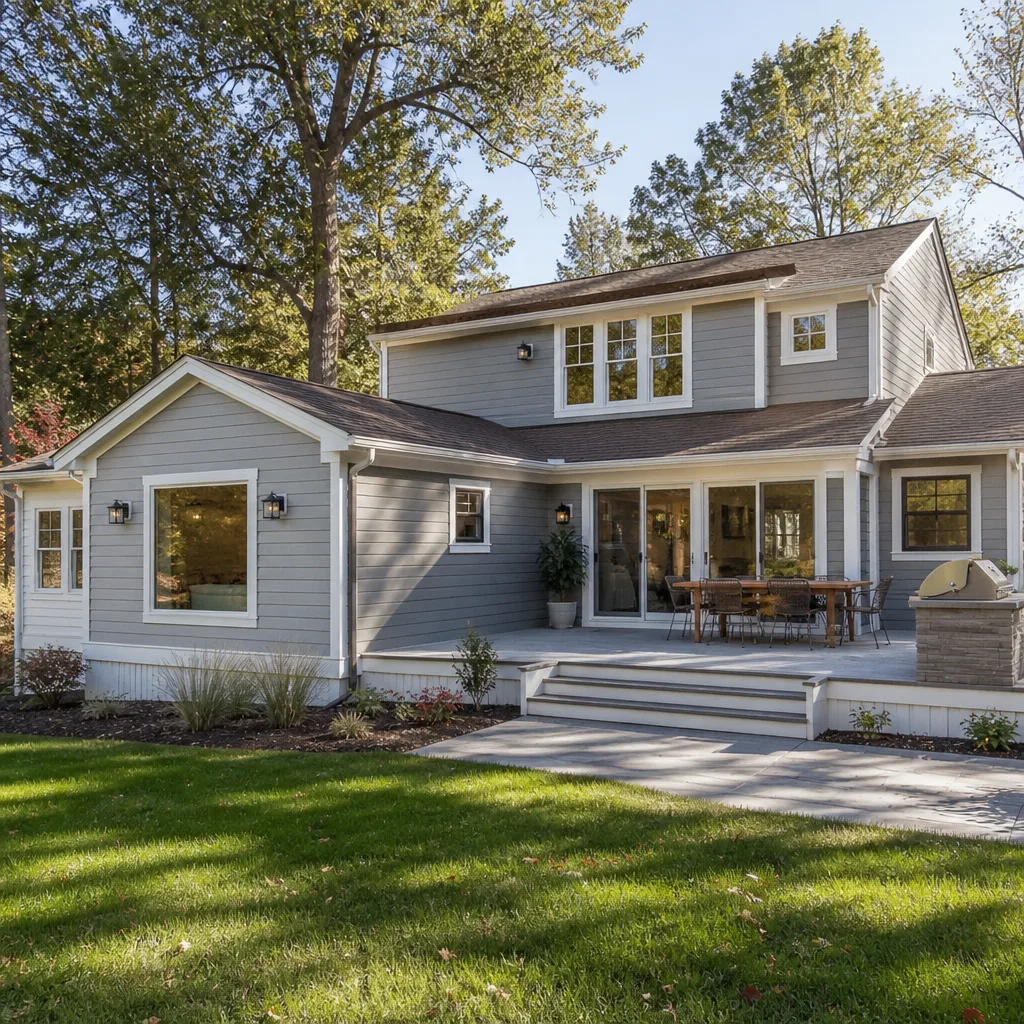 Home additions & ADU
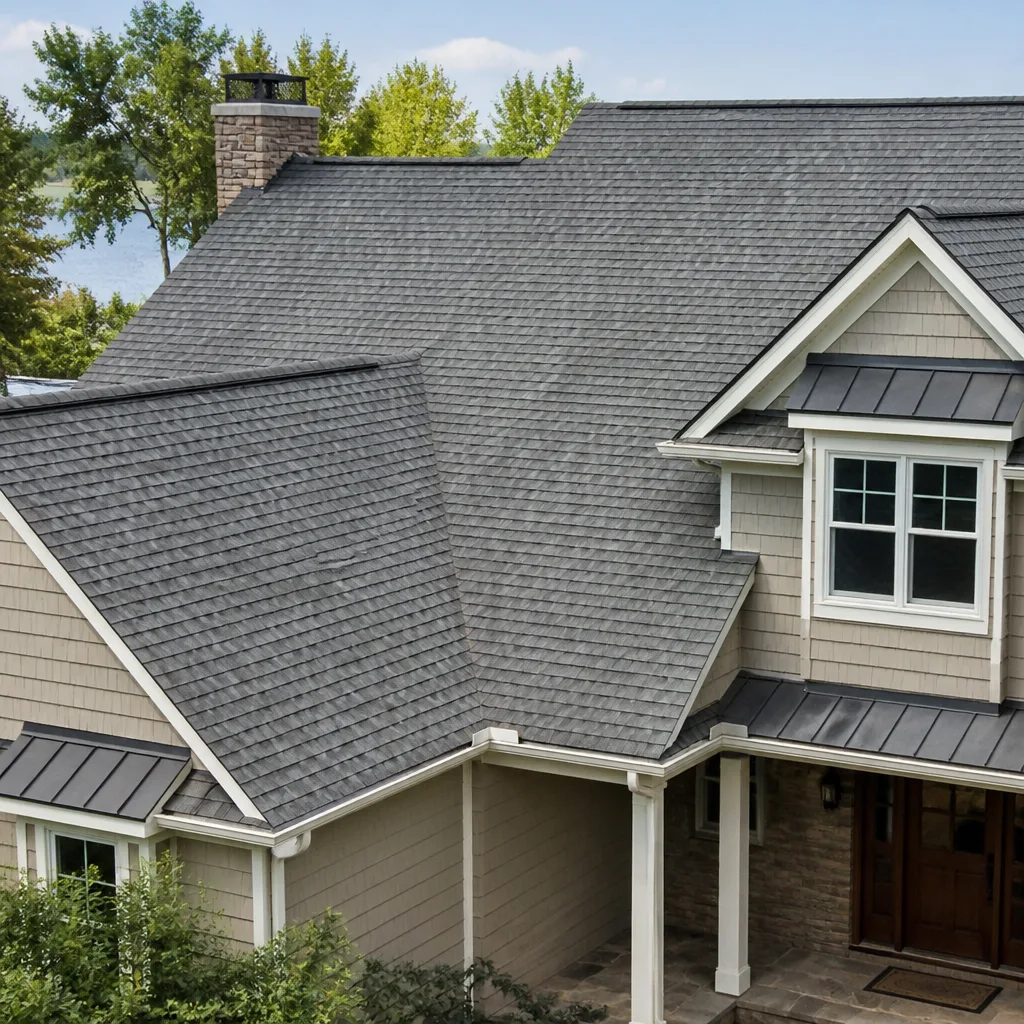 Roofing
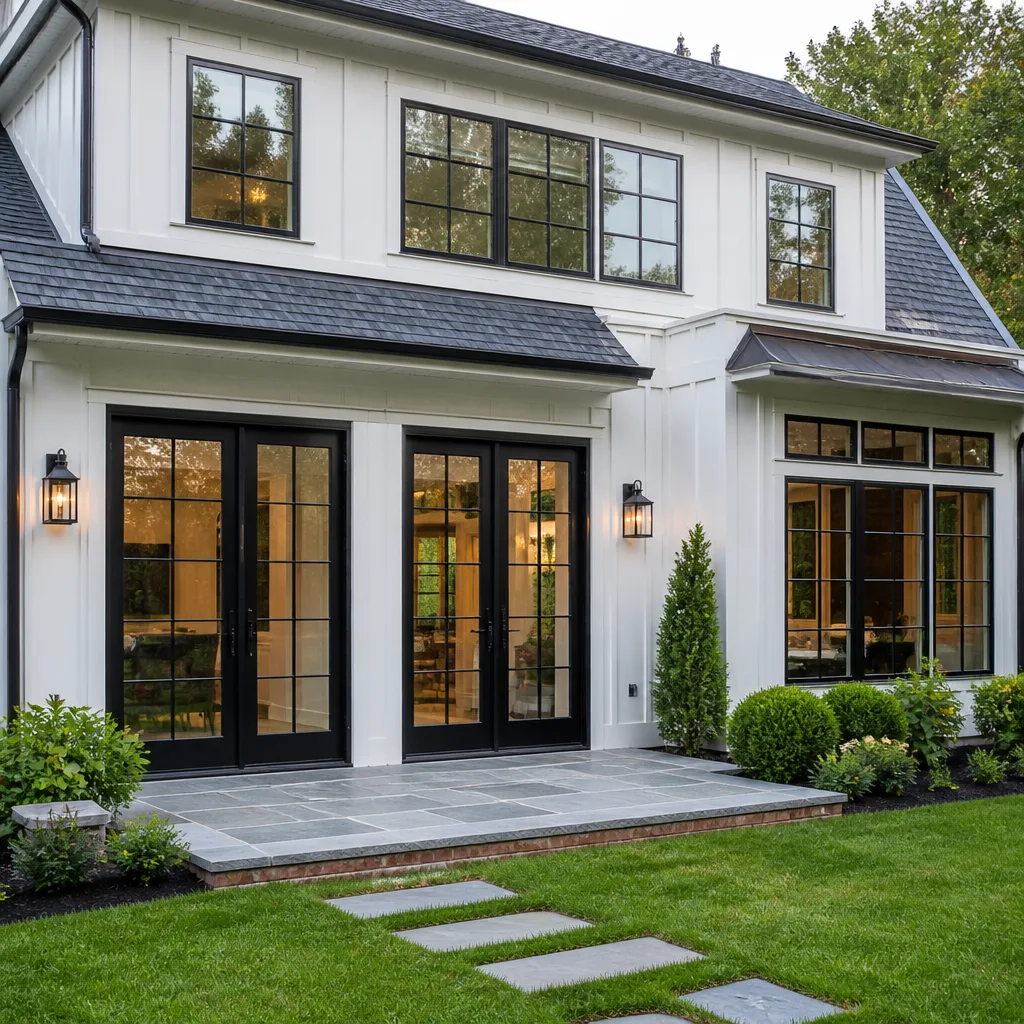 Windows & doors
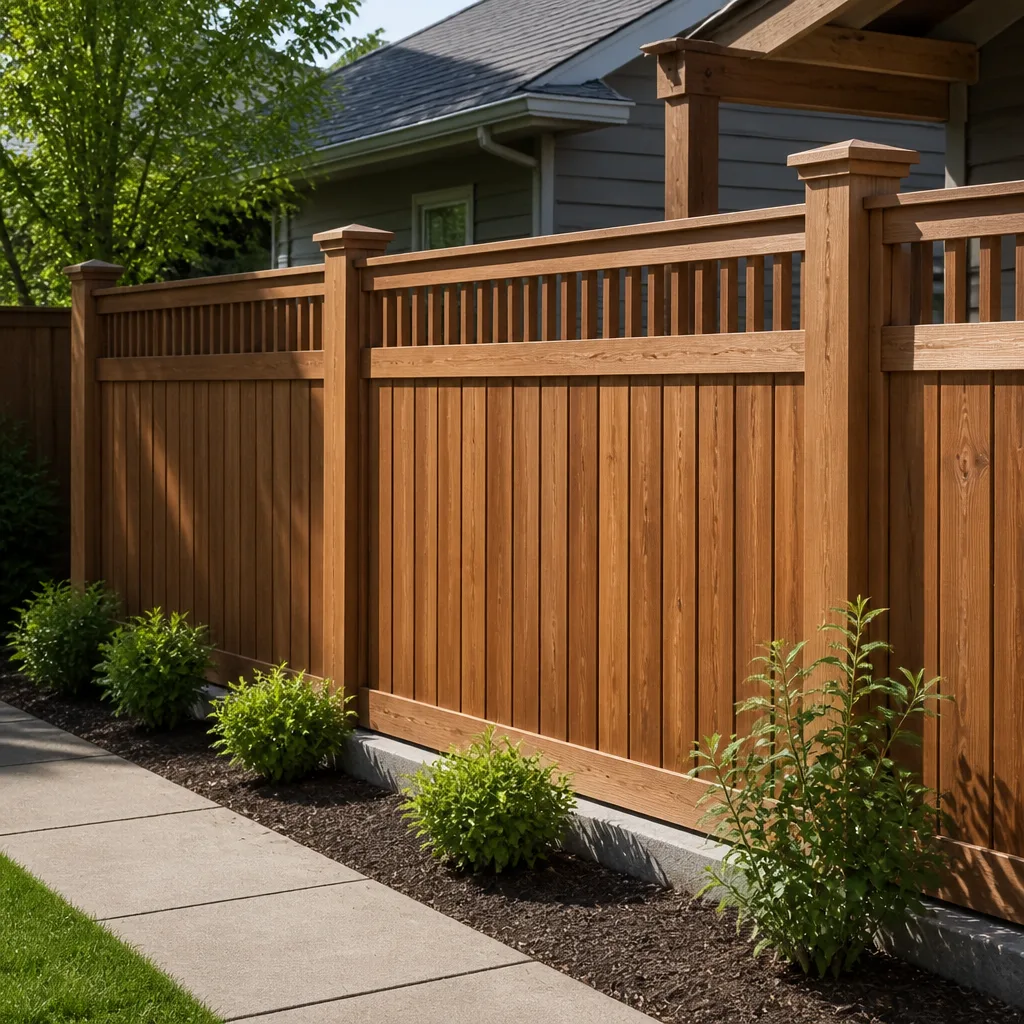 Fence
Free written scope consultation - allowances, timeline, and change-order rules on paper before a single trade is scheduled
Paver Driveways in San Francisco, CA: What the Job Actually Involves
A paver driveway in San Francisco runs $8,260 to $21,240 for a typical city lot, and most jobs take three to six working days once the base is ready to build on. That range covers tear-out of the old surface, excavation, compacted aggregate base, edge restraint, and the pavers themselves. The number that matters more than any of those: what’s under your current driveway. On a 1920s Noe Valley lot, it’s often original concrete over clay, and that changes the base depth, the haul-away, and the schedule. Call (833) 997-7759 to schedule a free on-site estimate – we look at the subsurface before we quote a dollar figure.
How We Build a Paver Driveway Here, Stage by Stage
Paver work is a demolition-and-base job wearing a pretty surface. Skip a step in the base and the pavers telegraph every mistake within two winters. Here’s the sequence we run.
Stage 1: Tear-out and access check (day one, 4 to 8 hours)
We break out and haul away the existing concrete, asphalt, or old brick. On the narrow shared driveways common off the Mission’s side streets, this is also when we confirm the truck can reach the work zone and where the debris goes. You decide nothing here – we handle the demo and the dumpster placement – but you should know that haul-away is a real line item, not a rounding error.
Stage 2: Excavation and grading (day one to two)
We dig to the depth the base needs, which for a residential driveway means roughly 6 to 10 inches of compacted aggregate under the pavers. Slope matters more in San Francisco than in flat inland cities – the city’s hills mean your driveway may need to shed water toward the street or toward a drain, and the grading has to respect that. This is where you decide the finished height relative to your garage threshold and sidewalk. Get it wrong and you’ll be stepping up into your own garage for the next thirty years.
Stage 3: Base, compaction, and edge restraint (day two to three)
We lay and compact the aggregate in lifts, then set the edge restraint in concrete. This stage is invisible when it’s done and obvious when it’s not. You approve the base depth and any drainage provisions here – a channel drain across the apron, for instance, if your driveway slopes back toward the house.
Stage 4: Setting bed and paver installation (day three to four)
We screed a thin sand setting bed and lay the pavers in the pattern you picked, cutting the field to your edges and any curves. This is your pattern decision, and it’s the one to make early – herringbone, running bond, and basketweave all price differently because they cut differently.
Stage 5: Compaction, joint sand, and cleanup (day four to six)
We compact the finished field, sweep polymeric or kiln-dried joint sand into the seams, and clean up. You get a walkthrough and the standing offer behind every job: if something isn’t right, we come back and make it right.
Styles & brands we work with
- Kitchen remodeling
- Bathroom remodeling
- Home additions & ADU
- Roofing
- Windows & doors
- Driveway & pavers
- Fence
The Options You’ll Choose Between
- Concrete pavers (the standard choice, $8,260 – $21,240 installed): Interlocking units pressed from cement and aggregate, available in a range of colors and shapes. They hold up to freeze-thaw and heavy use, and an individual cracked unit can be pulled and replaced without touching the field. The trade-off is that you pay for the labor intensity of laying thousands of small pieces.
- Clay brick pavers: Warm, traditional, and a natural fit against a Victorian façade. Color runs deep rather than surface-applied, so it doesn’t wear off. Higher material cost and fewer pattern options at the bigger profiles.
- Permeable pavers with open joints: A real option on lots where runoff is the problem, letting water soak through instead of sheeting to the street or a neighbor’s property. Slightly higher cost, and the base has to be built as a reservoir, so it’s an up-front commitment.
- Pattern: Herringbone is the strongest interlock and the most labor to cut; running bond is the cheapest and looks clean on a straight drive; basketweave suits wider approaches. Pick based on how the drive reads from the street.
- Color and finish: Tumbled for an aged, softer edge; straight-edged for a modern line. Match or contrast your stucco, but don’t ignore the sun – a dark charcoal field gets hot underfoot even on a fog-cooled San Francisco afternoon.
For the wider scope – patios, walkways, the whole exterior hardscape – see our Driveway & Pavers service.
What Paver Driveways Cost in San Francisco, CA
The installed range is $8,260 to $21,240. Where your job lands depends on five things:
- Square footage: A single-car city lot runs smaller than a suburban two-car drive, but a long narrow approach off a shared lane can push footage up.
- Existing condition and access: Old concrete over clay, tight side-yard access, or a long haul to the street all raise demolition and disposal costs.
- Base depth and drainage: Sloping sites, soft soil, or the need for a channel drain add excavation, aggregate, and materials.
- Material grade: Concrete vs. clay, permeable vs. standard, and pattern complexity all move the number.
- Permit scope: A minor repair may need nothing; new construction or a change to the sidewalk apron may require a city permit.
Our written estimate breaks out demo, base material, pavers, edge restraint, drains, and permits as separate line items. What’s not in it: unforeseen subsurface conditions like a buried utility or a failed old foundation. We flag those the day we find them, before we spend your money. Upfront pricing, no surprises.
See the difference
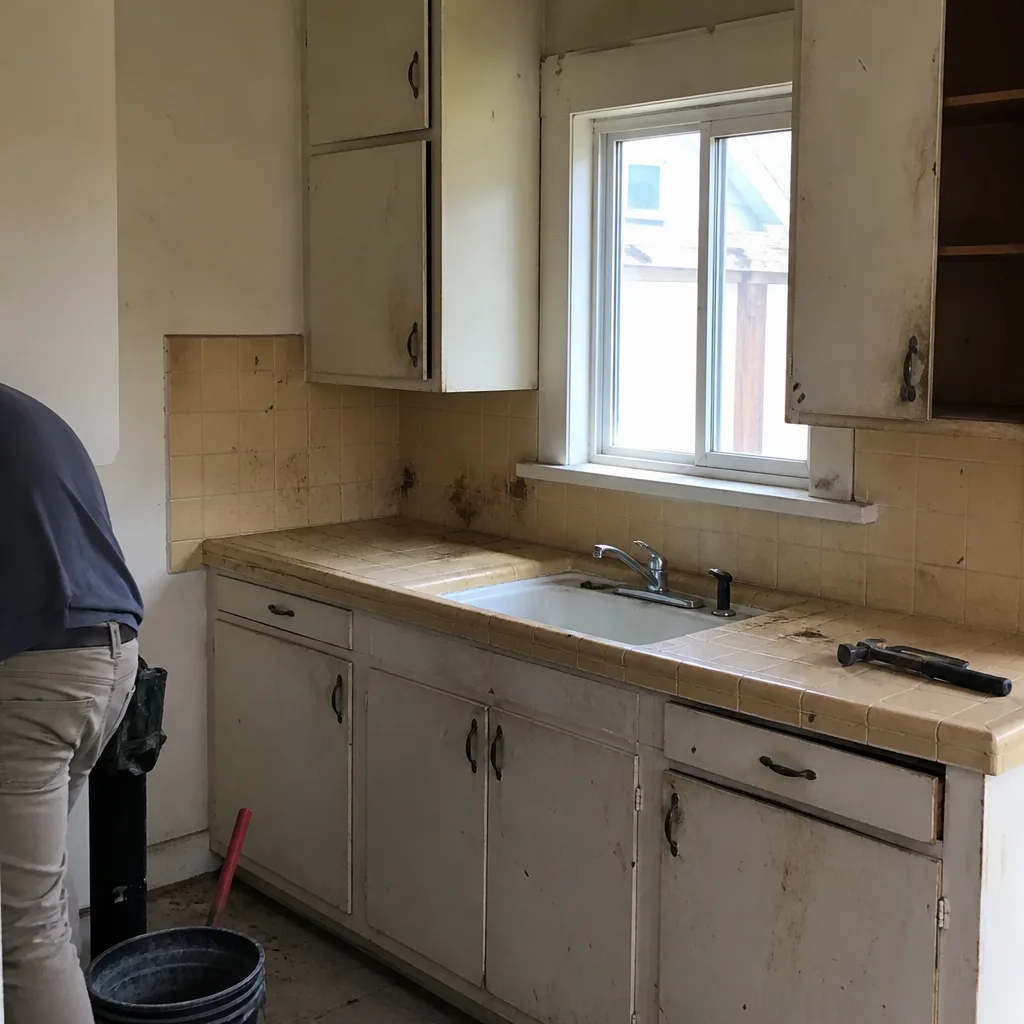 Before
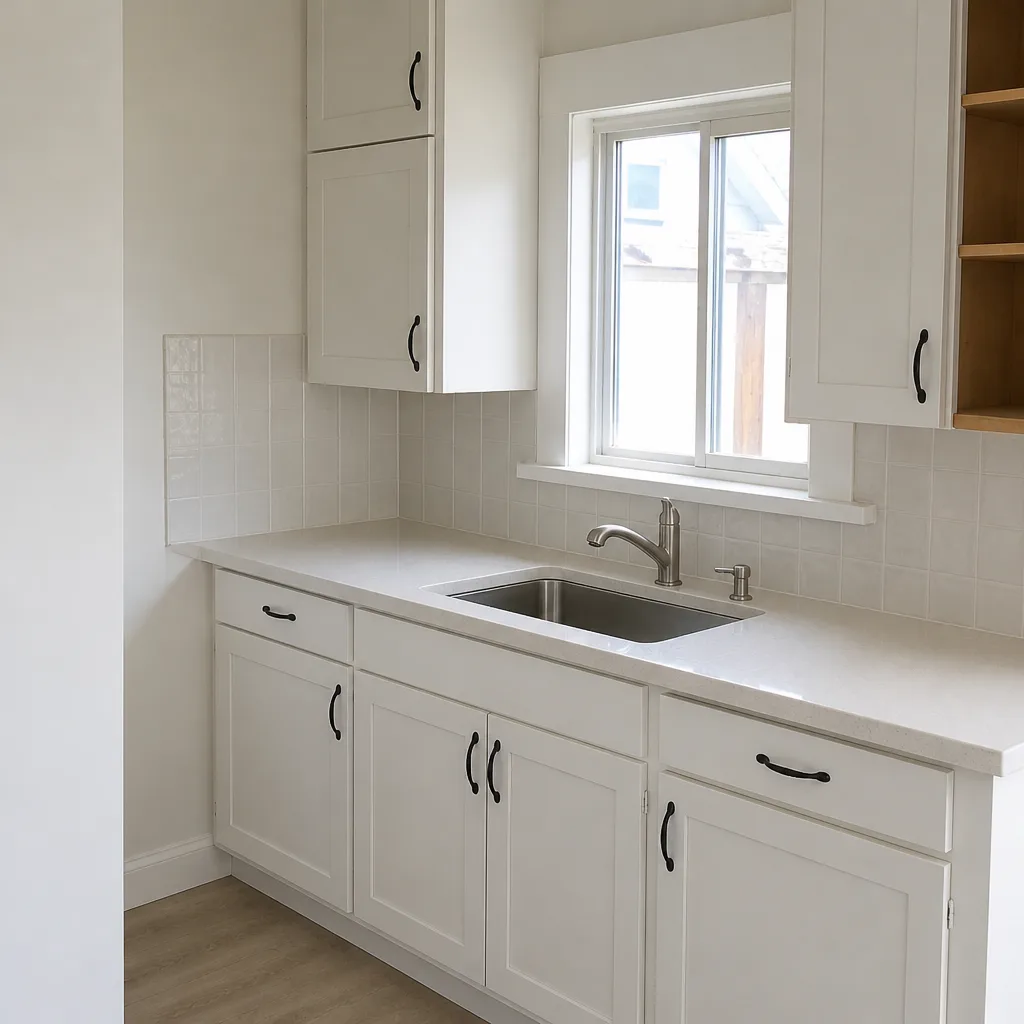 After
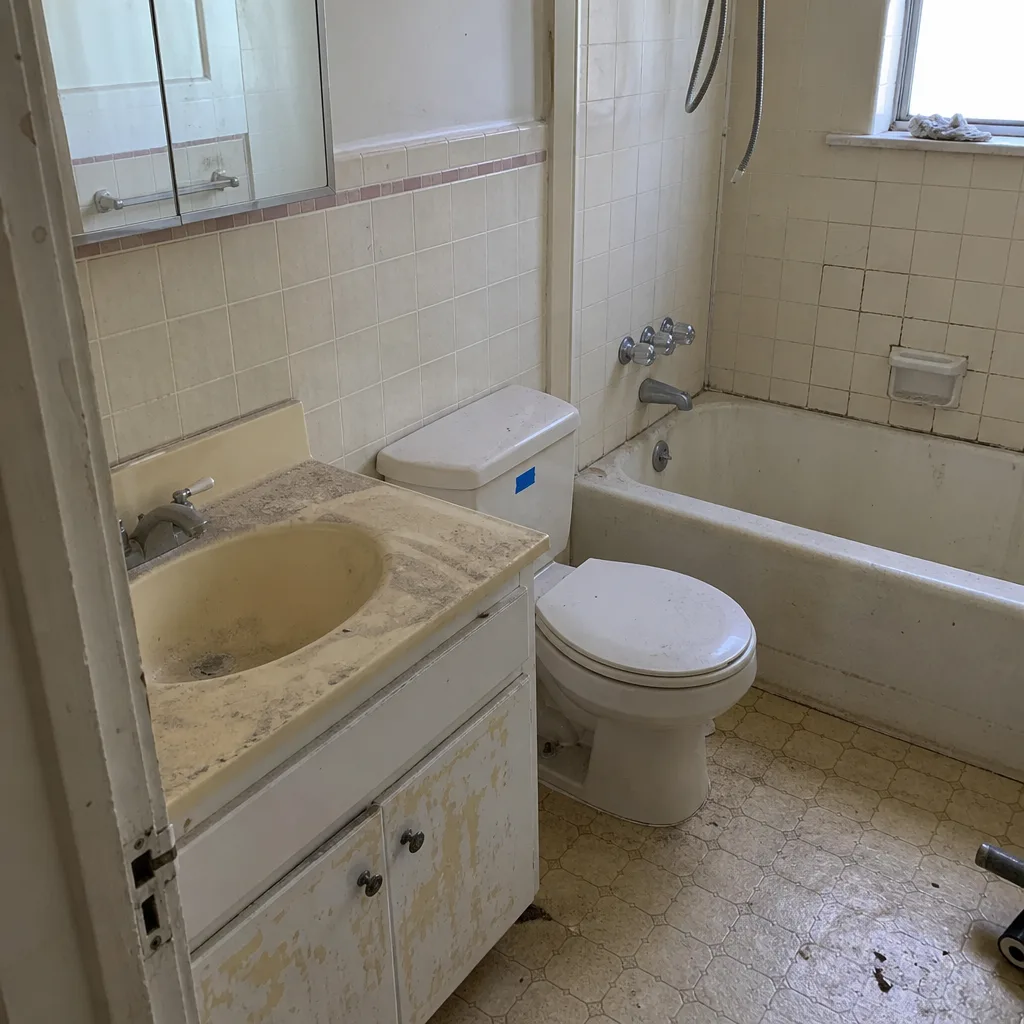 Before
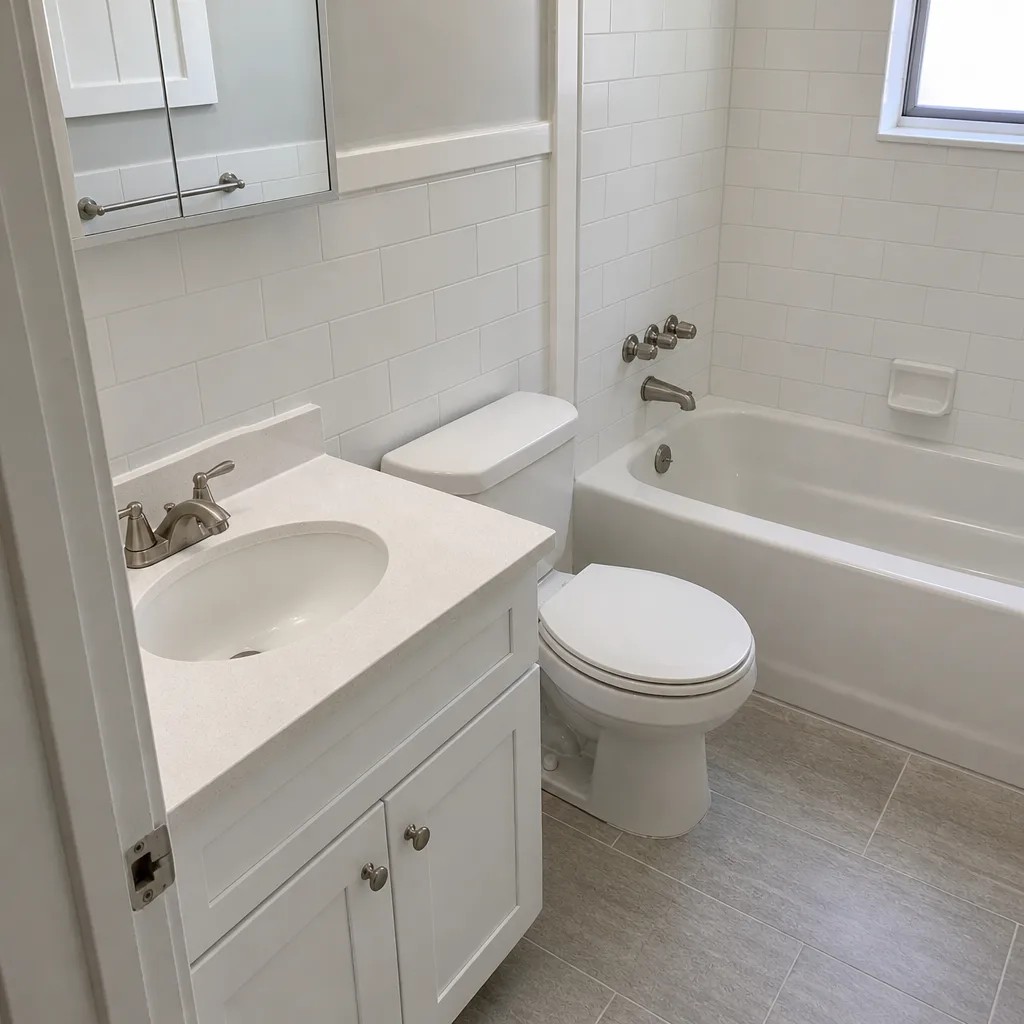 After
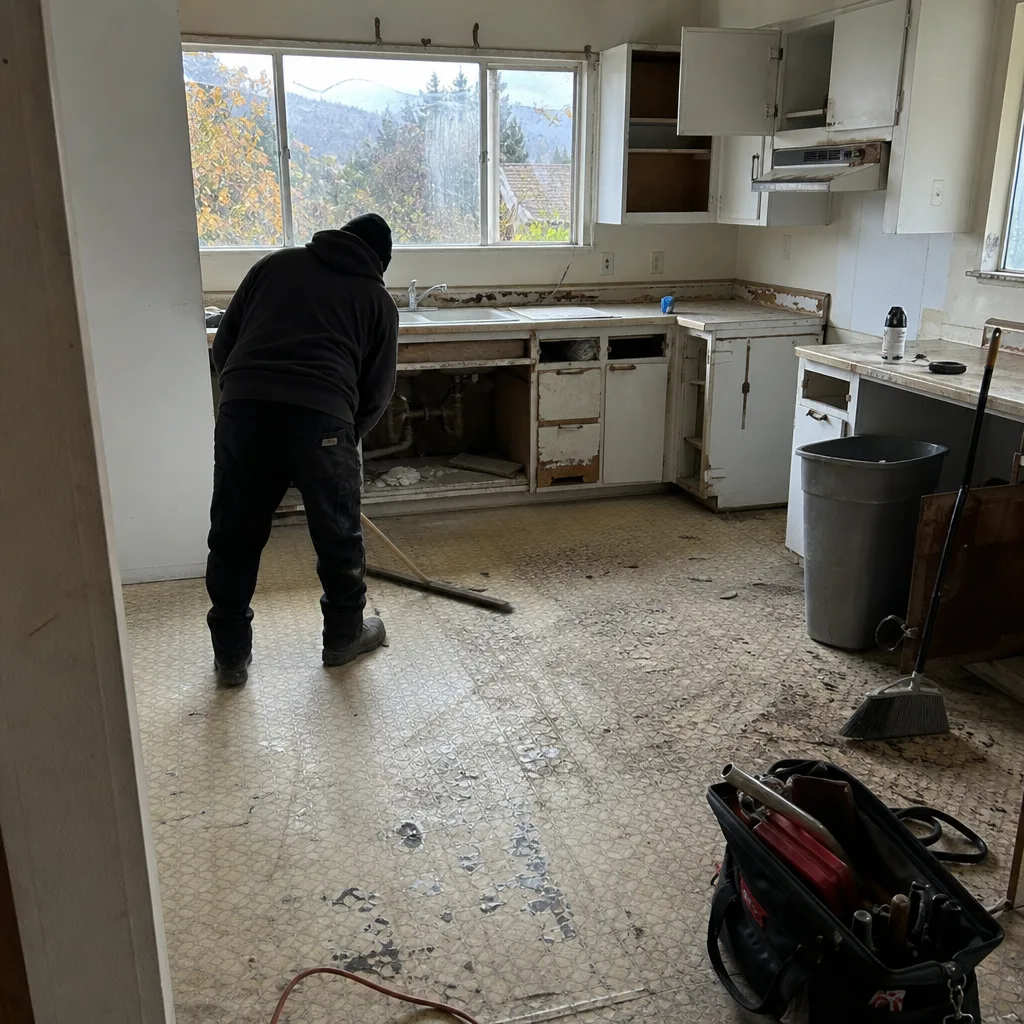 Before
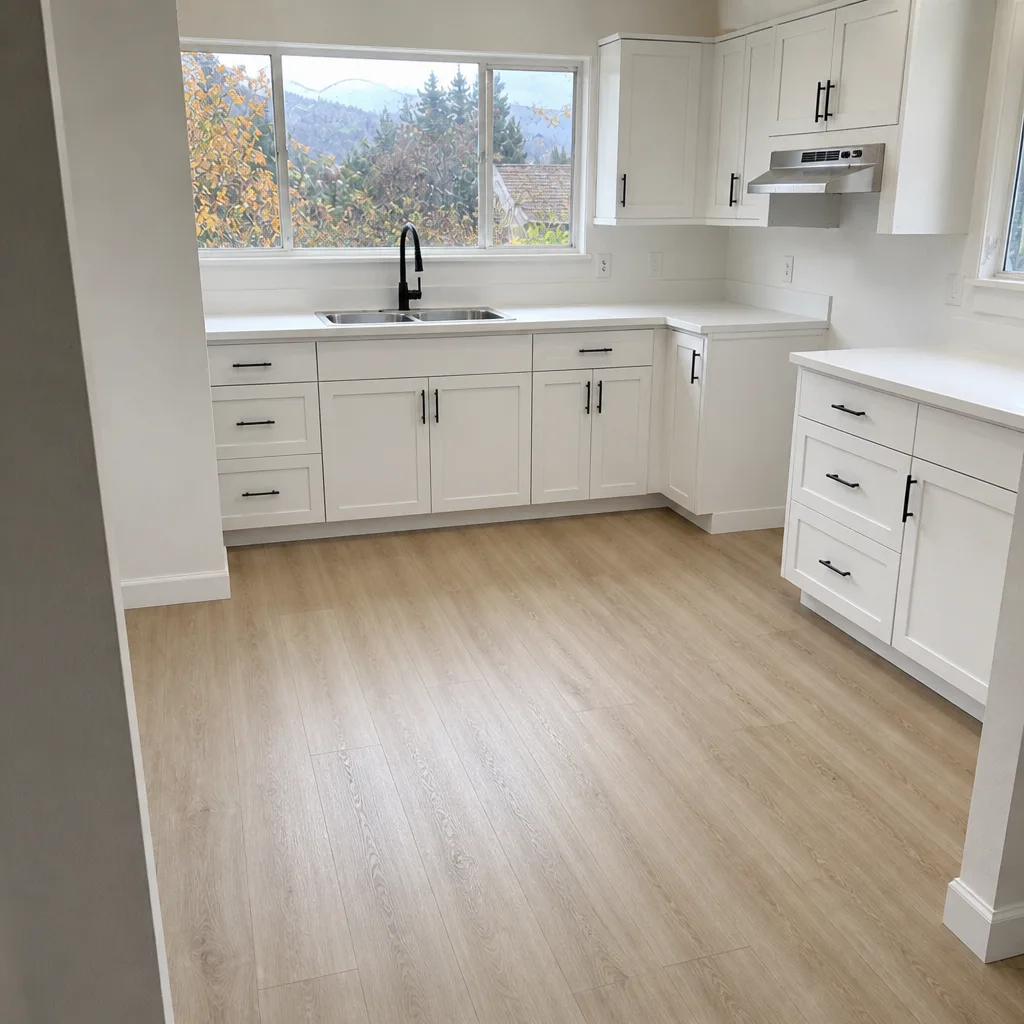 After
What San Francisco Homes Specifically Do to This Job
The city’s housing stock shapes paver driveways in ways you won’t see in Daly City or South San Francisco. Rows of 1880s – 1920s wood-frame Victorians and Edwardians on narrow lots – in the Mission, Noe Valley, the Haight – usually sit over a soft-story garage, and that garage is where your driveway ends. Excavation near the foundation has to respect the seismic retrofit that most of these buildings either already carry or are required to add. And the city’s Soft-Story and UMB retrofit mandates mean the structural condition of the building above sometimes affects what we can do below it.
Then there’s the coastal moisture. Damp winters drive rot into exposed wood framing around garage openings and thresholds, so we inspect and repair the wood at the apron before laying a single paver. The dry season is when exterior work happens here – fog-cooled summers rotate the schedule around rain, not heat, and the fog line at Twin Peaks can genuinely decide whether we pour the edge restraint that week. A contractor working a Noe Valley Victorian also knows the Planning Department’s historic-review triggers, though a driveway replacement usually sits outside those. Where the wider project touches building structure, homeowners often pair this with Garage Conversion ADU in San Francisco or ADU Design & Permitting in San Francisco, since the driveway access and the garage below are the same conversation. We cover all of San Francisco.
Serving San Francisco, CA – Our Local Coverage Area
We serve San Francisco and nearby communities. Use the map below to see the area we cover. If you’re nearby, we can almost certainly help.
Frequently Asked – Paver Driveways in San Francisco
Most paver driveways take three to six working days for demolition, base, and installation, weather permitting. Rain in the winter can stretch that, so we schedule around the forecast. Call (833) 997-7759 for a timeline specific to your lot.
It depends on the scope. A like-for-like surface replacement on your own property often doesn’t require a permit, but new driveway cuts, changes to the sidewalk apron, or work near public right-of-way do. We handle the permit check and pull what’s needed. Call (833) 997-7759 to find out where your job stands.
In most cases, yes. A paver driveway is a surface and base job; we’re not relocating utilities or framing unless something buried or damaged turns up. Where that happens, it’s flagged before we proceed. Call (833) 997-7759 and we’ll walk your site.
The installed range is $8,260 to $21,240, driven mostly by square footage, base depth, access, material, and permit scope. We give you a written line-item estimate so you can see exactly what you’re paying for. Call (833) 997-7759 – estimates are free.
Every job is backed by our 730-Day Done Right Promise – if it’s not done right, we make it right. That’s one of the longer workmanship guarantees in residential construction, and we put it in writing. Call (833) 997-7759 to talk through the details.
Get a Free Estimate for Paver Driveways in San Francisco
Call (833) 997-7759 to schedule a free on-site estimate for paver driveways in San Francisco. On the call you’ll talk through your lot, your access, and roughly what you’re picturing. On the visit we measure, check what’s under the old surface, and hand you a written line-item quote with the full scope priced out. No pressure, no surprises. Live person, 24/7.
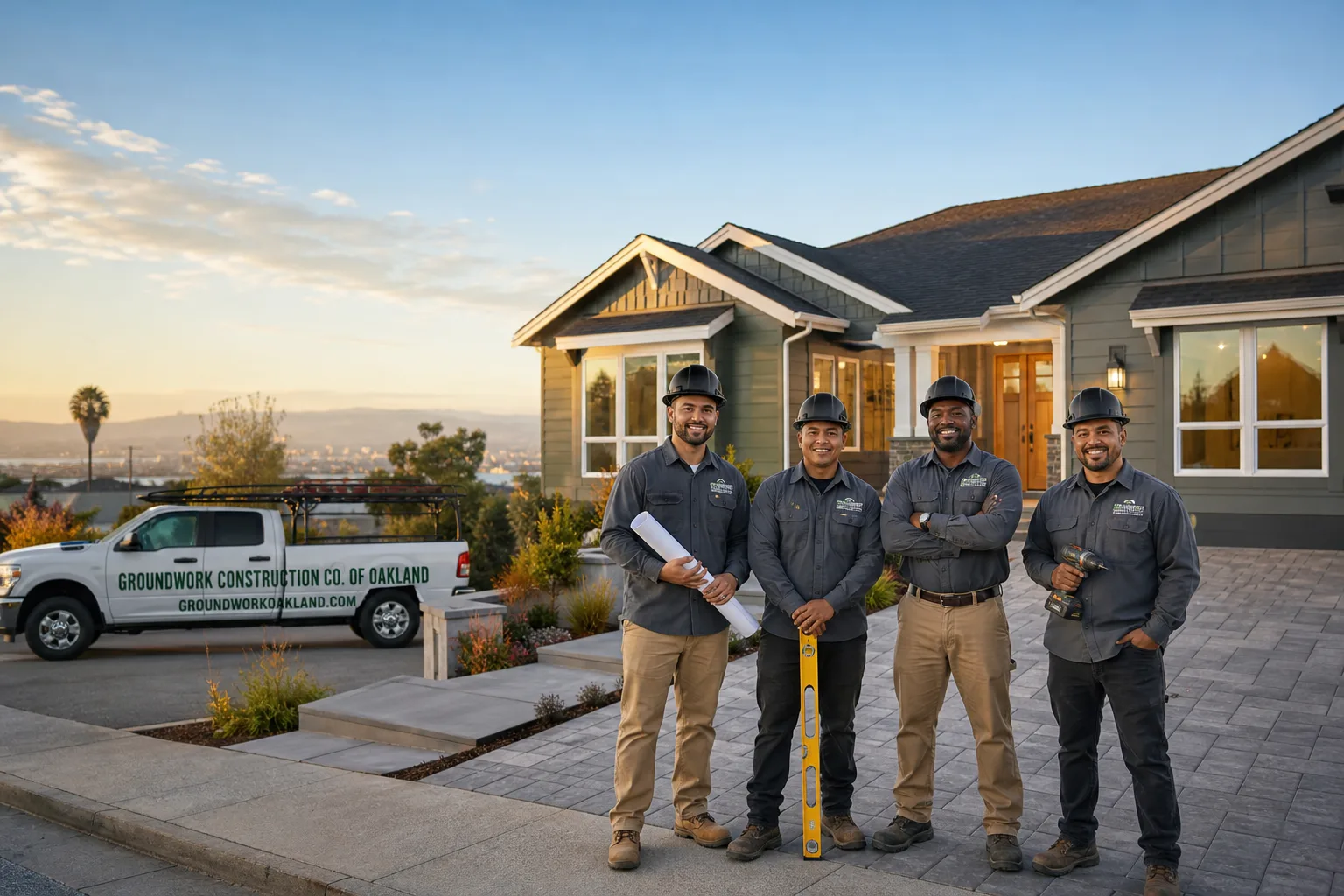
Written by the team at Groundwork Construction Co.