
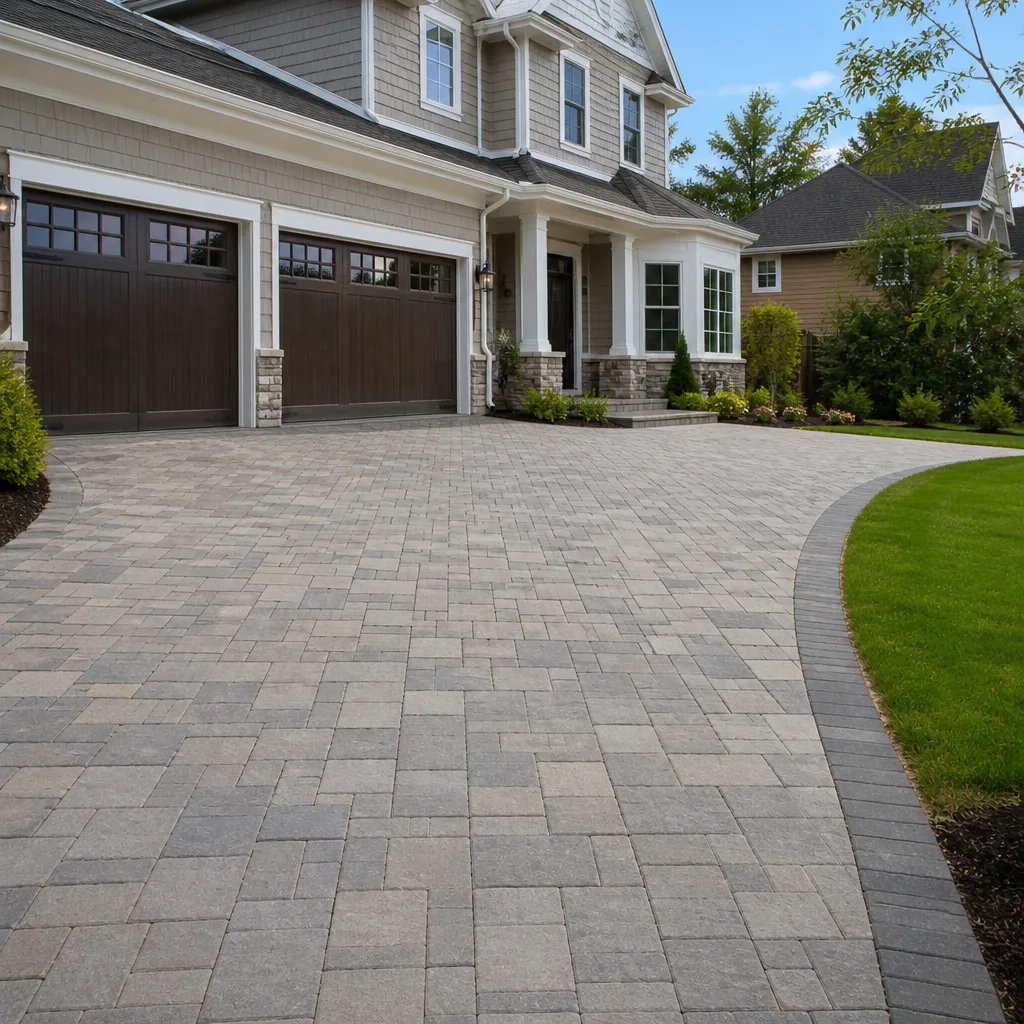
 Driveway & pavers
 Kitchen remodeling
 Bathroom remodeling
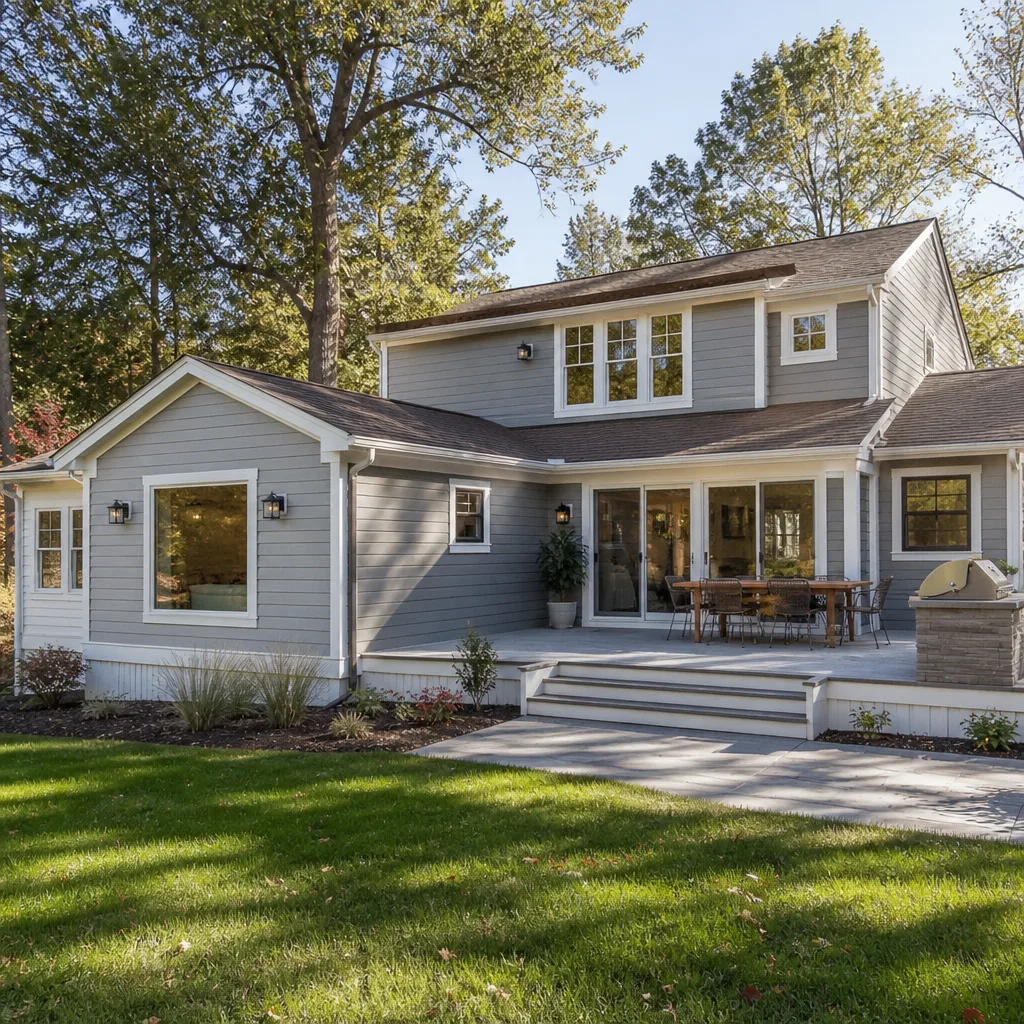 Home additions & ADU
 Roofing
 Windows & doors
 Fence
Free written scope consultation - allowances, timeline, and change-order rules on paper before a single trade is scheduled
Concrete driveways and concrete work in Richmond, CA run $4,500 – $12,000 for a new driveway pour, with most Richmond jobs landing between $6,000 and $9,000 and finishing in three to five working days once the pour is scheduled. Replacement of an existing failed slab runs $5,000 – $14,000 depending on how much base and drainage work the demo uncovers. Call (833) 997-7759 and we’ll walk you through what your specific driveway will take.
What concrete driveway work in Richmond actually looks like, start to finish
Most homeowners want to know the shape of the week before they commit a check. Here it is, honestly, with the decisions you’ll be making along the way.
Stage 1: Site visit and layout (day 1, about 90 minutes)
We walk the lot, measure the drive, and check the slope from the garage apron to the street. In Richmond this matters more than in flat inland towns – a lot of the small stucco houses in 94801 sit on grades that shed water toward the foundation if the pour is pitched wrong. You decide the footprint width, the expansion joint pattern, and whether you’re tying into an existing walk or starting fresh. We flag anything buried in the old slab before we touch it: irrigation, conduit, or a gas stub someone ran in 1962.
Stage 2: Demolition and haul-off (day 2, one to two days depending on thickness)
The old slab comes out with a breaker and skid steer. Poured driveways from the 1940s and 1950s are often four inches thick with no rebar, so they crack apart fast. Overbuilt additions from later decades can fight us for half a day longer. Truckloads of rubble leave the same week. You decide whether any salvageable concrete gets reused as sub-base rubble or hauled off entirely.
Stage 3: Base prep and grading (day 3, one to two days)
This is the part nobody photographs and the part that determines whether the pour lasts 25 years or five. We excavate to depth, compact Class II base rock in six-inch lifts, and verify the pitch with a laser level. In Richmond’s clay-heavy soils we sometimes find the original subgrade was never compacted at all – wartime worker housing got built fast. You decide at this point whether to add a French drain if the site holds water, which is a $600 – $1,800 line item beyond the base driveway range.
Stage 4: Formwork, rebar, and inspection (days 4 – 5)
Forms go up, #4 rebar goes on chairs at 18-inch centers (we don’t skip this on residential pours), and the whole assembly gets inspected if the job requires a permit. Heavy loads and soundness are usually confirmed at this stage rather than after the pour. We tell you the inspection window when it’s scheduled, not after the fact.
Stage 5: Pour, finish, and cure (days 5 – 7)
Pour happens in the morning so the crew can finish in working time. You choose the finish: broom, light salt or exposed aggregate, saw-cut scoring pattern, or a plain float with a control joint layout. Then the driveway cures for 7 days before vehicle traffic (foot traffic is safe at 24 – 48 hours). We hand over the saw-cut plan and any curing instructions in writing.
The options you’ll actually choose between
Concrete isn’t one product. The choices below are the ones that move both the price and the longevity of the job.
- Standard 4-inch pour with broom finish ($4,500 – $7,500 for a typical Richmond single-car drive): The workhorse. Right for a car, fine for the occasional pickup. Doesn’t want a 7,500-lb truck on it.
- 5 to 6-inch pour with #4 rebar ($7,000 – $11,000): For RV pads, heavy trailers, or driveways you plan to drive across the same path every day. Roughly 20 – 25% more concrete and a stiffer base.
- Exposed aggregate or salt finish: Roughly $1 – $3 per square foot more. Better wet traction and it hides tire marks. The trade-off is that it’s harder to patch invisibly later.
- Saw-cut scoring pattern: Adds $300 – $700 for a decorative layout. Keeps cracks routed along the grooves instead of across the surface.
- Fiber-reinforced mix vs. rebar: Fiber mesh costs less but doesn’t replace rebar for load-bearing driveways. We use both where the job calls for it, and we’ll tell you when mesh alone is enough.
- Colored integral concrete: $4 – $8 per square foot premium. Good with the older Richmond bungalow palette; black and charcoal are common, tans and reds less so.
- Decomposed granite or gravel over a concrete base: Common on Richmond properties with narrow driveways where a full pour is impractical. Cheaper up front, but needs re-top twice a year.
If your project also touches the front walk or a small pad at the side of the house, that usually reads as part of our Driveway & Pavers in Richmond work rather than a pure concrete job.
Styles & brands we work with
- Kitchen remodeling
- Bathroom remodeling
- Home additions & ADU
- Roofing
- Windows & doors
- Driveway & pavers
- Fence
What concrete driveways and concrete work cost in Richmond, CA
Typical residential concrete driveway installation in Richmond runs $4,500 – $12,000, with a full replacement at $5,000 – $14,000 once demolition and hauling enter the picture. Those are real numbers from real local jobs – not a national average.
What pushes a job toward the low end: a 12×30 single-car drive, good access to the pour site, no permit required (cosmetic only, no setbacks changing), standard broom finish, and an existing base that’s already compacted. What pushes it to the high end:
- Size and thickness – a two-car drive is roughly double the surface area, and every inch of thickness adds about 8% to the concrete volume.
- Demo condition – a 1950s slab without rebar comes out cheap. A 1980s pour with wire mesh over poorly compacted fill can take a full extra day and $800 – $1,500 in hauling.
- Drainage work – trench drains, French drains, or regrading to daylight adds $600 – $2,500 depending on run and depth.
- Finish upgrades – exposed aggregate, salt, or integral color each add meaningful cost on a two-car footprint.
- Permit and inspection scope – new or relocated driveway aprons, curb cuts, or grading that affects a neighbor’s drainage usually trigger a permit and an inspection cycle.
What’s in a written estimate: demolition, haul-off, base excavation, Class II base rock, rebar or fiber, forming, pour, finish, saw-cut layout, cleanup, and a line-item breakdown you can compare across bidders. What’s not: tree removal, utility relocation (gas, electrical, irrigation), curb-cut grinding for street apron changes, and any city permit fees. We name those separately so the number you see is the number you pay on the items we control.
If the driveway is part of a larger scope – say you’re also adding a garage or reshaping the front of the house – it usually reads as our broader Driveway & Pavers service, and the sequencing is planned alongside the other trades rather than after them.
See the difference
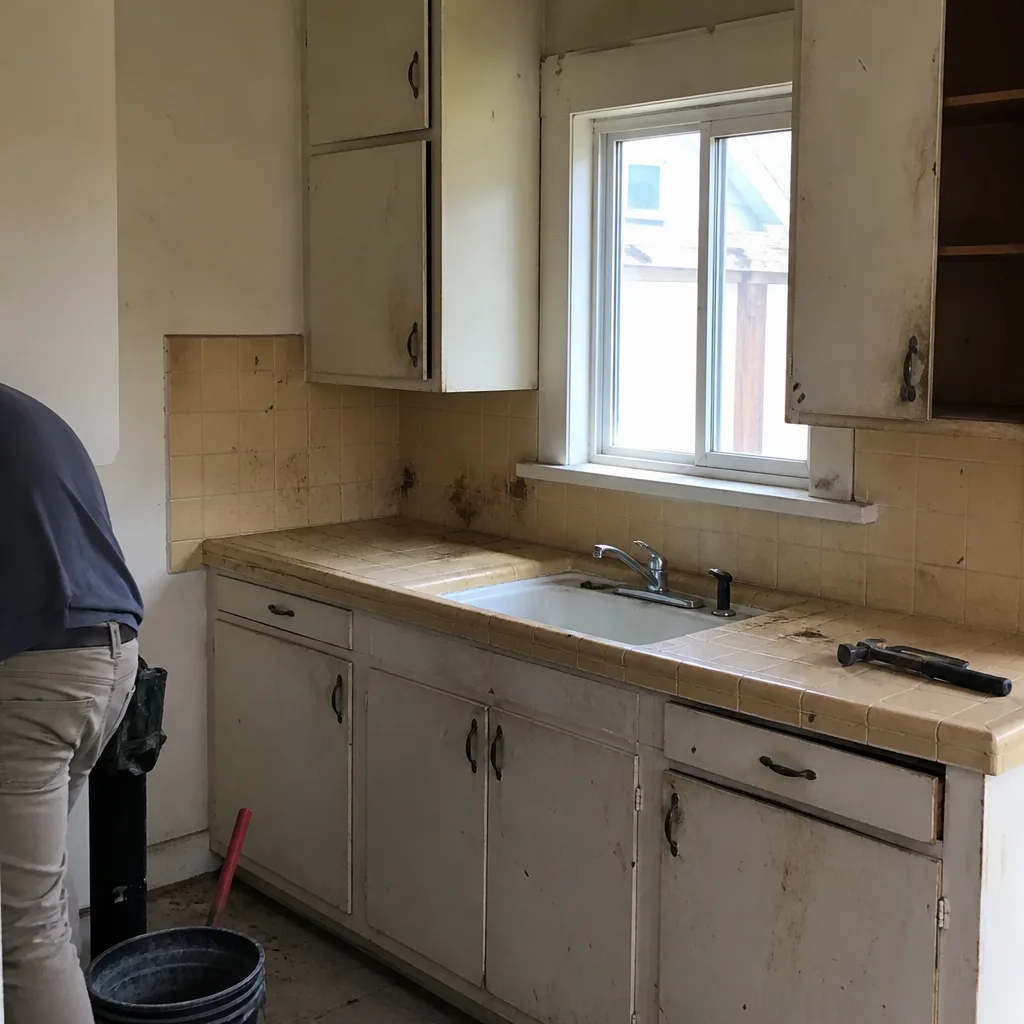 Before
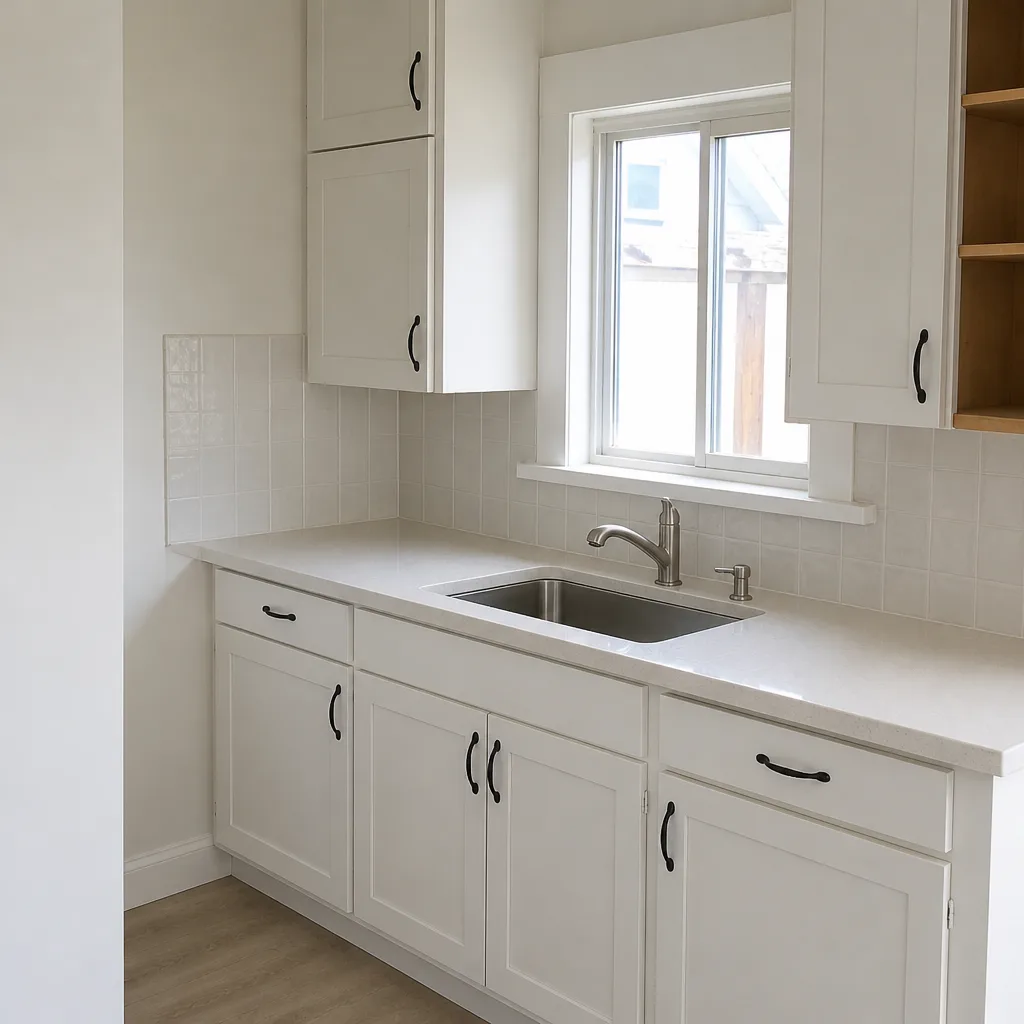 After
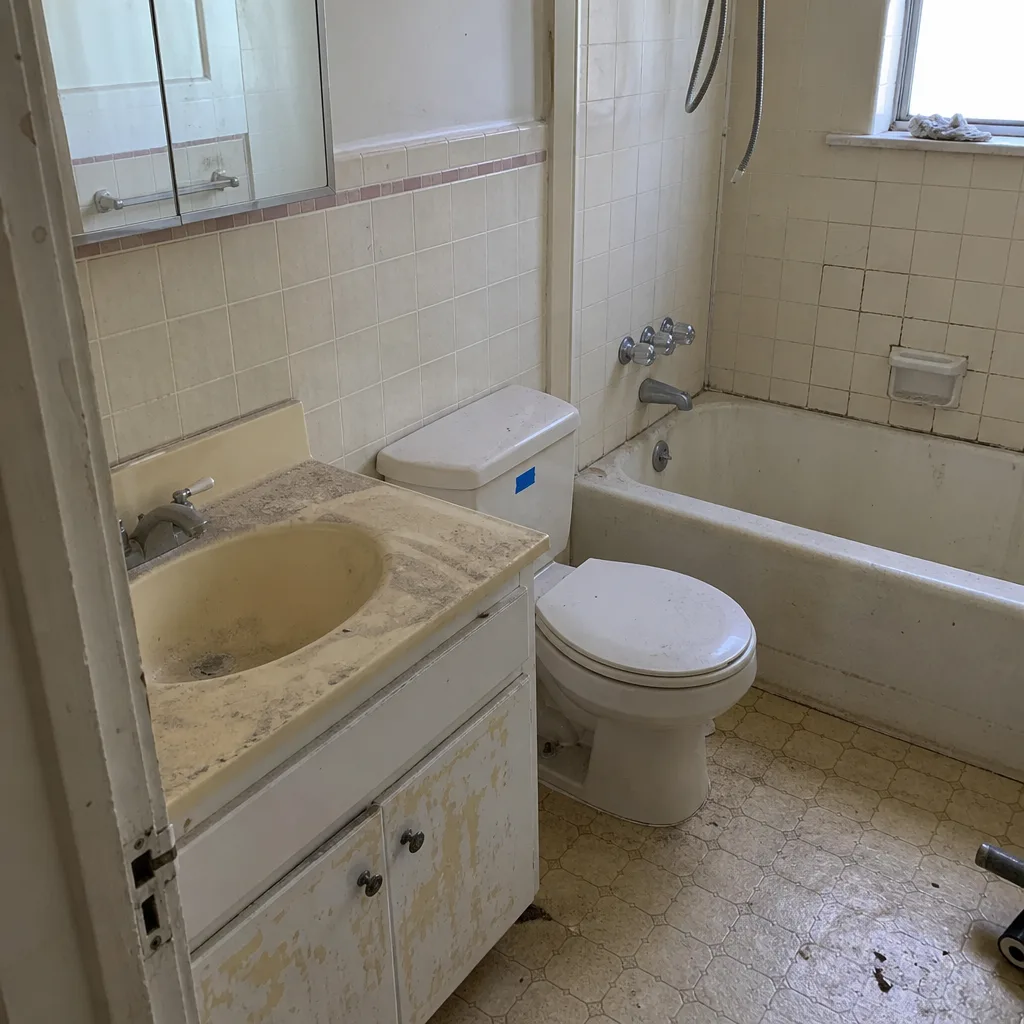 Before
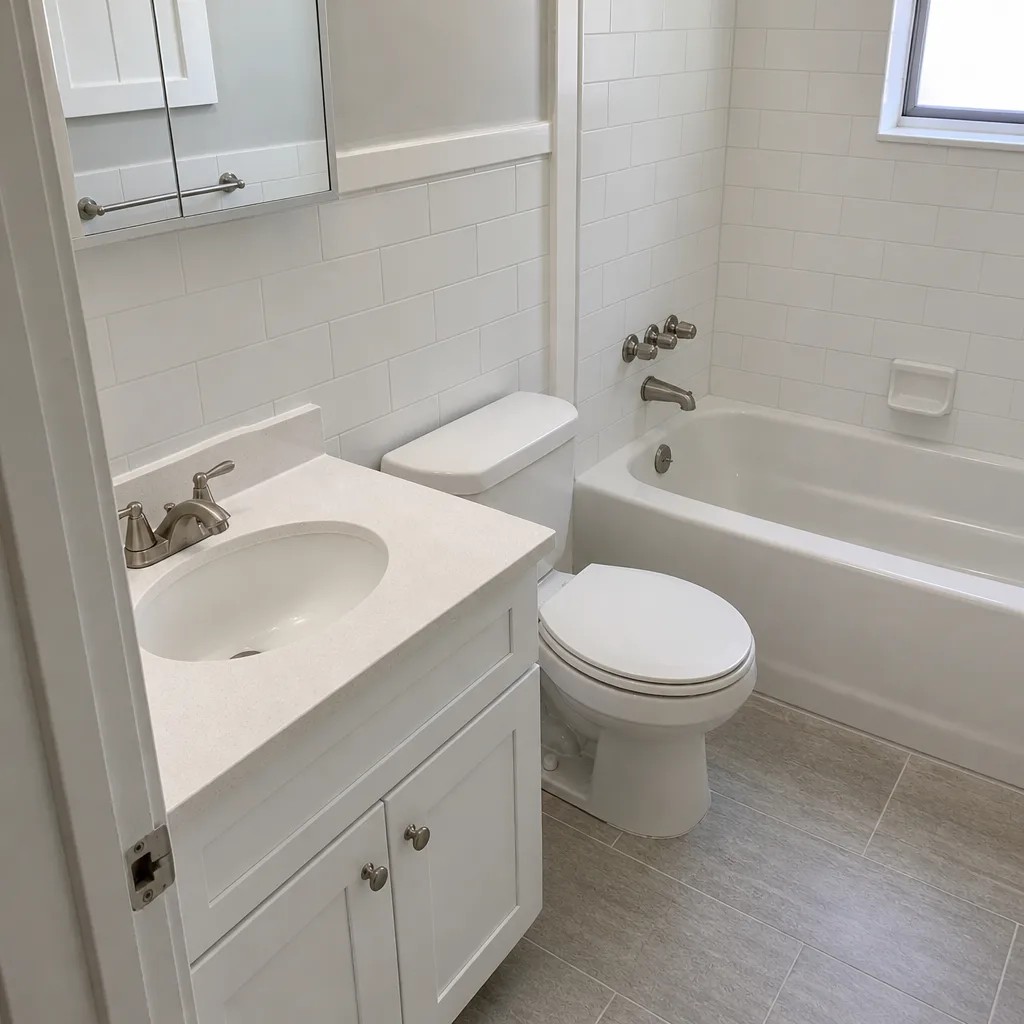 After
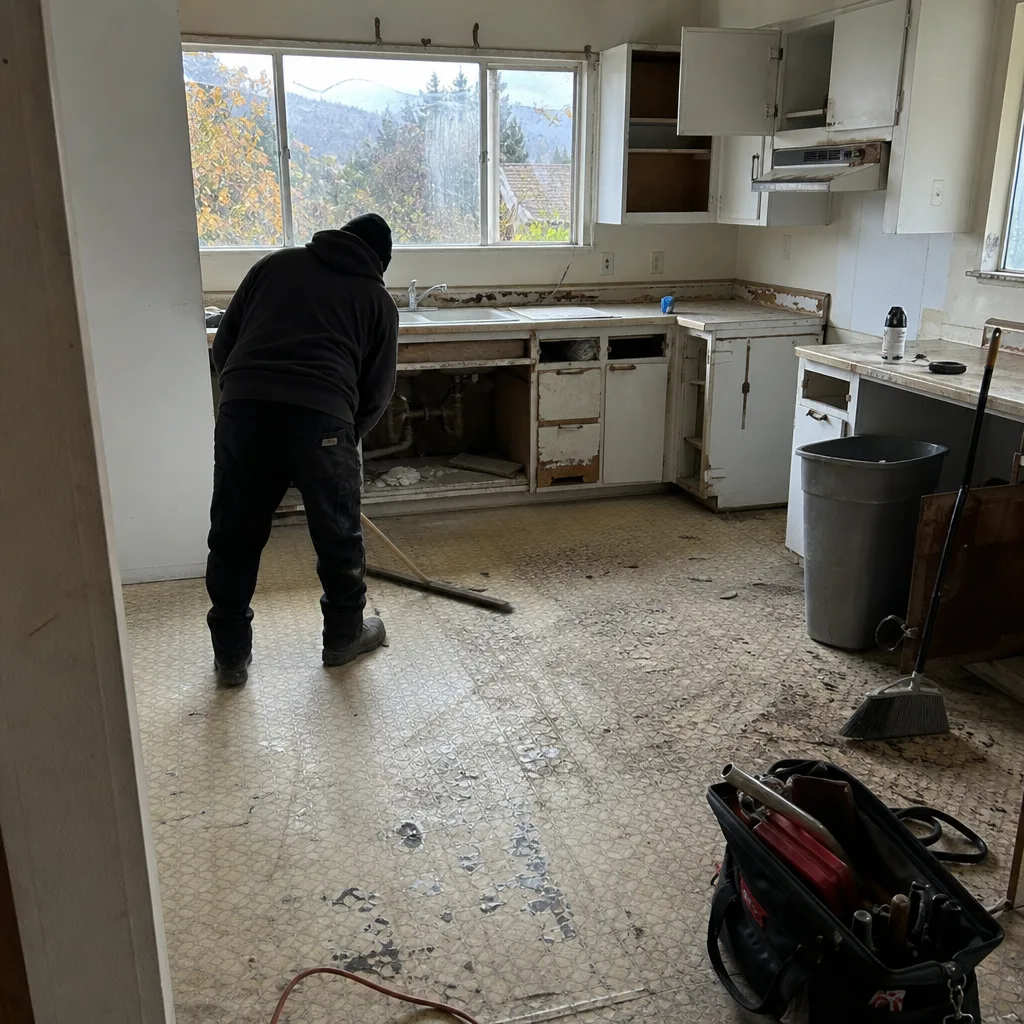 Before
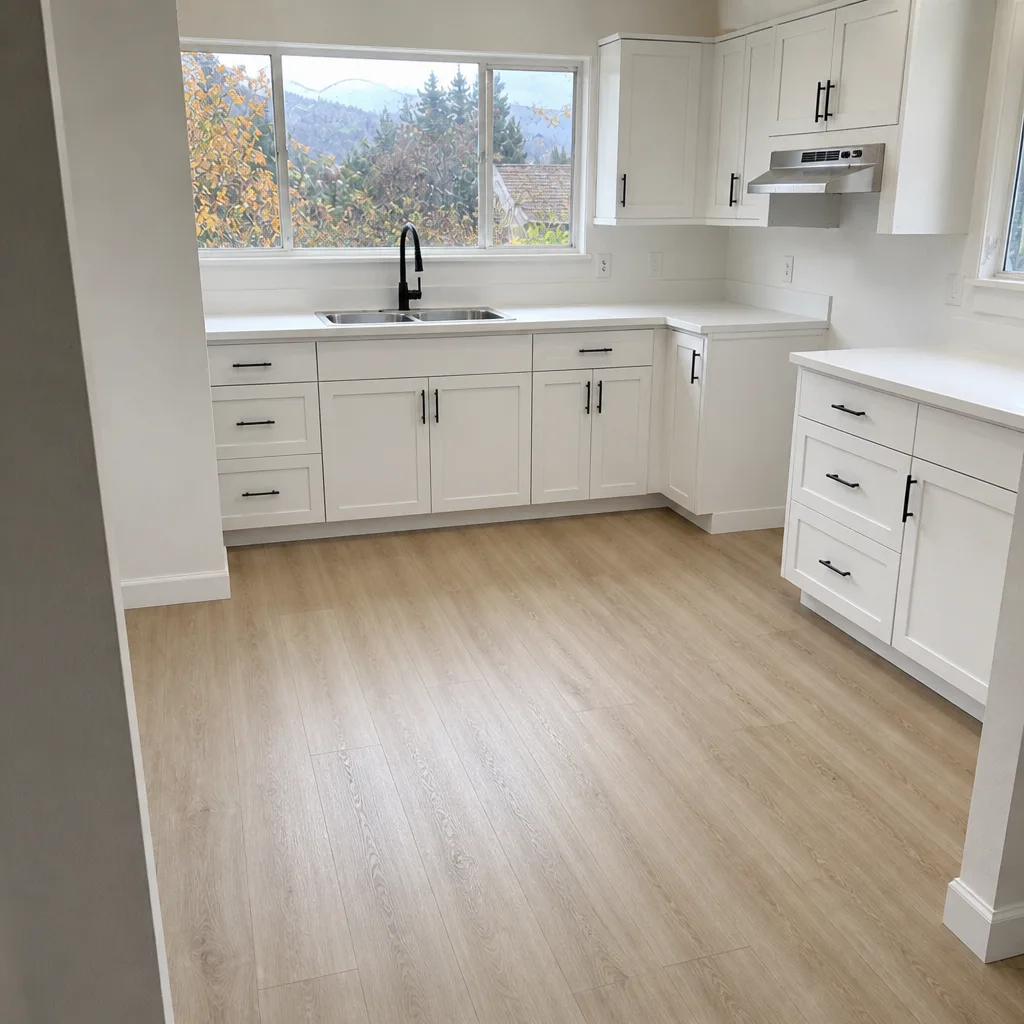 After
What Richmond homes specifically do to this job
Richmond’s housing stock is the story here. Whole blocks of small stucco and wood-frame bungalows went up between the 1910s and 1950s to house shipyard workers, and the driveways of that era were poured thin, often without control joints and without any rebar. Those slabs survive in patches but they crack along lines that follow the old form boards. When we demo a wartime driveway in 94801 or 94804, we’re usually finding three inches of concrete over dirt – no base rock at all.
Marine air matters too. Richmond’s fog and salt-laden air attack exterior fasteners and finishes, and it accelerates the surface scaling on older concrete pours that were never air-entrained. A driveway from 1958 that has held up in El Sobrante will be spalled and crusty in the Point Richmond flatlands because of the humidity cycle. We spec air-entrained mix on Richmond pours as a default.
Permitting is stricter here than in San Pablo or El Cerrito because much of the permitting review runs through regional environmental and seismic frameworks rather than just city building. New driveway aprons that touch the curb, or any regrade that changes drainage onto a neighbor’s lot, typically require a permit. We pull them and schedule inspection – you don’t have to chase the counter. We serve the whole city of Richmond from the Point to the El Sobrante line, and the permit rules shift block by block across those areas.
One thing worth flagging on the retrofit side: if you’re converting a garage into living space, the driveway often gets re-pitched deeper to shed water away from the newly waterproofed garage slab. Homeowners often pair this with a Garage Conversion ADU in Richmond, where the new interior finish is worth protecting with a proper apron and surface drainage. And when a new detached unit goes in on a large lot, the driveway and access path get designed in the first plan set – that’s the moment to say so if you’re eyeing a New Detached ADU in Richmond, because retrofitting concrete around a finished ADU costs more than pouring it correctly from the start.
Serving Richmond, CA – Our Local Coverage Area
We serve Richmond and nearby communities. Use the map below to see the area we cover. If you’re nearby, we can almost certainly help.
Frequently asked about concrete driveways and concrete work in Richmond
Three to five working days for a standard pour after demo, plus a 7-day curing window before you drive on it. Larger footprints, heavy demo, or drainage work push the schedule. Weather delays are real in Richmond’s wet winters, so exterior concrete usually gets scheduled late spring through early fall. Call (833) 997-7759 for a specific timeline on your property.
It depends on scope. A like-for-like replacement that stays within the existing footprint and doesn’t touch drainage usually doesn’t require a permit. A new or relocated driveway apron, a curb cut, or any regrade that affects how water leaves the site typically does. We handle the permit application and inspection scheduling. Call for a free site visit to confirm the scope.
Installation runs $4,500 – $12,000, and full replacement runs $5,000 – $14,000. The lows are single-car brooms on good base; the highs are two-car pours with drainage work and upgraded finish. Call (833) 997-7759 for an exact written estimate.
Sometimes, and we’ll tell you honestly when it’s a bad idea. A 2-inch overlay works when the existing slab is sound, has no major cracks presenting vertically, and sits at least 4 inches below grade. Overlays over a failing 1950s Richmond slab built on uncompacted fill typically spall within a few winters. If the old slab can be saved, an overlay saves $1,500 – $3,000 over demo and repour. If it can’t, we say so.
Every concrete driveway we pour carries our 730-Day Done Right Promise – if it’s not done right, we make it right, one of the longest workmanship guarantees in the residential construction space. The concrete mix itself, finish, and any structural failure within the term are covered; damage from vehicle loads over spec, chemical spills, or settlement caused by a third-party utility excavation isn’t. Call for the plain-English warranty terms before you sign anything.
Get a free estimate for concrete driveways and concrete work in Richmond
Call (833) 997-7759 for a free on-site estimate. A live person answers, 24 hours a day. We’ll walk your driveway, measure, and hand you a written line-item quote with the base prep and haul-off already in the number – no change orders, no surprise add-ons. Financing is available at 0% for 18 months, plus $1,000 off projects over $10,000. Straight answers, in writing, from the first call.
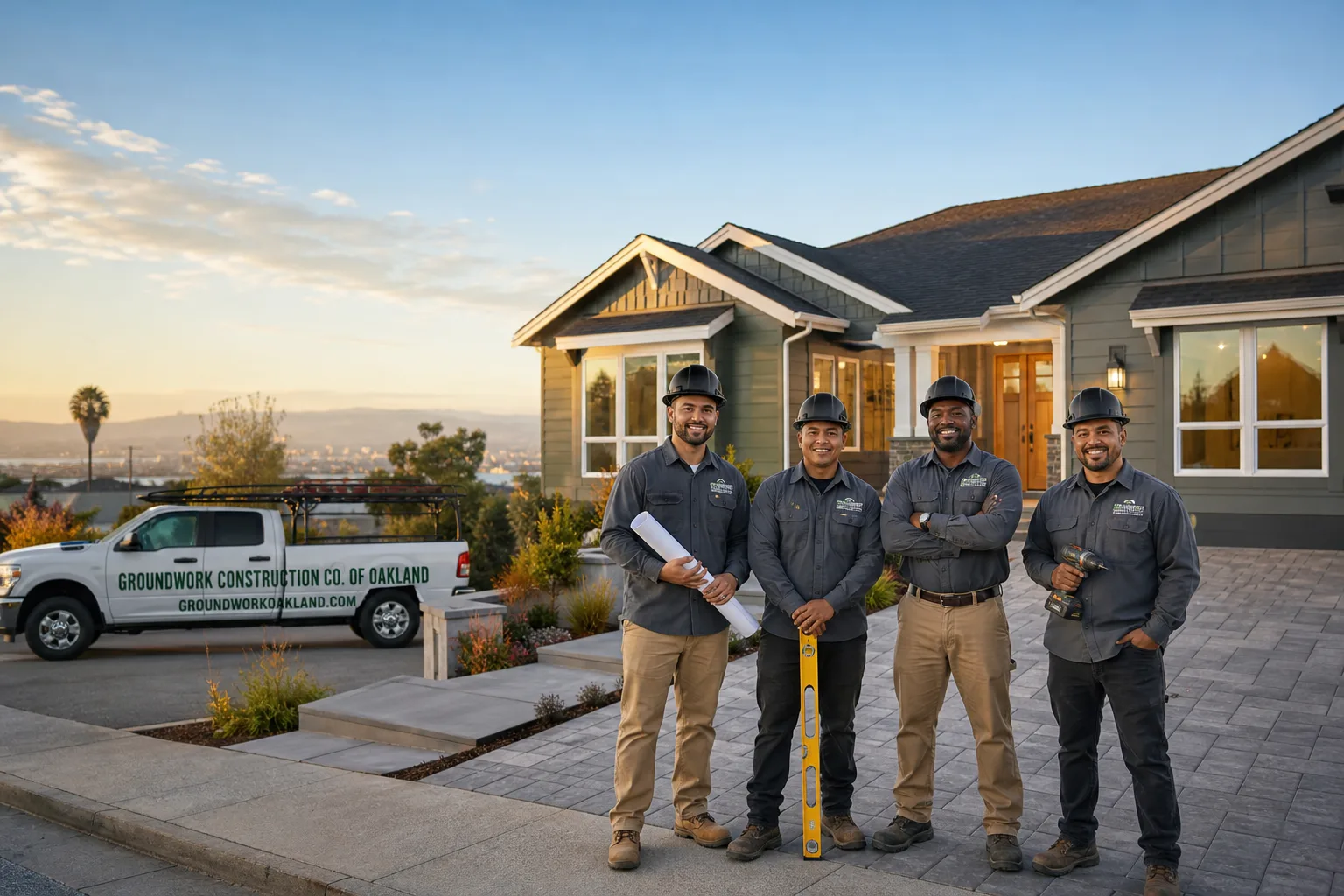
Written by the team at Groundwork Construction Co.