
Last updated November 17, 2026
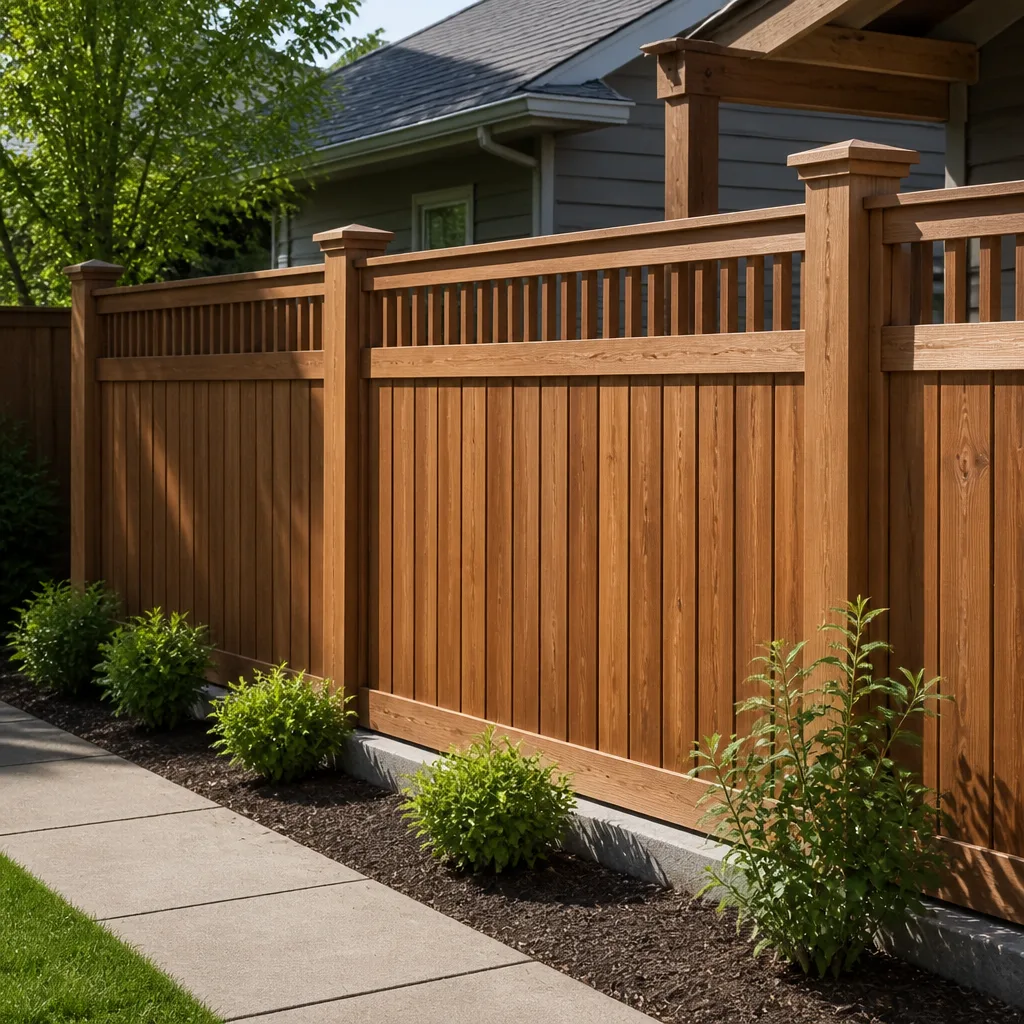 Fence
 Kitchen remodeling
 Bathroom remodeling
 Home additions & ADU
 Roofing
 Windows & doors
 Driveway & pavers
Free written scope consultation - allowances, timeline, and change-order rules on paper before a single trade is scheduled
DIY vs Professional Fence Installation: What’s Safe to Do Yourself
The most common DIY fence mistake in Oakland isn’t the boards or the paint. It’s post holes that are four inches too shallow and six inches too narrow, which turns a 15-year fence into a 6-year fence. We’ve pulled enough leaning, sagging, wind-twisted fences out of Oakland backyards to know the pattern by heart. The decking looked fine. The posts were the problem, and they were the problem from day one. This guide breaks down which parts of fence work a careful homeowner can genuinely handle, which parts quietly wreck the whole project, and how to read a professional quote so you can tell a solid bid from a corner-cutting one. Oakland soil, Oakland permits, and California neighbor law all shape the answer.
Quick Answer
You can safely handle board replacement, staining and painting, hardware swaps, and most gate adjustments yourself. You should not DIY the two steps that decide how long the fence lasts: post footings and layout. Post holes need to sit below Oakland’s frost line and be sized to the fence height and soil, and the fence line needs to be verified against your property line before anyone digs. Get those two wrong and you’re rebuilding in six years instead of fifteen.
Styles & brands we work with
- Kitchen remodeling
- Bathroom remodeling
- Home additions & ADU
- Roofing
- Windows & doors
- Driveway & pavers
- Fence
Table of Contents
- Why Post Footings Decide Everything
- Oakland Soil and What It Does to Fence Posts
- Property Lines, Neighbor Notice, and California Law
- Where DIY Genuinely Makes Sense
- The Hidden Cost of DIY Fence Mistakes
- How to Read a Professional Fence Quote
- Common Mistakes to Avoid
- When to Call a Professional
- Frequently Asked Questions
Why Post Footings Decide Everything
A fence is a lever. Every gust of wind pushes against the boards, and that force travels down to the post and multiplies at the base. If the footing is undersized, the post works loose in the hole a little more with every wind event, and once water gets in, decay starts. This is why footing depth and diameter matter far more than board selection, paint brand, or how straight the top line looks on install day.
The standard most DIY guides repeat is “bury a third of the post.” For an 8-foot post that’s about 2.7 feet in the ground. That number assumes good drainage and stable soil, and it assumes a hole wide enough to hold a proper concrete collar around the post. In practice, most failures we see come from holes that were dug by hand with a clamshell digger, which tends to produce a narrow, tapering shaft that holds a skinny column of concrete. The concrete cracks, the post racks, and the fence starts leaning within two seasons.
What a properly built footing looks like:
- Depth: Deep enough to sit below the local frost line, which in Oakland is negligible, but deep enough to reach stable, undisturbed soil. In practice that means 30 to 36 inches for a 6-foot fence in most Oakland yards.
- Diameter: Two to three times the post width. A 4×4 post wants a 10 to 12 inch hole. An 8-inch hole is too tight and leads to thin concrete and early failure.
- Base: A few inches of gravel at the bottom so water drains away from the post rather than pooling against it.
- Set: Posts plumb in two directions, braced until the concrete cures, with the concrete crowned slightly above grade so water sheds away.
None of this is exotic. It’s just slow, physical work that most homeowners underestimate, and it’s the number one reason a fence that should last 15 years gives out in six.
Oakland Soil and What It Does to Fence Posts
Oakland is not one soil type. Dig in the flats near Fruitvale or East Oakland and you’ll hit heavy clay that holds water and expands when wet. Dig in the hills above Piedmont or Montclair and you’ll hit rock, or fill, or steep grade that changes the footing approach entirely. Along the estuary and West Oakland you can run into sandy, loose soil with a high water table. Each of these conditions demands a different footing strategy, and a generic “dig a hole and pour a bag of concrete” plan ignores all of it.
Clay is the most common problem. Clay holds moisture against the post, which accelerates rot at the ground line, and it swells and shrinks with the seasons, which flexes the concrete collar and opens cracks. In clay-heavy Oakland yards we set posts deeper and wider, and we crown the concrete so water runs off rather than pooling. Sandy or loose soil is the opposite problem: the hole itself can collapse before the concrete goes in, so the footing needs a wider base and often a cardboard form to hold the shape.
Then there’s grade. A lot of Oakland lots slope, and a fence running downhill needs stepped footings, not sloped ones. Each post is set to its own depth, with the concrete at each post carrying its own load. Trying to run a continuous footing down a grade is one of the fastest ways to end up with a whistling, wavy fence line that never looks right no matter how much you fiddle with the boards.
If you’re replacing a fence, the old footing is a useful clue. Pull a post and look at what’s down there. If it’s a thin, cracked collar of concrete around a rotted post, that tells you the original build was undersized, and it’s worth building the next one properly. Our crews have seen this pattern in Oakland fences going back decades, and it’s always the same story: good boards, bad footings.
Property Lines, Neighbor Notice, and California Law
Before anyone digs, two legal tasks need to be done, and they apply whether you build the fence yourself or hire a crew. Skipping either one can turn a weekend project into a boundary dispute that costs thousands to untangle.
- Verify the property line. A plat map or your deed’s legal description is a starting point, but it is not a survey. The only way to know precisely where your line is, is to have a licensed land surveyor mark it. In older Oakland neighborhoods, especially where lots were subdivided decades ago and fences have shifted over the years, survey discrepancies are common. Building a fence even a foot over the line is an encroachment, and it can force you to move the entire fence later.
- Notify your neighbor in writing. Under California law, if a fence sits on a property line shared with a neighbor, that fence is generally a “boundary fence,” and your neighbor may have a legal right to share in its cost and to be consulted on the type and height. Even where the law doesn’t require formal notice, a short written message describing the fence, its location, and the timeline prevents most disputes before they start. Get a response in writing.
Oakland also has its own rules on fence height. In most residential zones, a fence in the front setback is limited to around 3 to 4 feet, and side and rear fences can run up to 6 feet without a permit under most conditions. Go above 6 feet or build on a corner lot with sight-line rules, and you’ll need a permit and possibly a variance. Checking with Oakland’s Planning and Building Department before you buy materials saves you the worst-case scenario: building a fence that has to come back down.
These legal steps are the same whether you DIY or hire a pro, and they’re the ones most homeowners skip. In our experience, a lot of the fence failures we see in Oakland aren’t physical, they’re boundary issues where someone built two feet onto a neighbor’s side and didn’t know until the neighbor came home.
Where DIY Genuinely Makes Sense
Fence work covers a wide range of tasks, and a lot of it is well within reach for a careful homeowner. The dividing line is structural: anything touching the post footings or the overall layout needs serious planning, but the cosmetic and mechanical work is a different story.
Good candidates for DIY:
- Board replacement. Swapping out a few cracked or rotted pickets on an existing fence is a beginner-friendly job. You’ll need a pry bar, a drill, and matching fasteners. If you use a brand like Barrette or Master Halco for replacements, match the profile and thickness of the existing boards so the fence stays visually even.
- Staining and painting. This is one of the highest-value DIY fence tasks. A fresh coat of stain every few years keeps water out of the wood and extends life significantly. It’s slow, repetitive work, but it’s low-risk.
- Hardware swaps. Replacing hinges, latches, gate handles, and post caps is easy and gives an old fence a fresh look. Choose hardware rated for exterior use, ideally stainless or galvanized, to survive Oakland’s damp winters.
- Gate adjustments. A sagging gate is usually a hardware or hinge problem, not a structural one. Tightening hinges, swapping a warped gate board, or installing a diagonal brace on a wooden gate are all reasonable weekend jobs. If the gate post itself is loose in the ground, that’s the boundary, and it’s time for a professional.
- Minor repairs. Tightening loose fasteners, re-driving popped nails, and replacing a split picket are all fine. Anything that involves the post itself, the footing, or the fence line, is not.
These are the jobs that make a real difference to how a fence looks and lasts, and none of them require you to dig or pour concrete. If you’re looking for where to focus your own effort, this list is it. The rest of the project is where we’d recommend you get a professional involved.
The Hidden Cost of DIY Fence Mistakes
A DIY fence can look like a bargain on paper. Lumber, concrete, and a weekend of labor versus a professional quote, and the numbers seem to favor doing it yourself. But the savings evaporate fast when something goes wrong, and fence mistakes are not cheap to fix. The most common ones we see in Oakland are these:
- Permit violations. Build an over-height fence or skip a required permit, and the city can require you to remove or modify the fence at your own cost, plus permit fees and possible penalties. The savings you thought you got are gone, and now you’re paying twice.
- Encroachment disputes. A fence built over the property line can force a lawsuit or a forced removal. Survey and legal fees alone can dwarf the cost of a professional build, and the emotional cost of a boundary fight is worse.
- Premature rebuilds. A fence with undersized footings that fails in six years instead of fifteen means you pay for two fences instead of one. When you add it up, the cheap DIY build costs more than a professional build did the first time.
- Property value hit. A leaning, wavy, or visibly cheap fence detracts from curb appeal and can raise questions for buyers during a home inspection. A well-built fence adds to the property; a bad one subtracts.
- Injury and downtime. Digging post holes in Oakland clay is hard on the body. Pulled backs and weekend injuries are common, and the real cost of a DIY fence is often measured in lost work days, not materials.
We’re not suggesting every homeowner should avoid a fence project. We’re suggesting that the money saved by skipping professional footings and layout is often money you’ll pay back later, in a rebuild, a dispute, or a fence that never quite looks right.
How to Read a Professional Fence Quote
The single best predictor of a good fence job is a detailed, line-item quote. A quote that just says “fence install: $X” tells you nothing about whether the footings are sized properly, what hardware grade is being used, or whether permits are included. Here’s what to look for, and what to be suspicious of.
Green flags in a professional quote:
- Footing specifications are listed. The quote should call out post depth, hole diameter, and concrete type. If it doesn’t mention footings at all, that’s a red flag.
- Hardware grade is named. Galvanized or stainless fasteners, brand names for posts and rails (Barrette, Master Halco, and similar), and specific gate hardware are all good signs. Vague “standard hardware” descriptions are not.
- Permits and inspections are itemized. A good quote lists permit costs separately and confirms whether the contractor pulls the permits. Skipping permits to save money is a shortcut that comes back on you.
- Removal and disposal are listed. Tearing out an old fence and hauling it away is real work. A quote that leaves it out isn’t cheaper, it’s incomplete.
- Warranty terms are in writing. A real workmanship warranty should be spelled out, not implied. Ask exactly what’s covered and for how long.
- Payment schedule is clear. A sensible deposit, progress payments, and a final payment on completion are standard. Large upfront payments with no milestones are a warning sign.
Red flags: quotes with no mention of footings, hardware brand, or permits; prices dramatically lower than other bids with no explanation; pressure to sign immediately; and any contractor who won’t put warranty terms in writing. The cheapest bid is almost always the one that skipped the footings.
If you’re in Oakland and want a second set of eyes on a bid, our team is happy to walk through what a properly built fence includes. We’ve seen enough undersized quotes to recognize a shortcut from a mile away.
Common Mistakes to Avoid
- Digging post holes too narrow. A hole barely wider than the post produces a thin concrete shell that cracks under load. Widen the hole to two to three times the post width, and you get a footing that actually holds.
- Setting posts in dry concrete mix. Pouring dry mix into the hole and adding water can leave dry pockets that never fully cure. Mix the concrete to a proper consistency first, or use a properly rated fast-setting mix per the manufacturer’s instructions.
- Skipping the survey. Building to a fence line left by the previous owner is not the same as building to the property line. In older Oakland neighborhoods, fences have drifted over decades, and a survey is the only way to know where your line actually is.
- Ignoring Oakland height limits. Going above 6 feet on a side or rear fence without checking the zoning rules can trigger a permit violation. Check before you buy materials, not after.
- Running the fence on a continuous slope. A fence that follows grade looks wavy and puts stress on the posts. Step the panels and set each post to its own depth on a downhill lot.
- Using the wrong fasteners. Bare steel or cheap zinc fasteners rust out fast in Oakland’s damp winters. Stainless or hot-dipped galvanized extend the life of the whole fence.
- Forgetting the neighbor. Building before notifying a neighbor who shares the boundary is the fastest route to a legal headache. A short written message costs you nothing and prevents most disputes.
When to Call a Professional
Call a professional for anything involving new post footings, a full fence replacement, a fence on a slope, or a project that touches a property line. Also call a pro if the existing fence is leaning badly, if the gate post itself is loose, or if you’re replacing a fence that’s older than ten years and likely to have undersized footings underneath. These are the jobs where the cost of getting it wrong dramatically exceeds the cost of getting it done right.
You might also want a pro for taller privacy fences, corner lots with sight-line rules, and any fence that needs a permit. Groundwork Construction Co. of Oakland offers free estimates in Oakland. Call (833) 997-7759 to schedule a walk-through and get a written line-item quote.
If you’re planning a full exterior refresh, we also handle work beyond the fence line. Our fence installation in Oakland service pairs well with our driveway and pavers work in Oakland, and our home additions and ADU team in Oakland can help if the project is part of a larger addition. For a full picture of what we do, visit the Groundwork Construction Co. of Oakland home page.
Frequently Asked Questions
You can install a fence yourself in Oakland if you handle the cosmetic and mechanical work and leave the structural footings and layout to a professional. That means DIY board replacement, staining, hardware swaps, and gate adjustments are reasonable. New posts, footings, and property line layout are where DIY goes wrong, and that’s where we’d recommend a pro. Call (833) 997-7759 for a free estimate on the structural parts.
In most Oakland yards, plan on 30 to 36 inches of embedment for a 6-foot fence, with a hole diameter two to three times the post width. That’s deeper and wider than most generic DIY guides recommend, and it matters more in Oakland’s clay-heavy soils. If you’re on a slope or in loose soil near the estuary, go deeper and wider still. Call (833) 997-7759 and we’ll walk you through what your specific yard needs.
Most Oakland residential fences up to 6 feet in the side and rear yards don’t need a permit, though front setback fences are limited to around 3 to 4 feet. Fences taller than 6 feet, corner lots with sight-line restrictions, and fences on some lots will need a permit and possibly a variance. Confirm with Oakland’s Planning and Building Department before you buy materials. Call (833) 997-7759 if you’d like help checking your specific address.
Yes. California law treats a fence on the property line as a boundary fence, and your neighbor generally has a right to be consulted on the type, height, and cost. A short written message describing the fence and its location prevents most disputes. Get a written reply, and if there’s any question about the exact line, have a licensed land surveyor mark it first. Call (833) 997-7759 for help reading your property situation.
Fence installation in Oakland typically runs $35 to $75 per linear foot for a standard wood fence, and $50 to $110 per linear foot for a decorative or composite fence, depending on height, material, and site conditions. Sloped lots, rocky soil, and older properties with poor existing footings push toward the higher end. Get a line-item quote, not a lump sum. Call (833) 997-7759 for an exact quote – estimates are free.
A properly built wood fence lasts 12 to 15 years in most Oakland yards, and a composite or metal fence lasts 20 years or more. The difference between a fence that lasts 6 years and one that lasts 15 is almost always the footings, not the boards. If you want the 15-year version, get the footing specs in writing. Call (833) 997-7759 for a free estimate on a properly built fence.
The Bottom Line
The DIY vs professional fence question has a clear answer once you separate the two halves of the job. Cosmetic and mechanical work – board replacement, staining, hardware swaps, gate adjustments – is reasonable for a careful homeowner, and it keeps a good fence looking sharp. Structural work – post footings and layout – is where DIY goes wrong, and where the savings evaporate. The most common fence failure in Oakland isn’t the boards or the paint, it’s holes dug four inches too shallow and six inches too narrow. If you want a fence that lasts 15 years, get the footings right, verify the line, notify the neighbor, and pull the permits. For the structural work, hire a professional and get the specs in writing.
Ready for a fence that’s built to last and backed in writing? Groundwork Construction Co. of Oakland offers free estimates, upfront pricing with no surprises, and our 730-Day Done Right Promise on every fence we build. Our technicians have up to 12 years of experience, arrive in uniform, and every job comes with a written line-item quote. Call (833) 997-7759 to schedule your free estimate today. Estimates are free, the pricing is upfront, and the work is backed by one of the longest workmanship guarantees in the residential construction space.
Written by the team at Groundwork Construction Co. of Oakland.
See the difference
 Before
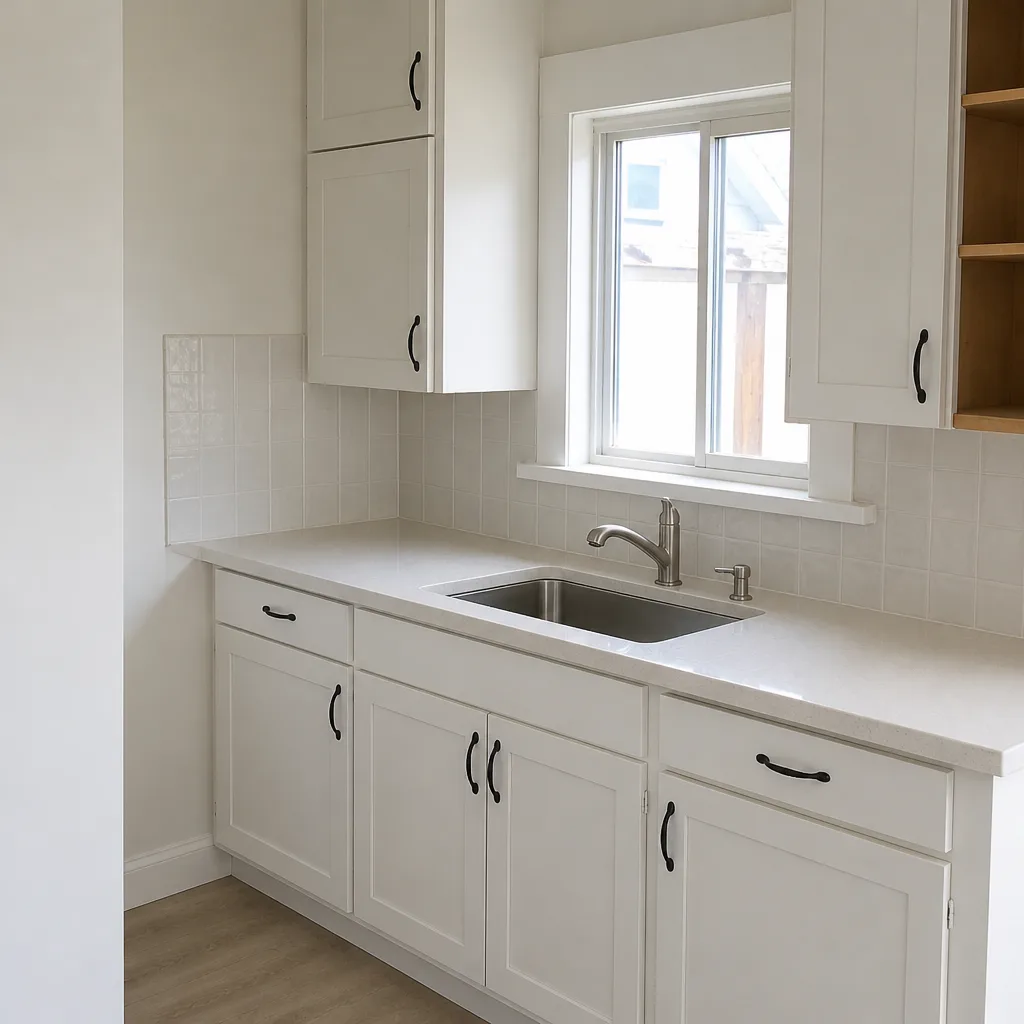 After
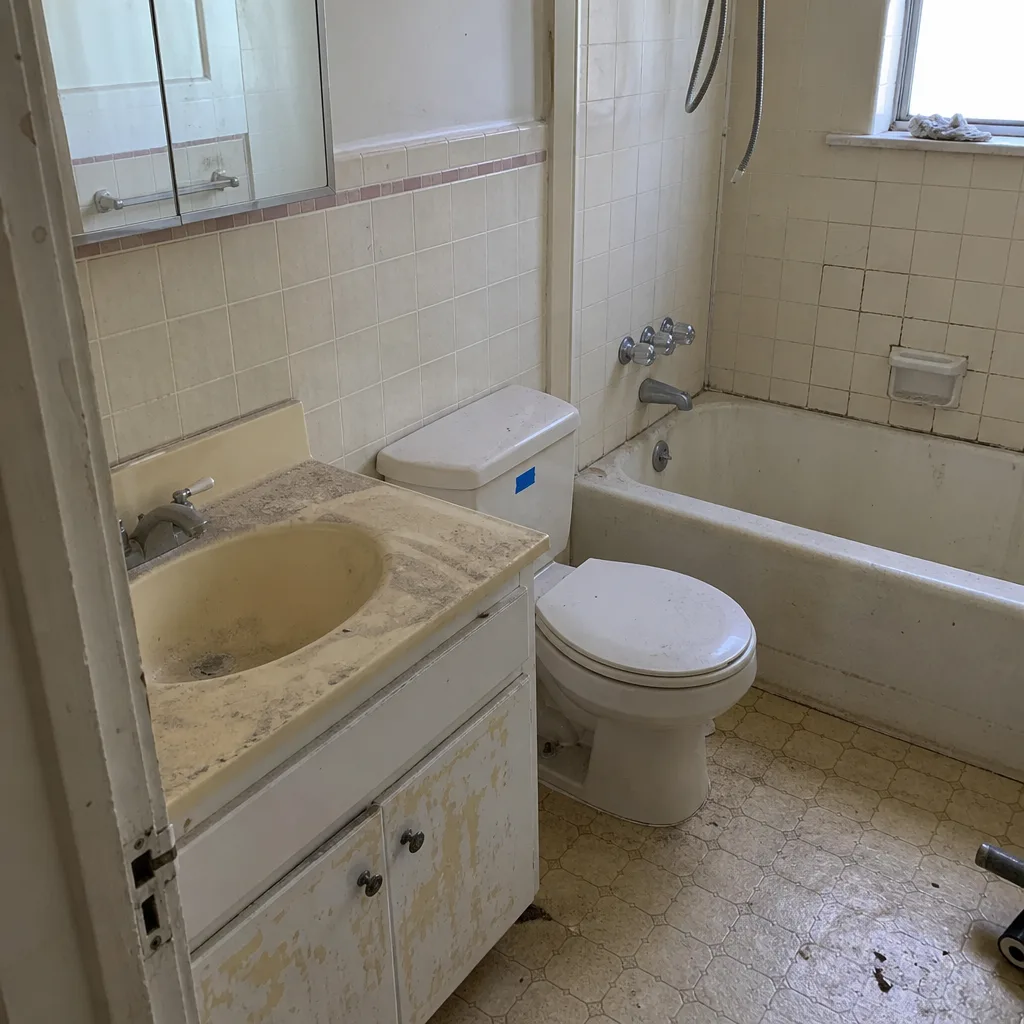 Before
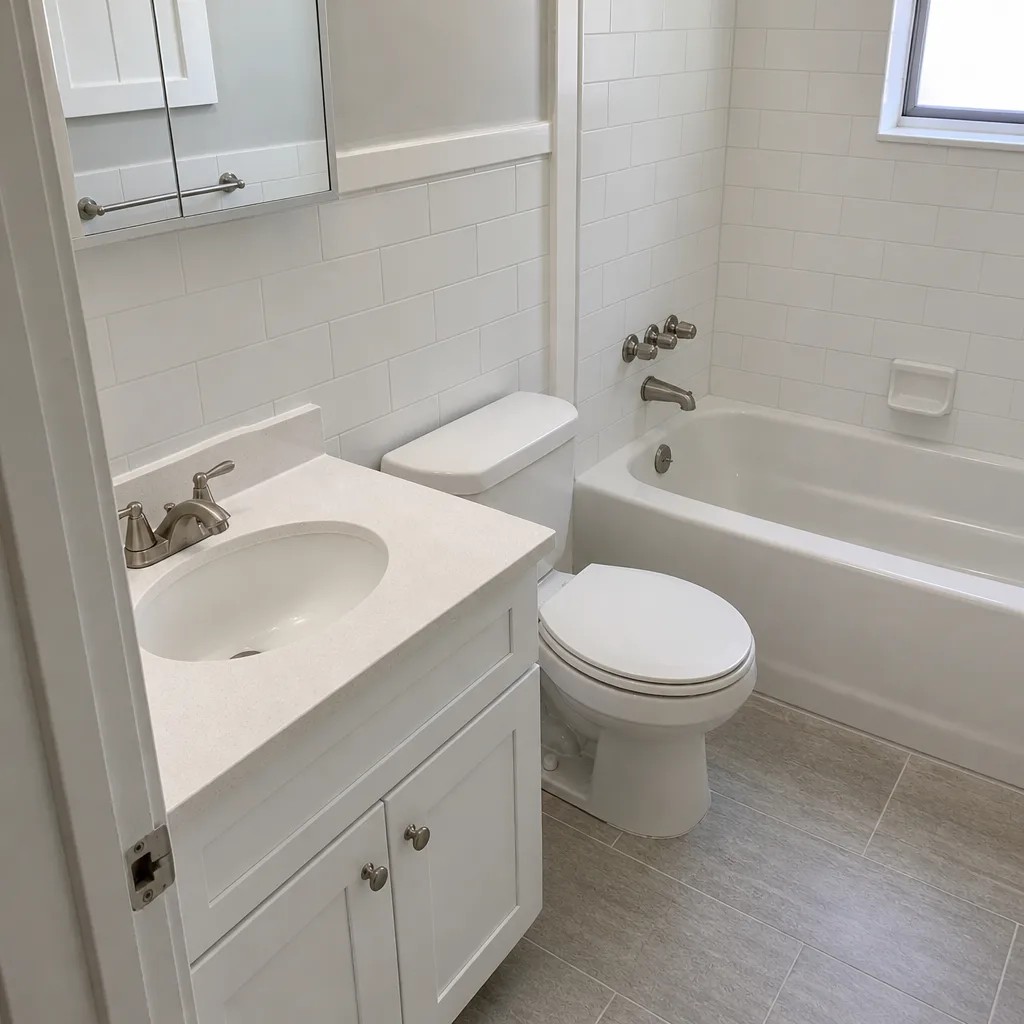 After
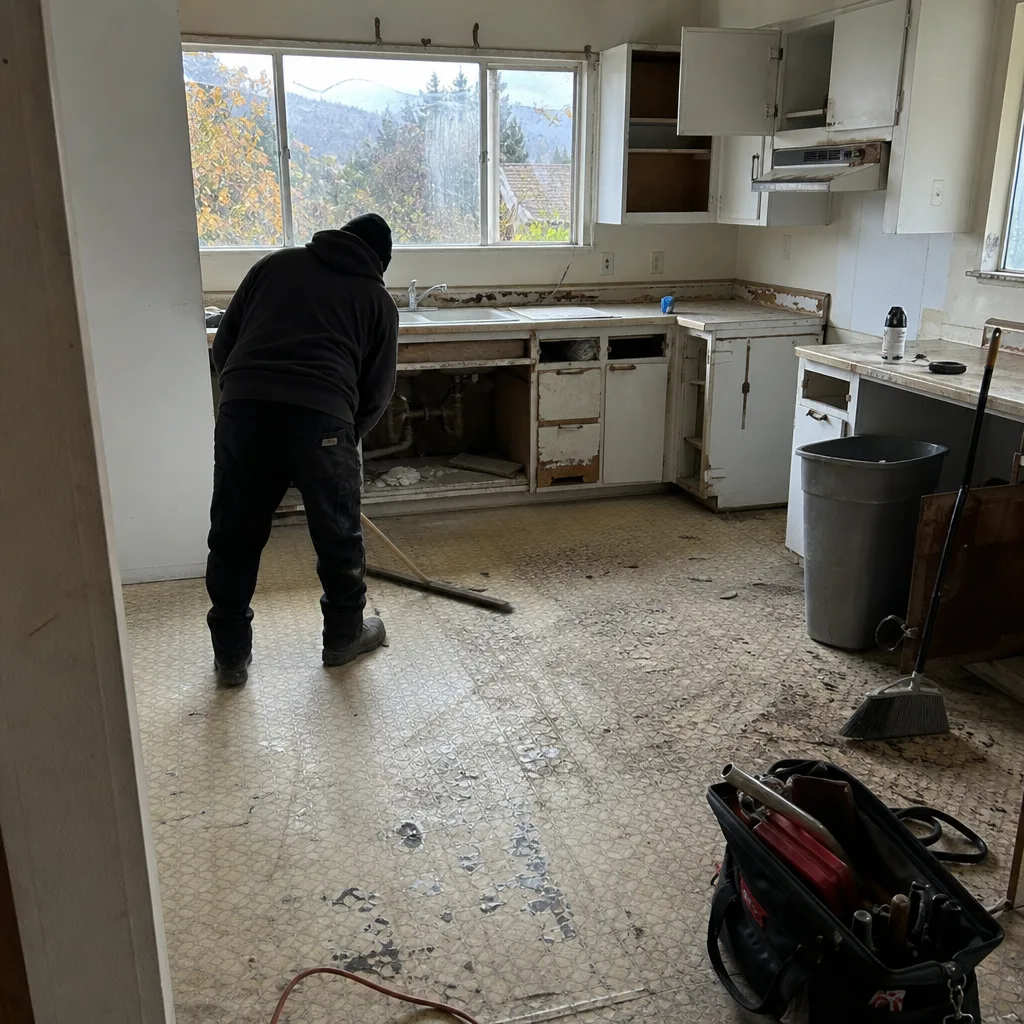 Before
 After