
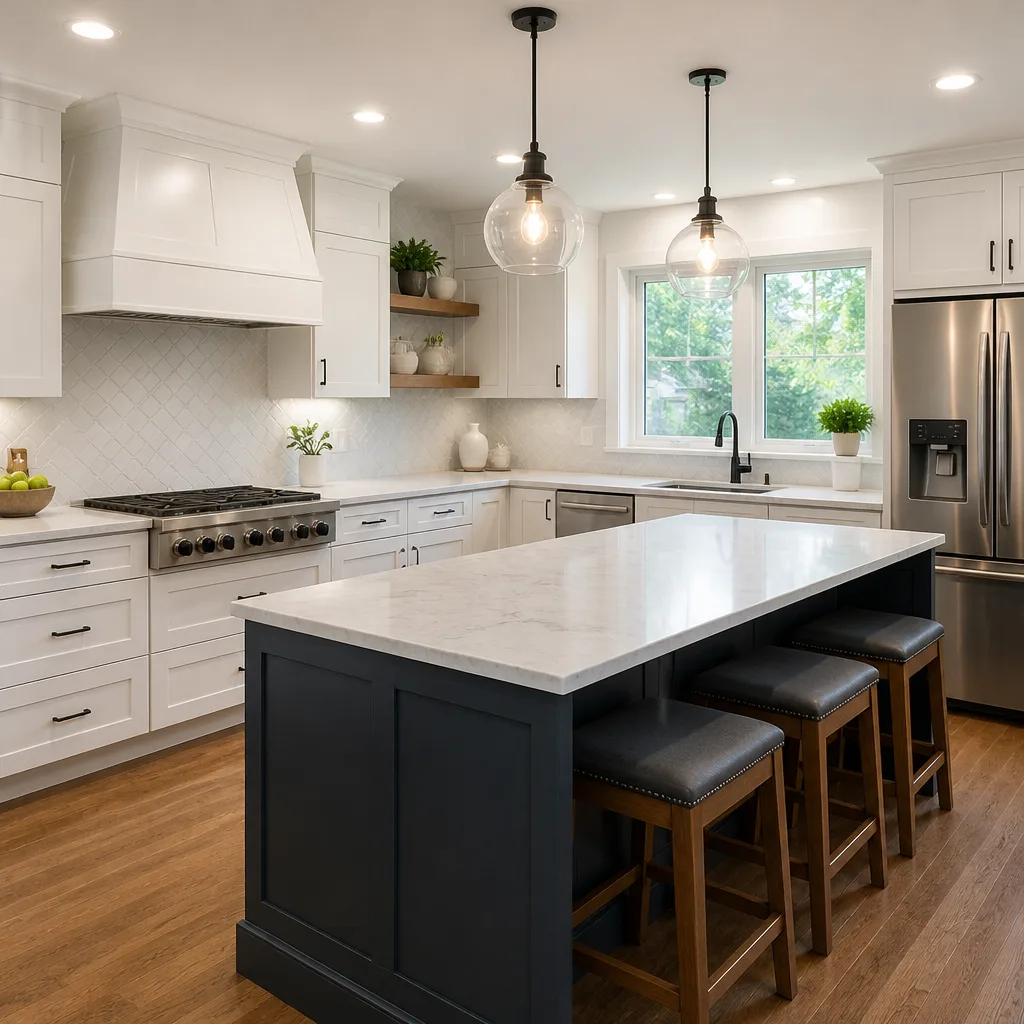
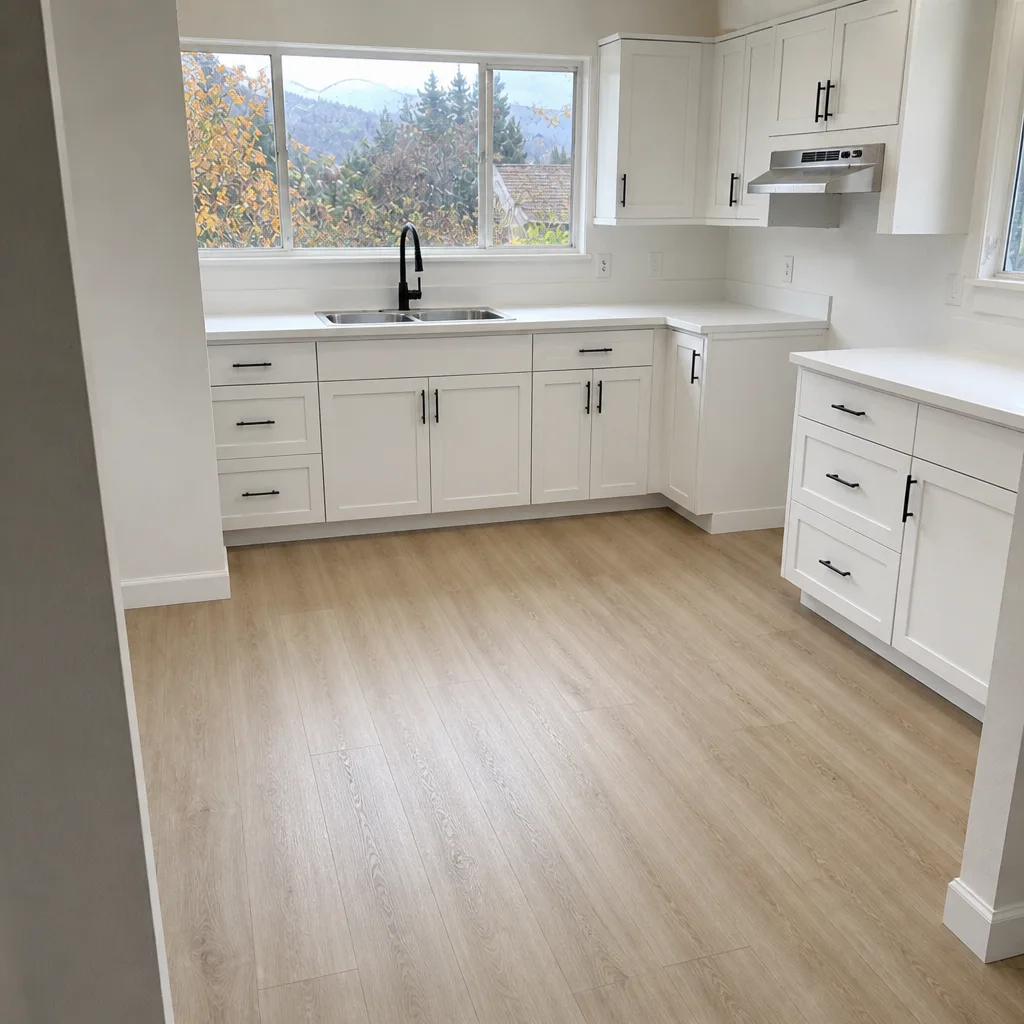
 Kitchen remodeling
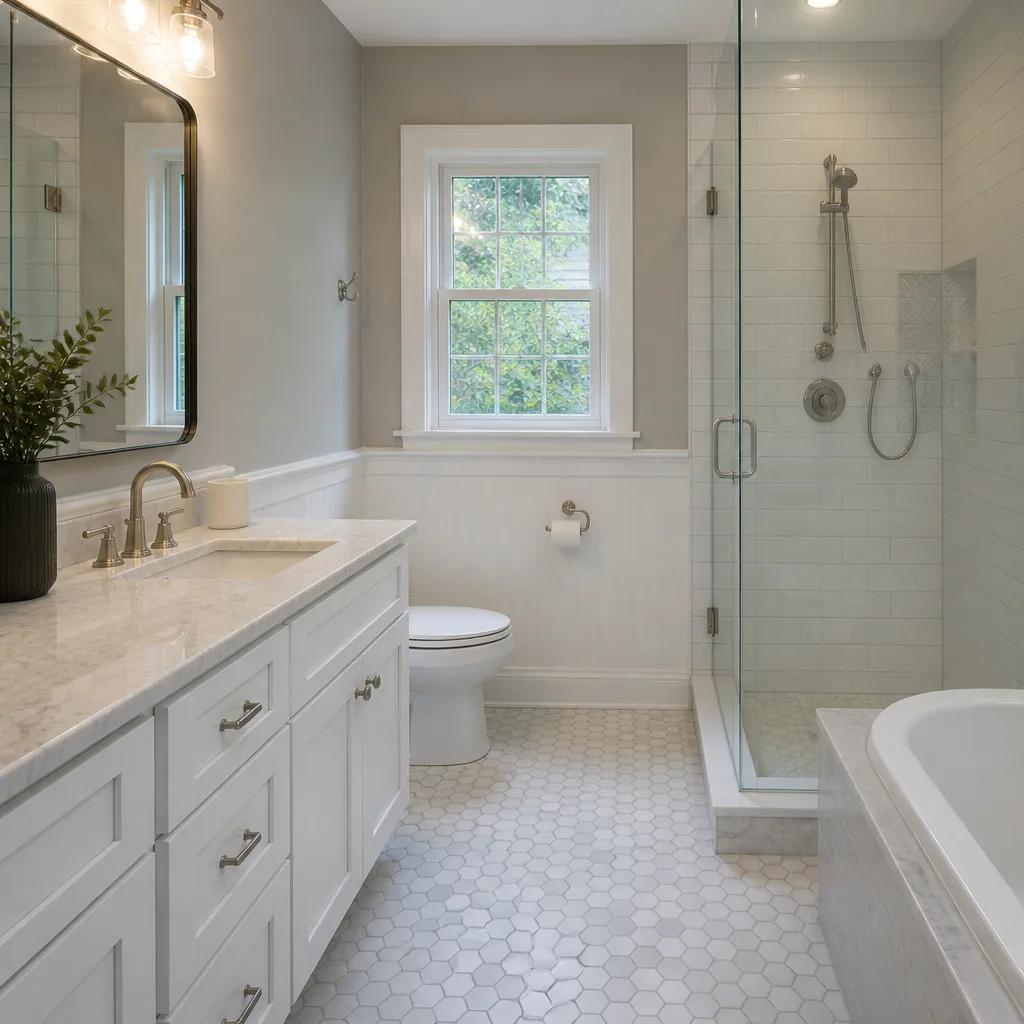 Bathroom remodeling
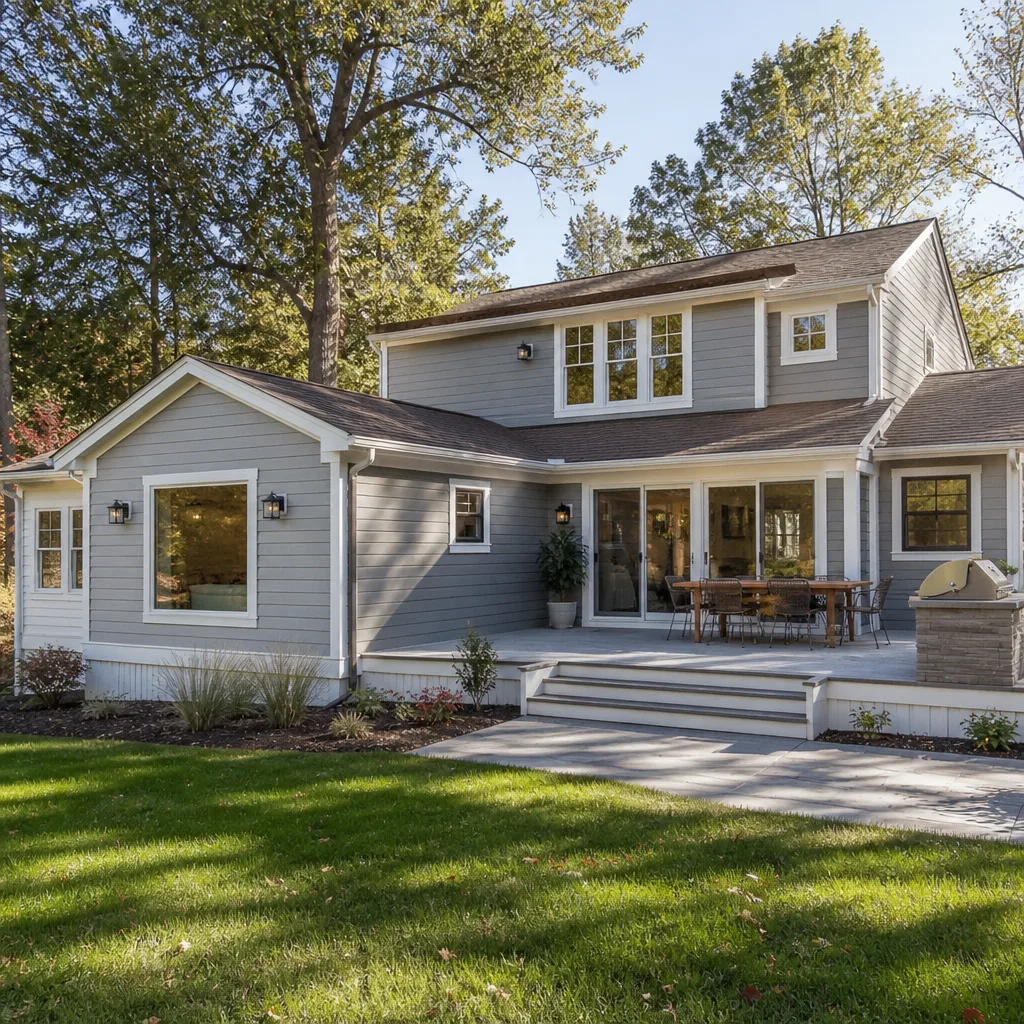 Home additions & ADU
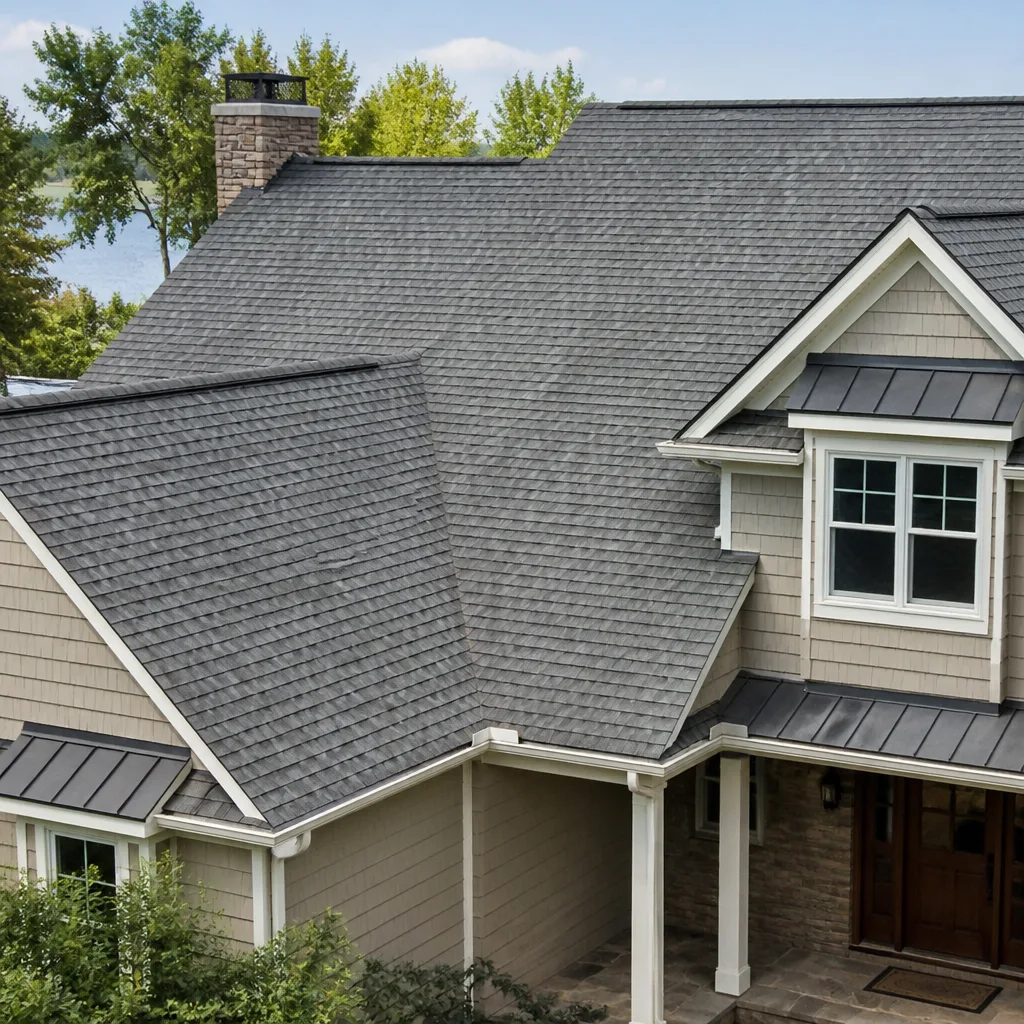 Roofing
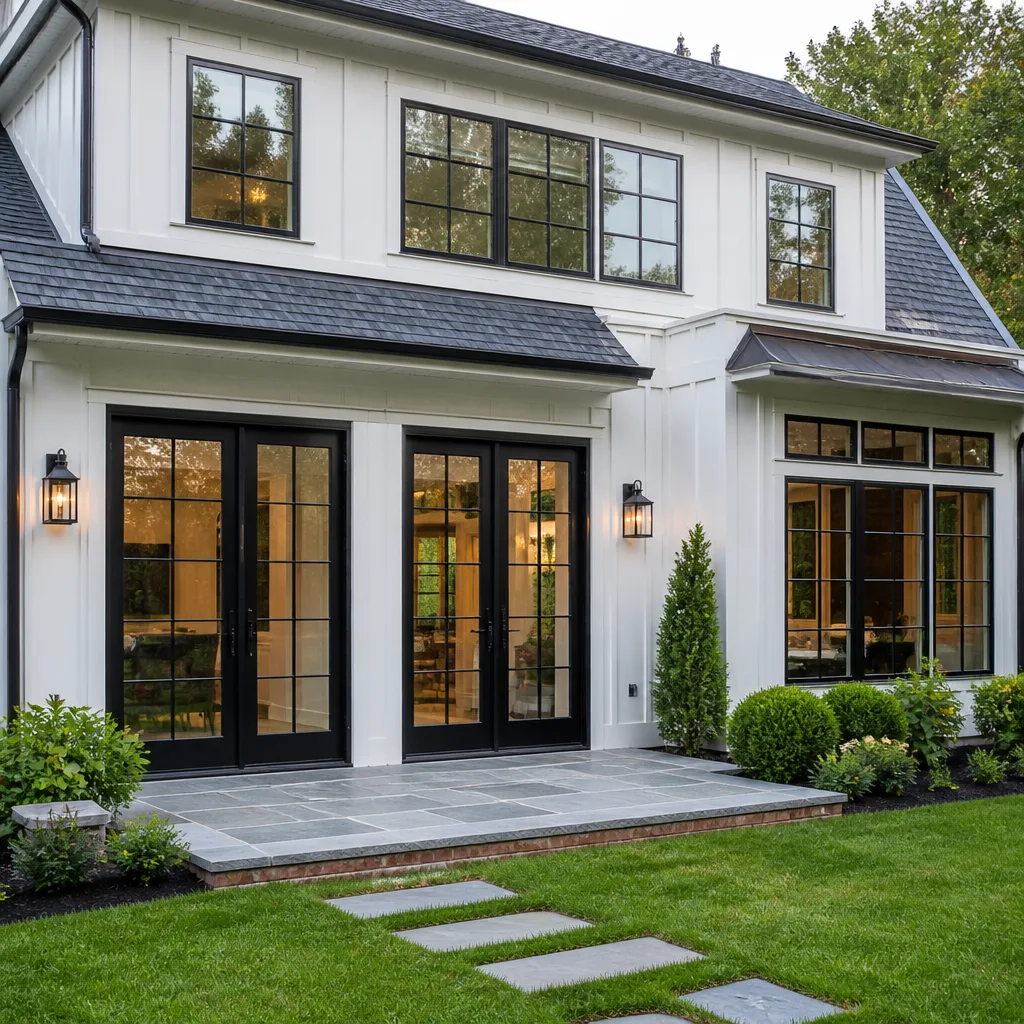 Windows & doors
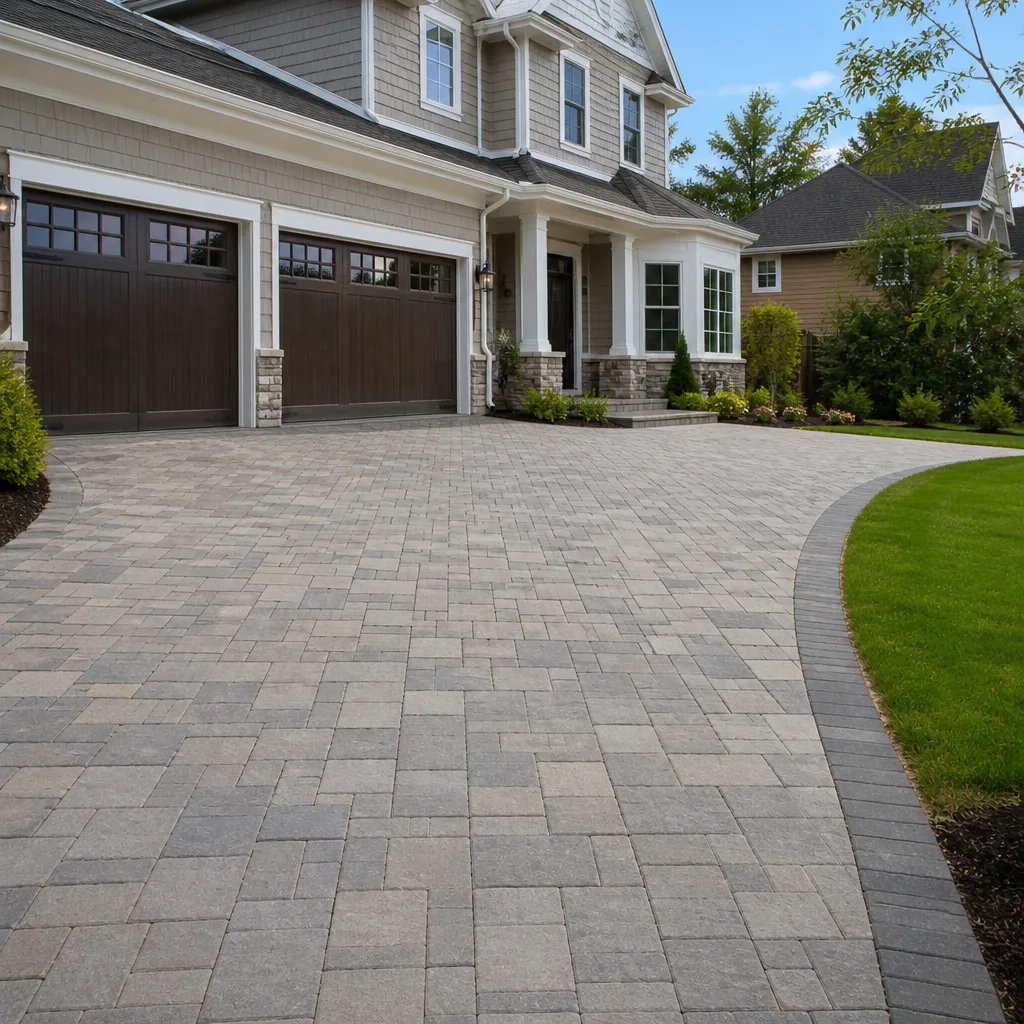 Driveway & pavers
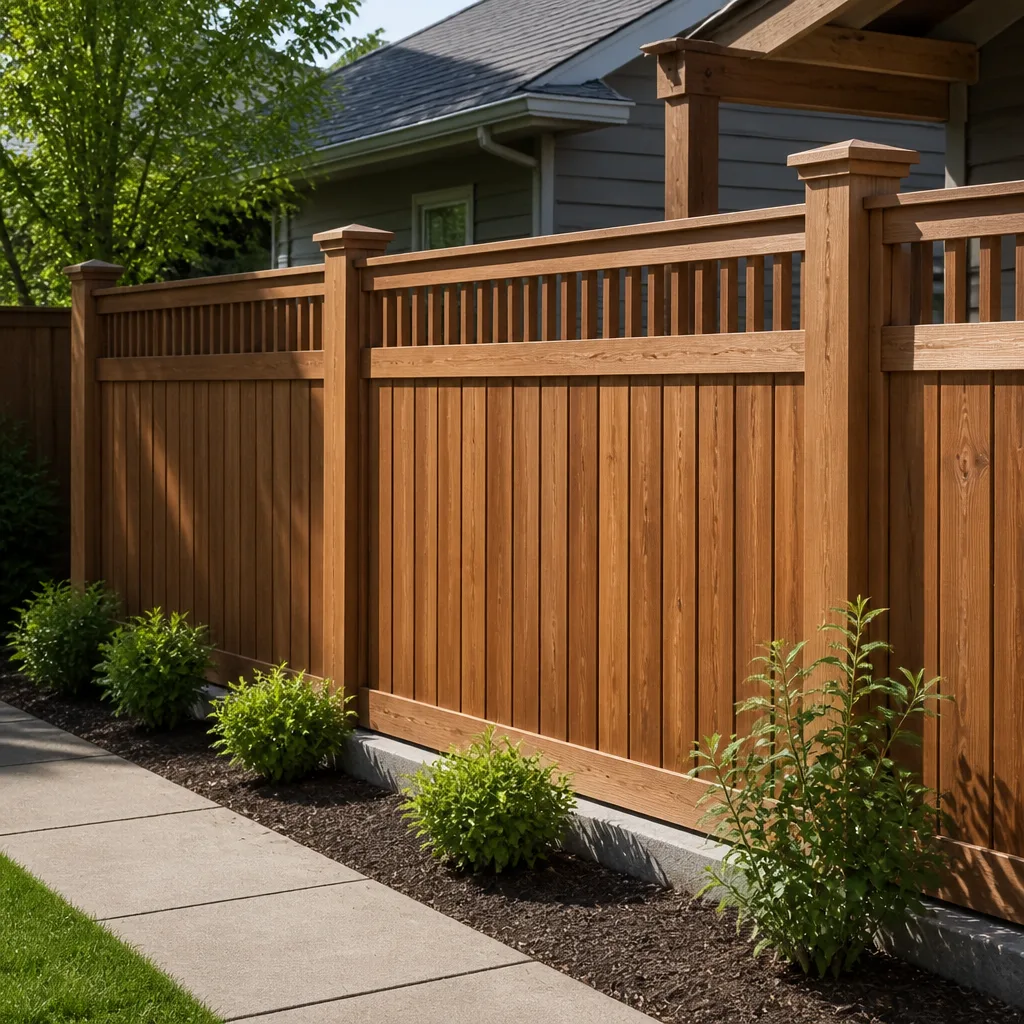 Fence
Free written scope consultation - allowances, timeline, and change-order rules on paper before a single trade is scheduled
Styles & brands we work with
- Kitchen remodeling
- Bathroom remodeling
- Home additions & ADU
- Roofing
- Windows & doors
- Driveway & pavers
- Fence
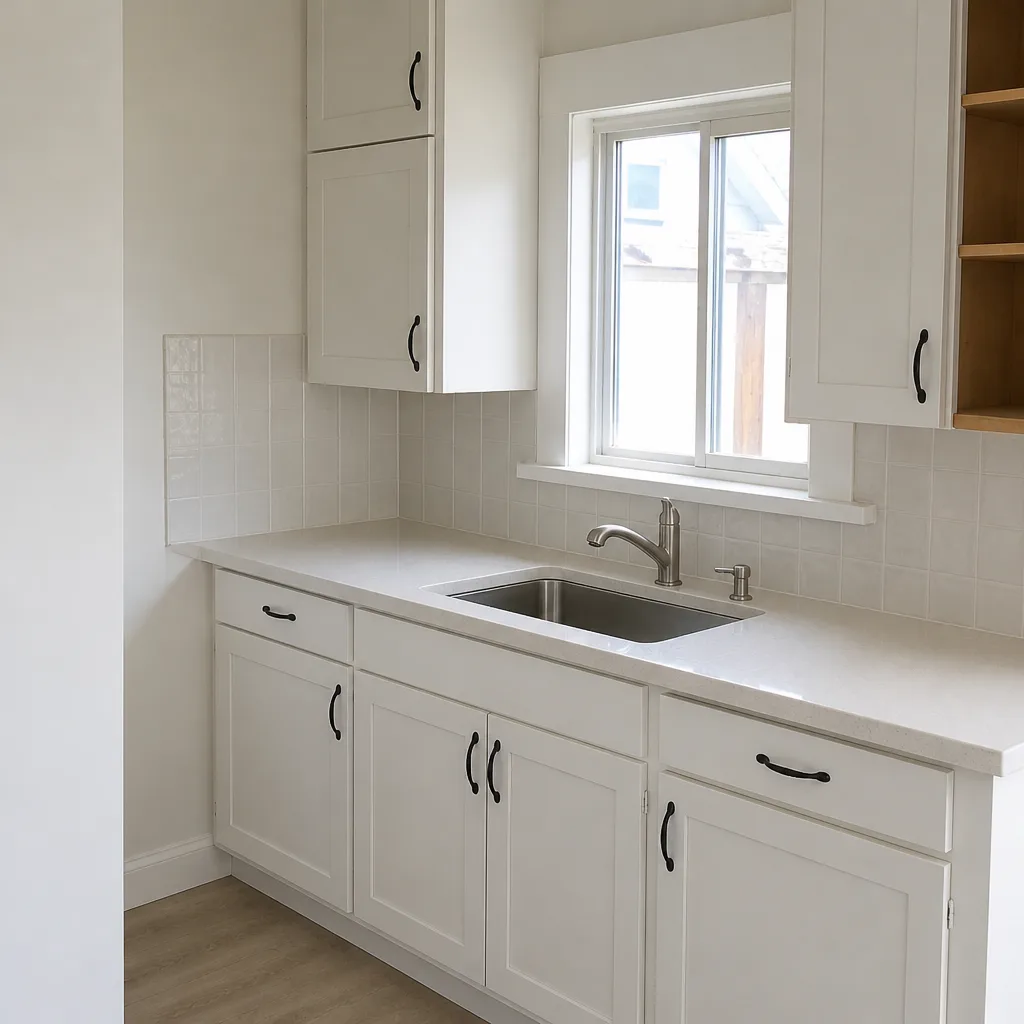
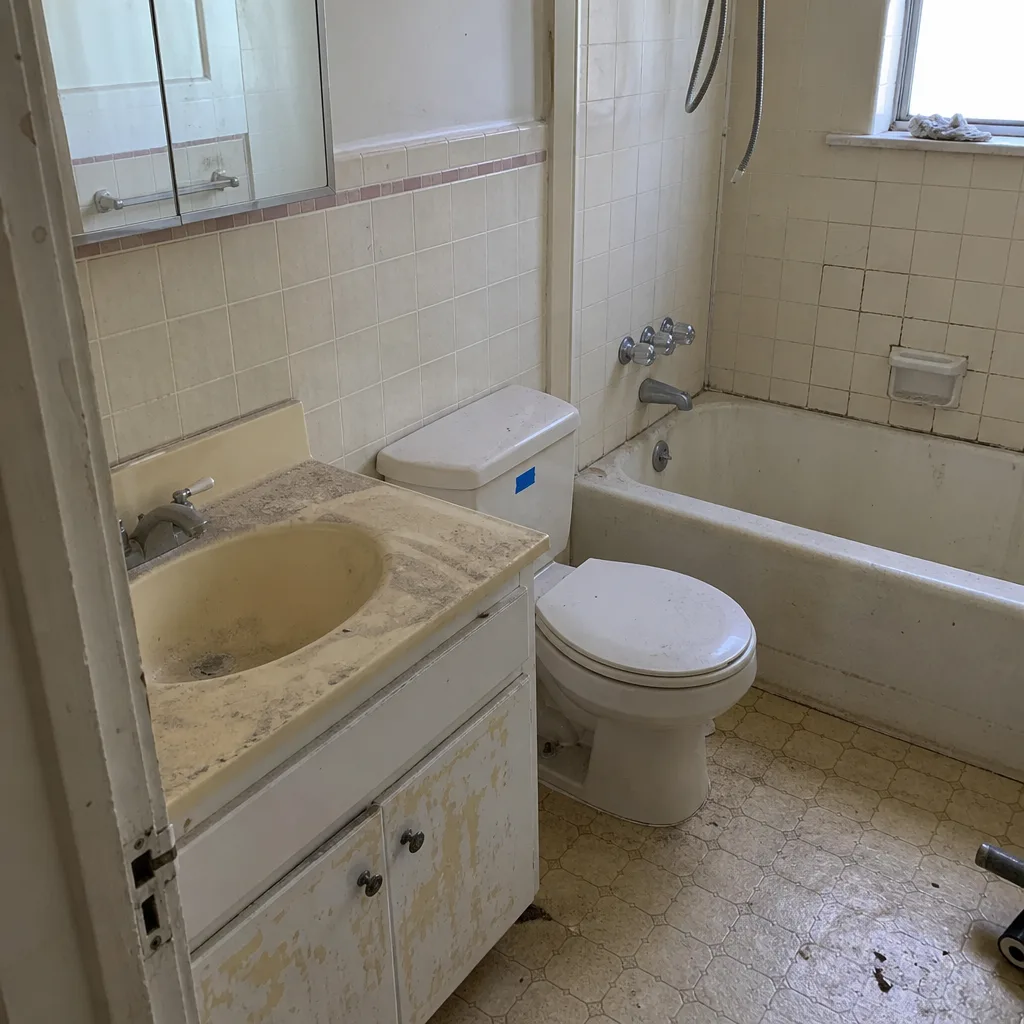
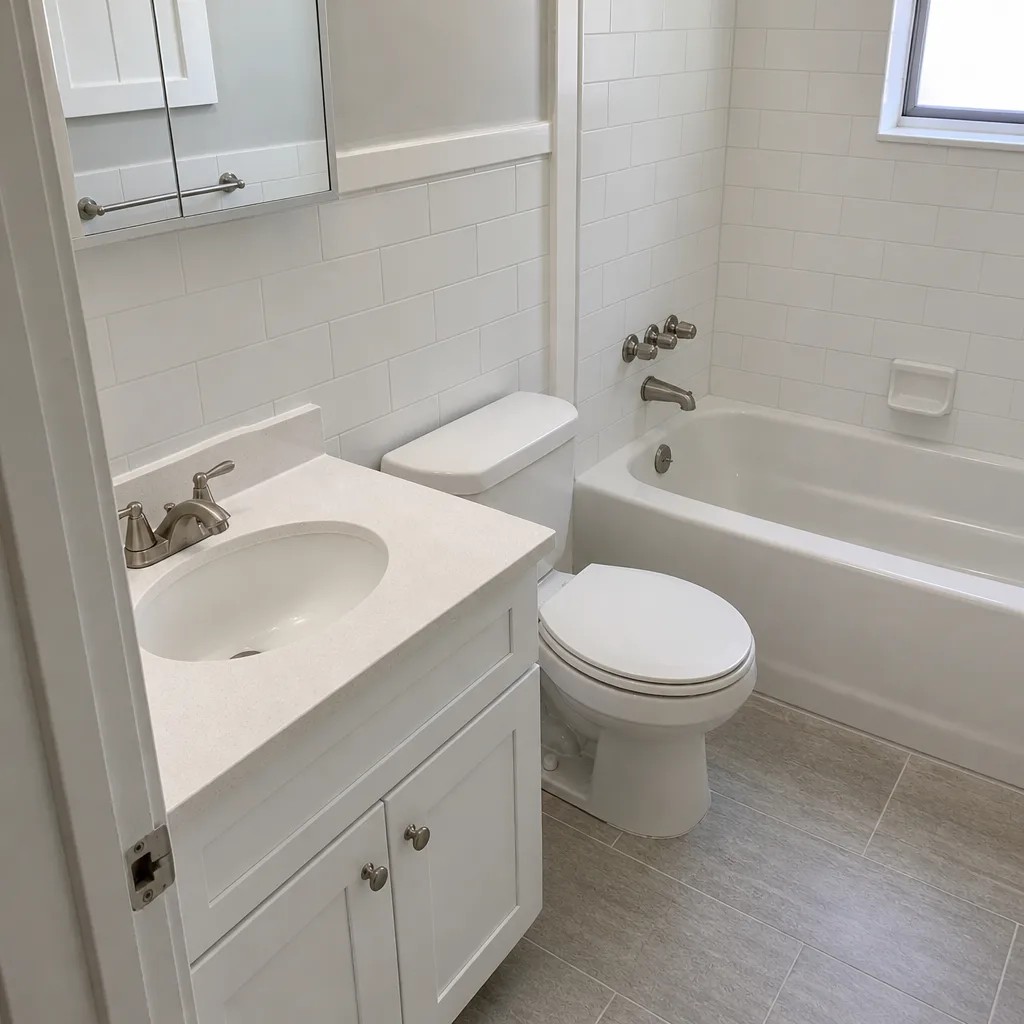
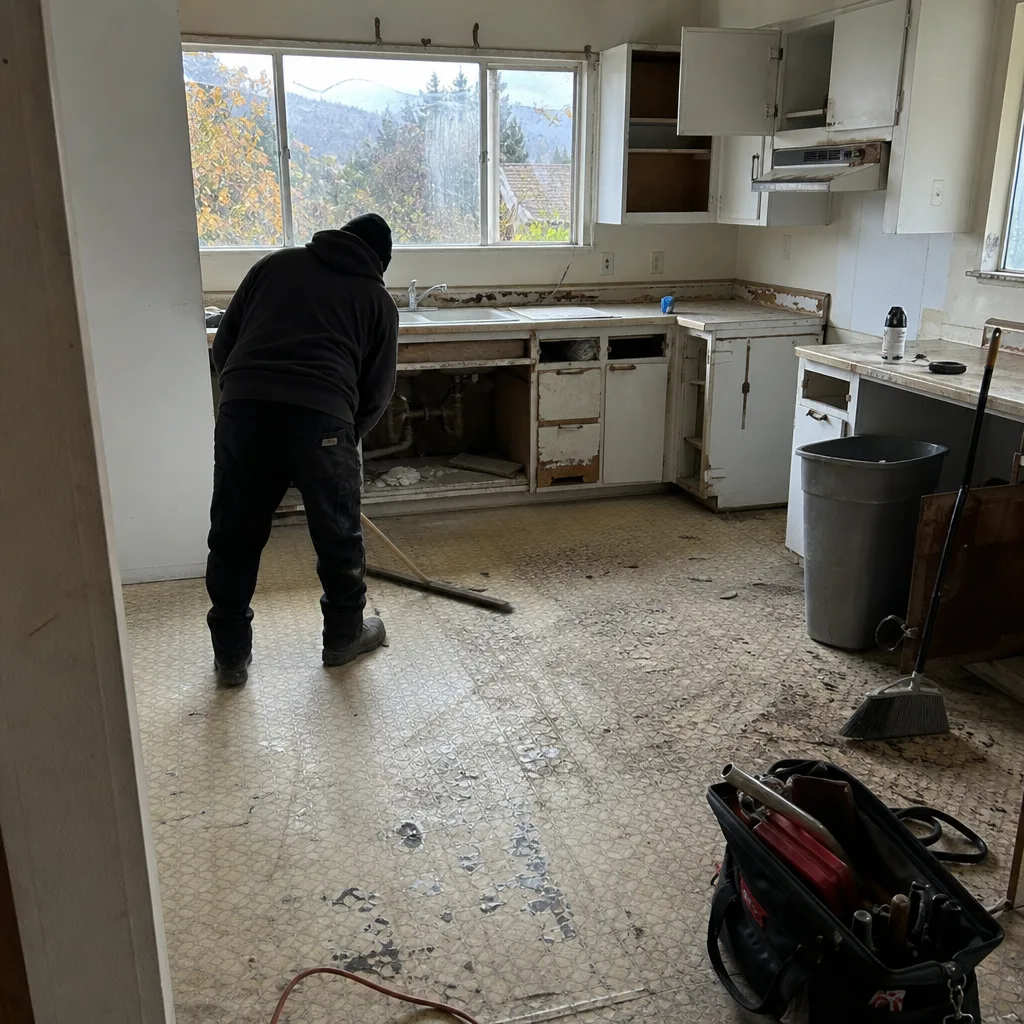
See the difference
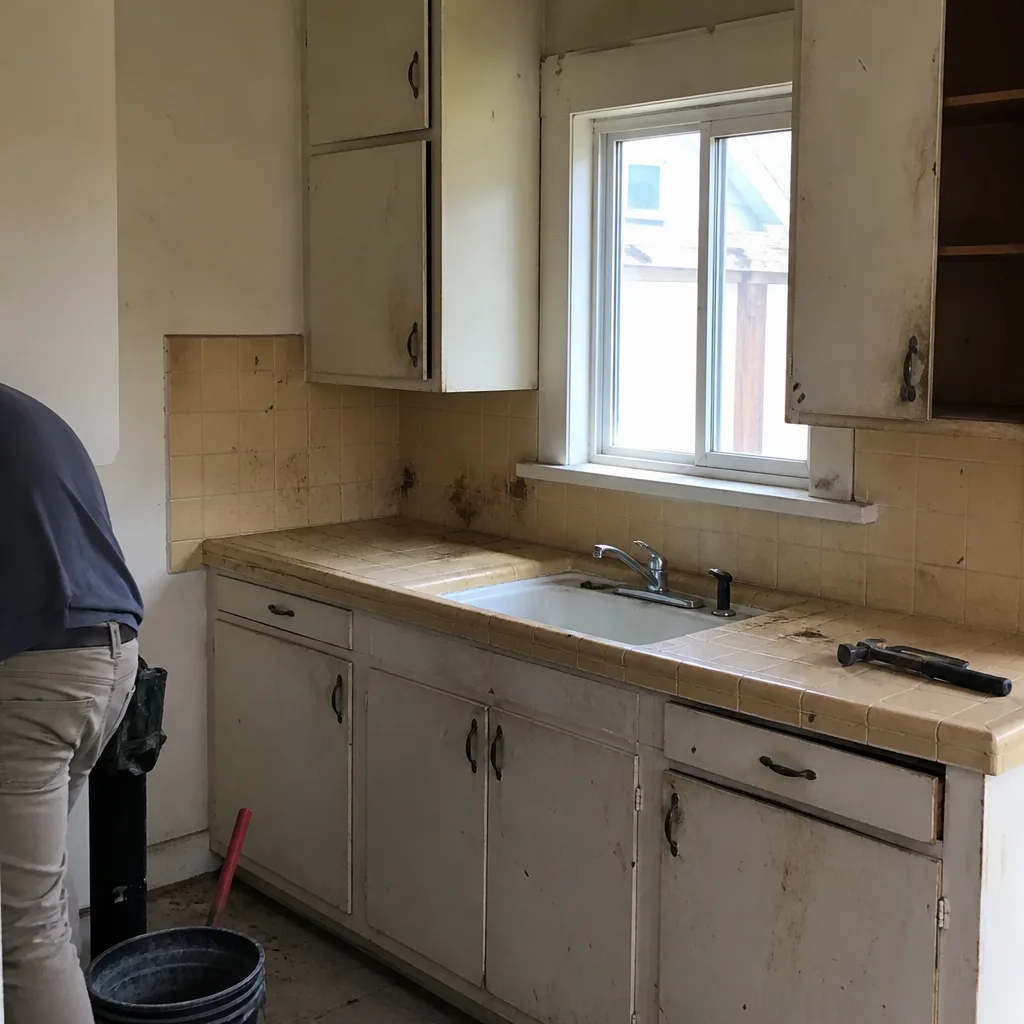 Before
 After
 Before
 After
 Before
 After
Choose acrylic if your Oakland bathroom has weak or no exhaust ventilation; choose tile if it has a real fan moving at least 110 CFM and you want the design range. In this city’s cool, damp air, that ventilation question matters more than the look of the finish. Most homeowners weighing acrylic vs tile shower options in Oakland are really deciding how much moisture management they want to own for the next fifteen years. Call (833) 997-7759 for a free assessment of what your bathroom can actually support.
Why Oakland Decides This Question Differently
Oakland’s coastal air sits at 70-80% relative humidity for months at a time. In a Craftsman bathroom with a 1950s exhaust fan moving 30 CFM, tile grout doesn’t just stain. It becomes a mold incubator. That’s the part of the conversation most tile showrooms skip, and it’s the reason the acrylic vs tile shower debate plays out so differently here than in, say, Sacramento or Fresno.
The housing stock makes it worse. Oakland is dominated by detached and semi-detached single-family homes and small multi-unit buildings put up between 1900 and 1940, and a lot of them have never had forced-air ventilation added. In Rockridge and Temescal bungalows, the bathroom is often an interior room with one small window and a fan that was undersized the day it went in. Moisture has nowhere to go, so it settles into grout lines, substrate, and the wall cavity behind the surround.
In our work around Oakland, we’ve pulled shower surrounds where the drywall behind the tile had turned to crumble within a couple of seasons. The tile looked fine on the surface. The wall behind it didn’t.
The Grout-Line Calculus
A standard 36×60 tile shower carries roughly 150 linear feet of grout joints. Every one of those joints is a potential moisture path. Hairline cracks open with the normal movement of an older house, and once water gets behind the grout, it doesn’t announce itself. It works into the cement board, the framing, and eventually the subfloor.
In Oakland’s climate, unsealed or cracked grout in a shower surround is the leading cause of the dry-rot we find in bathroom subfloors and wall cavities of pre-1940 homes. The absence of hard freezes lets that rot and pest damage progress quietly through the cool, damp coastal air, so a small leak becomes structural before anyone notices a soft spot underfoot.
- Acrylic: one-piece or panel systems cut the joint count to a handful of caulked seams. The moisture vector drops sharply.
- Tile: beautiful, flexible, long-lived, but the grout lines require annual sealing and honest inspection.
- The deciding factor: ventilation. Adequate exhaust turns tile into a low-risk choice. Poor exhaust turns it into a maintenance job you didn’t ask for.
What Code and Substrate Really Require
The National Electrical Code calls for a minimum 50 CFM exhaust fan in a bathroom. For Oakland’s humidity levels, we recommend 110 CFM or better, sized to the room and vented to the exterior (not into the attic, which is a common shortcut we correct). If your bathroom can’t get to that number, the acrylic case strengthens.
The substrate difference is where generic articles gloss over. Tile requires a waterproof cement board backer and a continuous membrane behind it, applied correctly, with the seams and corners detailed like the assembly is supposed to fail there someday. Acrylic panels bond directly to studs, no membrane needed because the panel itself is the waterproof layer.
But older Oakland homes throw a curveball: studs are often true 2×4 at non-standard spacing, out of plumb from a century of settling. An acrylic panel installation in that wall needs furring to create a plumb, even nailing surface, or the panels won’t sit flat and the seams will open. That furring step is the difference between an acrylic surround that lasts and one that fails at year three.
Cost Reality for Oakland Homeowners
A solid-surface or acrylic panel surround runs $1,800-$4,500 installed. A tile shower in the same footprint runs $4,500-$9,000+ depending on tile selection. That gap is real, and it matters when a bathroom remodel is already triggering permit and electrical costs.
A full Bathroom Remodeling in Oakland typically lands between $9,000 and $28,000, and the shower choice is one of the biggest levers inside that number. It also shapes what else gets opened up. Once walls are open in a pre-1970 Oakland home, the city’s building department can require engineering letters for even modest structural changes, and a bathroom that started as a simple shower swap can pull in seismic upgrade questions.
| Option | Installed Cost (Oakland) | Grout Line Footage | Best When |
|---|---|---|---|
| Acrylic / solid-surface surround | $1,800-$4,500 | Minimal (caulked seams) | Low ventilation, pre-1940 home, low-maintenance priority |
| Tile shower (standard) | $4,500-$9,000+ | ~150 linear feet | Adequate exhaust (110 CFM+), design flexibility priority |
| Full bathroom remodel | $9,000-$28,000 | Varies | Multiple systems being upgraded at once |
Common Local Scenarios
The Rockridge bungalow with the original fan. Interior bath, undersized exhaust, tile from a 1990s remodel. We usually recommend an acrylic surround plus a fan upgrade. The tile was never the problem; the airflow was.
The Temescal Victorian with true-dimension studs. Out-of-plumb walls that need furring before any panel goes up. Skipping that step is how acrylic seams fail early.
The West Oakland remodel where walls come open. A shower swap exposes knob-and-tube wiring or a soft subfloor. The scope grows, and the shower choice should be made with that in mind, not in isolation.
The hillside home with good ventilation and a design-forward owner. Here tile wins. A real 110 CFM fan, a properly detailed membrane, and the right tile give you a shower that lasts decades.
How Groundwork Handles Both Options
Groundwork Construction Co. of Oakland specifies acrylic systems from verified brand partners with manufacturer-backed waterproofing warranties, and every tile installation includes a written ventilation assessment before demo. We don’t pick the finish for you. We measure the fan, check the wall, and tell you which option your bathroom can actually support. Then we do the work under our 730-Day Done Right Promise: if it isn’t done right, we make it right. Our technicians have up to 12 years of experience, and all arrive background-checked and in uniform. Calls are answered by a live person 24/7, and you get upfront pricing with no surprises. Every Bathroom Remodeling project starts with a free estimate and design consult.
FAQs
Acrylic is usually better in Oakland bathrooms with weak exhaust, because it removes the grout lines that trap moisture in the damp coastal air. Tile is the better pick when the room has a properly sized fan (110 CFM or better) and the homeowner wants design flexibility. The deciding factor is ventilation, not the finish itself. Call (833) 997-7759 for a free assessment of your bathroom’s airflow.
A tile shower in Oakland typically runs $4,500-$9,000+ installed, while an acrylic or solid-surface surround runs $1,800-$4,500, so the gap commonly lands around $2,700-$4,500 before tile selection pushes it higher. That difference is worth weighing against the easier maintenance of acrylic. Call (833) 997-7759 for an exact quote, and estimates are free.
Yes, but it requires furring to create a plumb nailing surface first, because pre-1940 Oakland homes often have true 2×4 studs at non-standard spacing and walls that have settled out of plumb. Skipping the furring step is what causes panels to sit uneven and seams to open early. We assess the wall before ordering material. Call (833) 997-7759 to schedule that assessment.
Tile itself doesn’t grow mold, but grout lines in an inadequately ventilated bathroom can begin harboring it within about 18 months, which is why we check your fan before recommending tile. A properly vented room with sealed grout and a sound membrane keeps the risk low. Call (833) 997-7759 and we’ll tell you honestly whether tile makes sense for your bathroom.
If you would rather have it looked at, Groundwork Construction Co. of Oakland offers a no-pressure assessment in Oakland. We’ll check the fan, the wall, and the substrate, then give you a straight recommendation with upfront pricing. Call (833) 997-7759 for a free estimate.
Written by the team at Groundwork Construction Co. of Oakland, serving Oakland, CA.