
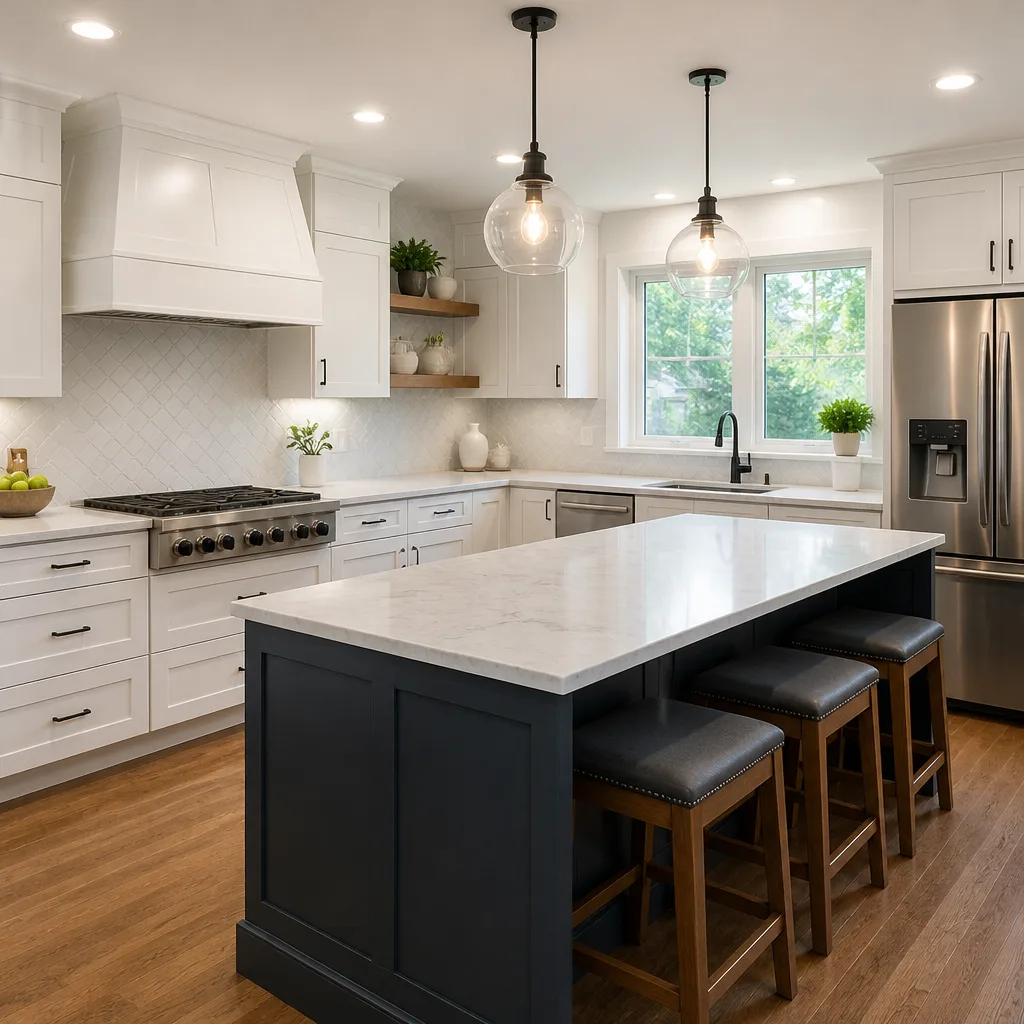
 Kitchen remodeling
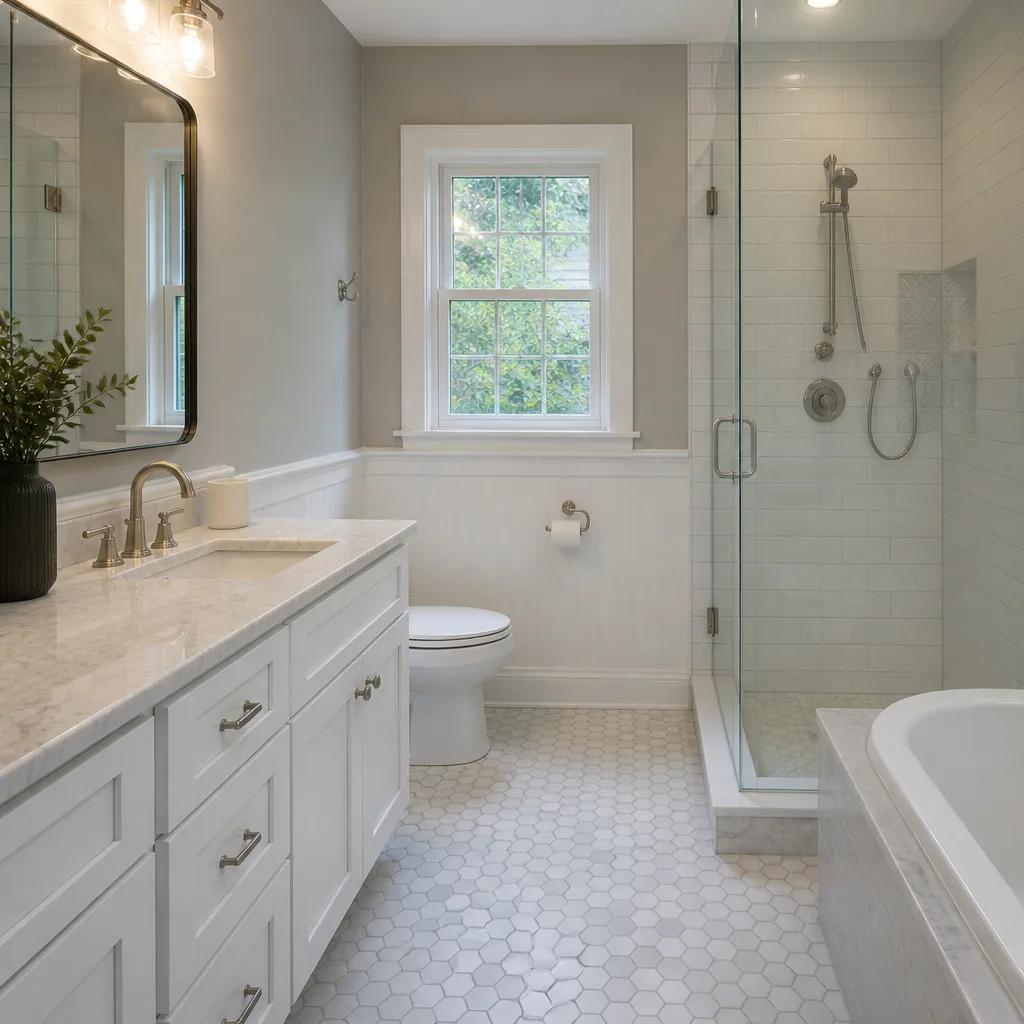 Bathroom remodeling
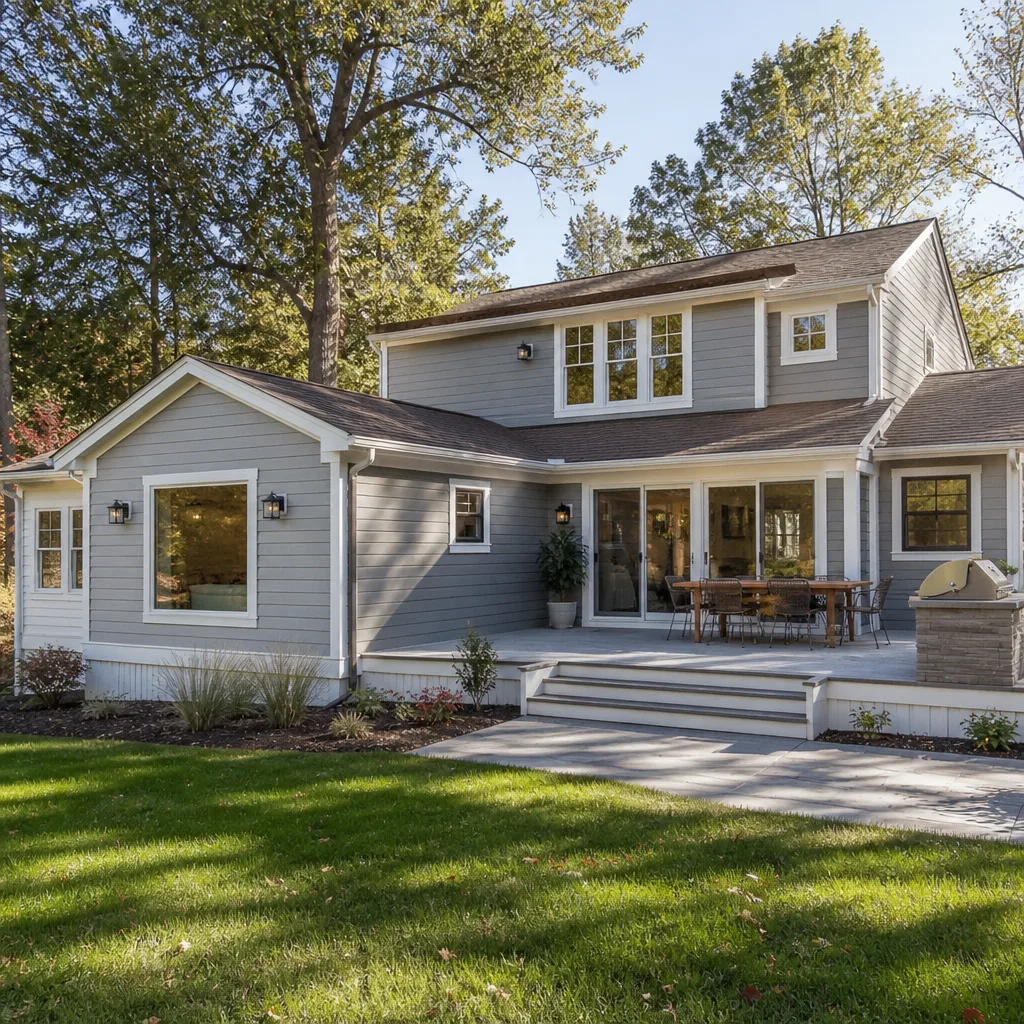 Home additions & ADU
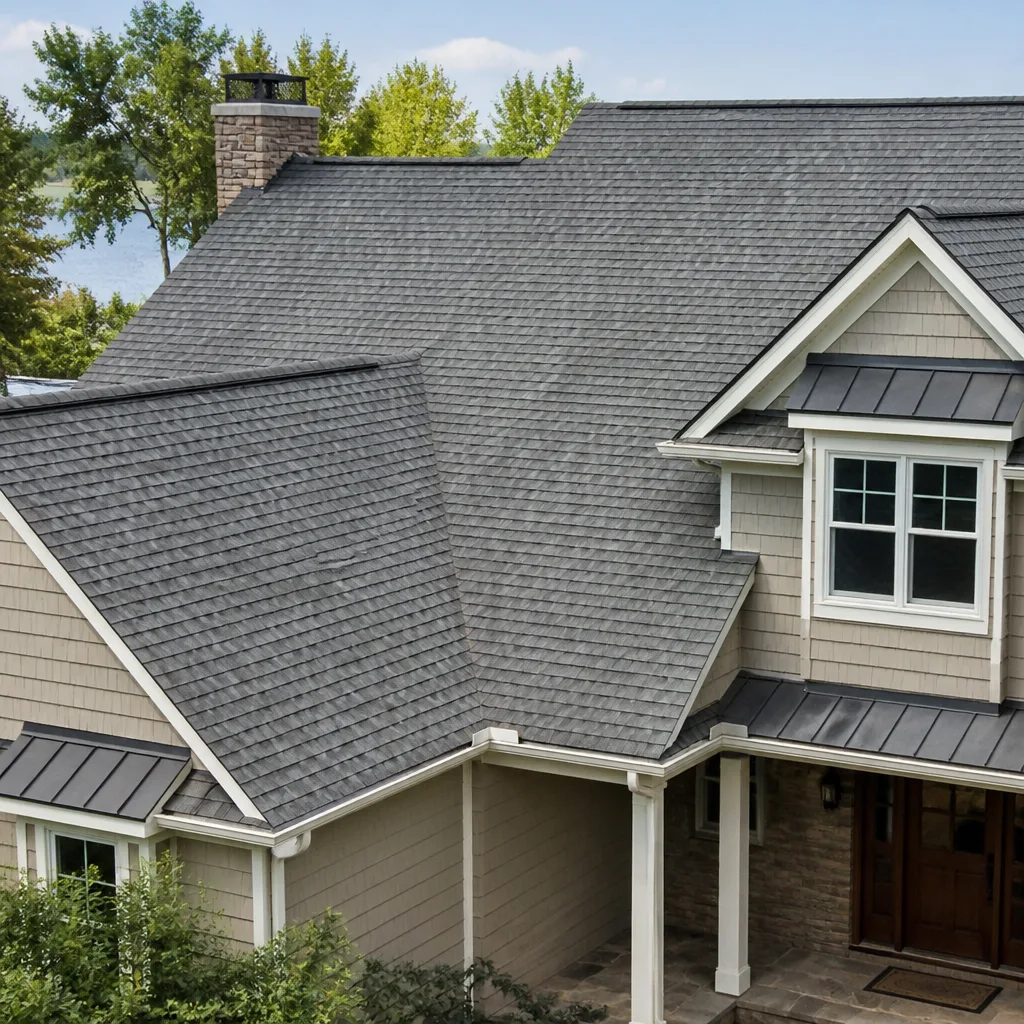 Roofing
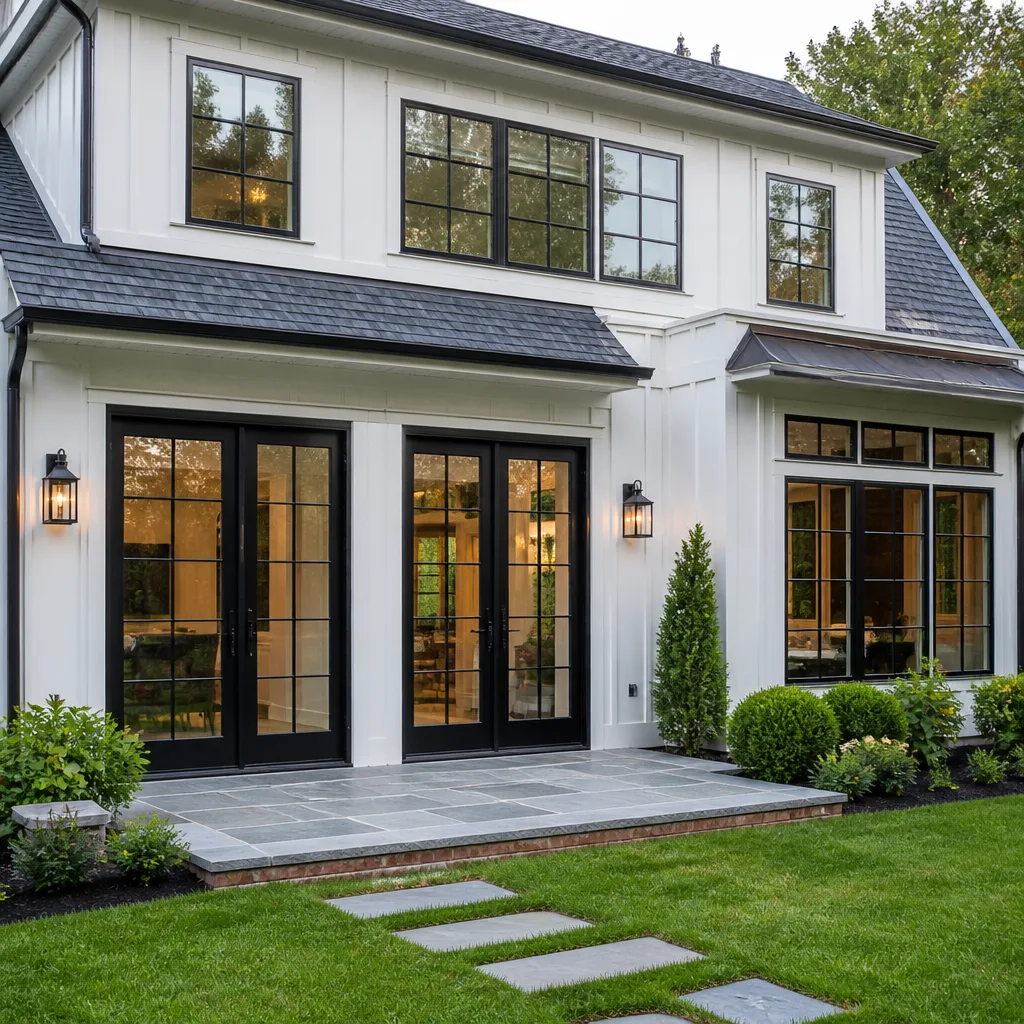 Windows & doors
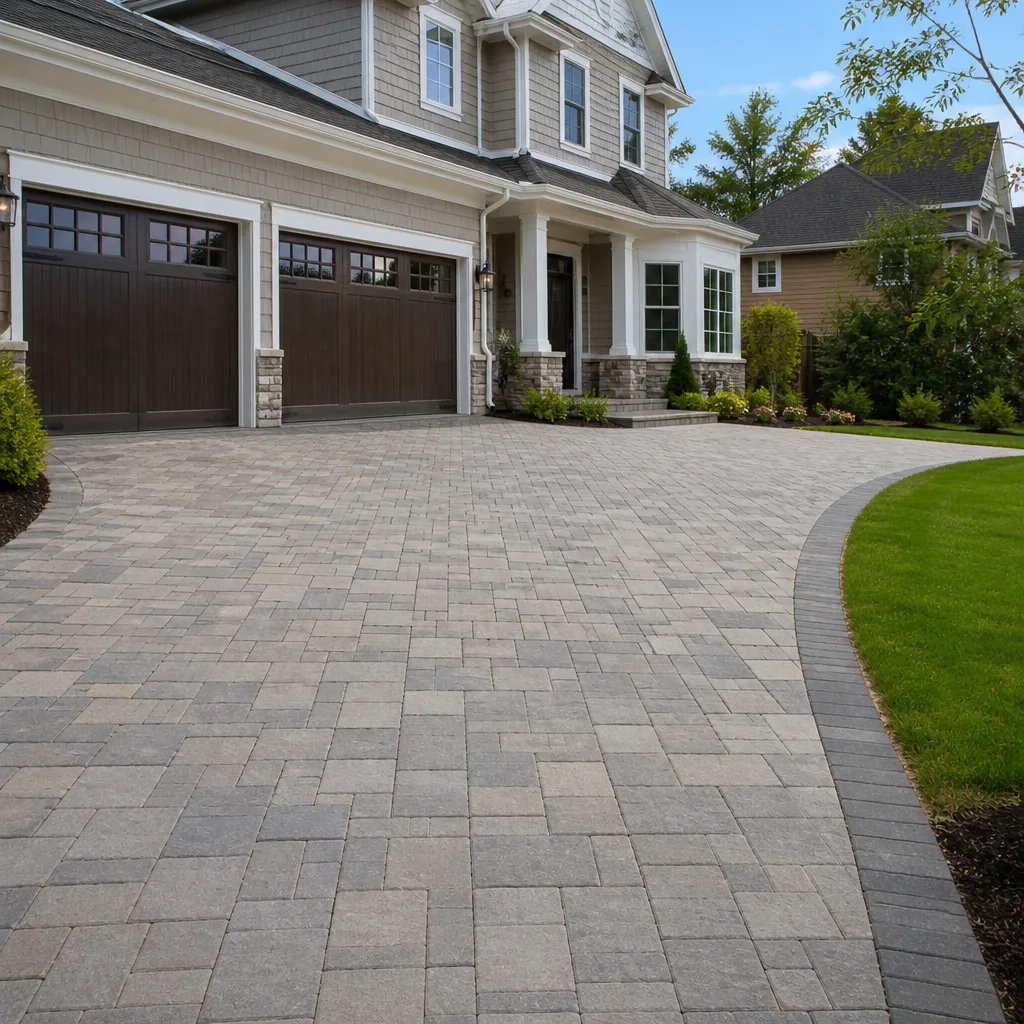 Driveway & pavers
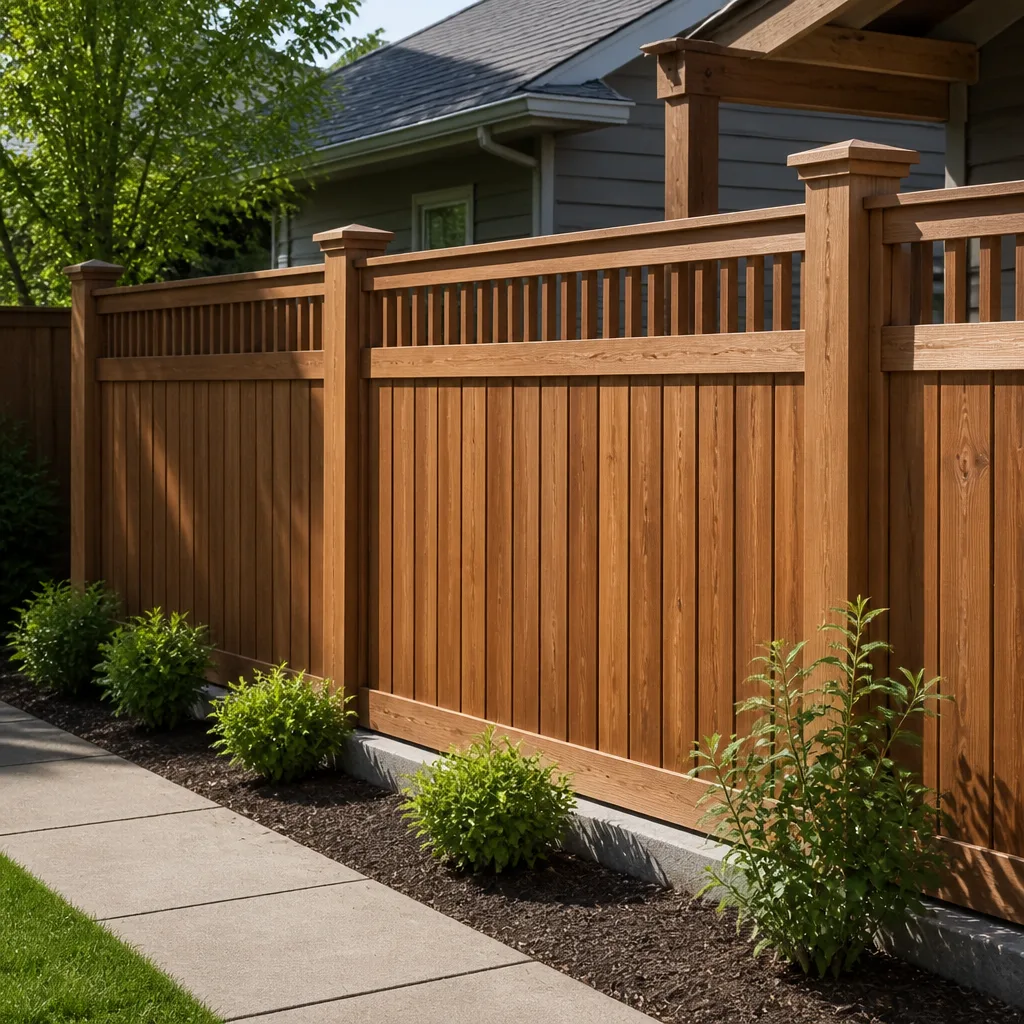 Fence
Free written scope consultation - allowances, timeline, and change-order rules on paper before a single trade is scheduled
Styles & brands we work with
- Kitchen remodeling
- Bathroom remodeling
- Home additions & ADU
- Roofing
- Windows & doors
- Driveway & pavers
- Fence
See the difference
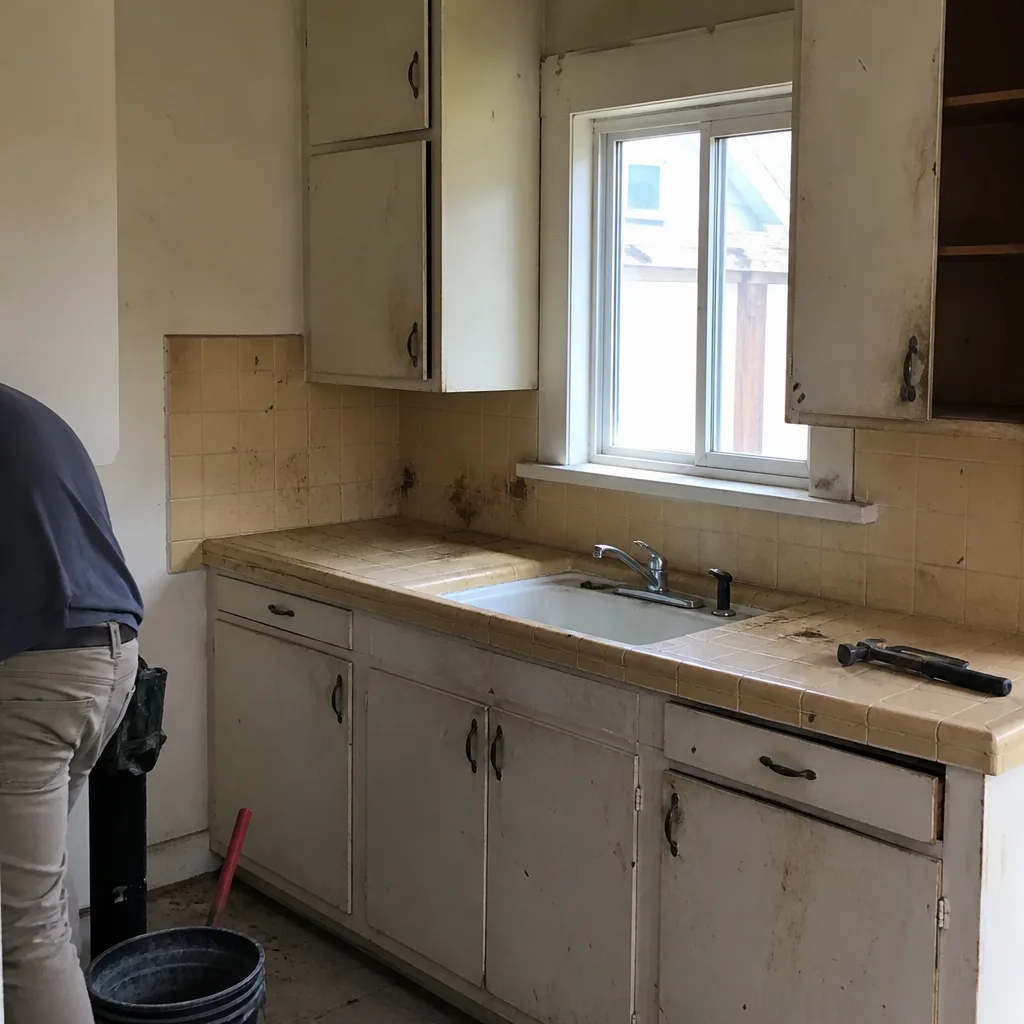 Before
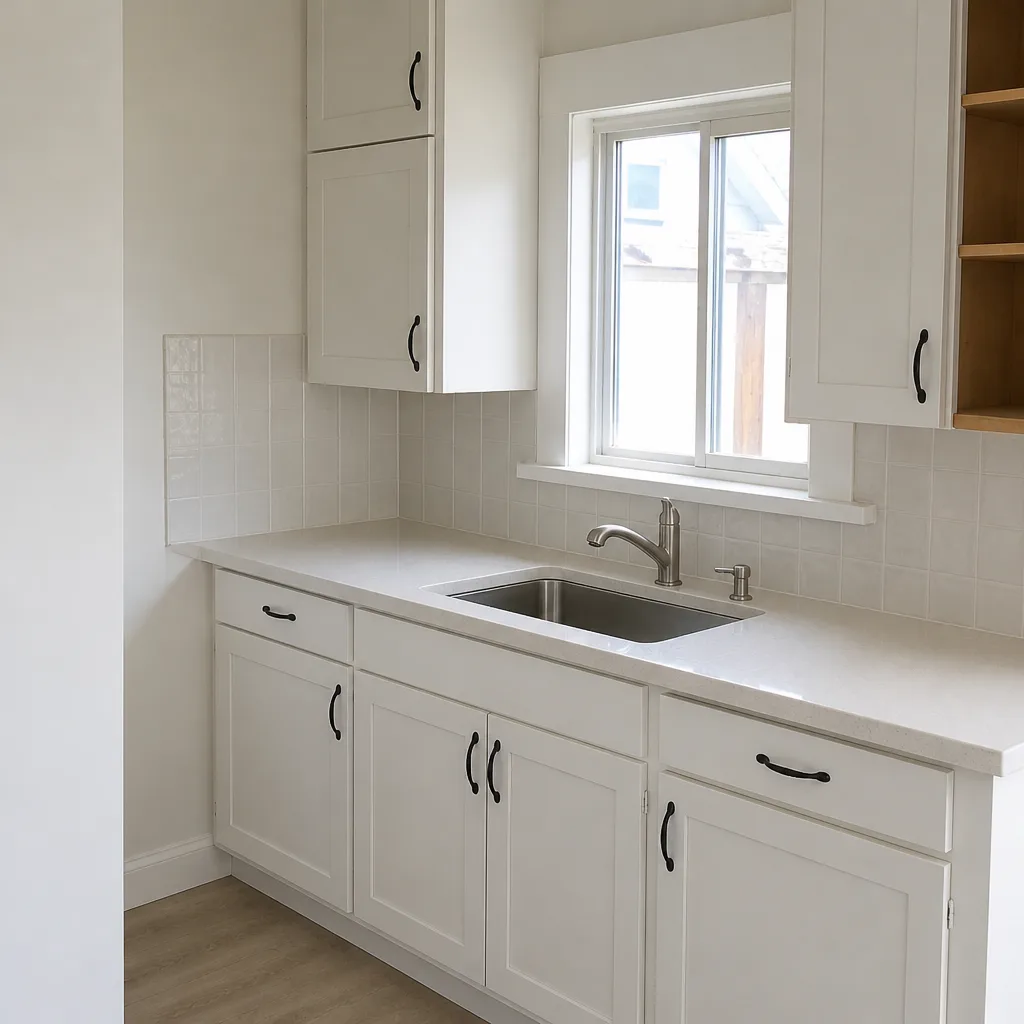 After
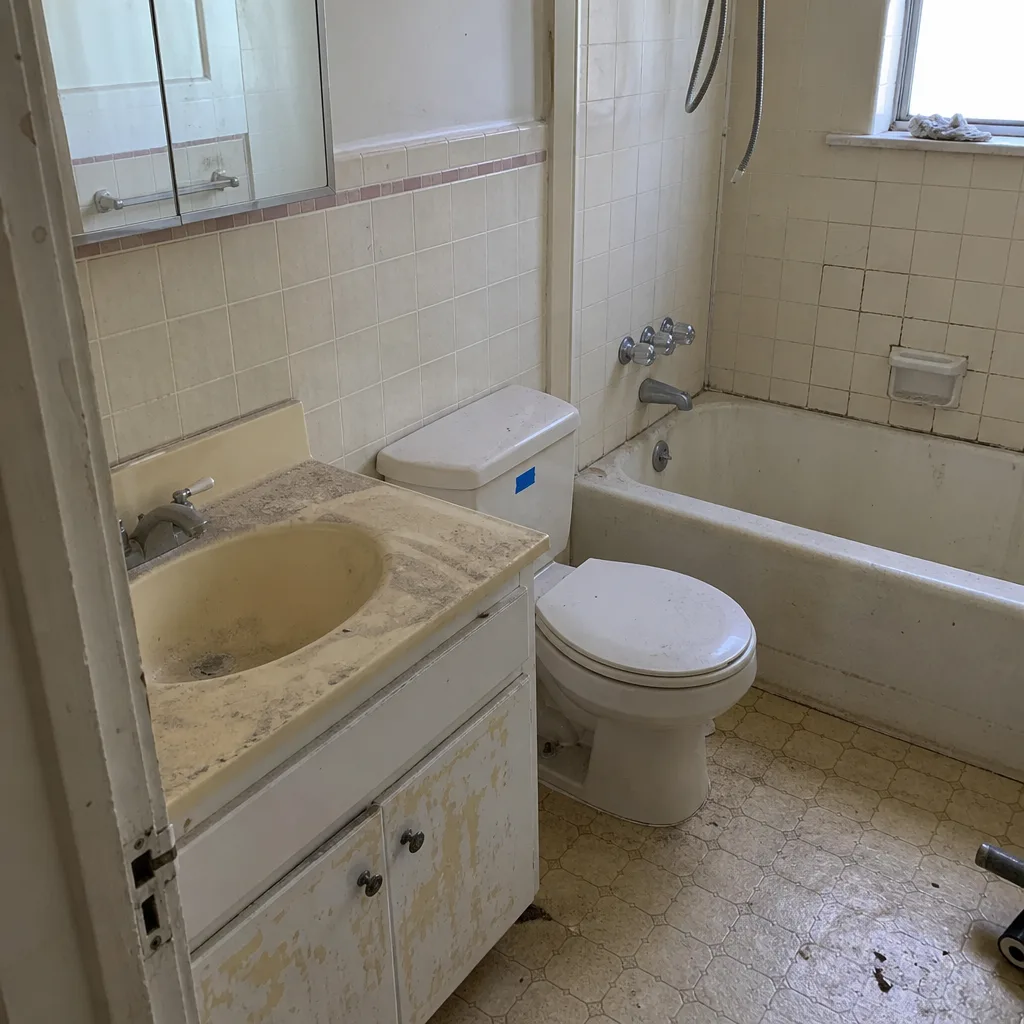 Before
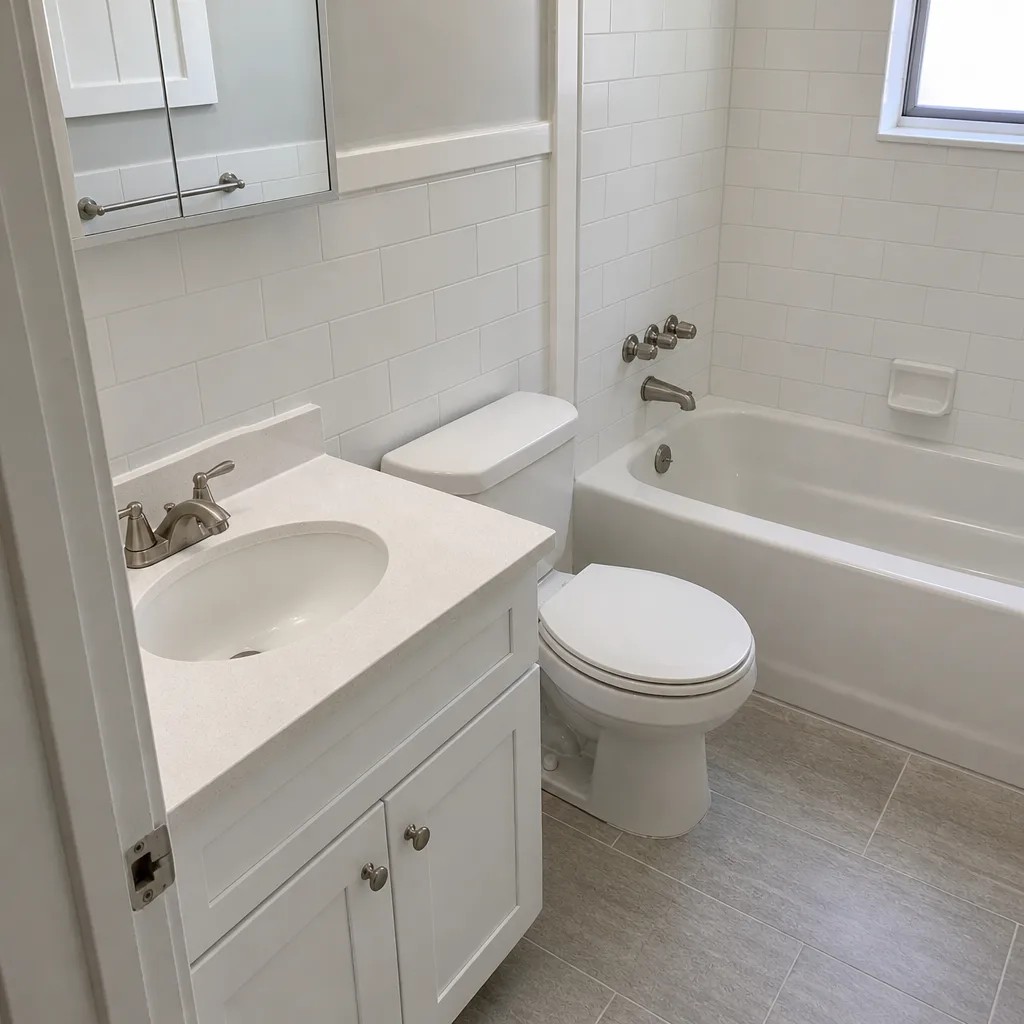 After
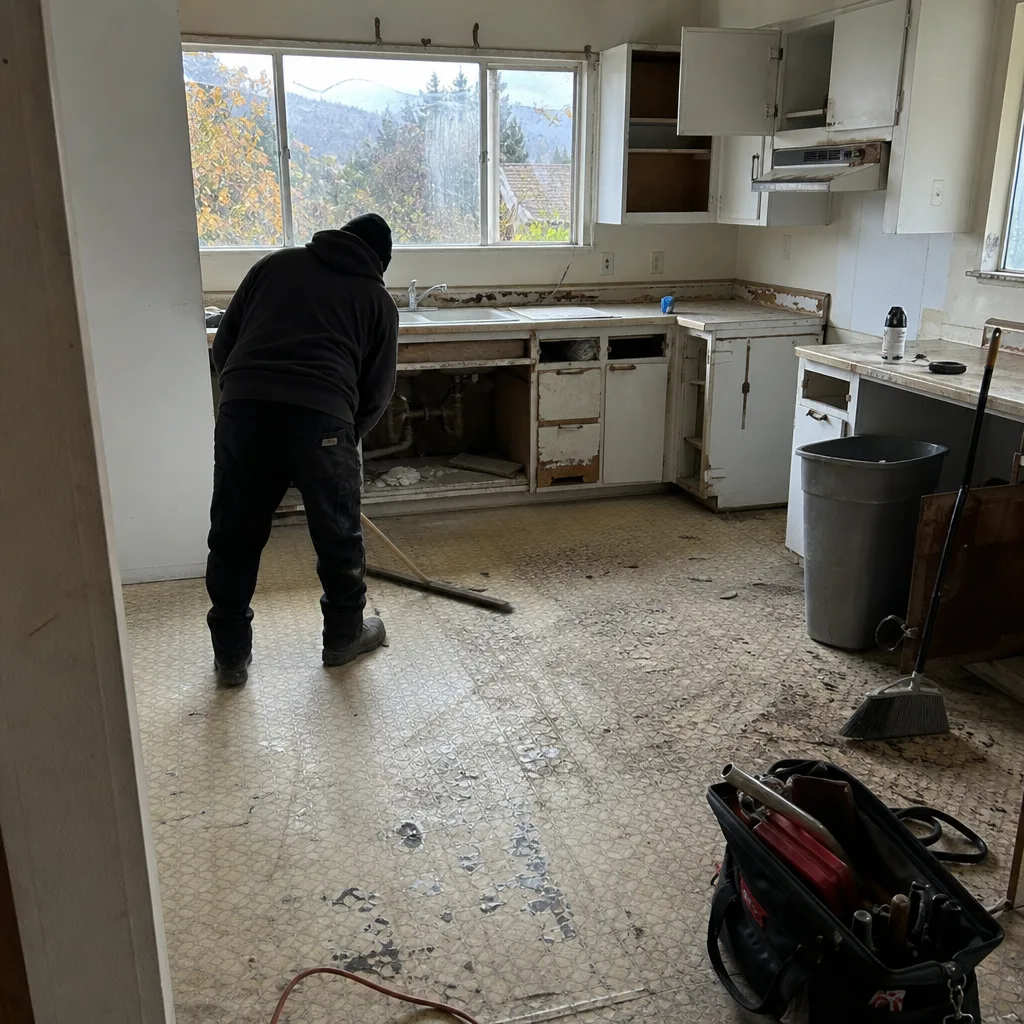 Before
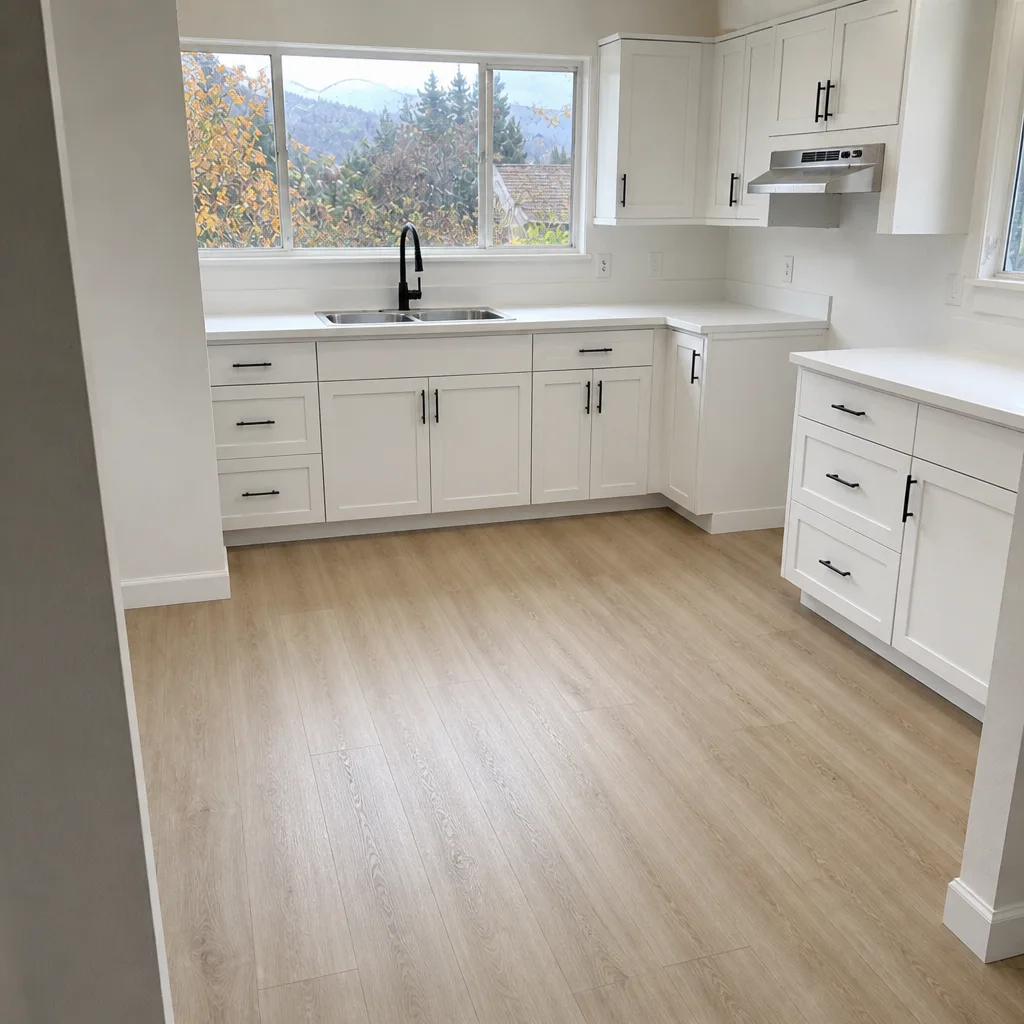 After
What Does an ADU Cost in Oakland? Real Numbers, Real Triggers
Most ADU projects in Oakland land between $45,000 and $130,000, with garage conversions at the low end and full detached new construction running $180,000-$280,000. The gap between the estimate and the final invoice almost always comes from the existing house, not the new unit. Call (833) 997-7759 and we’ll walk your property, price the realistic triggers up front, and put the number in writing before anyone picks up a hammer. Upfront pricing means the number you see is the number you pay.
Here’s the problem we see over and over in Oakland. The city’s ADU ordinance is one of the friendliest in California: no owner-occupancy requirement, and no impact fees on units under 750 square feet. That’s genuinely good news. But the housing stock fighting against it is old. In Rockridge, Temescal, and West Oakland, the main structure is often a 1915 Craftsman or a Victorian row house, and the moment an inspector looks at the existing panel, a $150,000 detached ADU can turn into a $200,000 project.
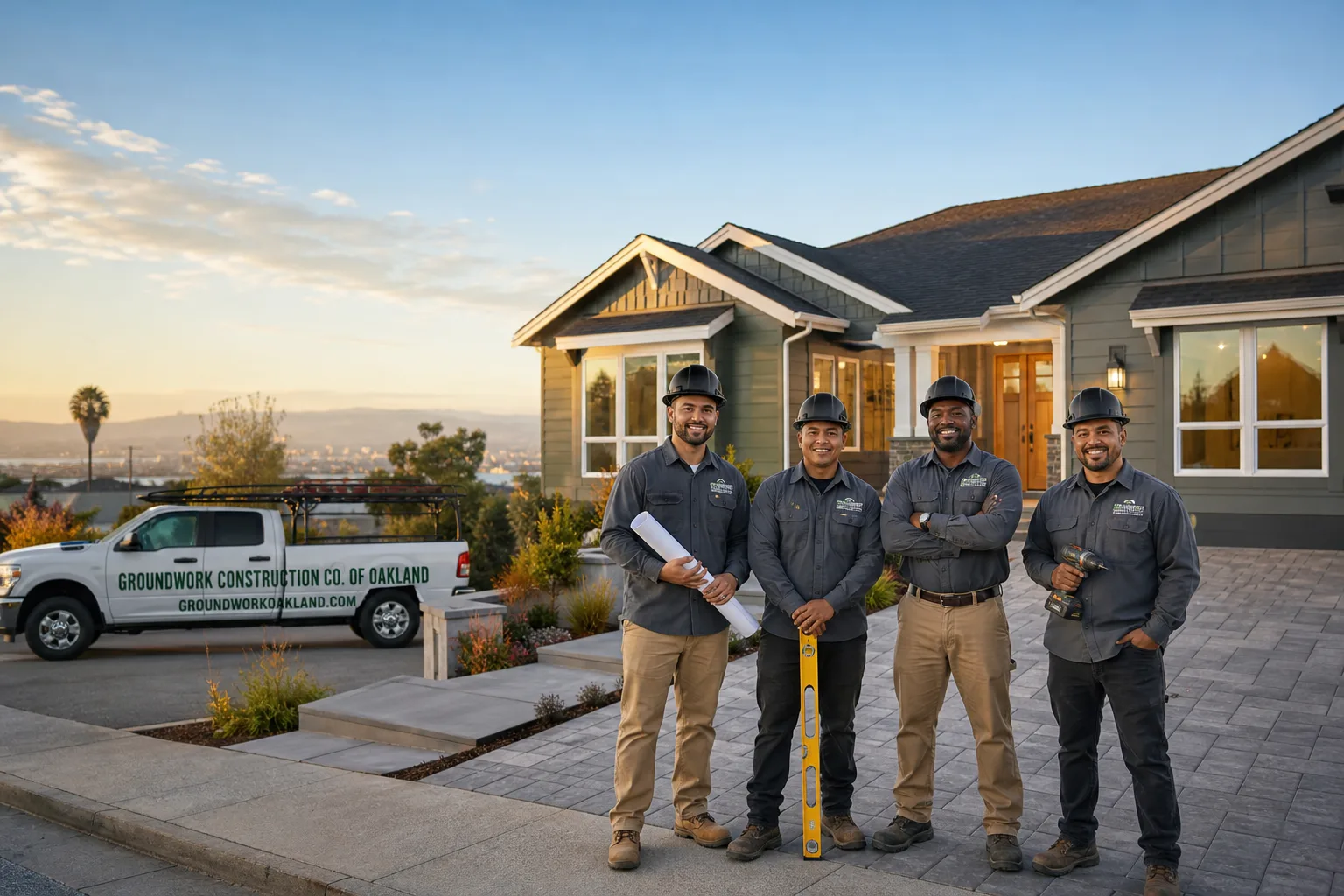
We’re Groundwork Construction Co. of Oakland. We build ADUs from foundation to finish line, and we price the surprises most cost guides never mention. Our technicians bring up to 12 years of experience, and every project is covered by our 730-Day Done Right Promise. Calls are answered by a live person, 24/7.
The three ADU cost tiers in Oakland
Every Oakland ADU falls into one of three buckets. Which one you’re in drives the budget more than any finish choice.
| ADU type | Typical cost in Oakland | What pushes it to the high end |
|---|---|---|
| Garage conversion | $80,000-$130,000 | Soft-story conditions, slab drainage, new electrical service |
| Detached new construction | $180,000-$280,000 | Site access, foundation depth, utility trenching, tree removal |
| Junior ADU (JADU) inside the house | $40,000-$80,000 | Converting existing space to code, separate entrance, egress |
Garage conversion ($80K-$130K). The cheapest path to rentable square footage, and the one most likely to hit a wall. Those old garages sit on shallow slabs, often with no vapor barrier, and the ceiling height is frequently just shy of what you need for a legal habitable space. If the garage shares a wall with a soft-story multi-unit building, seismic work on the primary structure can land on your budget too.
Detached new construction ($180K-$280K). The high end is almost always a site problem: a steep lot, a tricky sewer run to the main, or a mature oak the arborist won’t let you touch. We price the site conditions before the finishes, because that’s where the money actually goes.
Junior ADU ($40K-$80K). A JADU lives inside your existing footprint, so you’re not paying for a foundation. You’re paying to bring an existing room up to code: an egress window, a kitchenette, a proper door. In pre-1940 homes, that “existing room” sometimes needs new wiring before the city will sign off.
Oakland’s fee advantage most cost articles miss
Oakland waives development impact fees for ADUs under 750 square feet, which saves most homeowners $10,000-$30,000 compared to a standard addition of the same size. That’s real money, and it’s why we steer clients toward a 749-square-foot plan whenever the lot allows it.
It’s a flat, predictable fee structure for a small unit. On a rental ADU, that saved fee money effectively becomes your first year or two of return on investment. We’ve seen clients use that savings to upgrade the unit’s spec without touching the total budget.
The key is sizing the plan correctly from the start. A plan that comes in at 780 square feet loses the entire fee advantage. That’s the kind of thing we check before a single permit is filed.
The knob-and-tube problem: the $15K-$25K line item nobody budgets
Oakland’s building department routinely requires a full electrical panel upgrade and wiring remediation on the primary dwelling before it will issue an ADU permit. On pre-1940 homes with knob-and-tube wiring, that’s $15,000-$25,000 that no statewide ADU cost calculator includes.
This is where the surprise lives. The main house’s panel is often a 60-amp service from the 1950s with no capacity for a new 100-amp subpanel feeding the ADU. The inspector sees the old wiring, flags it, and the work gets added to the permit. That cost lands on you, not the ADU contractor, which is why a bid that only prices the new structure is incomplete.
We flag the electrical reality during the walkthrough. Our technicians have seen enough Oakland homes to know what to look for, and we’d rather tell you $25,000 now than after the drywall is up. The 730-Day Done Right Promise covers the workmanship on what we do; the upfront pricing is what keeps you from discovering the rest later.
Sewer lateral compliance: the final-approval hurdle
Oakland’s mandatory sewer lateral compliance program (SSLIP) requires a passed inspection before an ADU gets final approval. In West Oakland, older clay laterals frequently fail, and a full replacement runs $8,000-$20,000.
Think of it as a closing cost for the project. The new unit adds load to a lateral that was sized for a single family, and the city won’t sign off until it can handle the change. Clay tile laterals from the 1920s crack and root-intrude, and a camera inspection tells you fast whether you’re looking at a patch or a replacement.
We scope the lateral early, before the build, so it’s in the budget rather than the punch list. One coordinated contractor from foundation to finish line means the plumbing, electrical, and structure all get priced by the same team.
Common Oakland scenarios we price
Real projects, real numbers. These come up often enough that we can talk about them plainly.
- Temescal bungalow, detached ADU: 1922 Craftsman with a sound panel and a vacant back lot. A clean detached build lands near $195,000 with no surprises, because the electrical and lateral both pass.
- West Oakland Victorian, garage conversion: The garage sits on a soft-story frame with a failing clay lateral. Between the seismic work and the lateral replacement, the project lands near the top of the $80K-$130K band.
- Rockridge JADU: Converting an underused den inside a well-maintained 1930s home, so only egress and a kitchenette are needed. This one sits near $55,000.
- Hills lot, detached unit: A sloped yard with a long sewer run. The foundation and trenching are what push a $180,000 build toward $250,000.
For the full scope of what we build, see our Home Additions & ADU page. And if your walls are opening on the main structure anyway, it’s worth reading our guide to Home Additions & ADU in Oakland, where we cover the seismic triggers we find in pre-1970 homes.
Why ADU investors need a written guarantee
An ADU is a revenue-generating asset. A warranty gap on a rental unit means lost rent, and lost rent on a $200,000 build is a real number every month the unit sits empty. That’s why we back every project with the 730-Day Done Right Promise: if it’s not done right, we make it right, for two full years.
We also stand behind the materials. Our curated list of brand partners includes Owens Corning and Atlas roofing on the ADU structure, so you’re choosing quality, not whatever’s on the shelf. Background-checked, uniformed technicians show up on every job. And with 0% financing for 18 months plus $1,000 off projects over $10,000, the financing math on a rental unit becomes manageable from month one.
Start from our home page to see all seven service lines, or read up on our kitchen remodeling in Oakland and bathroom remodeling in Oakland work if you plan to renovate the main house alongside the ADU. Both are common in Oakland, and both get the same written guarantee.
FAQs
An ADU in Oakland typically costs $45,000-$130,000 for a garage conversion or junior unit, and $180,000-$280,000 for a detached new build. The low end assumes the existing electrical and sewer lateral pass inspection; the high end reflects the remediation work old Oakland homes often need. Call (833) 997-7759 for an exact quote. Estimates are free.
Garage conversion is almost always cheaper, running $80,000-$130,000 versus $180,000-$280,000 for detached new construction. But the garage path only stays cheap if the slab, ceiling height, and electrical service cooperate. A soft-story condition on a shared-wall building can erase most of the savings. We check those conditions before recommending a path.
The biggest hidden costs are a full electrical panel upgrade and wiring remediation on the primary house ($15,000-$25,000), plus a sewer lateral replacement if the clay pipe fails Oakland’s SSLIP inspection ($8,000-$20,000). Neither appears on a statewide calculator, and both can be flagged only after the permit is pulled. We scope them during the walkthrough and put them in writing.
Often yes. A 60-amp service from the 1950s usually can’t carry a new subpanel for a code-compliant unit, and Oakland’s building department frequently requires the upgrade before issuing the permit. On a home still running knob-and-tube wiring, that work is non-negotiable. Call (833) 997-7759 and we’ll tell you what your panel can realistically handle.
If you’re planning an ADU in Oakland and want a real number instead of a range, call (833) 997-7759 for a free project estimate and design consult. We’ll walk the site, price the electrical and lateral triggers, and put the whole thing in writing under our 730-Day Done Right Promise. Upfront pricing, no surprises.
Written by the team at Groundwork Construction Co. of Oakland, serving Oakland, CA.
What Our Customers Say
"We lived in the house through the whole thing. He kept the dust wall up, cleaned every Friday, and made sure we always had a working bathroom."
- Craig Whitaker"He pulled the permits himself, scheduled every sub and ran the inspections. I made one decision a week and otherwise stayed out of it, which is exactly what I was paying for."
- Robert Sullivan"He told me one part of what I wanted was a bad idea structurally and offered an alternative instead of just taking the money."
- Angela Wong