
Last updated November 17, 2026
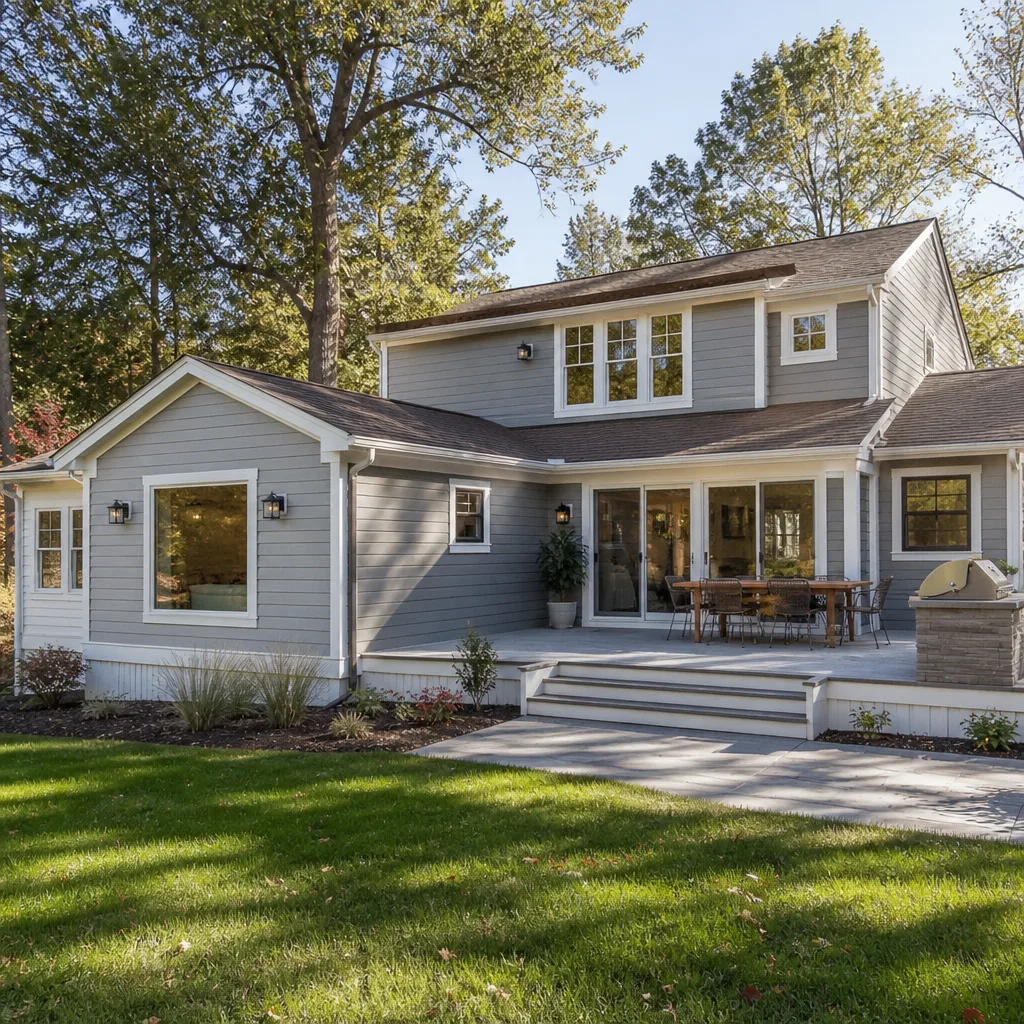 Home additions & ADU
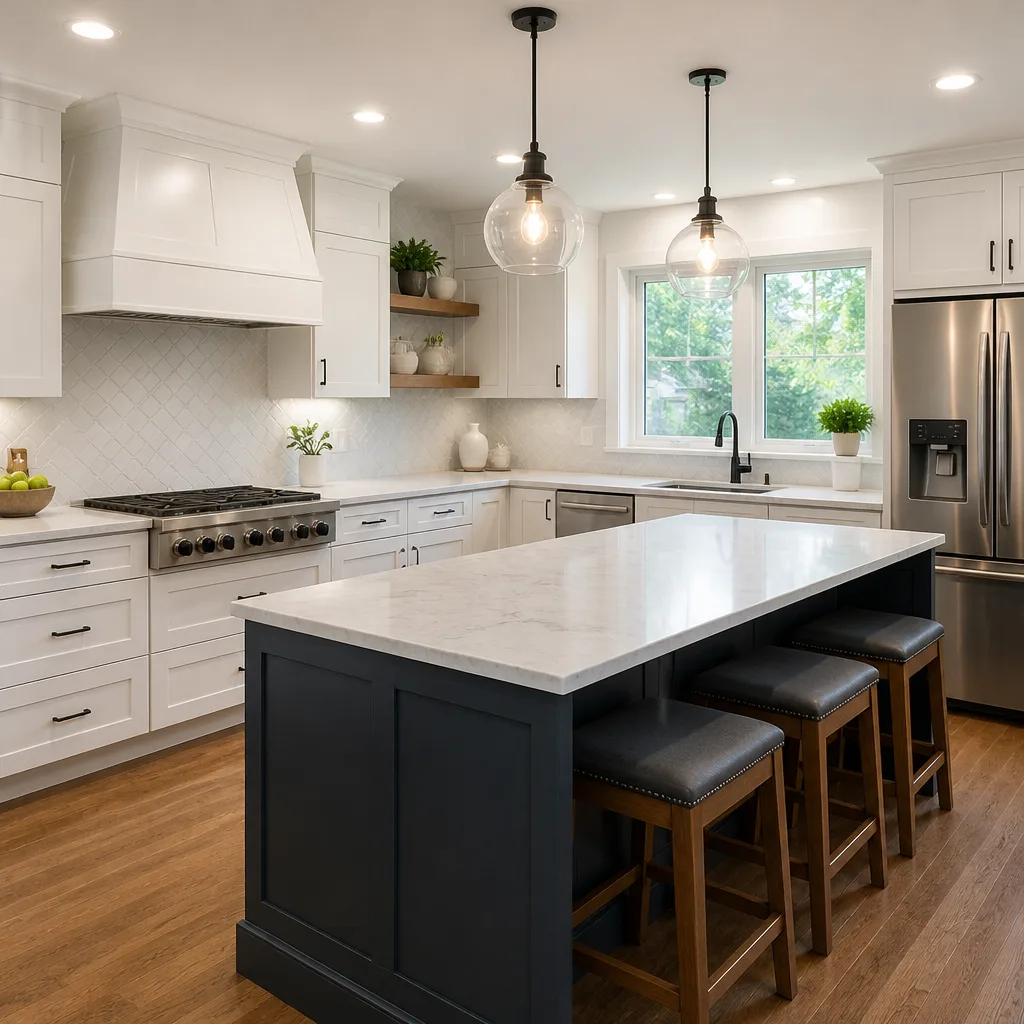 Kitchen remodeling
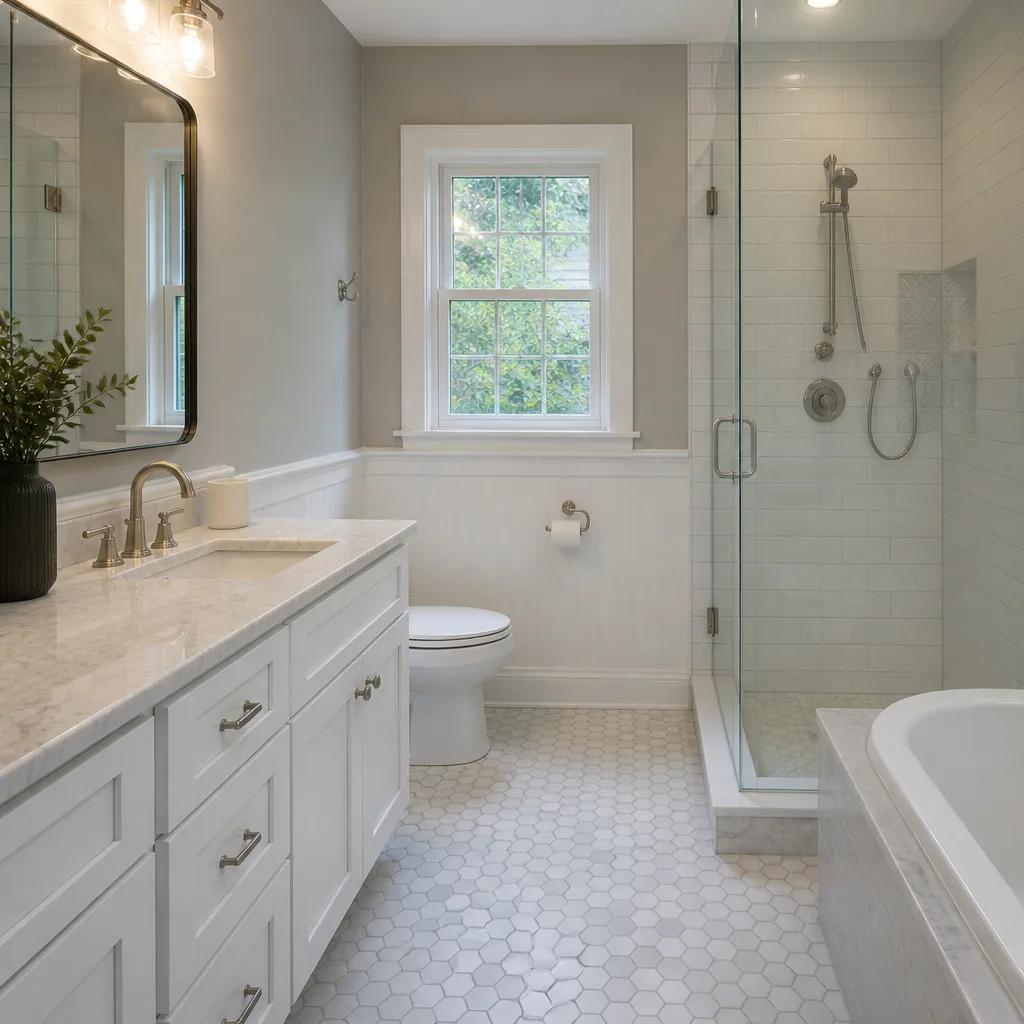 Bathroom remodeling
 Roofing
 Windows & doors
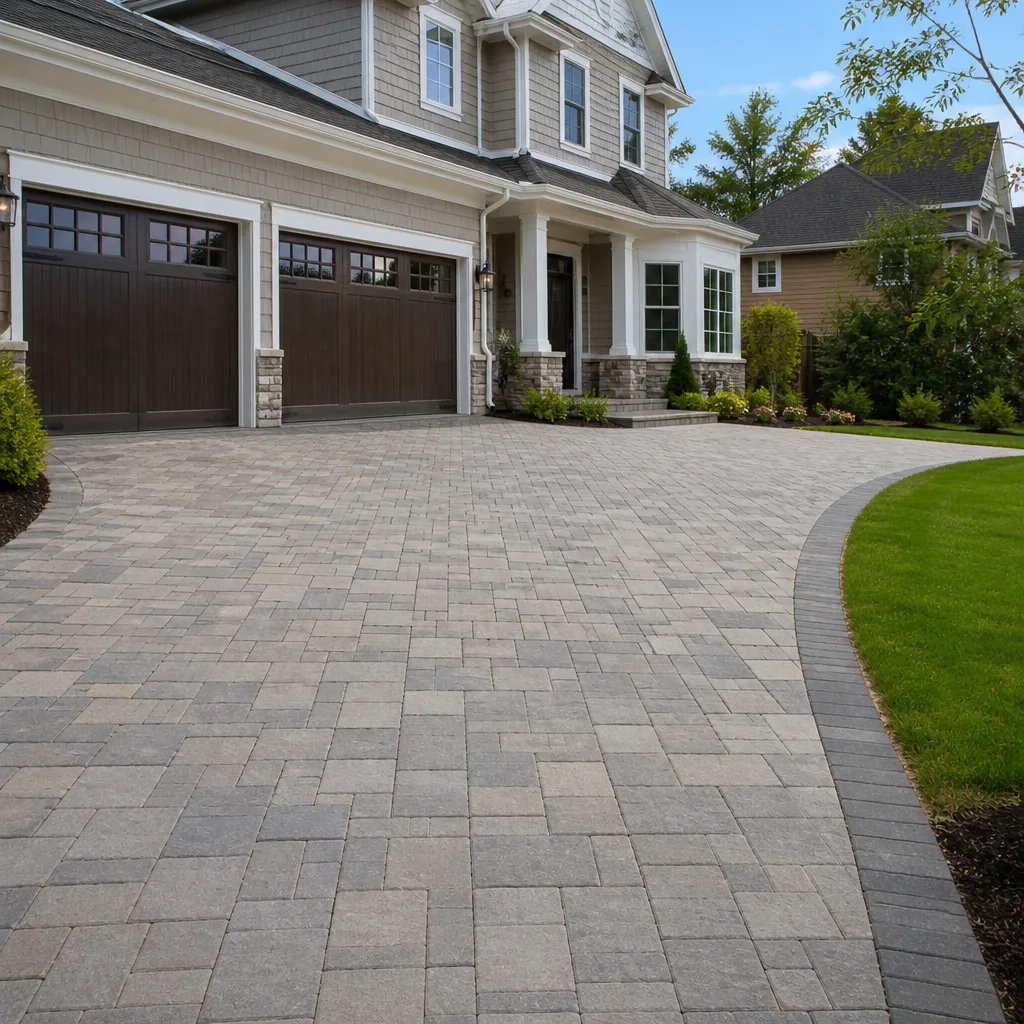 Driveway & pavers
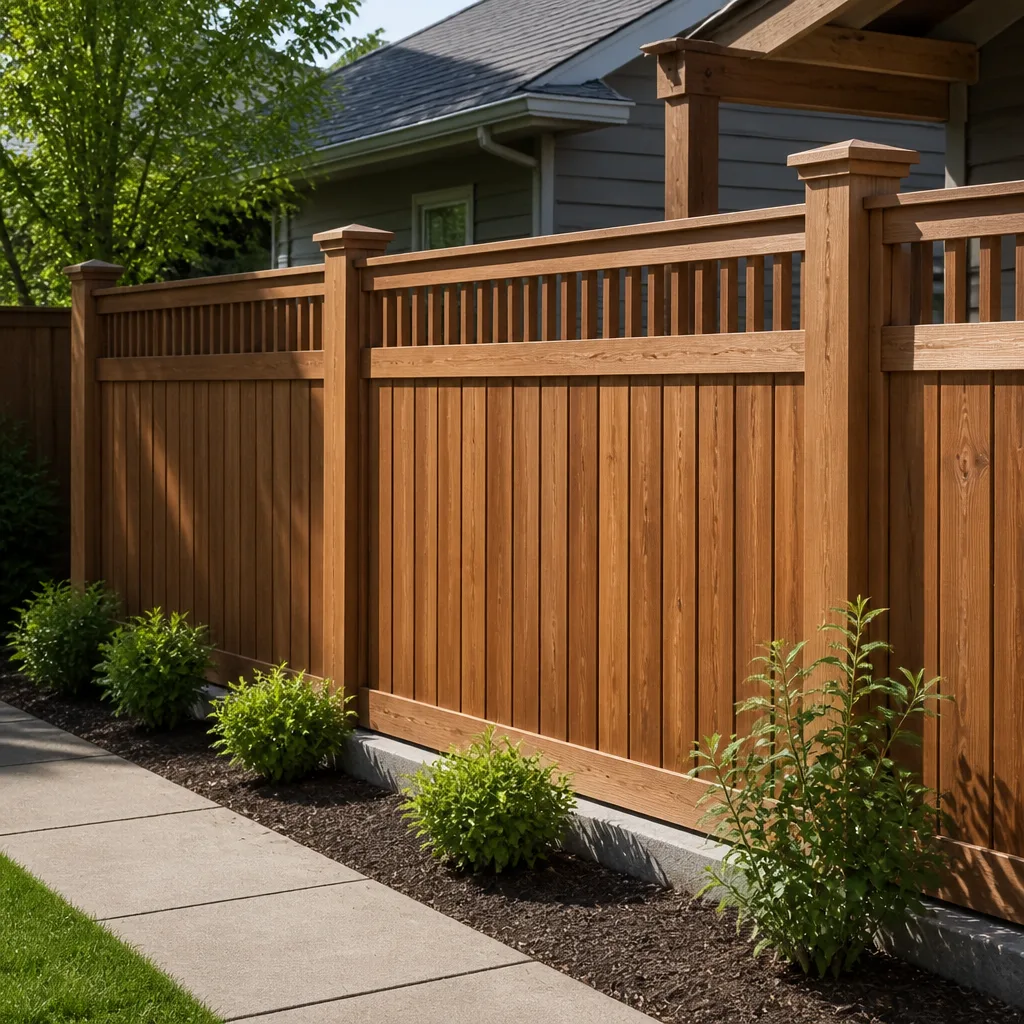 Fence
Free written scope consultation - allowances, timeline, and change-order rules on paper before a single trade is scheduled
DIY vs Professional Construction: The Oakland Homeowner’s Decision Guide
Here’s a fact that surprises a lot of people: in Oakland, you can legally build your own fence, paint your own exterior, and tile your own backsplash without a permit or a license. Cross into structural, electrical, plumbing, or grading work without a permit, though, and you haven’t just saved money – you’ve created an unpermitted condition you’re legally required to disclose to every future buyer in Oakland. That single detail changes the math on DIY. This guide walks through what you can legally do yourself, what requires a licensed contractor, and how to honestly price your own time and risk against a professional bid.
Quick Answer
The DIY-versus-professional decision in Oakland comes down to consequence, not skill. Cosmetic work, maintenance, and demolition prep are safe self-perform projects that reduce contractor hours and cost. Anything structural, electrical, gas, or grading-related requires a licensed contractor and, in most cases, a permit – and unpermitted work becomes a disclosure liability under Oakland’s transfer disclosure requirements when you sell. If a mistake could affect your home’s safety, insurability, or title, hire a licensed professional and get the permit pulled.
Styles & brands we work with
- Kitchen remodeling
- Bathroom remodeling
- Home additions & ADU
- Roofing
- Windows & doors
- Driveway & pavers
- Fence
Table of Contents
- The Oakland Project Matrix: What You Can Do Yourself
- The Hidden Cost of DIY on Structural Work
- Permits, Title, and Oakland’s Disclosure Laws
- Where DIY Genuinely Pays Off
- The Honest Break-Even Calculation
- Seismic Retrofits and Oakland’s Older Housing Stock
- What to Look For in an Oakland Contractor
- Common Mistakes to Avoid
The Oakland Project Matrix: What You Can Do Yourself
Oakland’s building department draws a firm line around work that affects structural integrity, life safety systems, and habitability. That line is the cleanest way to sort any project before you pick up a tool. Here’s how the three tiers break down in practice.
Tier 1: Legal to self-perform, no permit needed
- Interior and exterior painting
- Fence installation under six feet tall in most residential zones (verify setbacks and height limits with Oakland’s Planning & Building Department first)
- Tiling a backsplash, refinishing cabinets, swapping light fixtures on an existing circuit
- Landscaping, planting, and non-structural yard work
- Replacing a toilet, faucet, or sink on existing plumbing connections
Tier 2: Requires a permit, may still be self-performed by the owner
- Fence over six feet, retaining walls, and deck repairs
- Re-roofing (owner-builder permits are allowed in California with strict inspection requirements)
- Non-structural interior remodeling
- Adding or relocating an outlet or fixture
Tier 3: Requires a licensed contractor and a permit
- Anything structural: load-bearing wall removal, framing, foundation work
- Gas line work, panel upgrades, and full electrical rough-in
- Grading, drainage, and driveway work that changes water flow
- Home additions and ADUs – these hit Oakland’s planning review, design review, and inspection sequence from day one
- Seismic retrofits (soft-story, cripple-wall, foundation bolting)
If you’re weighing a fenced yard or a pavers project against other priorities, our guides to Fence Installation in Oakland and Driveway & Pavers in Oakland walk through the Oakland-specific permit thresholds and neighborhood considerations in detail. For anything in Tier 3 that adds square footage, Home Additions & ADU in Oakland covers the planning and inspection sequence from start to finish.
The Hidden Cost of DIY on Structural Work
The honest cost of a structural DIY mistake isn’t the mistake itself – it’s everything the mistake touches. When a homeowner removes a wall brace or cuts a beam without engineering input, the damage usually surfaces months later, when floors deflect, doors stop closing, or a crack runs through the drywall around that wall. By then you’re paying to fix the original mistake and everything downstream of it.
Three costs that don’t appear on the receipt:
- Insurance gaps. Many homeowners policies exclude damage from unpermitted or non-code-compliant work. If a DIY electrical fire or a failed header causes loss, the claim can be denied or reduced. That’s a real exposure in a market where homes routinely trade above $1 million.
- Warranty voids on adjacent systems. If you replace a roof yourself and an adjacent flashing detail fails, whatever warranty you’d otherwise have on neighboring materials or systems is likely void. New product warranties from manufacturers like Boral or PGT require installation compliance with published specs – a self-installed detail that doesn’t follow those specs gives the manufacturer an easy out.
- Permit complications down the line. When you later try to pull a permit for something unrelated, Oakland’s inspectors may flag unpermitted work they discover along the way. That turns a small project into a compliance project. A remodel that should take weeks becomes months while you either legalize the prior work or tear it out.
The pattern we’ve seen most often in Oakland: a homeowner saves $8,000 on a structural project, then spends $22,000 legalizing and correcting it three years later when a sale or refinance forces the issue. The original savings were never real.
Permits, Title, and Oakland’s Disclosure Laws
California’s Transfer Disclosure Statement (TDS) requires a seller to disclose any known material defects, and a “material defect” specifically includes work done without required permits. On top of the TDS, natural hazard disclosures (the NHD) cover seismic and flood zones – both of which touch a large fraction of Oakland’s housing stock. In Oakland, this isn’t a technicality. It’s the difference between a clean sale and a escrow that falls apart.
Here’s how an unpermitted condition plays out in a real Oakland transaction:
- Pre-listing inspection turns up work that doesn’t match permit records.
- Buyer’s agent requests the permit history from Oakland’s Planning & Building Department. Missing permits surface immediately.
- Buyer reduces offer or demands remedy. You either credit the buyer for the cost of legalizing the work, pay for it outright, or lose the deal.
- Lender flags the issue. Unpermitted living space – a converted garage, a finished basement bedroom, an ADU built without permits – can’t be counted as legal square footage on an appraisal.
- You sell at a discount. Buyers price in risk. The discount usually exceeds the cost of having done it right.
And that’s before a single insurance claim is filed. The takeaway is simple: in Oakland, the permit isn’t paperwork – it’s a legal verification that follows the house and everyone who owns it. A licensed professional pulls the permit, gets the inspections, and hands you a paper trail that protects you when you sell.
If you plan to add square footage or convert a garage into living space, the permit question goes double. Working with a team that handles plan submittal, inspections, and final sign-off is the difference between a legal ADU and a garage with a nice floor. Start with our Home Additions & ADU in Oakland guide if that’s on your list.
Where DIY Genuinely Pays Off
DIY isn’t a bad idea. It’s just a bad idea for the wrong projects. The right DIY work cuts contractor billable hours and gets your job finished faster. The wrong DIY work creates liability that follows the house.
Genuine DIY wins in Oakland:
- Prep and demolition. Pulling carpet, removing old tile, hauling debris, and clearing a room before a crew arrives can save legitimate hours. In some Oakland kitchens we’ve worked on, prep alone shaves $800 to $1,500 off a bid.
- Painting interior walls. This is the single highest-ROI DIY task in the country. Painting a home’s interior yourself typically saves 30% to 50% of a contractor’s paint line, and there’s no permitting concern.
- Caulking, weatherstripping, and simple weatherization. Especially in Oakland’s older bungalows and Victorians, keeping moisture out of wood trim and window sills prevents thousands in future rot repair.
- Landscaping and yard cleanup. Clearing brush, leveling soil, and turning a lawn into a drought-tolerant garden reduces wildfire fuel loads and reduces billable site work before a fence or paver install.
- Cabinet painting and hardware swaps. Refinishing existing cabinets with paint or KraftMaid-grade doors is a legitimate mid-range kitchen refresh when the box and layout are already right.
You can spot the difference: good DIY reduces risk and labor hours; bad DIY adds risk and creates papers to sign.
The Honest Break-Even Calculation
Before you decide, run a real number on your own time. The break-even calculation most homeowners run is missing half the inputs.
Here’s the calculation that actually works:
- Value your time honestly. Use your after-tax hourly rate, or what you’d bill if you worked that day instead of on the project. If you make $65/hour, a 40-hour weekend is $2,600 of real cost.
- Add material cost and waste. DIY material waste on tile, lumber, and roofing routinely runs 15% to 25% above what a professional crew would use. Add tool purchases you’ll only need once.
- Add permit cost if you skip one. Not the permit itself, but the future remedy cost if it’s discovered – typically 1.5x to 3x what the original permit would have been.
- Add risk exposure. For structural and electrical work, your personal exposure – to health, to your home, to your insurance – is the number that matters most, and it’s the number most DIY spreadsheets never include.
- Compare against the bid. A contractor bid on the same project includes labor, materials at trade cost, permits, and accountability in writing. Ours does, and it comes with a 730-Day Done Right Promise.
For cosmetic projects under $3,000, DIY often wins – meaningfully. For structural projects above $15,000, the math almost always tips to a professional once you use real numbers.
Seismic Retrofits and Oakland’s Older Housing Stock
Oakland’s housing stock is old – most of it was built between 1900 and 1960 – and much of it was built before modern seismic codes existed. Soft-story conditions in multi-unit buildings, cripple-wall construction under older bungalows, and foundations that were never bolted to the framing are common. This isn’t a permitting footnote; it’s a safety issue that touches every homeowner on the fault line.
Two things to know:
First, seismic retrofits are never a self-perform project. Getting a foundation bolted, adding cripple-wall bracing, or reinforcing a soft-story building is structural work that requires engineered plans, permits, and inspection sign-off. The consequence of getting it wrong isn’t cosmetic – it’s your home’s ability to stay standing during a seismic event.
Second, retrofit work has a legitimate homeowner benefit that most Oaklanders don’t know: it can lower your earthquake insurance premium and it’s often required by lenders in select markets. That puts it in a rare category – a project that starts as a safety upgrade and becomes a financial one.
If you’re looking at adding an ADU or a second unit in an older Oakland building, seismic compliance is nearly always part of the sequence. That’s a conversation to have with a licensed team before anything else. Our Home Additions & ADU in Oakland page is the right starting point.
What to Look For in an Oakland Contractor
When you’ve decided a project is beyond DIY, the next question is what “professional” actually means. In Oakland, contractor quality varies wildly. Here’s what to filter on.
Before you accept a bid, ask:
- Is the license active and in the right classification? Verify through the California Contractors State License Board (CSLB).
- Is the company insured and bonded? Ask for the certificate and make sure it names your project.
- Will they pull the permit? A licensed contractor pulls permits under their license – not yours. That matters for the paper trail when you sell.
- What’s the written workmanship warranty? Ask for the specific number of days or years, in writing. Ours is a 730-Day Done Right Promise – if it’s not done right, we make it right.
- Are the technicians background-checked and uniformed? This isn’t just presentation – it’s a security standard that protects your home.
- Is the pricing upfront, or come-in-low, add-change-orders-high? Look for a fixed, itemized bid with no change orders for work that’s scoped correctly. No-hassle upfront pricing, no surprises.
- Are the material partners top tier? A crew that installs PGT and Boral products knows the specs those manufacturers require.
These seven questions separate a real contractor from someone with a business card. Compare our team politely against any Oakland bid you’re considering: Groundwork Construction Co. of Oakland home.
Common Mistakes to Avoid
- Removing a load-bearing wall without engineering. In Oakland’s older Victorians and bungalows, “that wall isn’t doing anything” is almost always wrong. The wall carries the second floor whether or not it looks like it does.
- Skipping the permit to save $1,200. The permit cost is the cheapest part of the project. The real cost is the remedy you’ll pay for when a buyer’s agent finds the missing sign-off years later.
- Cutting corners on electrical. Oakland’s pre-1950 homes were often wired to 60 amps or less. Adding loads without upgrading the panel is a fire risk – and a policy cancellation risk when an inspector or adjuster looks closely.
- Treating an ADU like a garage conversion. A full ADU in Oakland goes through plan review, design review, inspection sequence, and title updates. A garage with a bathroom is not an ADU; it’s an unpermitted condition that shows up on the TDS.
- Believing material warranties cover DIY install. Brand warranties on windows, roofing, and doors from manufacturers like PGT and Boral typically require installation to published specs. A self-installed detail that deviates voids the coverage.
- Installing your own fence right at the property line. Oakland has clear setback and height rules, and boundary disputes are surprisingly common. Measure first, permit where required, and talk to the neighbor before the hole is dug.
- Assuming a fixed-price bid includes the same things as another bid. Two bids at the same number can hide wildly different scopes. A written, itemized, upfront-priced bid is what you’re actually comparing.
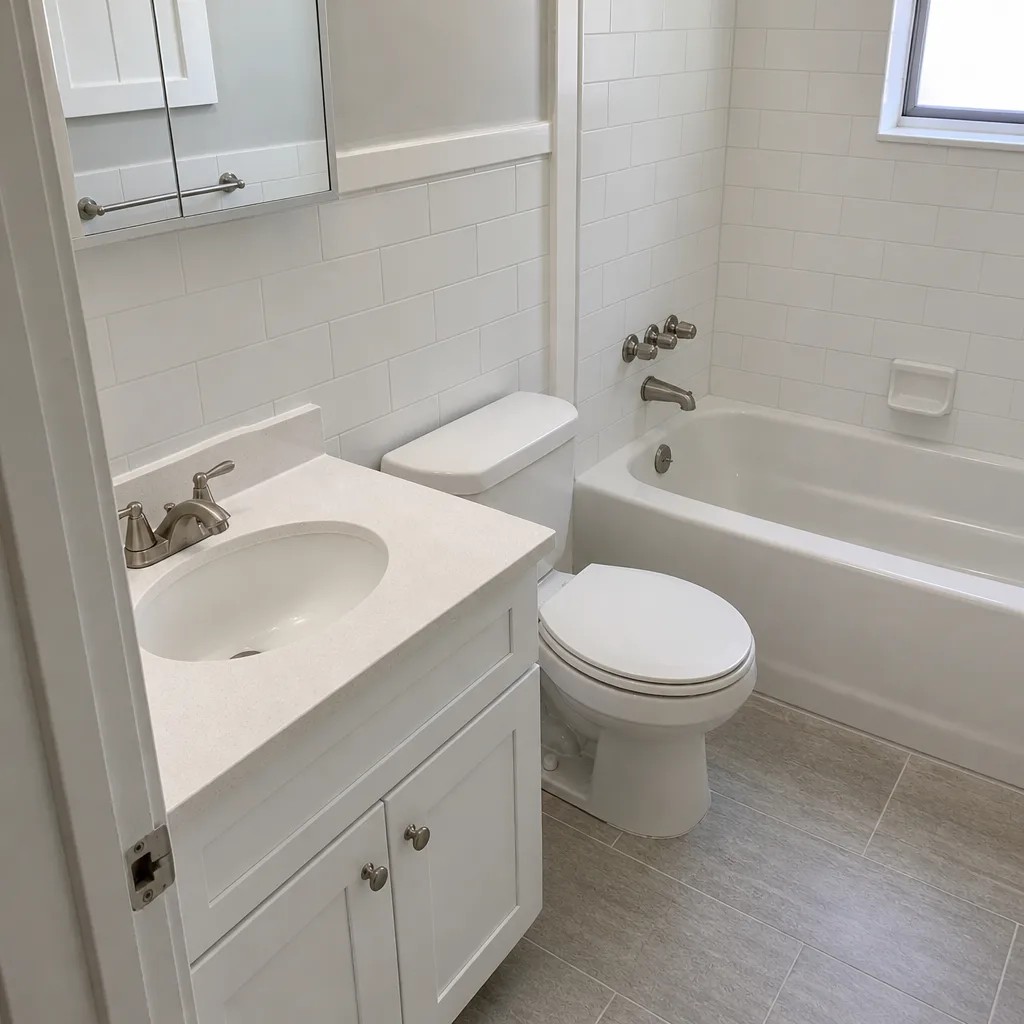
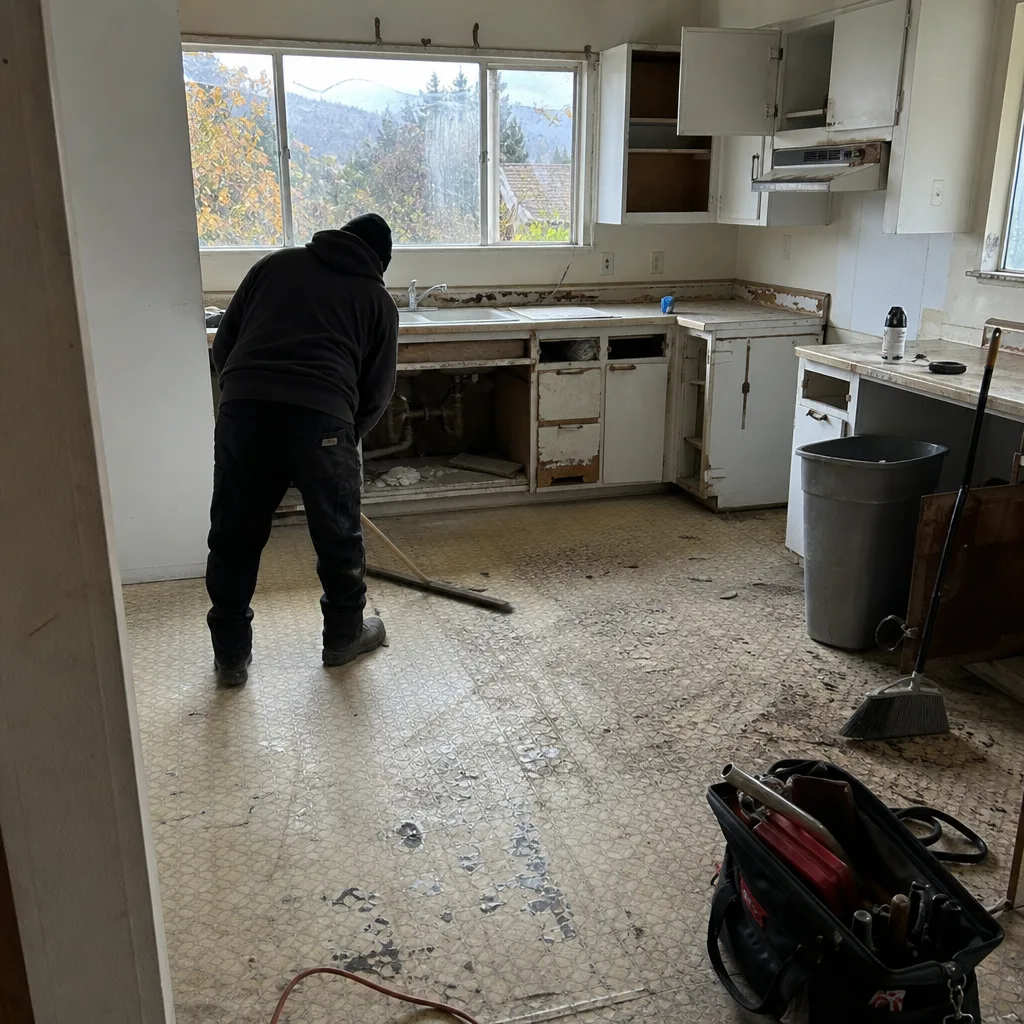
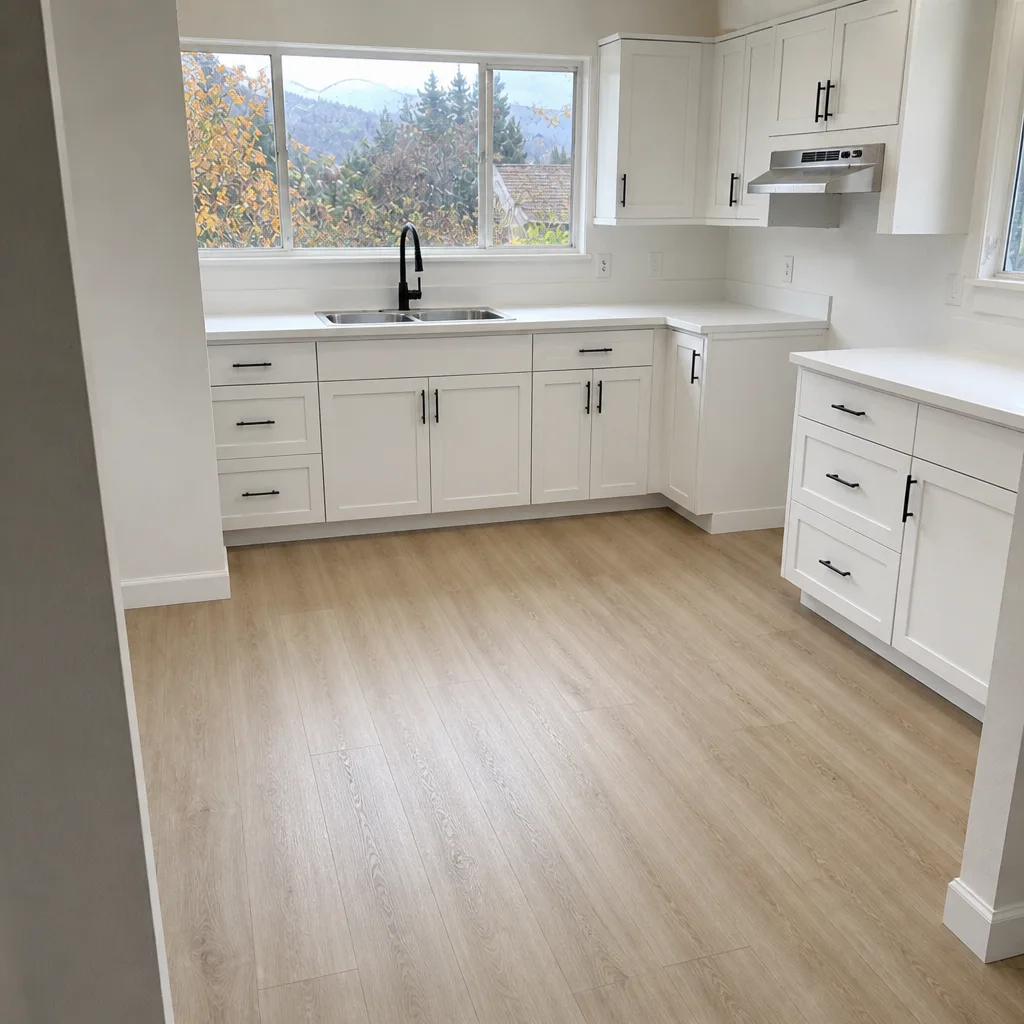
See the difference
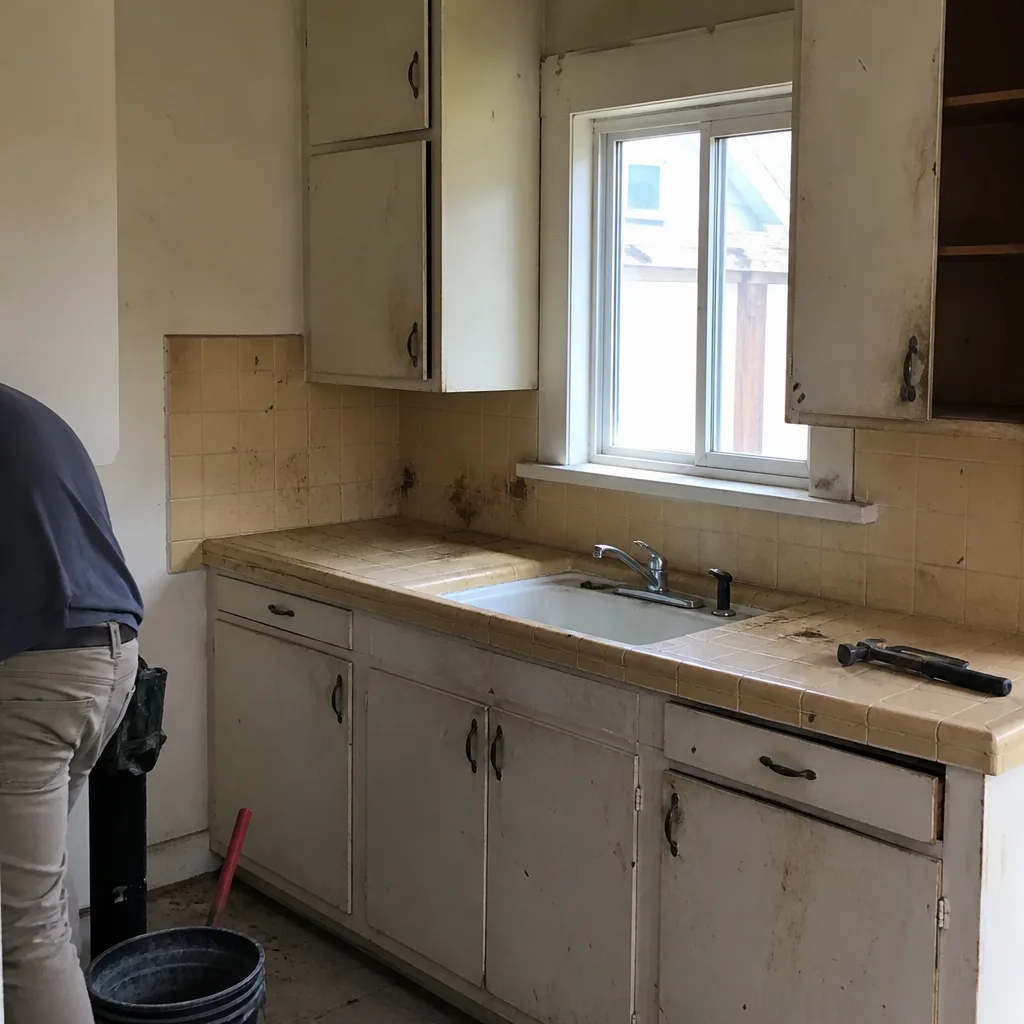 Before
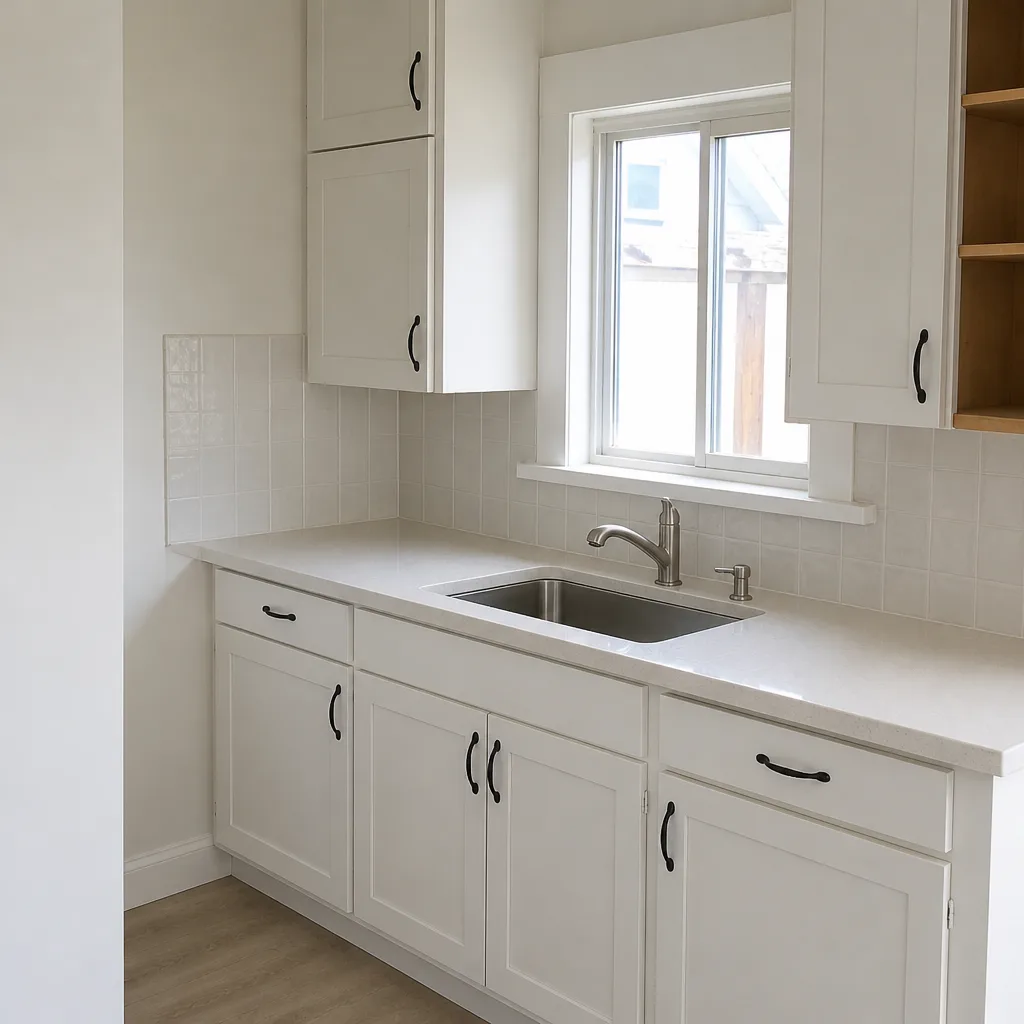 After
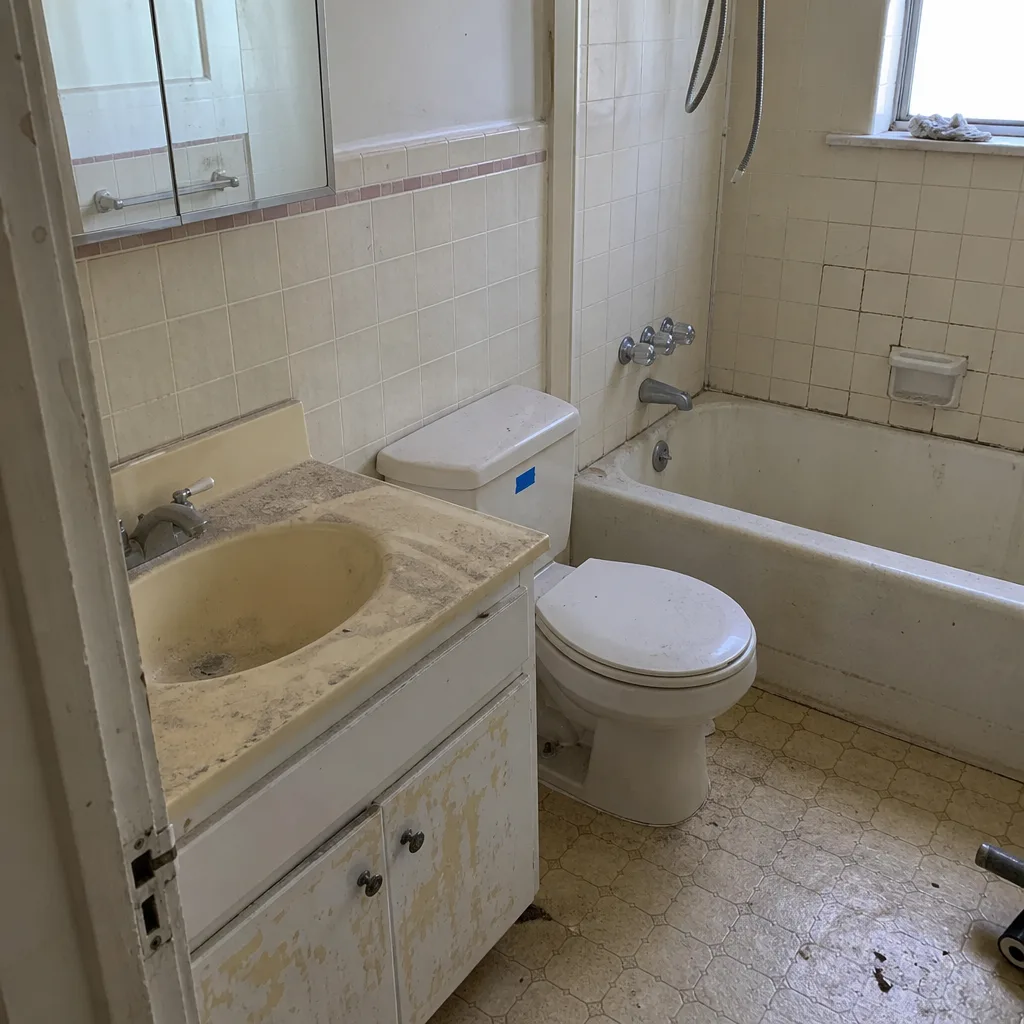 Before
 After
 Before
 After
When to Call a Professional
Call a licensed contractor when any of the following is true: the work is structural or affects load-bearing elements; it involves electrical panels, new circuits, or gas; it requires a permit under Oakland’s code; it touches grading, drainage, or retaining walls; it involves a home addition, ADU, or seismic retrofit; or the total project budget is above $15,000. In those cases, the DIY savings almost never beat the risk you take on. Groundwork Construction Co. of Oakland offers free estimates in Oakland – call (833) 997-7759 – and every project comes with the 730-Day Done Right Promise. Our technicians have up to 12 years of experience, arrive background-checked and uniformed, and are available to answer your call 24/7 with a live person, not voicemail.
Frequently Asked Questions
Yes, in most cases – fences under six feet in residential zones can be self-installed without a permit, though you should verify setbacks and height limits with Oakland’s Planning & Building Department first. Fences over six feet, retaining walls, and fences near certain property lines may require a permit or survey. Call (833) 997-7759 if you’d rather have the fence installed correctly the first time with a written warranty – estimates are free.
Yes. California’s Transfer Disclosure Statement requires you to disclose any known material defect, and unpermitted construction counts. If a buyer’s inspector or agent finds work that doesn’t match Oakland’s permit records, you’ll either need to legalize it, credit the buyer, or risk losing the sale. Call (833) 997-7759 to schedule a free estimate and get the work permitted correctly from the start.
On cosmetic work – painting, tile backsplash, cabinet refinishing – DIY typically saves 30% to 50% of the professional bid, with no permitting concern. On structural, electrical, or plumbing projects, the DIY savings are usually wiped out by permit remedy costs and insurance gaps. Call (833) 997-7759 for an itemized, upfront quote so you can compare real numbers – no-hassle upfront pricing, no surprises.
The biggest risk is a combination of fire hazard and insurance denial. Most homeowners policies exclude damage from unpermitted or non-code-compliant electrical work, so a fire that starts at a self-installed panel can fall outside your coverage entirely. Our technicians are licensed and background-checked – call (833) 997-7759 for a free estimate before you touch an electrical panel.
Owner-builder permits exist in California, but building an ADU in Oakland requires plan review, design review, inspections, and compliance with state ADU law – a sequence that assumes professional knowledge at every step. Most Oakland homeowners hire a licensed contractor for the permit and inspection sequence alone. Call (833) 997-7759 to talk through your project – estimates are free.
Not always, once you price your own time, material waste, tools, and permit exposure honestly. On structural work above $15,000, the professional bid is usually the lower total cost of ownership. Call (833) 997-7759 for a free, itemized, upfront-priced bid – our 730-Day Done Right Promise backs every job.
The Bottom Line
The DIY-versus-professional question in Oakland is really a question about consequence. Cosmetics, maintenance, and prep work are great self-perform projects that save real money and reduce billable hours. But structural, electrical, gas, grading, and flooring work – anything that touches safety, permits, or title – is where DIY savings disappear into insurance gaps, warranty voids, and disclosure problems at resale. When in doubt, hire a licensed professional who pulls the permit, backs the work in writing, and hands you a paper trail you can defend. That’s what the 730-Day Done Right Promise means in practice. If you’d like a free, no-obligation bid on your next project, call (833) 997-7759 to schedule an estimate. We’re proud to serve homeowners across Oakland and the surrounding neighborhoods, and we’re on call 24/7 – a live person answers, every time.
Related Guides
- Driveway & Pavers in Oakland
- Fence Installation in Oakland
- Home Additions & ADU in Oakland
- Groundwork Construction Co. of Oakland home
Written by the team at Groundwork Construction Co. of Oakland.