
Last updated November 17, 2026
 Driveway & pavers
 Kitchen remodeling
 Bathroom remodeling
 Home additions & ADU
 Roofing
 Windows & doors
 Fence
Free written scope consultation - allowances, timeline, and change-order rules on paper before a single trade is scheduled
Driveway & Pavers Maintenance Schedule: What to Do and When
October in Oakland is the single most important month for your driveway pavers, and almost no homeowner knows it. That’s the month when the Bay Area’s dry season ends and the rains that will define the next six months begin to arrive. The work you do in those few weeks decides whether your paver system still looks tight and level in year ten or has started shifting, settling, and growing weeds by year four. A driveway maintained on a real calendar outlasts a neglected one by 15 to 20 years. This guide gives Oakland homeowners a month-by-month routine tied to our actual weather, our soil, and the way pavers behave here.
Quick Answer
Driveway pavers in Oakland need seasonal maintenance, not constant fussing. The core schedule is: a pre-rainy-season inspection and joint-sand refresh in October, drainage and edge checks through the winter, a post-rain assessment in March or April to catch base movement, and a full cleaning and reseal in late spring or early fall depending on the paver material. Most of the work is inspection and small fixes; heavy resealing happens every two to five years, not annually.
Styles & brands we work with
- Kitchen remodeling
- Bathroom remodeling
- Home additions & ADU
- Roofing
- Windows & doors
- Driveway & pavers
- Fence
Table of Contents
- Why October Is the Most Important Month for Oakland Pavers
- The Pre-Rainy Season Checklist (October)
- Polymeric Sand: Inspecting and Topping Off Joints
- How Often to Reseal Pavers in Oakland’s UV
- Spring Post-Rain Assessment: Reading the Signs
- What Maintenance Void a Warranty – and How to Document Upkeep
- A Month-by-Month Oakland Maintenance Calendar
- Common Mistakes to Avoid
- When to Call a Professional
- Frequently Asked Questions
Why October Is the Most Important Month for Oakland Pavers
Oakland runs on a Mediterranean climate: bone-dry summers and wet, mild winters. That split is the whole story of paver longevity here. Through the dry months, the clay-heavy soil under your driveway shrinks and opens micro-cracks. The polymeric sand in the joints dries out and can pull back a few millimeters. Then the first real storm arrives in October or November, and water that would normally sheet off the surface finds those open joints and cracks. It gets under the pavers, softens the base, and by spring you’re looking at a dip in the driveway where the car always parks.
The fix is a small amount of preventive work done before that first storm. In our experience across Oakland neighborhoods – from the hills above Montclair where runoff is fierce, to flatter blocks in Temescal and Fruitvale where water pools instead of draining – the driveways that age gracefully are the ones where the owner closed the joints and cleared the drains in October. The ones that fail early almost always sat through a wet winter with compromised joints and clogged drainage.
This isn’t a one-time task. It’s a rhythm. Once you understand the rhythm, the rest of this guide is just the details. If you’re starting from scratch or your driveway has already been neglected, our team at Driveway & Pavers in Oakland can assess the base and tell you honestly whether maintenance will do it or whether something is failing underneath.
The Pre-Rainy Season Checklist (October)
This is the checklist we walk Oakland homeowners through every fall. Work down it before the first significant rain, ideally in the first half of October. It takes a few hours for most driveways, plus drying time if you’re doing sand work.
- Walk the whole surface and look for movement. Feel for rocking pavers underfoot and look for dips, lips, and gaps wider than a quarter inch. Mark anything that moves with chalk so you can find it again.
- Check the joint sand level. The sand should sit just below the paver chamfer, not flush or above. Any joint that looks hollowed or dark is a candidate for topping off.
- Clear every drainage path. Channel drains, French drains, downspout outlets, and the swales between your driveway and the street. Oakland’s leaf drop and the grit that washes off the hills clog these fast. A blocked drain during a winter storm is how water ends up under your pavers.
- Inspect the edge restraint. Walk the perimeter. The restraint (the buried edge that holds the field pavers in place) should be solid, with no spalling, no pull-away, and no soil erosion behind it. A failed edge lets the pavers creep outward over a single wet season.
- Look at where the driveway meets the house, garage, and street. These transition zones are where water sneaks in. Check that the pavers still slope away from the structure and that any sealant at the threshold is intact.
- Top off polymeric sand where needed. See the next section for how.
- Photograph everything. More on why in the warranty section – the short version is that a dated photo record of your fall upkeep is your best protection if you ever file a claim.
If October slips past you, do the checklist in November before the heaviest rains. It’s not too late, it’s just less effective. The goal is to have the system sealed and draining before the ground is saturated.
Polymeric Sand: Inspecting and Topping Off Joints
Polymeric sand is the stabilized sand that fills the joints between pavers and, once it cures, locks them together and blocks water and weeds. It’s the single most important consumable in your paver system, and it’s the thing that fails first. When polymeric sand erodes, two things happen at once: water gets into the base, and weed seeds find a home. Both are expensive problems that start small.
Here’s how to tell whether your joints need attention:
- Visual depth: if you can push a screwdriver blade a quarter inch or more into a joint before meeting resistance, the sand has receded.
- Loose grit: sweep a joint with a stiff broom. If sand lifts easily, the binder has broken down.
- Weeds: even tiny weed sprouts in joints mean the sand barrier is compromised.
- Water pooling in joints: after rain, if water sits in joint lines instead of draining, the sand is failing.
Topping off is straightforward but fussy. The correct order matters: clean the joints out (a pressure washer on low or a stiff brush), let them dry completely – polymeric sand won’t bond to damp joints – then sweep in new sand, compact it, sweep the surface clean, and mist it lightly to activate the polymer. On a typical two-car Oakland driveway this is a half-day job for the confident homeowner, longer if you’re also cleaning.
Two Oakland-specific notes. First, our UV index is high enough in summer that polymeric sand breaks down faster on unshaded driveways facing south or west. Expect to top off every two to three years on those, and every three to four on shaded driveways. Second, the hills neighborhoods drain a lot of water across driveways during storms, so joint integrity matters more there. If your driveway has persistent erosion problems, it’s worth having a professional look at the base before you keep re-sanding an eroding joint.
How Often to Reseal Pavers in Oakland’s UV
Resealing frequency depends on the paver material and on Oakland’s UV exposure, not just on how old the driveway is. This is where a lot of generic advice goes wrong. A common recommendation is to reseal every two years, full stop. That’s too often for some materials and not often enough for others under our summer sun.
Here’s how we think about it by material, based on what we see across Oakland:
- Concrete pavers: every two to three years is typical. Unsealed concrete pavers in full sun around Grand Lake and the flats fade and chalk noticeably by year four or five. A penetrating sealer every couple of years holds color and slows surface wear.
- Clay brick pavers: every three to five years. Brick is dense and UV-stable; it mostly benefits from a sealer that locks out moisture and stone dust rather than one that protects color. Over-sealing brick traps moisture and can cause spalling, so don’t overdo it.
- Travertine and natural stone: every two to three years with a penetrating sealer designed for stone. These pavers are vulnerable to staining and to efflorescence, and a fresh sealer coat makes them much easier to keep clean.
- Permeable paver systems: less frequently, and often never. Permeable systems depend on open joints for drainage, and sealing them defeats the purpose. Follow the manufacturer’s guidance, and consider materials from partners like Belgard, whose permeable lines are designed to drain without sealing.
The honest test is simpler than the calendar. Pour a cup of water on the surface. If it beads and rolls off, the sealer is working. If it soaks in and darkens the paver within a minute, the sealer is done and it’s time to reapply. Check that every spring, and reseal when the water tells you to.
One more Oakland point: the hills catch more sun and more wind-driven rain than the flats, so the same paver in Montclair will weather faster than the same paver in a shaded Elmwood garden. And in neighborhoods with mature tree canopy, leaf tannin and pollen accelerate surface staining, which is more of a cleaning problem than a sealing one – but it does mean you’ll want to maintain the cleaning rhythm.
Spring Post-Rain Assessment: Reading the Signs
By March or April, Oakland’s wet season is wrapping up and your driveway has just been through its most demanding test of the year. This is the second most important inspection window, and it’s where you catch problems that started during the winter while they’re still cheap to fix.
Walk the driveway in dry weather and look for these specific signals that the base may be moving:
- New dips or low spots where water pools after rain – a dip that wasn’t there in October is a strong signal the base underneath has settled or softened.
- Lipped pavers (one paver sitting higher than its neighbor) at the driveway edge or near the garage, especially where cars turn.
- Widened joints along an edge or in a line – joints that have opened since fall mean the pavers are creeping.
- Sand boil-outs – piles of washed-out sand at the bottom of a slope or near a drain, which means water is moving through the system and taking sand with it.
- Efflorescence – the white, powdery bloom of salts pushed to the surface as moisture wicks through. It’s cosmetic when it’s just on the surface, but recurring efflorescence points to moisture moving through the base.
- Rutting or ruts along the tire tracks where the car always parks, which can indicate the base underneath wasn’t compacted well enough at installation.
Cosmetic issues – surface staining, faded sealer, weeds – get a spring cleaning and re-seal. Structural signs – dips, lipping, wide joints, boil-outs – deserve a professional look. These are base problems in the making, and catching them in spring means the fix is localized. Wait two years and the same problem often means pulling and re-laying a whole section. When we look at a driveway like this, we’re asking one question: is the base still doing its job? If it isn’t, patching the surface won’t hold for long.
What Maintenance Void a Warranty – and How to Document Upkeep
This is the section most homeowner guides skip, and it’s the one that can cost you thousands. A paver installation carries a workmanship warranty, but those warranties have maintenance conditions. If you let joint sand erode to the point where weeds and roots get in, or you never clean your drains and standing water undermines the base, a subsequent failure is often classified as owner neglect rather than a workmanship defect. That’s how a legitimate warranty gets denied.
The maintenance conditions that most commonly void a paver warranty:
- Failure to maintain joint sand. Letting joints erode for years is the single most common reason a warranty claim gets rejected. We can’t cover a re-sand that never got done.
- Blocked drainage. If the system drains into a French drain or channel drain and that drain clogs, water backs up under the pavers. That’s considered a maintenance failure.
- De-icing salts. Rock salt and other chloride de-icers damage pavers and joints and typically void warranty coverage. Oakland rarely needs them, but people sometimes use them in a cold spell.
- Pressure-washing damage. High-pressure washing that erodes joint sand or etches the paver surface is on you, not the installer.
- Vehicle loads above design. Parking a heavy RV or delivery truck on a driveway built for passenger cars is a spec violation, and warranties typically exclude it.
Documenting upkeep is simple. Keep three things:
- A dated photo log. A shot of the whole driveway each fall (before and after your October work) and each spring. Photos carry a date stamp; that’s your evidence.
- Receipts. Any polymeric sand, sealer, or cleaning product you buy, plus any professional maintenance you pay for. Save them in one folder.
- A maintenance log. A note on your phone with quarterly entries – what you checked, what you fixed, when. Thirty seconds per entry.
Our 730-Day Done Right Promise is one of the longest workmanship guarantees in residential construction, and it’s written to be honored, not to get tripped up on technicalities. But like every legitimate warranty, it depends on the owner holding up their end of routine maintenance. If you keep the log, you protect both the driveway and the warranty. If your driveway was installed by someone else and you’re not sure what your coverage requires, we’re happy to read it with you.
A Month-by-Month Oakland Maintenance Calendar
Here’s the whole schedule in one place. It’s the same rhythm the whole guide is built on, distilled into the twelve months of an Oakland year.
- January: After each big storm, do a quick visual check. Clear any debris blocking drains. Don’t walk a saturated driveway more than necessary.
- February: Mid-winter check. Look for new standing water, which tells you something has clogged or shifted.
- March: Post-rain assessment begins as the ground dries. Walk the surface in dry weather and note anything that changed over the winter.
- April: Finish the spring inspection. Do a thorough sweep and light clean. If you find structural signals, get a professional assessment now.
- May: Best window for resealing – mild temperatures, dry forecast, and time for the sealer to cure before summer heat.
- June: Summer maintenance is light. Sweep regularly and check the water-bead test if you sealed in May.
- July: Hot, dry weather is peak UV season. Clean any organic stains from trees and watch for sealant chalking on unshaded driveways.
- August: Same as July – light sweeping, weed pulling, and stain management. Do any heavier cleaning in early morning to avoid rapid-dry issues.
- September: Begin the pre-fall walk. Clear leaves as they start to drop; built-up leaves hold moisture against the pavers.
- October: The critical month. Run the full pre-rainy-season checklist, top off joint sand, clear drains, inspect edge restraint.
- November: Last call for anything missed in October. Finish joint sand work before significant rain.
- December: Winter maintenance is mostly drain checks and cleanup after storms.
You can skip most of these months if you like – the essential windows are October, March/April, and reseal as the water test tells you. But keeping the full rhythm is what gets you those extra 15 to 20 years out of the system.
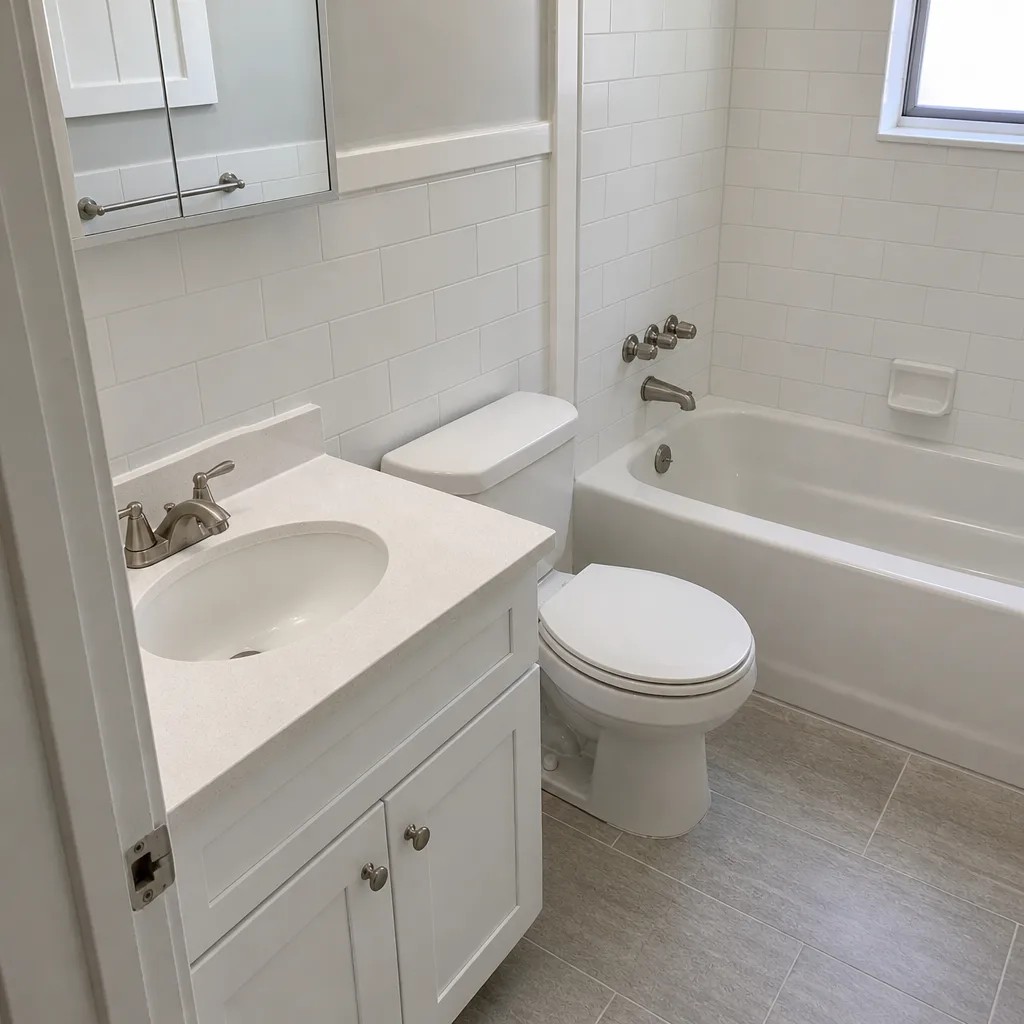
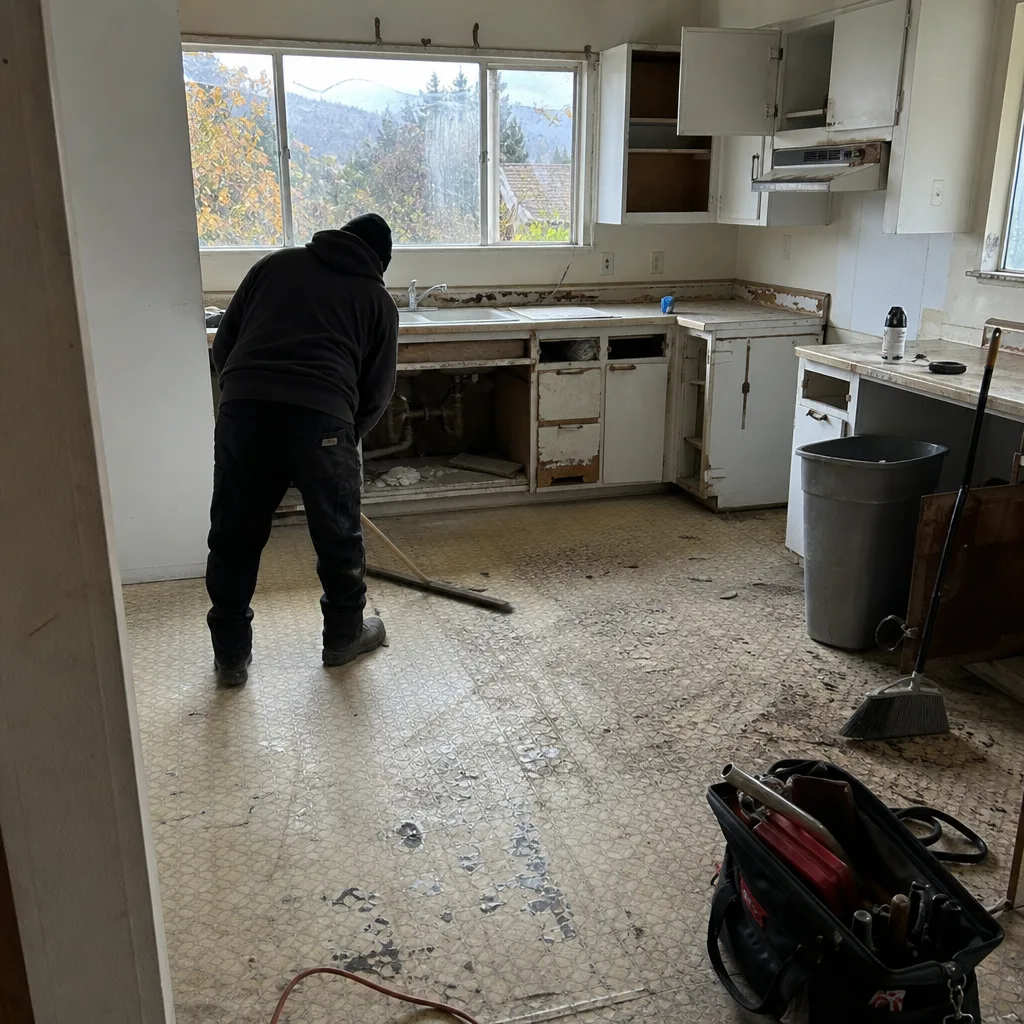
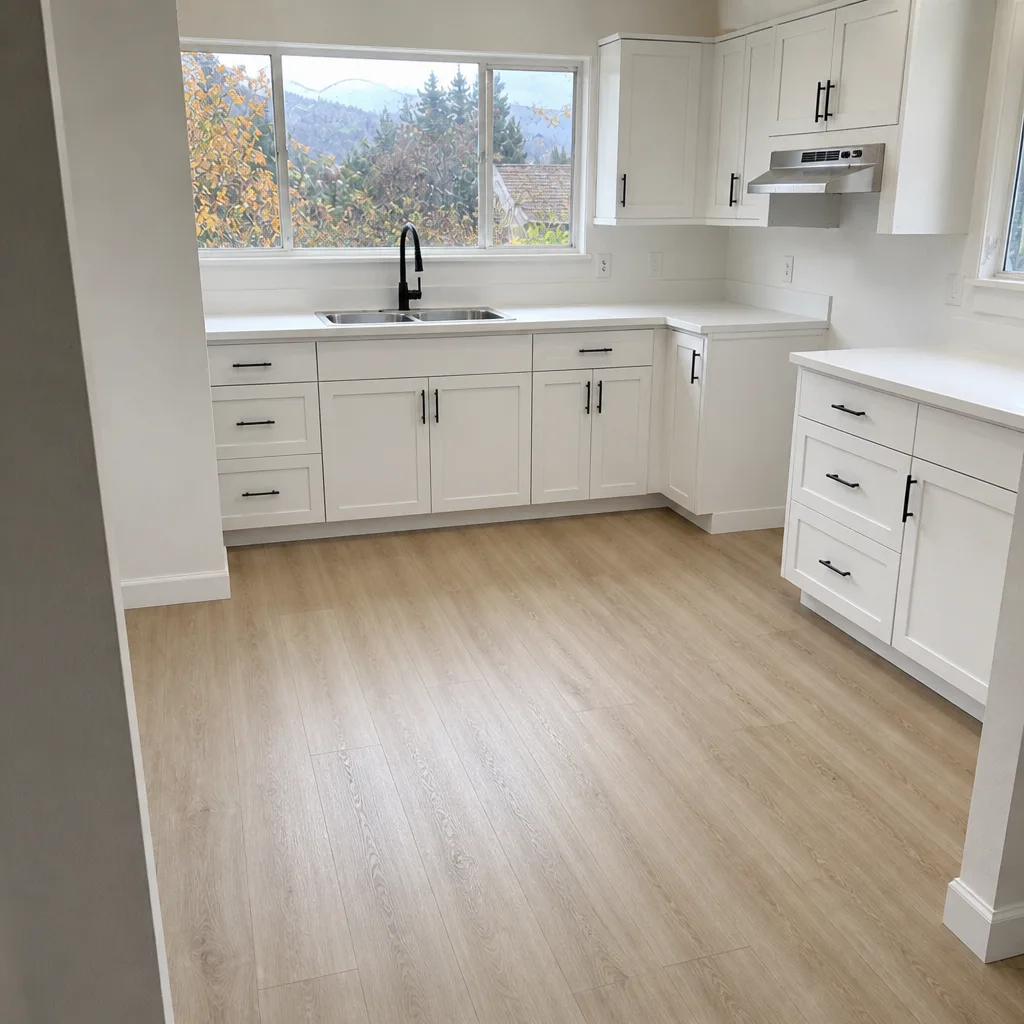
See the difference
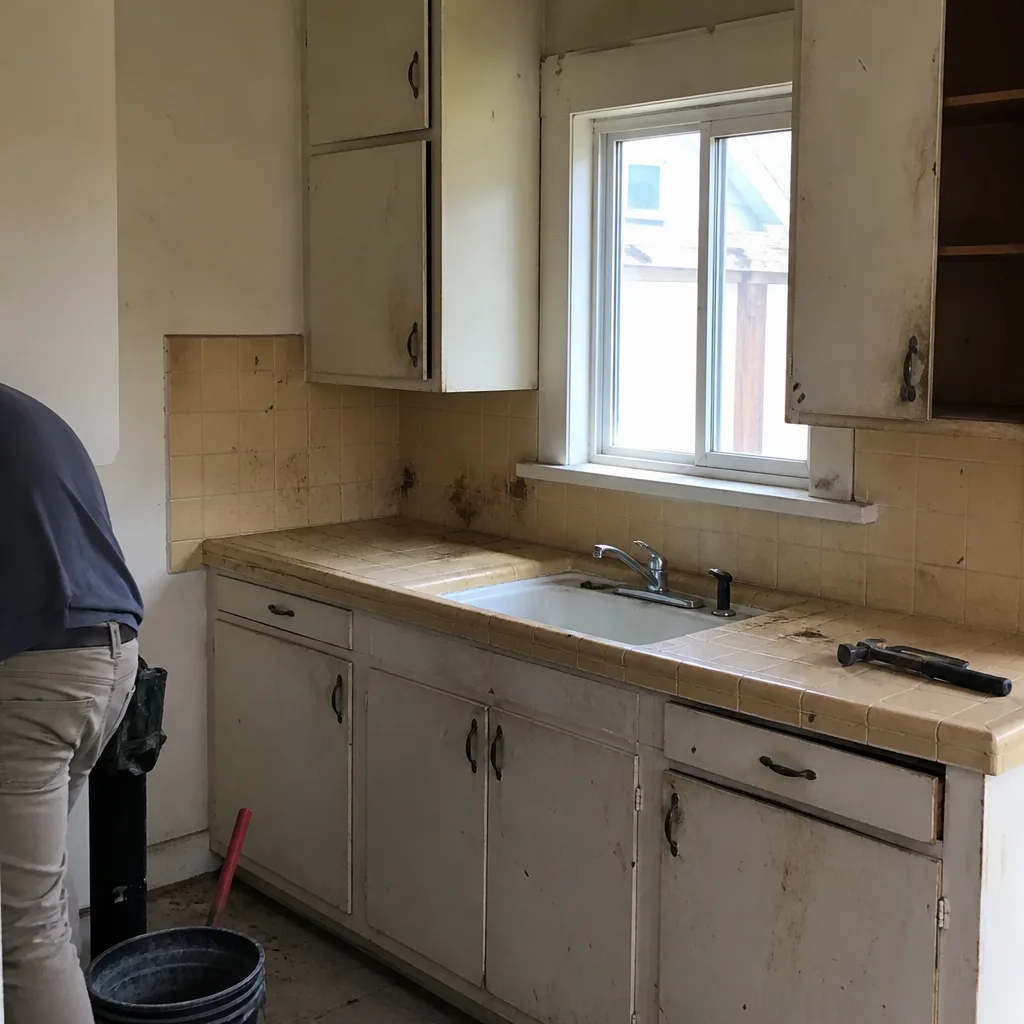 Before
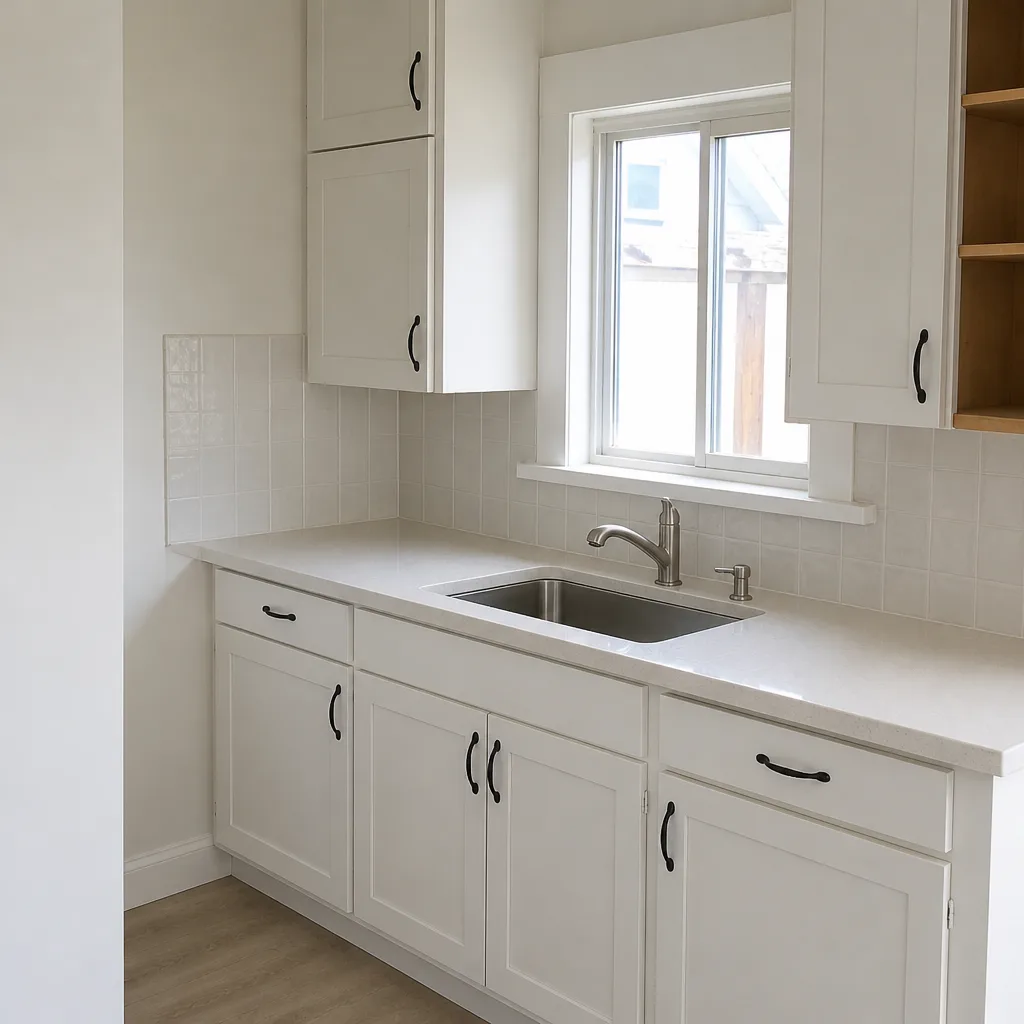 After
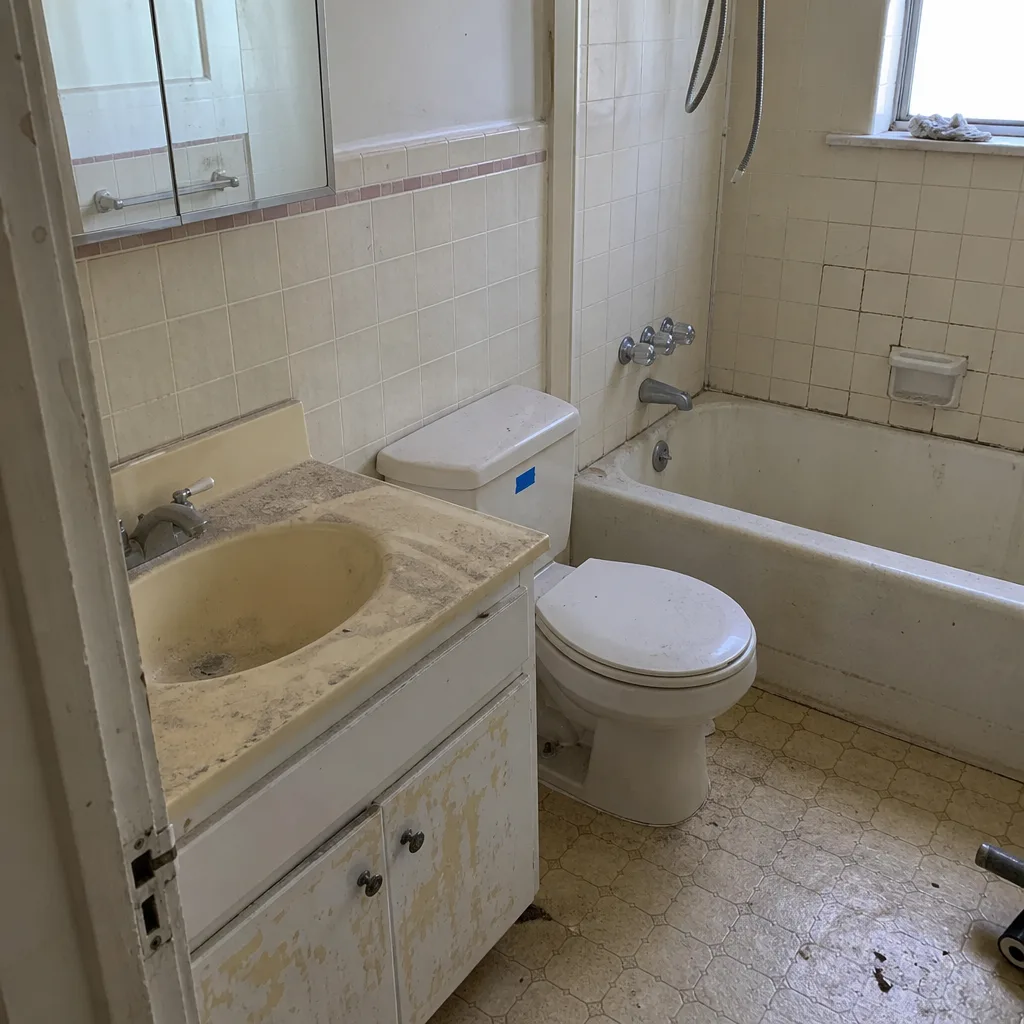 Before
 After
 Before
 After
Common Mistakes to Avoid
- Pressure-washing at full blast. The instinct after a wet winter is to blast the surface clean. High pressure strips joint sand and etches concrete and stone, so keep it low and use a gentle fan tip, or use a brush.
- Sealing too often. Over-sealing traps moisture. If your sealer is still beading water, leave it alone – reseal every two to three years for concrete and three to five for brick, not annually.
- Adding sand to wet joints. Polymeric sand won’t bond in a damp joint. Wait for a dry forecast; if it rains within hours of application, the joint is likely compromised and needs redoing.
- De-icing salt on rare Oakland cold snaps. This damages the surface and voids many warranties. Use sand for traction instead.
- Ignoring the edge restraint. Most surface problems start at the edges. A little spalling at the perimeter looks cosmetic until the pavers start spreading a full summer later, and by then the fix is a whole-section repair.
- Watering into weeds. Pull weeds when they’re small. Big weeds break the joint open on the way out, and the fix is a re-sand.
- Skipping the photo record. The most expensive mistake is invisible. A warranty you can’t document is a warranty the manufacturer may reject – and your phone’s camera is free.
When to Call a Professional
Some maintenance is homeowner work: sweeping, pulling weeds, topping off joint sand, clearing drains, and photographing your upkeep. Other problems need a trained eye on the base. Call a professional when you see any of these: dips or low spots that hold water, pavers that rock underfoot, wide gaps at the edge restraint, sand boil-outs near drains, or recurring efflorescence that keeps coming back after cleaning. Any of these means the pavement below the surface is moving, and surface-level patching won’t hold. Also call if you’re unsure what your warranty requires, or if your driveway was installed by someone else and you want an honest read on its condition.
Groundwork Construction Co. of Oakland offers free estimates in Oakland – call (833) 997-7759. We use up to 12 years of technician experience and premium materials from partners like Belgard to give you a real answer, backed by our 730-Day Done Right Promise. Upfront pricing, no surprises. If a repair or a re-install is the right call, we’ll tell you. If maintenance alone will do, we’ll tell you that too.
Frequently Asked Questions
Concrete pavers need resealing every two to three years, clay brick every three to five, and natural stone every two to three with a penetrating sealer. Permeable pavers usually don’t get sealed at all. The simplest test is the water-bead test: if water soaks in within a minute, it’s time. Call (833) 997-7759 for a free estimate if you’d rather have a professional assess it.
Typical Oakland pricing is roughly $300 to $600 for a full cleaning and joint-sand top-off on a two-car driveway, $600 to $1,500 for a thorough reseal with surface cleaning, and $1,500 to $4,000 or more for localized base repair where pavers need to be pulled and re-set. Exact pricing depends on square footage, material, and how much sand work is needed. Groundwork Construction Co. of Oakland provides free written line-item estimates, so call (833) 997-7759 to schedule yours.
Do the October pre-rainy-season checklist. Topping off joint sand and clearing drains before the first real storm prevents the under-paver water damage that drives almost every expensive paver failure we see in Oakland. It costs you a few hours and a bag or two of polymeric sand, and it’s what separates driveways that last twenty years from ones that fail in ten.
Dips that hold water, pavers that rock underfoot, wide or creeping joints at the edges, and piles of washed-out sand near drains are the four clearest signs. Any of them suggests the compacted base underneath has moved. Efflorescence that returns after each cleaning is another signal of moisture moving through the base. Call (833) 997-7759 for a free estimate; catching base movement in one localized spot is much cheaper than waiting until it spreads.
You can skip a year or two if the joints are still full and the drains clear, but compounding that to three or four is what causes problems. The fix gets progressively more expensive, and frequent lapses can void a workmanship warranty. Our 730-Day Done Right Promise is backed in writing, and it holds up best when routine maintenance is documented. Call (833) 997-7759 to schedule a free estimate if you’ve let maintenance slide.
Yes – run the full October checklist. Clear every drain and downspout outlet, top off any eroded joint sand with polymeric sand on a dry day, inspect the edge restraint for spalling or pull-away, and photograph the whole driveway. If you can, do it in early October so the joint sand has time to cure before the first significant storm.
The Bottom Line
Oakland pavers live or die on the October checklist. Do the pre-rainy-season inspect and re-sand before the first storm, keep the drains clear through winter, do a real post-rain assessment in March and April, and reseal on the material-and-UV timetable rather than every year. That rhythm is what buys your driveway 15 to 20 extra years of tight joints and level surface. And keep the photo log and receipts, because a documented maintenance record protects your warranty. If your driveway shows structural warning signs – dips, rocking pavers, or washouts – that’s the moment to call a professional, before the fix spirals into a full replacement. Groundwork Construction Co. of Oakland pulls permits where required, delivers upfront pricing with no surprises, and backs every project with the 730-Day Done Right Promise. Our technicians have up to 12 years of experience, our brand partners across trades are among the top in the residential market, and calls are answered by a live person 24/7 – no voicemail, no waiting until Monday morning. Schedule your free project estimate today and keep your driveway – and your home’s curb appeal – in good hands for the long term. For a full view of our scope, see our Groundwork Construction Co. of Oakland home, and explore related services like Fence Installation in Oakland to round out your property’s perimeter upkeep.
Call Groundwork Construction Co. of Oakland at (833) 997-7759 for a free estimate. We’ll read your driveway honestly and tell you what the next step should be.
Written by the team at Groundwork Construction Co. of Oakland.