
Last updated November 17, 2026
 Home additions & ADU
 Kitchen remodeling
 Bathroom remodeling
 Roofing
 Windows & doors
 Driveway & pavers
 Fence
Free written scope consultation - allowances, timeline, and change-order rules on paper before a single trade is scheduled
Home Additions & ADU Maintenance Schedule: What to Do and When
The number one reason ADU landlords in Oakland call a contractor in year three isn’t a construction defect. It’s deferred maintenance on a water heater, a ventilation system, or a drainage grade that nobody told them needed annual attention. An ADU is a second building with its own mechanical clock: its own water heater, its own sub-panel, its own mini-split, its own roof plane and gutter run. Skip the first two years of upkeep and the repairs start eating your rental income by year five. What follows is a month-by-month and system-by-system maintenance calendar built for the materials and climate we actually build in around Oakland, so you can protect the asset instead of reacting to it.
Quick Answer
Maintain an Oakland ADU on a fixed calendar: inspect the exterior and drainage before the first winter rains, service the mini-split filters quarterly and the unit annually, flush the water heater every 12 months, and walk the interior at the one-month, six-month, and twelve-month marks to catch settlement cracks and door or window misalignment early. The first rainy season after construction is the single most important monitoring window, and a written lease clause for annual inspections is what makes it enforceable.
Styles & brands we work with
- Kitchen remodeling
- Bathroom remodeling
- Home additions & ADU
- Roofing
- Windows & doors
- Driveway & pavers
- Fence
Table of Contents
- Your First-Year ADU Maintenance Calendar
- Exterior Maintenance for Oakland’s Wet Winters and Dry Summers
- ADU Utility Systems: What Runs Separately and How Often to Service It
- Drainage and Grading: The Rainy Season That Matters Most
- Tenant-Occupied ADUs, Lease Access, and Oakland Tenant Protections
- The Annual Maintenance Rhythm After Year One
- Common Mistakes to Avoid
- Frequently Asked Questions
If you’re still in the planning stage rather than the maintenance stage, the foundational work matters most, and you can read our approach to Home Additions & ADU in Oakland before you build.
Your First-Year ADU Maintenance Calendar
The first twelve months are not a warranty formality. They’re the period when a new structure tells you how it’s settling, how its envelope is performing, and whether the grading around it moves water the way the plans intended. In our experience building ADUs across Oakland, the calls we get in months three and four are almost always something a homeowner could have caught in a ten-minute walk. Here’s how to structure that first year.
- Month 1: Walk every room and mark hairline cracks at drywall corners and ceiling joints with a pencil. These are normal as framing dries. Photograph them so you can compare later.
- Month 2: Test every door and window for smooth operation. Open and close each one fully. If a door starts dragging on its latch side, that’s wood movement, not a defect.
- Month 3: Change the HVAC or mini-split filter for the first time. New construction pushes a lot of dust for the first few months, so the first filter change comes earlier than the standard interval.
- Month 4: Re-check the pencil marks from month one. Cracks that have grown beyond hairline width, or that appear suddenly, deserve a call.
- Month 6: Inspect caulk joints around windows, doors, and any exterior penetration. New caulk can pull away as materials shrink. Re-caulk small openings before the fall rains.
- Month 9: Clean gutters and confirm every downspout discharges away from the foundation. Do this before the first significant rain, not after.
- Month 12: Full annual service on the water heater, mini-split, and any exhaust fans. Then reset your calendar to the ongoing schedule below.
Two items carry over from the main house and often get missed on an ADU: the smoke and carbon monoxide detectors, which should be tested monthly and have batteries replaced annually, and the exterior paint and sealant inspection, which we cover in the next section. If your ADU shares a property line with a fence, a gate that no longer latches cleanly is often the first visible sign that soil or a post has shifted, which is a good reason to read about Fence Installation in Oakland before a small movement becomes a structural issue.
Exterior Maintenance for Oakland’s Wet Winters and Dry Summers
Oakland has a maintenance cycle that most of the country doesn’t: roughly five or six months of essentially no rain, followed by a wet season that can deliver inches in a matter of days. That pattern puts exterior materials through a specific cycle of expansion and contraction. Wood swells in winter and shrinks in summer. Caulk that flexed fine in July can crack by January. Roof shingles and flashing move with temperature swings, and the seams are where water finds its way in. If you build or own an ADU in Oakland, your exterior inspection rhythm should follow that cycle, not the calendar year.
- September and October: The pre-rain inspection. Check roof for lifted or missing shingles, inspect flashing around any chimney or vent penetration, clean gutters, and confirm downspouts are connected and directing water at least several feet from the foundation.
- January or February: A mid-winter walk after a heavy rain. Look for water stains on interior ceilings and walls, water pooling anywhere on the ground near the structure, and caulk joints that have opened up.
- April and May: The post-rain inspection. Check for wood rot at window sills and door frames, look at any wood siding or trim for soft spots, and confirm the roof still looks intact after the season.
- July: The dry-season check. Look at the soil around the foundation for shrinkage cracks and confirm that any exposed wood is sealed and painted. This is also the time to address any exterior painting before the wet season returns.
For a home addition rather than a standalone ADU, the same exterior logic applies but the stakes are higher because the addition ties into the original structure. That junction, where new roof meets old roof and new wall meets old wall, is the most vulnerable point on the whole building. If you’re planning an addition rather than maintaining one, our guide to Groundwork Construction Co. of Oakland home lays out how we approach the connection between new and existing construction so the maintenance burden stays manageable.
ADU Utility Systems: What Runs Separately and How Often to Service It
An ADU is legally a separate dwelling unit, which means it usually has its own electrical sub-panel, its own water heater, and its own heating and cooling. Those systems don’t share the main house’s maintenance schedule, and a lot of ADU owners treat them as if they do. They don’t. Here’s what each system needs and how its intervals compare to the main house version.
Electrical Sub-Panel
A sub-panel feeds from the main service but has its own breakers for the ADU. Have a licensed electrician inspect it every three to five years, and sooner if you notice breakers tripping more often than they used to or if lights flicker when the mini-split kicks on. Never open the panel yourself. Panel work involves live voltage and is a job for a trained professional every time.
Water Heater
An ADU water heater is typically smaller than the main house unit but runs proportionally harder because the ADU has fewer fixtures and less buffer. Flush the tank annually to remove sediment, and test the pressure relief valve at the same time. If the ADU has a tankless unit, descale it annually, which matters more in Oakland’s water than many homeowners realize because mineral content builds up faster than expected.
Mini-Split Systems
Mini-splits are the most common HVAC choice for Oakland ADUs because they’re efficient and don’t require ductwork. The maintenance is straightforward: clean or replace the indoor filters every three months (monthly during heavy use), clean the outdoor condenser coil annually, and have a technician do a full service, including refrigerant check and drain line clearing, once a year. The drain line is the one people forget. A clogged condensate line causes water damage inside the wall, and it’s completely preventable.
Exhaust Fans and Ventilation
Bathroom and kitchen exhaust fans in an ADU run more often per square foot than in a main house. Clean the fan grilles every six months and confirm the fan is actually moving air. A fan that hums but doesn’t vent is worse than no fan because it gives a false sense of ventilation. Poor ventilation in a tight, well-sealed ADU leads to moisture buildup fast.
If your ADU sits on a driveway or shares a parking area, the surface underneath and around it matters too. Standing water at the edge of a driveway or paver apron can undermine the base over time, so it’s worth knowing how a properly built surface sheds water. Our Driveway & Pavers in Oakland page covers the base prep and slope, and it’s the same logic that keeps water away from your ADU foundation.
Drainage and Grading: The Rainy Season That Matters Most
The first rainy season after construction is the most important one to monitor, full stop. Here’s why: newly placed soil around a foundation hasn’t fully settled, grading that looked perfect in August can shift once it absorbs water, and the downspouts and drainage paths that tested fine in dry weather are being stress-tested for the first time. What you catch in that first season, you can fix cheaply. What you miss becomes a foundation problem.
Walk the perimeter of the ADU during and after the first heavy rain, and again after the second and third. Here’s what to look for at each critical point:
- At downspout terminations: Water should be discharging onto a splash block or into a drain, and it should flow away from the structure. If water is pooling within a few feet of the foundation, extend the downspout or add a splash block. Standing water at the base of a wall is the leading cause of foundation moisture problems.
- Along the foundation perimeter: The soil should slope away from the building at a visible grade. If it’s flat or sloping back toward the structure, you have a grading problem that needs correction before the next rainy season.
- At the base of retaining walls or steps: Anywhere the grade changes, water collects. Check that there’s a drainage path, not a low spot.
- Under and around the ADU slab: Look for any erosion at the edges. A slab that’s been undermined needs attention quickly.
- Gutters and downspout connections: Confirm every downspout is still attached and not clogged. A disconnected downspout dumps water directly at the foundation, and it’s one of the most common first-year issues.
After the first season, check drainage before every rainy season. It takes fifteen minutes and prevents the kind of water intrusion that costs thousands to fix. If you notice water pooling anywhere it shouldn’t, that’s a call to a professional, not a wait-and-see situation.
Tenant-Occupied ADUs, Lease Access, and Oakland Tenant Protections
If you rent your ADU, maintenance gets more complicated because you need access, and access has rules in Oakland. The city has tenant protection ordinances that limit when and how a landlord can enter a rented unit. The practical solution is to build an inspection clause into the lease before the tenant moves in. That way the annual walkthrough is a scheduled, agreed-upon event rather than a negotiation you have to have every year.
Here’s what a workable lease clause looks like in practice, and what to avoid:
- State the inspection schedule in writing. Name the approximate months, not exact dates. “An annual maintenance inspection will occur each September, with at least 24 hours’ written notice” is specific enough to be enforceable and flexible enough to schedule.
- Give proper written notice. Oakland generally requires written notice before entry, and the notice period matters. Provide it in the form the ordinance requires, and keep a copy.
- Schedule inspections at reasonable times. Normal business hours, not evenings or weekends unless the tenant agrees.
- Document what you find. Photograph and note anything that needs repair. This protects both of you and creates a maintenance record you can hand to a contractor.
- Address repairs promptly. Oakland tenant protections require habitable conditions. If an inspection turns up a water heater issue or a ventilation problem, fix it. Deferring a repair you’ve documented is worse than never having inspected.
The tenant relationship also affects the maintenance calendar. A tenant who knows the filter change schedule and has a spare filter on hand will keep the mini-split running efficiently between your annual visits. Put the filter schedule in the lease packet, along with instructions for reporting water intrusion or a tripping breaker. A good tenant is your first line of defense on maintenance, and a clear lease makes them a partner rather than a complication.
If the ADU needs work that you’d rather handle as a single project alongside other improvements, the crew that builds them can also service them. That’s what our Home Additions & ADU in Oakland work covers, and it’s often more efficient to have the same team that knows the structure handle the maintenance.
The Annual Maintenance Rhythm After Year One
Once you’re past the first year, the schedule settles into a rhythm. The goal is to do a handful of things every year so you’re never doing a big thing every five years. Here’s the annual cycle that works for Oakland ADUs.
- Spring (March-April): Post-rain exterior inspection. Check caulk, wood rot, and roof condition. Clean gutters. Test smoke and CO detectors. Service the mini-split before cooling season.
- Summer (June-July): Check grading and soil settlement around the foundation. Address any exterior painting or sealing before the wet season. Inspect the driveway or parking area for cracking or settling.
- Fall (September-October): Pre-rain inspection. Clean gutters, confirm downspouts, check roof flashing. Schedule the annual plumbing service, including the water heater flush. Do the annual HVAC service before heating season.
- Winter (December-February): Mid-season checks after heavy rain. Look for interior water stains, check the mini-split drain line, and confirm ventilation is working. Address any drainage issues the season reveals.
On top of the annual cycle, plan for longer-interval items. Repaint or reseal exterior wood every five to seven years. Have the electrical sub-panel inspected every three to five years. Replace the water heater every ten to twelve years depending on the model and water conditions. Reseal or replace caulk joints around windows and doors every three to five years. Know these intervals and you won’t be surprised when they come due.
One more thing worth knowing: most construction defects that show up in year three trace back to something that happened in year one. The ADU that floods because a downspout was disconnected in the first fall, or the water heater that fails early because it was never flushed, is a repair you could have prevented. A fixed calendar is how you prevent it.
Common Mistakes to Avoid
- Treating the ADU’s systems like the main house’s. The sub-panel, water heater, and mini-split have their own service intervals and their own wear patterns. A homeowner who only maintains the main house will neglect the ADU for years and then wonder why both systems failed at once.
- Skipping the pre-rain inspection. Oakland’s wet season arrives fast. The September gutter clean and roof check is the highest-value hour you’ll spend all year, and skipping it is how water gets into the walls.
- Ignoring hairline cracks that are growing. Settlement cracks are normal in a new structure. Cracks that widen beyond hairline width or appear suddenly are a different story. Track them with photographs so you know which is which.
- Never flushing the water heater. Sediment builds up, the tank runs hotter than it should, and the unit fails years early. An annual flush extends the life of a $600-$1,200 ADU water heater significantly.
- Letting the mini-split drain line clog. The condensate line is the one item that causes interior water damage, and it’s easy to check and easy to clear. Do it annually.
- Renting the ADU without an inspection clause. If your lease doesn’t allow scheduled maintenance access, you’ll either violate tenant protections or skip the inspection. Write the clause before the tenant moves in.
- Assuming the grading is fine because it looked fine in August. Soil settles, and a grade that slopes away from the foundation in dry weather can shift once it absorbs water. Check it during and after the first rainy season, not before it.
See the difference
 Before
 After
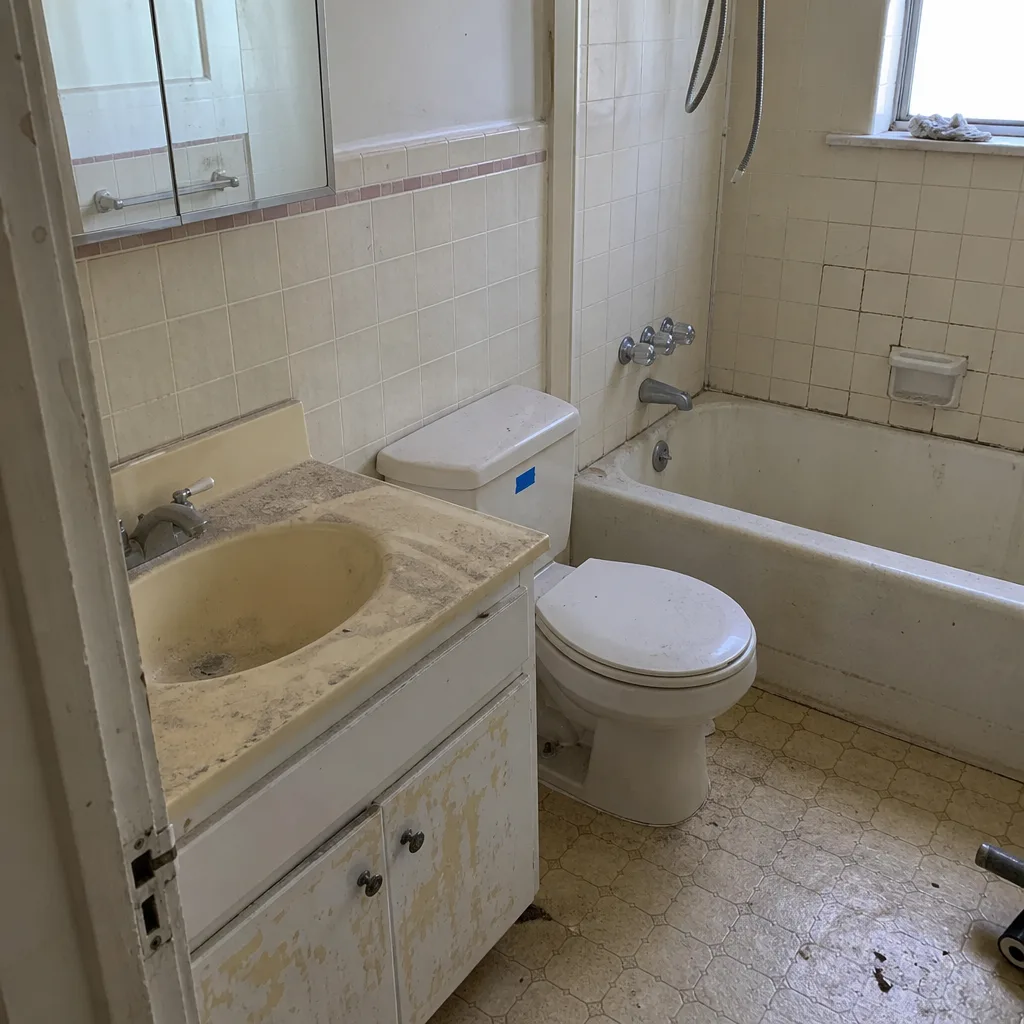 Before
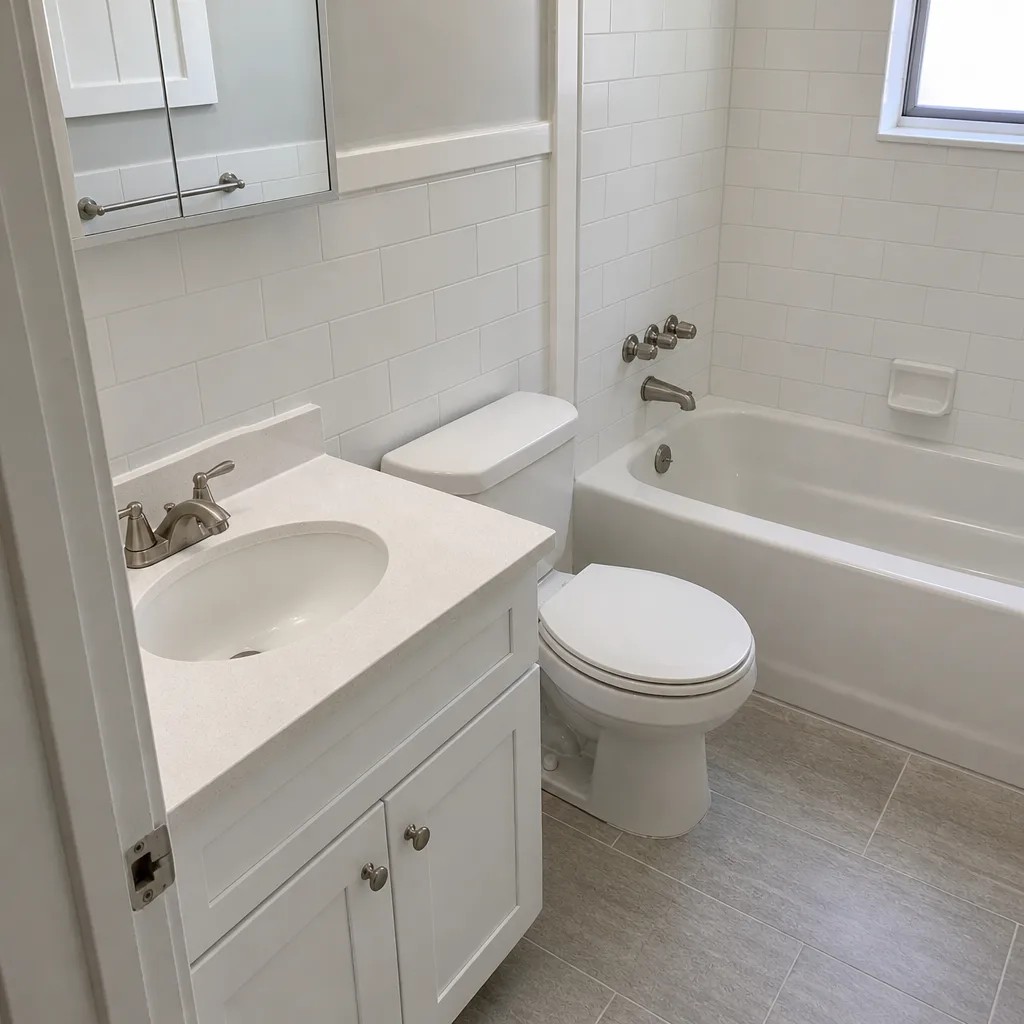 After
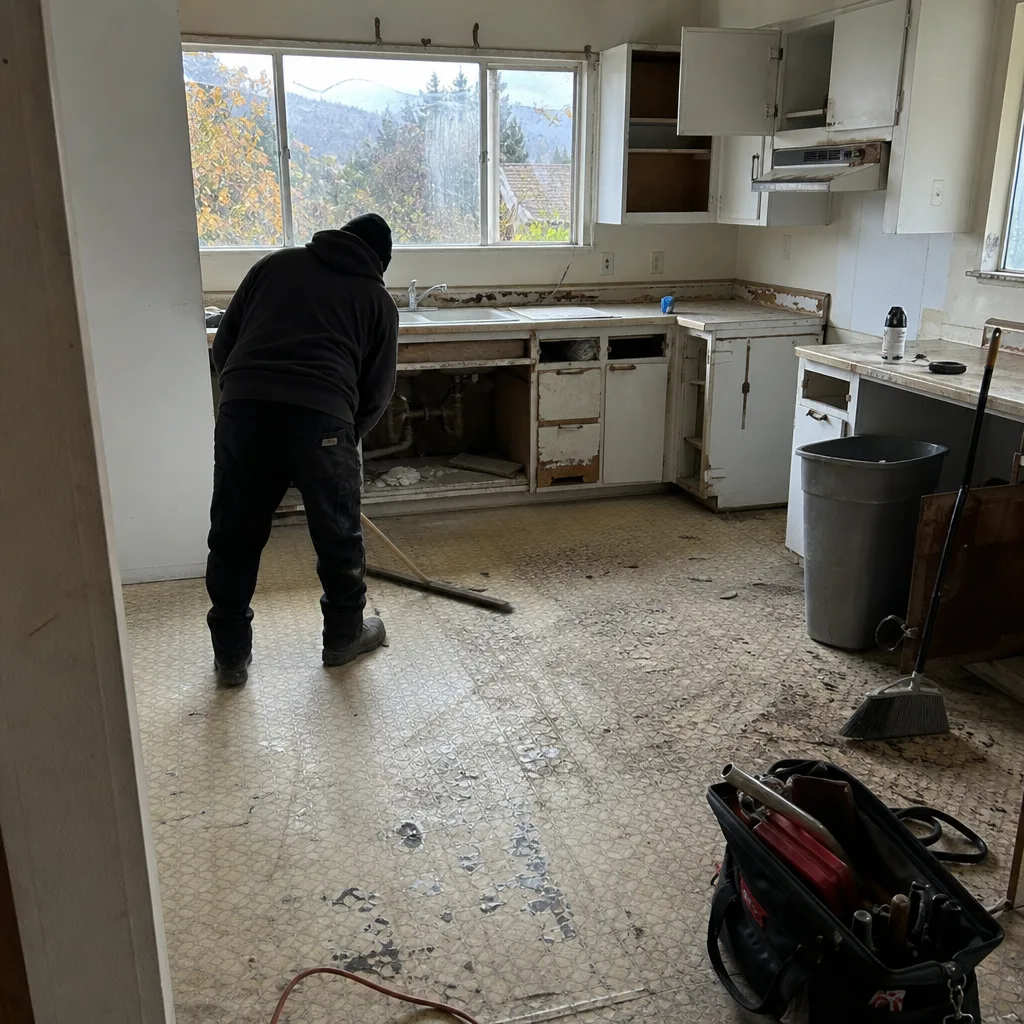 Before
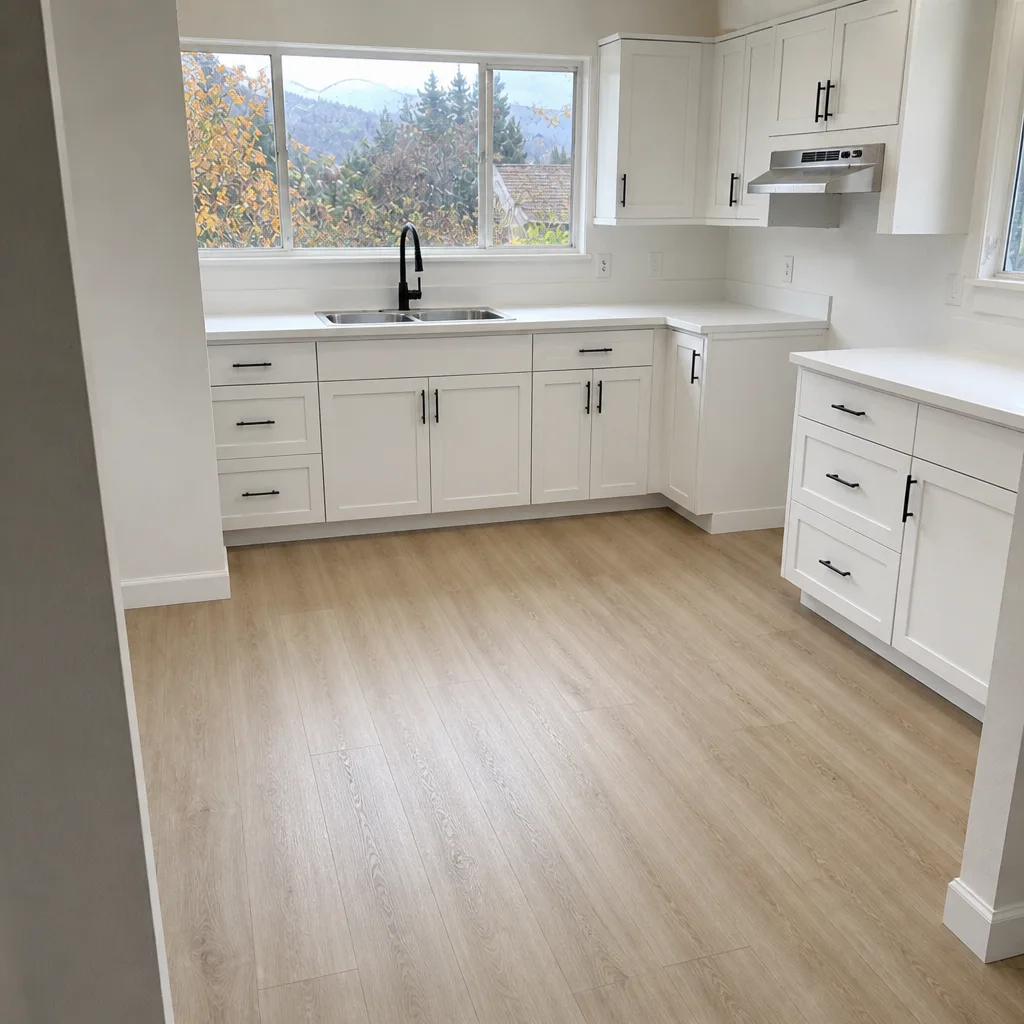 After
When to Call a Professional
Most ADU maintenance is something a homeowner can handle: filter changes, gutter cleaning, visual inspections, testing detectors. Call a professional when the work involves anything that’s genuinely dangerous or requires a licensed trade. That includes opening the electrical sub-panel or any panel work, repairing or replacing a water heater, any work on the mini-split that involves refrigerant or the sealed system, and any structural repair after you notice a widening crack or movement. Call immediately if you see water pooling at the foundation, water stains spreading on an interior wall or ceiling, or a breaker that trips repeatedly. Those aren’t maintenance items; they’re repair items, and delaying makes them more expensive.
Groundwork Construction Co. of Oakland offers free estimates in Oakland. If your ADU is due for annual service or you’ve spotted something you’re not sure about, call (833) 997-7759. A live person answers, 24 hours a day, so you’re not leaving a message and waiting until Monday. Our technicians have up to 12 years of experience, arrive in uniform and background-checked, and every project is covered by our 730-Day Done Right Promise. If it’s not done right, we make it right.
Frequently Asked Questions
Flush the tank every 12 months and test the pressure relief valve at the same time. Oakland’s water has mineral content that builds up in the tank, and an annual flush is the single easiest way to get the full life out of the unit. If you have a tankless heater, descale it annually instead. Call (833) 997-7759 for an exact service quote – estimates are free.
The pre-rain exterior and drainage inspection in September or October. It’s the first time the grading and downspouts get tested, and catching a disconnected downspout or a low spot before the wet season prevents the kind of foundation moisture problem that costs thousands later. The second most important is the six-month caulk inspection.
Put an annual inspection clause in the lease before the tenant moves in, give proper written notice before entry, and schedule at reasonable times. Oakland’s tenant protection ordinances set the notice requirements, so follow those exactly. A clause written into the lease from the start makes the annual walkthrough a routine event rather than a negotiation.
Clean or replace the indoor filters every three months and have a technician do a full annual service, including the condensate drain line and the outdoor coil. The drain line is the critical item. A clogged condensate line causes interior water damage, and it’s one of the most common ADU maintenance calls we get in Oakland.
Yes, and the pattern is predictable: a deferred water heater flush, a clogged mini-split drain, and an ignored grading issue can together erase a meaningful chunk of rental income by year five. The annual maintenance cost is small compared to the repairs. Call (833) 997-7759 to schedule a maintenance visit and get a written quote before anything becomes urgent.
Routine maintenance like filter changes, caulking, and gutter cleaning doesn’t need a permit. Structural repairs, water heater replacement, and electrical work generally do require a permit in Oakland, and the requirements depend on the scope. When you get an estimate, ask whether the work needs a permit and confirm that it will be pulled and inspected. Groundwork pulls the permits and passes the inspections on the work we perform.
The Bottom Line
An ADU is a second structure with its own maintenance clock, and the calendar you set in the first year determines what you spend in year five. Inspect the exterior before the first fall rains and after every rainy season. Flush the water heater annually and service the mini-split every year, including the drain line. Test the grading and downspouts during the first wet season, because that’s when problems reveal themselves. Write an inspection clause into the lease before the tenant moves in so access is never a battle. And treat the small annual items as the cheap version of the repairs you’d otherwise be paying for. If you’d rather have a team that knows the structure handle the schedule for you, call (833) 997-7759 for a free estimate and we’ll map out the maintenance calendar together. Upfront pricing, no surprises, and the 730-Day Done Right Promise behind every job.
Written by the team at Groundwork Construction Co. of Oakland.