
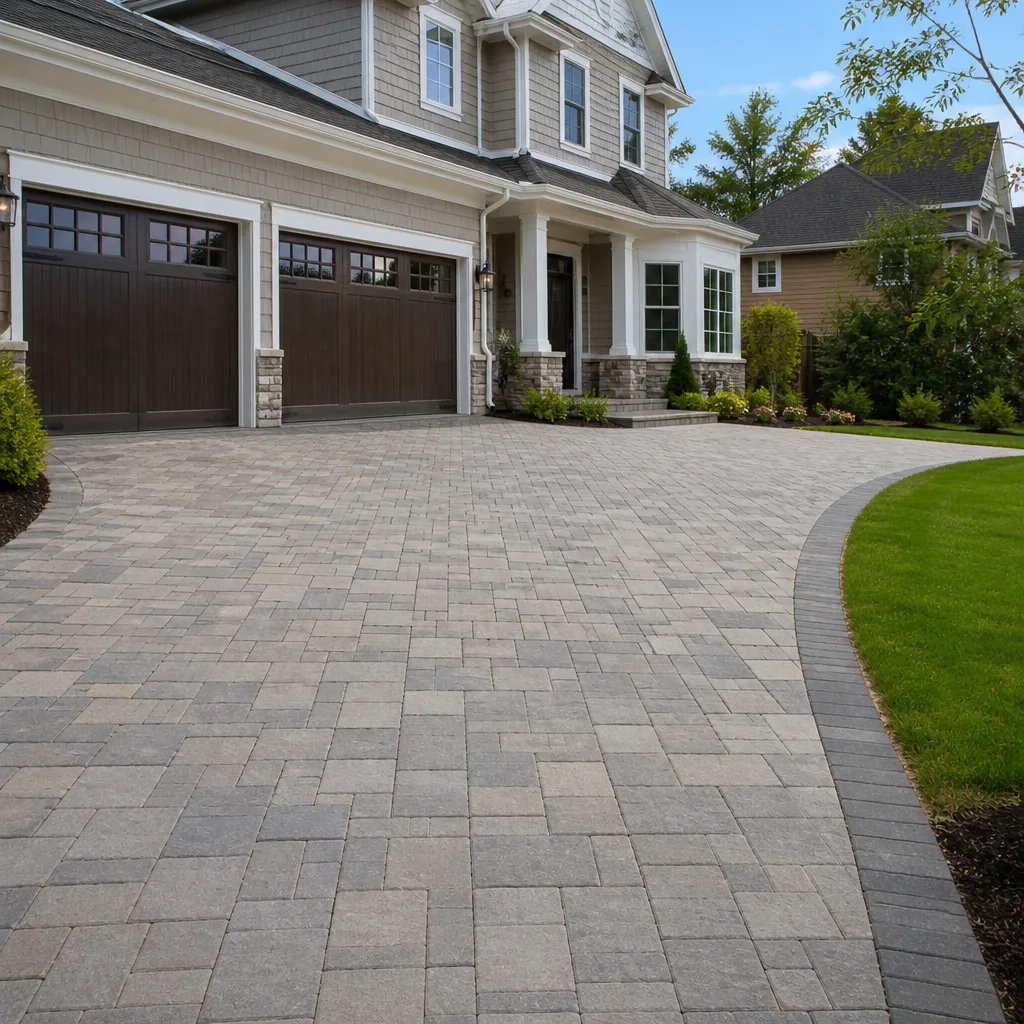
 Driveway & pavers
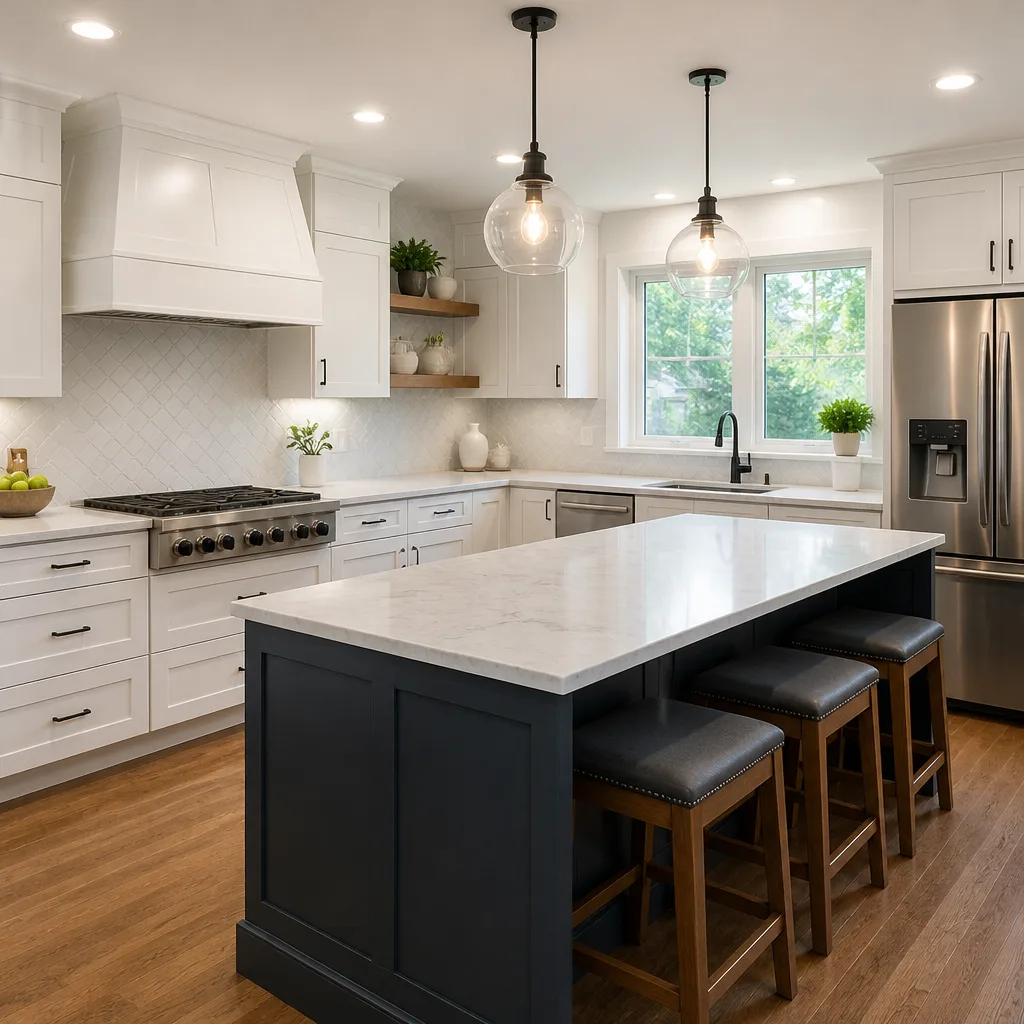 Kitchen remodeling
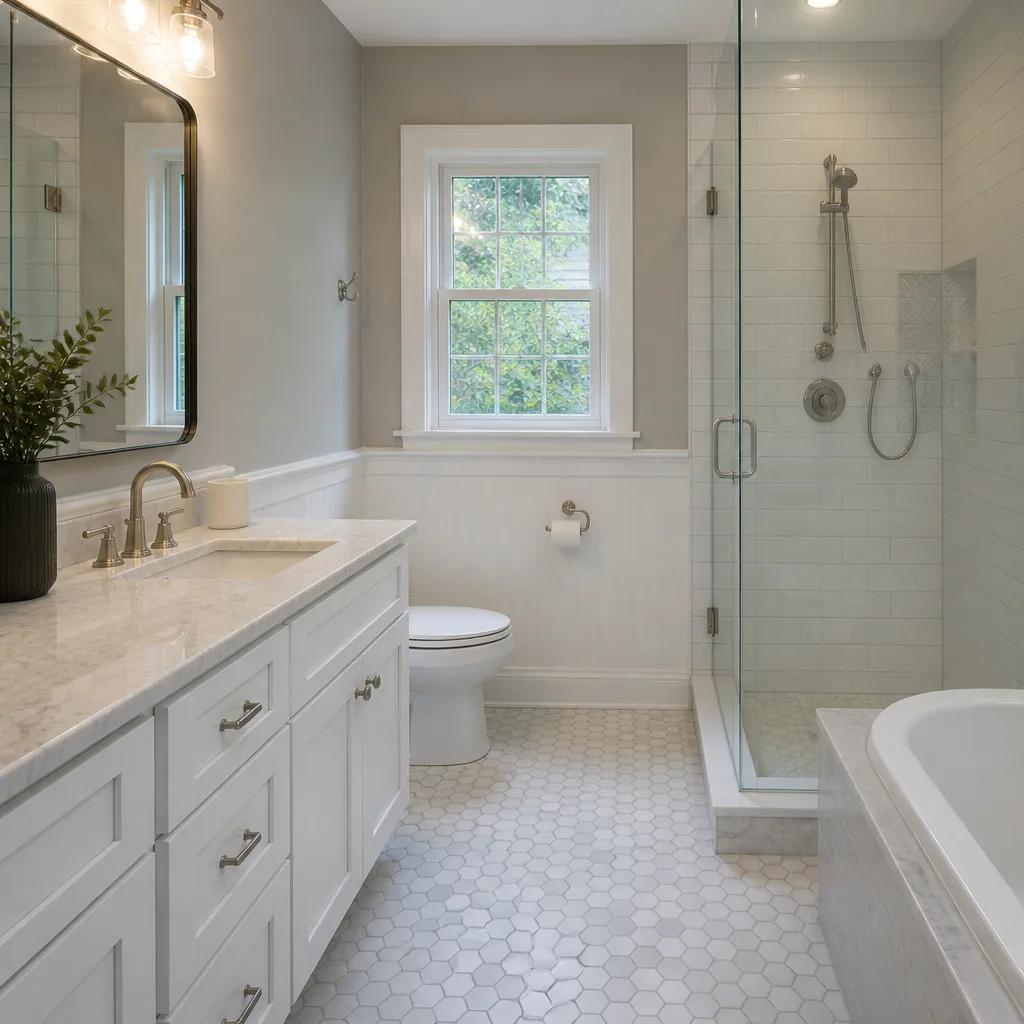 Bathroom remodeling
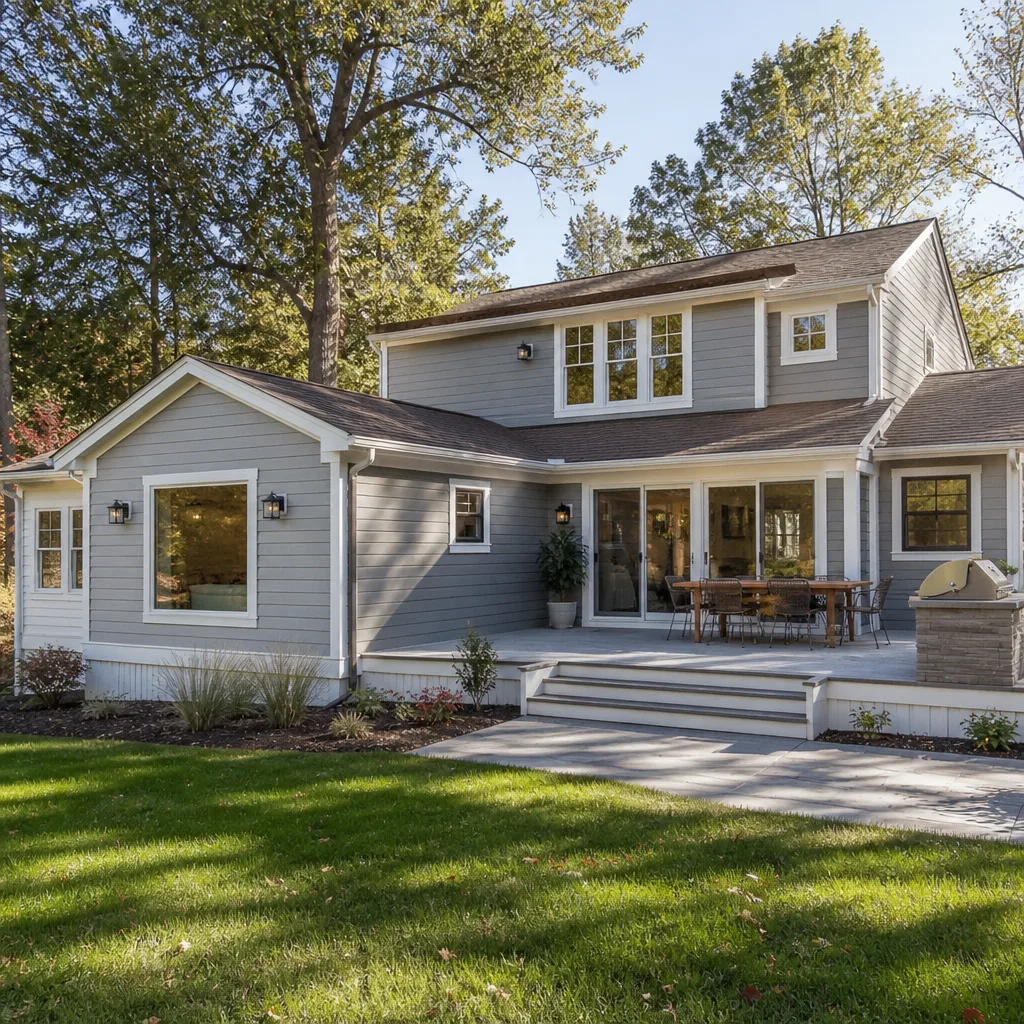 Home additions & ADU
 Roofing
 Windows & doors
 Fence
Free written scope consultation - allowances, timeline, and change-order rules on paper before a single trade is scheduled
Mr-Glass Driveway & Pavers: The Oakland Owner’s Guide
If you own Mr-Glass driveway and paver materials in Oakland, a failing surface is almost always one of three things: joint sand washing out under winter rain, a base that was never compacted far enough down, or individual pavers shifting and chipping against a driveway apron that keeps dropping. Mr-Glass pavers themselves hold up well in our climate; what fails is the installation around them. Repairs and re-sets typically run $250 – $2,400, while a full paver driveway rebuild in Oakland lands between $7,000 and $18,000 installed.
We’re Groundwork Construction Co. of Oakland. We work with Mr-Glass surfaces regularly, and we install compatible base, edge restraint, and joint materials for Oakland driveways and patios. We’re an independent service provider, not affiliated with Mr-Glass.
Key Takeaways
- Mr-Glass pavers rarely fail on their own; the base, edge restraint, and joint sand fail first.
- Joint sand loss and edge creep show up fast in Oakland’s wet-season freeze-thaw and clay soil movement.
- Repair and re-sand jobs run $250 – $2,400; full paver driveway installation runs $7,000 – $18,000.
- We verify part and series compatibility by measurement and profile before any material is ordered.
Which Mr-Glass Models This Applies To
Mr-Glass sells paver systems under several series names, and the part that matters most is rarely the paver itself. It’s the base layer, the edge restraint, the joint sand, and – on driveways – the thickness of the paver you’re working with. Driveway-rated units are typically thicker than patio-grade units, and the joint sand spec differs for a surface that carries vehicle weight versus one that only sees foot traffic.
How to identify what you actually have, if you’re buying matching material or a replacement piece:
- Measure the unit in three dimensions – length, width, and thickness. Thickness is the one most owners skip, and it’s the one that decides whether a unit belongs on a driveway or a patio.
- Look for a stamp or label on the pallet or the underside of a loose unit – Mr-Glass series markings, color names, and unit dimensions usually appear on the pallet wrap or the edge of the unit itself.
- Match the surface profile, not just the size – two pavers can read the same on a tape measure and still sit at different heights because the chamfer and face texture differ.
- Photograph the failed area with a tape measure in frame – this is the fastest way for us to confirm series and thickness without a site visit.
On the OEM-versus-aftermarket question: for Mr-Glass pavers, we source compatible base aggregate, polymeric joint sand, and edge restraint rather than assuming a specific brand is required. The aggregate spec matters more than the label on the bag. If you need a color-matched paver, we confirm the series first, because color names repeat across series and a near-match reads as a patch from the street.
Styles & brands we work with
- Kitchen remodeling
- Bathroom remodeling
- Home additions & ADU
- Roofing
- Windows & doors
- Driveway & pavers
- Fence
Signs Your Mr-Glass Driveway & Pavers Is Failing
Owners in Oakland usually notice a Mr-Glass surface problem in one of five ways. Each one points to a different underlying cause, and the fix differs:
- Joint sand washing out after rain. The joints between pavers open up and lose their sand fill, so the surface starts to look loose and the units rock slightly underfoot. This is a drainage and joint-fill issue, not a paver failure, and it’s the single most common call we get on Mr-Glass driveways in Oakland.
- Individual pavers rocking or sinking. A soft spot in the base, usually from a compacted-depth shortfall or a saturated clay pocket, lets a unit drop below its neighbors. If less than about 15% of the surface is affected, it’s often a re-set rather than a full rebuild.
- Edge creep at the driveway apron or along a planting bed. Units push outward over time when the edge restraint is missing, undersized, or corroded. Left alone, the whole pattern loosens from the edge inward.
- Chipping at the apron and wheel path. Vehicle loads concentrate at the driveway apron where the paver meets the sidewalk or garage slab, and a unit too thin for driveway duty chips at that joint.
- Standing water against the house or garage. Water pooling in the same spot after every storm usually means the surface slope has flattened, not that a single paver is damaged. This is the one that can turn into a foundation conversation if it’s left a couple of seasons.
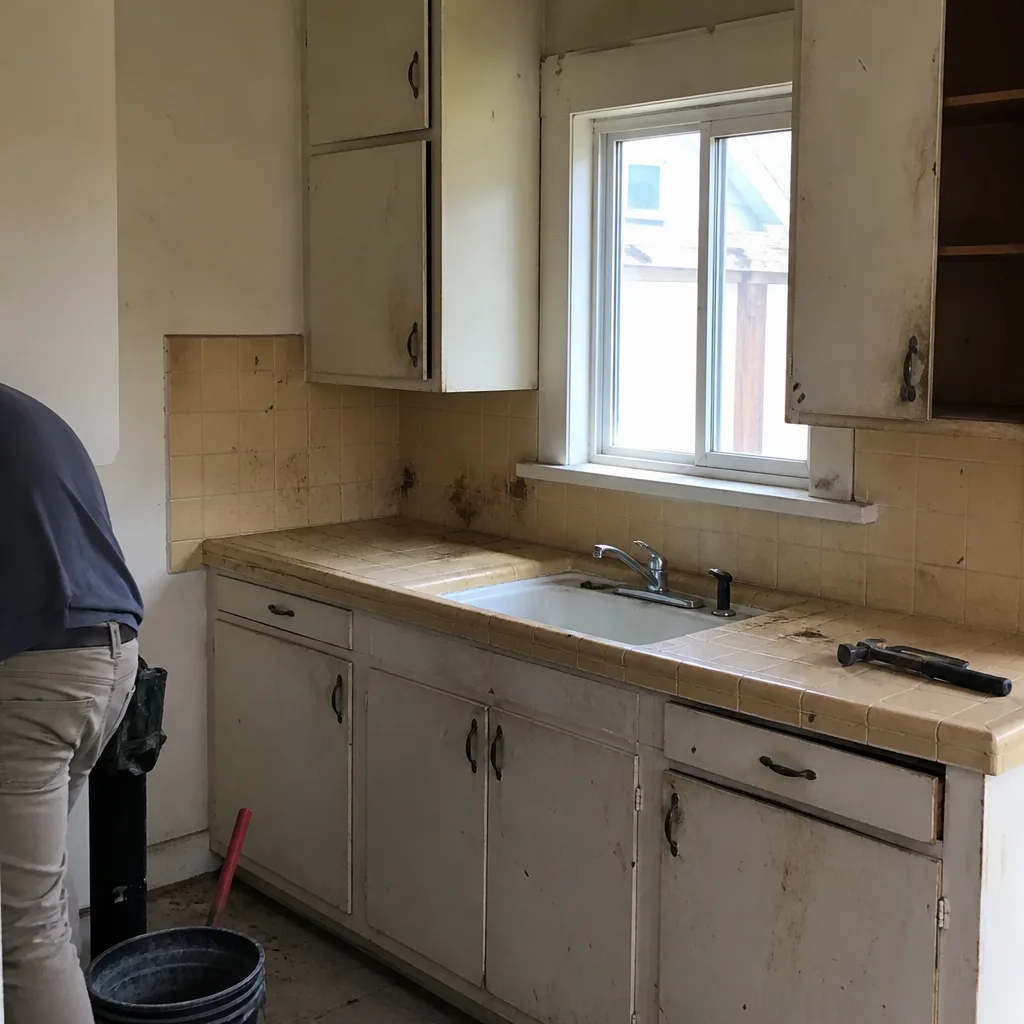
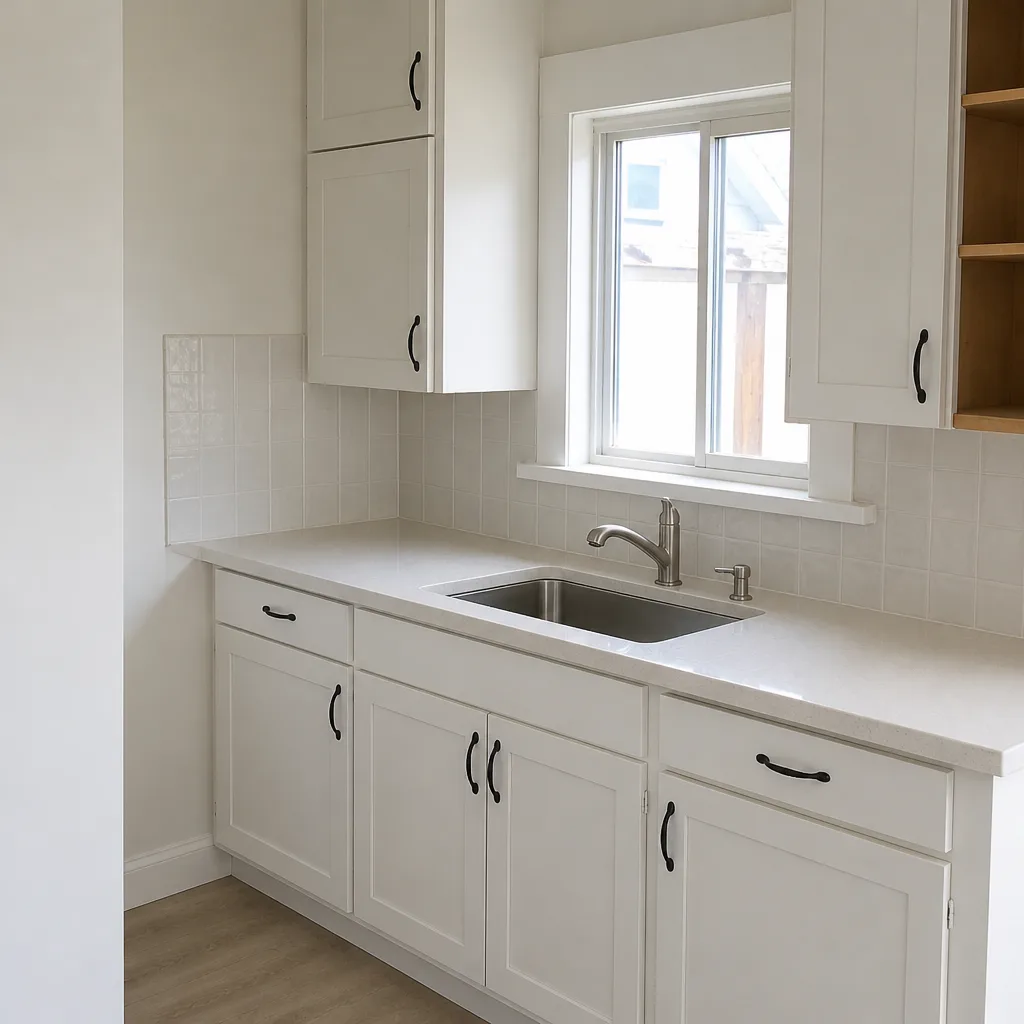
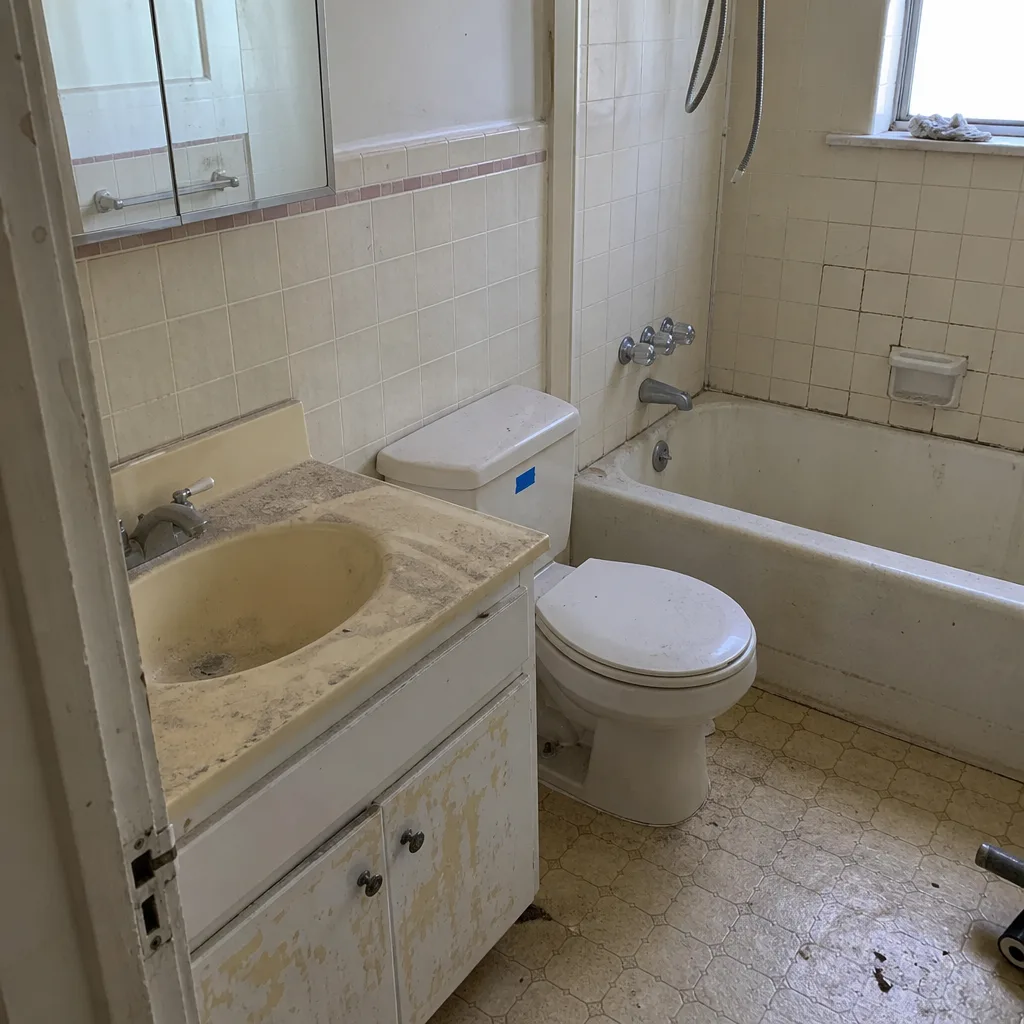
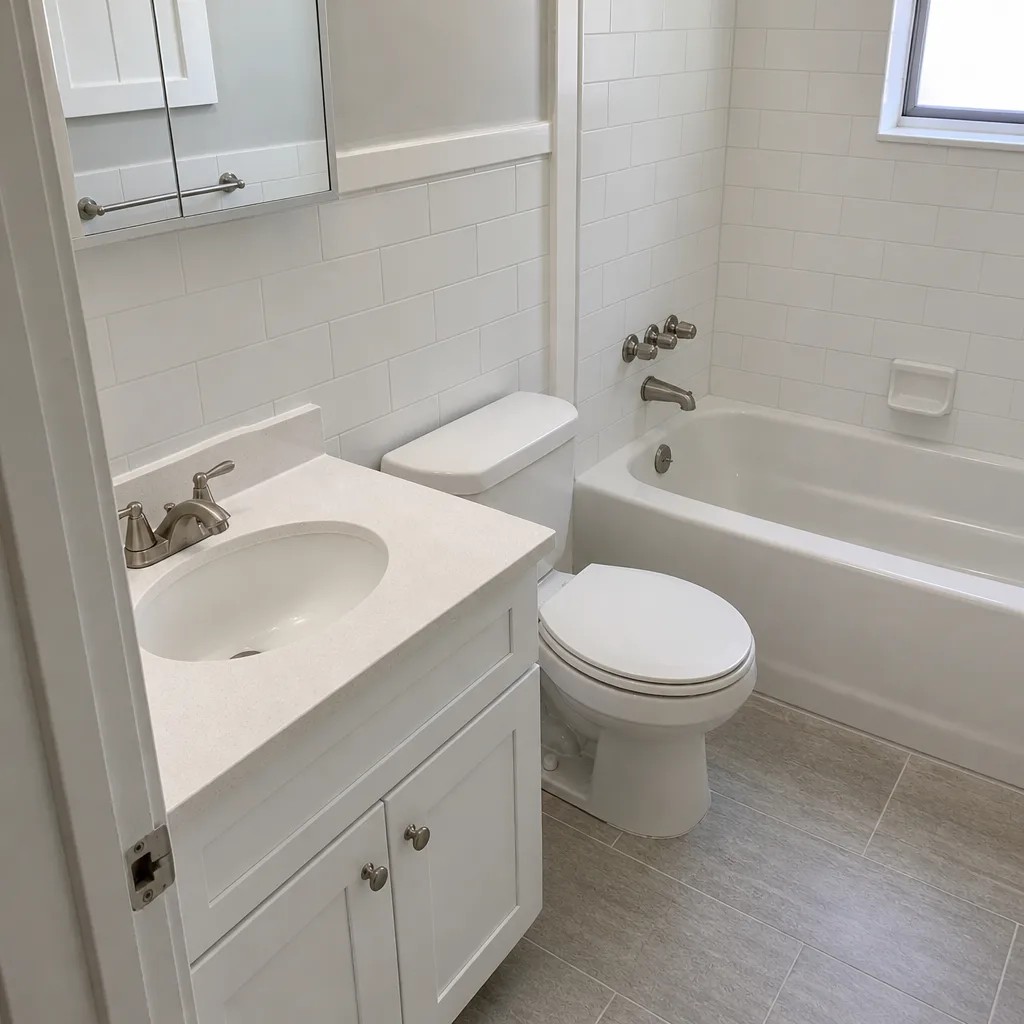
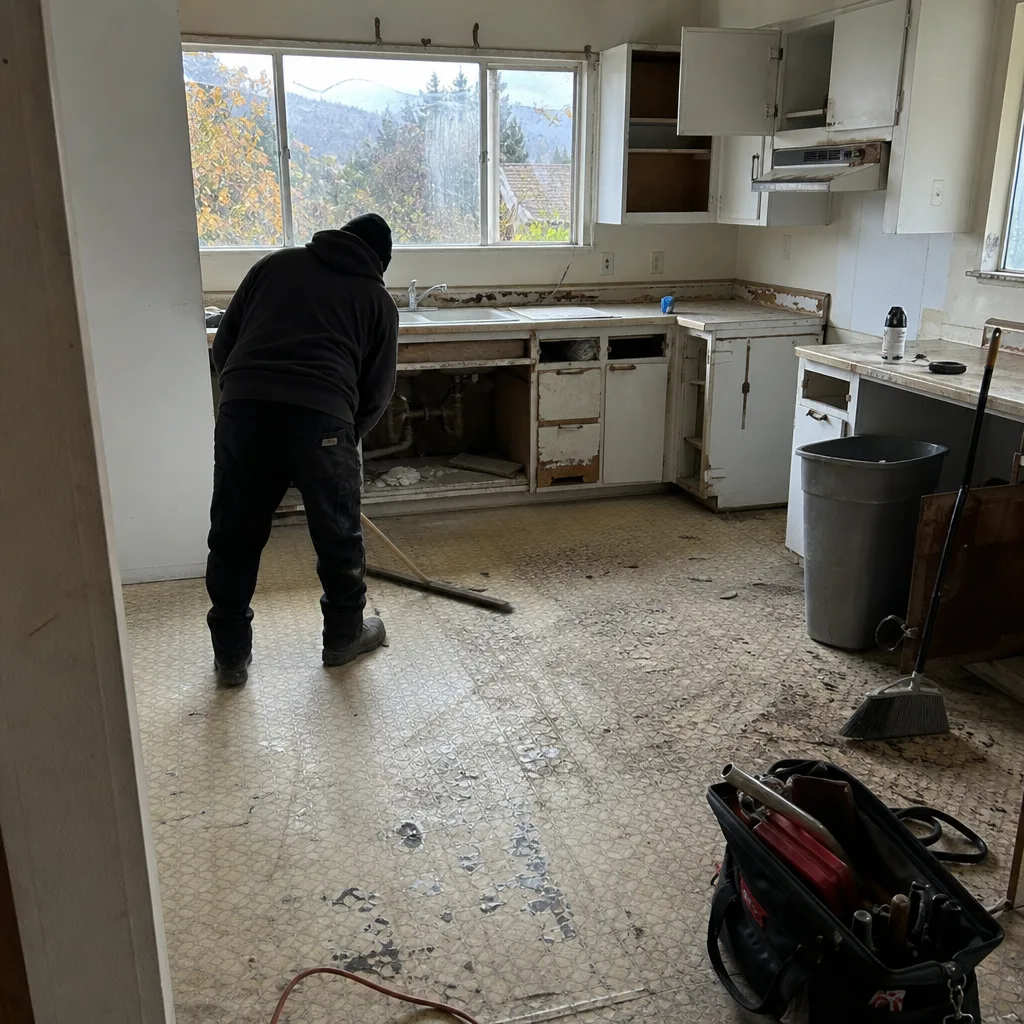
See the difference
 Before
 After
 Before
 After
 Before
 After
Replacement Cost & What’s Included
Here’s what Mr-Glass-compatible driveway and paver work actually runs in Oakland. These are installed ranges – material plus labor plus base prep – not material-only prices:
| Job | Installed Range (Oakland) |
|---|---|
| Joint sand re-fill / spot repair | $250 – $700 |
| Paver re-set (limited area) | $800 – $2,400 |
| Paver driveway installation | $7,000 – $18,000 |
| Driveway replacement (full) | $5,000 – $14,000 |
| Paver patio installation | $3,500 – $11,000 |
| Driveway sealing | $250 – $700 |
What drives the number up or down: how much of the base has to come out, whether the edge restraint has to be rebuilt, access width for equipment, and whether the failed area sits against a mature tree root zone. Base depth and compaction are where cheap jobs fail – a thin base installed over clay looks fine for a season and then starts to telegraph winter moisture straight to the surface.
Every quote we write is line-item, with the number you see being the number you pay – no change orders after the crew arrives. All work carries the 730-Day Done Right Promise: if it’s not done right, we make it right. Calls are answered by a live person, 24/7.
DIY or Call Us?
Some things you can check yourself with no risk and no special tools:
- Tap along the joints with a screwdriver handle and listen for a hollow sound – that’s a void under the base.
- Look at the edge restraint and confirm it’s intact and pinned.
- Watch one rainy day and photograph where water pools.
- Re-sand a small area of open joints with a bucket of polymeric joint sand and a stiff broom.
Where DIY goes wrong: pulling a single paver to re-set it almost always opens a wider soft spot than the one unit you started with, because the base under a shifting paver is rarely intact nearby. Re-compacting a base properly takes a plate compactor, the right lift thickness, and aggregate matched to what’s already under the surface. Repairing a driveway edge restraint that’s already moving is a heavier job than it looks from the surface, and a bad fix telegraphs within one winter.
If it’s a joint sand top-off, we’ll tell you to grab a bag and do it yourself. If a base layer has to come apart, call us at (833) 997-7759 for a free estimate.
Frequently Asked Questions
The pavers themselves commonly give 25 – 50 years on a proper base, but the base, joint sand, and edge restraint are what decide how long that surface actually performs. In Oakland, the wet season, clay soil movement, and seasonal tree root activity wear the base and joints far faster than the pavers wear out. Re-sanding joints and checking edge restraint every few years is the difference between a 30-year surface and a 7-year one.
In most cases, yes – if the affected area is limited and the underlying base in that spot is still sound. Joint sand re-fill and spot re-sets are the two most common repairs, and both are priced well below a full rebuild. If a soft base pocket has spread across the width of the driveway, a re-set will look fine for one winter and then read the same. We’ll give you a clear read on which side of that line your driveway sits after a free estimate.
Joint sand re-fill takes 2 – 4 hours. A spot re-set of a limited area typically runs a single visit, and a full paver driveway installation runs 2 – 5 days depending on base prep and access. We’ll tell you the real timeline before work starts, not the day of the job. Call (833) 997-7759 for an exact estimate.
We confirm the series and unit thickness first – by measurement, pallet markings, and photographs of the failed area – then source compatible base aggregate, polymeric joint sand, edge restraint, and color-matched pavers through our curated set of verified material brands. We don’t assume a specific brand of joint sand or base is required, because the spec matters more than the bag label. If we can’t confirm an exact match, we tell you what the closest compatible option is and what the visual trade-off will be.
We also work with KraftMaid, Cambria, and Silestone on other projects, but for driveway and paver work it’s base, restraint, and joint material first. Call us at (833) 997-7759 to schedule your free estimate and design consult.
Written by the team at Groundwork Construction Co. of Oakland, serving Oakland and nearby areas.