

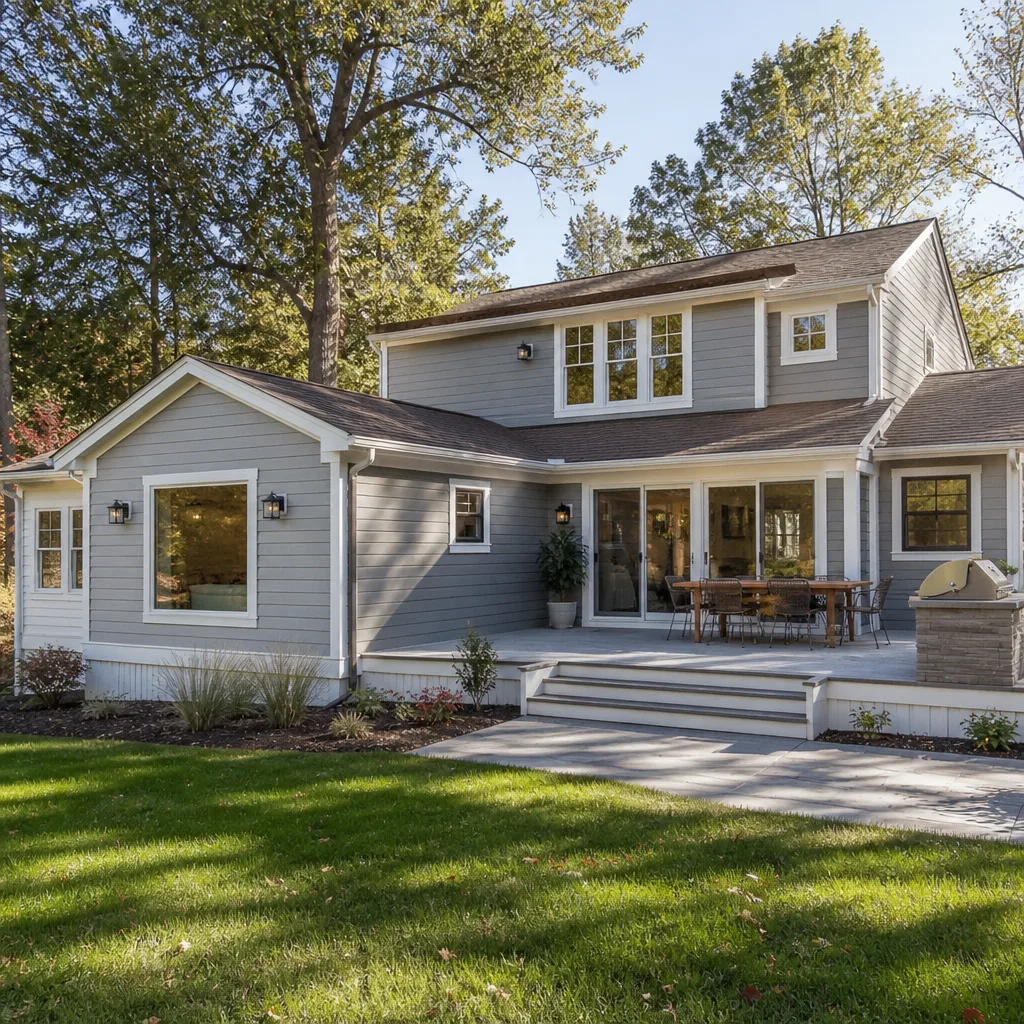
 Home additions & ADU
 Kitchen remodeling
 Bathroom remodeling
 Roofing
 Windows & doors
 Driveway & pavers
 Fence
Free written scope consultation - allowances, timeline, and change-order rules on paper before a single trade is scheduled
Quikrete Home Additions & ADU: The Oakland Owner’s Guide
Quikrete is a concrete, mortar, and repair-mix brand, not a manufacturer of additions or ADUs. There is no Quikrete “model line” of home additions or accessory dwelling units, and no Quikrete-branded part on your house that can be matched, swapped, or ordered. What we do is build additions and ADUs using Quikrete concrete products for the foundation, slab, and masonry work, and that’s where the brand actually enters your project. Installed, a home addition in Oakland runs $45,000 – $130,000, and an ADU runs $90,000 – $220,000. None of this is same-day work, and anyone telling you otherwise is selling you something.
Owners rarely “discover a failed part.” They discover a failed surface: a slab that has cracked and heaved, a foundation stem wall with a crumbling mortar joint, a patio or footing poured with a mix that never hit the strength it needed. That’s the Quikrete conversation, and it’s the one we have on site in Oakland more than any other.
Key Takeaways
- Quikrete makes the concrete and masonry products under your addition, not the addition itself. There’s no part number to match.
- What fails is usually the slab, footing, or mortar joint – not a replaceable component.
- Oakland’s expansive clay soils and wet winters are the two biggest reasons Quikrete-poured work moves and cracks.
- Additions run $45,000 – $130,000 installed here; ADUs run $90,000 – $220,000.
Which Quikrete Products Apply to an Addition or ADU
Quikrete sells a wide catalog, and the products that show up on an Oakland addition or ADU job are fairly specific. You’ll see their concrete mixes for footings and slabs, their high-strength structural mix where a specified PSI demands it, sand and mortar mixes for CMU block and brick, and their repair and resurfacing products for patching older work. The brand also makes anchoring epoxy and non-shrink grout, which matter on retrofit and seismic work in the East Bay.
Identifying what’s actually under your floor or footing is where homeowners get stuck. There’s no label to read because it’s buried. The reliable path is to read the original permit drawings and the structural plan, which will call out a mix design and a compressive strength. If you don’t have them, the City of Oakland building records will. A core sample or a hammer test tells a contractor what’s really there. Skip the guesswork and skip the box-store bagged product that looks similar but isn’t the same spec.
On OEM versus aftermarket: for concrete, that distinction doesn’t exist. A Quikrete mix is a commodity product with published specs, and a competitor’s equivalent mix is a valid substitute when the spec matches. What matters is the PSI, the slump, the cure, and the inspection. We’re an independent contractor and not affiliated with Quikrete, so we specify the right product for the job and don’t push a brand for its own sake.
Styles & brands we work with
- Kitchen remodeling
- Bathroom remodeling
- Home additions & ADU
- Roofing
- Windows & doors
- Driveway & pavers
- Fence
Signs Your Quikrete-Poured Work Is Failing
- Hairline cracks that keep widening. Most hairline cracks are normal shrinkage. A crack you can slide a credit card into and that grows season to season usually means the slab is moving on Oakland’s clay, or the mix was placed too wet.
- Crumbling mortar joints on the stem wall. This is a mixing or curing problem, often from mortar placed in the wet season and never protected. It reads as cosmetic until water starts getting behind it.
- Uneven floors or a sticking door at the addition threshold. This points to differential settlement, not a bad day of construction. The footing and soil under it need a look, not a patch.
- Powdery, flaking surface on a slab or patio. This is efflorescence and surface dusting, common in Oakland’s damp winters when a slab wasn’t sealed. It can be resurfaced, but only after the source of moisture is ruled out.
- Water pooling against the addition wall after rain. The slab was poured flat or sloped the wrong way. That’s a grading and drainage failure, and it’s the single most common cause of long-term foundation trouble we see in the flats.
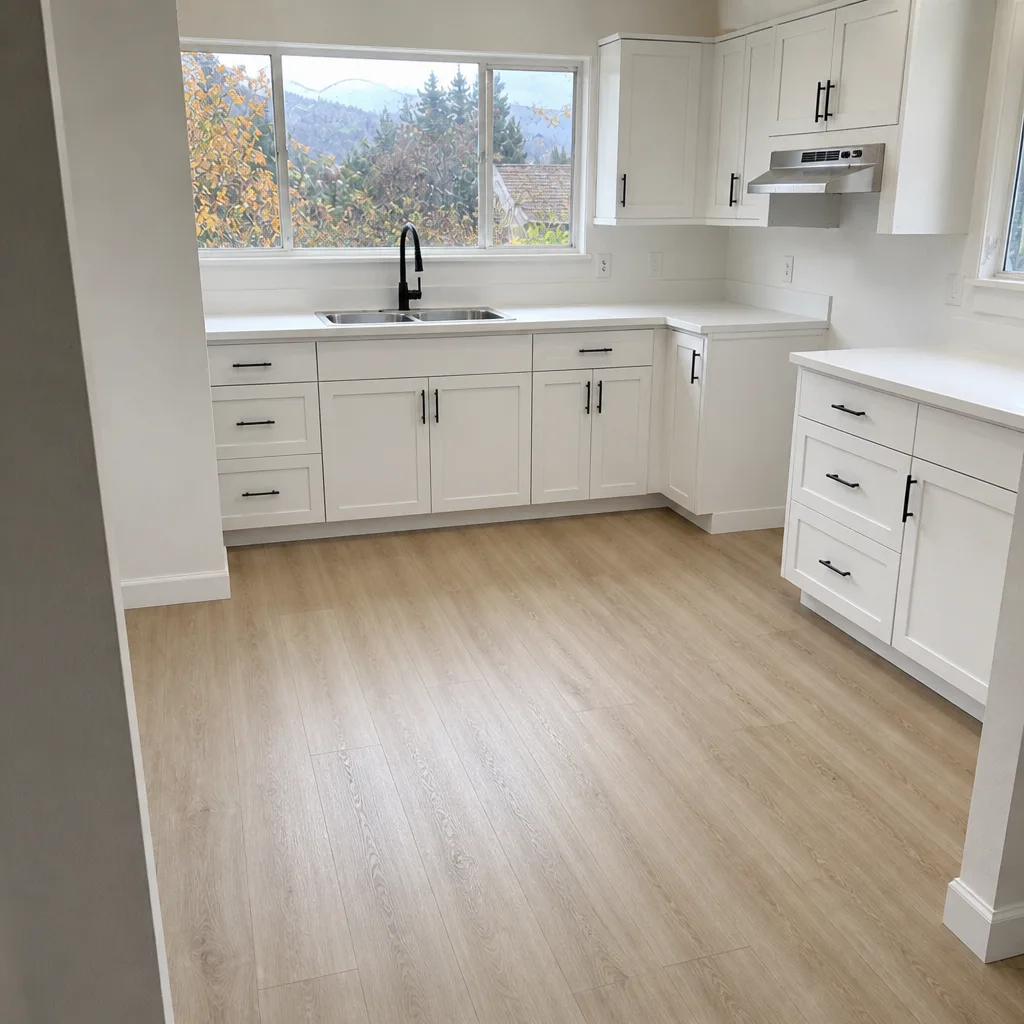
See the difference
 Before
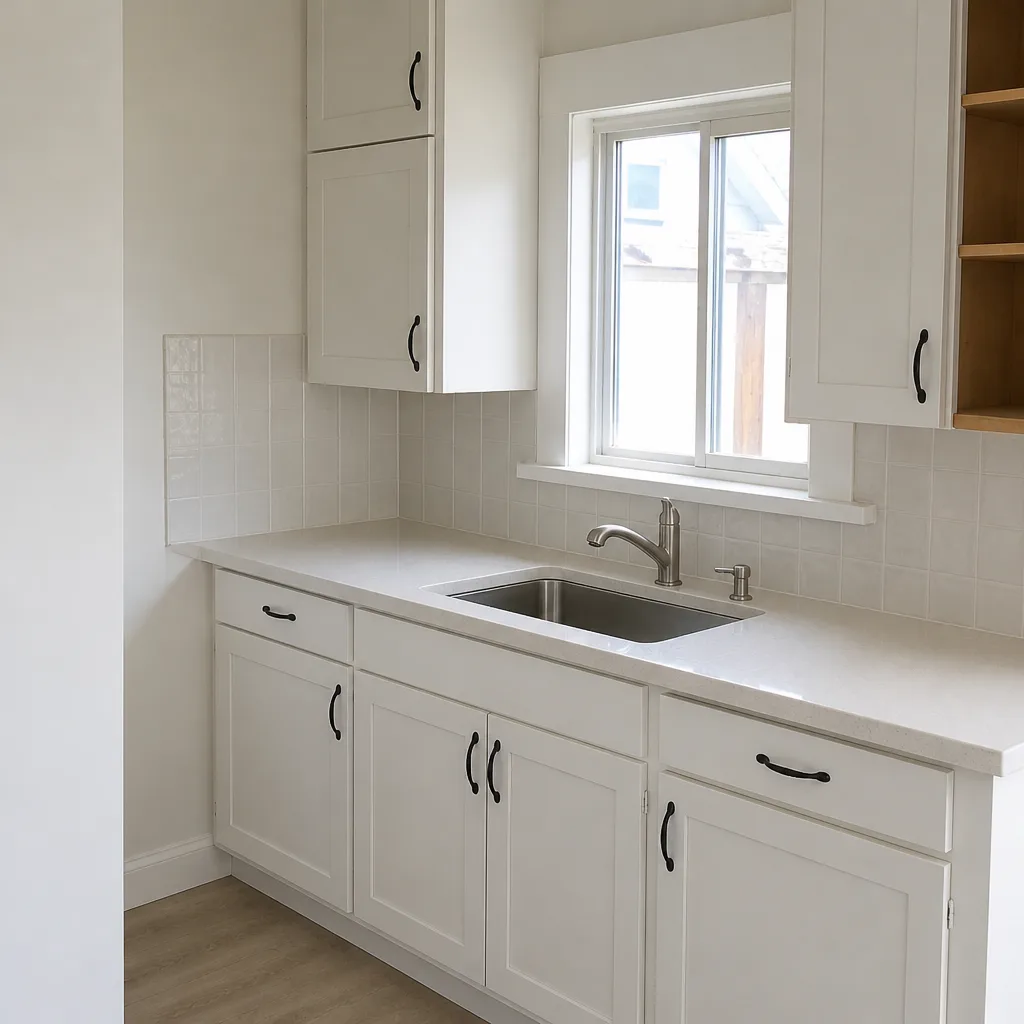 After
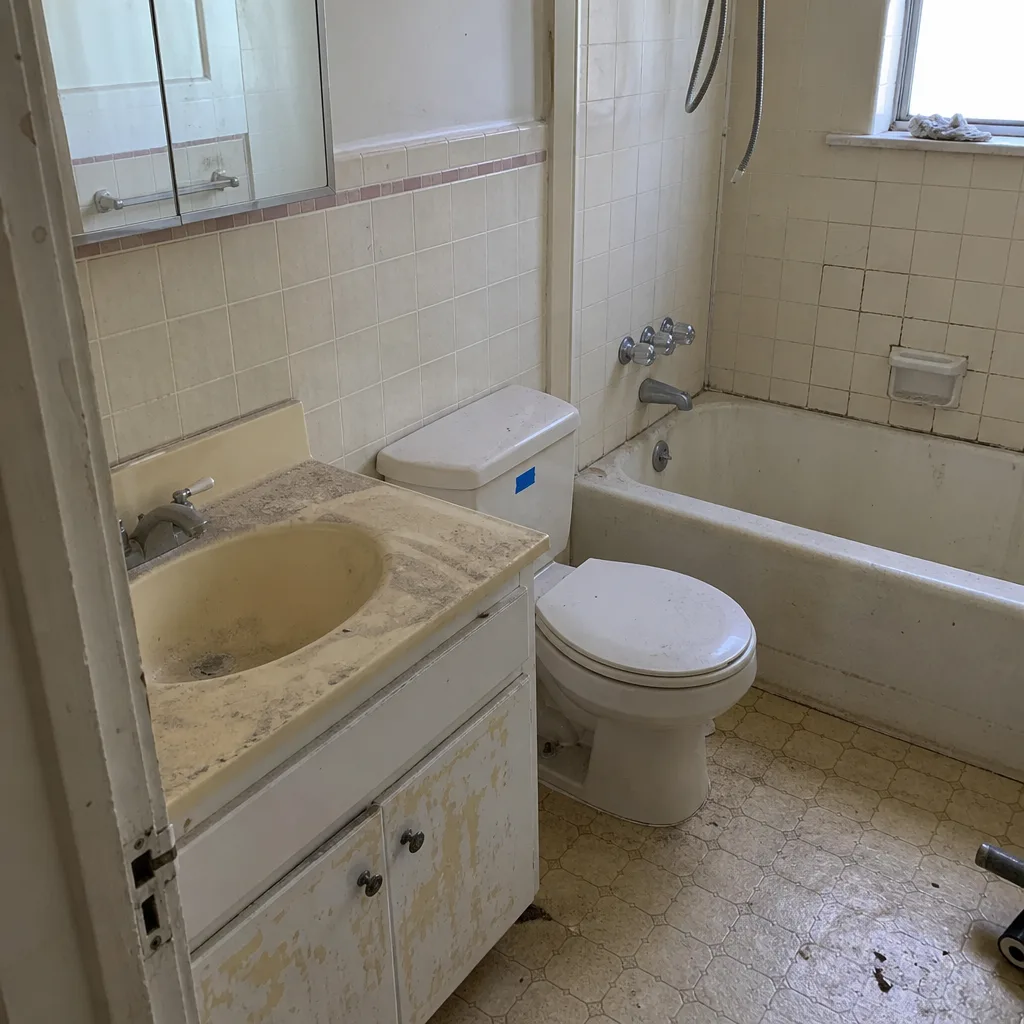 Before
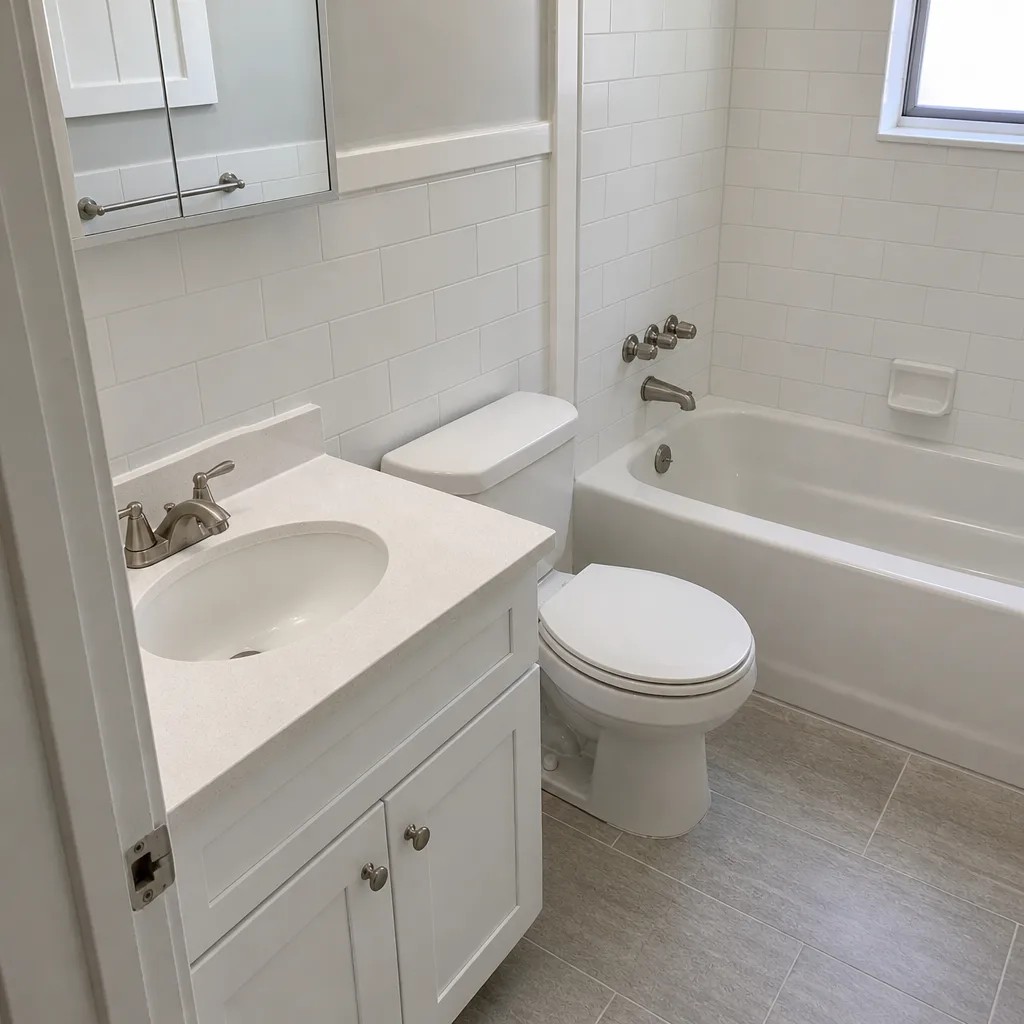 After
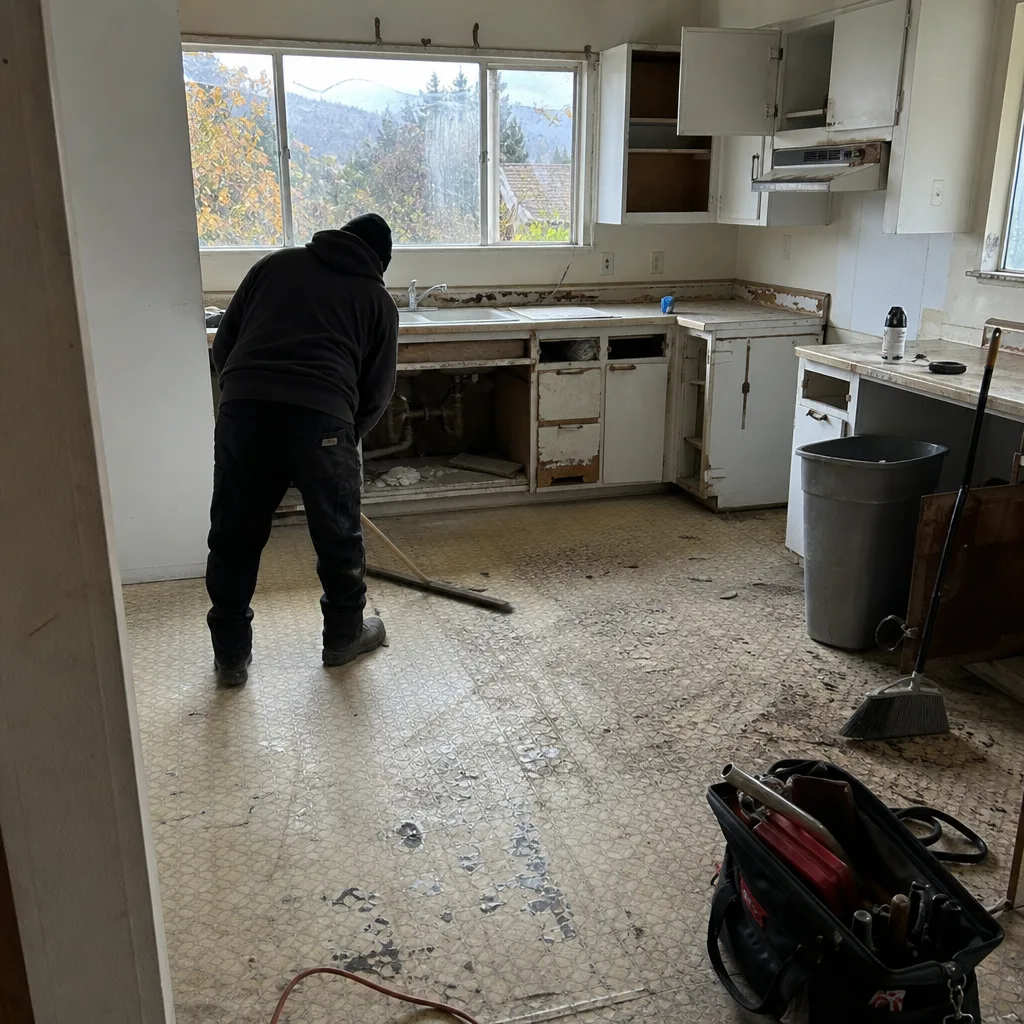 Before
 After
Replacement Cost & What’s Included in Oakland
There’s no meaningful “repair the part” price here because the work is structural. The real number is the project: a home addition in Oakland runs $45,000 – $130,000 installed, and a detached or attached ADU runs $90,000 – $220,000. A garage conversion, which is often the most affordable path to an ADU, runs $30,000 – $80,000. A slab or footing repair on its own is a separate, smaller line item and gets quoted after inspection.
| Scope | Installed Range (Oakland) |
|---|---|
| Home addition (framed, finished, permitted) | $45,000 – $130,000 |
| ADU construction (new, full scope) | $90,000 – $220,000 |
| Garage conversion to living space | $30,000 – $80,000 |
What drives the range: soil conditions and depth of footings, whether you need a retaining wall on a sloped Oakland lot, the mix and rebar spec, utility trenching, and finish level. Every quote is written line item by line item, with the concrete spec listed as its own line. Our pricing is upfront with no surprises, and the work is covered by our 730-Day Done Right Promise.
DIY or Call Us?
You can safely look at things from the outside. Check for cracks, note where water pools after a storm, look at the base of your addition wall for staining or crumbling mortar, and pull your permit records from the city. That’s the diagnostic work, and it’s free.
What you shouldn’t do is patch a moving slab, re-point a failing stem wall, or pour a footing for real structure. Concrete work looks forgiving and isn’t. A footing under-specified for Oakland’s clay, or a mix placed too wet and cured too fast, will fail two or three years down the line and take the framing above it with it. That’s not a scare tactic, it’s the pattern we see. Our technicians have up to 12 years of experience and we pull every permit and pass every inspection. Call (833) 997-7759 for a free project estimate and design consult.
FAQs
For a small non-structural patch, yes. For anything supporting an addition or ADU, no. The part that fails is rarely the material and almost always the soil prep, the footing depth, and the pour and cure schedule.
No. We quote line item by line item upfront, including the concrete spec, and we hold to it. Unknowns found during demolition get priced and approved before we proceed, never billed after the fact.
Yes. Additions and ADUs in Oakland require building permits and inspection, and we handle the permitting and pass the inspections as part of the job.
A garage conversion typically runs 8 to 14 weeks. A full addition runs several months depending on size and site conditions, and an ADU runs longer still. We give you a written schedule with the estimate.
Yes. Concrete is only one piece of an addition. We also install KraftMaid, Cambria, and Silestone finishes and work with dozens of other vetted brand partners across every trade.
If you’re planning a Quikrete-based addition or ADU in Oakland, call (833) 997-7759 to schedule your free estimate. A live person answers 24/7, no voicemail, no waiting for Monday. Every project over $10,000 gets $1,000 off, and 0% financing is available for 18 months.
Written by the team at Groundwork Construction Co. of Oakland, serving Oakland and nearby areas.