

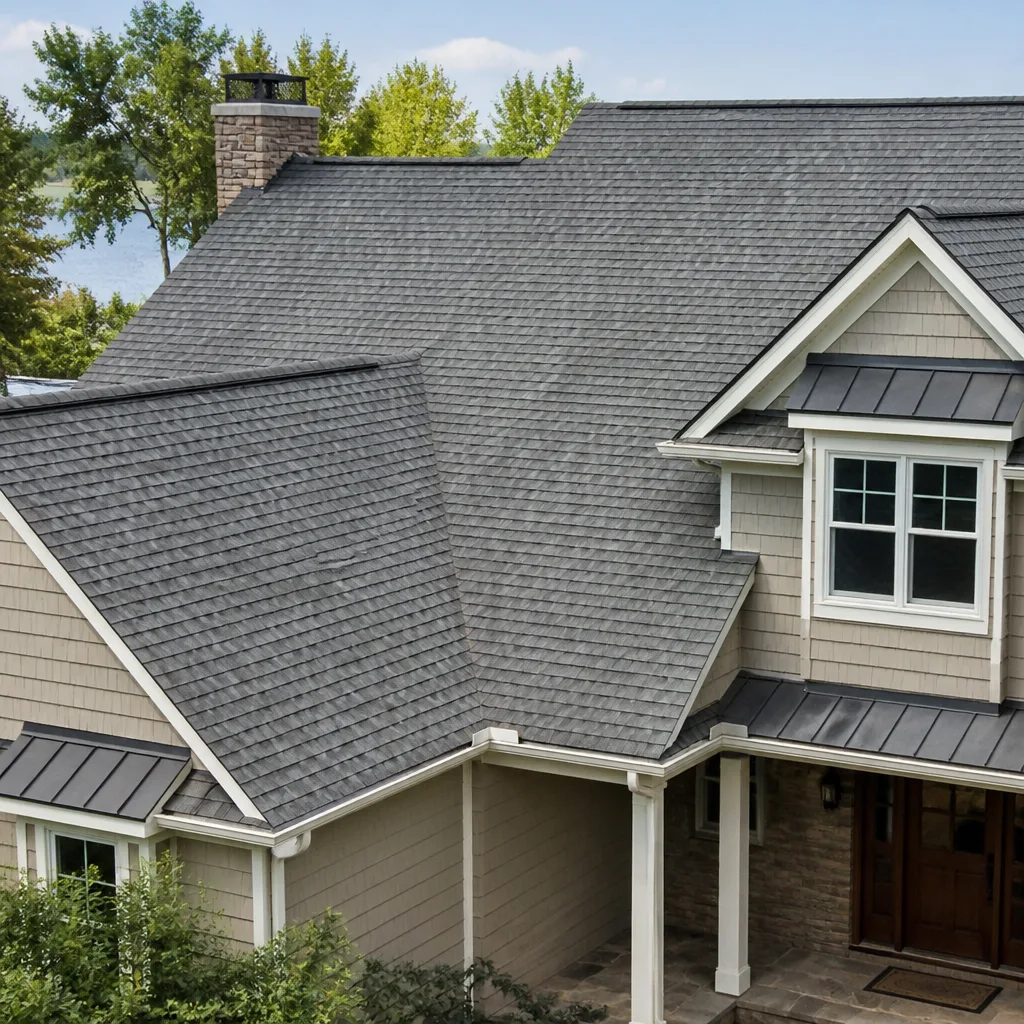
 Roofing
 Kitchen remodeling
 Bathroom remodeling
 Home additions & ADU
 Windows & doors
 Driveway & pavers
 Fence
Free written scope consultation - allowances, timeline, and change-order rules on paper before a single trade is scheduled
Schluter Roofing: The Oakland Owner’s Guide
If you have a Schluter roof drainage product that’s failed or failing, here’s the short answer: we install and replace Schluter roof edging, drip profiles, and drainage systems on Oakland homes, and most repairs run $400 – $1,800 depending on how much roofing has to come up to get to it. Full replacements that involve opening the roof deck land in the $8,000 – $20,000 range. We’re an independent contractor, not affiliated with Schluter, but we know their profiles cold.
Most Oakland owners don’t think about roof edge trim until water tells them to. A ceiling stain after a January storm, a fascia board that’s gone soft and spongy to the touch, or a drip line running down the outside wall are the usual first signs. In the Rockridge and Temescal flats, it’s often a 1920s bungalow where the original wood fascia has been absorbing water for years. In the hills, it’s the fire-hardening work done fifteen years ago where a drip edge was never properly integrated. Either way, the profile that holds the roof edge to the wall has quietly stopped doing its job.
Which Schluter Models This Applies To
Schluter’s roofing line centers on a few families, and knowing which you have saves a lot of guesswork. The Schluter BARA balcony and terrace profiles handle drainage on flat and low-slope assemblies, and they’re the ones we see most on Oakland decks and roof terraces. Their KERDI-LINE-style linear drains and the profiles built around them are common on walkable roofs and terrace decks. For roof edges, the Schluter FINEC balustrade profile shows up on flat roofs that use a parapet or guard rail.
To identify what you have, look for the embossed stamp on the profile itself – most Schluter profiles carry the series name and a nominal size directly on the metal or PVC. Measure the height and length of the piece, not just the visible face. The compatible dimension is the one that fits the finished thickness of your assembly, and that’s where people get burned: a profile sized for 3/8″ (10 mm) material will not seat right over a 1/2″ (12 mm) tile or membrane, and forcing it leaves a gap water finds in one season.
On the OEM-versus-aftermarket question, Schluter profiles are genuinely engineered as a system with their membranes and drainage components. A no-name trim that matches the size but skips the integrated drainage channel or the correct weep path will look right on day one and fail on the first hard rain. For Schluter specifically, we source the actual Schluter component unless the assembly is being re-specified to a different system entirely.
Styles & brands we work with
- Kitchen remodeling
- Bathroom remodeling
- Home additions & ADU
- Roofing
- Windows & doors
- Driveway & pavers
- Fence
Signs Your Schluter Roofing Is Failing
- Water staining on the ceiling or top of a wall near the roof edge. The profile has separated from the membrane or the substrate, letting water travel behind it. Water doesn’t have to pour; it just has to wick.
- Soft or crumbling fascia and trim boards. Once the drip edge stops shedding water away from the fascia, the wood behind it stays wet. In Oakland’s damp winters, fascia can go from solid to punky in a couple of seasons.
- Visible lift, curling, or gaps at the profile’s seal. This is a mechanical failure, usually from building movement, thermal cycling between hot afternoons and cold nights, or an installation that never got the right fastening pattern.
- Pooling or poor drainage on a flat roof or terrace deck. If the BARA or linear drain assembly has shifted or the weep channels are blocked, water sits where it shouldn’t. Standing water is the most reliable predictor of membrane failure underneath.
- Green or black staining on the wall directly below the roof edge. Algae and mildew follow water. Streaks below the profile mean water is running down the wall instead of off the edge.
See the difference
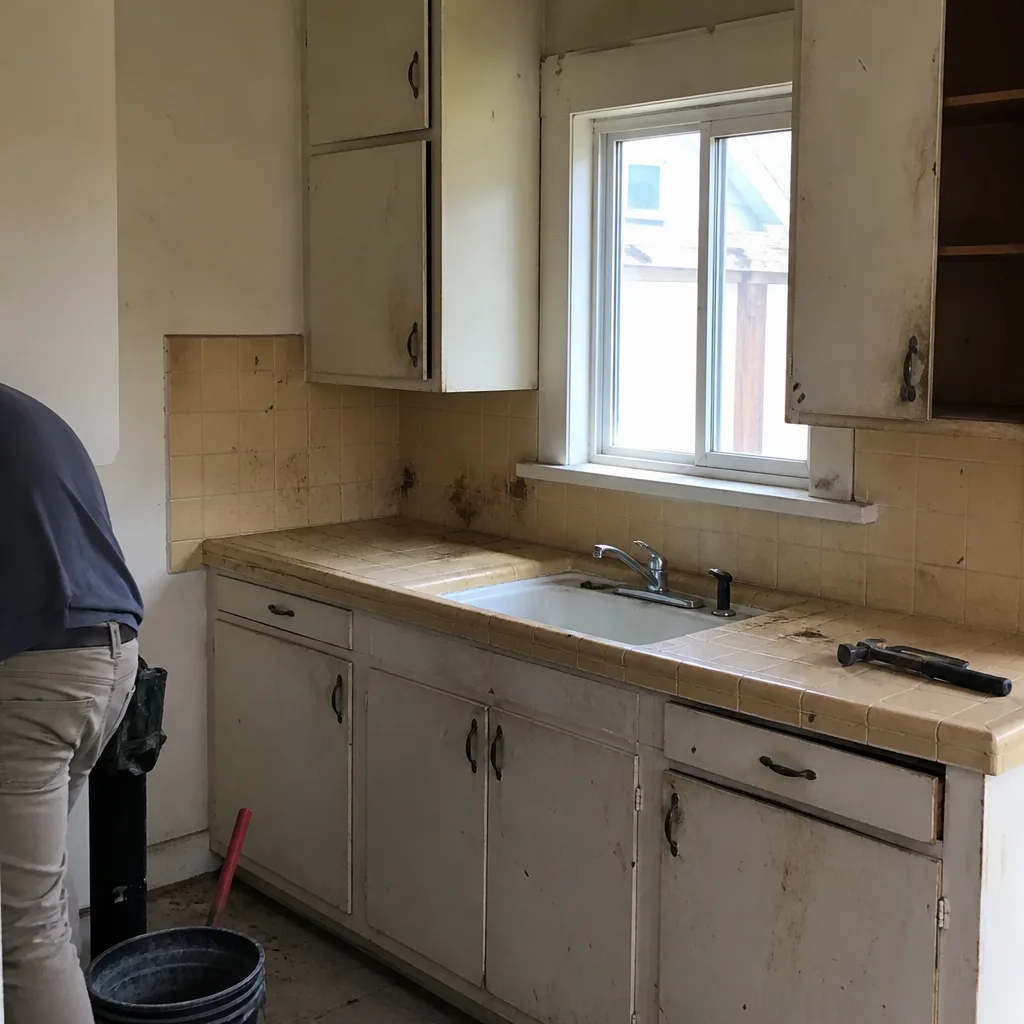 Before
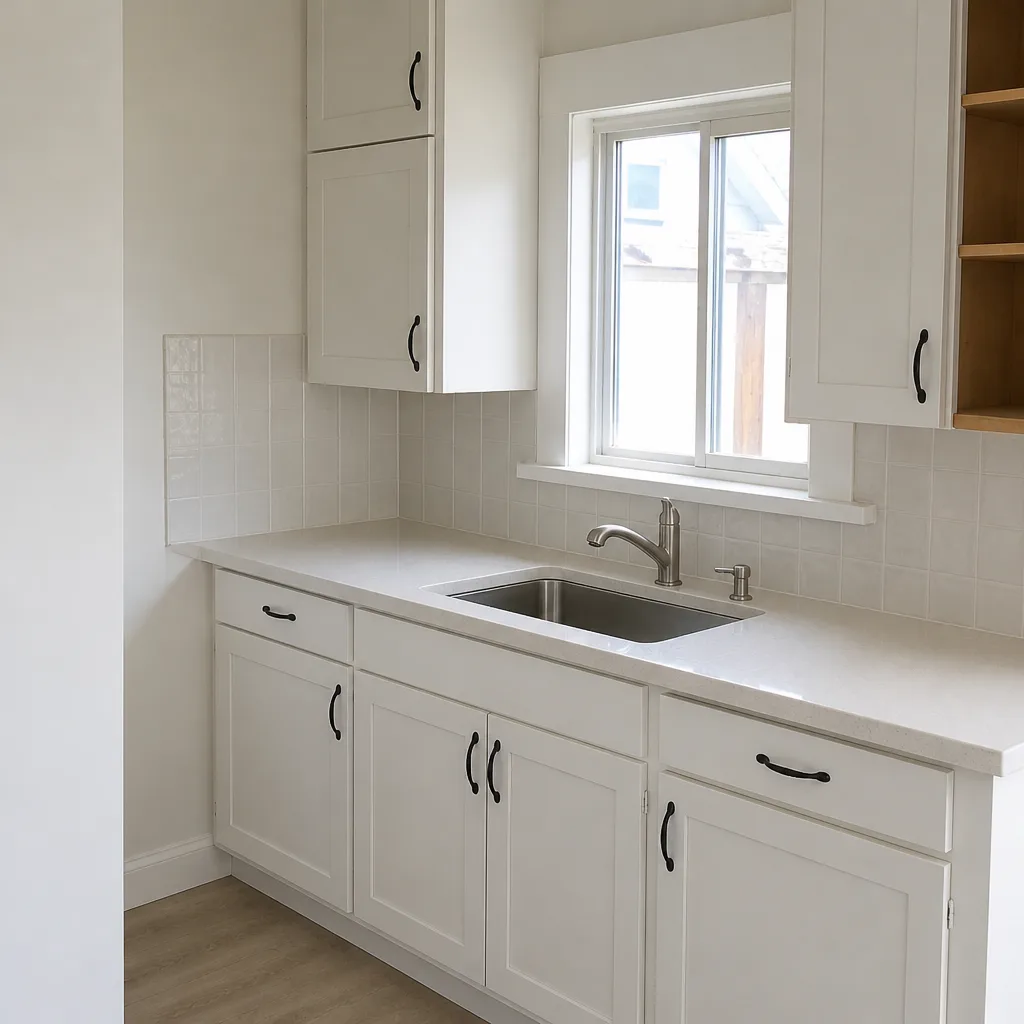 After
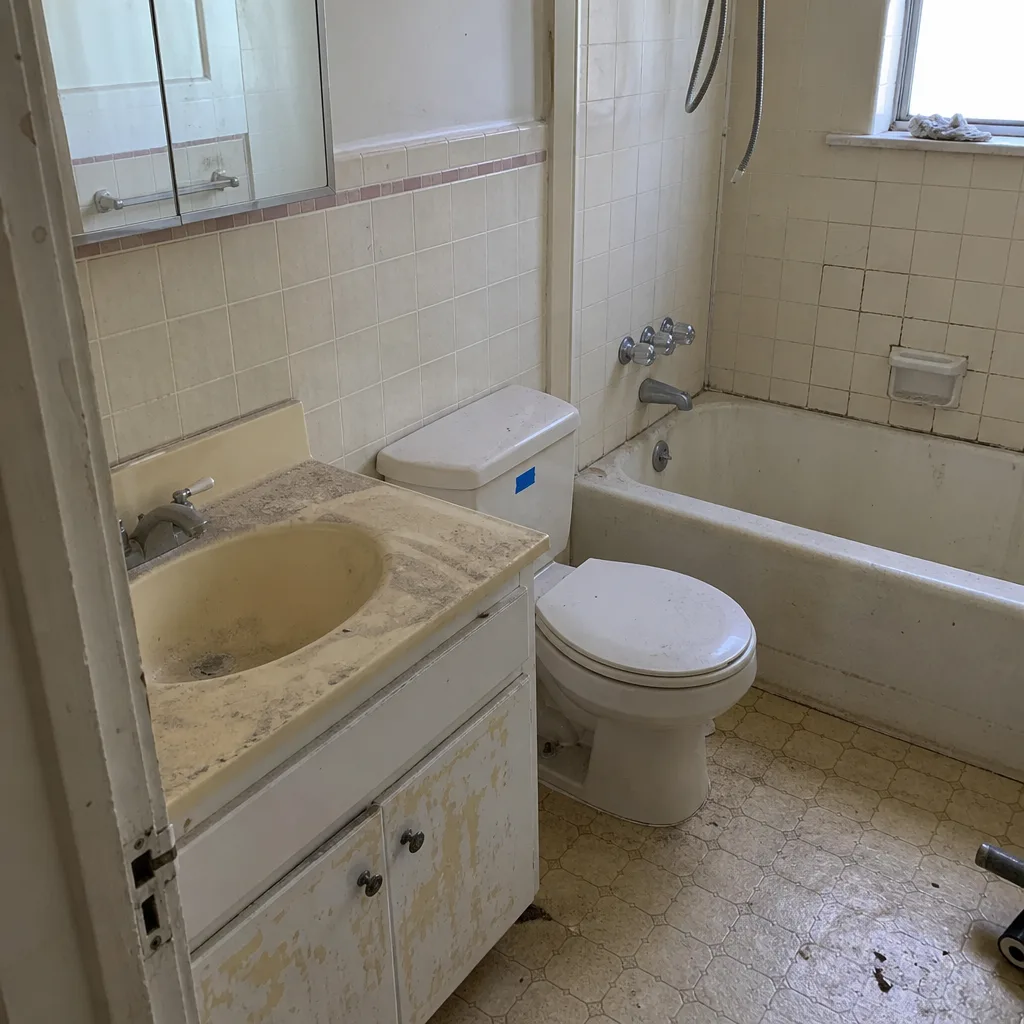 Before
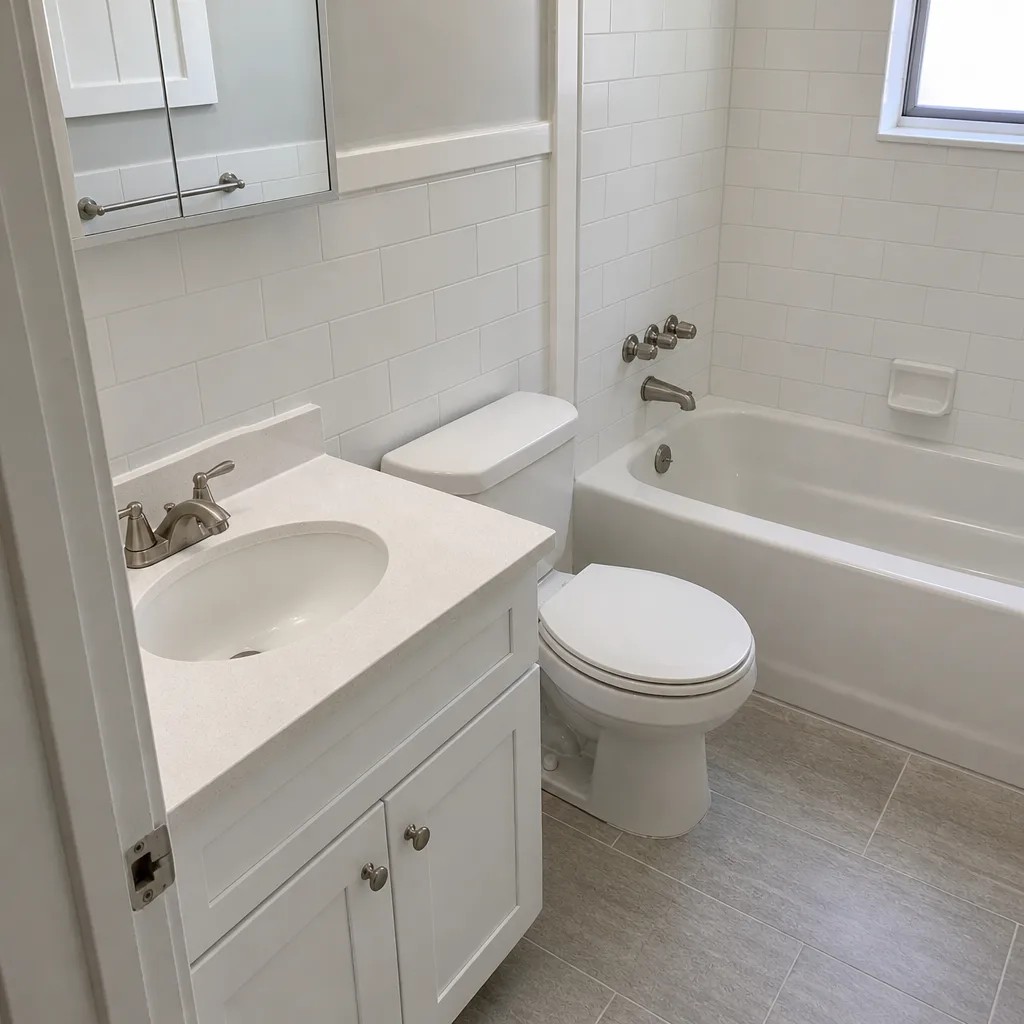 After
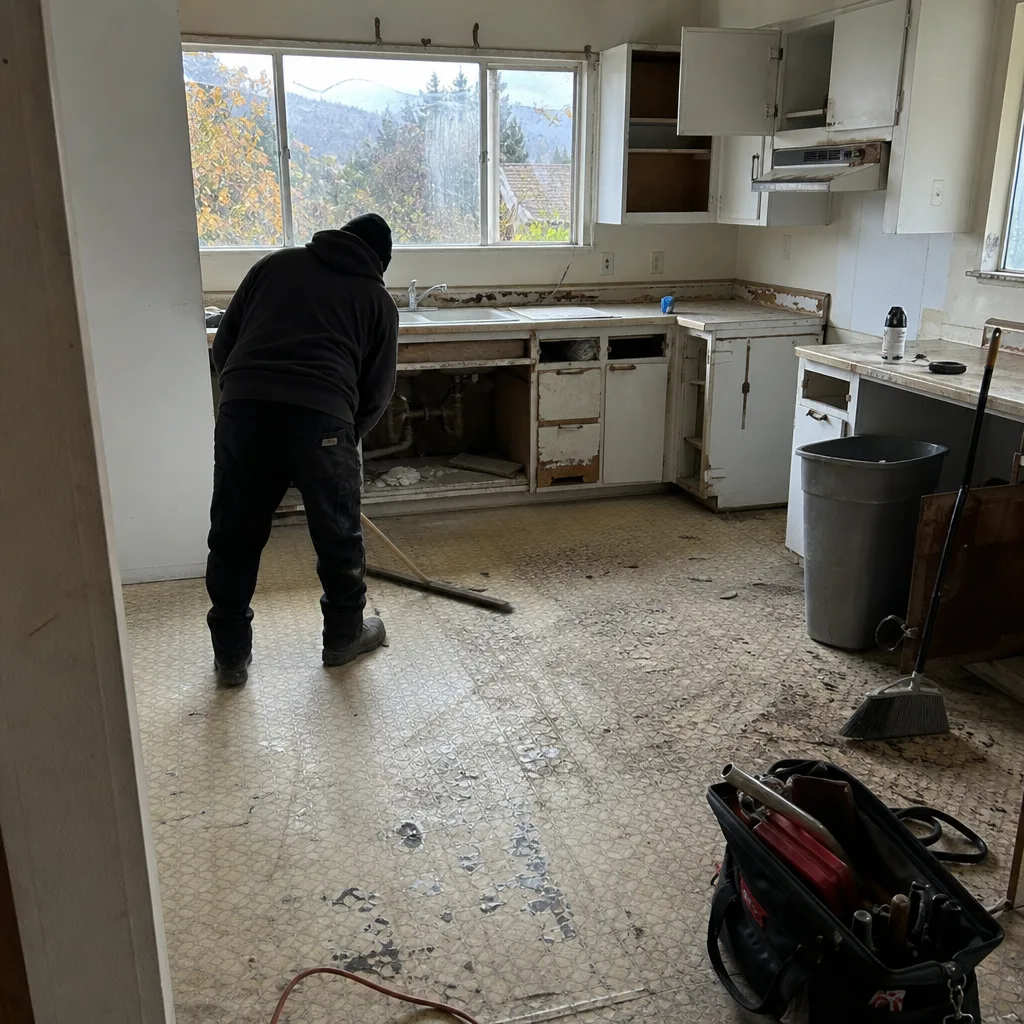 Before
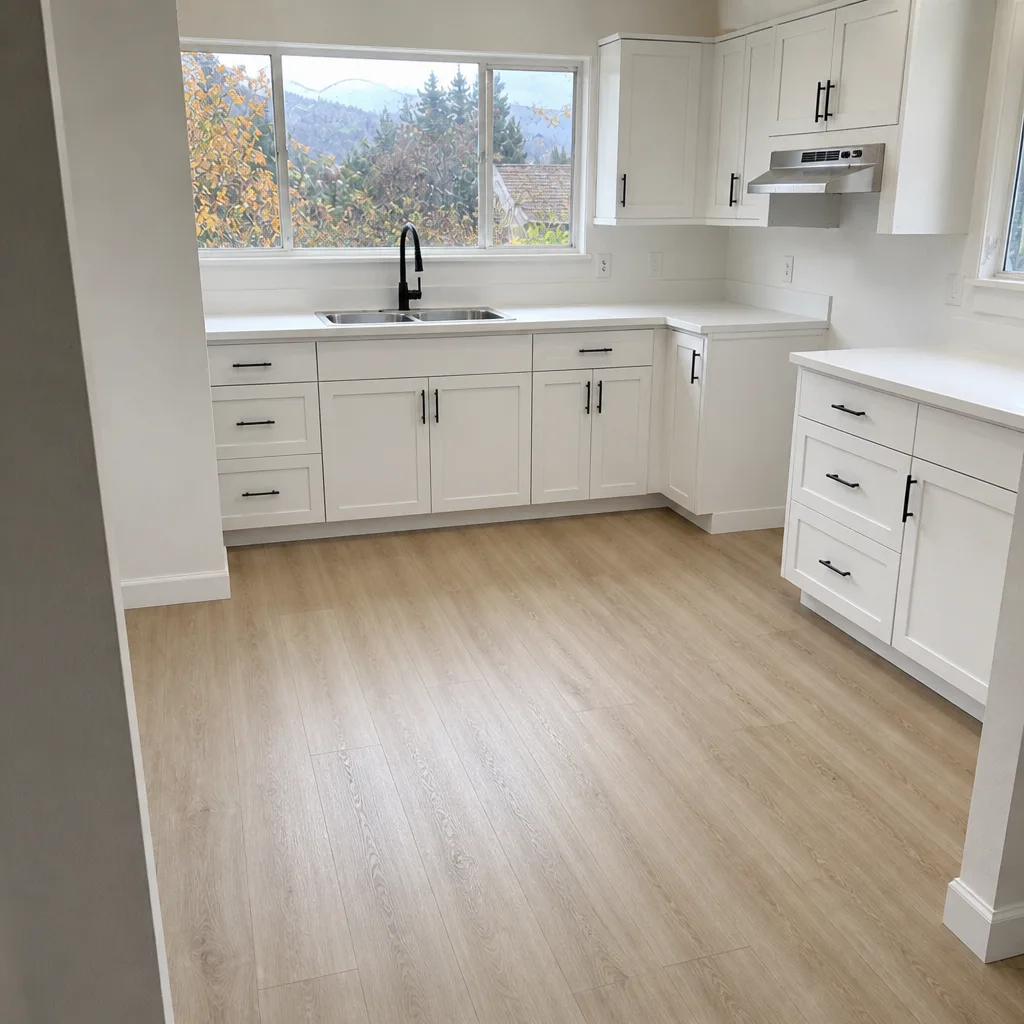 After
Replacement Cost & What’s Included
Repairing or replacing a failed Schluter roof edge profile in Oakland typically runs $400 – $1,800, and a full roof replacement where the drainage assembly is being rebuilt runs $8,000 – $20,000. The wide range on the repair side comes down to how much roofing has to be opened up to reach the profile, whether the fascia or decking behind it is also damaged, and how much length is affected. A short run on an accessible flat roof sits at the low end. A long run on a pitched roof where we have to remove and reinstall field roofing sits at the high end.
We quote parts and labor as separate line items so you can see exactly what the Schluter component costs versus the work to get to it. That’s upfront pricing with no surprises – the number you see is the number you pay. Every install is backed by our 730-Day Done Right Promise. If water shows up where it shouldn’t within that window, we come back and make it right.
DIY or Call Us?
There’s a safe split here. You can inspect the roof edge from the ground with binoculars, check the ceiling and wall inside for staining, and look at the profile face for visible lift or gaps. That much is safe and tells us a lot when you call.
The install itself is another matter. Getting a Schluter profile correctly integrated means opening the roof assembly to the membrane, which means steep-roof height work in many Oakland homes – balconies, second-story edges, and parapets. A fall from a two-story roof edge is a serious injury, and an incorrectly integrated profile channels water straight into your wall cavity. That’s not a job for a homeowner with a ladder. Call (833) 997-7759 for a free estimate – our technicians arrive background-checked and in uniform, and we’ll tell you honestly whether you need a repair or a re-spec.
FAQs
How long should a Schluter roof edge profile last in Oakland?
Fifteen to thirty years for a properly installed metal profile is a realistic range, but the number that matters is the seal and the substrate beneath it. Oakland’s winter rain and summer thermal swing are hard on the seal more than the metal, which is why we inspect both the profile and the fascia behind it.
Can a failed Schluter profile be repaired instead of replaced?
Often, yes. If the profile itself is intact and only the seal or fastening has let go, a targeted re-seal and refasten at the $400 – $1,800 repair range saves you a full replacement. We only recommend replacement when the component is physically compromised. Call (833) 997-7759 and we’ll diagnose it honestly.
How long does the swap take?
Most single-section profile replacements are done in a single visit. Larger runs that require opening and re-laying field roofing take more than one day, and we’ll tell you the schedule in writing before anyone picks up a tool.
How do you source the Schluter part?
We source the correct Schluter component for your assembly rather than a size-only knockoff, because the integrated drainage path is the whole point of the system. If your roof assembly is being re-specified, we’ll walk you through compatible alternatives from the brands we carry across each trade – the same way we work with KraftMaid, Cambria, and Silestone on the interior side – so you’re choosing quality, not just availability.
Call (833) 997-7759 for a free estimate. We’re Groundwork Construction Co. of Oakland, we answer live, around the clock, and we’ll give you a straight answer on what your Schluter roofing actually needs.
Written by the team at Groundwork Construction Co. of Oakland, serving Oakland and nearby areas.