
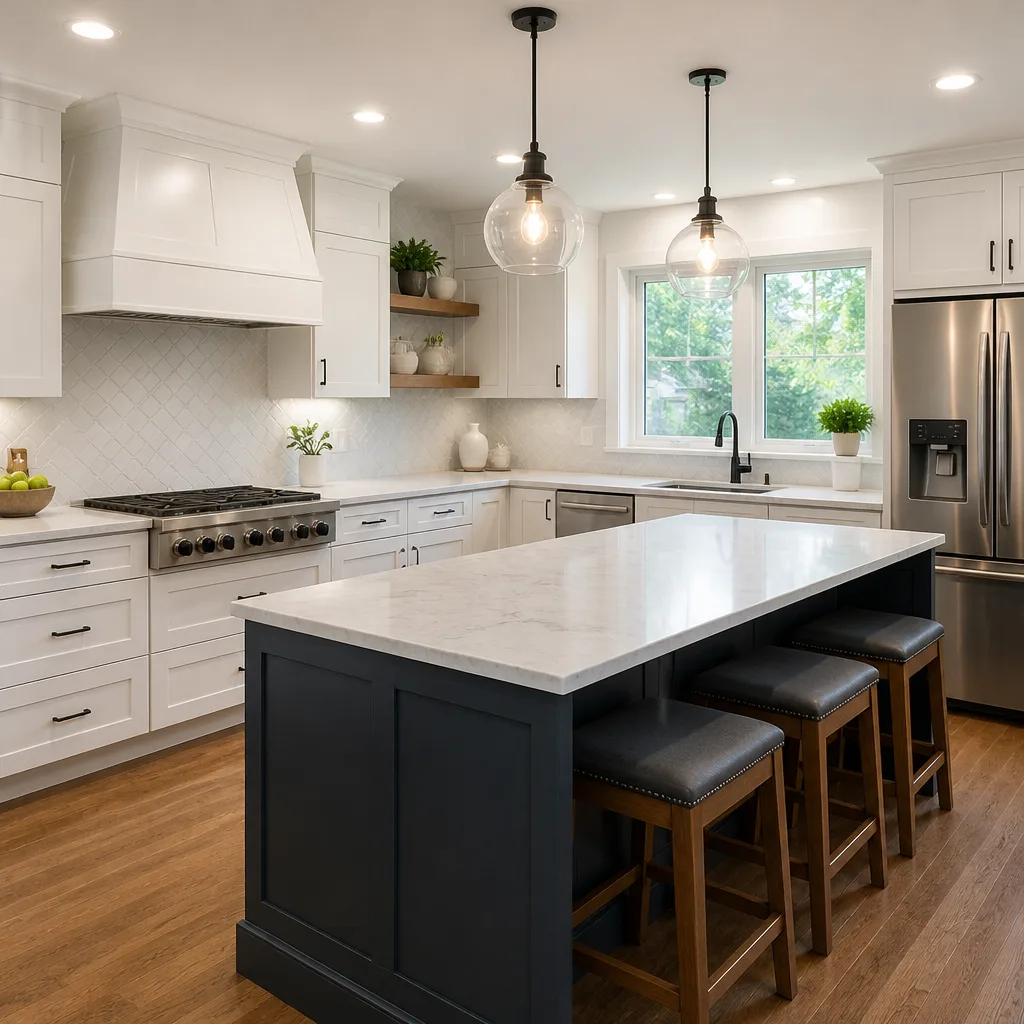
 Kitchen remodeling
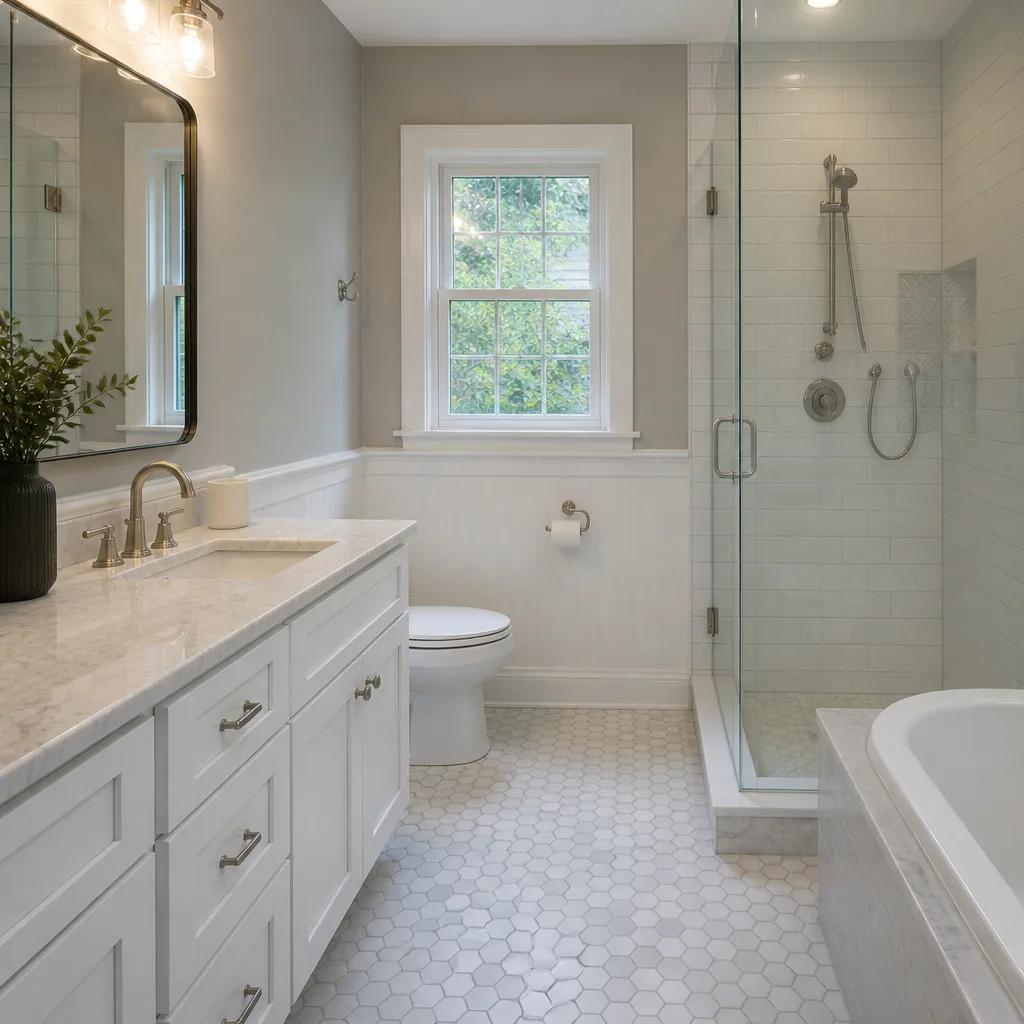 Bathroom remodeling
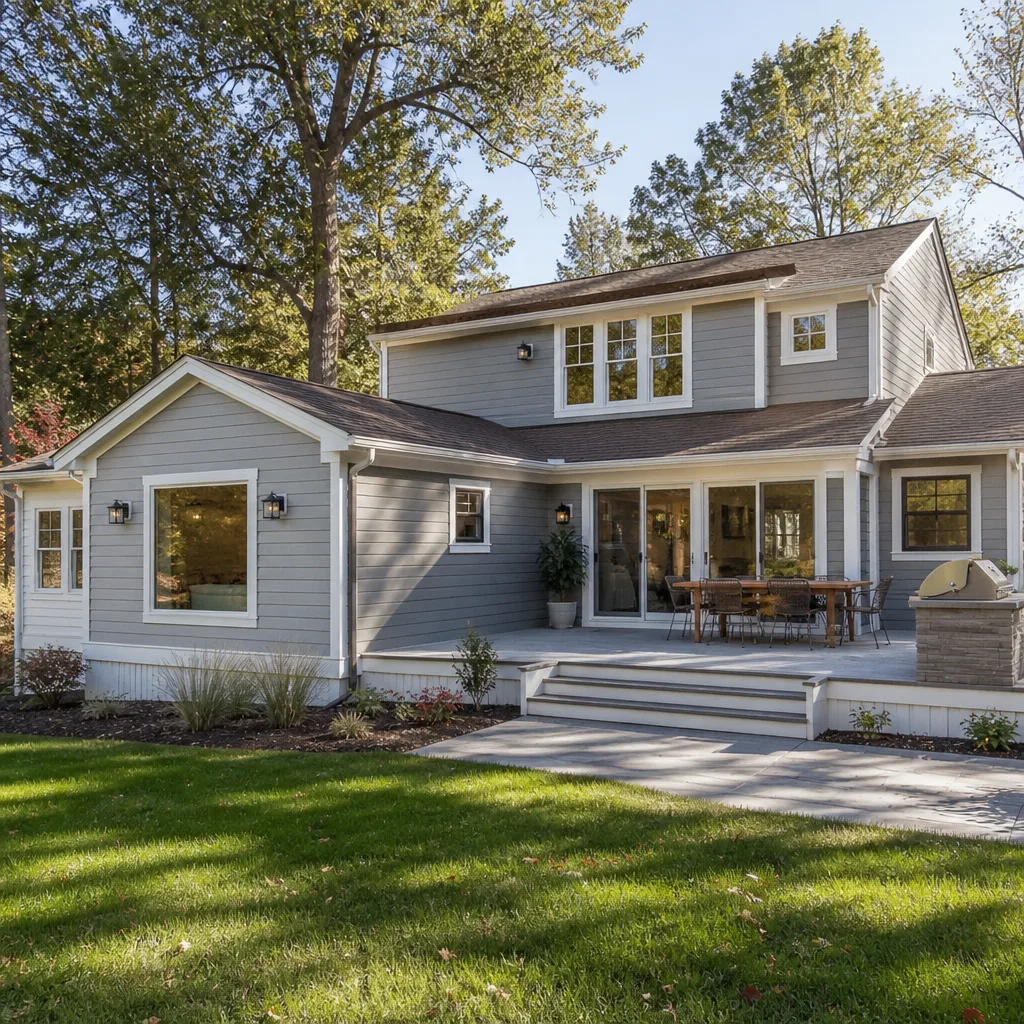 Home additions & ADU
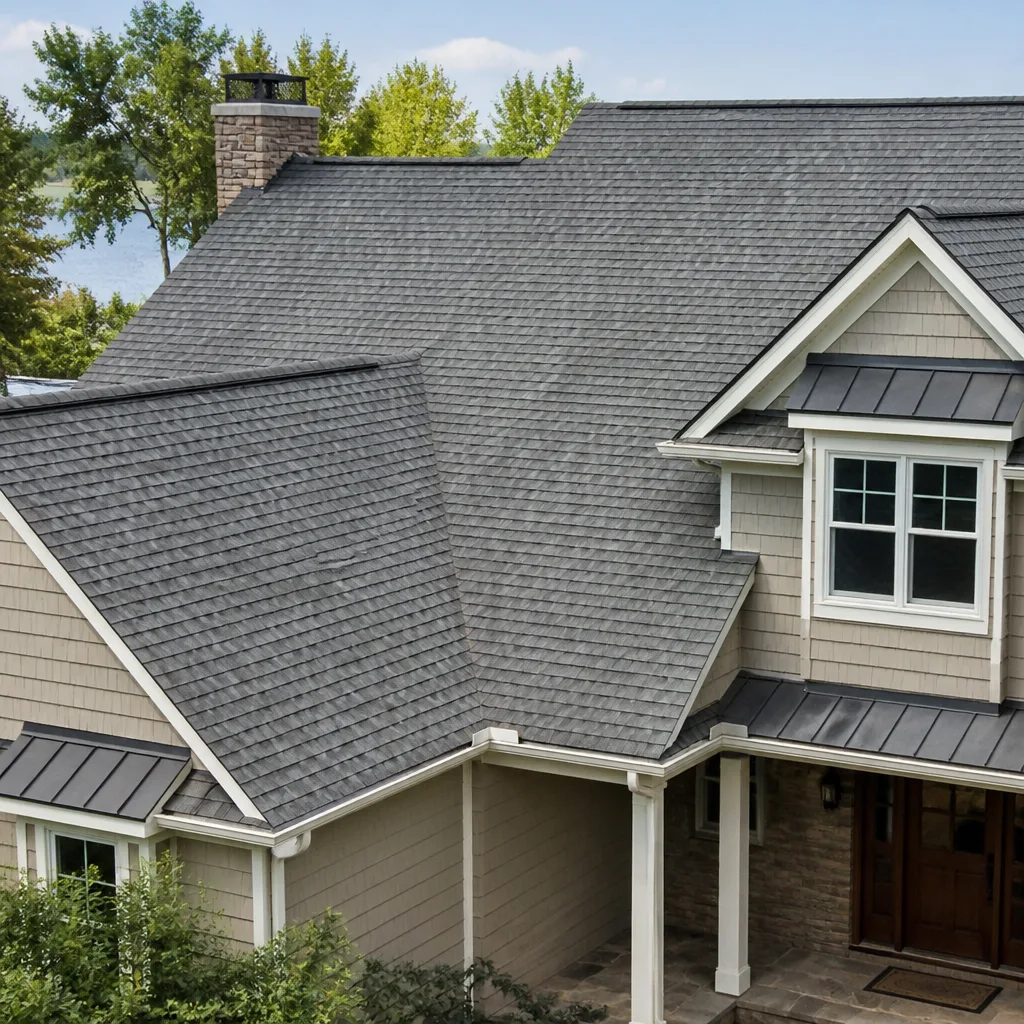 Roofing
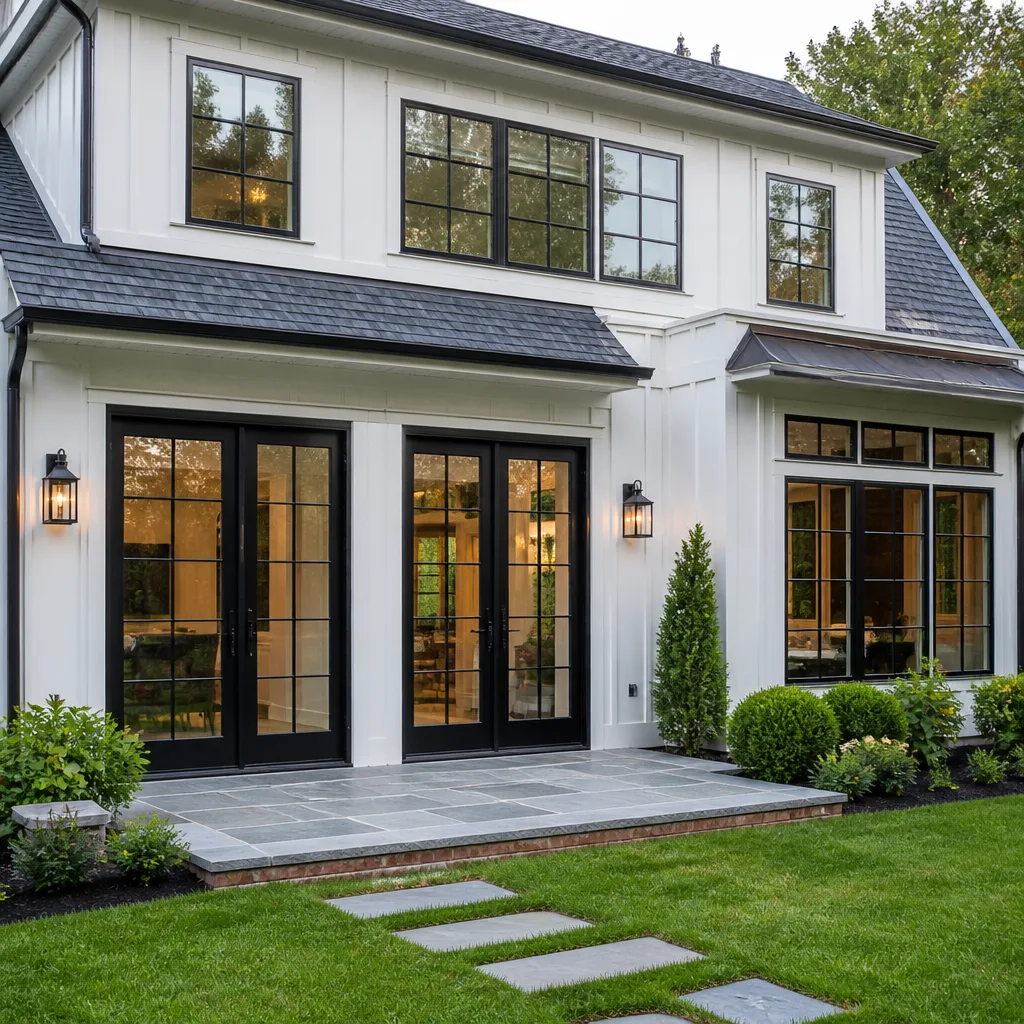 Windows & doors
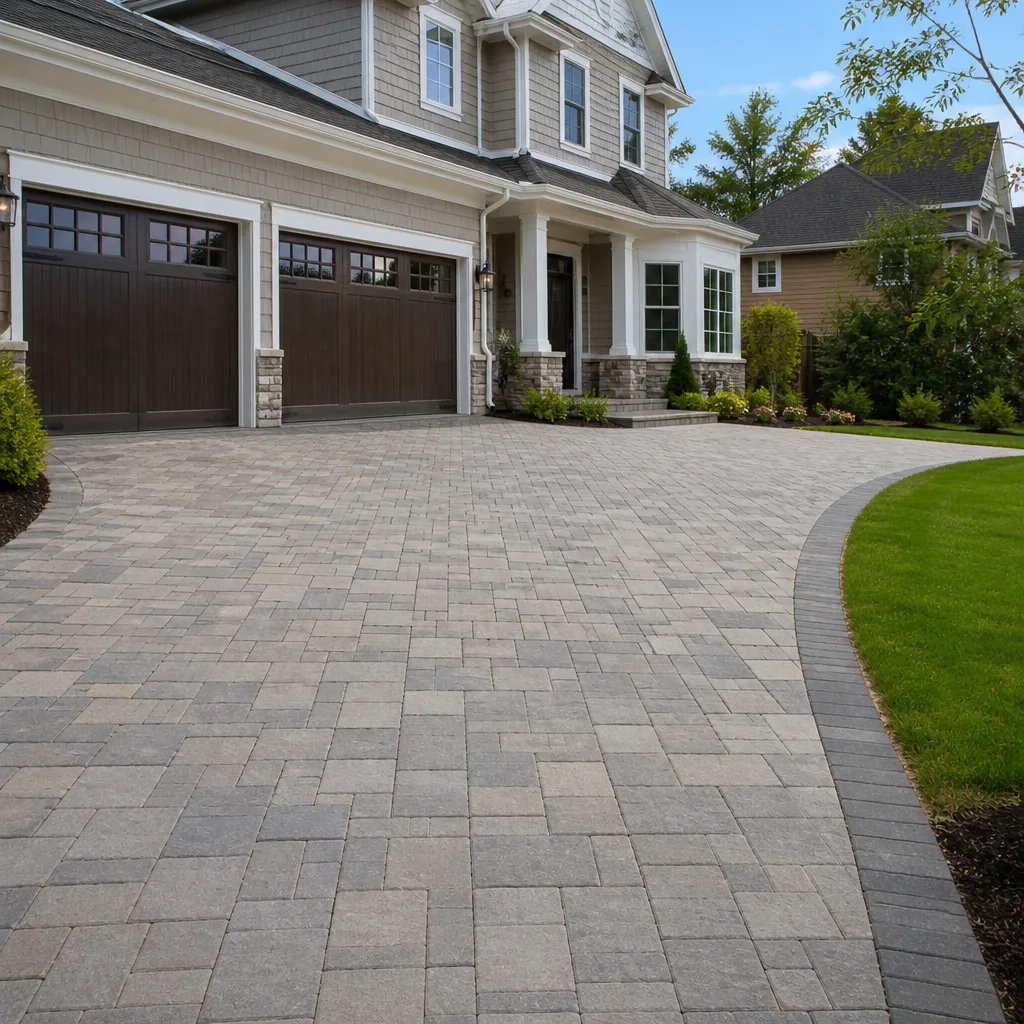 Driveway & pavers
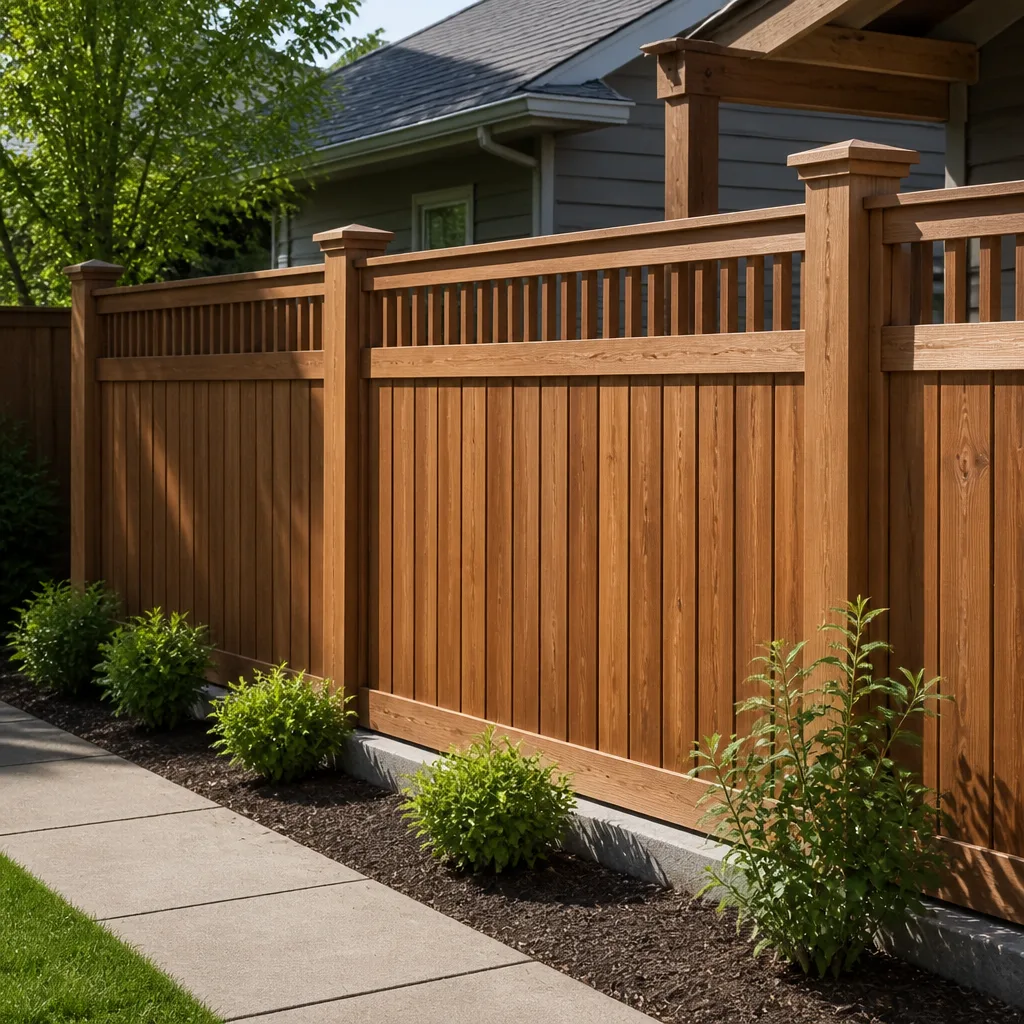 Fence
Free written scope consultation - allowances, timeline, and change-order rules on paper before a single trade is scheduled
Styles & brands we work with
- Kitchen remodeling
- Bathroom remodeling
- Home additions & ADU
- Roofing
- Windows & doors
- Driveway & pavers
- Fence
See the difference
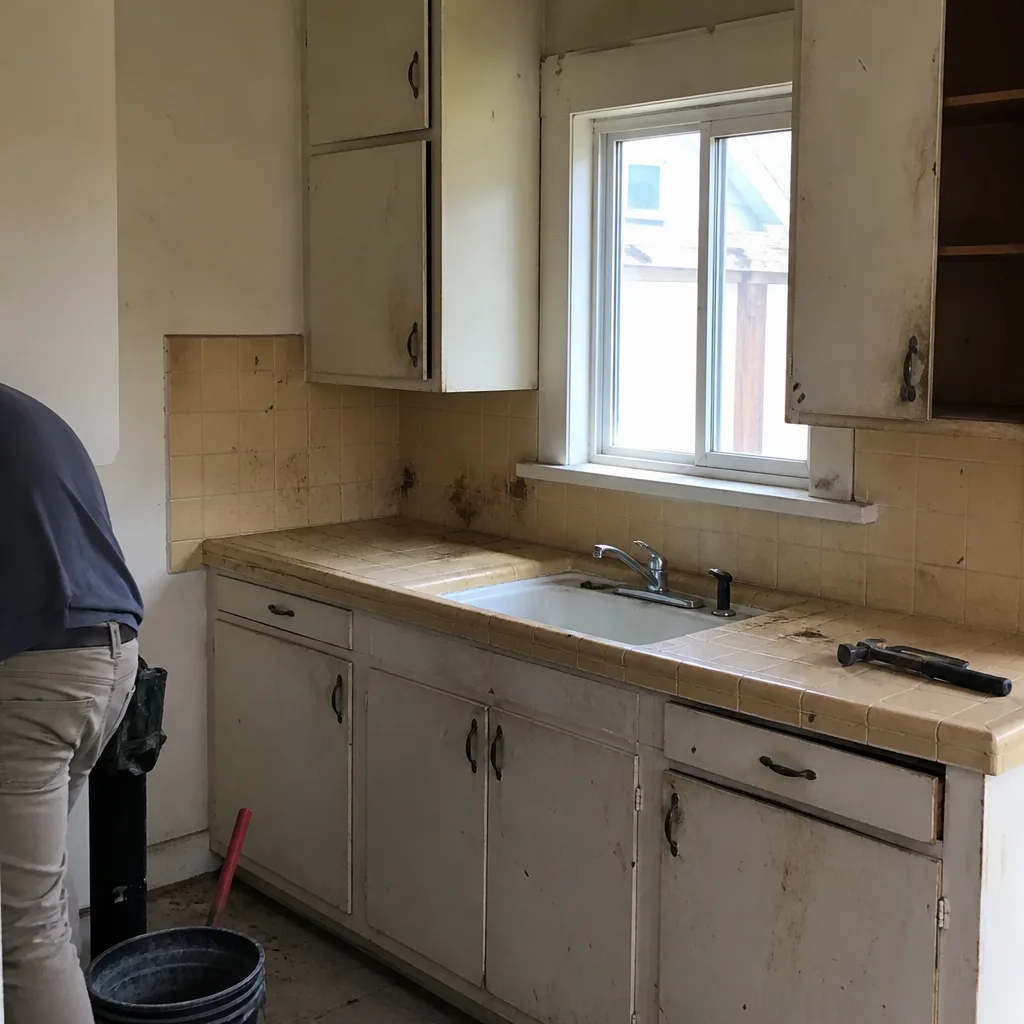 Before
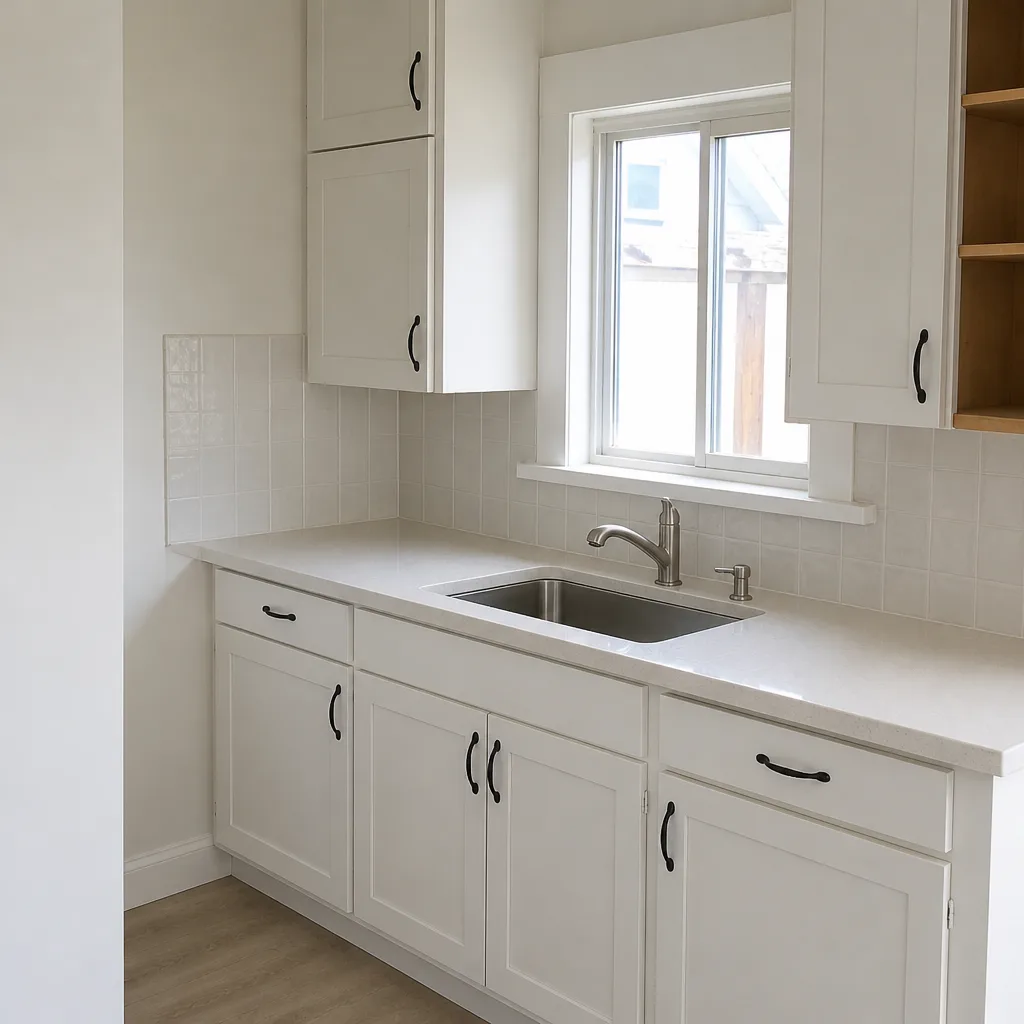 After
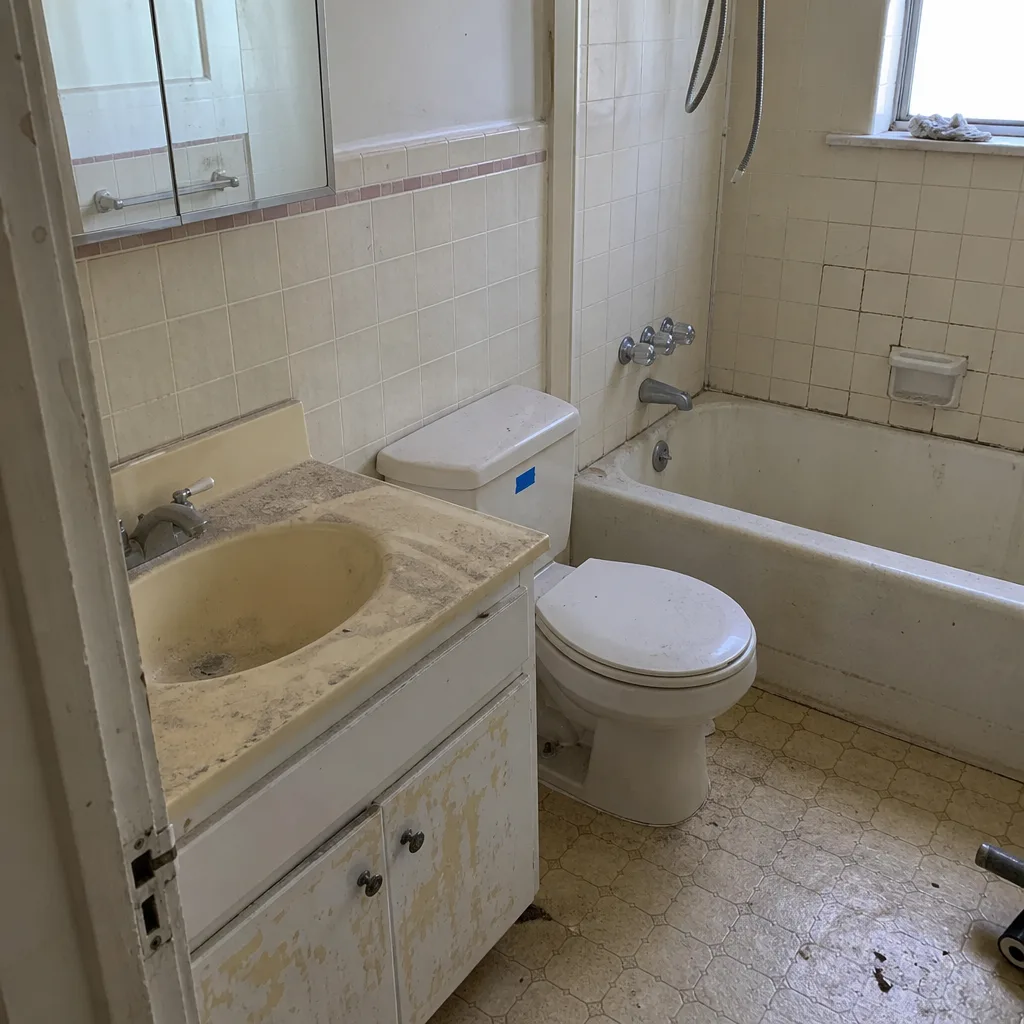 Before
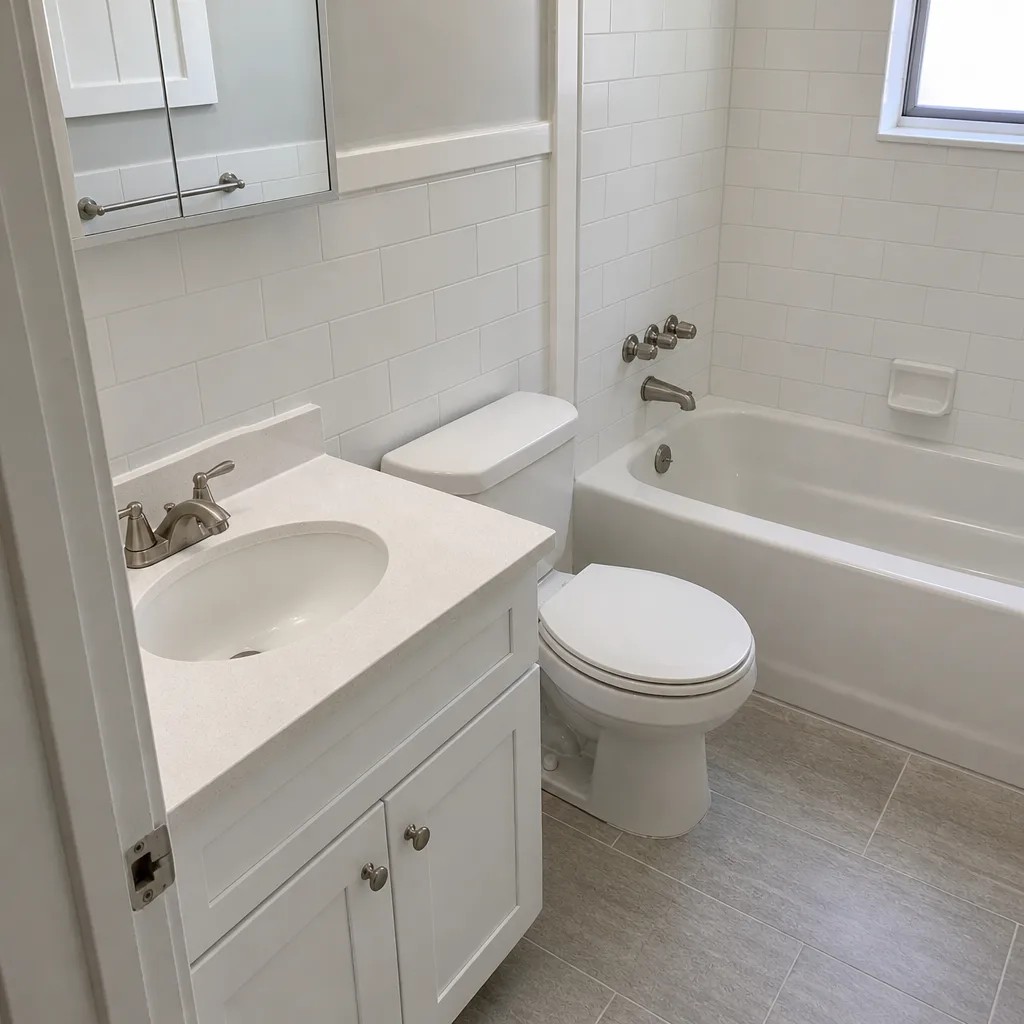 After
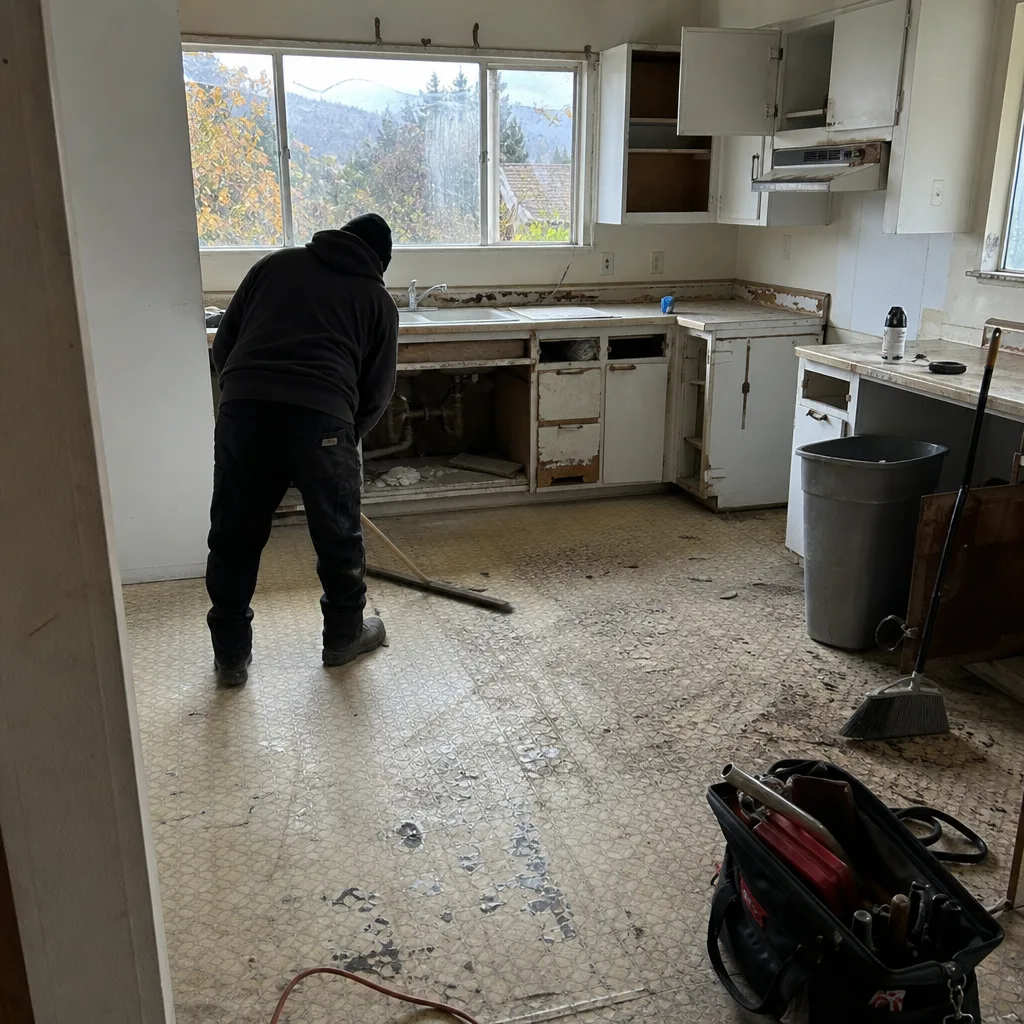 Before
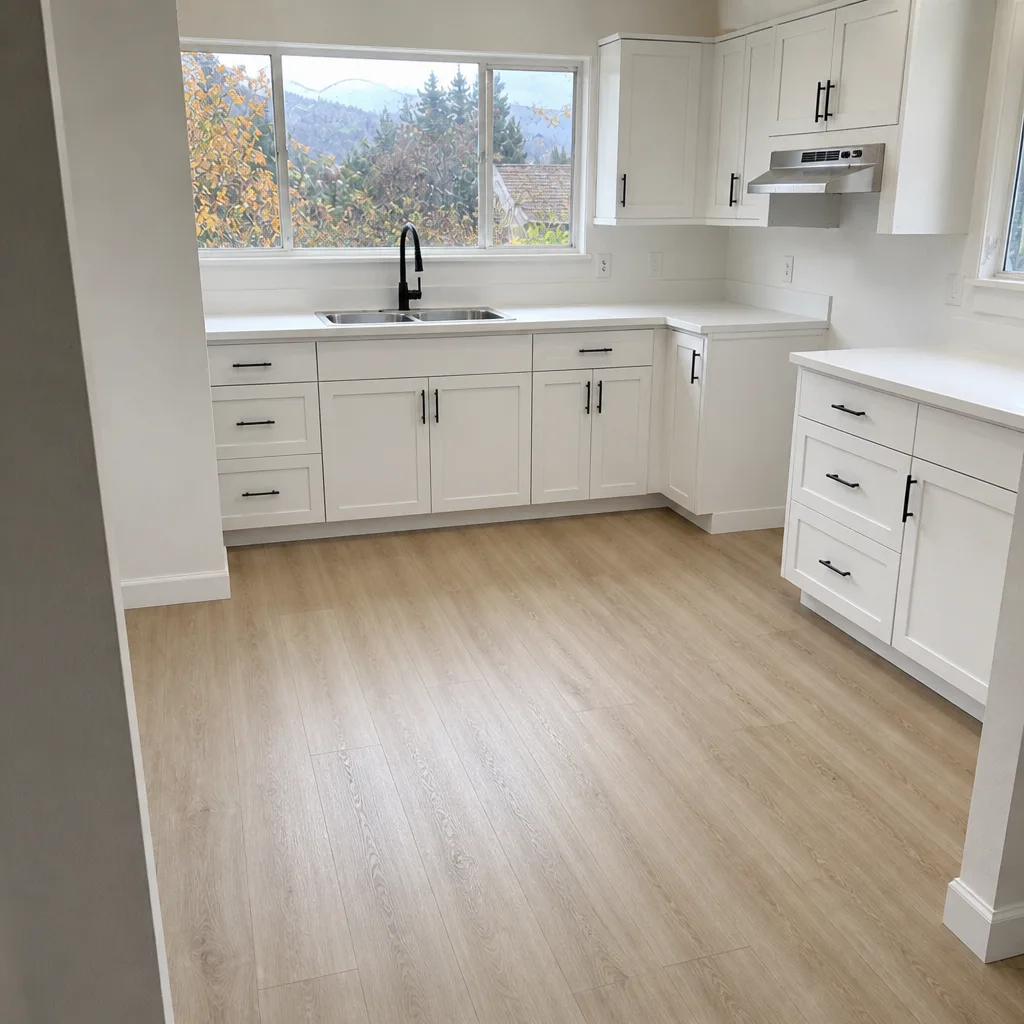 After
Detached ADU Cost in Oakland, CA: What New Ground-Up Construction Really Runs
A detached ADU in Oakland typically costs $45,000-$130,000 for a modest conversion-scale structure, and $90,000-$220,000 for a true new detached unit with its own foundation, utilities, and full seismic engineering. That second number is the honest one for ground-up construction, and it’s higher than most ADU cost guides suggest because those guides don’t price Oakland’s soil reports, height limits, or utility hookups. Call (833) 997-7759 and we’ll walk you through a real line-item scope before you commit to anything.
State law opened detached ADU construction across California. Oakland’s building code, hillside soil conditions, and planning overlays then closed some of that back down. Contractors who don’t know the difference will happily design you a unit the city won’t approve.
Why a Detached ADU Costs More in Oakland Than the State Playbook Suggests
The per-square-foot numbers you see online assume a flat lot, clean soil, available utilities, and a plan that clears zoning on the first pass. In Oakland, at least one of those assumptions usually fails, and often two or three fail at once.
New ground-up construction here almost always requires seismic engineering from the foundation up. Oakland isn’t building on stable recent fill like some Bay Area cities that grew up later. The housing stock is dominated by detached and semi-detached single-family homes and small multi-units built between 1900 and 1940, and the ground beneath them carries its own history. When you add a detached structure, the city wants engineering proving it will stand on that ground.
The hillside soil report nobody budgets for
In hillside neighborhoods like Montclair, Joaquin Miller, and upper Rockridge, a geotechnical soil report is required for new detached structures because of documented landslide risk. Those reports run $3,000-$6,000 and must be completed before structural engineering can even begin. That single step adds 4-8 weeks to your pre-construction timeline. It’s not optional, and it’s not a fee a contractor should bury in a lump sum. We show it as its own line item.
The flats have their own story. In areas with known liquefaction zones, the same report can come back with foundation recommendations that change your design and your structural budget. Neither outcome is predictable until the soil is actually tested.
Oakland’s 16-foot limit versus the state’s 25 feet
This is where cost estimates and reality split hardest. California’s ADU law generally allows up to 25 feet, but Oakland’s planning code imposes a 16-foot height limit on detached ADUs in most residential zones. You get the state’s framework, then Oakland applies its own overlay. A contractor quoting a two-story detached ADU without checking Oakland’s specific zoning may be designing a unit that needs a variance the city is unlikely to grant. When that happens, you pay for a redesign, a new permit cycle, and lost months.
The practical result: smaller footprints, so the cost per square foot climbs even when the total project number looks familiar.
The oil tank problem hiding under pre-1940 lots
New detached construction on lots with pre-1940 main houses almost always triggers a mandatory check for underground oil storage tanks left from old heating systems. If a UST is found, discovery and remediation adds $8,000-$30,000 to the project and can halt permits for months. We check early, before design work commits you to a footprint you can’t build on.
Utility connections: the number missing from every online calculator
A detached ADU with independent utilities means new connections. The EBMUD water and sewer lateral work plus the PG&E service drop routinely run $15,000-$35,000 in Oakland, and that’s before a single framing member goes up. This is the cost most often left out of published ADU estimates. It’s also the one that catches homeowners off guard at the worst possible moment.
What a Detached ADU Actually Costs in Oakland
These are the numbers we scope against. Your lot, soil, utility distance, and design will move them, so treat this as the framework, not a promise. Upfront pricing means the number you see is the number you pay.
| Line Item | Typical Oakland Range |
|---|---|
| Geotechnical soil report (hillside or liquefaction zones) | $3,000-$6,000 |
| Underground oil tank discovery & remediation (if found) | $8,000-$30,000 |
| Utility connections (EBMUD lateral, PG&E service drop) | $15,000-$35,000 |
| Detached ADU, conversion-scale structure | $45,000-$130,000 |
| Detached ADU, full new ground-up construction | $90,000-$220,000 |
| Garage conversion alternative | $30,000-$80,000 |
| Home addition (attached, comparison scope) | $45,000-$130,000 |
Prefab options can trim cost and timeline, and brands like Abodu build quality units. The catch is that prefab doesn’t escape Oakland’s site work: your foundation, soil report, utility runs, and zoning review all still apply. If you want the full picture on attached builds versus detached, our Home Additions & ADU page covers additions side by side with ADU scopes. For the deeper rundown of how we approach ADU projects in this city specifically, see Home Additions & ADU in Oakland.
Common Scenarios We See in Oakland
A few patterns come up again and again. If one of these sounds like your lot, you know where to look first.
- A Craftsman bungalow in Temescal with a generous backyard. The lot looks perfect until the oil tank check and the utility distance come back. We scope both before design locks in.
- A Montclair hillside property with a view easement. The soil report comes first, the structural engineer second, and the footprint gets trimmed to Oakland’s 16-foot limit. Two stories aren’t happening without a variance that rarely gets granted.
- An upper Rockridge lot with neighbors close on both sides. Setback review rules some designs out before the first drawing. We check the overlay rules before anyone sketches.
- A homeowner about to be burned by a vague bid. The lump-sum quote looks reasonable until the contractor “discovers” the utility cost mid-project. Every line item we provide is itemized from day one.
One more thing that shapes detached ADU projects here: Oakland’s mild, wet-winter climate. Foundation and framing schedules get squeezed in spring if you don’t sequence around the rain. We plan the calendar the same way we plan the budget.
How We Scope a Detached ADU Without Surprises
Every project is covered by the 730-Day Done Right Promise – if it’s not done right, we make it right. That guarantee covers the structure we build, not just the inspection it passed.
Our scopes include the geotechnical requirements, permit fees, and utility connection estimates as separate line items, so you see the real number before you sign. Budgeting becomes manageable with 0% financing for 18 months and $1,000 off projects over $10,000. It’s the difference between a bid that gets easier to say yes to and a bid that hides the hard parts.
We stay on home construction work from foundation to finish line – single scope, single point of accountability. Calls get answered by a live person, 24/7, and our background-checked technicians have up to 12 years of experience. When materials matter, we source curated partners like Quickrete and Sakrete for foundation and concrete work, so the products under your structure match the guarantee over it.
Frequently Asked Questions
A detached ADU in Oakland runs $90,000-$220,000 for full new ground-up construction, with modest conversion-scale structures landing in the $45,000-$130,000 range. Add $3,000-$6,000 for a hillside soil report and $15,000-$35,000 for utility connections if you’re building a truly detached unit with independent service. Call (833) 997-7759 for an exact quote. Estimates are free.
Usually not without a variance, because Oakland’s planning code caps detached ADUs at 16 feet in most residential zones even though state law allows up to 25 feet. The state’s framework applies, then Oakland’s overlay tightens it. Confirm your zone and overlay rules before design – this is the single most common reason a design gets scrapped after the first draft.
Hillside neighborhoods like Montclair, Joaquin Miller, and upper Rockridge sit on documented landslide risk, so the city requires a geotechnical report for new detached structures. Those reports run $3,000-$6,000 and must be finished before structural engineering starts, which adds 4-8 weeks to pre-construction. Skipping it isn’t an option, and doing it late is the most expensive mistake we see.
Yes, usually by a wide margin. A garage conversion runs $30,000-$80,000 in Oakland versus $90,000-$220,000 for full detached new construction. The trade-off is size and independence – a converted garage is smaller and tied to the main house’s utilities. Call (833) 997-7759 and we’ll lay both options side by side for your lot.
Get a Real Detached ADU Number for Your Oakland Lot
We’ll price the soil report, the utility connections, and the permit fees as line items, not guesses. Call (833) 997-7759 for a free project estimate and design consult. Live person, 24/7, upfront pricing with no surprises. When your project starts, you’ll know every cost before we set a single footing.
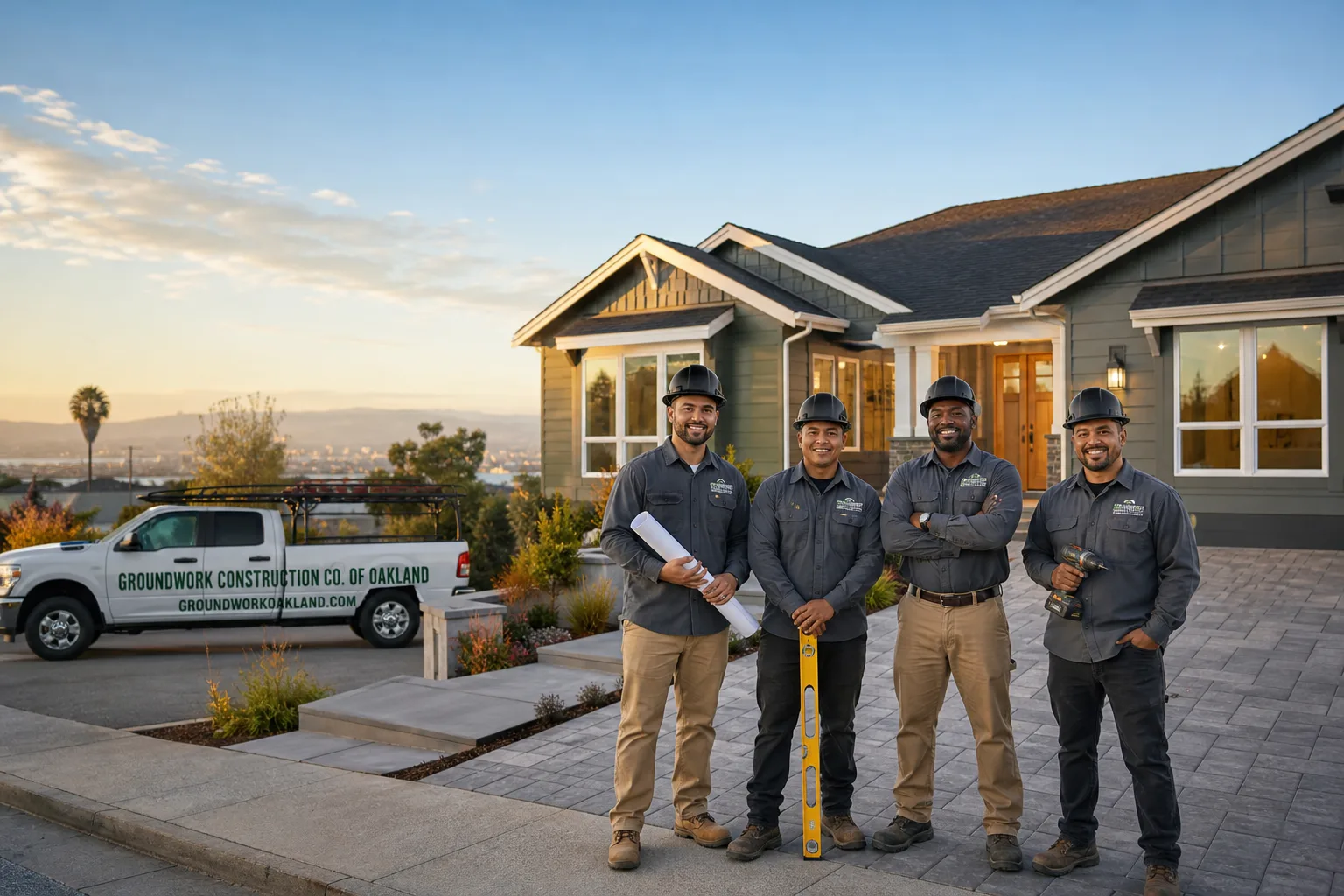
Written by the team at Groundwork Construction Co. of Oakland, serving Oakland, CA.
What Our Customers Say
"We lived in the house through the whole thing. He kept the dust wall up, cleaned every Friday, and made sure we always had a working bathroom."
- Craig Whitaker"He pulled the permits himself, scheduled every sub and ran the inspections. I made one decision a week and otherwise stayed out of it, which is exactly what I was paying for."
- Robert Sullivan"He told me one part of what I wanted was a bad idea structurally and offered an alternative instead of just taking the money."
- Angela Wong