
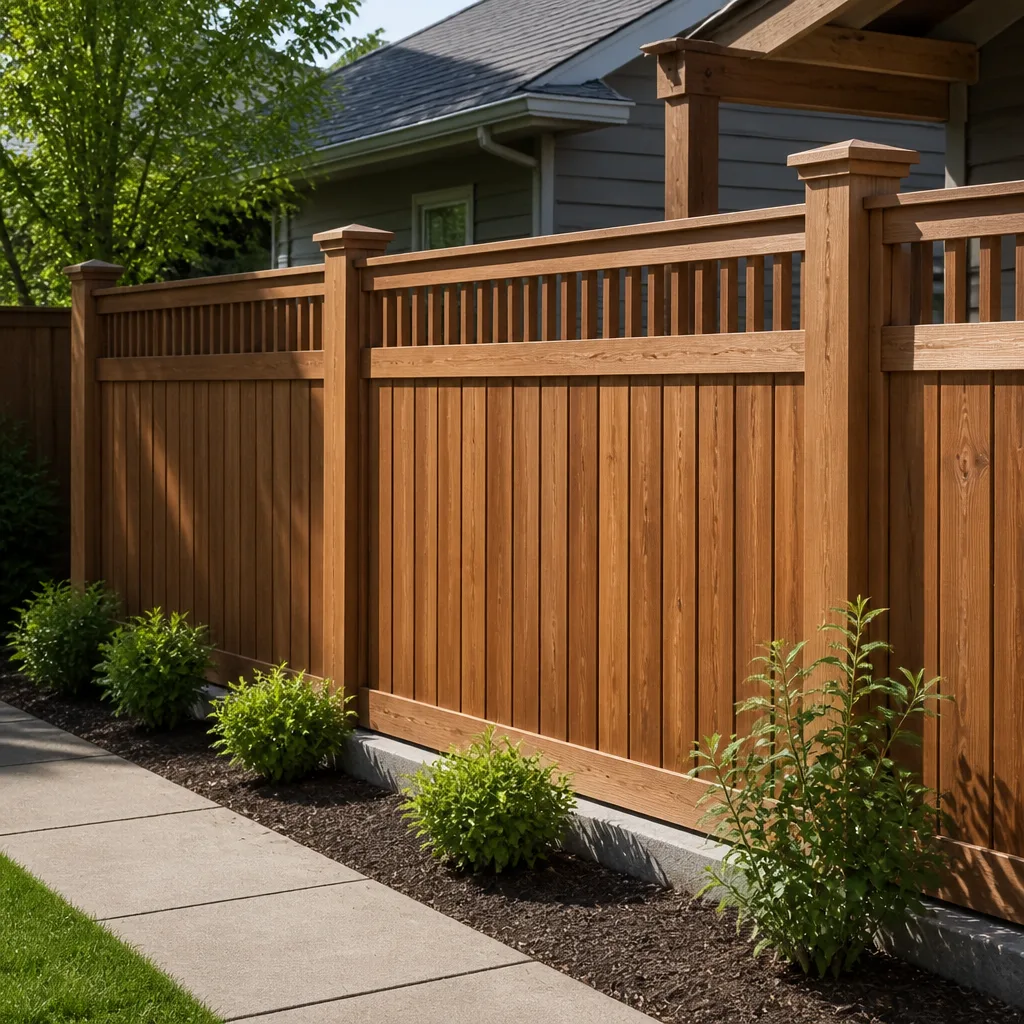
 Fence
 Kitchen remodeling
 Bathroom remodeling
 Home additions & ADU
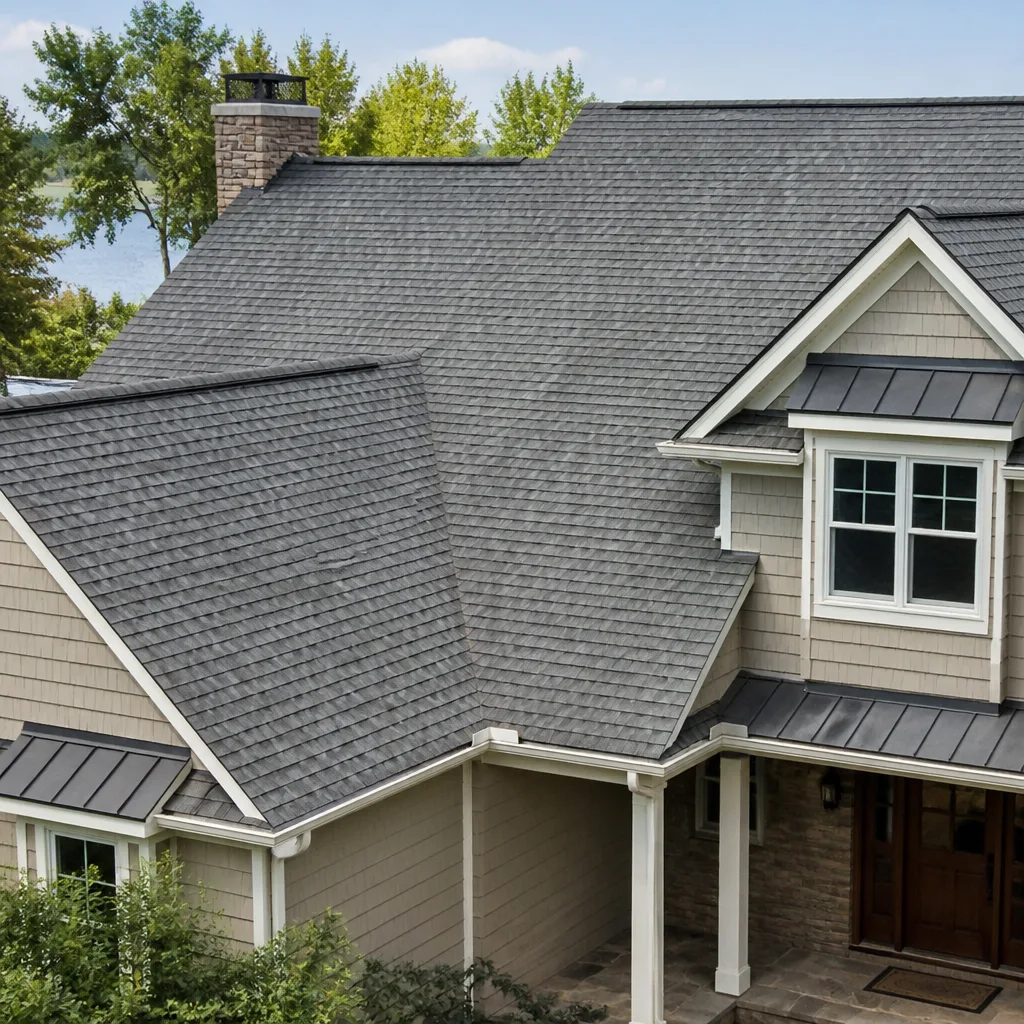 Roofing
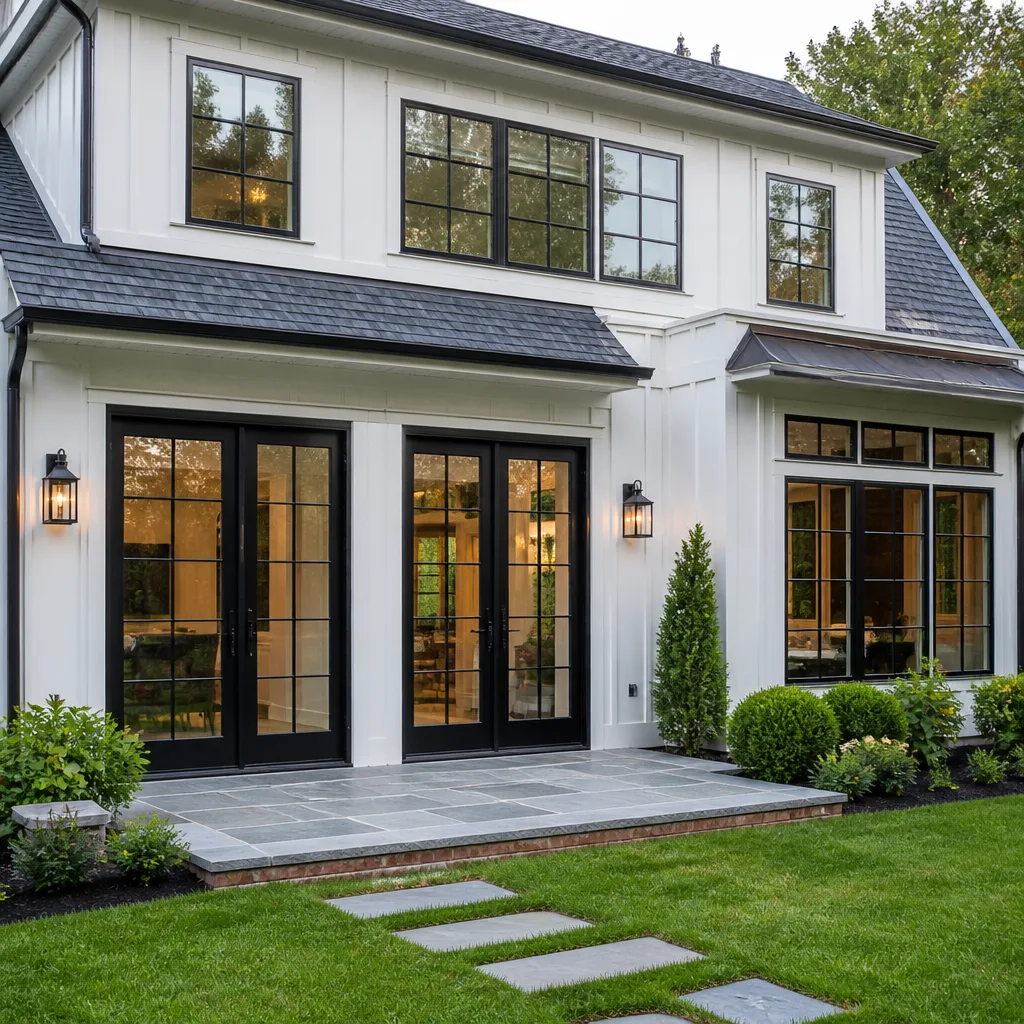 Windows & doors
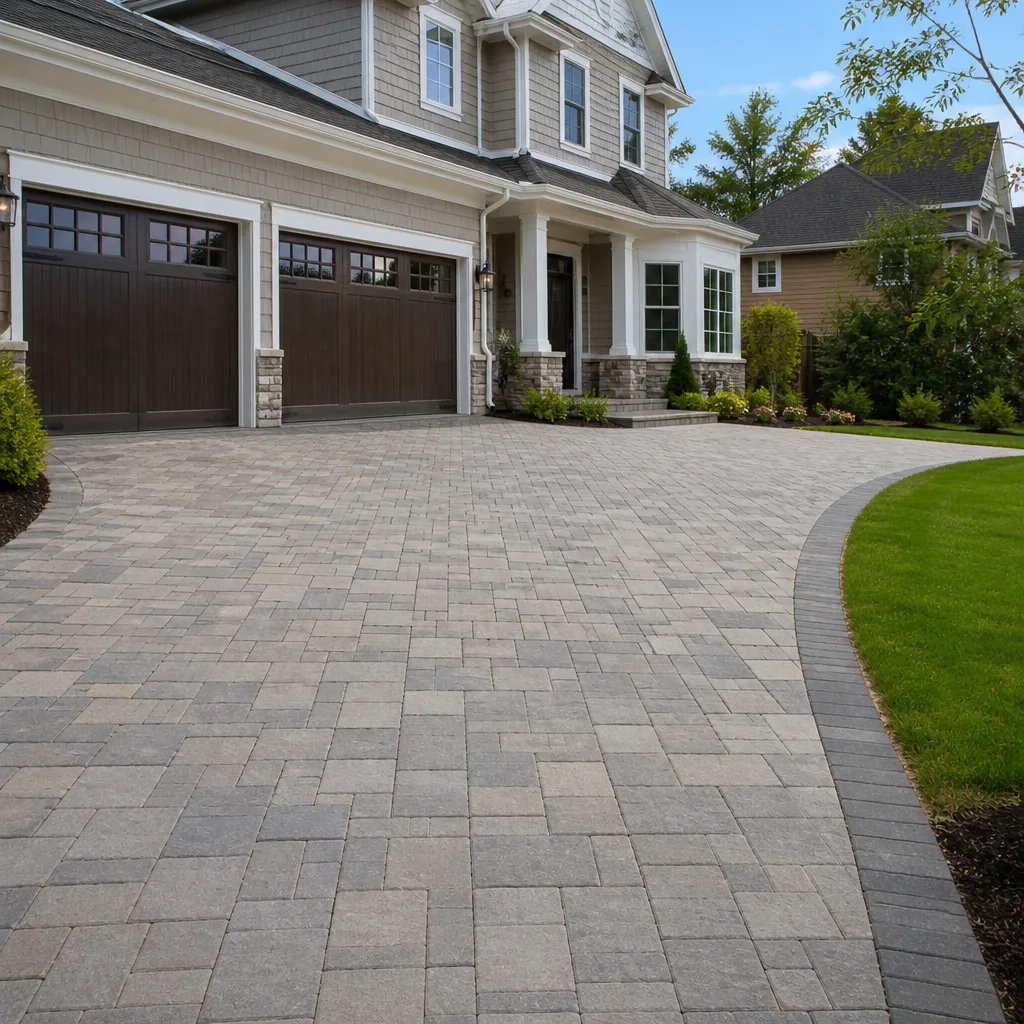 Driveway & pavers
Free written scope consultation - allowances, timeline, and change-order rules on paper before a single trade is scheduled
Styles & brands we work with
- Kitchen remodeling
- Bathroom remodeling
- Home additions & ADU
- Roofing
- Windows & doors
- Driveway & pavers
- Fence
See the difference
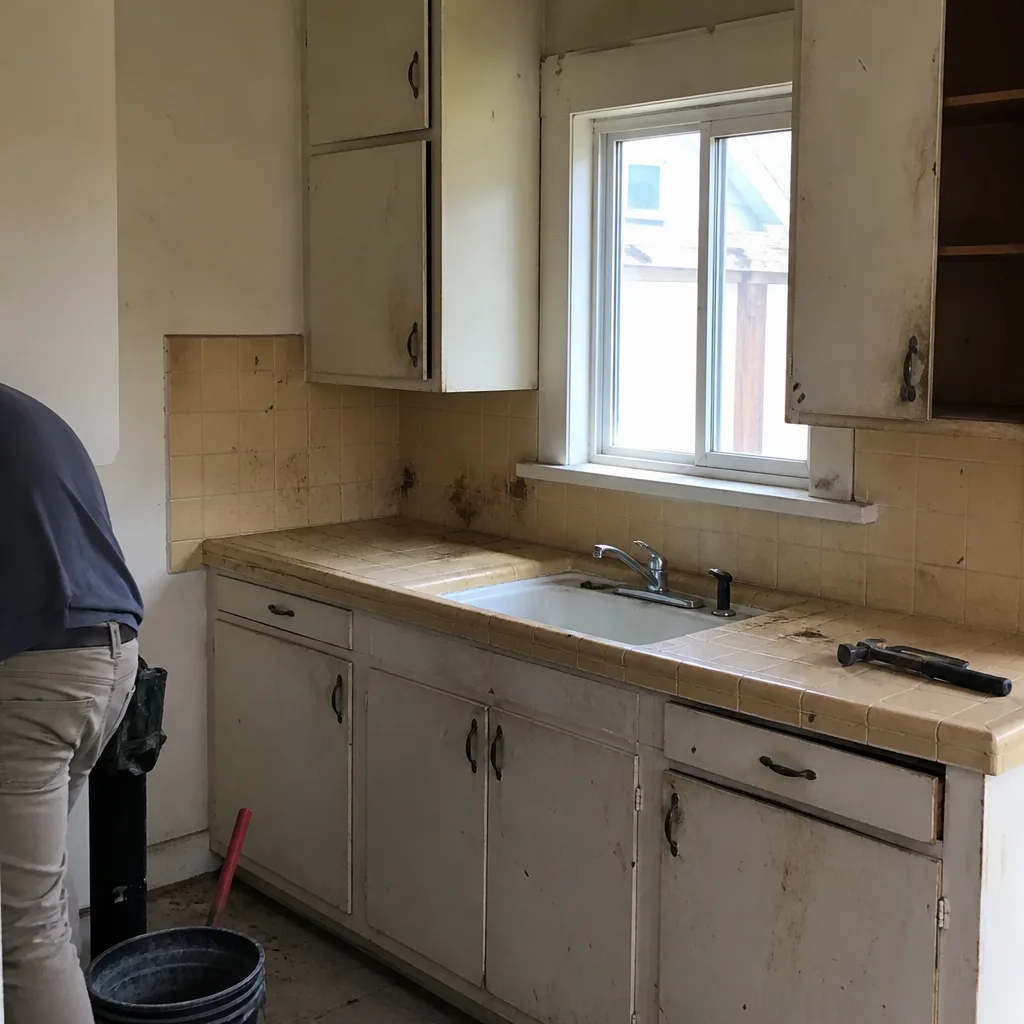 Before
 After
 Before
 After
 Before
 After
How Deep Should Fence Posts Be in Oakland, CA?
Fence posts should be set at least one-third of their above-ground height into the ground, so a 6-foot post needs 24 inches buried. In Oakland, though, 24 inches isn’t enough. On the clay flatlands and the sloped hillside lots, posts need 36 inches of depth, an 8-inch-diameter footing, and a compacted gravel drainage base to stay upright through wet winters. The one-third rule gets you to code. It doesn’t always keep your fence straight for the long haul.
If you want it set right the first time, Groundwork Construction Co. of Oakland handles post setting and full fence builds across the city. Reach us at (833) 997-7759 and we’ll talk through your lot.
Why the One-Third Rule Falls Short in Oakland Soil
Oakland has two very different soil environments within a few miles of each other, and each one puts a different kind of stress on a buried post.
Out in the flatlands, from West Oakland through Temescal and down toward the Fruitvale corridor, the ground is heavy expansive clay. That clay swells when the winter rains hit and shrinks again when summer dries it out. It’s that seasonal movement that does the damage. A post hole dug at the national minimum sits in a column of soil that’s constantly changing volume, and a narrow hole gives the post almost nothing to push against. The post doesn’t fail because it’s too shallow. It fails because there’s no lateral resistance holding it there.
Up in the Oakland Hills, in Montclair and around Joaquin Miller, the problem is the opposite. The soil there is decomposed granite and, in a lot of lots, engineered fill left over from older grading. It drains fast when it’s intact, but if water pools around a footing, it washes the fines away and undercuts the base. A post that was set at a proper depth can still start to lean once the soil under one edge of the footing gives way.
Either way, the standard spec doesn’t account for what’s actually happening under your yard. That’s why fence installation in Oakland gets planned per lot, not per guideline.
Depth, Diameter, and Drainage: What a Correct Oakland Post Spec Looks Like
Depth is only one variable. In clay soil, footing diameter matters just as much, and drainage matters more than either. Here’s what we set as our baseline on an Oakland flat lot for a 6-foot privacy fence:
| Spec | National minimum | Oakland clay-lot baseline |
|---|---|---|
| Post depth below grade | 24 in. | 36 in. |
| Footing diameter | 6 in. | 8 in. |
| Drainage base | None | 4 in. compacted crushed gravel |
| Concrete | Optional | Poured footing, crowned above grade |
The 8-inch hole is the part most people skip. A 6-inch hole in clay gives you a post in a sleeve of moving soil. Bumping the diameter out to 8 inches gives the concrete a larger mass to resist the lateral pressure that builds up when the clay swells. The 4 inches of crushed gravel at the bottom of the hole is a drain. It gives water somewhere to go so the footing doesn’t sit in a bath all winter. And crowning the concrete slightly above grade sends surface water away from the post instead of letting it puddle at the base.
The fence material matters here too. We build with James Hardie and other proven brands because the panel and post hardware need to survive the same conditions the post does. A quality post in a bad footing doesn’t last, and good hardware on a bad post doesn’t either.
Hillside Lots: Where Depth Alone Can’t Fix the Problem
On a sloped Oakland parcel, the posts on the downhill side of the run carry a different load than the ones on the uphill side. Gravity pulls the fence downhill, and soil creep, the slow downhill drift of the topsoil layer, pushes against the uphill face. Both forces act on the same post at the same time.
For those runs we usually go deeper than 36 inches and pour a footer that’s sized to the slope. Sometimes a poured footing isn’t the right call at all. On steep lots with shallow bedrock or loose fill, steel post anchors driven or embedded into stable material hold better than concrete in moving soil. Choosing between those options is a site assessment question, not a shortcut. Measuring the slope and reading the soil is what separates a spec that holds for decades from one that leans by the second wet season.
You can see how this plays out in detail on our page for Fence Installation in Oakland.
What a Proper Post-Depth Quote Actually Costs in Oakland
Fence work around here runs from about $3,500 to $9,000 for a typical residential run, and post depth and footing design are a real slice of that number. Here’s where the money goes:
- Vinyl fence installation: $3,500-$9,000
- Aluminum fence installation: $4,000-$10,000
- Deeper footings or steel anchors on sloped lots: priced per post after the site assessment
What you want in a bid is an upfront number tied to an actual soil and slope read, not a per-linear-foot guess. Groundwork’s no-surprise pricing means the number you see is the number you pay. We also back the work with the 730-Day Done Right Promise, and offer 0% financing for 18 months plus $1,000 off projects over $10,000. A cheap contractor’s “warranty” won’t help you when a post heaves in year two, and an underwhelming footing spec undercuts any guarantee. A properly assessed post depth, on the other hand, is what makes a real workmanship guarantee possible.
Common Local Scenarios
Rockridge and Temescal bungalows. Century-old lots in these neighborhoods often have the original fence line sitting over compacted fill, so we dig a test hole before we quote. The pre-1940 housing stock here means fencing and grading have to be planned around what’s already underground.
West Oakland clay. Expansive clay and tight lots mean the footing diameter is doing the heavy lifting. We set wider footings and a full gravel drain on every post.
Montclair and Joaquin Miller slopes. Downhill posts get deeper setting and, where the fill is loose, steel anchors. Drainage is designed so winter runoff doesn’t pool at the base of the run.
Winter rain timing. Oakland’s wet season exposes footing problems fast. If you’re scheduling a fence, getting posts in during the dry months lets the footings cure before the rains test them.
FAQs
Dig 36 inches for a 6-foot fence in Oakland clay, not the 24-inch national minimum, and widen the hole to 8 inches with a 4-inch gravel base. The wider footing gives the post lateral resistance against swelling clay. Call (833) 997-7759 for a quote on your lot.
Not always. On steep or fill-heavy lots, steel post anchors can outperform poured concrete because they don’t crack and shift with the soil. A site assessment tells you which one fits your slope.
You can, if the depth, diameter, drainage, and slope are all right for your specific lot. The risk in Oakland is that the soil conditions change quickly block to block, so a spec that works in the flats can fail in the hills. Call (833) 997-7759 for an assessment before you dig.
Fence projects in Oakland typically run $3,500-$9,000, with deeper footings or steel anchors quoted per post on sloped lots. Call (833) 997-7759 for an exact, upfront quote before any work starts.
If you’d rather have it looked at, Groundwork Construction Co. of Oakland offers a no-pressure assessment in Oakland. Our technicians have up to 12 years of experience, and calls are answered by a live person around the clock. Call (833) 997-7759 for a free estimate.
Written by the team at Groundwork Construction Co. of Oakland, serving Oakland, CA.