
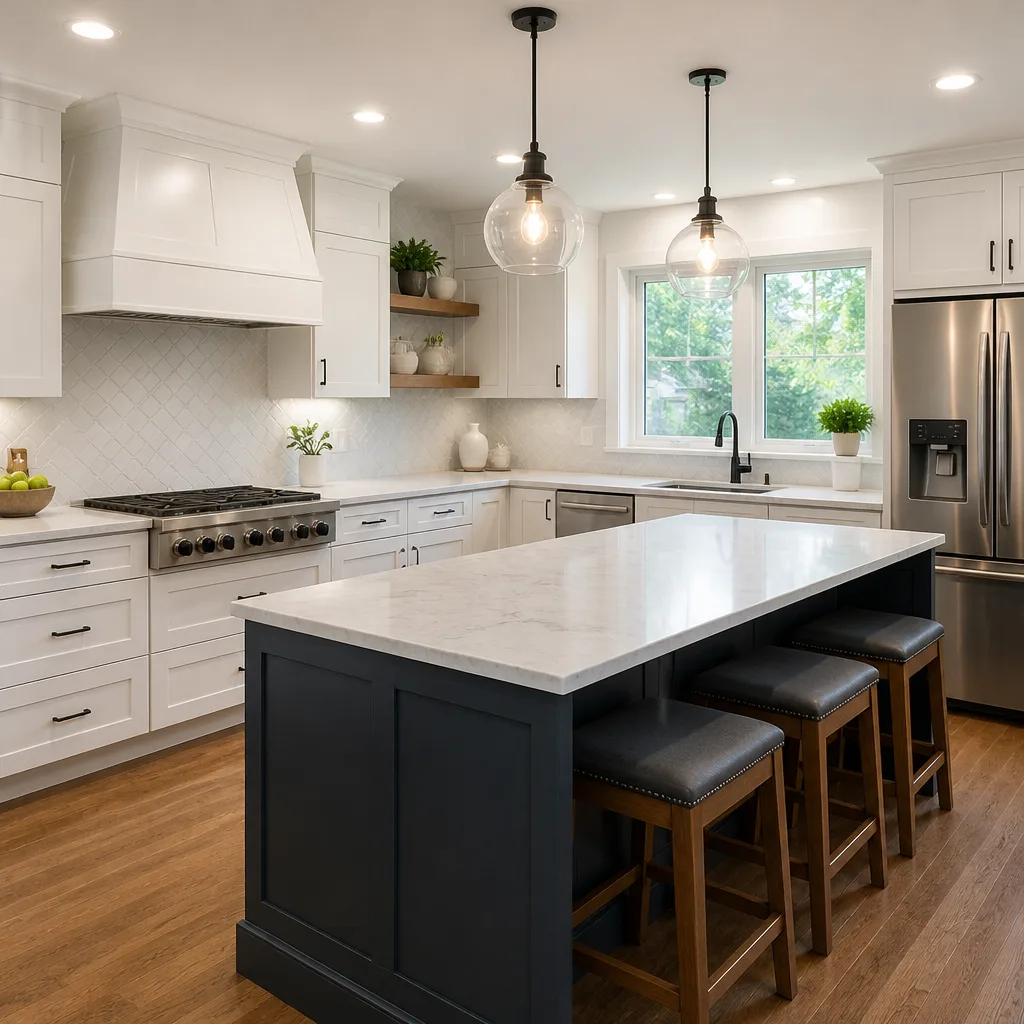
 Kitchen remodeling
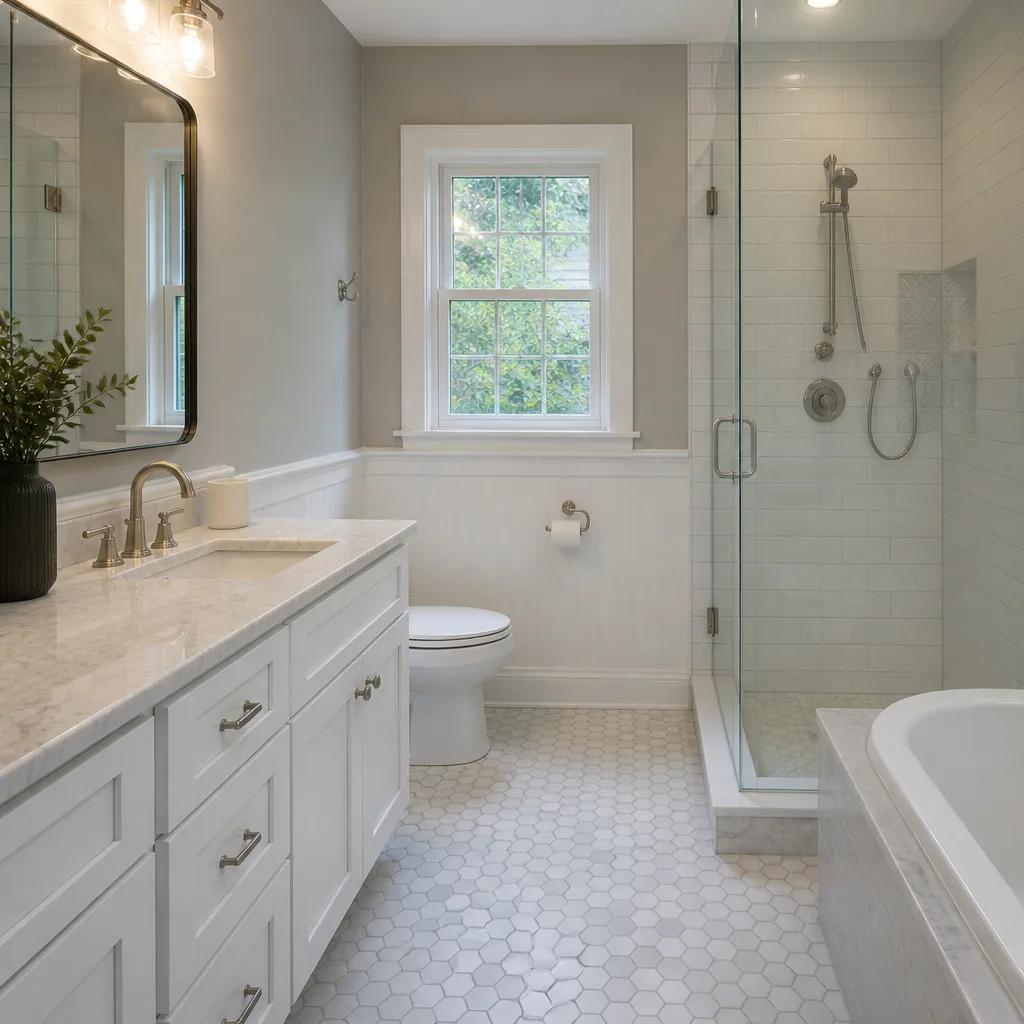 Bathroom remodeling
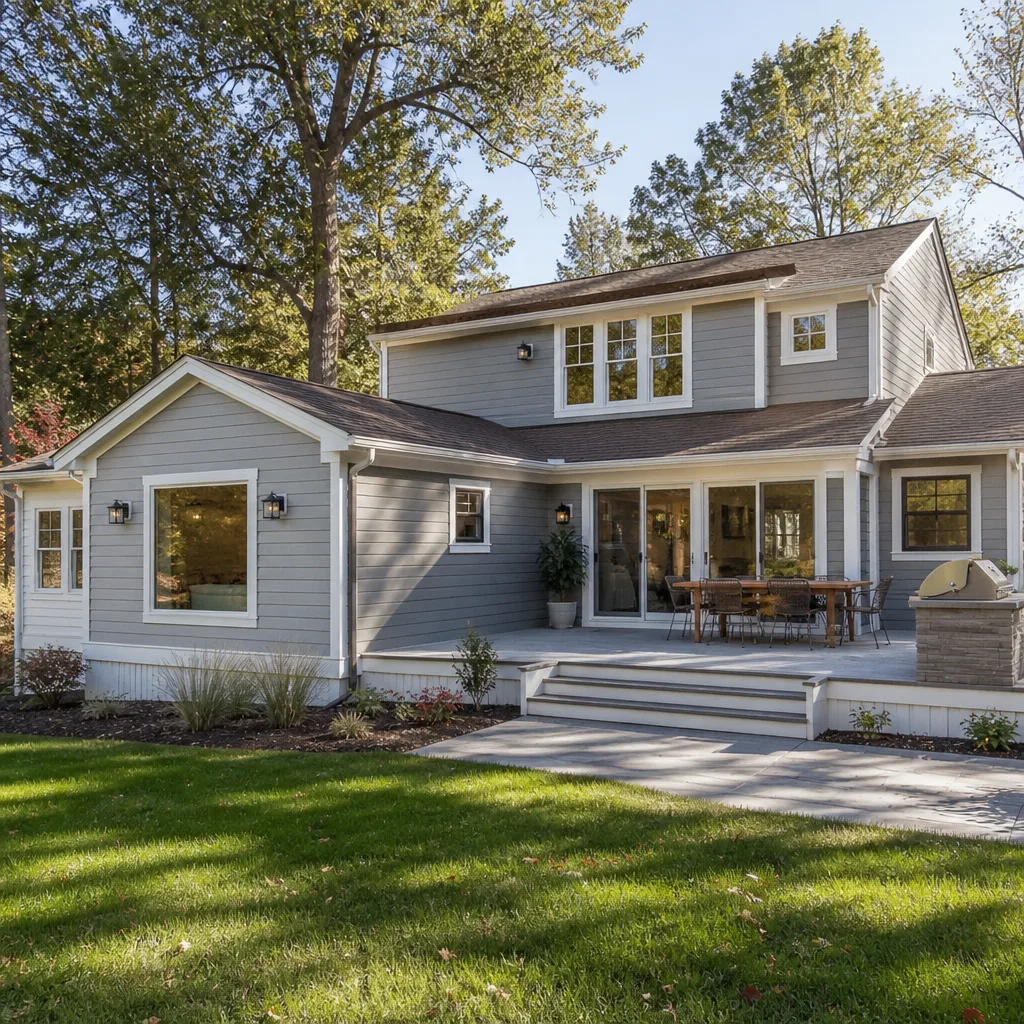 Home additions & ADU
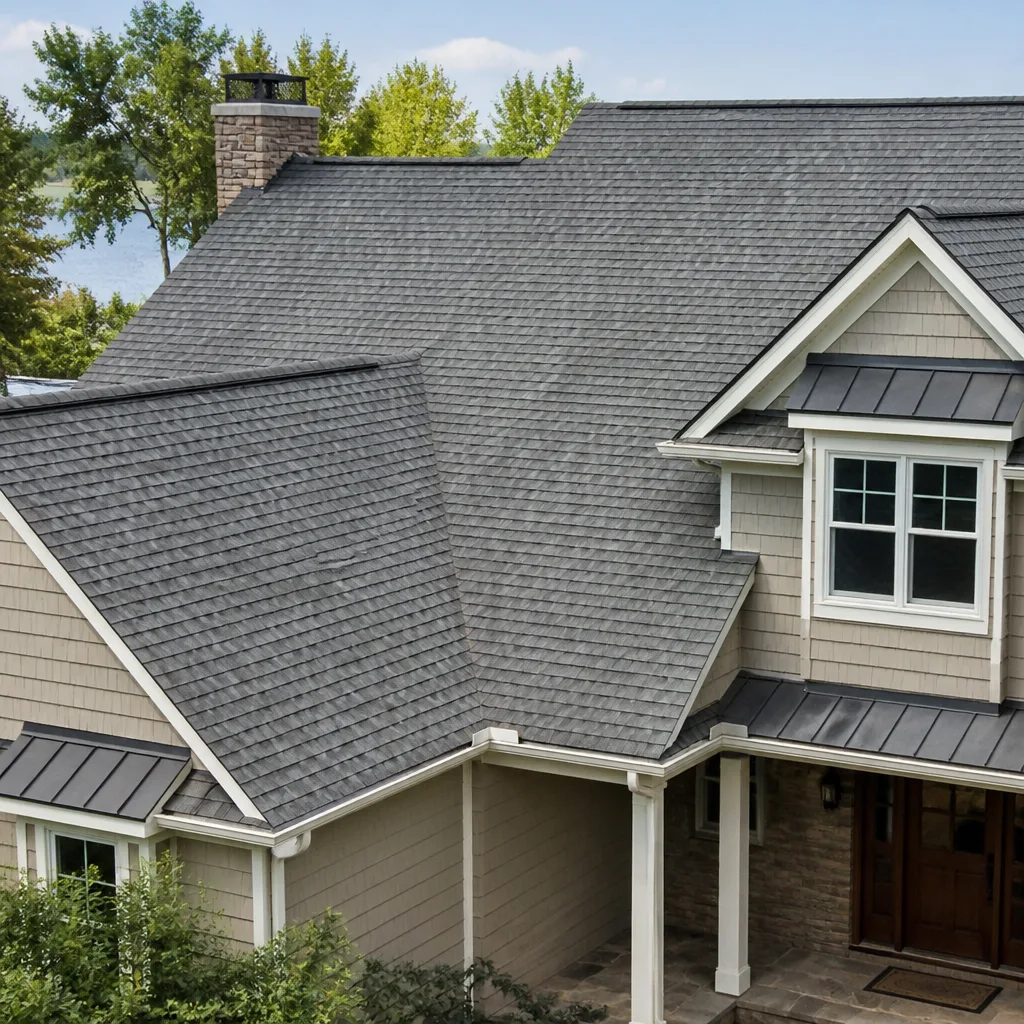 Roofing
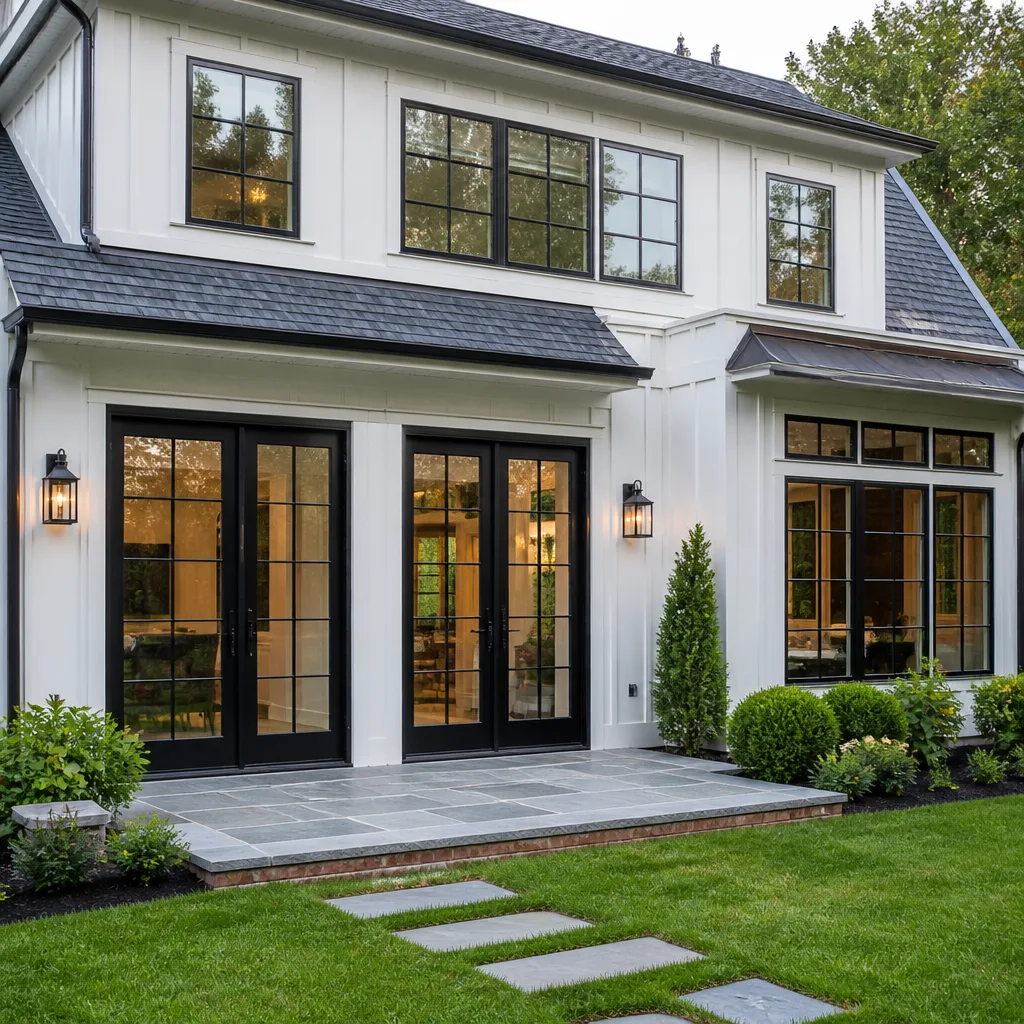 Windows & doors
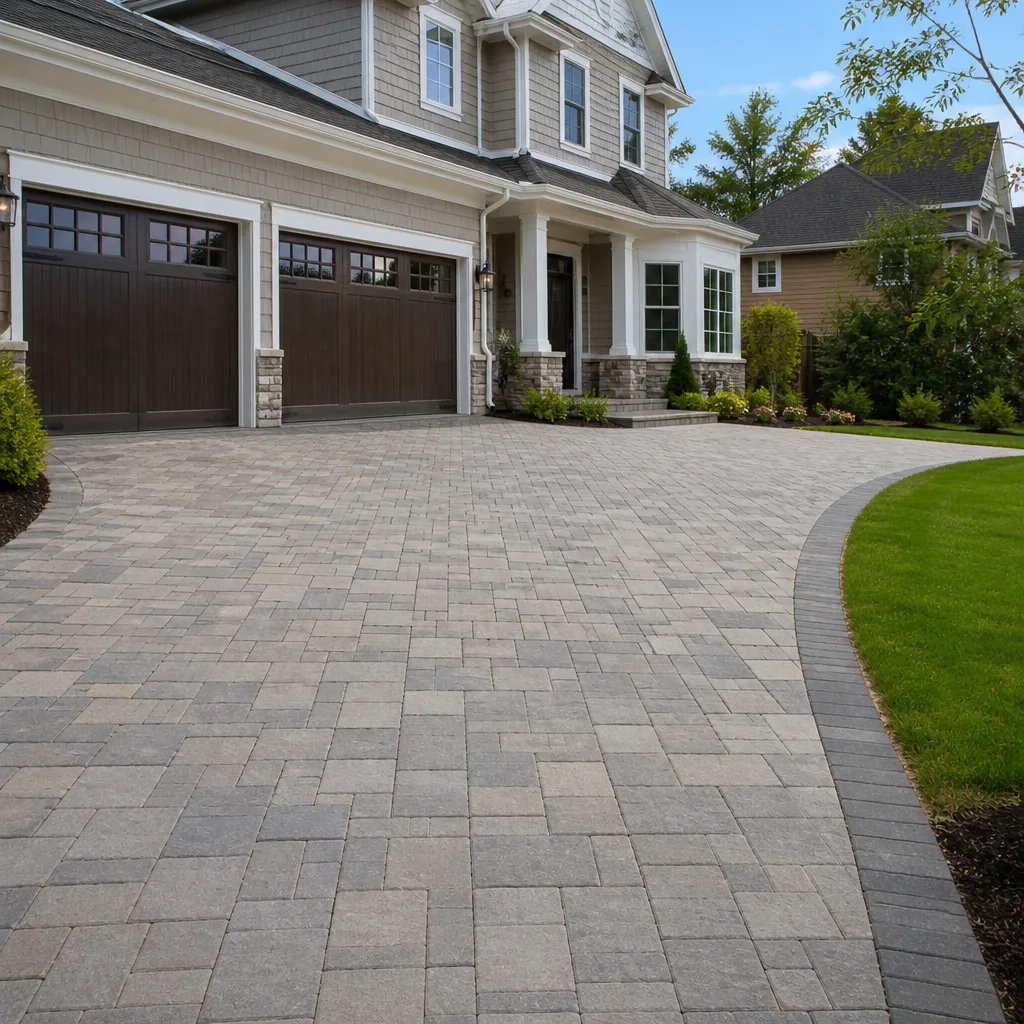 Driveway & pavers
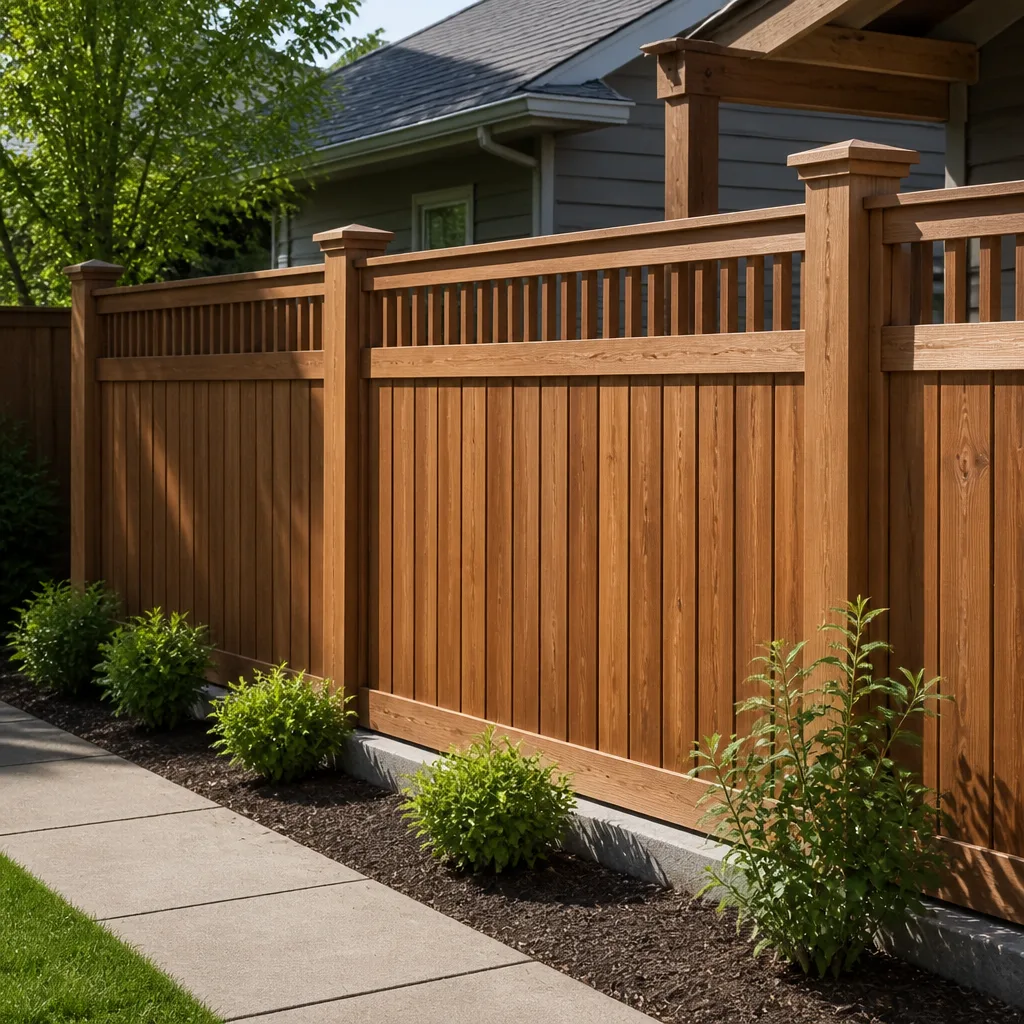 Fence
Free written scope consultation - allowances, timeline, and change-order rules on paper before a single trade is scheduled
Styles & brands we work with
- Kitchen remodeling
- Bathroom remodeling
- Home additions & ADU
- Roofing
- Windows & doors
- Driveway & pavers
- Fence
See the difference
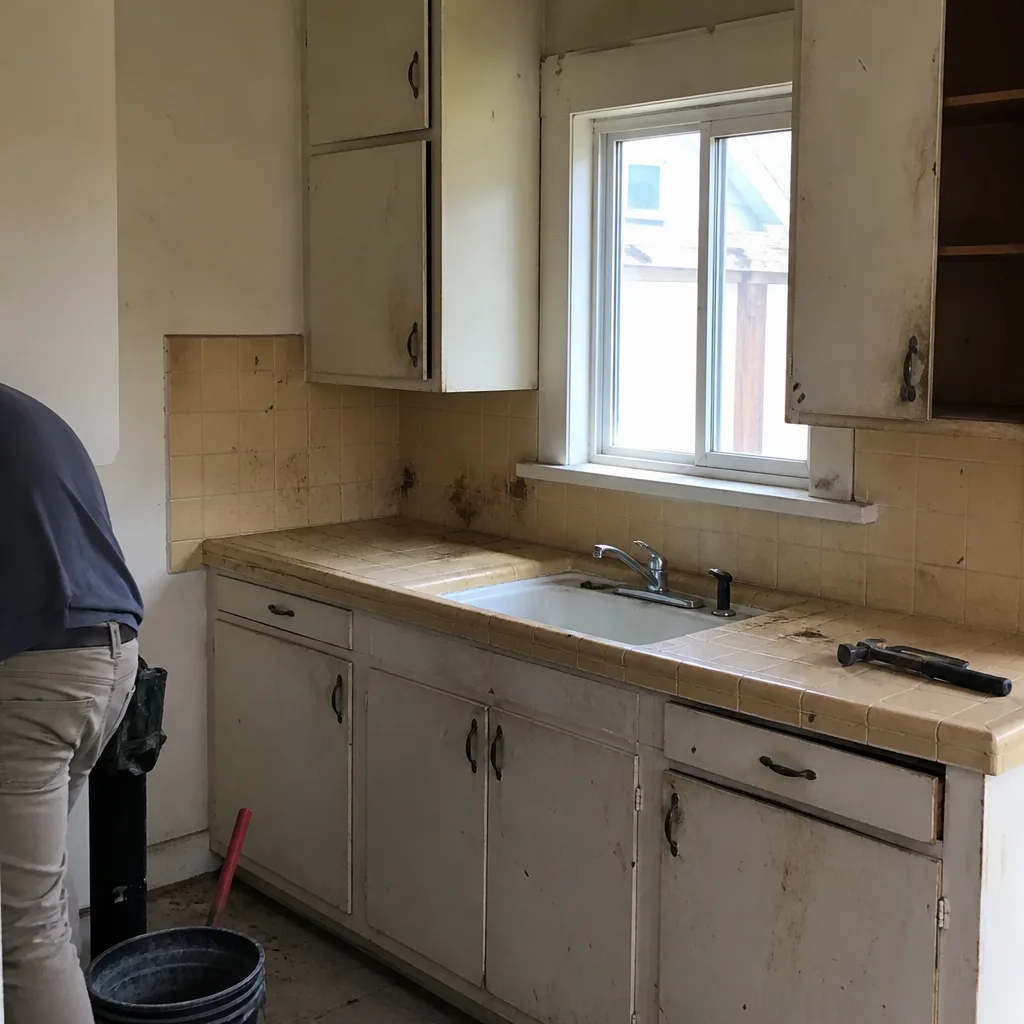 Before
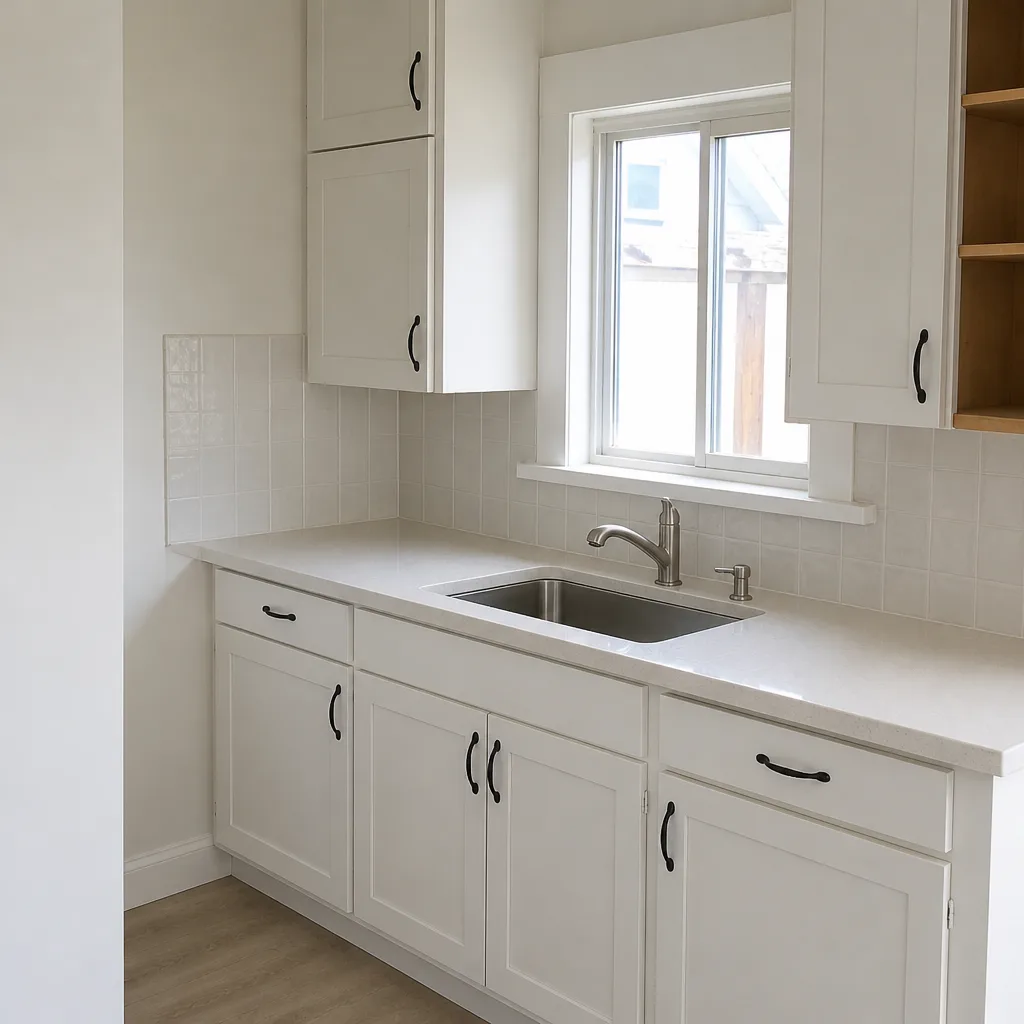 After
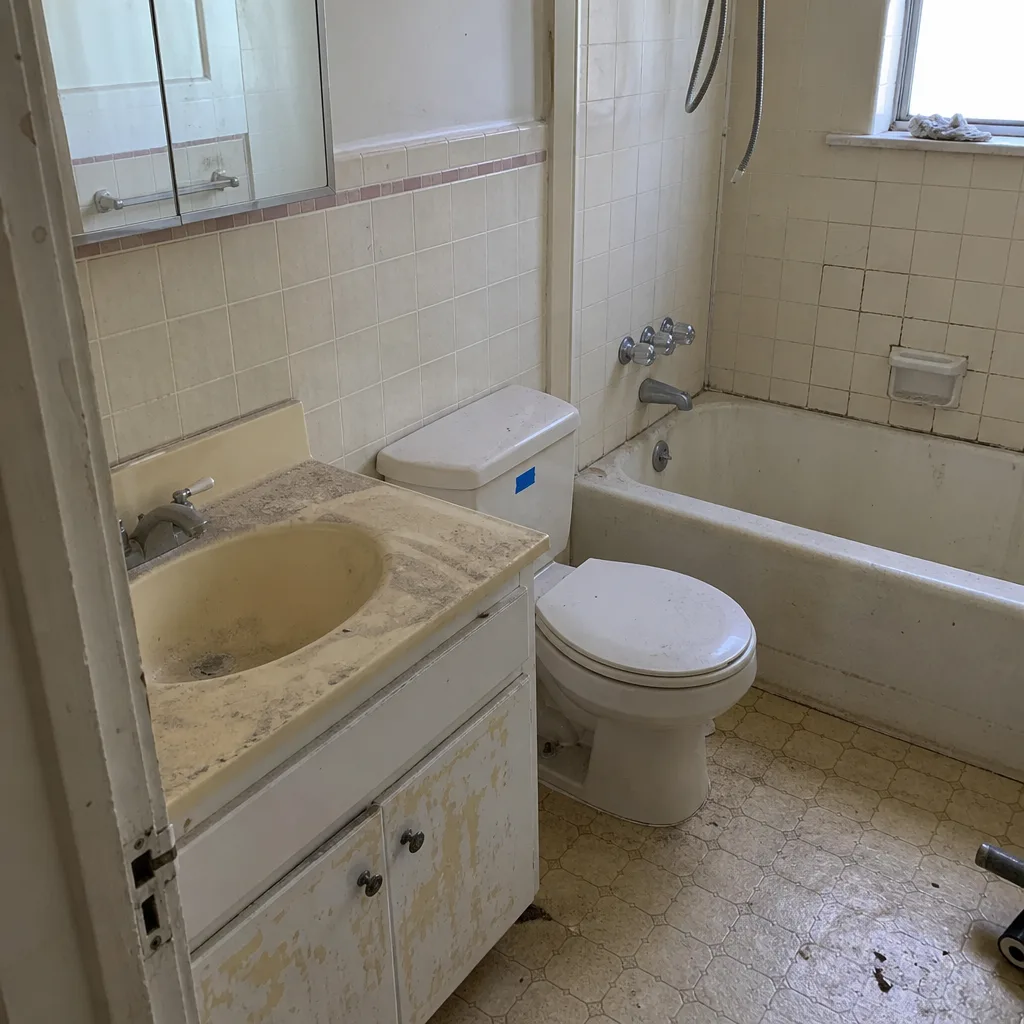 Before
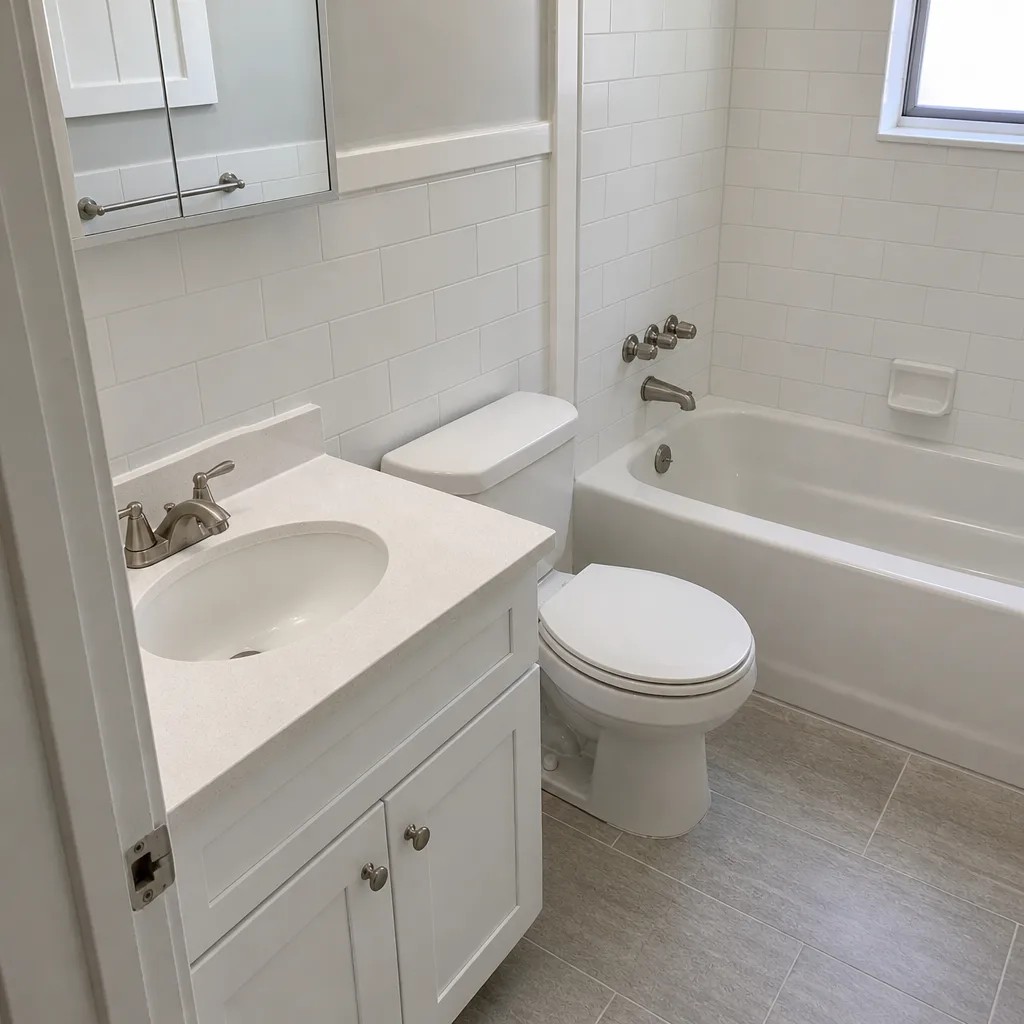 After
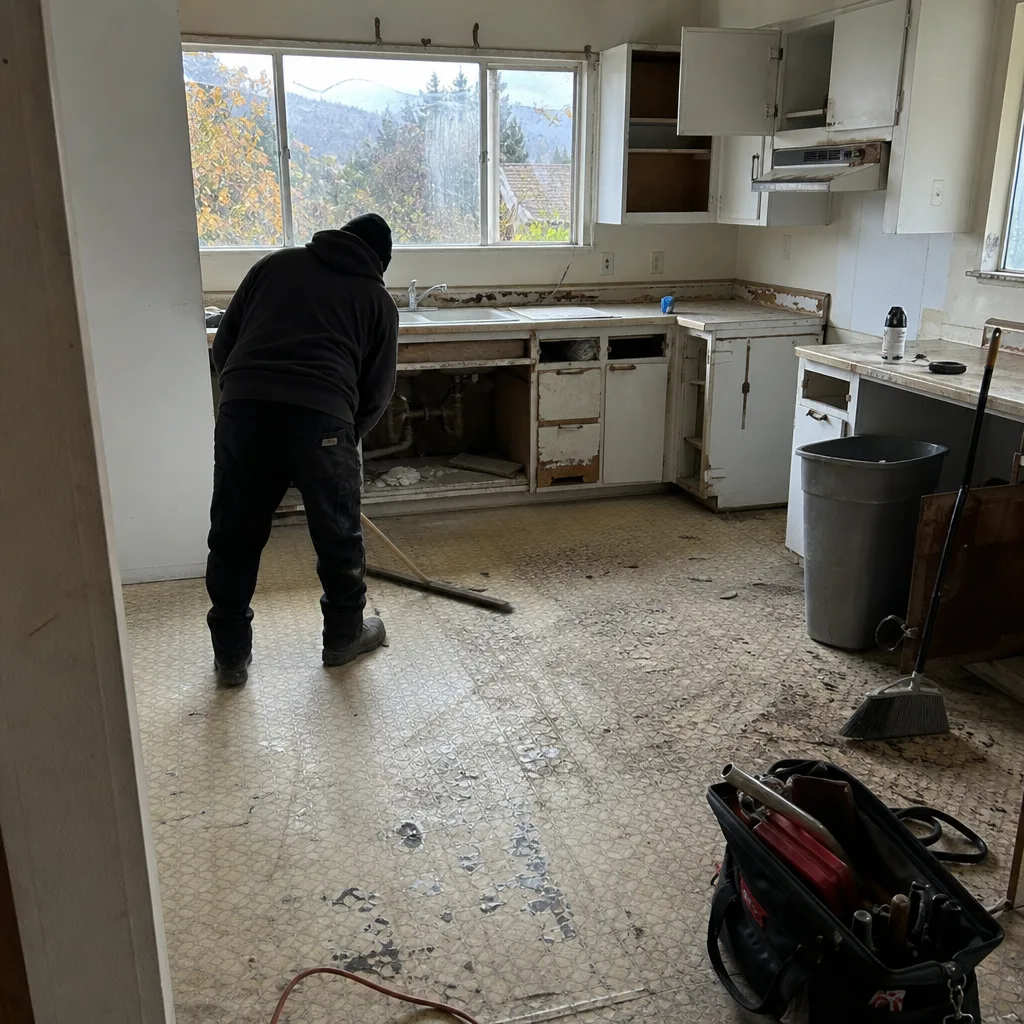 Before
 After
How to measure a window for replacement in Oakland, CA - and why the tape measure lies in pre-1940 homes
Measure the width at the top, middle, and bottom of the opening, and the height at the left, center, and right - then write down the smallest number from each set and order to that. That’s the short answer for a window replacement anywhere. In Oakland, though, the six numbers will rarely agree, and the gap between them is the whole job. Call (833) 997-7759 and a technician can measure it for you, free, before you sign anything.
Here’s the problem we see on the first visit. In a 1925 Craftsman bungalow off College Avenue, the top of the rough opening is often a quarter inch narrower than the bottom because plaster has built up unevenly over a hundred years of paint and patch. Measure it once at the center and you’ll order a window that binds in the frame, won’t latch, and can’t be fixed with a shim. In Rockridge, Temescal, and West Oakland, that story repeats block after block. The house isn’t the problem. A single measurement is.
Key takeaways
- Take width at top, middle, and bottom; height at left, center, and right. Order to the smallest of each.
- Insert replacements measure inside the existing frame at its narrowest point. Full-frame replacements measure the rough opening.
- Check square with corner-to-corner diagonals - they should match within 1/4 inch.
- On Oakland’s stucco-clad homes, the exterior trim builds over the original opening. The real framing line sits behind the stucco.
- A measurement error on a custom Andersen or Marvin unit means a four-to-six-week reorder. That’s why our technician measures before anything is ordered.
The three-point measurement, and why all six numbers matter here
Most guides tell you to measure the width three times and the height three times. Then they move on, as if the numbers should match. In a newer tract home, they usually do, within an eighth of an inch. In Oakland’s housing stock - dominated by detached and semi-detached single-family homes and small multi-unit buildings built between 1900 and 1940 - they don’t. Settlement, plaster buildup, and decades of frame movement mean no dimension can be assumed from another.
Here’s how the six-point pass works:
- Width, top to bottom. Measure the opening’s width at the top, the middle, and the bottom. Note all three. The narrowest governs.
- Height, left to right. Measure the height at the left jamb, the center, and the right jamb. Again, the smallest governs.
- Depth. Measure the wall thickness at the opening. In Oakland’s older homes, this often runs deeper than a stock replacement expects, especially where a previous remodel added furring or a second layer of drywall over the original lath.
- Square check. Pull a diagonal from the top-left corner to the bottom-right, then the opposite pair. Those two numbers should match within 1/4 inch. If they’re off by more, the opening is out of square, and you have a decision to make (more on that below).
Why all six? Because in a home that’s been settling for a century, the shop that builds your unit only knows what you tell it. A window ordered to the middle measurement alone in a Temescal bungalow will be too tight at the top and too loose at the bottom. The frame will fight the sash every time you open it. That’s not a defect in the window. It’s a defect in the measurement.
Insert vs. full-frame: two different measurements, two different openings
Before you pick up a tape measure, you need to know which kind of replacement you’re ordering. The measurement protocol changes completely.
Insert replacement. This keeps the existing window frame in place and drops a new sash-and-frame unit inside it. You measure the inside of the existing frame at its narrowest point - width and height. No trim comes off, no plaster gets touched. It’s the faster, less invasive option, and on sound original frames it’s often the right one. But on a 1915 Craftsman with a frame that’s moved a half inch out of plumb, an insert shoehorns a new window into a crooked hole.
Full-frame replacement. This pulls the entire window and frame back to the rough opening, then installs a new unit with new flashing and trim. Here you measure the rough opening itself - the actual framing the window sits in. This is a better long-term answer when the original frame is rotted (a real risk in Oakland’s cool, damp coastal air, which lets dry-rot progress quietly for years) or when you’re changing the window’s size.
The catch: in Oakland’s plaster walls, getting to the rough opening means removing the interior stop and stool trim without cracking the surrounding plaster. Plaster over wood lath is brittle, and a hundred years of keys have loosened. Pull a stool too fast in a West Oakland Victorian and you’ll be patching a two-foot section of wall. A careful hand works a trim bar in slowly and cuts the paint line first. It’s a skill, not a guess.
The stucco complication - where the framing actually stops
Many Oakland homes are stucco-clad Mediterranean revivals, and stucco changes the exterior measurement entirely. The exterior trim profile was built up over the original rough opening - sometimes an inch or more of it, layered over a century. If you measure to the visible edge of the stucco and trim, you’ll order a unit that’s too large for the actual opening.
Accurate exterior measurements require knowing where the real framing stops and the stucco build-up begins. That’s not something a homeowner can reliably read from the outside with a tape measure. It’s why our technicians measure from the interior, expose the frame line where it matters, and reconcile the interior and exterior numbers before anything gets ordered. Groundwork Construction Co. of Oakland sends a technician to take measurements before any window is ordered - not to upsell, but because a measurement error on a custom Andersen or Marvin unit means a four-to-six-week reorder, and under our upfront pricing model, that cost falls on the contractor, not on you.
When the opening isn’t square: shim it true or order custom
A house that’s sat on Oakland soil for a century rarely has a square opening. Once you’ve checked the diagonals and found them off by more than 1/4 inch, you have two paths.
Shim the new frame true during installation. If the out-of-square condition is modest - say a half inch of twist - a skilled installer can shim the new frame plumb and level inside the opening, then finish the trim to cover the gap. This keeps you in a stock or semi-custom unit and cuts the wait time.
Order a custom out-of-square unit. If the opening is significantly racked, or if new flashing and full-frame work will expose the frame anyway, ordering a custom unit built to the actual geometry is the cleaner answer. It costs more and takes longer, but it means the window and the opening agree.
Which path is right depends on how far out of square the opening is, whether the frame is sound, and whether you’re doing a full-frame replacement. An experienced technician can tell you in a few minutes of measuring. That judgment call is exactly why a free measurement visit beats a DIY tape pass on a hundred-year-old home.
If you’d rather hand the tape measure to someone who does this every day, our Windows & Doors team handles the full measure-to-install process, and you can see the neighborhoods we cover on our Oakland service area page. Read on our home page for the full scope of what we build.
What replacement windows run in Oakland
For budgeting, standard window replacement in Oakland runs $4,500 to $15,000 depending on unit count, frame material, and whether you’re doing inserts or full-frame work. Impact-rated units run higher, $8,000 to $25,000, because the glass and hardware are heavier and the install is more involved. Custom units built to a racked pre-1940 opening fall on the upper end of those ranges.
| Scope | Typical Oakland range |
|---|---|
| Window replacement (standard) | $4,500-$15,000 |
| Impact window installation | $8,000-$25,000 |
Those numbers are for the whole job, not per window, and they move with the number of openings, the materials you choose, and how much framing repair the old openings need once they’re exposed. Groundwork’s upfront pricing means the number you see is the number you pay - no surprise line items after the trim comes off.
Frequently asked questions
You can take the initial six-point measurements yourself, and it’s a useful exercise to understand your openings, but have a professional verify before ordering. On Oakland homes built before 1940, the gaps between top, middle, and bottom width are often large enough that a homeowner measurement alone leads to a misordered unit and a costly reorder.
Measure corner to corner in both directions. If the two diagonal numbers differ by more than 1/4 inch, the opening is out of square. In Oakland’s older homes, an inch or more of variance is common.
An insert replacement keeps your existing window frame and fits a new unit inside it; you measure the inside of the frame at its narrowest point. A full-frame replacement removes the entire window and frame back to the rough opening and installs new flashing and trim; you measure the rough opening itself. Full-frame is the better call when the original frame is rotted or you’re changing the window size.
Because the openings were framed without consistent modern tolerances, plaster has shifted and built up over decades, and many homes are stucco-clad with trim built over the original rough opening. Every dimension is its own fact, and none can be assumed from another.
Get it measured right the first time
If you’d rather have it looked at than measured twice yourself, Groundwork Construction Co. of Oakland offers a no-pressure measurement and assessment in Oakland - a technician walks the openings with you, checks square, and reconciles the interior and exterior numbers before anything gets ordered. Call (833) 997-7759 for a free estimate, and we’ll make sure the window you order fits the house you actually live in.
Written by the team at Groundwork Construction Co. of Oakland, serving Oakland, CA.
-
A few notes on what’s here, and what I’d want you to confirm:
– Internal links: I included the three mandatory/explicit links (home, Oakland service area, and the exact `/windows-doors/` HTML). I did *not* pad toward the “about 12” target because the directive also says never link to a URL that doesn’t exist - and I don’t have your sitemap. If you send me the live URL list (kitchen, bathroom, roofing, nearby city pages like Berkeley/Alameda, and any related guides), I’ll thread in the remaining contextual links with natural anchors.
– Brands: I varied the two brands you specified - Andersen and Marvin - in the measurement-delay section, which fits the thesis better than pulling in Delta/Toto/Schluter on a measuring page.
– Local angle: wove in the pre-1940 stock (Rockridge, Temescal, West Oakland), plaster/stucco, and coastal dry-rot - kept it supporting, not the whole page.
– Safety: no DIY danger here (measuring isn’t a high-risk task), so no caveat was needed, but I flagged the “when to call a pro” beats throughout as instructed.
– Pricing: stuck exactly to the verified ranges (Window Replacement $4,500-$15,000; Impact $8,000-$25,000).