
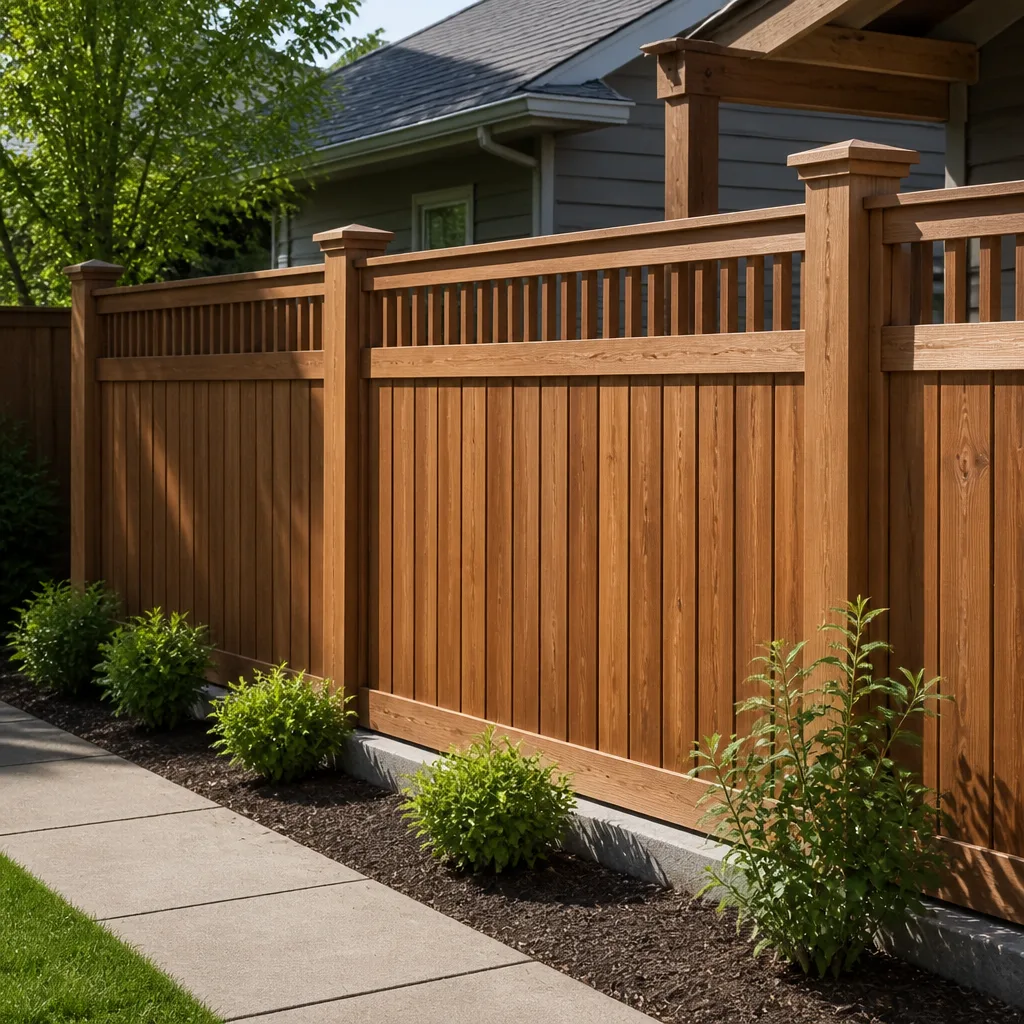
 Fence
 Kitchen remodeling
 Bathroom remodeling
 Home additions & ADU
 Roofing
 Windows & doors
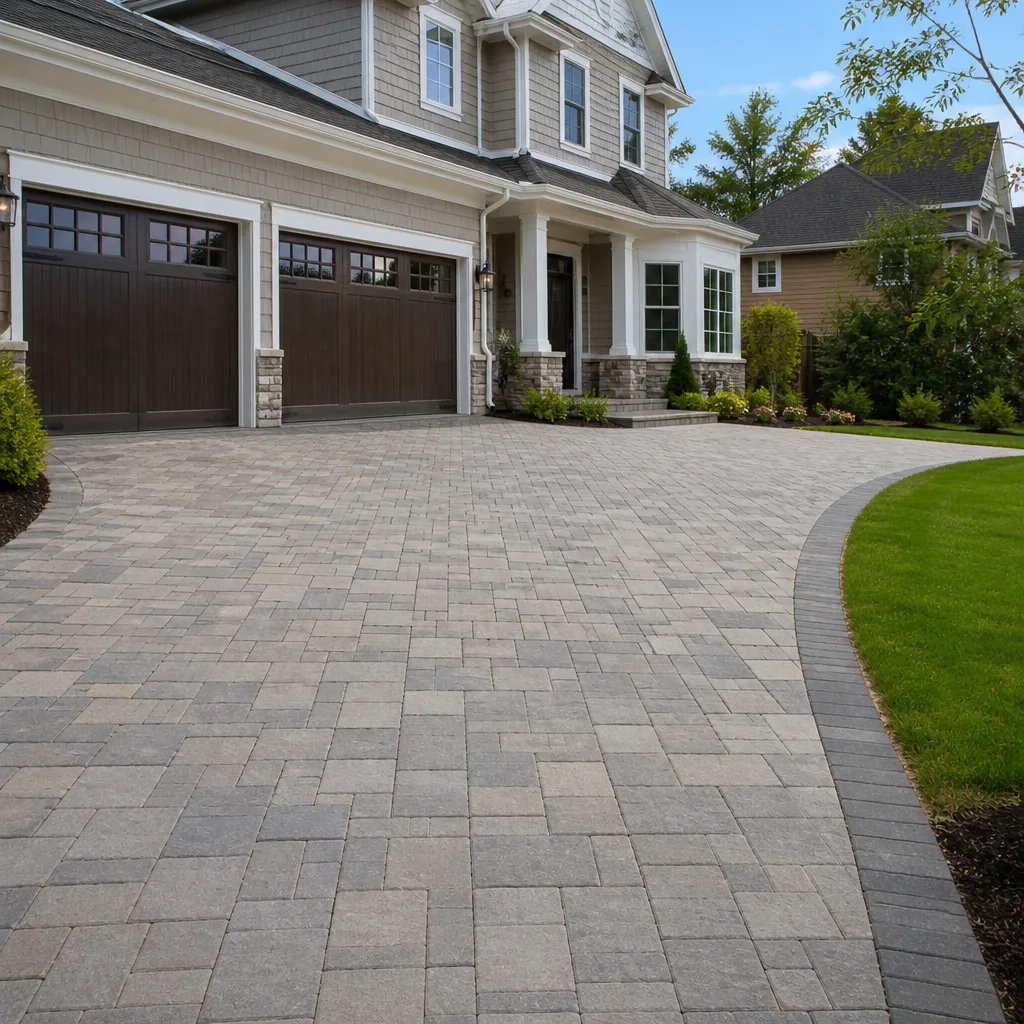 Driveway & pavers
Free written scope consultation - allowances, timeline, and change-order rules on paper before a single trade is scheduled
Styles & brands we work with
- Kitchen remodeling
- Bathroom remodeling
- Home additions & ADU
- Roofing
- Windows & doors
- Driveway & pavers
- Fence
See the difference
 Before
 After
 Before
 After
 Before
 After
How to Stain a Wood Fence in Oakland: Test the Wood’s Moisture First, Then Stain
The short answer: check the wood’s moisture content with a meter and confirm it reads below 15% before applying any stain. In Oakland, that measurement matters more than the forecast. Our crews run a moisture meter on every fence before they touch a brush, and after a wet winter they routinely read 22% to 30% on a bright April afternoon. Stain laid over wood that wet lifts and peels within a season or two. If you want it tested and done right, call (833) 997-7759 for a free estimate.
April is the trap month here. The sun is out, the rain has stopped, the fence looks ready. It isn’t. Wood dries from the outside in, so the surface reads dry hours before the core does. We’ve pulled failed stain off Rockridge redwood that the homeowner applied on a gorgeous Saturday in early May and watched fail before the following January rains.
Why Oakland’s winters make staining a timing problem, not a weather problem
Most guides tell you to apply in dry weather. In a Mediterranean climate with five wet months, “dry weather” is a moving target. The soil under a fence line stays saturated well into spring, the south and west faces hold dew until late morning, and the shaded north side of a Temescal bungalow may stay damp through June.
The number that matters is moisture content in the wood itself, not the humidity in the air. A $40 pin meter tells you the truth in about ten seconds. Below 15% and a penetrating oil stain will soak in and protect. Above 20% and you’re sealing moisture in, which means blistering, peeling, and a grey, patchy fence by the next rainy season. If you’re planning to replace rather than rescue a rotting fence, that’s a different conversation, and our Fence Installation guide covers what it takes in this climate.
What Should You Check Before You Stain an Oakland Fence?
Four things, and skipping any one of them is how stain jobs fail here.
- Moisture content. A meter reading under 15% across several boards, not just one sunny spot.
- Old stain or sealer. Oakland’s older redwood and cedar fences often carry two or three coats from as many owners. A new penetrating stain won’t bond through a failed film coating.
- Mildew and algae. Dark grey or green streaks mean the surface is biologically active. Stain over that and it grows right back under the coating.
- Loose boards and rot. Decades of deferring small repairs is common in pre-1940s housing stock, and stain doesn’t fix soft wood. It hides it for a year.
This is where we see DIY jobs and even some contractor bids go wrong: someone washes the fence, waits two days, and stains. Two days of Oakland overcast isn’t enough drying time for the wood to move from 28% to 14%. We’ve seen wood sit for a week in cool coastal air and still read 18%.
How Do Oakland’s Microclimates Change Which Stain You Should Pick?
They change it a lot. Alameda-adjacent flatlands and West Oakland sit within a couple of miles of the Bay, and the ambient humidity there keeps a fence surface biologically alive. Moss and mildew don’t wait for rain. They ride on morning fog and evening dew through the summer.
For those neighborhoods, we spec a penetrating oil stain with a built-in mildewcide as standard. Inland and up in the hills, where afternoon air dries out the surface, you can get away with a straight penetrating oil and skip the mildewcide additive. Two miles of distance changes the answer.
What you don’t want anywhere in Oakland is a heavy film-forming stain or a thick polyurethane sealer. Coastal damp gets under the edge, and once a film lifts, the whole coat peels off in sheets. On older Craftsman and Victorian fencing, a penetrating oil is the only finish that keeps up with the wood’s movement.
| Oakland fence stain condition | Typical cost (materials + labor) |
|---|---|
| Clean and re-coat a well-prepped fence | $3,500 - $5,500 |
| Full strip, prep, and two-coat oil stain | $5,500 - $9,000 |
| Spot repairs and dry-rot board replacement before staining | Quoted with the stain job |
Those are real Oakland numbers for a mid-size yard fence. Stripping three failed coats of someone else’s stain costs more than cleaning a fence that’s only been washed and oiled.
What’s the Right Prep Sequence for a Fence That’s Been Stained Before?
Strip or clean-and-recoat, and the decision comes down to whether the old coating is still bonded.
The test is simple: press a strip of duct tape hard onto an old-stain panel, then pull it straight off. If stain comes up with it, that coating is failing and must be removed. If the tape comes off clean, the old finish is still holding and a fresh coat can go over it after washing and a light scuff.
When stripping is needed, our crews power wash at a controlled pressure, let the wood dry until the meter says so (that’s the part everyone skips), then apply two coats of penetrating oil to manufacturer spec. We source finishes from the same trade-grade brands we use across every category, so the product isn’t the weak link. The waiting is. A uniformed, background-checked crew on site with a meter beats a sunny weekend and a guess.
How often will a stained fence need re-coating in Oakland?
Every two to three years, not the five to seven the label claims. That label was written for a drier climate. Coastal damp, fog, and ultraviolet exposure on the sun-facing side all push the schedule tighter. A well-prepped penetrating oil job on healthy redwood will hold its color for about two years before the water stops beading. That’s the signal to recoat. Waiting for grey wood means a heavier prep next time.
FAQs
Sometimes, but check the moisture content first, because a sunny April day doesn’t mean the wood is ready. After a wet winter, wood often sits at 22% to 30% even when the surface looks dry, and stain applied over that peels before the next rains. A pin meter reading below 15% on several boards is the go-ahead. For an exact quote and a moisture check, call (833) 997-7759 and estimates are free.
Most Oakland fence staining projects run $3,500 to $9,000 depending on size, prep, and how many old coats need stripping. Clean-and-recoat jobs land at the low end, while full strip-and-two-coat work runs higher. Upfront pricing means you see the number before the crew starts. Call (833) 997-7759 for a free estimate on your specific fence.
Use a penetrating oil stain, and choose one with a built-in mildewcide if the fence is within two miles of the Bay in West Oakland or the flatlands. Ambient humidity there keeps the surface biologically active through summer, so plain oil alone lets moss return. Call (833) 997-7759 for a product recommendation sized to your fence’s location.
Replace any board that’s soft to the touch, because stain won’t arrest rot and it hides the problem for a single season. Our technicians have up to 12 years of experience spotting which boards are worth saving. For an assessment before you commit to staining the rest, call (833) 997-7759.
Every job we do is covered by the 730-Day Done Right Promise, and if it’s not done right, we make it right. For a broader look at the whole fence project, visit our Fence Installation in Oakland page.
If you’d rather have it looked at, Groundwork Construction Co. of Oakland offers a no-pressure assessment in Oakland – call (833) 997-7759. A live person answers around the clock, and estimates are free.
Written by the team at Groundwork Construction Co. of Oakland, serving Oakland, CA.