
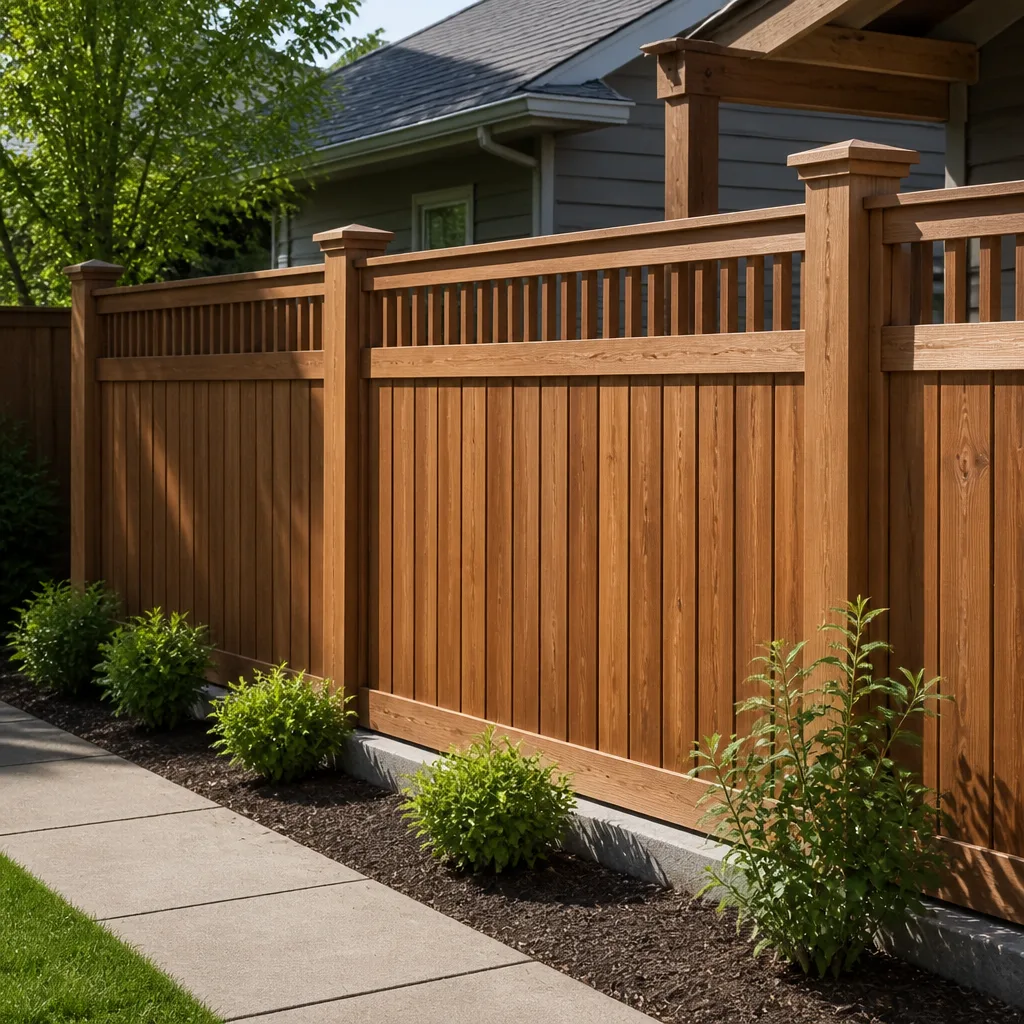
 Fence
 Kitchen remodeling
 Bathroom remodeling
 Home additions & ADU
 Roofing
 Windows & doors
 Driveway & pavers
Free written scope consultation - allowances, timeline, and change-order rules on paper before a single trade is scheduled
Styles & brands we work with
- Kitchen remodeling
- Bathroom remodeling
- Home additions & ADU
- Roofing
- Windows & doors
- Driveway & pavers
- Fence
See the difference
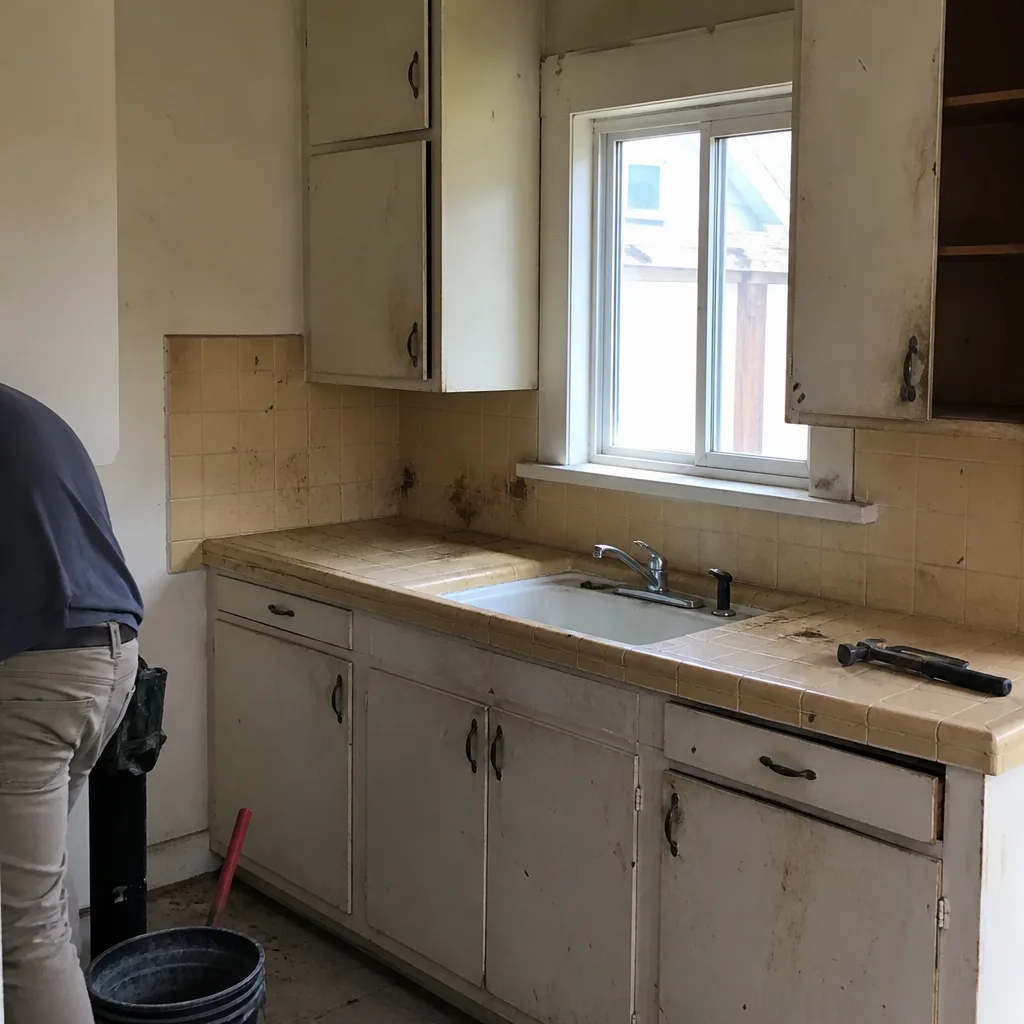 Before
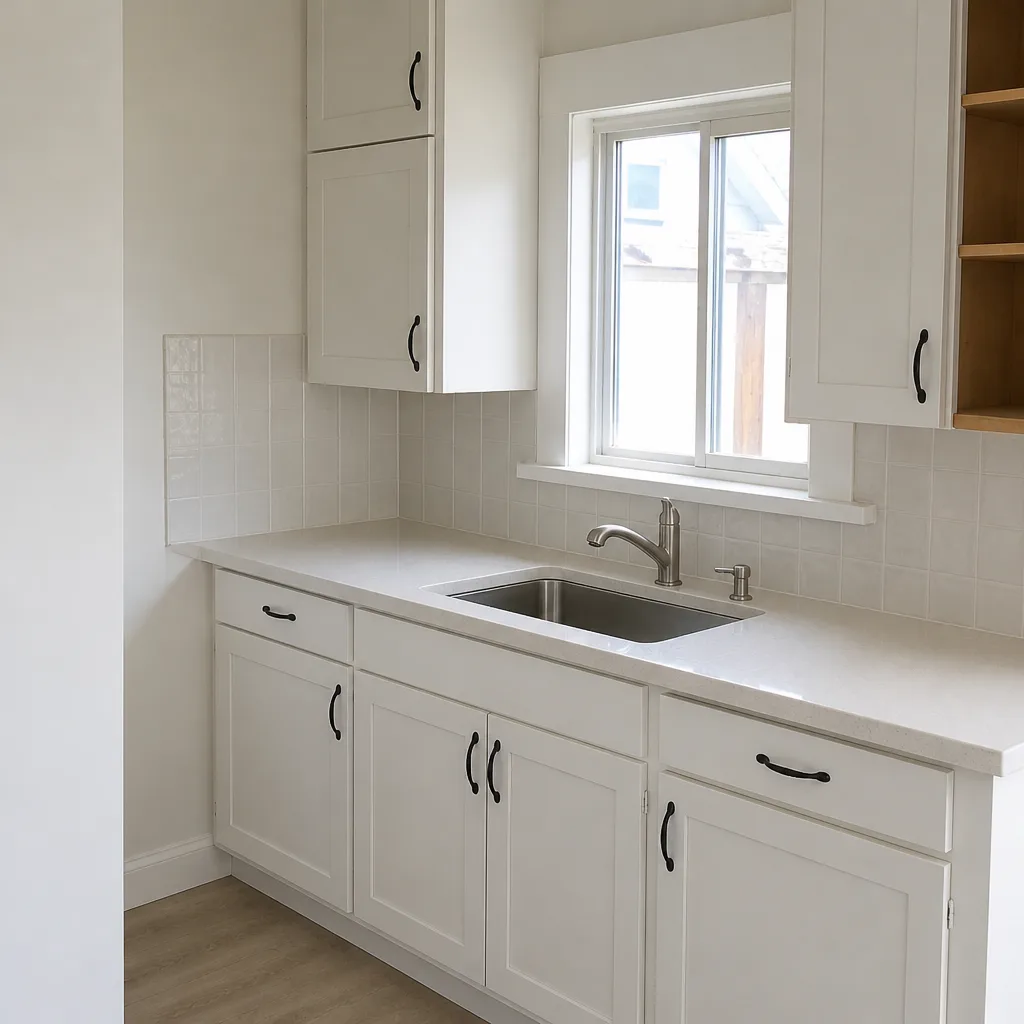 After
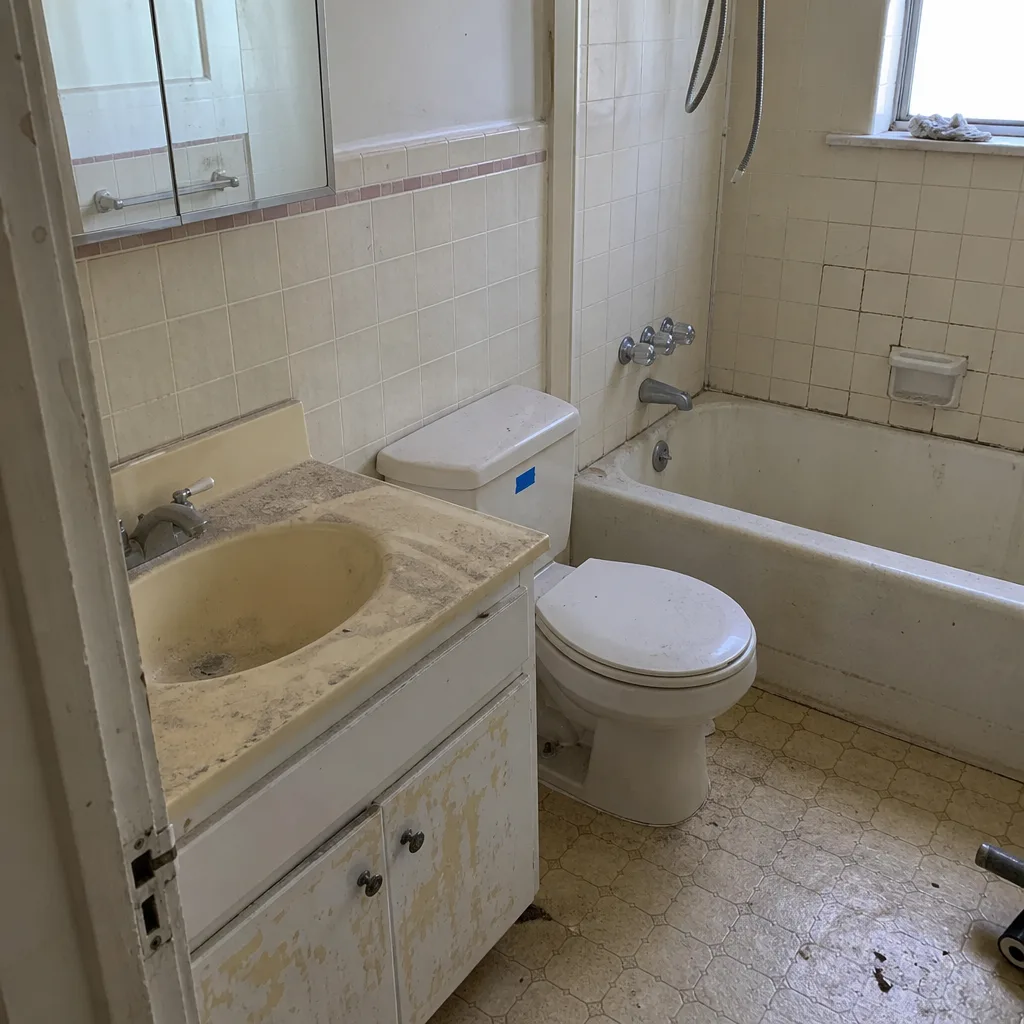 Before
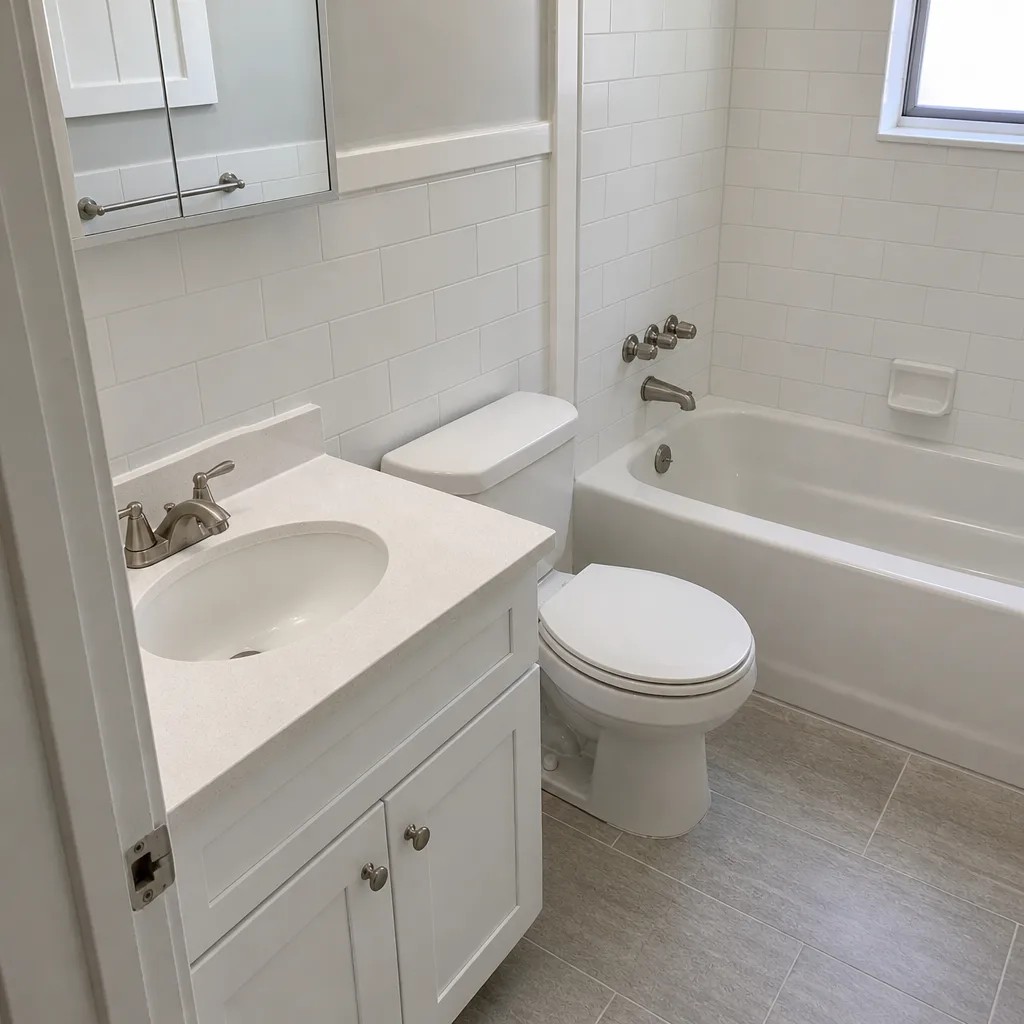 After
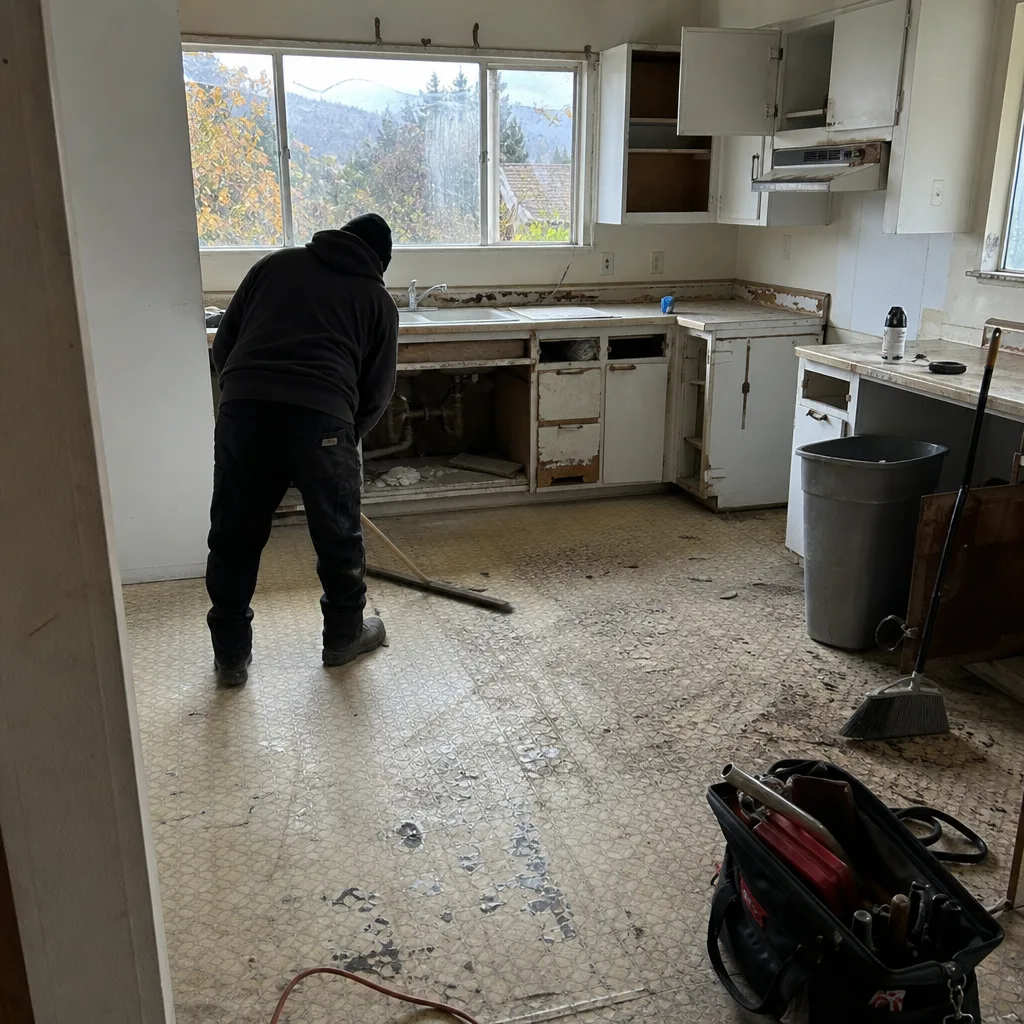 Before
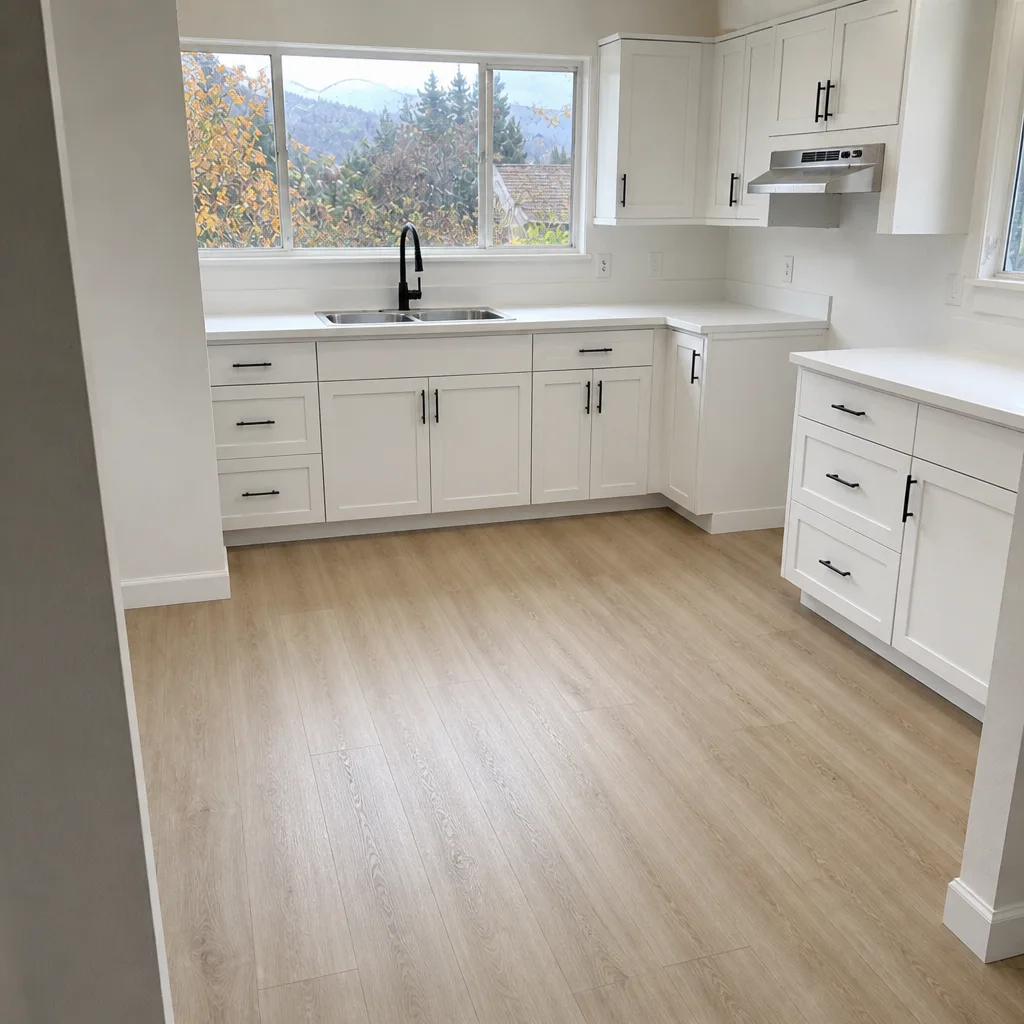 After
How to Repair a Chain Link Fence in Oakland, CA
To repair a chain link fence, first measure the damaged parts, then replace them with matching hardware: a small mesh tear gets a tension-band and tie-wire fix, but a bent terminal post or failed footing needs real digging. Here in Oakland, the repair almost always turns on one question before you buy anything. Does the fence use standard modern components, or pre-metric-era sizes that no longer match what’s on the shelf? Get that answer first and you’ll save yourself a weekend. Still unsure? Call Groundwork Construction Co. of Oakland at (833) 997-7759 and we’ll walk you through it.
- Key takeaways
- Measure actual post outer diameter, mesh gauge, and selvage type before buying any replacement parts.
- Fences near the Bay corrode faster than the label suggests; vinyl-coated mesh pays off in the flatlands.
- A leaning post in Oakland clay usually means the footing moved, not the post.
- Mesh tears and loose tension bands are DIY-friendly; terminal posts and footings are not.
- Repair makes sense until you’re replacing more than about a third of the run.
Oakland’s Older Chain-Link Fences: Why Off-the-Shelf Parts Don’t Always Fit
Oakland has tens of thousands of chain-link fences installed between 1950 and 1980, many of them in the working-class flatlands and neighborhoods like Fruitvale and East Oakland. A meaningful share use gauge sizes, post diameters, and tension-wire specs that don’t match anything on the shelf at a big-box store today. Nobody tells you that until you’re mid-repair, holding a tension band that won’t close around the post no matter which way you turn it.
This is the step that decides whether the job is a Saturday morning or a two-week frustration. Before you buy a single part, measure what you actually have. Write the numbers down and take them with you.
How do you identify the hardware on an older chain-link fence?
You identify it by measuring three things: the actual outer diameter of the post, the mesh wire gauge, and the type of selvage (the top edge). Grab a caliper or a tape measure and check them in that order. Here’s what to look for:
- Post outer diameter, not nominal size. A post sold as “2 inch” is not 2 inches across the outside. Measure the true outside dimension with a caliper. Older Oakland fences often carry sizes that fall between the standard line posts and corner posts sold today.
- Mesh gauge. Wire thickness on older fabric ranges wider than the common retail sizes. A tension band or brace band cut for one gauge won’t seat properly on another, and a sloppy band is where rust starts.
- Selvage type: knuckle vs. barbed. Knuckle selvage is the folded, smooth edge; barbed selvage has twisted wire ends. Replacement fabric must match the existing edge, or your top rail and tie-wires won’t line up cleanly.
- Tension-wire spec. The wire running through the bottom of the fabric comes in different gauges. Bring a short cut sample if you’re unsure.
Do this identification before purchasing anything. Once you have the numbers, you can match parts online or at a fence supplier rather than guessing through three Home Depot trips.
The Four Chain-Link Repairs Oakland Homeowners Actually Face
The problems are consistent across older housing stock. Each one has a clear DIY line or a clear “call someone” line.
1. Mesh tears from vegetation growth
Ivy, blackberry, and jasmine push through chain-link and tear the fabric as they spread. For a small tear, you can weave the broken ends back together with hog rings or bend a short length of matching wire to bridge the gap. This is the most DIY-friendly repair on the list. If the tear runs several feet or the surrounding mesh is brittle, a patch section tied in with tension wire holds better than trying to stitch a long rip.
2. Corroded tension bands at post tops
The tension band is the metal collar that holds the fabric to the end and corner posts. When it corrodes through, the fabric goes slack. If you have standard-sized hardware, swapping a band is a 20-minute fix with a wrench. If you’re working on pre-metric hardware, this is the repair that launches the parts hunt. Match the band to your measured post diameter and gauge before you buy.
3. Bent terminal posts from vehicle contact
Terminal posts (the heavier end, corner, and gate posts that carry the fence’s tension) take a beating from cars backing into driveways. A bent terminal post is not a DIY job. Straightening it weakens the steel, and the whole fence run depends on that post staying plumb under load. This is where you call a pro.
4. Sagging fabric from failed tension wire
When the bottom tension wire rusts through or pulls loose, the fabric sags and gaps open up at ground level. You can re-tension with a new wire and turnbuckle if the posts are solid. If the sag comes from the posts leaning rather than the wire failing, read the next section before you touch anything.
Oakland Clay, Bay Corrosion, and Why Location Decides the Fix
Oakland’s corrosion environment is harder on chain-link than the product lifespan suggests. Homes within about two miles of the Bay see galvanized mesh corrode noticeably faster, because the damp coastal air and salt carry on working year-round. That means a fence that “should” last decades can show rust-through in the bottom third well before then, especially near the ground where moisture lingers.
Vinyl-coated mesh is worth the premium for coastal flatland properties. The coating buys real years over bare galvanized, and when you weigh that against replacing the fabric twice as often, the math favors coated. When you’re picking materials, brands like Bufftech and ActiveYards make coated options that hold up in this climate. For more on material selection and full installs in the city, see our Fence Installation in Oakland page.
Why does my chain-link post lean in Oakland?
A leaning chain-link post in flatland Oakland rarely means a damaged post. It usually means the footing has heaved or the surrounding clay has shifted. Oakland’s expansive clay swells with winter rain and shrinks in the dry months, and that movement works on concrete footings over time. Re-plumbing the post without addressing the footing is a temporary fix at best. You can straighten the post today and watch it lean again by the next wet season.
Fixing the footing means digging out the old concrete, setting a proper new footing to depth, and re-plumbing the post against the rest of the run. That’s a job worth handing to someone with the tools and the training, and it ties directly into the broader fence work we handle.
Repair or Replace: When the Math Tips
Repair stops making economic sense when the damage is spread across the run rather than isolated. We look at how much of the fence needs attention, how much rust-through has eaten into the fabric, and whether the posts and footings are sound. A handful of bad spots on otherwise solid fence is a repair. Corroded fabric along the whole bottom edge, several leaning posts, and failing footings point to replacement.
For context on what the work runs in this market: a small repair like a tension-band swap or a mesh patch typically lands well below a full replacement, while a larger repair involving post and footing work moves up toward the range where a new fence makes more sense. A full vinyl fence installation in Oakland runs $3500-$9000, and an aluminum fence runs $4000-$10000. That’s the number to compare your repair quote against.
| Repair scenario | Typical approach | DIY or pro? |
|---|---|---|
| Small mesh tear | Hog rings or wire patch | DIY-friendly |
| Corroded tension band | Replace band, match measured diameter | DIY if standard hardware |
| Bent terminal post | Replace post, re-set tension | Pro |
| Sagging fabric, failed wire | New tension wire and turnbuckle | DIY if posts are plumb |
| Leaning post / failed footing | New footing, re-plumb to run | Pro |
| Broad rust-through | Full replacement, $3500-$10000 depending on material | Pro |
Our technicians have up to 12 years of experience with exactly these calls, and every job is covered by the 730-Day Done Right Promise. If it’s not done right, we make it right. You get an honest read on repair versus replacement, not a contractor who always defaults to the pricier option. See our Fence Installation services for the full picture.
FAQs
Small repairs like a tension-band swap or a mesh patch typically cost far less than a full replacement, while post and footing work pushes the number higher. A full replacement in Oakland runs $3500-$9000 for vinyl or $4000-$10000 for aluminum, so use that as your comparison. Call (833) 997-7759 for a free estimate with upfront pricing, no surprises.
You can handle small mesh tears, corroded tension bands on standard hardware, and re-tensioning sagging fabric on solid posts. You should call a pro for bent terminal posts and any leaning post that traces back to a failed footing, because straightening without fixing the footing just delays the problem. If you’re unsure which camp you’re in, call (833) 997-7759 and we’ll tell you straight.
Because many fences built in Oakland between 1950 and 1980 use pre-metric-era gauge sizes and post diameters that don’t match standard replacement components sold today. Measure the actual outer post diameter with a caliper, check the mesh gauge, and note whether the top edge is knuckle or barbed selvage before you buy. Call (833) 997-7759 and we can help you match the right parts.
We answer calls with a live person 24/7, so you can reach us any time and we’ll get an assessment scheduled. Call (833) 997-7759 for a no-pressure look at your fence and a free estimate.
If you’d rather have it looked at, Groundwork Construction Co. of Oakland offers a no-pressure assessment in Oakland – call (833) 997-7759.
Written by the team at Groundwork Construction Co. of Oakland, serving Oakland, CA.