
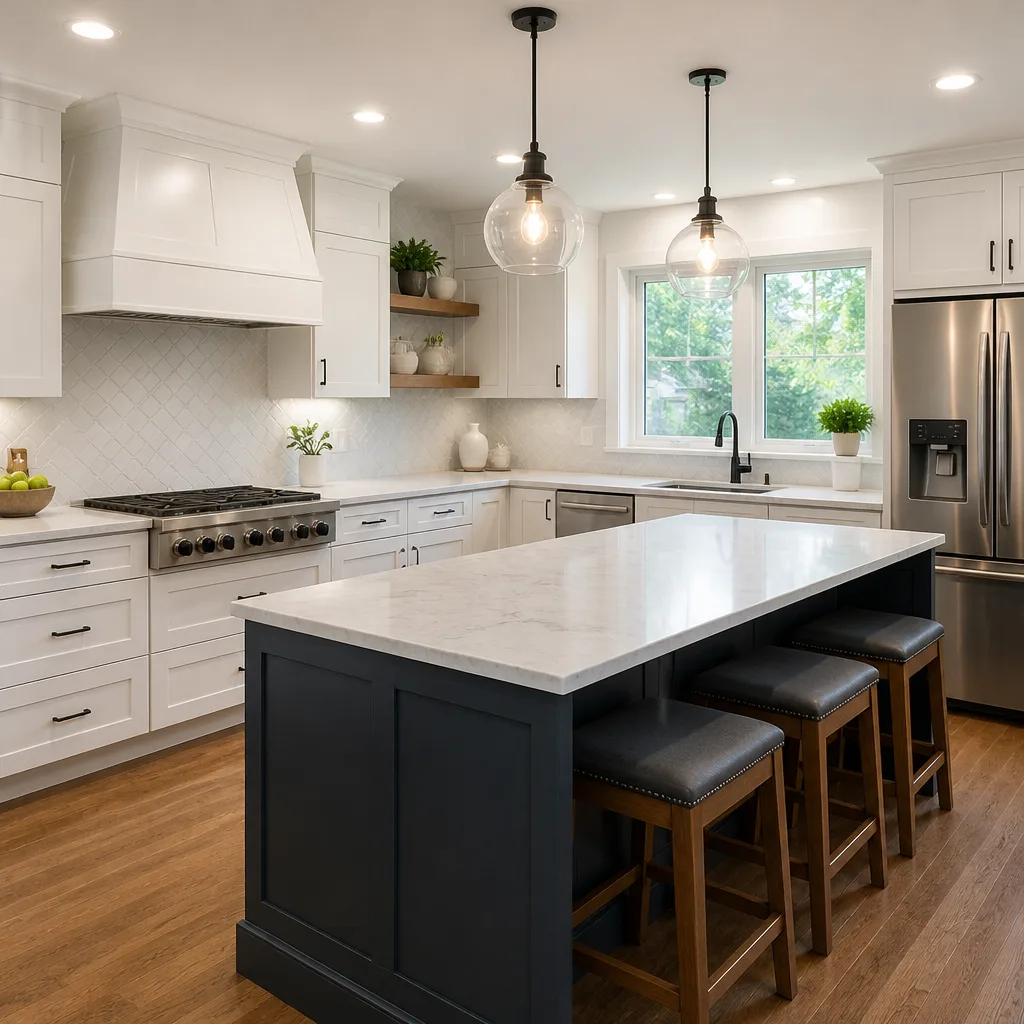
 Kitchen remodeling
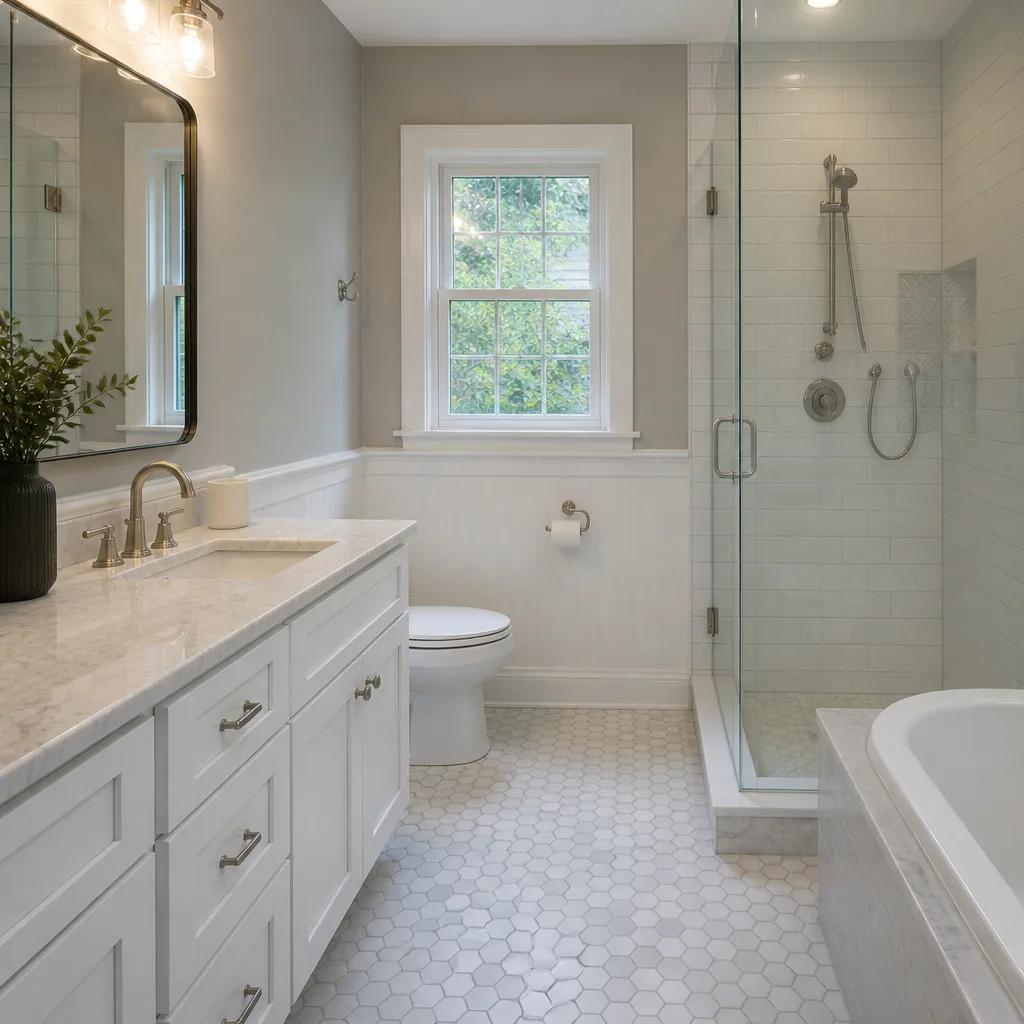 Bathroom remodeling
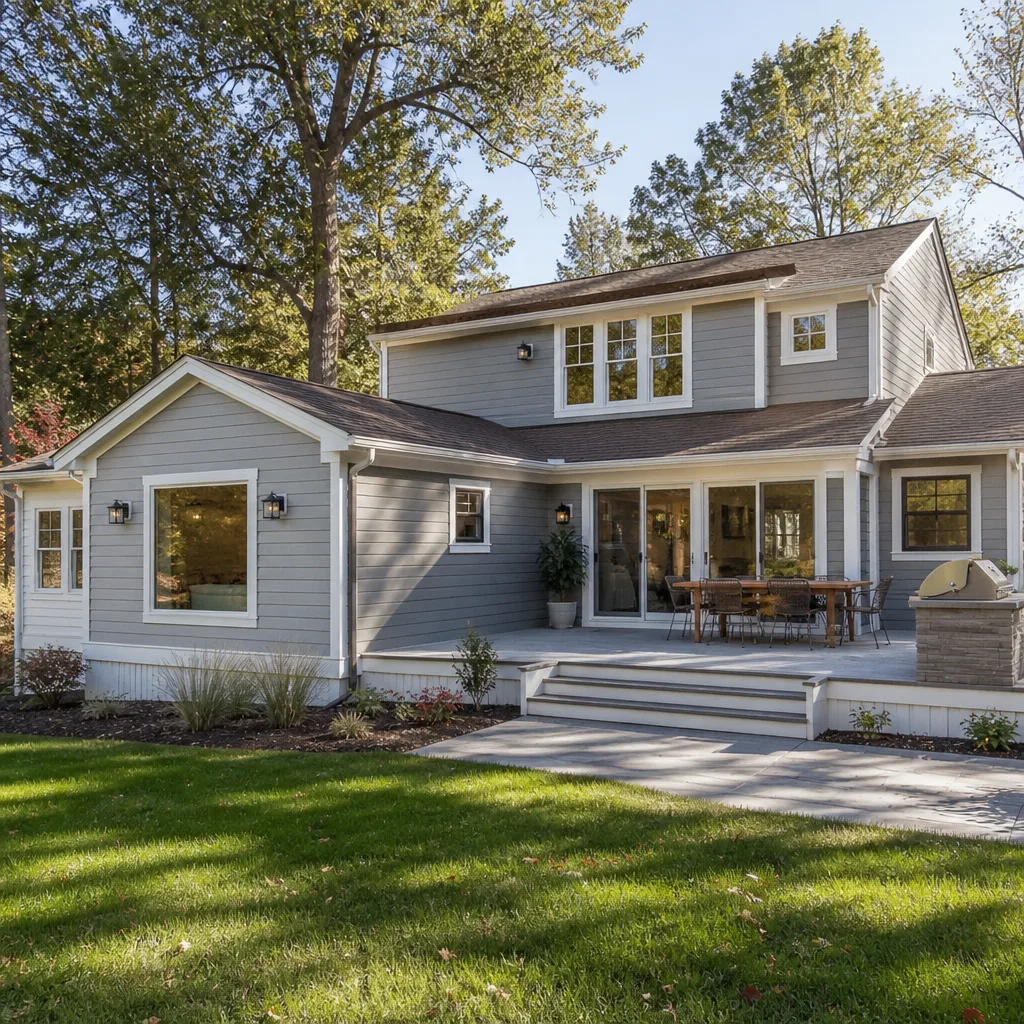 Home additions & ADU
 Roofing
 Windows & doors
 Driveway & pavers
 Fence
Free written scope consultation - allowances, timeline, and change-order rules on paper before a single trade is scheduled
Tub-to-Shower Conversion in San Francisco: What It Costs and How Long It Takes
A tub-to-shower conversion in San Francisco runs roughly $4,130 to $11,800 and typically takes 3 to 7 working days once permits clear. The job removes the existing tub and surround, rebuilds the wet area with a sloped pan and waterproofed walls, and sets a new shower base, valve trim, and glass. Call (833) 997-7759 for a free on-site estimate. We’ll measure the alcove, check what’s behind the wall, and put a line-item number in writing.
How a Tub-to-Shower Conversion Actually Runs, Day by Day
We keep this sequence tight because a working bathroom is a household necessity, and every day of demo counts. Here’s the real order of operations on a typical San Francisco alcove.
- Day 1 – protection and demo. Floors and the hallway get covered, water is shut at the fixture stops, and the tub, surround, and any glass come out. We open the wall around the valve to inspect the supply lines and the drain. What we find here decides the next stage, so this is where a homeowner signs off on any hidden-condition change before we proceed.
- Day 2 – rough-in and framing. If the drain needs to move for a centered pan, the plumber relocates it now. Blocking goes in for grab bars and the valve body, and the subfloor gets checked for soft spots, which is common in older homes where a tub has leaked slowly for years.
- Day 3 – waterproofing and inspection. Cement board or a bonded waterproof membrane goes up, seams and corners get taped and sealed, and the pan liner or pre-sloped pan goes in. We schedule rough plumbing and waterproofing inspection here where the city requires it.
- Day 4-5 – tile and setting. Wall tile and floor tile go down over the cured membrane. Grout and sealant follow. Grout needs a cure window before the shower is used, and we tell you the exact date up front.
- Day 6-7 – trim, glass, and final. Valve trim, showerhead, a niche shelf if you added one, and the glass panel or door go in. Final inspection where required, then a walkthrough. The homeowner’s decisions land at three points: valve and material selection before demo, drain placement on day 2, and glass style by day 4.
Styles & brands we work with
- Kitchen remodeling
- Bathroom remodeling
- Home additions & ADU
- Roofing
- Windows & doors
- Driveway & pavers
- Fence
The Choices You’ll Make Before We Cut Anything
Most of the cost swing on this job comes from these decisions, not from labor hours. Getting them locked early keeps the schedule honest.
- Acrylic or fiberglass pan and surround. The lowest-cost path, roughly $1,800 to $3,500 installed for the system itself. Fast, easy to clean, no grout lines. Trade-off: fewer size options, and pans can flex if the subfloor isn’t perfectly flat. Suits a rental unit or a flip where budget rules.
- Tiled walls and tiled pan. Where most San Francisco homeowners land. Porcelain and ceramic hold up to daily use and give you control over size and color. Budget adds roughly $2,000 to $4,500 over acrylic depending on tile. Large-format tile means fewer grout lines; small mosaic on the floor gives grip.
- Linear drain with a curbless entry. Removes the step, looks clean, and works well for aging-in-place. It costs more because the pan has to be recessed or built up and the waterproofing detail is fussier. Expect to add $1,200 to $3,000.
- Frameless glass. A fixed panel or door opens the alcove visually. Standard tempered glass with a framed channel costs less; frameless panels run higher and need solid blocking behind the wall, which is why we plan it on day 2.
- Niche, bench, and grab bars. A recessed niche is inexpensive during the build and expensive to add later. A corner bench or fold-down seat adds framing and tile. Grab bars are a small line item and a real safety upgrade.
What Tub-to-Shower Conversion Costs in San Francisco, CA
The honest range for a tub-to-shower conversion in San Francisco is $4,130 to $11,800, all-in for a standard alcove. Where a job lands depends on five things.
| Scope element | Typical range |
|---|---|
| Acrylic pan and surround system | $1,800-$3,500 (system) |
| Tiled walls and pan, standard | adds $2,000-$4,500 |
| Curbless entry with linear drain | adds $1,200-$3,000 |
| Glass panel or door | included to add $1,500+ |
| Drain relocation | adds $400-$1,200 |
| Hidden water damage repair | adds $500-$2,500 |
What moves the number. Alcove size is the first variable: a 30-inch alcove is a smaller job than a 60-inch one. Existing condition is the second, and in San Francisco, age is the wildcard. A 1920s bathroom with a leaking valve may have rotted framing behind the wall that nobody sees until demo day. Plumbing relocation, tile grade, glass choice, and whether the city requires a permit and inspection round out the list.
What’s in a written estimate. Demo and haul-away, rough plumbing, waterproofing, tile, fixtures, glass, and cleanup. What’s often not. Hidden damage, structural repairs, moving the drain more than a short distance, and permit fees if your scope triggers one. We tell you where those line items live before we start and confirm any change with you in writing first, so the number you see is the number you pay. If you’re folding this into a larger overhaul, see our page on Bathroom Remodeling in San Francisco for how the trades sequence together.
See the difference
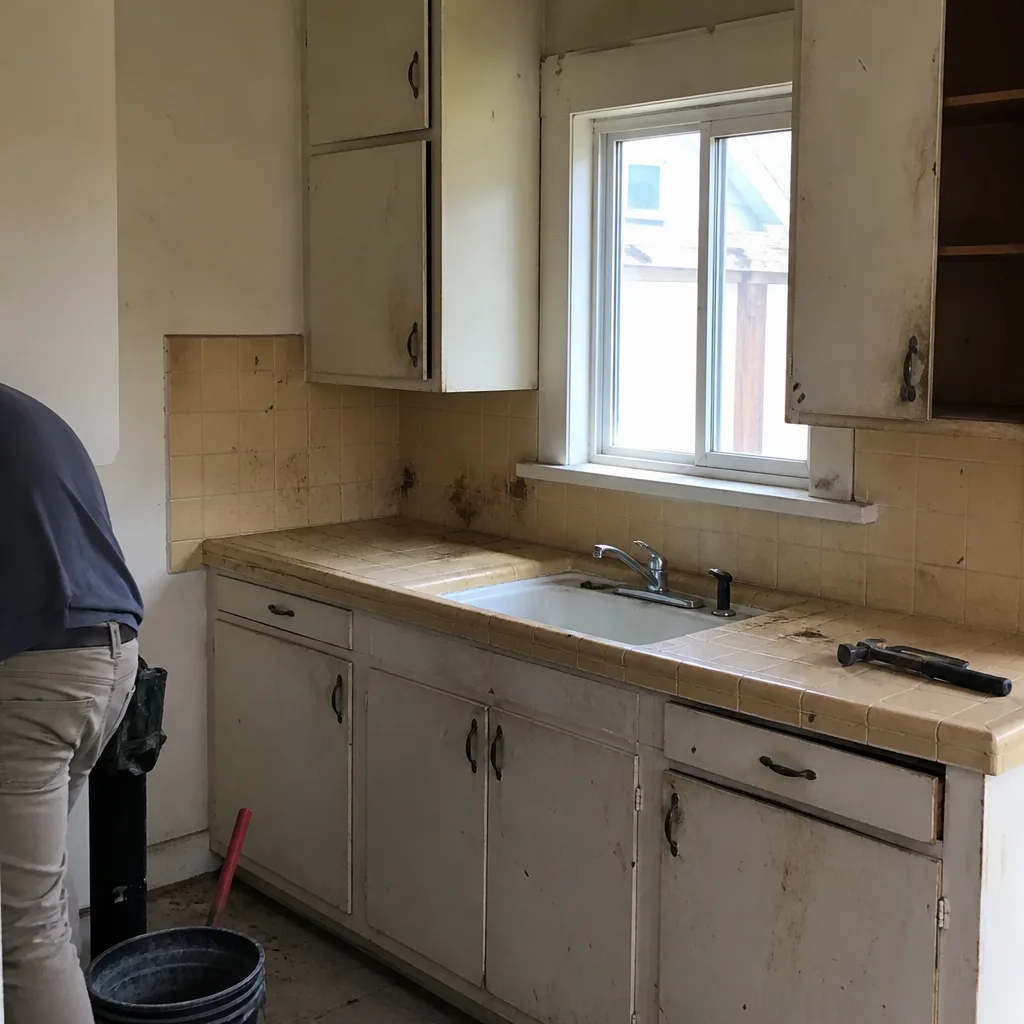 Before
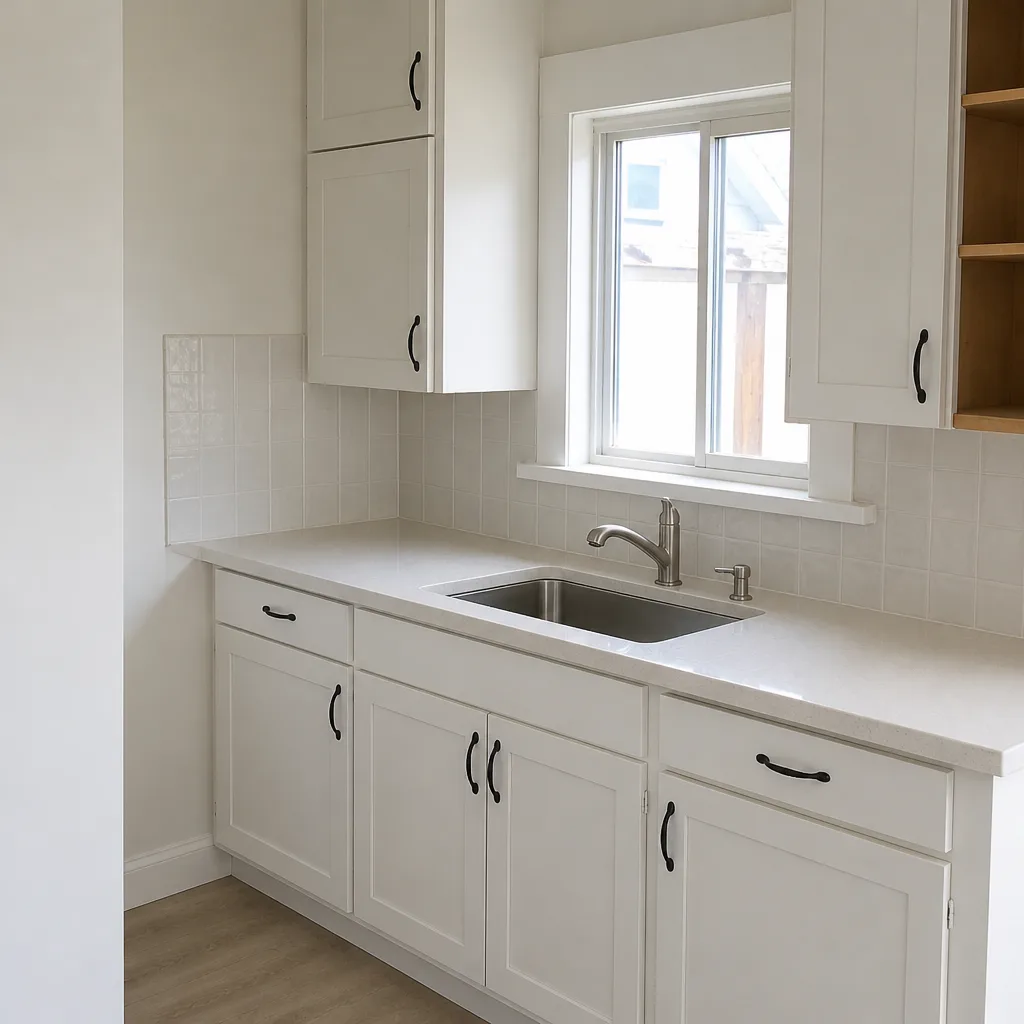 After
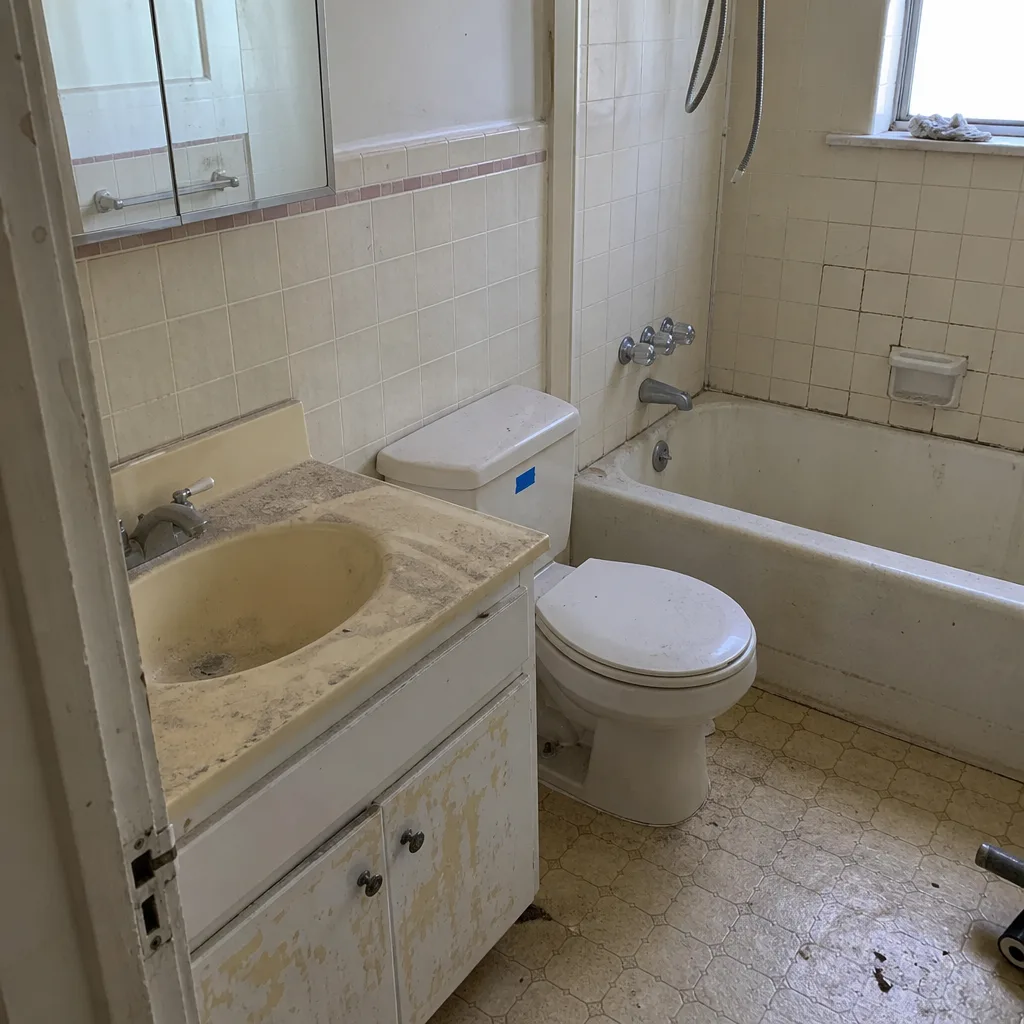 Before
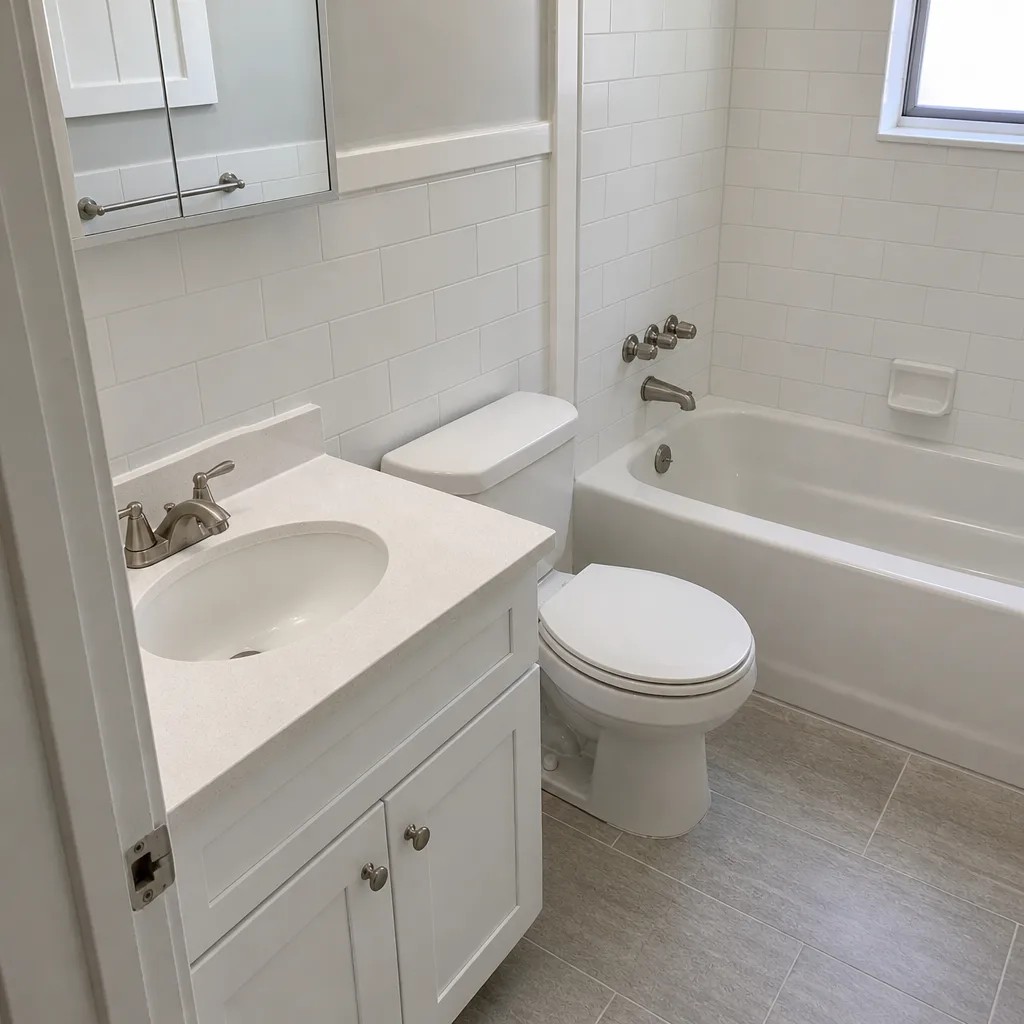 After
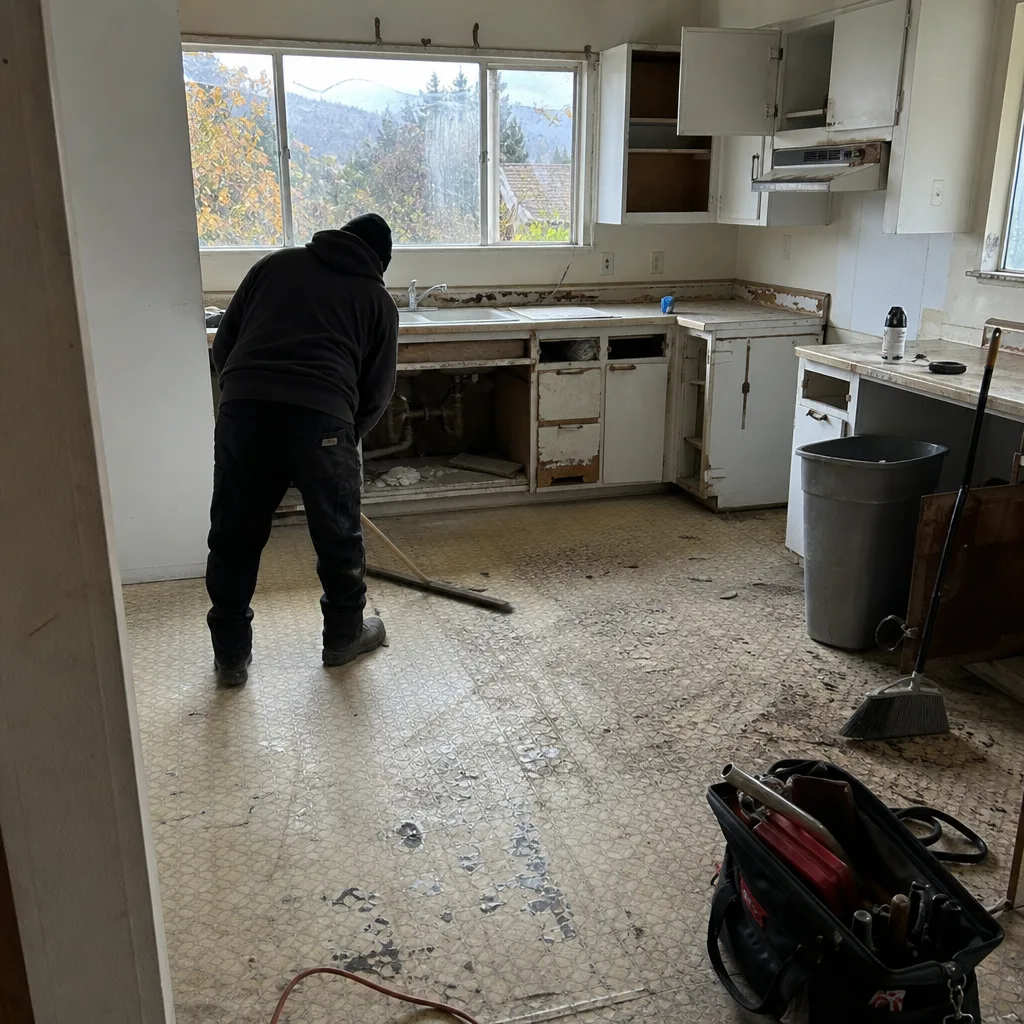 Before
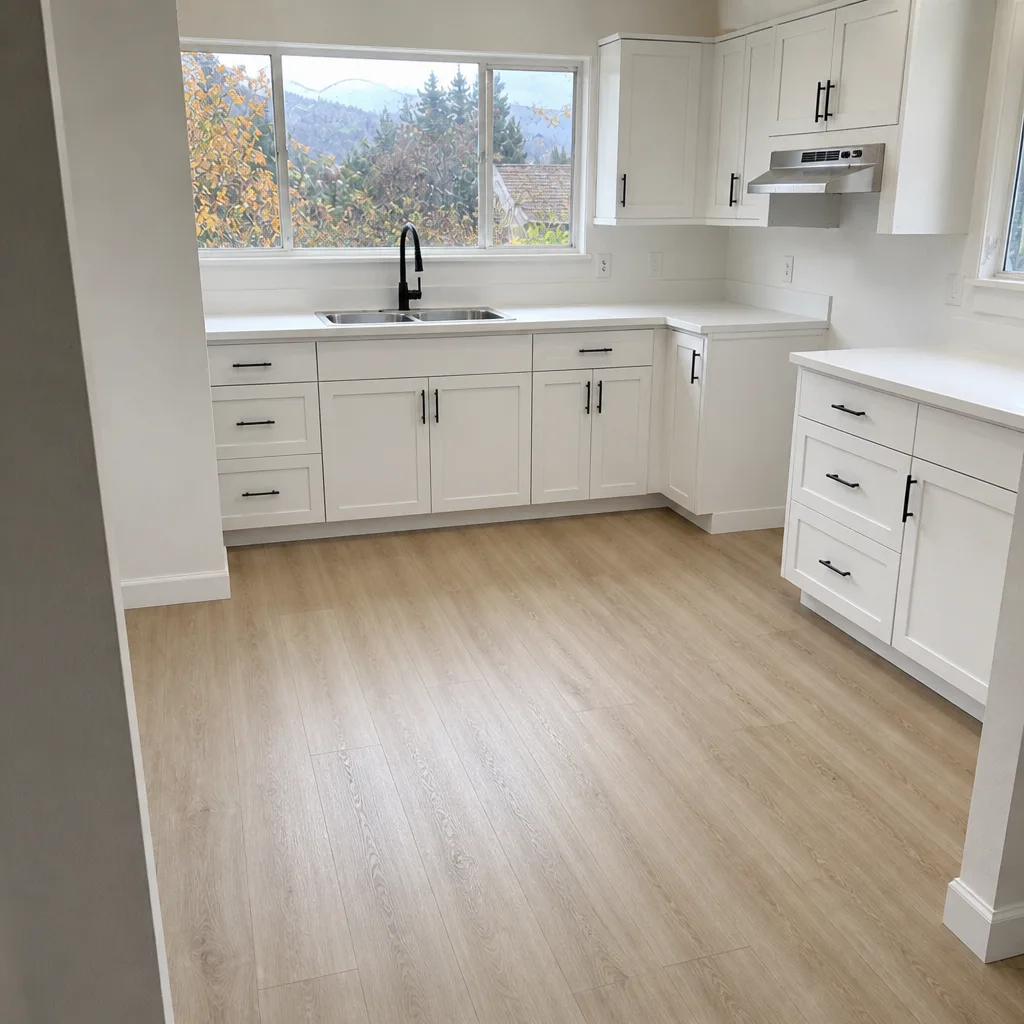 After
What San Francisco Homes Specifically Do to This Job
San Francisco’s housing stock is unlike anything on the Peninsula or in the East Bay. Rows of closely spaced 1880s to 1920s wood-frame Victorians and Edwardians with soft first-story garages dominate the Mission, Noe Valley, and the Haight, and that changes the job in ways a newer suburb never sees. When we open the wall behind a tub in a Noe Valley Victorian, we’re often working inside a wall cavity that’s been damp for a decade, so the surprise is rotten studs and an aging cast-iron drain rather than a wiring problem.
The permitting side matters too. San Francisco’s Planning Department has historic-review triggers on exterior and some structural work that can add weeks to a job. When a shower conversion stays inside the footprint and touches nothing structural, most projects move faster; when the scope reaches into framing or a relocated drain, plan for inspection rounds that Peninsula suburbs don’t require. Coastal fog and damp winters mean we schedule demo and waterproofing on the dry side of the forecast; the fog line at Twin Peaks genuinely decides whether a tile-set day holds. And because many of these homes sit shoulder to shoulder, we plan material staging and haul-off in advance so we don’t block a shared alley or a neighbor’s garage.
The failure we see most often: a 1950s or 1970s tub surround installed over greenboard with no proper waterproofing, quietly feeding mold into the wall until the ceiling below shows a stain. Across ZIP codes 94151, 94159, 94160, and 94161, we cover this work throughout San Francisco, and homeowners often pair it with a small exterior project, like Metal Roofing in San Francisco or Tile Roofing in San Francisco, while the crew is already scheduled twice.
Tub-to-Shower Conversion Questions, Answered
How long does a tub-to-shower conversion take in San Francisco?
Most jobs run 3 to 7 working days from demo to final walkthrough, and permit or inspection rounds can push the tail end longer. The build itself is quick; the waiting is what eats the calendar. Call (833) 997-7759 to get a realistic schedule for your specific bathroom.
Do I need a permit for a tub-to-shower conversion in San Francisco?
It depends on scope. Swapping a tub for a shower built in the same footprint with no moved plumbing is often done under a plumbing permit or minor scope; relocating the drain, changing framing, or altering the layout generally triggers a full permit and inspection. We tell you which category your job falls into before work starts and pull the permit ourselves when the city requires it. Call (833) 997-7759 with your address and we’ll lay out the permit picture for free.
Can you convert a tub to a shower without moving the plumbing?
Yes, in most cases the existing drain and valve stay put and only the pan and surround change. That keeps cost near the low end of the $4,130 to $11,800 range. If the drain has to move for a centered pan or a curbless entry, expect $400 to $1,200 extra. Call (833) 997-7759 for an exact number after we see the alcove.
What’s included in the tub-to-shower conversion price?
Demo, haul-away, waterproofing, tile, new pan and valve trim, glass, and cleanup are in a written estimate. Hidden water damage, structural repairs, and permit fees may be outside it, and we name those line items up front. We back the finished work with our 730-Day Done Right Promise. Call (833) 997-7759 to price your bathroom.
Will the price change once work starts?
No, if we’ve seen the space and written the scope. The number you see is the number you pay, and any hidden-condition change gets your signature before we touch it. Call (833) 997-7759 to schedule a free estimate and design consult.
Serving San Francisco, CA – Our Local Coverage Area
We serve San Francisco and nearby communities. Use the map below to see the area we cover. If you’re nearby, we can almost certainly help.
Ready to Convert Your Tub to a Shower in San Francisco?
We’ll come out, measure the alcove, look behind the wall, and hand you a written line-item estimate for your Tub-to-Shower Conversion in San Francisco. A live person answers (833) 997-7759 around the clock, so no waiting until Monday. We’ll ask about your bathroom, your timeline, and whether you’re planning a bigger project, then book a free on-site visit. Bring your questions about tile, glass, and drain placement. We’ll bring the number.
Written by the team at Groundwork Construction Co.