
Last updated November 17, 2026
 Kitchen remodeling
 Bathroom remodeling
 Home additions & ADU
 Roofing
 Windows & doors
 Driveway & pavers
 Fence
Free written scope consultation - allowances, timeline, and change-order rules on paper before a single trade is scheduled
How to Hire a Construction Contractor in Oakland: A Step-by-Step Guide
The California Contractors State License Board logs thousands of complaints every year, and the pattern behind most of them isn’t the fly-by-night operator you’d expect. It’s a licensed contractor who underbid to win the job, took on three more projects at the same time, and then stopped showing up. A license is a floor, not a ceiling. In this guide we’ll walk through the vetting steps that actually separate accountable Oakland contractors from the ones who go quiet after the deposit clears: how to verify a license in under 15 minutes, what a real line-item bid looks like, the red flags specific to Oakland’s permitting and seismic landscape, and how to structure payments and a written warranty so you’re protected at every phase.
Quick Answer
To hire a construction contractor in Oakland, verify an active CSLB license and workers’ comp coverage in 15 minutes, compare line-item bids (not lump sums), confirm the contractor will pull permits in their own name, and tie payments to inspected milestones. The best protection isn’t “get three bids” – it’s checking the invisible things: license status, insurance certificates, and a written warranty before you sign.
Styles & brands we work with
- Kitchen remodeling
- Bathroom remodeling
- Home additions & ADU
- Roofing
- Windows & doors
- Driveway & pavers
- Fence
Table of Contents
- Step 1: Verify the License, Insurance, and Registration
- Step 2: Read the Bid Line by Line
- Red Flags Specific to Oakland’s Market
- Step 3: Confirm Who Pulls the Permits
- Step 4: Structure Payments That Protect You
- Step 5: Get the Warranty in Writing
- Common Mistakes to Avoid
- Frequently Asked Questions
Step 1: Verify the License, Insurance, and Registration (15 Minutes)
This is the part most homeowners skip because it feels bureaucratic. It’s also the part that catches most problems before money changes hands. Do this before you compare a single bid, and do it for every contractor on your shortlist – not just the cheapest one.
Here’s the sequence, and it genuinely takes under 15 minutes per contractor if you have the paperwork in front of you:
- Check the CSLB license. Go to the Contractors State License Board website and search by license number or business name. You want three things: active status (not expired, suspended, or revoked), the correct classification (a General Building “B” license for most residential remodels, a specialty “C” license for trade-specific work), and the workers’ compensation line. If it says “exempt,” that contractor has no employees – which means anyone on your job site who isn’t the license holder is working uninsured or as a subcontractor, and that shifts risk onto you.
- Request the certificate of insurance. Ask for a current COI showing general liability AND workers’ comp, and call the carrier to verify it’s still active. A certificate is a snapshot; a forged or expired one looks the same on paper. Coverage limits matter – for a kitchen or addition project, look for at least $1 million per occurrence on the liability side.
- Cross-check the Alameda County business registration. An Oakland contractor operating a legitimate business will show up in the county’s records or as a registered entity with the California Secretary of State. It’s a two-minute check and it confirms you’re dealing with a real business entity, not a name and a phone number.
- Look for a bond. California requires licensed contractors to carry a contractor’s bond. Verify it through the CSLB listing alongside the license status.
If any of those four boxes can’t be checked cleanly, you have your answer. A contractor who can’t produce a current COI on request is telling you something about how they handle everything else.
Step 2: Read the Bid Line by Line
A lump-sum bid tells you a number. A line-item bid tells you how a contractor thinks. That distinction matters more than the total, because the way a contractor builds a bid is the way they’ll handle surprises once the walls are open.
Here’s what a residential bid for an Oakland kitchen or bathroom should itemize:
- Demolition and disposal – including dumpster fees and haul-away, not folded silently into “labor.”
- Permit fees and plan-check costs – separate line, and it should name who pulls the permit.
- Materials by brand or spec – “tile allowance” without a number is a wildcard. You want a dollar allowance or a named product. In Oakland we regularly specify premium brand partners like KraftMaid or Cambria on kitchen jobs, and those should appear in the bid by name, not as “cabinetry.”
- Labor broken out by trade – framing, plumbing, electrical, tile, finish. If it’s a single labor line for a five-figure job, ask why.
- Contingency or allowance for unknowns – a professional bid includes one. An honest contractor knows an 80-year-old Rockridge home may hide knob-and-tube wiring or a cracked cast-iron drain.
- Timeline and change-order process – in writing, with the cost of change orders spelled out.
- Warranty terms – itemized by trade, with a length. If it says “workmanship guaranteed” and nothing else, that’s not a warranty.
What’s missing from a bid is as informative as what’s in it. No disposal line? Expect to pay for it later. No contingency? The contractor plans to come back to you with a change order – and you’ll have no negotiating room. No permit line? Read the next section carefully.
Red Flags Specific to Oakland’s Market
Oakland has a particular set of conditions that make generic contractor vetting insufficient. The city sits on fill and reclaimed land in parts of West Oakland, in the hills above the Hayward Fault, and in a housing stock that ranges from pre-1906 Victorians to mid-century ranchers to new ADU builds. Contractors who work here regularly will talk about those things without being prompted. The ones who don’t – won’t.
Watch for these three, specifically:
Vague seismic compliance language
If the project involves structural work, a foundation, or a significant remodel, California’s seismic code and Oakland’s local amendments are not optional. A contractor who answers “we’ll handle the seismic stuff” without naming what applies to your scope is either guessing or hoping you don’t ask. Ask directly: what is the seismic retrofit scope, and does it require a structural engineer’s stamp?
No mention of DSA or Title 24
For any project involving a public-facing element, an addition that touches egress, or work on a building near a school zone, the Division of the State Architect (DSA) process and Title 24 energy compliance come up in real conversation. Title 24 applies to nearly every permitted residential addition or major remodel in Oakland – window U-factors, insulation R-values, ventilation. A contractor who’s never heard the terms is a contractor who’s never pulled a permit for a project like yours.
Permits “handled later”
This phrase is a warning siren. In Oakland, “we’ll handle permits later” means one of three things: they won’t pull them at all, they’ll pull them in your name (shifting the liability to you), or they’ll let you discover a stop-work order halfway through the framing. A legitimate contractor pulls permits in their own name and includes the cost in the bid, because their license is on the line.
If you’re planning a larger project, our guide to Home Additions & ADU in Oakland walks through how permits and preapprovals actually flow for accessory units and additions in the city.
Step 3: Confirm Who Pulls the Permits
Oakland’s permit process runs through the city’s Planning & Building Department, and it’s not fast. A typical residential remodel or addition can take weeks to months depending on scope and whether the property is in a historic district or a hillside zone where additional review applies. A contractor who knows Oakland will tell you that timeline up front, and will build it into the schedule honestly.
What to confirm before signing:
- The contractor pulls the permit, not you. In their name, with their license number on it. If a contractor asks you to pull the permit as the homeowner, the arrangement means they can’t be held responsible for code compliance – and you become the paper owner of any violations.
- The permit cost is a line item in the bid. If it isn’t itemized, ask for it.
- Inspections are the contractor’s responsibility to schedule and pass. A contractor who tells you they’ll “leave inspections to you” isn’t a contractor you want on a permitted job.
- No stop-work surprises. Ask what happens if an inspection fails or the city requires a correction. A professional answer includes a plan for that – rework at no additional charge is the answer you want in writing.
If you’re doing driveway or exterior hardscape work, much of it still requires permits in Oakland, and the same rule applies. Our Driveway & Pavers in Oakland page covers what triggers a permit for exterior work and what to expect from the inspection process.
Step 4: Structure Payments That Protect You at Every Phase
Payment structure is where contractors reveal their real risk model. A contractor who wants half the money up front has no skin in the game by the time framing starts. The industry standard that protects you is a schedule tied to completed, inspected milestones – and the larger the project, the more important it is to get this right.
A defensible payment schedule for an Oakland remodel looks like this:
- 10% at contract signing – a deposit to cover initial material ordering and scheduling. Never more than 10-15% on a project over $30,000.
- 25-30% at demolition/before rough-in – after the permit is posted and the site is prepared.
- Phase-based draws tied to inspections – framing inspection passed, rough-in inspection passed, and so on. Each draw released only after the milestone is signed off.
- Final 10-15% held until final inspection and walkthrough – the punch list completed, the city’s final sign-off in hand, and the warranty delivered in writing.
Don’t be adversarial about it, but don’t be flexible either. Contractors who are good with this structure exist in every market – and in Oakland, the ones who push back hard on milestone payments are usually the ones who need your money to float materials for a job they ran underbid. Our Groundwork Construction Co. of Oakland home page has the full detail on our no-change-order pricing model if you want to compare quotes against it.
One more tip: never pay cash outside a receipt, and never pay a deposit before the contract is signed and the permit application is confirmed submitted. The CSLB can’t help you recover money you paid outside a written contract.
Step 5: Get the Warranty in Writing (and Read It Before Closeout)
Verbal warranty assurances are worth nothing after the final walkthrough. The contractor is off the job, the punch list is signed, and the phone call you make six months later about a leak is the one that tells you whether the warranty was real. Get the terms in writing before the project begins, not after.
What a real warranty should say, in the contract:
- Length, stated in numbers. Not “fully warranted.” A specific period, applied to the workmanship.
- What it covers and excludes. Workmanship (labor) versus materials (the manufacturer’s warranty) are two separate things, and the contract should distinguish them.
- Brand-name manufacturer warranties passed through to you. Premium partners like GAF and CertainTeed on roofs, Andersen and Marvin on windows, Kohler on fixtures all provide their own product warranties – a good contractor provides you with all of them in writing at closeout. If your roof or window job doesn’t come with the manufacturer’s warranty paperwork, ask why.
- How a claim is made and who responds. Look for a clear process. What happens if the work fails? What’s the response time?
At Groundwork Construction Co. of Oakland, every project is covered by our 730-Day Done Right Promise – if it’s not done right, we make it right. That’s a written guarantee, not a verbal handshake, and it applies across every trade. It’s also one of the longer workmanship guarantees in residential construction, which matters because the problems that hurt most – small leaks, tile failures, roofing issues – typically show up in year two or three, not week one.
Common Mistakes to Avoid
- Comparing bids by total price only. A bid $10,000 lower than the others usually has a $15,000 gap somewhere that emerges as a change order. Read the line items and compare scope, not totals.
- Skipping the workers’ comp check. In Oakland, if an uninsured subcontractor is injured on your property, that claim can come back on you. It’s rare, but the CSLB warning is real – check the workers’ comp line, not just the license status.
- Accepting vague seismic language on structural work. “We’ll take care of it” is not a scope. On a foundation or structural job, insist on a written scope naming what’s required for your property’s seismic zone and whether a structural engineer’s stamp is included.
- Letting the contractor “handle permits later.” That phrase is the most expensive one in the contract. It almost always means permits aren’t going to be pulled correctly, and stop-work orders are ugly.
- Paying the deposit before the permit application is filed. In Oakland, the permit trail is your first real proof the project is going to be done legally. File it first, deposit after.
- Accepting a verbal warranty. Get it in writing, with a number of years, and a claim process. If a contractor can’t put their warranty in writing before signing, they won’t honor one after.
- Hiring on the spot because of a low teaser bid. A bid that arrives too fast and too cheap usually means the contractor didn’t read the scope. That’s the job that becomes a problem.
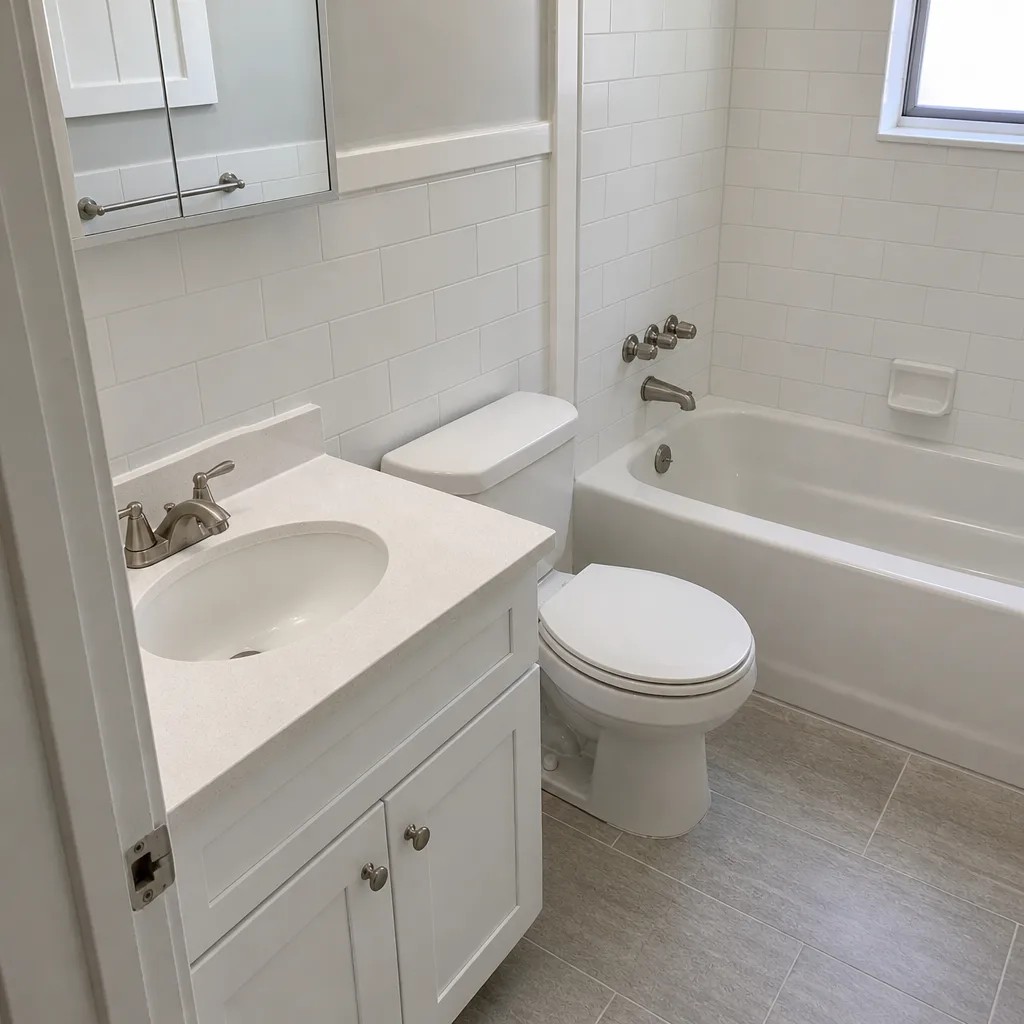
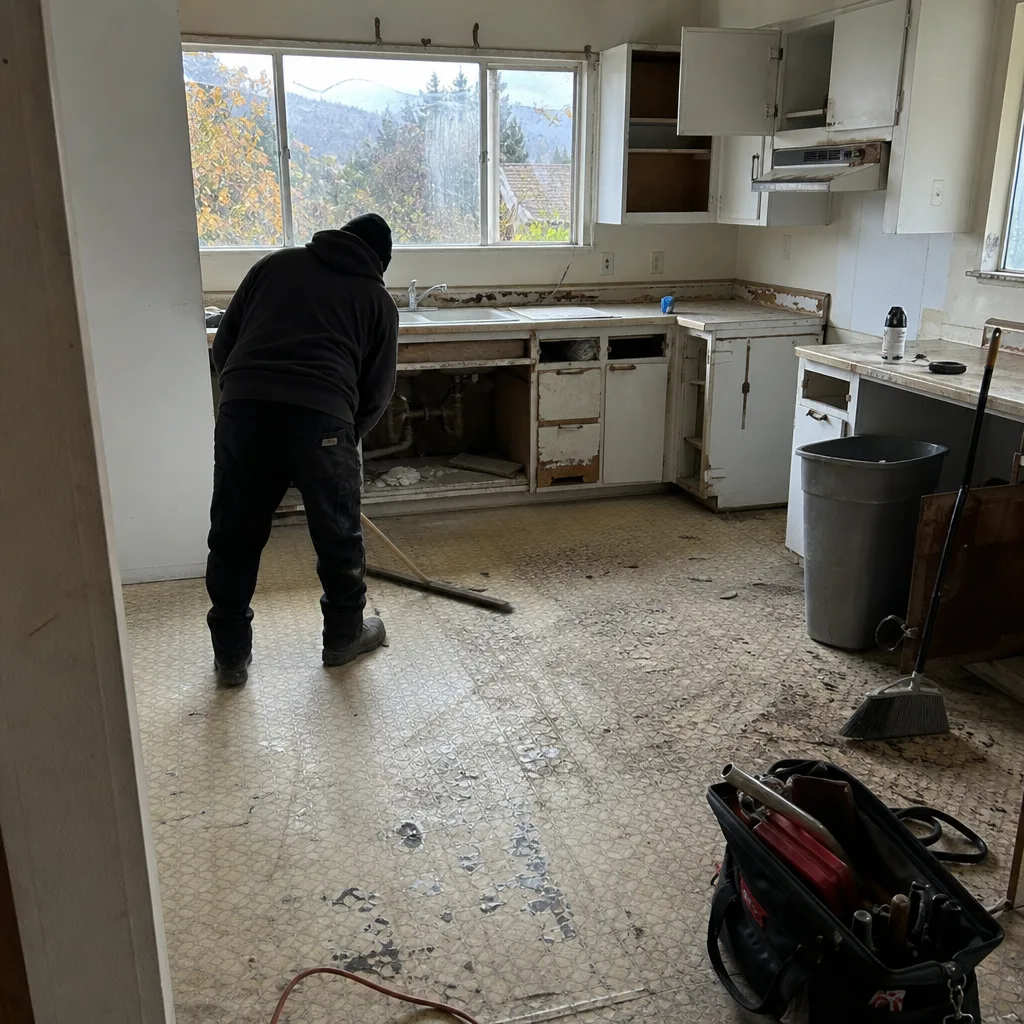
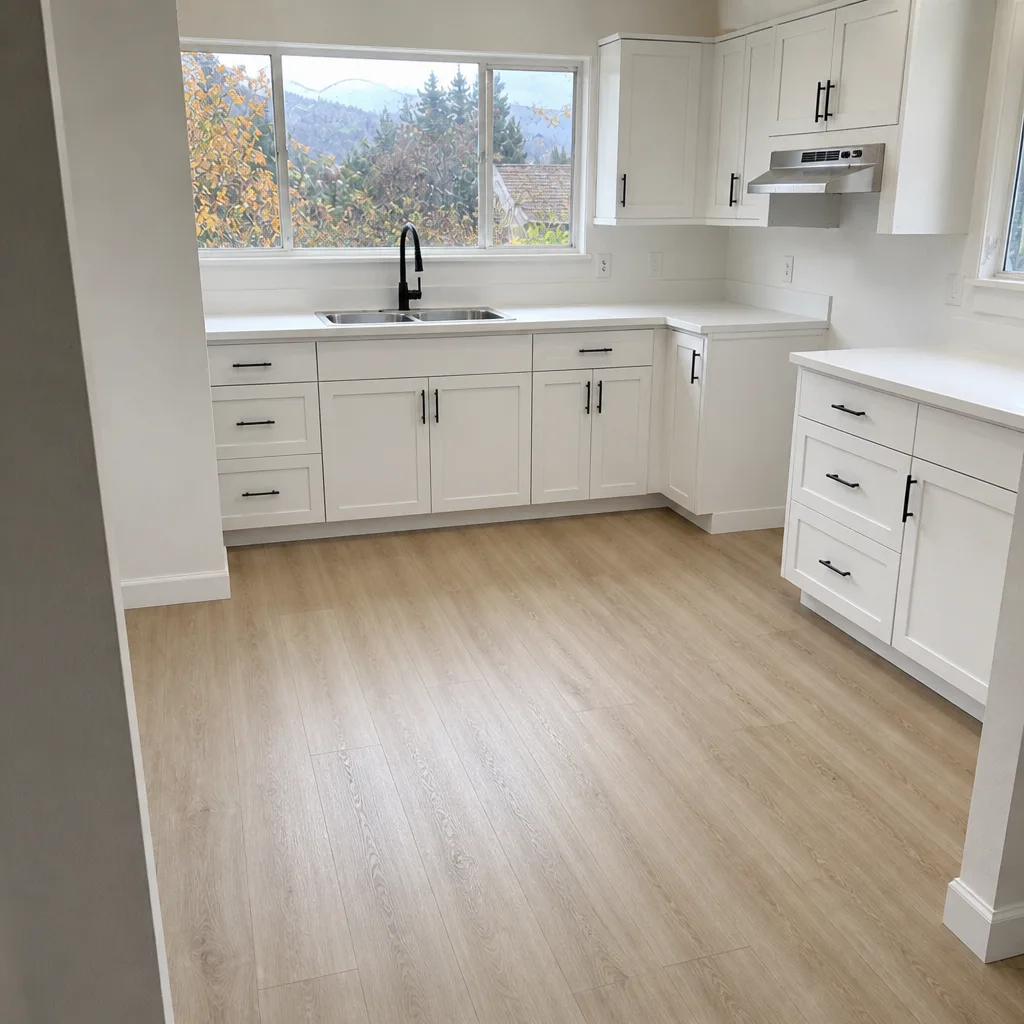
See the difference
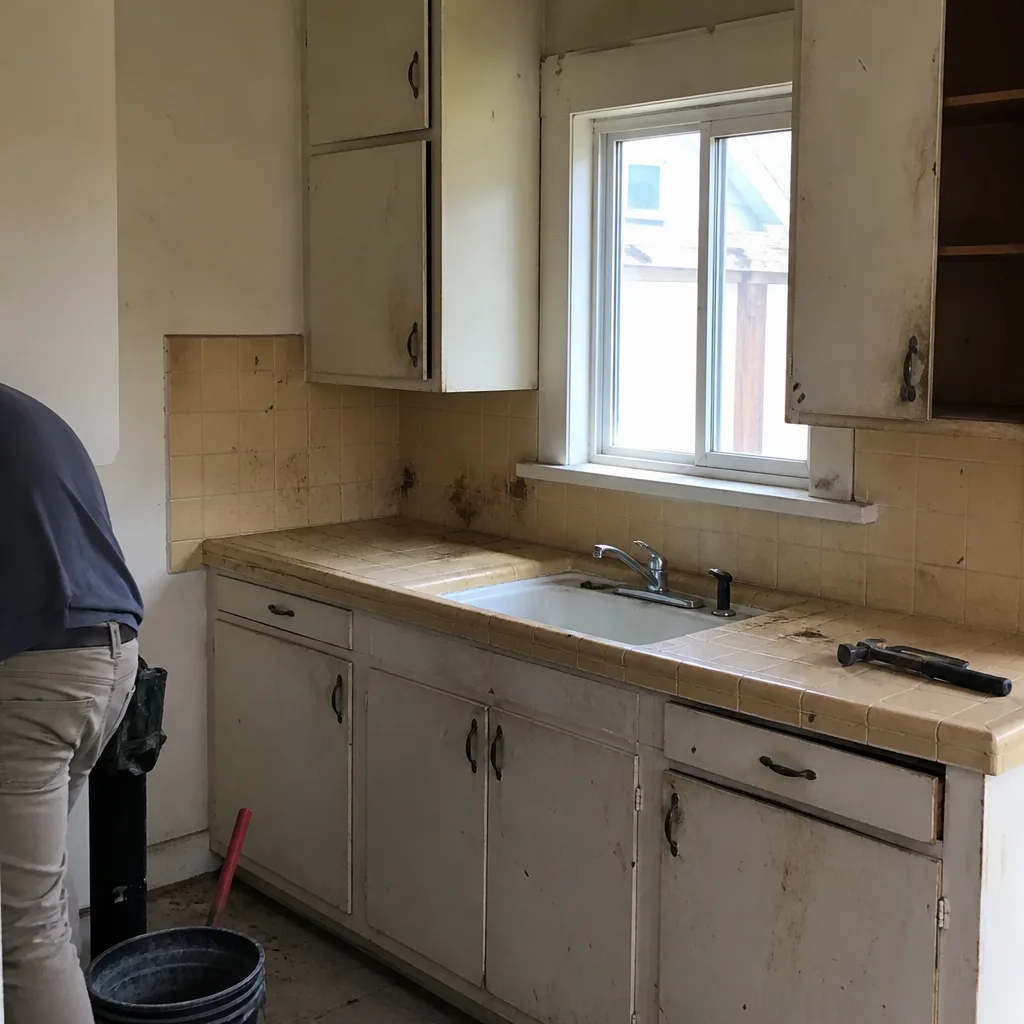 Before
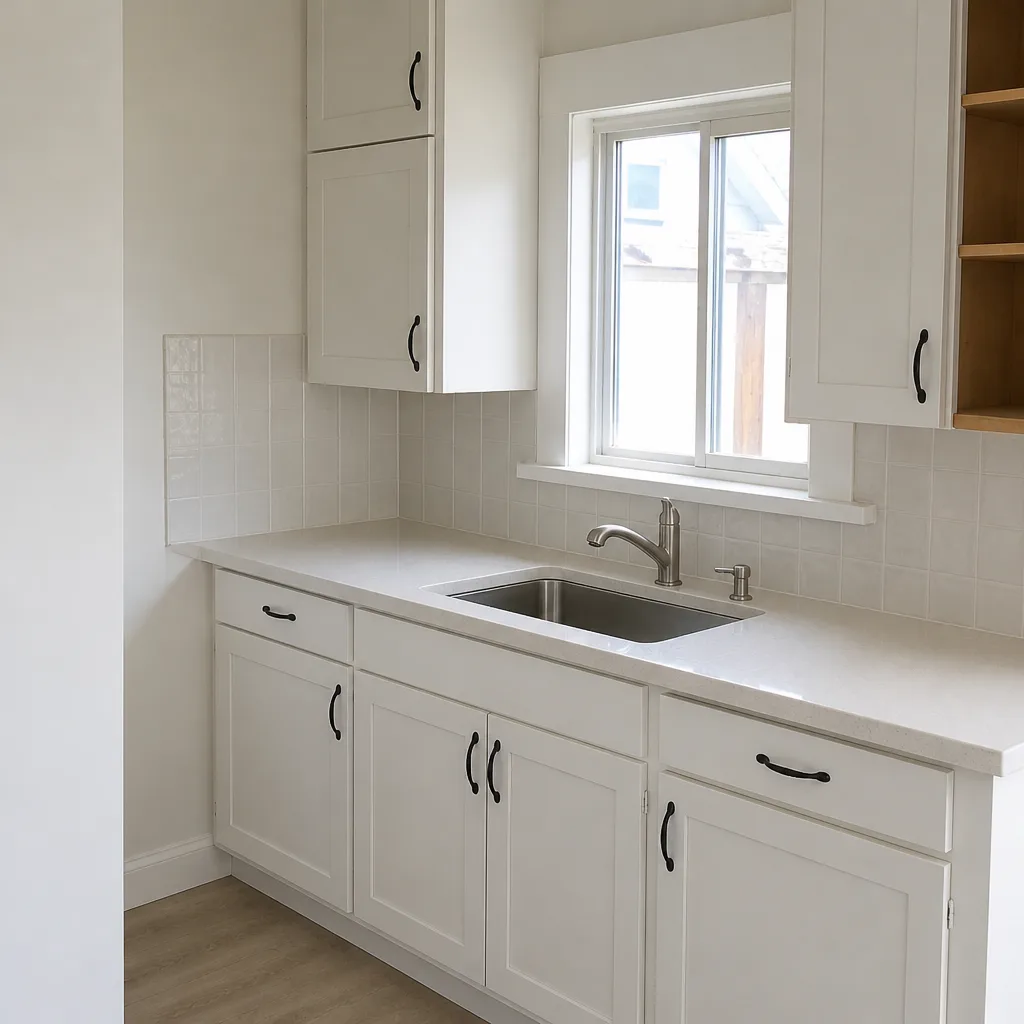 After
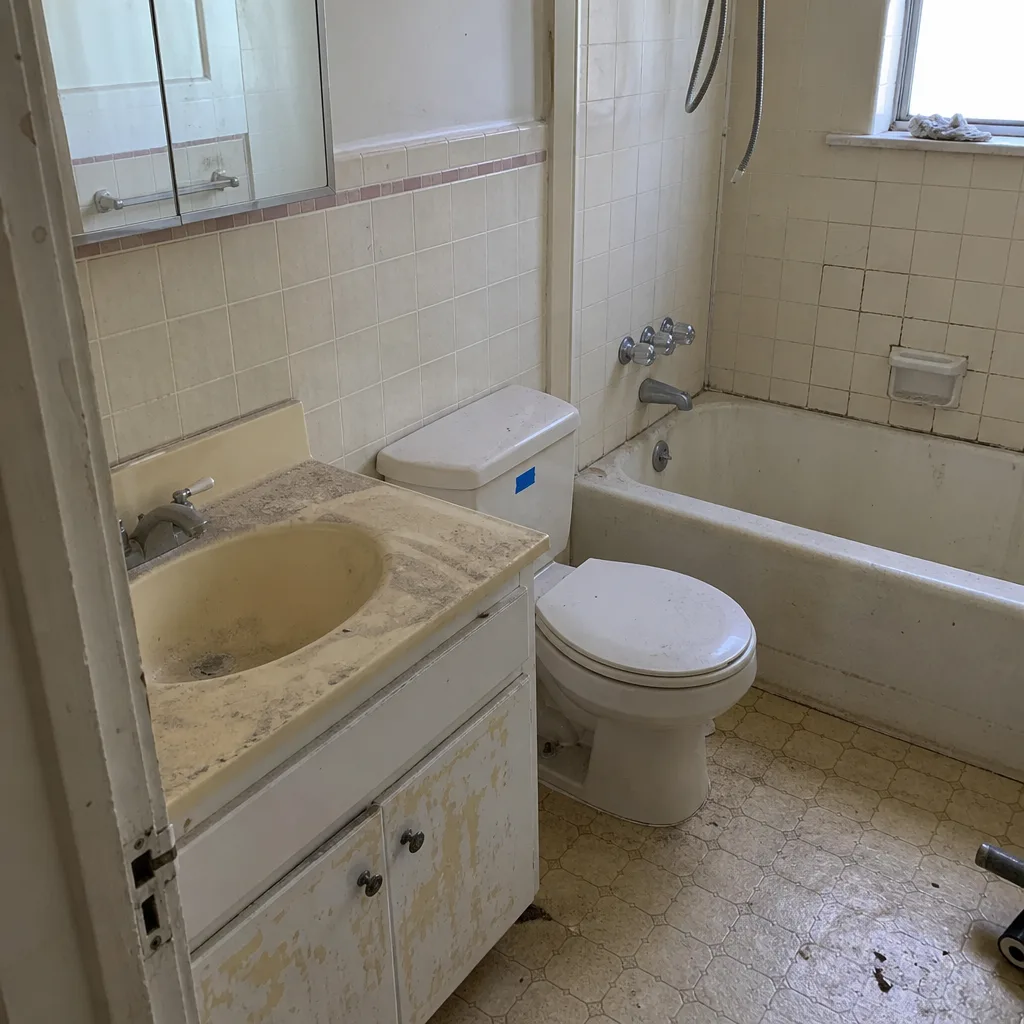 Before
 After
 Before
 After
When to Call a Professional
Some jobs are genuinely not DIY. Anything that touches the structural envelope, involves gas or electrical service work, requires a permit and inspection, or opens up a building’s concealed systems is a job for a licensed contractor. In Oakland that covers foundation repair and seismic retrofit, any addition or ADU, roof replacement, and major interior remodels where walls or plumbing move. It also covers jobs where the owner is fairly handy but the permit, inspection, and warranty trail are what matter – for resale, for insurance, for the long haul. That’s where having a contractor with the right license, insurance, and a written guarantee on the work is worth more than the raw labor cost. Our Fence Installation in Oakland page is a good example of how even a seemingly simple exterior job carries permit and code considerations if you want them done right.
Groundwork Construction Co. of Oakland offers free estimates in Oakland – call (833) 997-7759 to schedule yours. We’ll walk the property, talk through the scope, and give you an upfront, line-item price with no surprises.
Frequently Asked Questions
Search the contractor’s license number on the Contractors State License Board (CSLB) website and check three things: that the license is active, that the classification matches the work you need (a “B” general building license for most residential remodels), and that workers’ compensation is listed as active rather than exempt. Then request a current certificate of insurance and call the carrier to confirm it’s active. The whole process takes under 15 minutes and it’s the single best protection against a bad hire.
A legitimate Oakland bid itemizes demolition and disposal, permit fees with the contractor named as permittee, materials by brand or spec, labor broken out by trade, a contingency allowance, a written timeline, the change-order process, and the warranty terms with a length. A lump sum for the whole job without line items gives you no way to spot a gap or challenge an overage. If you’re getting multiple bids, compare scope line by line – not the total at the bottom.
The contractor should pull the permit in their own name, with their license number, for any permitted work. If a contractor asks you to pull the permit as the homeowner, they’re shifting the code-compliance responsibility to you, and you’ll be the one on the record if there’s a violation. The permit cost should still appear as a line item in their bid – if it doesn’t, ask for it.
Never more than 10-15% down at signing, with subsequent payments tied to completed and inspected milestones, and the final 10-15% held until the city’s final sign-off and the punch list are done. If a contractor wants 50% up front, that’s a red flag – it usually means they need your money to float materials for a job they underbid. For an exact understanding of what a fair deposit and draw schedule looks like on your project, call (833) 997-7759 – estimates are free.
Title 24 energy compliance applies to nearly every permitted residential remodel or addition in Oakland – window performance, insulation, ventilation, and lighting are the common ones. Seismic requirements kick in for structural work, foundation repair, and additions in specific zones, and the scope is specific to your property. Ask your contractor to name what applies to your job in writing. If they can’t, they haven’t pulled permits for a project like yours – and that’s the answer you need before signing anything.
Start with referrals from neighbors who’ve had work done in the last two years, cross-check the CSLB, and then compare at least three line-item bids. The East Bay market has plenty of good contractors; the ones who show up with reference addresses, a current COI, a permit trail, and a written workmanship warranty are the ones you want. Groundwork Construction Co. of Oakland provides free estimates and a written 730-Day Done Right Promise on every project – call (833) 997-7759 to schedule.
The Bottom Line
Hiring a contractor in Oakland is not about getting three bids and checking references – that’s the floor, not the ceiling. The steps that actually protect you are the ones most homeowners skip: verifying license status, workers’ comp, and county registration in 15 minutes; reading a bid line by line to see how the contractor handles unknowns; insisting that permits are pulled in the contractor’s name with inspections passed; structuring payments around inspected milestones; and getting the warranty in writing before signing. Do those five things and you’ve filtered out most of the contractors who disappear after the deposit – and you’re left comparing the ones who actually want to be accountable.
If you’re ready to start the conversation, Groundwork Construction Co. of Oakland offers a free project estimate and design consult. Call (833) 997-7759 – a live person answers, day or night. We’ll walk the scope, show you the numbers upfront, and back the work with our 730-Day Done Right Promise. From foundation to finish line.
Written by the team at Groundwork Construction Co. of Oakland.