
Last updated November 17, 2026
 Home additions & ADU
 Kitchen remodeling
 Bathroom remodeling
 Roofing
 Windows & doors
 Driveway & pavers
 Fence
Free written scope consultation - allowances, timeline, and change-order rules on paper before a single trade is scheduled
Seasonal Construction Care for Oakland: Year-Round Homeowner’s Guide
Oakland gets roughly 90% of its annual rainfall between November and March, then spends the next five months drying out under steady sun. That saturation-and-contraction cycle is harder on foundations, flatwork, and exterior finishes than a steady cold climate ever would be. Most homeowners here plan maintenance around a four-season calendar borrowed from somewhere else, so the wet-season damage gets missed and the dry-season warning signs get ignored. This guide rebuilds the calendar around how Oakland actually behaves, address by address, from the hills to the flats to the waterfront. You’ll learn what to do before the rain, what to watch during it, what to check after, and how each microclimate changes the list.
Quick Answer
Seasonal construction care in Oakland follows a wet-dry cycle, not four seasons: prep drainage, grading, caulking, and flatwork joints in October and November; monitor water intrusion, retaining walls, and washouts during the December-to-February rains; assess cracks and hidden damage in March and April before dry weather seals them over; and watch thermal expansion in concrete, decking, and stucco from May through September. Your specific address matters more than the calendar. Homes in the hills, the flats, and along the waterfront face different failure points each season, so the same task list ranks differently from one neighborhood to the next.
Styles & brands we work with
- Kitchen remodeling
- Bathroom remodeling
- Home additions & ADU
- Roofing
- Windows & doors
- Driveway & pavers
- Fence
Table of Contents
- Why Oakland’s Wet-Dry Cycle Is Harder Than a Cold Climate
- October-November: Pre-Rain Prep for Drainage, Grading, and Flatwork
- December-February: What to Watch During Active Rain Events
- March-April: The Post-Rain Assessment Before Dry Season
- May-September: Managing Thermal Expansion Under Oakland Heat
- How Oakland’s Microclimates Change Your Task List
- Your Year-Round Oakland Maintenance Calendar at a Glance
- Common Mistakes to Avoid
- When to Call a Professional
Why Oakland’s Wet-Dry Cycle Is Harder Than a Cold Climate
A Minneapolis home freezes and thaws, and the ground stays mostly frozen for months. An Oakland home does something more punishing: it soaks, then bakes. Clay-heavy soils common in parts of the flats and near the shoreline take on water and swell through the winter, then lose that moisture fast once the sun returns. The soil shrinks back. Whatever sits on top of it, foundation, driveway, patio, fence post, moves with it. Over several cycles, that movement shows up as cracks, heaved slabs, settling stoops, and doors that suddenly don’t latch.
We see the same pattern every year. A property that looked fine in September develops a hairline crack across the garage floor by February. A retaining wall that stood square for a decade leans slightly after a string of atmospheric river storms. None of this is neglect. It’s the climate doing what it does to buildings that weren’t detailed for it.
The fix isn’t a bigger maintenance budget. It’s timing. Oakland rewards homeowners who work in the gap between the wet and dry halves of the year, when the ground is stable and repairs will hold. That means:
- Fall is prep season. Water is coming and you have a short window to move it away from the house.
- Winter is observation season. You’re watching, documenting, and doing temporary fixes, not major repairs.
- Early spring is assessment season. Damage is visible and the ground is still telling you the truth before it dries.
- Summer is monitoring season. Heat-driven movement is the thing to track, and it’s slow enough to catch early.
Planning any structural work? Weather windows matter, and so does sequencing. If you’re weighing an addition or conversion, our guide to Home Additions & ADU in Oakland walks through how the build calendar pairs with the seasons.
October-November: Pre-Rain Prep for Drainage, Grading, and Flatwork
October and November are the most valuable maintenance weeks of the Oakland year. The soil is still dry enough to work, but the first real storms are weeks out. Everything you do now decides whether two inches of rain runs away from your house or sits against it.
The single highest-priority task is drainage. Water that pools within a few feet of the foundation is the leading cause of the wet-season problems we get called about. Work through this sequence:
- Clear gutters and downspouts. Oakland’s eucalyptus, oak, and pine drop debris all fall. A clogged downspout pushes water over the gutter edge and straight down the wall.
- Check that downspouts discharge well away from the foundation. Extensions or splash blocks that send water 4 to 6 feet out make a real difference. Short ones that dump right at the base undo the whole point of the gutter.
- Walk the grading. The ground should slope away from the house, roughly an inch of fall per foot for the first several feet. Low spots, settled backfill along the foundation, and pavers that have sunk all create collection points.
- Inspect flatwork joints. Control joints in driveways, patios, and walkways are designed to crack in a straight line. If the joint has opened up, water gets under the slab, and freeze-free Oakland still gets the expansion problem from saturated subgrade.
- Re-caulk exterior seams. Caulk around windows, doors, utility penetrations, and where siding or stucco meets trim is your first defense against wind-driven rain. The old bead often fails exactly where it’s needed, at the corners.
One thing worth knowing about Oakland specifically: many of the hillside lots in the Oakland Hills and around Montclair were built with older drainage infrastructure, French drains, dry wells, and perimeter footing drains that are decades old. Those systems work until they silt up, and nobody notices until a storm finds the weak spot. If your property has an older drain system, late fall is the time to confirm it still flows.
If your driveway, walkway, or patio is the low point collecting water, replacing or re-grading that surface before winter is far cheaper than repairing the damage it causes. Our overview of Driveway & Pavers in Oakland covers slope, base prep, and joint detailing that hold up to the wet season.
December-February: What to Watch During Active Rain Events
This is monitoring season, not construction season. The ground is saturated, materials are wet, and major excavation or flatwork poured now is a gamble. What you can do is watch for the specific warning signs that mean water is getting somewhere it shouldn’t.
Walk the property during and just after a heavy rain. A dry-weather inspection misses almost everything. Here’s what to look for:
- Foundation water intrusion. Damp patches on the interior of a perimeter wall, white powdery residue (efflorescence) on concrete or masonry, and water staining at the base of a stem wall all point to water finding a path in. A musty smell in a garage or basement after storms is a clue worth following.
- Retaining wall movement. Look for new lean, bulging, or separation between wall sections. Water pressure behind a wall is the usual cause, and a wall that’s moving is a safety issue, not a cosmetic one. Bulging or leaning retaining walls need a professional assessment, not a homeowner fix.
- Driveway and walkway washout. Soil eroding from under the edge of a slab, gravel migrating downhill, or a growing gap between the slab and the ground are all signs that runoff is undermining the surface. Small erosion channels across a sloped driveway are the early warning.
- Roof and ceiling stains. Fresh brown rings on a ceiling after a storm point to an active leak, not an old one. Get it looked at while it’s still a small repair.
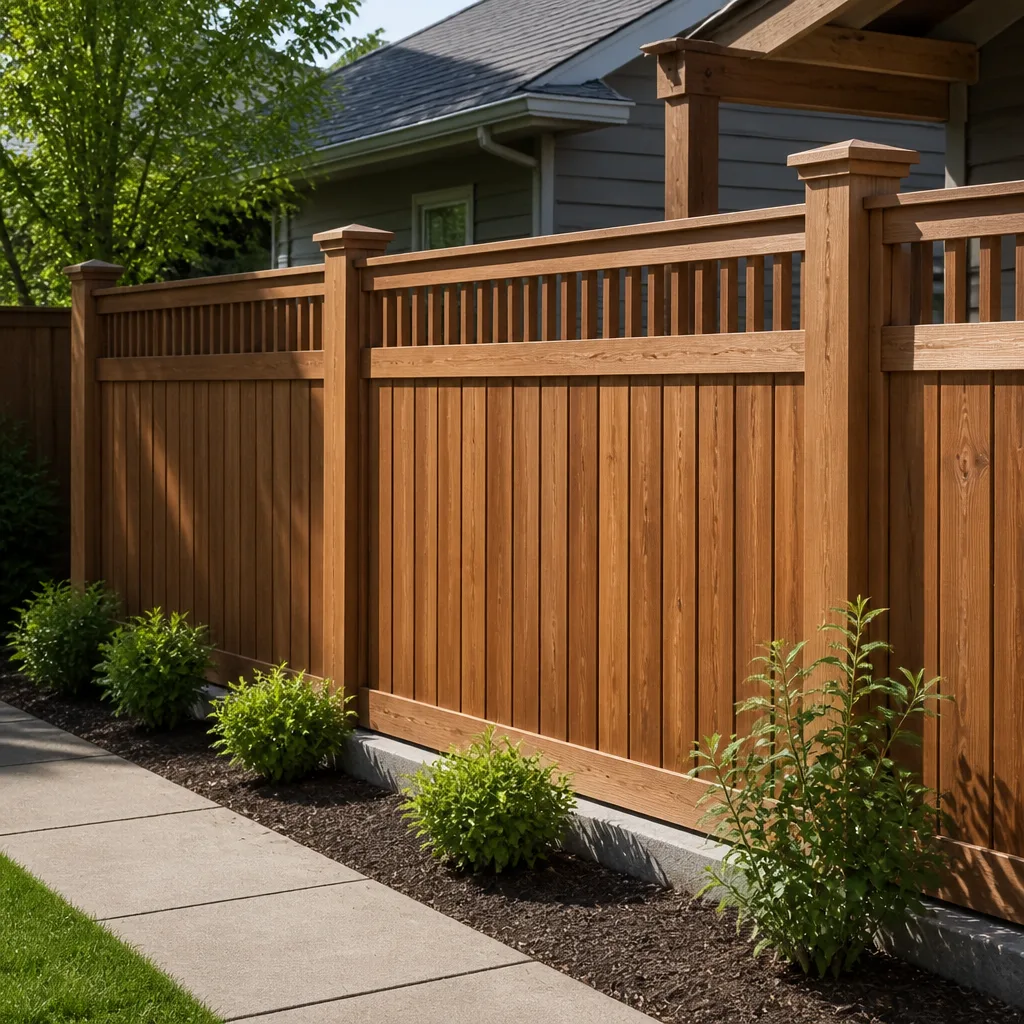
- Fence post movement. Posts that were tight in fall and are loose in January have lost soil support. A leaning fence line concentrates stress on the next post and the problem spreads. If a stretch of fence has gone crooked, replacement planning is worth starting sooner than later; our page on Fence Installation in Oakland explains how posts are set to hold through saturated soil.
During the heaviest storms, resist the urge to make permanent repairs. Temporary measures, sandbags, redirecting a downspout, clearing a drain, are the right move. Save the real work for a dry stretch or for spring. And document what you see with dated photos. When you do call a contractor, that record of when and where water appeared is worth more than a verbal description.
One safety note: if you see water ponding near gas or electrical equipment, or a retaining wall that has moved significantly, keep clear and call a licensed professional. Those aren’t situations to investigate on your own.
March-April: The Post-Rain Assessment Before Dry Season
This is the window that most Oakland homeowners miss, and it’s the one that saves the most money. By late March, the rains are tapering off. The ground is still holding moisture and the damage from the wet season is fully visible. But once the dry season sets in, cracks close back up, the soil shrinks, and the evidence seals itself over. Damage that would have been obvious in April can hide until the next wet season makes it worse.
Walk the property with a checklist and a camera before the ground dries. Work through it systematically:
- Foundation and stem walls. Look for new or widened cracks, especially stair-step cracks in masonry and horizontal cracks in a foundation wall. Recheck any efflorescence you noted in winter.
- Flatwork. Photograph every crack in the driveway, patio, and walkway. Compare against last year’s photos if you have them. Measure the width of the widest crack so you can tell next year whether it’s growing.
- Stucco and siding. Tap along stucco for hollow or loose sections, and look for cracks that let water in. Check that the weep screed at the bottom of the stucco wall is clear so moisture can drain out.
- Wood decking and fences. Look for soft spots, popped fasteners, and rot at the post bases, where moisture lingers longest.
- Drainage routes. Confirm that water is actually getting where it’s supposed to go. Any ponding, erosion, or new low spot that appeared over the winter needs attention before summer.
- Retaining walls. Reassess any wall that showed movement in winter. A professional eyes-on assessment is worth it before you cover it with landscaping or let it go another season.
The repairs and corrections you make in April, before the ground dries and the weather turns, tend to hold better than the same repair done in July. And if a project is on your radar, whether it’s a new surface, a fence, or a larger structure, spring is when the ground is most cooperative. The team behind Groundwork Construction Co. of Oakland home plans projects around these windows for exactly that reason.
May-September: Managing Thermal Expansion Under Oakland Heat
Once the rain stops, a different set of forces takes over. Oakland’s dry season brings weeks of consistent warmth, and while it isn’t the brutal desert heat of the Central Valley, it’s steady enough to move materials. Concrete, wood, and stucco all expand with heat and contract as temperatures swing between day and night. Over a whole summer, that repeated movement shows up in specific places.
Concrete flatwork is the first to reveal it. Slabs that were stable in April can develop new cracks or widen existing ones as the soil beneath them dries and shrinks. Watch for slabs that start to rock or sound hollow when you walk on them, and for joints that open beyond a quarter inch. Those are signs the subgrade has lost support, not just cosmetic cracks.
Wood decking and fences respond differently. Wood dries and shrinks in summer heat, which opens gaps between boards and loosens fasteners. Deck boards that feel springy or fasteners that have backed out are your cue to check the framing underneath. A fence that was tight in spring may show small gaps by August; that’s normal seasonal movement, but rot at the base is not.
Stucco exteriors are stiff and don’t flex well. Summer heat combined with the wet-dry cycle of the year can open hairline cracks that let water into the wall during the next rainy season. Summer is the time to catch and seal those, when they’re easy to see and the weather is dry enough for repairs to cure properly.
A simple summer habit makes all of this manageable: walk the same route you walked in spring, once in June and once in August, with the same camera roll. Comparing the two catches slow movement before it becomes a repair. That’s the discipline that keeps Oakland homes ahead of the cycle.
How Oakland’s Microclimates Change Your Task List
Oakland isn’t one climate. Drive twenty minutes and the weather, the soil, and the wind exposure change enough to reorder your entire seasonal task list. The generic maintenance advice you’ll find online assumes one consistent climate. Oakland has several. Your address determines which tasks matter most and which can wait.
Hillside Homes
Properties in the Oakland Hills and around neighborhoods like Montclair and the Dimond District sit on slopes, which concentrates runoff and puts extra pressure on retaining walls and drainage. Wet-season monitoring of wall movement and drainage routes matters far more here than flatwork cracks. Summer heat on south- and west-facing slopes dries soil fast, so foundations can move more dramatically between wet and dry conditions. Prioritize drainage and retaining wall checks in fall and winter, and watch for slope stability signs year-round.
Homes in the Flats
The flat neighborhoods, including Rockridge, Temescal, and the streets around Lake Merritt, tend to have clay-heavy soils that swell and shrink with moisture. That puts flatwork and foundations first on the list. Winter monitoring for water intrusion and spring assessment of foundation and driveway cracks matter most. Summer is about watching soil shrinkage and any slab that starts to settle.
Waterfront and Near-Shore Homes
Properties near the waterfront, the Estuary, and along the bayshore face wind-driven rain and salt air. Those conditions age exterior finishes faster, push water against walls during storms, and loosen fasteners and hardware over time. Fall prep should emphasize sealing, exterior caulk, and checking that downspouts and drainage move water away from the building quickly. Summer monitoring should include checking metal hardware and fasteners for corrosion. If your exterior surfaces are nearing the end of their life, the cost of waiting through another wet season usually exceeds the cost of prepping now.
Same city, same calendar, different priorities. If you’re unsure which microclimate pattern applies to your property, a walk-through with someone who works in Oakland regularly is the fastest way to find out. When in doubt, our guide to the Groundwork Construction Co. of Oakland home is a good starting point for the full scope of what seasonal care covers.
Your Year-Round Oakland Maintenance Calendar at a Glance
Here’s the whole year compressed into one view. Use it as a starting checklist, then adjust for your microclimate.
- October: Clear gutters and downspouts, confirm discharge points, walk grading, inspect flatwork joints.
- November: Re-caulk exterior seams, clear weep screeds, confirm older drain systems flow.
- December-February: Monitor during and after storms, document water intrusion, retaining wall movement, and washout with dated photos. Temporary fixes only.
- March: Post-rain assessment of foundations, flatwork, stucco, decking, fences, and drainage. Photograph and measure cracks.
- April: Make corrections while soil is stable and dry weather is arriving. Professional assessment for any retaining wall that moved.
- May-August: Monitor thermal expansion on concrete, wood, and stucco. Seal hairline stucco cracks during dry weather.
- September: Second summer walk, compare photos, and start the fall prep list.
The pattern to internalize: prep in fall, watch in winter, assess in spring, monitor in summer. Build the habit and the cycle stops being a threat and becomes a schedule you’re ahead of.
Common Mistakes to Avoid
- Maintaining on a four-season calendar. The biggest mistake is assuming winter is the only “risky” season. In Oakland, the spring assessment and the summer expansion monitoring are where most avoidable damage gets caught, and skipping them because the weather looks fine is how small problems become expensive ones.
- Ignoring a leak until it’s a stain. A ceiling stain or a damp wall base after a storm is active damage, not a cosmetic mark. Waiting until spring turns a small repair into a bigger one, often involving drywall, insulation, framing, or siding.
- Re-caulking over failed caulk. Layering new caulk over old, dirty, or loose bead doesn’t seal anything. The old bead has to be cut out and the surface cleaned and prepped, or you’ve just hidden the gap.
- Letting a retaining wall lean “for now.” A wall that’s moving is responding to water pressure or lost soil support, and it doesn’t fix itself. This is one area where monitoring without action costs the most, and it’s a genuine safety matter.
- Treating foundation cracks as purely cosmetic. Hairline cracks are common and often not a concern. But stair-step cracks in masonry, horizontal cracks, and any crack that’s getting wider in spring need an assessment, not a patch.
- Pouring flatwork or digging in the wet season. Scheduling major concrete or excavation work in the middle of the rains invites poor results. The ground is saturated and the finished work is more likely to crack or settle. Wait for the window.
- Assuming your neighbor’s schedule fits your address. A hillside home and a lakefront-adjacent flat have different failure points. Copying the maintenance list from a nearby property can point you at the wrong tasks entirely.
When to Call a Professional
Most of this guide is stuff you can do yourself: clearing gutters, walking grading, re-caulking, and keeping a photo record. The line between “keep an eye on it” and “call someone” is where these situations fall: any movement in a retaining wall, a foundation crack that’s widening between spring and fall, water intruding into a heated or finished space during storms, a slab that’s settling or rocking beyond a small area, stucco that’s pulling away from the wall, or any repair that involves gas or electrical components. Those aren’t maintenance items. They’re assessments that need someone trained to read them.
That’s the work we do. We’re a full-scope construction partner for Oakland homeowners, and every project comes with upfront pricing, no surprises, and the 730-Day Done Right Promise: if it isn’t done right, we make it right. Groundwork Construction Co. of Oakland offers free estimates in Oakland. Call (833) 997-7759 to ask about anything in this guide, and you’ll reach a live person, 24/7. If you’re pricing a larger project, our Driveway & Pavers in Oakland and Fence Installation in Oakland pages lay out the line-item details; if the project is bigger still, start with Home Additions & ADU in Oakland.
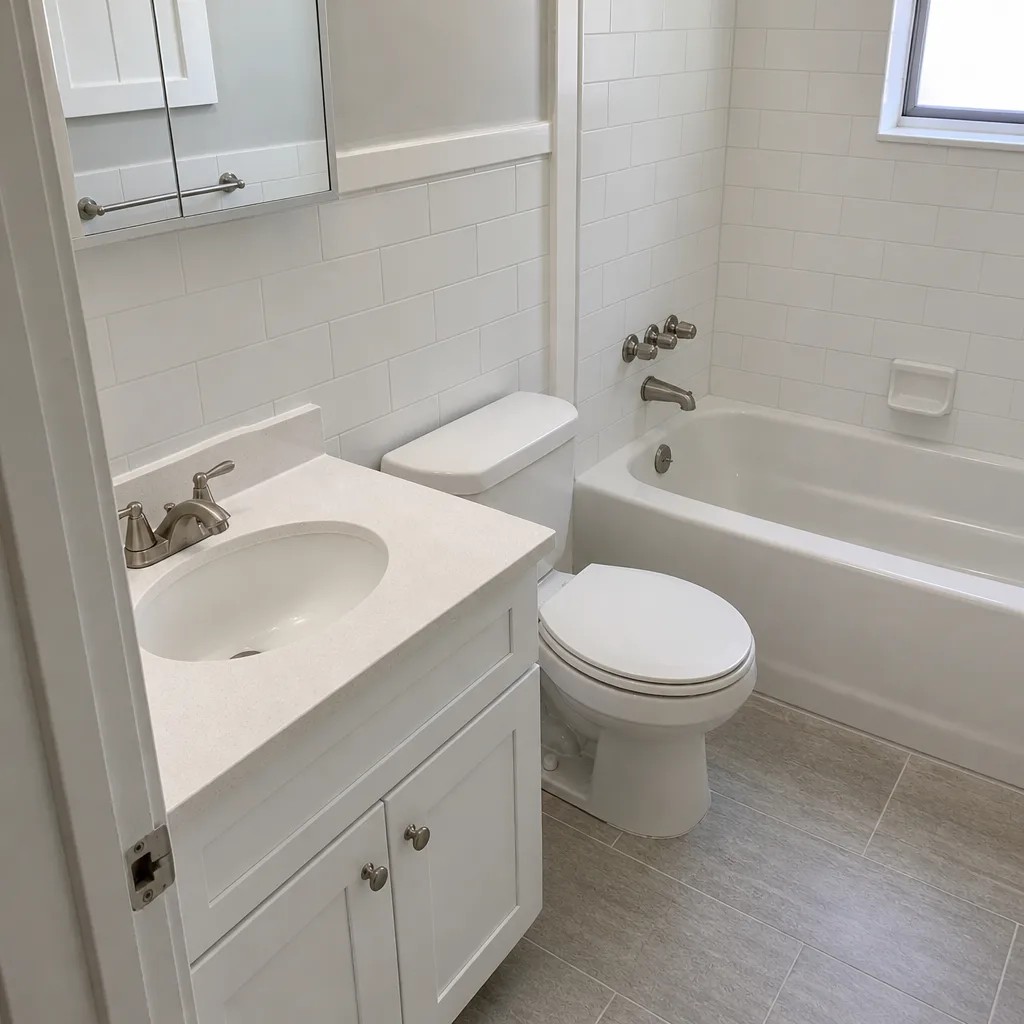
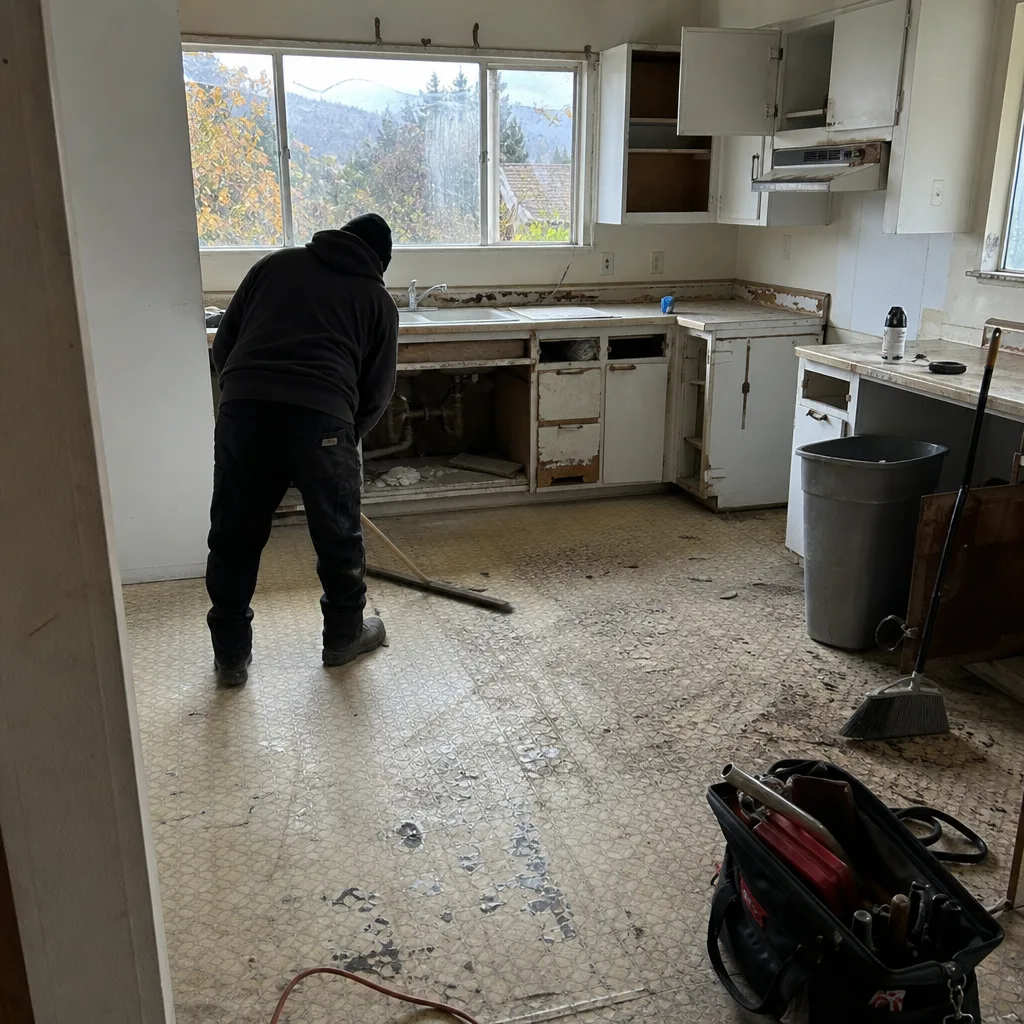
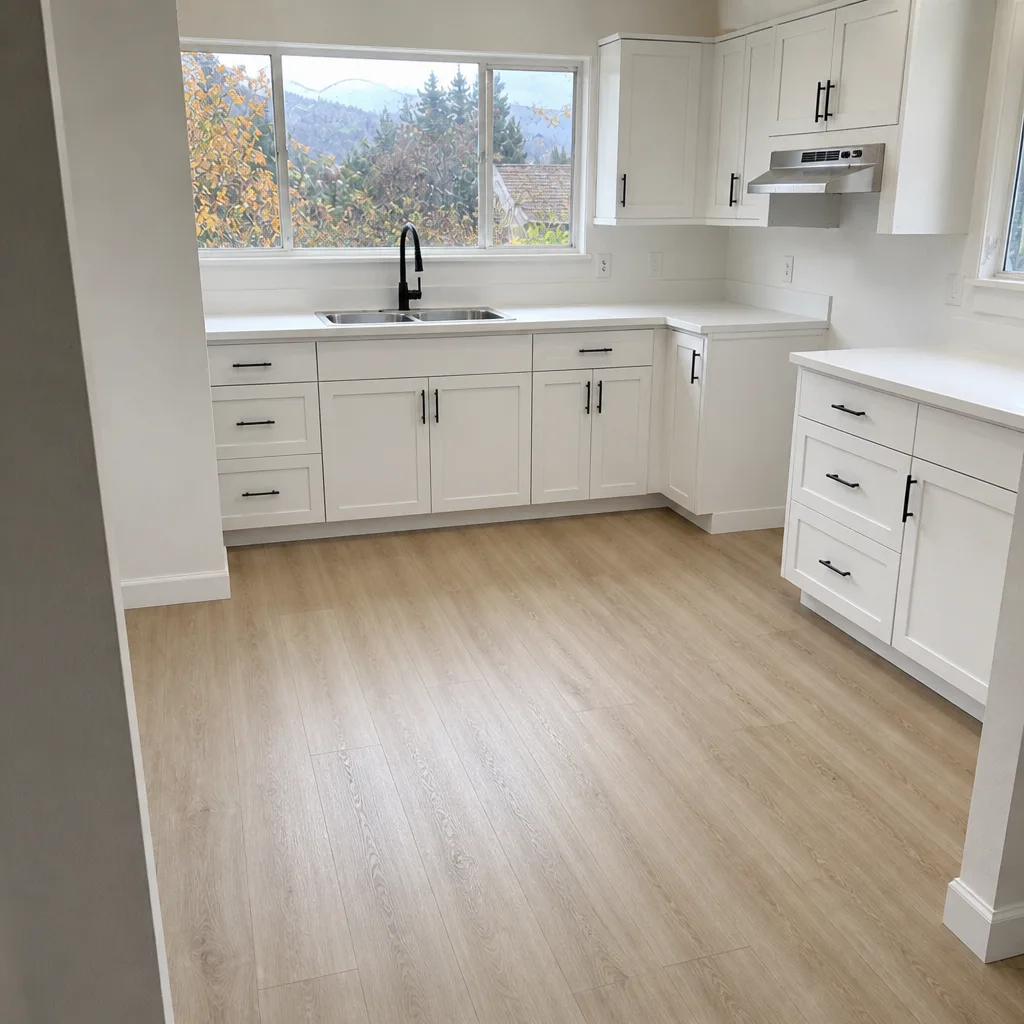
See the difference
 Before
 After
 Before
 After
 Before
 After
Frequently Asked Questions
Drainage prep in October and November is the highest-value task for almost every Oakland home. Clearing gutters, confirming downspouts discharge well away from the foundation, and fixing grading that lets water pool against the house prevents more damage than any other single task on the list. Water that reaches the foundation during the wet season is the root of most of the structural and flatwork problems we see in Oakland.
Hairline cracks that don’t change width are usually seasonal movement and not an emergency. Cracks that widen between spring and fall, stair-step cracks in masonry, horizontal cracks, or any crack paired with a damp wall or a door that suddenly sticks need a professional assessment. Photograph and measure the crack each season; the trend tells the story better than any single look.
Late spring is the best time to schedule major projects in Oakland. Once the wet season ends and the ground stabilizes in April or May, excavation, flatwork, and structural work are far more likely to hold. Summer through early fall is a strong window for most exterior projects. The wet season is for observation, temporary fixes, and planning, not major excavation.
No, not if it’s showing movement, bulging, or leaning. A retaining wall that has shifted is responding to water pressure or lost soil support, and repairing it safely means addressing what’s happening behind the wall, which is work for a licensed professional. A small cosmetic crack in the face of a stable wall is a different matter, but structural movement is not a DIY repair.
Yes. Oakland’s concentrated wet season and consistent dry season, combined with clay-heavy soils in the flats, sloping lots in the hills, and wind-driven rain along the waterfront, create a specific cycle of saturation and contraction. Cities with different soil or steadier moisture don’t see the same pattern of flatwork and foundation movement. A maintenance calendar built for Oakland has to account for those local conditions.
Costs vary depending on what’s being assessed and what, if anything, needs repair, which is why a written line-item quote after an on-site look matters. Call (833) 997-7759 for an exact estimate, and remember Groundwork Construction Co. of Oakland offers free estimates, so you can get the assessment cost answered before you commit to anything.
The Bottom Line
Oakland’s climate rewards timing. Prep drainage and seal exterior seams in October and November before the rains arrive. Watch for water intrusion, retaining wall movement, and washout during the wet months, and document what you see. Make the post-rain assessment in March and April the priority, because that’s the window before damage seals itself over. Track thermal expansion on concrete, wood, and stucco through the dry season. Then adjust the whole list to your microclimate, hills, flats, or waterfront, because the same city needs different care at different addresses. Work the cycle and your home stays ahead of it.
Written by the team at Groundwork Construction Co. of Oakland.