
Last updated November 17, 2026
 Kitchen remodeling
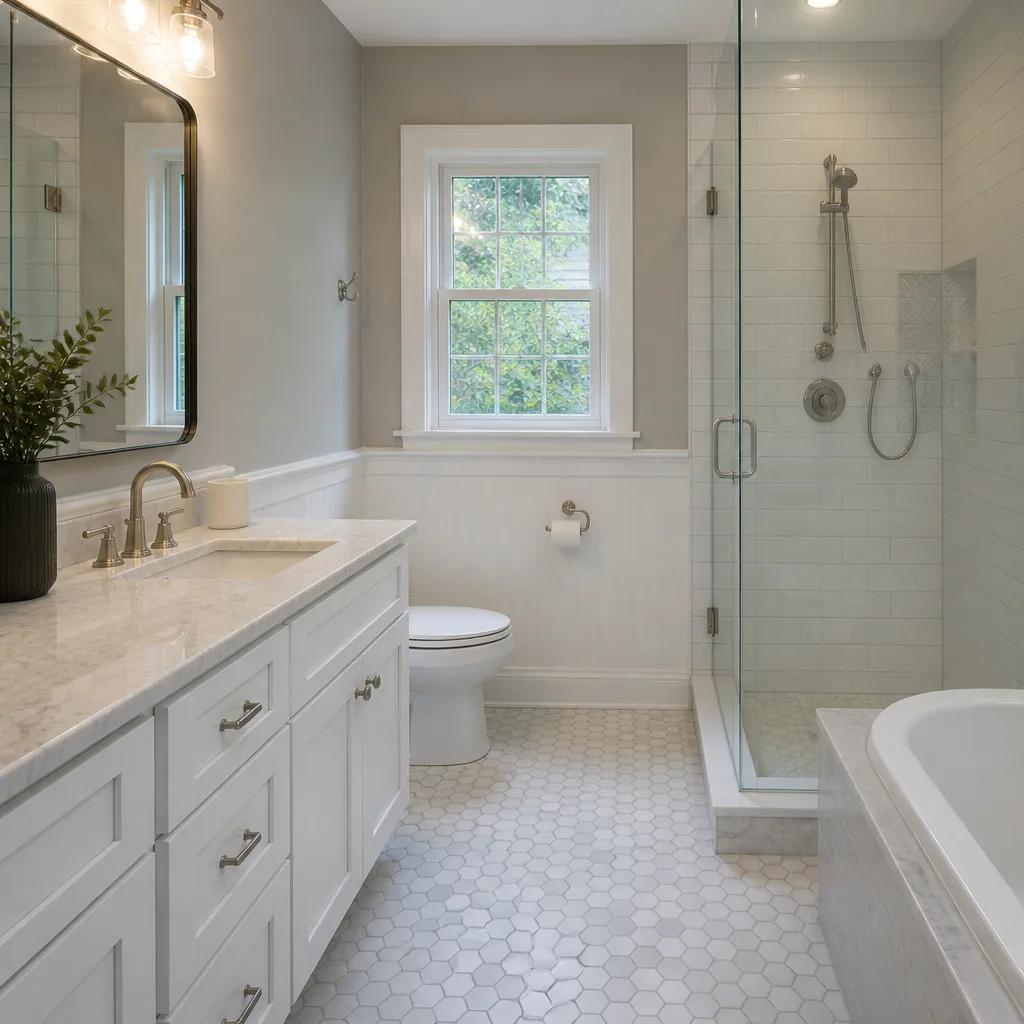 Bathroom remodeling
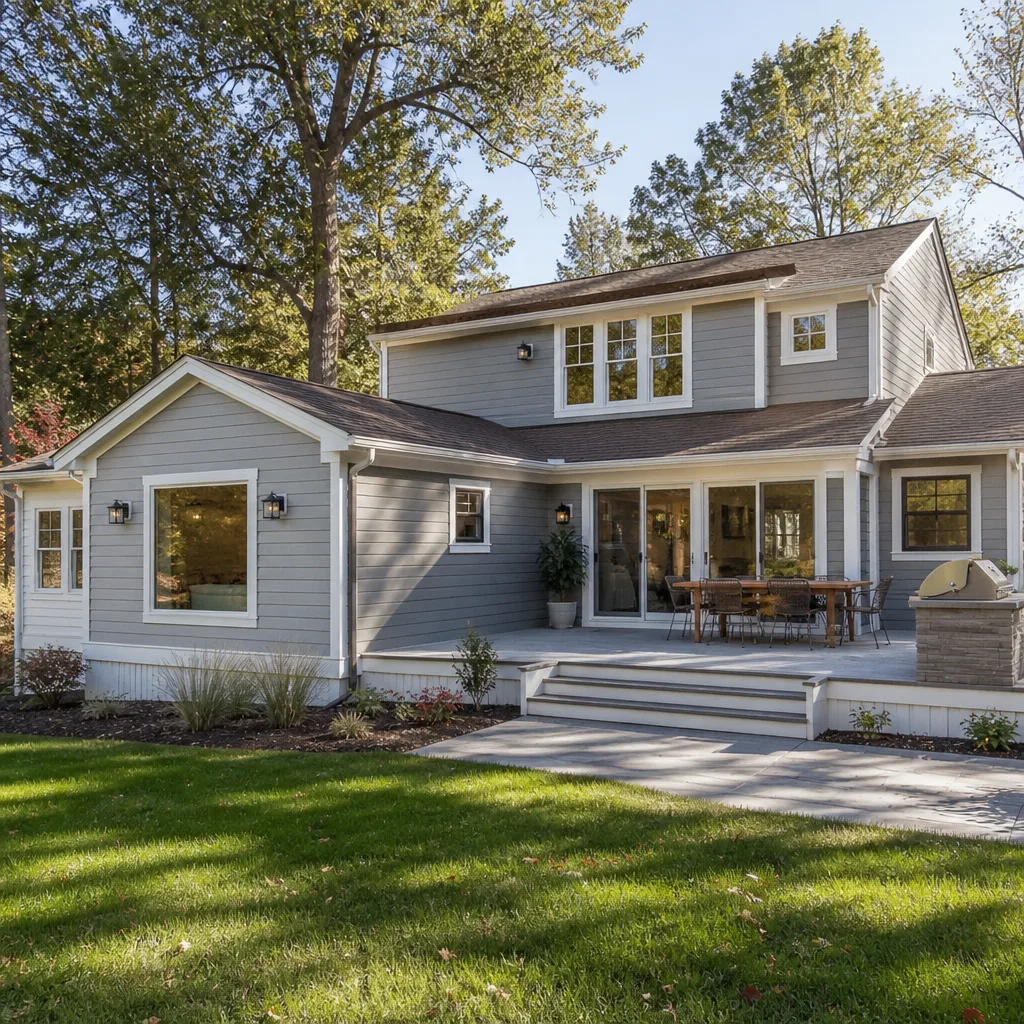 Home additions & ADU
 Roofing
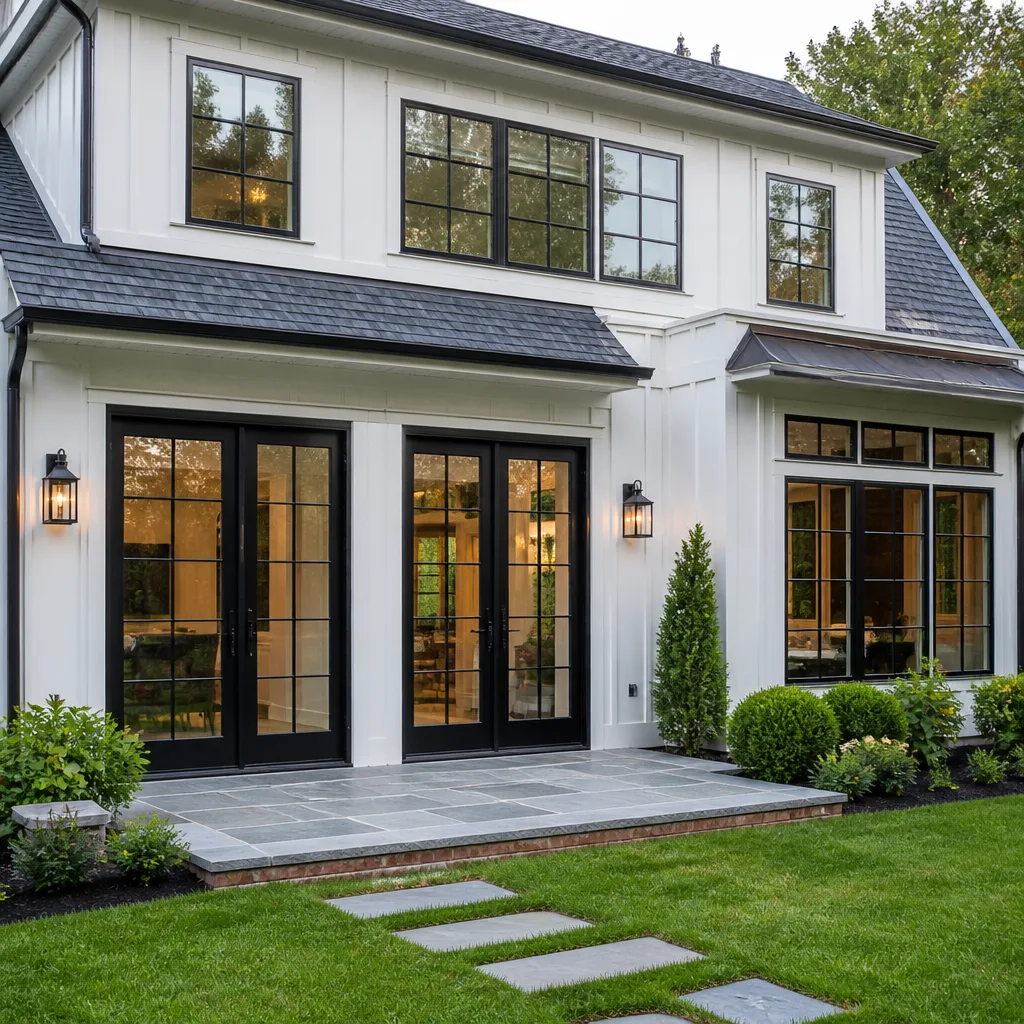 Windows & doors
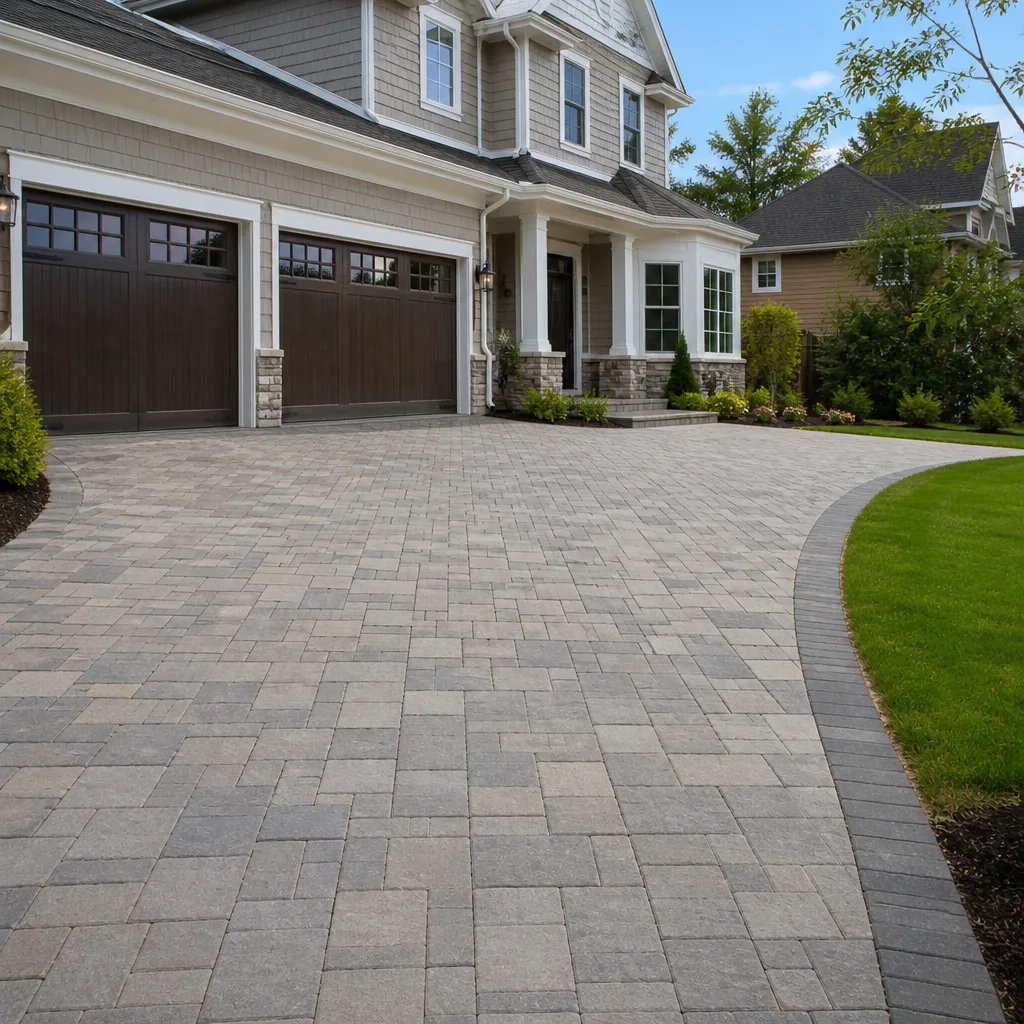 Driveway & pavers
 Fence
Free written scope consultation - allowances, timeline, and change-order rules on paper before a single trade is scheduled
Choosing the Right Construction Brand: A Buyer’s Guide for Oakland
Most homeowners spend weeks choosing a contractor and about four minutes choosing the materials that will sit on their property for the next thirty years. That’s backwards. The paver system under your feet, the mix in your retaining wall, the drainage product buried along your foundation – these are the things you’ll live with long after the crew has moved on. In Oakland, where a single rainy season can expose every shortcut in a hardscape job, the brand behind the material matters as much as the person installing it. This guide shows you how to read a material warranty, spot a contractor who can’t source replacement parts, and ask sourcing questions without sounding like you’re accusing anyone of anything.
Quick Answer
The right construction brand is the one that gives you a written, transferable manufacturer warranty, documented product specs, and replacement availability five to ten years down the road – not just the cheapest pallet on the job. In Oakland, that means choosing brands with published specifications that meet local code and climate demands, and choosing contractors who hold real partnerships with those manufacturers rather than mixing materials on-site. A brand name you can call, a spec sheet you can read, and a warranty you can transfer at resale are worth more than a discount you’ll never recover.
Styles & brands we work with
- Kitchen remodeling
- Bathroom remodeling
- Home additions & ADU
- Roofing
- Windows & doors
- Driveway & pavers
- Fence
Table of Contents
- Why the Brand on the Truck Matters More Than the Contractor’s Pitch
- How to Read a Manufacturer Warranty for Hardscape and Structural Materials
- Brand-Tier Differences in Oakland’s Wet/Dry Climate Cycle
- Why Contractor Partnerships with Material Brands Matter
- Red Flags in Material Selection
- How to Ask a Contractor About Their Material Sourcing
- Oakland Material Standards and Code Touchpoints
- A Practical Framework for Choosing
Why the Brand on the Truck Matters More Than the Contractor’s Pitch
Walk out to the curb while a hardscape job is underway and look at the pallets. Are they wrapped and labeled with a manufacturer name, a product line, and a spec sheet attached? Or are they anonymous stacks of gray stone that nobody can identify? That single observation tells you more about the longevity of your project than any brochure a contractor hands you.
Branded materials come with something unbranded materials never do: an accountability chain. When a Belgard paver cracks in year three, there’s a manufacturer with a published warranty, a claim process, and a technical support line. When an unmarked paver cracks, there’s a shrug and a phone number that may or may not still work. That difference compounds over the life of a driveway or a retaining wall.
This isn’t a knock on competent installers. A great crew can lay mediocre material and a mediocre crew can ruin great material – both happen. But the material is the half of the equation you can actually verify before the job starts. In our experience across Oakland, the jobs that age well are almost always the ones where a homeowner asked “what brand is this and where’s the spec sheet?” before the first shovel hit the ground. That question alone filters out a surprising amount of trouble.
For projects that lean heavily on materials – a new driveway and paver system in Oakland, a retaining wall, a foundation drainage upgrade – the brand question should come up during the estimate, not after the invoice. If you’re weighing a full-scope home construction partner, the Groundwork Construction Co. of Oakland home lays out how material selection fits into the broader project conversation.
How to Read a Manufacturer Warranty for Hardscape and Structural Materials
Manufacturer warranties on hardscape and structural products are written by lawyers for lawyers, and most homeowners skim them at best. Three things matter more than the headline number of years: whether the warranty transfers to the next owner, what it actually excludes, and whether the claim process is one you could realistically complete without losing a month of your life.
Transferability
A transferable warranty is an asset you sell with the house. When you list an Oakland property, a buyer’s inspector may ask about the age and warranty status of a driveway, retaining wall, or roof. A warranty that transfers – even with a small fee or registration step – is worth real money at resale. Ask the manufacturer or the contractor directly: “Does this warranty transfer, and what’s required to register it?”
Exclusion Clauses
Read the exclusions page before the coverage page. Common exclusions on pavers and concrete systems include damage from improper drainage, root intrusion, de-icing salts, settlement from soil movement, and damage caused by “installation not per manufacturer specification.” That last clause is the quiet one – it means the warranty depends on the installer following the manufacturer’s published method. Which is why the contractor’s partnership with the brand matters: a certified or preferred installer usually follows spec by contract.
Claim Process That Actually Functions
Ask what happens when you file a claim. Does the manufacturer send an inspector? Do they require photos and a written report from the contractor? Do they pay for replacement material, labor, or both? Material-only coverage is common and much narrower than people assume. Before you sign, you want to know:
- Whether the warranty covers material only or material and labor
- How long the claims window is and whether it’s measured from install or purchase
- Who you call first – the manufacturer or the contractor – and how that gets documented
- Whether the warranty is prorated after a certain point
At Groundwork Construction Co., all installation work is backed by the 730-Day Done Right Promise – if it’s not done right, we make it right – layered on top of any manufacturer coverage. That’s the combination to look for: a real manufacturer warranty plus a contractor-level workmanship guarantee with written terms.
Brand-Tier Differences in Oakland’s Wet/Dry Climate Cycle
Oakland’s climate is deceptive. It looks mild, and then a February storm dumps three inches in 48 hours on ground that’s been baked dry since October. That wet/dry swing is the single hardest thing on hardscape, drainage, and foundation materials – and it’s where brand-tier differences stop being abstract and start showing up as hairline cracks and settling.
Lower-tier pavers and concrete mixes are often formulated to minimum compressive strength for dry-climate performance. When the rainy season hits, they absorb moisture, expand, and crack at the freeze-free but saturation-heavy cycle Oakland delivers. Premium systems are engineered for absorption limits and freeze-thaw or saturation cycling that meet or exceed regional standards. You can check the spec sheet for water absorption percentage, compressive strength, and freeze-thaw rating – the manufacturer publishes these numbers, and the numbers don’t lie.
Drainage products are the most climate-sensitive category in Oakland. Hillside neighborhoods and areas with clay-heavy soils see water pooling against foundations whenever a drainage system was undersized or sourced from a low-tier manufacturer with no published flow rating. A brand with a spec sheet gives you an actual flow capacity number; an unmarked corrugated product gives you a guess. In our experience, drainage is where the cheapest material causes the most expensive damage – and it’s usually invisible until it isn’t.
For a full-scope project that touches grading, drainage, and hardscape, these details need to be coordinated – which is why we handle home additions and ADU work in Oakland with the same material-sourcing discipline as a driveway job. The site drainage on an addition and the drainage under a driveway shouldn’t be selected by two different people who never talk.
Why Contractor Partnerships with Material Brands Matter
A contractor with a real partnership with a manufacturer – not just a place that sells the product – gets four things that flow directly to you: preferential pricing, reliable availability, technical support, and an accountability chain.
Preferential pricing means the contractor’s cost is lower, which means your line-item quote is lower or your brand tier is higher for the same budget. Availability means when you need six more square feet of a paver in a discontinued colorway eight months later, the contractor’s account can actually find it. Technical support means the manufacturer’s engineers will answer the contractor’s question about the correct sub-base for your specific soil – that’s not a favor, it’s a partner service. Accountability means if a product fails, the manufacturer has a relationship with the contractor, and claims move faster.
This is why full-scope partners like Groundwork Construction Co. maintain curated brand partnerships across trades – KraftMaid and Cambria in kitchens, GAF and Owens Corning on roofs, Andersen and Marvin at the windows, Kohler and Delta in bathrooms – and hold each partner accountable to the same 730-Day Done Right Promise. If you’re planning work that includes perimeter or lot-line elements, our fence installation in Oakland takes the same approach to material sourcing.
You can ask a contractor directly: “Which manufacturers do you hold accounts with for pavers, concrete, and drainage?” A confident answer names brands and describes the relationship. An evasive one says “we use whatever’s best for the job,” which means “we buy whatever’s cheapest that day.”
Red Flags in Material Selection
The material problems that cost the most are visible before the project starts if you know where to look. Here are the ones we see most often in Oakland.
Contractor-Mixed Concrete
Concrete mixed on-site by hand or in a small portable mixer has no published mix design, no third-party testing, and no warranty from any manufacturer. Ready-mix concrete from a known supplier arrives with a batch ticket showing mix design, slump, and delivery time. Ask for the batch ticket. If the answer is “we mix it ourselves and it’s fine,” walk away.
Unmarked Paver Pallets
Reputable paver manufacturers ship pallets with brand labels, product line, and lot numbers. If pallets arrive unmarked, or the contractor strips the labels “for the customer’s yard cleanliness,” you’ve lost your ability to verify the product and file a warranty claim. Ask the contractor to photograph the labeled pallets before placement.
Drainage Products With No Spec Sheet
Every legitimate drainage manufacturer publishes flow capacity, crush strength, and pipe material. If a contractor can’t name the brand of the corrugated pipe or the drainage mat they’re about to bury along your foundation, that product is effectively unreplaceable and unwarrantable.
Brand Baiting
Some contractors show you a premium brand in the estimate and install a look-alike on the day. Require the estimate to specify the exact product line and colorway, and require the contractor to confirm the delivered pallets match.
Discontinued Colorways With No Backup
If a homeowner asks for a paver colorway that the manufacturer has discontinued, a good contractor will flag it and offer a substitute – not because the colorway is gone but because a future repair will be impossible. Ask the contractor directly: “Could you source replacements for this in five years?”
How to Ask a Contractor About Their Material Sourcing
The easiest way to ask is to make it about the future, not about trust. You’re not interrogating the contractor; you’re asking about what happens in year five. Here’s a workflow:
- Ask which manufacturers they hold accounts with for each material category on your job. Write the answers down. A confident, accountable contractor names brands without hesitation.
- Ask for the product spec sheet for each primary material. A real contractor hands it over or sends it the same day. An evasive one says “it’s standard industry stuff.”
- Ask how the manufacturer warranty works and whether it transfers. The answer should be specific: length, whether it’s material-only, transfer fee if any, claims channel.
- Ask what happens if a product fails in year five. A good answer describes the manufacturer claim and the contractor’s workmanship guarantee and how the two stack. A bad answer says “we’ll take care of you,” which means nothing in writing.
- Ask for a written material list in the estimate. Brand + product line + colorway + quantity, per line item. If the estimate says “pavers – 400 sq ft,” ask for the brand and line.
- Ask about prior product failures and how they were handled. Every contractor who’s been doing this a while has dealt with a failure. What you’re listening for is whether they have a process, and whether they describe it without defensiveness.
Confident answers are specific, written, and reference the manufacturer by name. Evasive answers are vague, verbal, and deflect to the contractor’s own reputation. If you hear “we stand behind our work” but can’t get a product line in writing, that’s your answer.
Oakland Material Standards and Code Touchpoints
Oakland’s building standards and the broader California code cycle touch construction materials in ways that most homeowners don’t connect to brand choice. Structural and safety-related improvements go through the city’s permit and inspection process, and the materials installed need to meet published standards to pass. A paver system that hasn’t been ratified against the applicable ASTM category is a risk; a ready-mix concrete with a documented mix design is not.
Ask the contractor to identify which permitting, inspection, and material-standards requirements apply to your scope before they start – and require the written material list to reference the manufacturer spec sheet. If a contractor can’t tell you which standards apply to a retaining wall over a certain height, a new driveway that touches the public right-of-way, or a site drainage system, that’s a reason to get a second opinion. We don’t pretend to advise on every Oakland permit scenario here, but we do require that every permitted scope be pulled, inspected, and passed on paper before we sign off – and we provide written line-item quotes so the material list and permit scope line up.
Oakland hillside properties add a layer: retaining walls over a certain height and site drainage that affects neighboring lots are more likely to require engineered design and inspection. When we work in Oakland, we tell homeowners upfront which parts of the scope are inspection-critical and which materials need to be spec’d to an engineering plan rather than picked off a catalog.
A Practical Framework for Choosing
If you want a repeatable way to compare material choices across contractors, run each option through four checks:
- Brand verification: Can the contractor name the manufacturer, product line, and colorway, and produce the spec sheet? If no, the material is effectively anonymous and the warranty is theoretical.
- Warranty check: Does the manufacturer publish a warranty, and does it transfer, and does it cover material only or material and labor? Does the contractor add a written workmanship guarantee on top?
- Future-parts check: If you need a repair in five years, can the contractor or the manufacturer still supply the matching product? Discontinued colorways and unmarked pallets are deal-breakers.
- Partner check: Does the contractor hold a real account or certification with the manufacturer, or are they buying off the shelf at whatever retailer has stock that week? The first is accountability; the second is chance.
Quick material checklist
- Manufacturer named in the written estimate
- Spec sheet provided before signing
- Warranty terms in writing, with transfer rules
- Pallet labels documented on delivery
- Replacement availability confirmed for the colorway and line
- Contractor holds a manufacturer account or certification
- Contractor-level workmanship guarantee stated in the contract
Common Mistakes to Avoid
- Choosing the cheapest line item without checking the brand. A quote that’s $800 lower because the paver line changed is often the more expensive project in year four. Ask what changed.
- Letting the contractor keep the pallet labels “for cleanliness.” Those labels are your only proof of warranty eligibility. Photograph them before placement.
- Assuming the manufacturer warranty covers labor. Most don’t. That’s why a contractor-level guarantee like the 730-Day Done Right Promise matters – it fills the gap the manufacturer leaves.
- Ignoring replacement availability when choosing a discontinued colorway. Especially in Oakland’s cool, wet winters, a chipped paver is a near-certainty over a decade. If you can’t source a match, you’re redoing the whole section.
- Accepting site-mixed concrete without a batch ticket. In Oakland hillside work, undocumented concrete is the single most expensive shortcut to unwind later.
- Asking about brand but not about the installation spec. The best paver installed on the wrong base will fail. Ask for both the product name and the manufacturer’s installation method the contractor will follow.
- Skipping the permit step on visible hardscape and structural scope. A retainer wall or a driveway tie-in without inspection is a resale problem down the line, and it can void the manufacturer warranty if the install method wasn’t inspected.
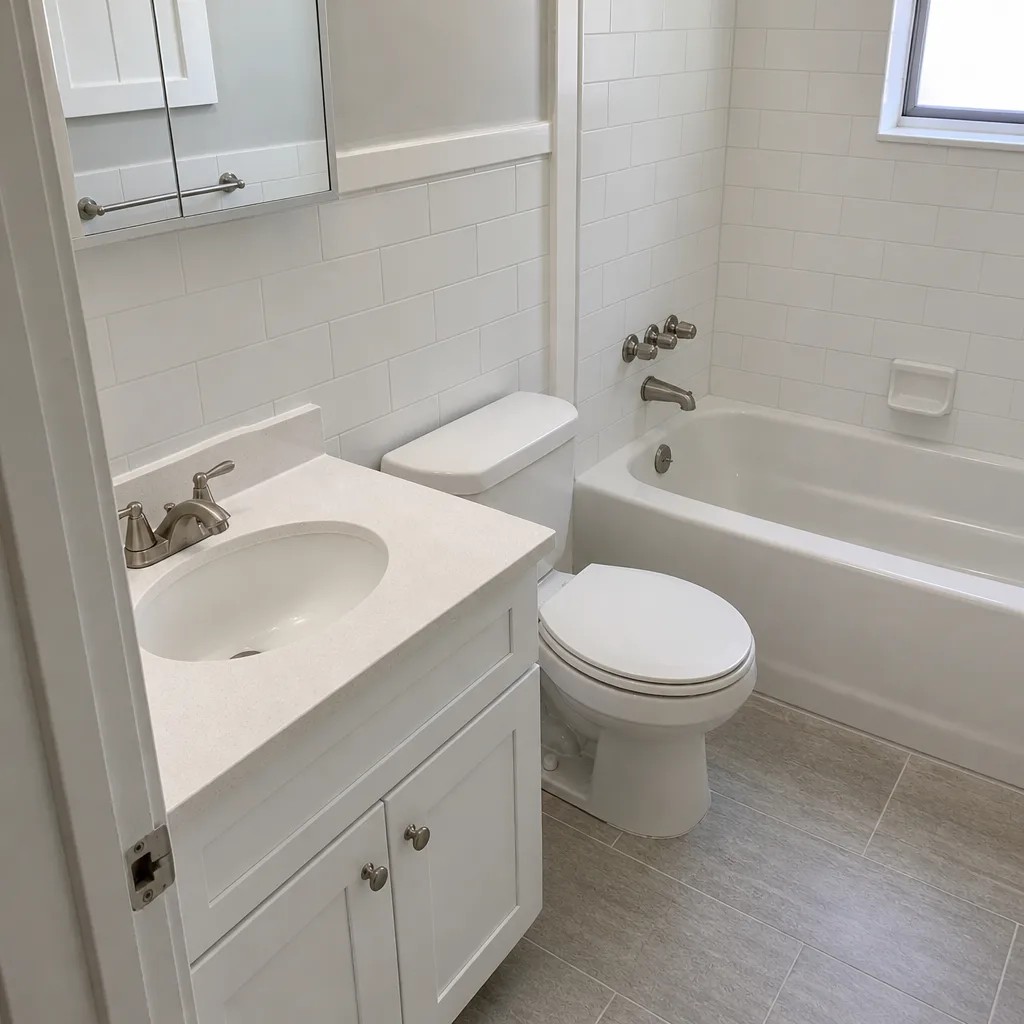
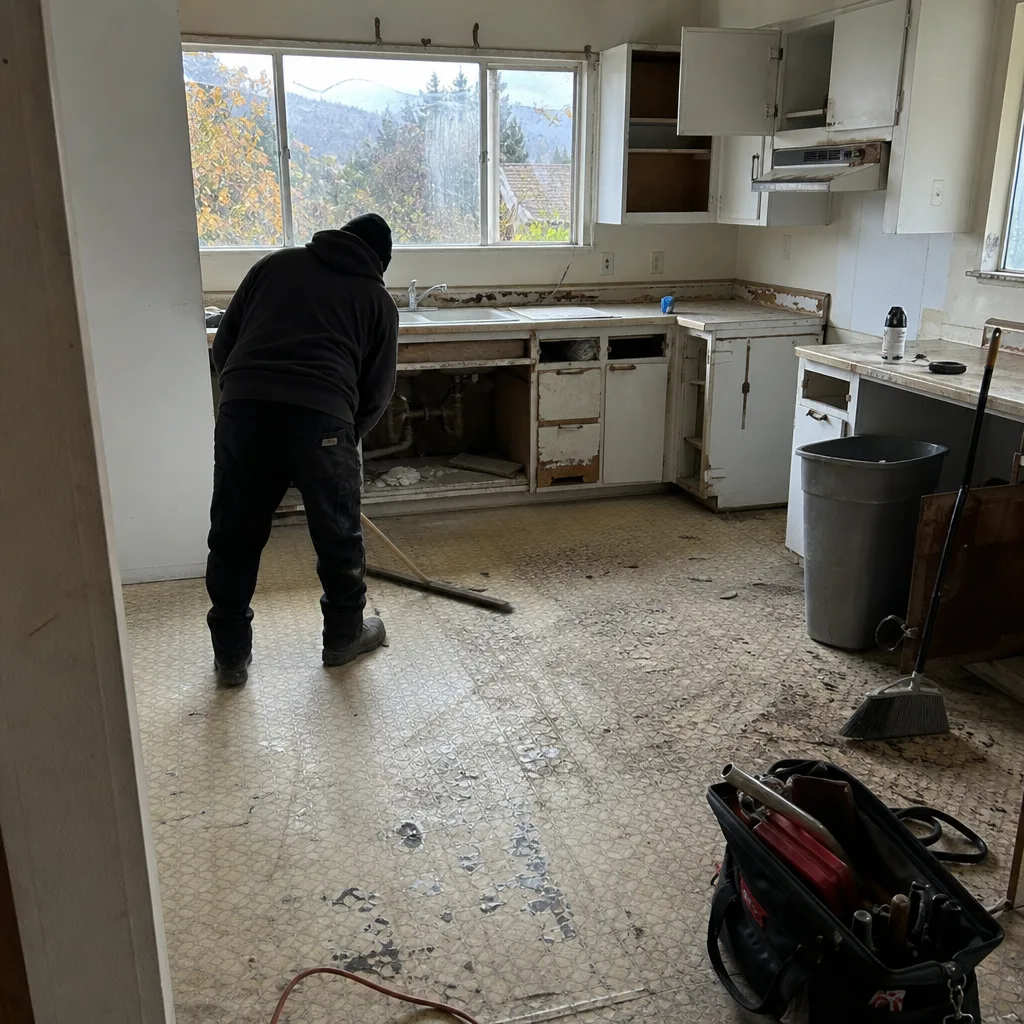
See the difference
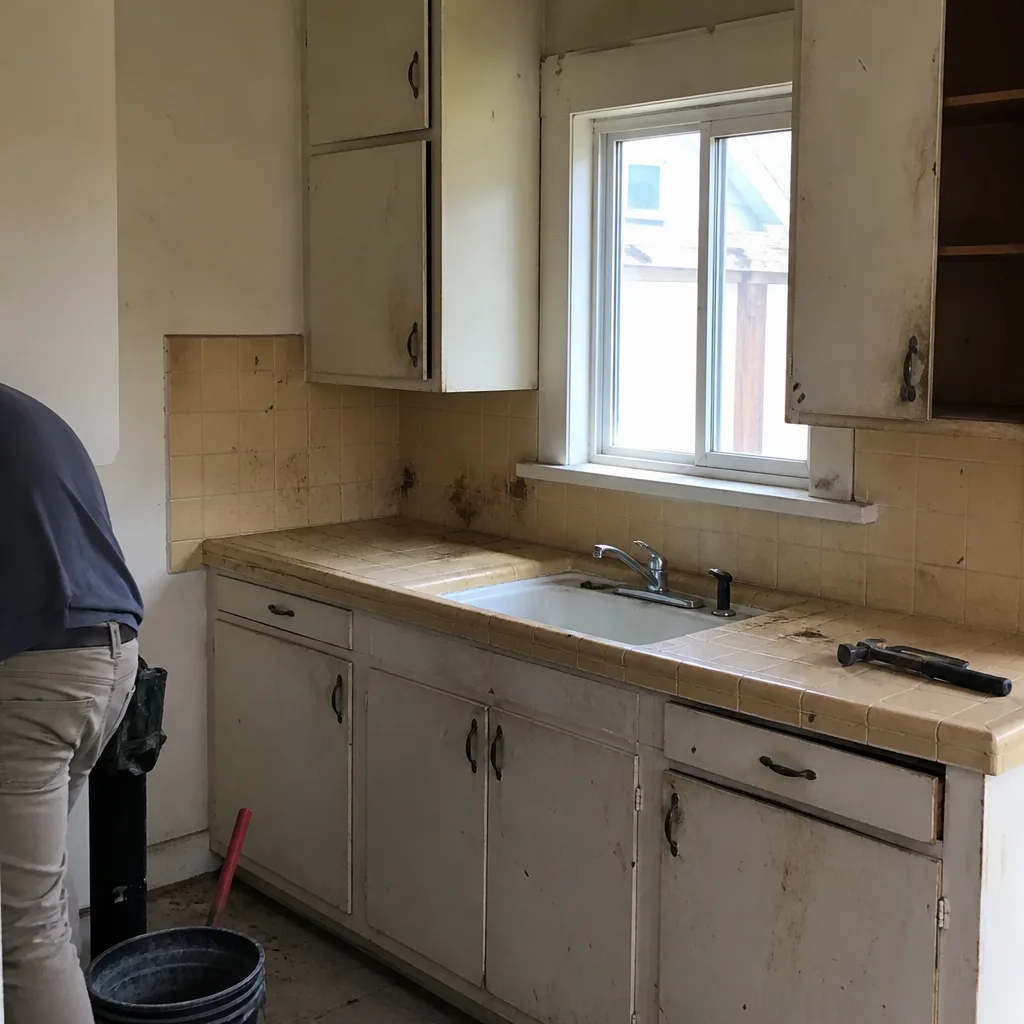 Before
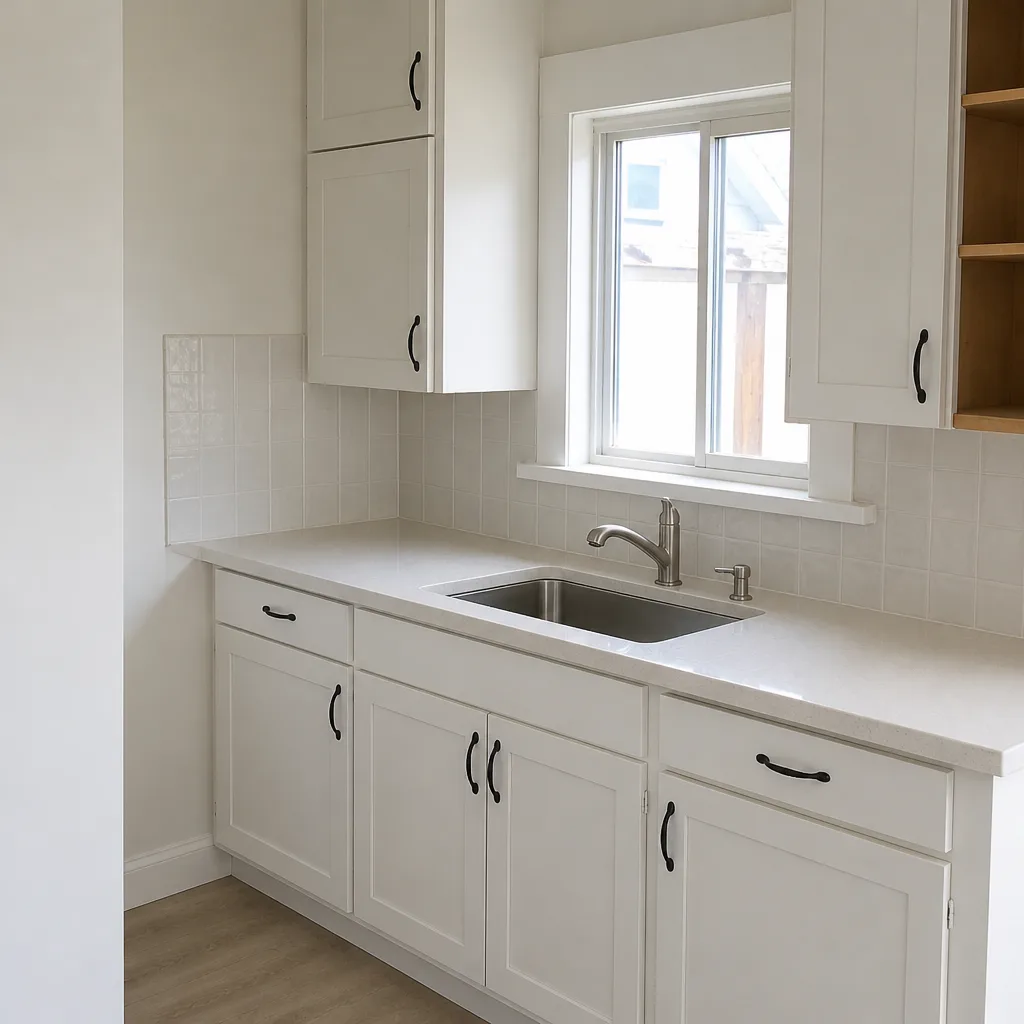 After
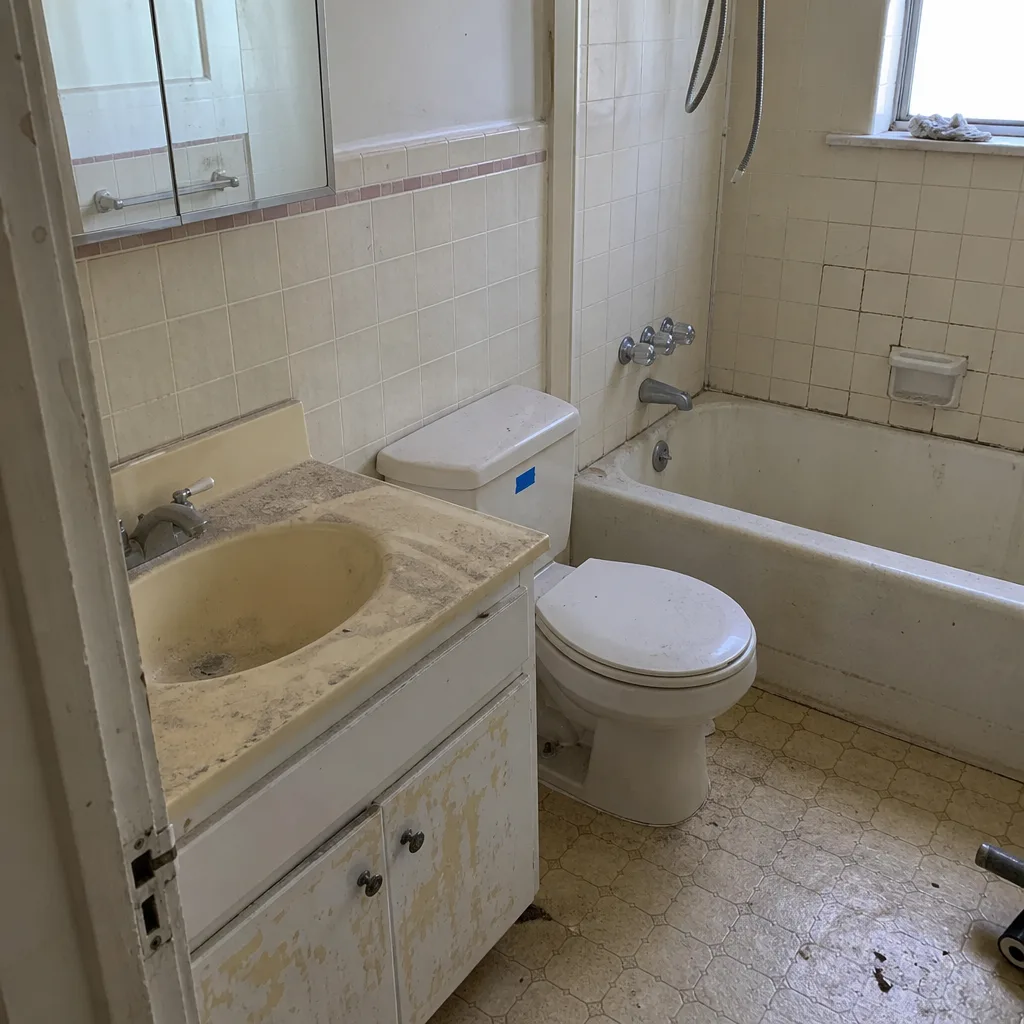 Before
 After
 Before
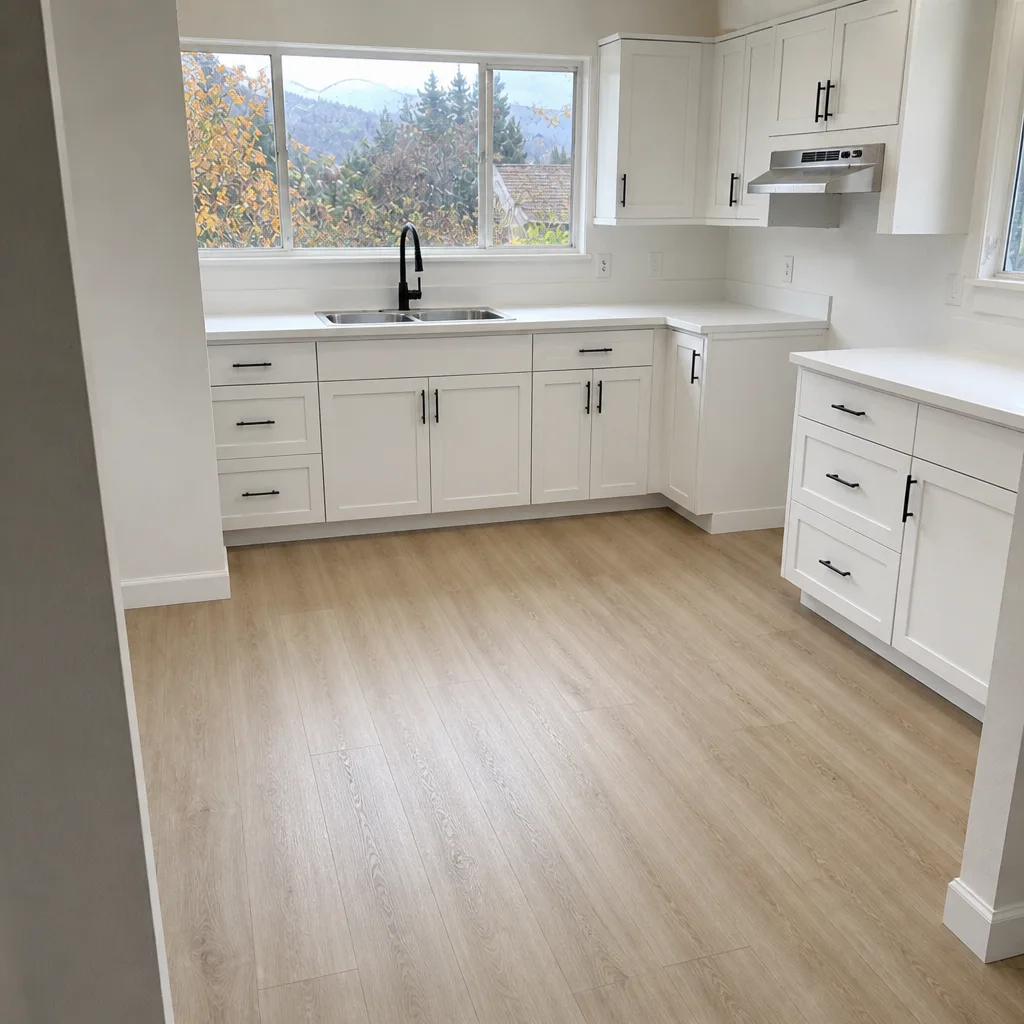 After
When to Call a Professional
Some material decisions are easy to research on your own. Others are inspection-critical and dangerous to guess at. Call a professional when a retaining wall or site drainage touches a neighbor’s property or a hillside, when a new driveway ties into the public right-of-way, when a foundation or structural element is involved, and any time a manufacturer spec sheet references an engineered installation method. Also call when you’re replacing a hardscape that failed prematurely – the failure pattern usually tells an experienced contractor which material spec was wrong. Groundwork Construction Co. of Oakland offers free estimates in Oakland – call (833) 997-7759 to schedule one. We’ll bring the material list, the spec sheets, and the itemized pricing so you can compare brands on the same page.
Frequently Asked Questions
It matters because the brand is what determines whether a written warranty exists, whether a published spec sheet backs up the product’s compressive strength and absorption numbers, and whether replacement parts will be available in five years. Generic or contractor-mixed material has no manufacturer warranty and no published spec. Brand isn’t marketing in this category – it’s the difference between a documented product and an anonymous one.
Ask which manufacturers they hold accounts with for each material category on your job, and ask them to name the product line and colorway on the estimate. A real partnership produces a specific brand and a spec sheet; an unpartnered contractor is buying off the shelf. You can also contact the manufacturer directly and ask whether the contractor is a registered installer or preferred partner in your area.
Many are, but the rules vary by manufacturer and product line – some require a small registration fee, some require proof of purchase and install date from the contractor, and some don’t transfer at all. Ask the contractor to provide the specific warranty terms before you sign, and check the exclusions page for whether the warranty requires installation per manufacturer specification. In Oakland, where resale often triggers hardscape questions from a buyer’s inspector, a transferable warranty is worth confirming at the outset.
You’re relying on the contractor’s workmanship guarantee and any additional written coverage. This is why we hold everything we install to the 730-Day Done Right Promise – if it’s not done right, we make it right – and why the written terms should be part of the contract, not verbal. The overlapping coverage is the whole point: manufacturer warranty on the product, contractor guarantee on the installation.
Ask to see the batch ticket for ready-mix concrete – a legitimate supplier provides mix design, slump, and delivery time. For pavers and drainage products, check the pallet labels before placement and require the contractor to photograph them. If the estimate says “pavers” or “drainage” without a brand and product line, that’s your cue to ask for specifics before any material arrives on site.
Oakland’s building permit and inspection process requires materials to meet published standards for the scope, and some hillside retaining walls and drainage systems require engineered design. A contractor with a manufacturer partnership is generally following the published install method, which aligns with the standards that inspections verify. Ask upfront which standards apply to your scope and require the material list to reference the manufacturer spec sheet, so the warranty and inspection documentation line up.
The Bottom Line
Choosing a construction brand in Oakland comes down to three things you can verify before the job starts: a written, transferable manufacturer warranty with published exclusions, a documented spec sheet that meets the climate cycle your property actually faces, and a contractor who holds a real partnership with that manufacturer so parts and accountability survive the next five years. The material in your driveway, wall, or foundation system is the part of the project you’ll live with longest, so ask about it during the estimate, not after. Free estimates in Oakland are available – call (833) 997-7759 – and upfront pricing with the brand list and spec sheets in writing is how every project should start.
Written by the team at Groundwork Construction Co. of Oakland.