
Last updated November 17, 2026
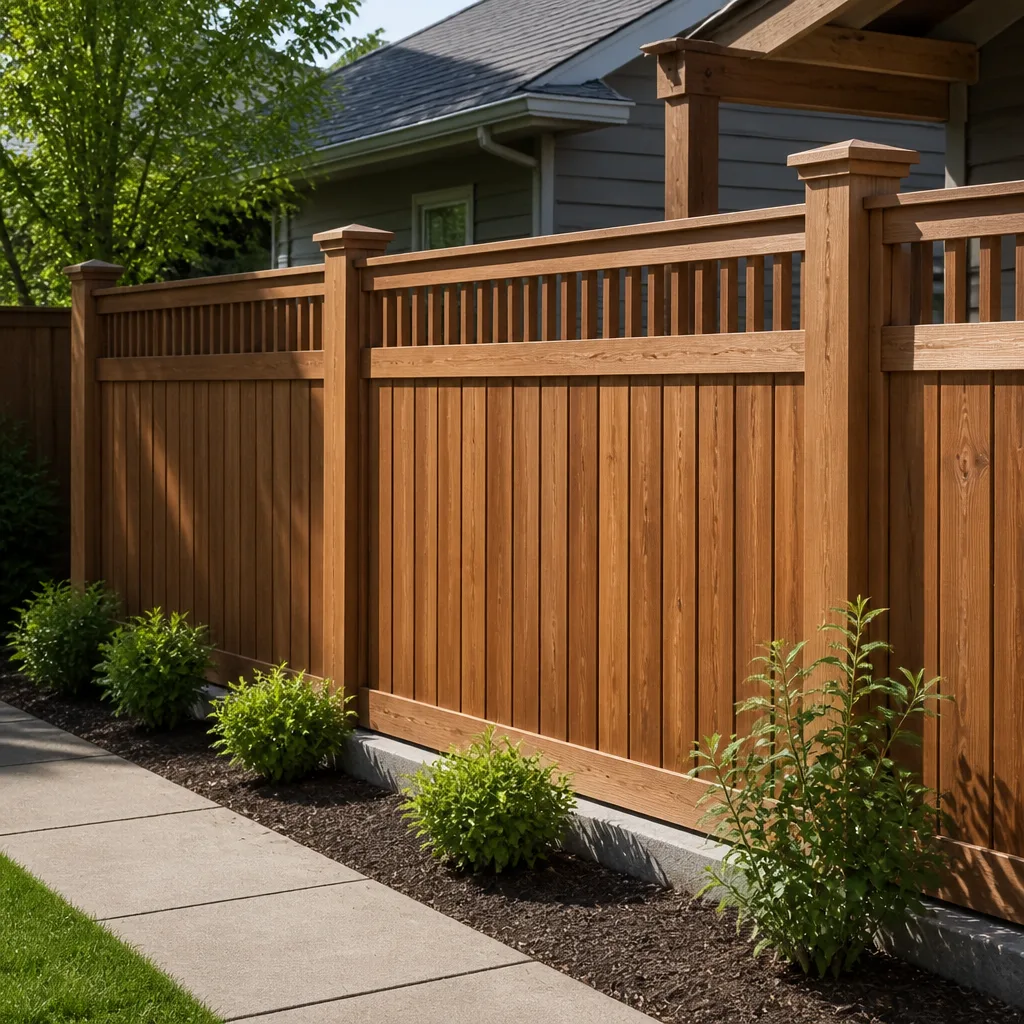 Fence
 Kitchen remodeling
 Bathroom remodeling
 Home additions & ADU
 Roofing
 Windows & doors
 Driveway & pavers
Free written scope consultation - allowances, timeline, and change-order rules on paper before a single trade is scheduled
How Long Does Fence Installation Take? Timelines and What to Expect
A “two-day fence job” in Oakland can quietly stretch to six weeks before a single post goes in the ground. The contractor who didn’t warn you isn’t lying, they just never bothered to explain the permit and inspection layer that sits in front of the fun part. That gap between the sales pitch and the calendar is where most Oakland fence projects get sideways. This guide breaks fence installation into its four real phases: permit and approval, material procurement, ground prep, and installation. You’ll see how hillside access, EBMUD easements, neighbor notifications, and East Bay clay each move the finish date, and you’ll learn how to build a schedule that actually holds.
Quick Answer
A typical residential fence in Oakland takes 2 to 5 days of actual installation work once the crew is on site. The full project, from signed contract to final inspection, runs 3 to 8 weeks, and the gap is almost always permits, material lead times, and ground conditions rather than labor. Plan for 4 to 6 weeks and you’ll be right far more often than the homeowner who budgeted for a weekend.
Styles & brands we work with
- Kitchen remodeling
- Bathroom remodeling
- Home additions & ADU
- Roofing
- Windows & doors
- Driveway & pavers
- Fence
Table of Contents
- The Four Phases of a Fence Project
- Oakland Variables That Add Days or Weeks
- How East Bay Soil Affects Your Timeline
- Material Lead Times by Fence Type
- What Installation Day Actually Looks Like
- Why Every Honest Bid Includes a 20% Buffer
- Common Mistakes to Avoid
- Frequently Asked Questions
The Four Phases of a Fence Project
Most guides lump everything into “installation” and hand you a number that only covers the last phase. When you’re scheduling a project around work, kids, or a dog that can’t be loose in the yard, the phases before the crew shows up are the ones that decide the date. Here they are in order, with honest ranges for Oakland.
- Permit and approval (1 to 4 weeks). Most fences over 6 feet, and any fence in a front setback or on a corner lot, need a city permit. Plan check for a simple fence usually clears in 5 to 10 business days, but a fence that touches a slope, a creek setback, or a designated view corridor can run 3 to 4 weeks in Oakland. Start the permit the day you sign, not the week before installation.
- Material procurement (1 day to 5 weeks). Standard cedar and pressure-treated pine from a Bay Area supplier can be delivered in days. Cedar in a specific grade or a clear vertical-grain board can take 2 to 3 weeks. Ornamental iron in a custom profile runs 4 to 6 weeks. Vinyl is the wildcard: common colors arrive quickly, but anything made to order sits in a factory queue.
- Ground prep and layout (1 to 3 days on site). This is where crews locate utilities, dig post holes, auger to depth, and set posts. On flat Oakland lots this is quick. On a sloped lot in the hills, or where a retaining wall is needed at the base, add days.
- Installation (2 to 5 days). Fence length, material, and terrain all move this number. A 60-foot horizontal cedar fence on flat ground gets done in 2 days. A 200-foot fence stepping down a grade in rock takes 4 to 5.
Add those up and the range is 3 to 8 weeks for most Oakland projects. The answer to “how long does fence installation take” depends entirely on which of those four phases you’re really asking about. If you’re ready for a written line-item schedule with each phase broken out, our Fence Installation in Oakland page walks through what we quote.
Oakland Variables That Add Days or Weeks
Oakland has site conditions that rarely show up on a general “how long does it take” guide written for a flat suburban lot. Each one can stretch the schedule, and each one is knowable before you sign.
- Hillside lot access. A lot off Skyline or in the Oakland Hills often means narrow driveways, stairs to the work area, or no vehicle access to the back of the property. Materials that would be forklifted in on a flat lot get carried in by hand, which adds a day or two to both prep and install.
- EBMUD easement checks. Properties near a drainage channel or with an EBMUD easement across the back line may need the utility’s sign-off before a fence goes in. That review is measured in weeks, not days, and discovering it after you’ve ordered materials is how a project loses a month.
- Neighbor notification and shared lines. California law lets you build a fence up to the property line, but a fence set directly on a shared line needs your neighbor’s cooperation, and a survey may be needed to confirm where the line actually sits. On an Oakland lot that has never been surveyed, that survey adds 1 to 2 weeks.
- Tree protection. If a protected oak or redwood sits within a few feet of the fence line, an arborist report or a shift in the layout may be required. Trees don’t move fast, so neither does the schedule.
- Wind and slope exposure. On an exposed ridge in the hills, a fence needs deeper footings and bracing, which is quick work but requires a stouter design than a flat-lot build. That changes material and time.
None of these are reasons to skip a fence. They’re reasons to get the site assessed before you commit to a start date. In a city this hilly, where the lot next door may sit 20 feet higher than yours, the same fence length can take twice as long depending on where it goes.
How East Bay Soil Affects Your Timeline
East Bay soil is a big reason fence schedules aren’t interchangeable. Two lots two blocks apart can behave completely differently when a post goes in the ground, and the soil decides how long the workable installation window actually is.
Clay-heavy flats. Much of Oakland’s flatland, from Fruitvale through the Laurel, sits on heavy adobe clay. Clay holds water, and a dug hole in wet clay can’t take concrete the same day. In the rainy months, we’re often back-filling a hole with a gravel base and waiting a day before concrete goes in. This is not a problem, but it does add time to what looks like a simple job.
Rocky hillside ground. Up in the hills, the ground can be a mix of rock and hardpan. A two-person auger that takes minutes on clay can take an hour or more per hole on rock. Some holes have to be dug by hand. On a 150-foot fence with 20 posts, that difference alone is a day and a half.
Concrete cure time. Fence posts set in concrete need roughly 24 to 48 hours to cure before the panels and rails go on, and full strength takes longer. A crew that comes back the next morning is working on a schedule where cure time is factored in. A crew that panels everything the same day is taking a shortcut that shows up in a leaning fence after the first wet winter.
We’ve watched Oakland fences get installed in a single visit under favorable ground conditions and take four days on a rocky hill lot. The honest answer to “how long will this take” accounts for what’s underground before the first board goes up.
Material Lead Times by Fence Type
Material availability has its own timeline, and it varies more than most homeowners expect. Here’s what the current market looks like for the fence types we install most in Oakland.
- Standard pressure-treated pine: 2 to 7 days. Readily available from Bay Area suppliers in common heights. Cheapest on material but shortest useful life in a wet climate, so it’s a budget decision, not a timeline one.
- Western red cedar: 1 to 3 weeks. In stock in common board sizes, but a specific grade, a clear vertical-grain look, or a pre-stained finish pushes into 2 to 3 weeks. Cedar is the most common premium choice in Oakland for good reason: it handles moisture well and looks right in the hills.
- Vinyl: 1 to 4 weeks. Standard white and tan arrive quickly. Colors or textures made to order from a manufacturer run longer, and factory schedules in the current market can slip.
- Ornamental iron and aluminum: 3 to 6 weeks. Custom profiles, powder-coat colors, and gates are fabricated to order. If you’re planning an iron fence or gate, place the order as soon as the layout is approved, or you’ll be waiting on fabrication while everything else is ready.
- Composite and wood-plastic: 1 to 3 weeks. Less common in Oakland but growing. Availability tracks the manufacturer’s regional warehouse, so a specific brand and color can add days.
The practical takeaway: if you want cedar or iron, order early. If you can accept a standard material and standard finish, the material phase barely matters. When we quote an Oakland project, the material timeline is written into the bid so you can see exactly what you’re waiting on and why. Our Driveway & Pavers in Oakland service runs on the same principle, since pavers also live or die on material lead times.
What Installation Day Actually Looks Like
Seeing the sequence makes the whole project feel less mysterious, and it gives you a way to check that the crew is working a real schedule instead of rushing the part nobody sees.
- Layout and utility locate. The crew marks the line, confirms the elevations, and verifies the underground utility locate has cleared. Digging before a locate clears is how a fence project becomes a plumbing emergency.
- Post holes and setting. Posts are dug to depth for the fence height and soil type, then set in concrete. On a slope, the posts step down in a consistent pattern so the top line reads level from the street.
- Cure and framing. Once the concrete has set, rails and framing go on. This is where the fence gets its strength, and it’s where a crew that skips the cure time shows its work.
- Boards, panels, and finish. Pickets or panels go up, gates get hung, and everything gets a final check for plumb, spacing, and gate swing.
On most Oakland residential fences, this runs 2 to 5 days on site. The wildcards are weather (a steady rain can stop a crew in its tracks, especially with clay and exterior finish work) and any surprise buried condition like an old concrete wall or irrigation line at post depth.
Why Every Honest Bid Includes a 20% Buffer
Adding a 20% time buffer to a fence schedule isn’t pessimism, it’s standard practice on any bid that respects the homeowner’s calendar. If the honest range for a project is 4 weeks, the committed timeline should read closer to 5. The buffer absorbs the permit review that takes longer than promised, the material delivery that slips, and the rain that lands on installation week.
What a buffer protects you from is a hurry-up crew that cuts corners to hit a fabricated date. A crew that plans 20% slack can set posts properly, let concrete cure, and still finish on the calendar they gave you. Trust and workmanship are the subject here, so this is where we lead with our 730-Day Done Right Promise: if any part of the work isn’t done right, we make it right. A fence that goes in on a rushed schedule is a fence more likely to come back. Built to last, backed in writing, starts with a schedule that has room in it.
The other half of the trust story is a written line-item estimate with no change orders on account of guesswork. Upfront pricing, no surprises. When the schedule and the price both hold, the project stops being something you have to babysit. If your fence project sits alongside a bigger plan, like an addition or an ADU, our Home Additions & ADU in Oakland team schedules those phases around the same rule.
Common Mistakes to Avoid
- Starting the permit after you order materials. Two timelines running in parallel sounds efficient, but a permit that takes longer than the delivery leaves materials stacked in the rain. Start the permit first and order once you know it’s approved.
- Assuming the fence line is where the old one stood. Old fences drift. On an Oakland lot that’s never been surveyed, assume the line needs confirming before anyone digs.
- Skipping the EBMUD easement check. A fence that lands in an easement may have to come back out. That check is a phone call you make before installation, not after.
- Booking installation for the rainy season. January and February in Oakland can push a fence install back a week or more, and wet clay adds curing time on top. Spring and early fall are the cleanest windows.
- Accepting a “same-day panel” shortcut. Anyone who panels a fence the same day the concrete is poured is trading your fence’s lifespan for their schedule. Concrete needs to cure.
- Ignoring the neighbor notification requirement. A fence on a shared line needs a conversation, and sometimes a signed agreement. Skipping that step turns a friendly project into a dispute.
- Building a buffer into nothing. A timeline with zero slack is a timeline that breaks the first time something slips. Plan for 20% more and give yourself room to breathe.
See the difference
 Before
 After
 Before
 After
 Before
 After
When to Call a Professional
Some fence work is straightforward enough to handle yourself, and some definitely isn’t. Call us when any part of the following applies: the fence touches a property line you haven’t confirmed, the site is on a hill or slope where drainage and post depth get complicated, the fence needs a permit (which most do), the ground is rocky or the soil is heavy clay, or the job is over about 100 feet. Those are all conditions where a single mistake, like a post set too shallow, costs more to fix than the fence cost to build. Groundwork Construction Co. of Oakland offers free estimates in Oakland – call (833) 997-7759 to schedule one. We’ll walk the site, check the line, flag the permit path, and give you a written schedule and price before you commit. Our technicians have up to 12 years of experience, are background-checked, and arrive in uniform.
Frequently Asked Questions
Most Oakland residential fences take 2 to 5 days of on-site installation and 3 to 8 weeks from signed contract to final inspection. The full schedule depends on the permit, material lead times, and the slope and soil of your lot. Call (833) 997-7759 for an exact estimate – estimates are free.
Most fences over 6 feet in height, and any fence in a front setback or on a corner lot, need a city permit. Permit review typically runs 5 to 10 business days for a straightforward fence, but a fence touching a slope, creek setback, or view corridor can take 3 to 4 weeks. Confirm the requirement for your specific lot before ordering materials.
Rarely, and not safely. The permit and concrete cure times are fixed, and rushing either one trades speed for durability. A crew that promises a fence in one day is skipping cure time or skipping the permit. We’d rather give you a schedule that holds than a date that gets cut short: our 730-Day Done Right Promise means if the work isn’t right, we fix it.
Standard pressure-treated pine is the fastest material to source, typically 2 to 7 days from a Bay Area supplier. Western red cedar runs 1 to 3 weeks, and custom ornamental iron can take 4 to 6 weeks. If you’re on a tight schedule, choose a standard material and standard finish.
It shouldn’t. A written line-item estimate based on a site walk covers the fence you actually need, including the post depth and material. The number you see is the number you pay. If a site inspection turns up something that changes the scope, that gets discussed before any work proceeds. Call (833) 997-7759 for an exact quote.
Concrete-set posts need roughly 24 to 48 hours to cure before the rails and panels go on. Full strength takes longer. This cure window is a real part of the install schedule, not an optional step, and a crew that skips it is setting your fence up to lean.
Yes. A hillside lot in the Oakland Hills adds at least one or two days for material handling, deeper footings, and uneven terrain. Access is the real variable: if materials can’t be forklifted to the work area, they get carried by hand, and that time adds up.
Yes. Groundwork Construction Co. of Oakland offers free project estimates and a design consult. We walk the site, check the property line, and give you a written schedule and price. Call (833) 997-7759 to set that up. Calls are answered by a live person, 24/7.
The Bottom Line
Most Oakland fence projects take 4 to 6 weeks start to finish, and only 2 to 5 of those days are actual installation. The rest is permits, material procurement, ground prep, and concrete curing – the phases every honest timeline names. Plan the permit first, order materials once the permit clears, confirm the property line before anyone digs, and build in a 20% buffer. Add the Oakland variables on top: hillside access, EBMUD easements, neighbor notices, and East Bay clay each move the finish date if you don’t account for them. Get the schedule right, and the fence goes in on time and stays there.
When you’re ready to price the job, we’ll walk your lot, check the line, and hand you the schedule in writing. Groundwork Construction Co. of Oakland builds fences that hold up to the East Bay for years, backed by a 730-Day Done Right Promise. From foundation to finish line, we handle every part of the project, including the permits. Call (833) 997-7759 for a free estimate and design consult, or start at our Groundwork Construction Co. of Oakland home to see all seven service lines. Financing is available, including 0% for 18 months and $1,000 off projects over $10,000.
Written by the team at Groundwork Construction Co. of Oakland.