
Last updated November 17, 2026
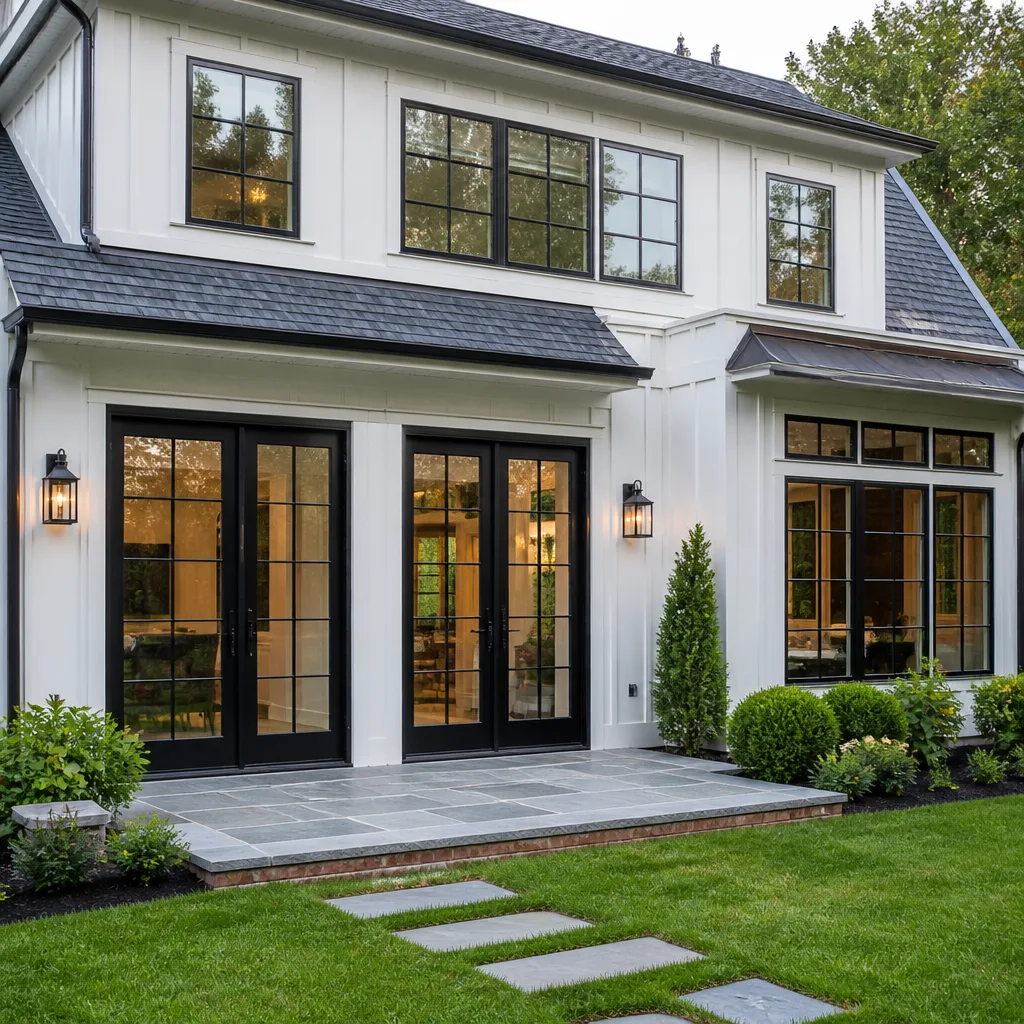 Windows & doors
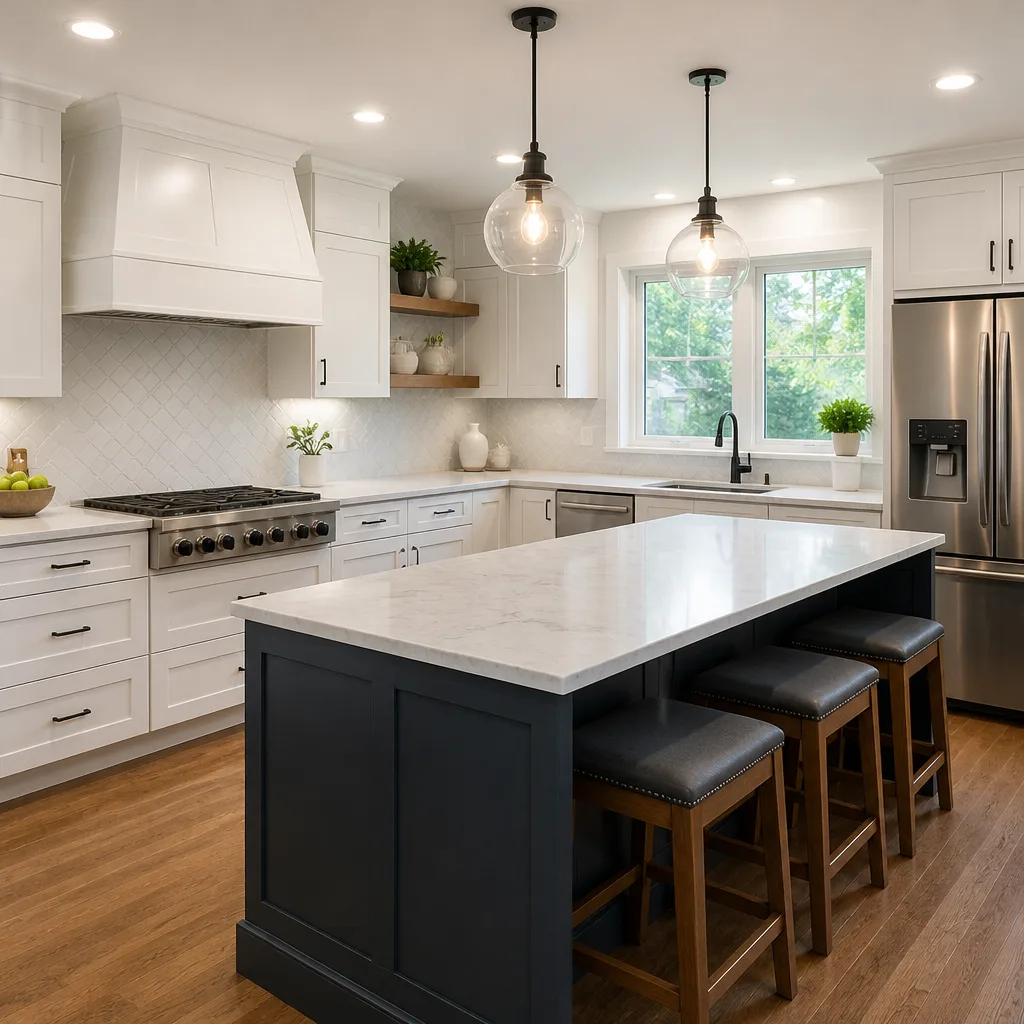 Kitchen remodeling
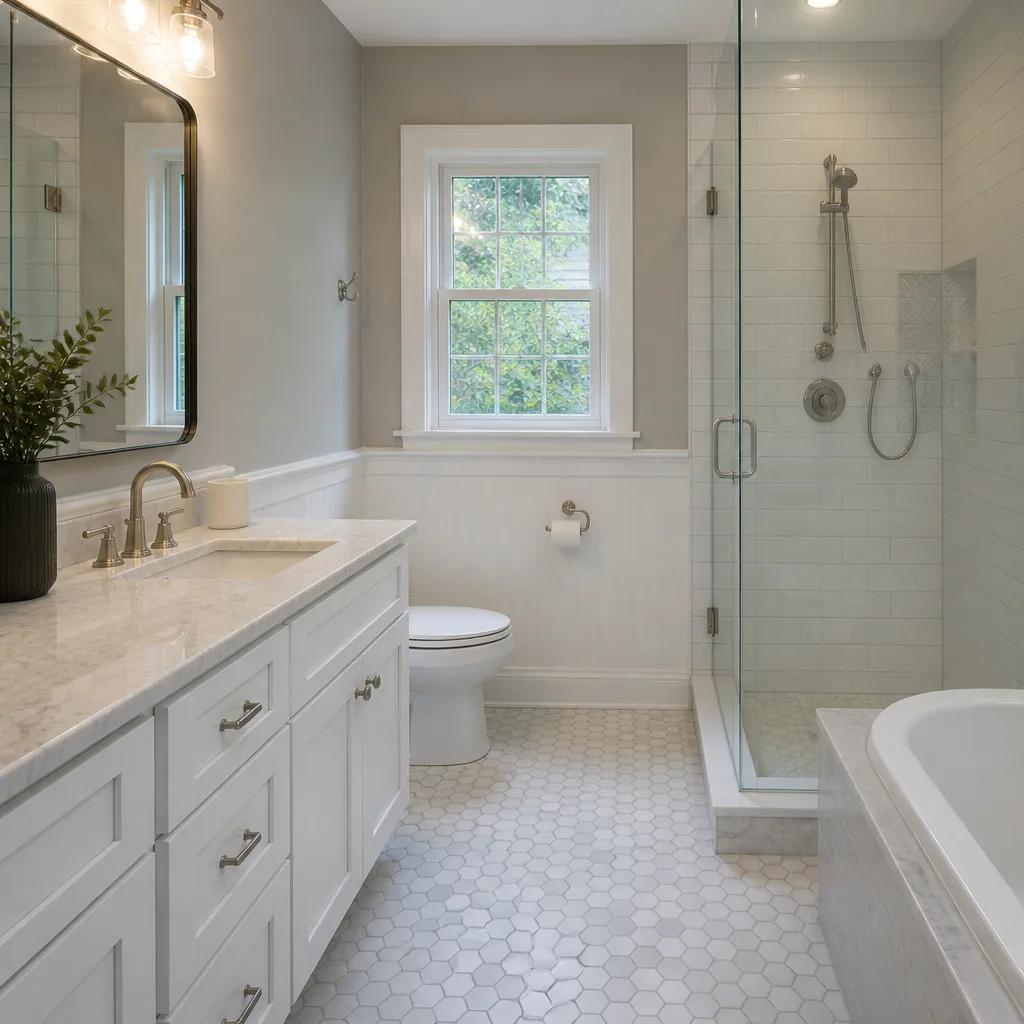 Bathroom remodeling
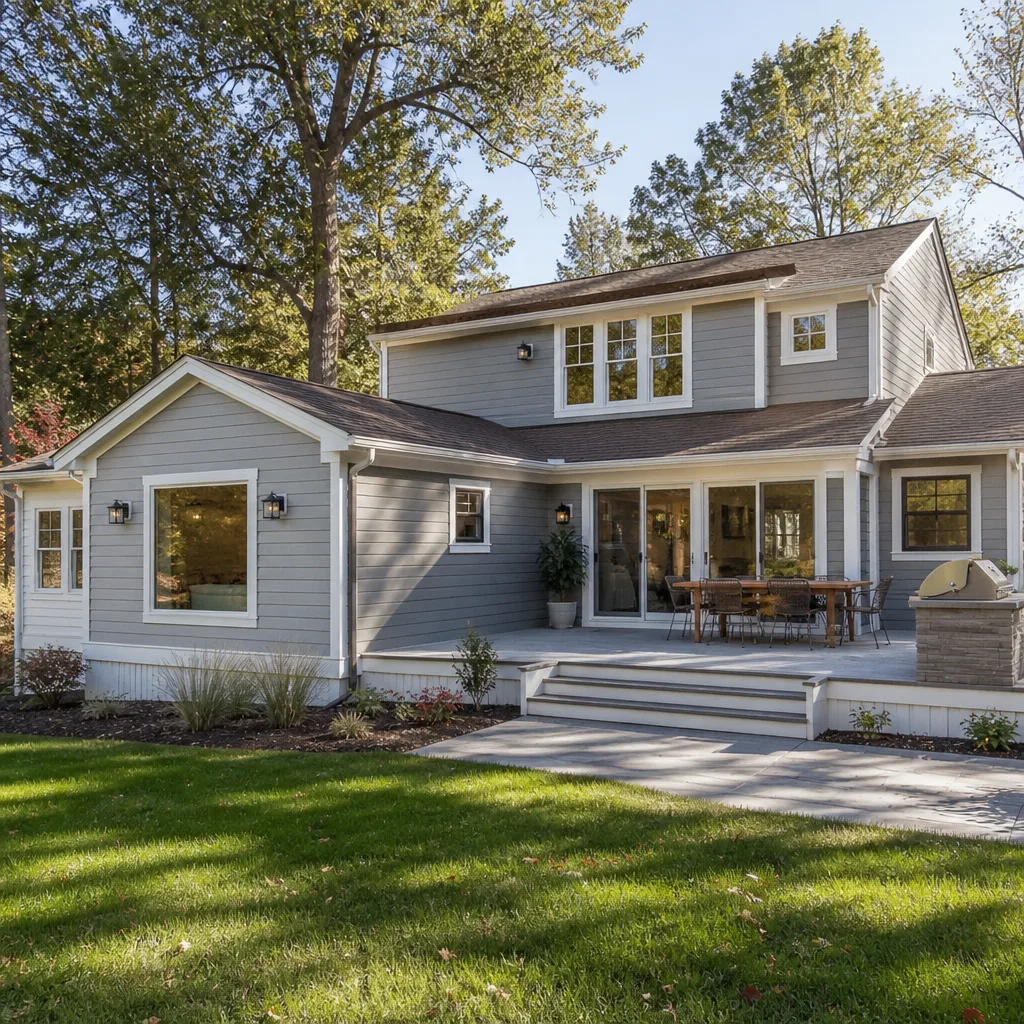 Home additions & ADU
 Roofing
 Driveway & pavers
 Fence
Free written scope consultation - allowances, timeline, and change-order rules on paper before a single trade is scheduled
How Long Does Windows & Doors Take? Timelines and What to Expect
Homeowners who get a quote in October and expect windows installed by Thanksgiving are regularly disappointed. Not because contractors are slow, but because quality window lead times from most manufacturers run 6 to 12 weeks, and nobody says that at the first meeting. The same gap between expectation and reality shows up on doors, especially custom entry units and anything with a factory finish. This guide maps the honest timeline for window and door replacement in Oakland: how long the install itself takes, what happens between signing and delivery, why the inspection calendar in Alameda County can stretch a project, and how weather on the east side of the hills can push exterior sealing work. You’ll leave knowing how to plan a start date that actually holds.
Quick Answer
A single window or door replacement is usually a one-day job. A whole-house window replacement in Oakland typically takes 3 to 7 installation days spread over one to two weeks, with the bigger timeline driven by manufacturer lead times of 6 to 12 weeks, permit approval, and inspection scheduling. Plan 2 to 4 months from signed contract to final inspection on a full re-window project, and about 1 to 2 months for a single door or window that isn’t a custom order.
Styles & brands we work with
- Kitchen remodeling
- Bathroom remodeling
- Home additions & ADU
- Roofing
- Windows & doors
- Driveway & pavers
- Fence
Table of Contents
- Timelines by Project Type: Single Door to Whole House
- How Manufacturer Lead Times Really Work
- Oakland Permits and Inspection: What It Adds
- Weather Windows and Why Exterior Sealing Can’t Be Rushed
- What Happens on Installation Day
- Sequencing a Multi-Room Project to Reduce Disruption
- Doors and Windows Aren’t the Same Timeline
- Common Mistakes to Avoid
Timelines by Project Type: Single Door to Whole House
The number homeowners ask for first is install days. The number that actually controls the calendar is lead time plus inspection. Here’s how the two combine across the most common project sizes we see in Oakland.
Single door replacement (like-for-like size, stock unit). One day on site. If the door is a stock size and doesn’t require framing changes, we can usually order, install, and finish in 3 to 5 weeks from contract signing.
Single door replacement (custom or non-standard). One to two days on site. Custom entry doors with sidelights, transoms, or a specific factory finish run 8 to 14 weeks from order to delivery. The install itself is faster than the wait.
Single window replacement. Half a day to one day on site. Like-for-like size in an existing opening is the fastest job in this category. Expect 4 to 6 weeks from signing to completion for a stock-size unit, longer if the manufacturer is back-ordered on a specific color or glass package.
Partial home re-window (one floor, or a room cluster). Two to four install days. A common scope in Oakland homes is the front-facing windows on a bungalow in Temescal or a second-floor set in Rockridge. Expect 6 to 10 weeks from order to completion depending on unit count and manufacturing.
Full whole-house window replacement. Three to seven install days for a typical 1,400 to 2,400 square foot Oakland home, with 10 to 20 window units, often a mix of single-hung and slider. Full-project timeline: 2 to 4 months from signed contract to final inspection.
The single biggest reason a window project slips is not the crew. It’s the manufacturer’s production calendar. A project that feels like it should take two weeks actually takes ten because the units are on a 12-week production queue and the inspection calendar is three weeks out. We’ve watched homeowners plan a new living room layout around a window install and then have to reschedule the interior work twice because the delivery date slid.
How Manufacturer Lead Times Really Work
Window and door lead times are not one number. They’re a stack of steps inside the factory, and each step has its own queue. If any step backs up, the whole order moves.
- Order intake and confirmation. The manufacturer receives the specs, confirms sizes, glass package, color, and hardware, then schedules production. This is usually 3 to 7 business days.
- Glass fabrication. Insulated glass units are made separately from frames and then assembled. Specialty glass, tempered, laminated, or low-E with a specific coating, adds time. Expect an extra 1 to 2 weeks if you’re specifying a non-standard glass build.
- Frame and sash production. Standard sizes move faster. Custom sizes and custom colors (a painted exterior, a non-standard interior finish, a matching stain) can add 2 to 6 weeks.
- Assembly and quality check. The unit is built and tested.
- Shipping and delivery to the site. Local delivery for an Oakland address usually takes 1 to 2 weeks after manufacture. Special-order or out-of-region production adds transit time.
Where a customer usually loses weeks is in the specification phase, not the factory. Changing a color or a glass package after the order is placed resets part of the queue. Specifying the right brand upfront saves time: a window ordered in a standard Andersen or Marvin configuration moves faster than a custom-built unit, and we build the schedule around that. Same with doors. A Sterling or a Grohe-spec entry door with a standard finish gets through production faster than a door that needs a custom millwork detail or a specialty hardware package.
For a whole-house window replacement in Oakland, most of the schedule is consumed by lead time. Crew size helps on install days, but it doesn’t shorten a factory queue. A two-person crew and a four-person crew both wait the same 10 weeks for delivery.
How to use this: if you need windows before a specific date (a family event, a sale, a rental turnover), you need to start the process 3 to 4 months ahead of that date, not 4 weeks. If you’re comparing quotes and the numbers are close, ask each contractor for the manufacturer’s current quoted lead time in writing, not a general estimate.
Oakland Permits and Inspection: What It Adds
Like-for-like window replacement in an existing opening (same size, same style) usually doesn’t require a permit in Oakland, but changing the opening size, adding a new opening, replacing a window with a door, or making a structural change to the wall does. This is the point where projects slow down, and where a lot of contractors either skip a step or hand the homeowner a surprise.
When a permit is required, here’s the sequence in Oakland:
- Application and plan submission. Plans go to the city’s Building Services. Simple like-for-like changes on a permitted opening can be processed in a few business days; anything structural or where the egress path may be affected takes longer.
- Plan check. Usually a couple of weeks for a straightforward window or door replacement, longer if there are comments and revisions.
- Permit issuance. Allow 2 to 4 weeks from application for a typical residential window job, more if the plan check comments require a second round.
- Work and rough inspection. Rough inspection happens after framing and before finish, so on a window project it’s usually same-day or next-day during the install.
- Final inspection. Scheduled after installation and flashing are complete. The city inspection calendar can run 1 to 3 weeks out depending on workload.
What this means for your project timeline: permit and inspection add roughly 3 to 8 weeks to the overall calendar on a permitted window job. If you’re planning a project where the window install is part of a larger scope, like a Home Additions & ADU in Oakland, the window permit folds into the larger permit and doesn’t add much. If it’s a standalone window project, the permit alone can eat a month of your schedule.
Here’s the detail most contractors skip: a final inspection is a real milestone, not a formality. If your windows are installed without the flashing detail and the inspector flags it on final, you’re pulling units and re-doing work. Getting the permit pulled and the inspection passed in one pass is the reason to hire a contractor who does this routinely in Oakland. We build permit lead time into the schedule from day one so it’s not a surprise at month two.
Weather Windows and Why Exterior Sealing Can’t Be Rushed
Windows and doors are the one part of home construction where the weather actively decides your schedule. Flashing, sealant, and exterior trim work all require dry conditions and a temperature range. On a warm dry week in Oakland, that’s easy. On a wet week between November and March, it isn’t.
What weather stops work on a window install:
- Wet exterior walls. You can’t seal a window opening into a wet wall without trapping moisture. If the wall is wet, the install stops and the opening gets protected until it dries.
- Rain during the install window. Each window opening is exposed for a few hours while the old unit comes out and the new unit and flashing go in. Rain during that window means the opening gets tarped and the install waits for a clear window.
- Cold temperatures and sealant cure. Exterior sealants and flashings have temperature ratings, and most need to be applied above a minimum temperature. In Oakland the lows usually stay within range, but on cold mornings in the Oakland hills, sealant cure slows and we wait for the surface to warm up before finishing the exterior.
- Wind. High wind makes exterior trim and flashing install unsafe on upper floors, and makes large glazed units harder to handle safely. On a second-story install in the hills, a windy week can push the schedule.
The reason not to rush it: the exterior sealing around a window is the part of the job that prevents water intrusion. A rushed flashing detail is the most common source of window leaks, and leaks in a Bay Area rainy season show up fast. The extra day or two you spend waiting for a dry window is far cheaper than pulling siding in February to fix a leak. We plan the install around the forecast and schedule the exterior sealing so it’s finished before the next rain, not after the wall shows water.
If you’re doing a larger exterior project alongside the windows, weather affects it too. A Driveway & Pavers in Oakland install depends on dry conditions for base prep and joint sand, and the two projects can be sequenced around the same weather window. Same with a Fence Installation in Oakland: if you’re doing exterior work, grouping it into a dry season week is more efficient than running each project separately.
What Happens on Installation Day
Installation day is where the homeowner’s experience actually happens. A well-run install day is quiet, protected, and clean. A poorly run one is a mess that takes weeks to recover from. Here’s what a properly run install day looks like for a window or door replacement.
- Morning setup. Floors are covered, furniture is moved or protected, and the work area is staged. On a whole-house job, furniture in the work area is moved the day before if possible.
- Removal and inspection of the opening. The old unit comes out, and the rough opening is inspected for rot, water damage, or framing problems. This is where surprises show up (a rotted sill from an old leak, a converted opening from an earlier renovation), and where the schedule can change if hidden damage is found. Most like-for-like replacements have no surprises. Older Oakland homes sometimes do.
- Installation. The new unit goes in, gets shimmed, leveled, and secured, and the flashing detail goes in.
- Insulation and sealing. Spray foam or insulation fills the gap between the unit and the framing, and the interior and exterior sealant go in. This step is the one that determines whether the window actually performs.
- Trim and finish. Interior trim and exterior trim are installed. If the project includes paint or stain, that’s the next step, and it’s weather dependent on the exterior.
- Cleanup and walk-through. The work area is cleaned, and you walk the job with the crew to check operation, fit, and finish before they leave.
For a single window or door, install day is one day, start to finish. For a whole-house window job, the crew works through the units in a sequence (see below), and the last exterior sealing step is the one that determines the finish date. A common pattern in a full re-window: three to five install days on site, with one weather buffer day built in. If the weather holds, the crew finishes ahead of the buffer. If it doesn’t, the buffer catches the delay without moving the final date.
Sequencing a Multi-Room Project to Reduce Disruption
In a whole-house window replacement, the schedule isn’t just “how many days.” It’s “how do we keep the household functioning while the crew works through the house.” A good sequence protects the home’s daily life and keeps the crew productive. Here’s how we typically sequence a multi-room project in an Oakland home.
- Group the work by exterior wall. The crew works one side of the house at a time so the ladder and staging are set up once per side, not moved constantly. This is faster and cleaner for the site.
- Start upstairs, finish downstairs. On a two-story home, working from the top floor down lets the crew handle the upper-floor staging and safety setup once, then drop down. It also means the upstairs bedrooms get disrupted early in the project and are back to normal first.
- Do the least-used rooms first. Bedrooms and bathrooms can be worked early if the household can shift activity for a couple of days. The living and kitchen windows get scheduled for when the household has the least going on.
- Keep one functioning bathroom window and one functioning door in each room cluster at all times. No room is left without a window for more than the hours of its own install day. A bathroom window gets replaced on the day the household can use another bathroom.
- Schedule the door last in each area. Doors are the entryways; doing them last means the household has functioning entries throughout the window install, and the door install day doesn’t block the rest of the work.
For a partial re-window, the same logic works at smaller scale. Group the front-facing windows on one day so the household can plan around it, then the rest on the following days. On a Temescal bungalow with 12 units on three sides, we’d typically sequence it into three install days with one weather buffer, which gives the household a predictable schedule and one clean final day.
If the window project is part of a larger scope, the sequence has to fit the larger build. The window install sits after framing and rough-in, before finish work. We sequence it into the larger project so the interior finishes aren’t done before the windows are in, and the final inspection isn’t scheduled before the window install is complete. This is the part of the job that separates a real construction partner from a window-only contractor.
Doors and Windows Aren’t the Same Timeline
Doors carry their own timeline, and it’s different from windows. The two most common door projects in Oakland homes illustrate how far the timelines can diverge.
Entry door. An entry door is a framing-adjacent job. The door is installed into a frame, and the threshold, flashing, and sealing have to be right to keep water out. A stock entry door installs in one day. A custom entry door (a non-standard size, a specific sidelight configuration, or a specialty finish) can take two days because the frame has to be built and set correctly before the door goes in. Lead time on a custom entry door runs 8 to 14 weeks. On a stock door, 3 to 5 weeks.
Interior door. Interior doors are the fastest job in this category. A single interior door is a half-day job in a standard opening. A whole house of interior doors (8 to 15 doors) takes two to four days, and lead time on stock or semi-stock interior doors is 2 to 4 weeks. This is the project type where a homeowner can realistically order in one month and have new doors the next.
Patio and sliding door. A sliding door replacement is a one-day install for a like-for-like size. The complexity is in the opening: the rough opening has to be level and the threshold set correctly for water drainage, and the exterior seal is the part most likely to fail if rushed. Lead time on a stock sliding door runs 4 to 8 weeks; a custom-sized slider with a specialty window-wall configuration is much longer.
The reason doors diverge from windows is that doors are high-use, and a door install tends to also involve framing, thresholds, and hardware. A window install is more about the opening and the seal. If your project mixes both, sequence the doors so they don’t fight the window schedule. Doors first (they’re the weather entry points), then windows. That way the household isn’t waiting on weather to use the front door.
If the project is combined with a larger exterior scope, or an interior remodel that involves widening openings or adding a doorway, plan for the framing to be done before the door order is placed. An entry door ordered to fit the old opening won’t fit a new opening. A door order placed before framing is finalized is a rescheduling event. If you’re doing a larger scope like an ADU in Oakland, the doors are ordered after framing, not before. That’s the sequence that avoids the classic re-order and its 8-to-12-week slip.
Common Mistakes to Avoid
- Ordering windows before the opening is measured after removal. The most common failure we see on older Oakland homes: the opening is measured while the old unit is still in. Rot, a prior renovation, or a framing change means the measured size isn’t the actual size. Measure the rough opening after removal, or measure both and plan for one adjustment.
- Planning the install date before the delivery date is confirmed. A confirmed install date without a confirmed delivery date is a wish. Get the manufacturer’s delivery window in writing before you commit to a crew date. A three-week wait to rebook is a normal consequence of a skipped step.
- Skipping the permit to save two weeks. A like-for-like replacement usually doesn’t require one, but a changed opening, a new opening, or a structural change does. Skipping the permit saves a couple of weeks now and causes a problem at resale or during an insurance claim. It’s the mistake that has the longest tail.
- Scheduling an install during a wet week with no weather buffer. A Bay Area rainy week is not a window install week. Schedule exterior sealing with a buffer, and don’t schedule the final walk-through on the day the last exterior sealant goes in.
- Specifying a custom color or finish late. A non-standard exterior color or a specialty glass package adds weeks to the factory queue. Decide the specification before the order goes in, not after. Changing it after the order is placed resets part of the production schedule.
- Doing windows and interior painting in the wrong order. Interior trim and paint work should be scheduled after the window install is complete, not before. Windows installed after the interior is painted means paint touch-ups around every opening. Sequence: windows, then trim, then paint.
- Comparing quotes on price alone and ignoring lead time and inspection. A quote that’s 10% lower but has a 16-week lead time and no inspection coordination is the more expensive quote. The schedule is part of the price.
See the difference
 Before
 After
 Before
 After
 Before
 After
When to Call a Professional
Window and door installation involves structural openings, exterior sealing, and a permit and inspection process that has to be done right the first time. The clear cases for a professional are: a whole-house window replacement or partial re-window where sequencing and permit coordination matter; any project where the opening size is changing, a window is becoming a door, or framing is involved; an entry door with a custom configuration or a new opening; and any job where the exterior seal has to perform across a Bay Area rainy season. The cases where a homeowner can reasonably handle the work are narrow: a single like-for-like interior door in good condition, and only where there’s no framing, no permit, and no exterior sealing involved. Everything else involves a level of risk that isn’t worth the savings.
We do window and door projects across Oakland, from single-unit replacements in Temescal to whole-house re-window projects in Rockridge and Montclair. Our technicians have up to 12 years of experience, every project is covered by our 730-Day Done Right Promise, and we pull permits and pass inspections on every job that requires it. Cash price, upfront pricing, no surprises. If you want a realistic start date before you commit, we’ll give you one in writing. To start, you can visit Groundwork Construction Co. of Oakland home or call (833) 997-7759 for a free estimate.
Background-checked, uniformed technicians arrive on every project. A scope that involves more than windows and doors, like a fence install or a driveway and pavers project, is handled with the same upfront pricing and the same written guarantee. Calls are answered by a live person, 24/7. Put your project on a real schedule, and we’ll build to it.
Frequently Asked Questions
A typical whole-house window replacement in Oakland takes 3 to 7 installation days on site, with the full project taking 2 to 4 months from signed contract to final inspection. The install itself is the fast part; manufacturer lead times of 6 to 12 weeks and permit and inspection scheduling drive most of the calendar. A 12-to-15-unit project on a single-story home can finish in 3 install days if the units are on hand and the weather holds. Call (833) 997-7759 to schedule a free estimate and get a realistic date for your address.
Like-for-like replacement in an existing, permitted opening usually doesn’t require a permit in Oakland, but changing the opening size, adding a new opening, converting a window to a door, or making a structural change does. When a permit is required, add 3 to 8 weeks to the overall project for plan check, permit issuance, and inspection. We pull permits on every job that requires one and coordinate the final inspection as part of the project schedule. Call (833) 997-7759 for a free estimate, and we’ll tell you upfront whether your project needs a permit.
Window lead times run 6 to 12 weeks from most manufacturers because the units go through separate production queues for glass fabrication, frame and sash production, assembly, and shipping. Custom sizes, custom colors, and specialty glass packages each add weeks. A change to the specification after the order is placed resets part of the queue. The honest answer: lead time is the dominant factor in a window project, not crew speed. If you need windows by a specific date, start the process 3 to 4 months ahead of that date. Call (833) 997-7759 for a free estimate and a written lead time for your order.
Usually not, and the reason is the seal. Exterior flashing and sealant have to go in on dry surfaces, and a window opening is exposed for a few hours during removal and install. Rain during that window means the opening gets protected and the install waits for dry conditions. The Bay Area rainy season from November to March creates real weather delays; scheduling exterior sealing with a weather buffer is the way to plan around it. Call (833) 997-7759 to schedule a free estimate and we’ll build a weather buffer into your install date.
A crew can typically replace 4 to 8 windows in one day, depending on the unit type, access, and how much exterior trim and finish work is included. Like-for-like replacements go faster; a window with a framing change or new trim details takes longer per unit. On a whole-house project, the install days are scheduled in a sequence that keeps the household functioning throughout. Call (833) 997-7759 for a free estimate and a written schedule.
For stock sizes, a single door replacement and a single window replacement are both about a one-day install. The difference is lead time: stock interior doors run 2 to 4 weeks, stock entry doors run 3 to 5 weeks, and a custom entry door runs 8 to 14 weeks. A custom entry door with sidelights or a specific finish is the longer project of the two. Call (833) 997-7759 for a free estimate that includes a lead time for your specific door.
The Bottom Line
The timeline for windows and doors in Oakland comes down to four factors, in this order: manufacturer lead time, permit and inspection, weather, and crew days. Install days are the smallest part of the calendar. A single window or door is a one-day install that can go from signing to finish in 3 to 6 weeks if it’s a stock unit. A whole-house window replacement takes 3 to 7 install days but runs 2 to 4 months from contract to final inspection, and the schedule is dominated by lead time and inspection, not crew speed. Plan with the lead time upfront, schedule exterior sealing with weather in mind, sequence the work to keep the household functioning, and get the permit and inspection right the first time. That’s how the project holds its date instead of slipping by weeks. If you want a schedule you can plan around, call (833) 997-7759 for a free estimate with upfront pricing and a written timeline from Groundwork Construction Co. of Oakland.
Written by the team at Groundwork Construction Co. of Oakland.