
Last updated November 17, 2026
 Bathroom remodeling
 Kitchen remodeling
 Home additions & ADU
 Roofing
 Windows & doors
 Driveway & pavers
 Fence
Free written scope consultation - allowances, timeline, and change-order rules on paper before a single trade is scheduled
Bathroom Remodeling Maintenance Schedule: What to Do and When
Most bathroom remodels show their first signs of failure within 18 months. Not because the work was bad. Because nobody told the homeowner what to do after move-in day. Grout that looked flawless at the final walkthrough starts cracking at the shower corners. Caulk pulls away from the tub apron. A slow, invisible leak starts working on the subfloor behind a wall you’ll never think to open. This guide gives you a calendar: what to check and re-seal in the first 90 days, then every month, year, and multi-year interval after that, matched to the materials actually installed in your bathroom. We build bathrooms across Oakland, so the climate notes here are the ones we deal with on real jobs.
Quick Answer
A bathroom remodel needs three tiers of maintenance: a first-90-days curing and settling check (grout, caulk, hardware), seasonal and annual inspections of every seam, drain, and fitting, and longer multi-year appointments like grout resealing and exhaust fan cleaning. The schedule tilts hard toward water: the goal is catching moisture before it reaches framing or subfloor. Match each task to your actual material types (tile, stone, fiberglass, solid surface), because the intervals differ, and document everything to protect your manufacturer warranties.
Styles & brands we work with
- Kitchen remodeling
- Bathroom remodeling
- Home additions & ADU
- Roofing
- Windows & doors
- Driveway & pavers
- Fence
Table of Contents
- First 90 Days: The Curing and Settling Phase
- The Annual Inspection Calendar
- Maintenance by Material: Tile, Stone, Fiberglass, Solid Surface
- Silent Water Intrusion: Checks That Open Nothing Up
- What Voids Warranties, and How to Document Your Upkeep
- Master Bath vs. Guest Bath: Different Schedules
- Oakland-Specific Factors: Climate, Seismic Movement, Labor
- When Maintenance Is a Job for a Pro
First 90 Days: The Curing and Settling Phase
The first three months after a remodel are when fresh materials are still curing and moving. Grout compounds fully cure over weeks, caulk skins over but stays flexible and shifty, and the house itself is doing normal seasonal expansion. This is not the time to fix something; it’s the time to observe it and catch anything that needs a warranty call while the paper trail is fresh.
Here’s what to do, week by week and month by month:
- Days 1 to 7: Note anything that looks off, photograph it, and date the photos. No scrubbing of new grout or caulk yet, and keep the shower dry unless your contractor told you otherwise.
- Week 2 through 4: Run every fixture. Fill the tub, drain it, fill it again. Run the shower for 10 minutes and look for standing water, slow drains, or a puddle outside the shower pan. Run the exhaust fan and check it actually pulls air (a tissue held to the grille should stay put).
- Days 30 to 45: Walk the perimeter of the shower and tub with a flashlight. Look for hairline cracks at inside corners where two planes of tile meet. These are common and usually caulk, not grout. Push on tile edges near the floor and around the drain; any hollow sound or flex means call the contractor.
- Days 60 to 90: Check the caulk bead where the shower meets the floor and where the tub meets tile. If it’s already pulling back, that’s a curing and adhesion issue worth a warranty conversation, not a homeowner touch-up. Look under the vanity cabinet at the water lines and shutoffs for any dampness.
One Oakland-specific note: if your remodel finished in late fall, the first wet-season test comes fast. Run the fan, check the window and vent seals, and look at the baseboard and cabinet toe-kick near any exterior wall after a heavy rain. We see early moisture signs in Oakland bathrooms on the west-facing, fog-side of a home before anywhere else.
The Annual Inspection Calendar
Once the first 90 days pass, you shift into a fixed cycle. Split the work into two annual passes, spring and fall, plus a couple of items that need doing at a specific time each year. The goal of every task is the same: find water and movement before they find the structure.
Spring pass (do this in March or April):
- Inspect all caulk seams in the shower, around the tub, and along the floor transition. Press on it; if it’s cracked, shrunk, or pulling away, it’s re-seal time.
- Clean the exhaust fan grille and the fan housing. A clogged fan is the quietest cause of mold in a bathroom.
- Test the toilet for leaks at the base and at the supply line. A wobble means tighten or replace the mounting hardware, not ignore it.
- Check the showerhead, valve, and drain for mineral buildup and slow draining.
- Look at the floor next to the tub and shower for soft spots, dark grout lines, or lifting tile.
Fall pass (September or October):
- Re-check every caulk seam and address anything that shrank with the dry season.
- Inspect the bathroom window seals and exterior wall for drafts and moisture.
- Check under-sink plumbing and cabinet walls for dampness, condensation, or slow drips.
- Clean or replace the exhaust fan filter, if your model has one.
- Test every GFCI outlet with the test button (a quick press that trips it and resets).
Twice a year, separate from the passes: run the shower 10 minutes and then check the ceiling below the bathroom (if there’s a floor below) for a water stain. That single check is often the first sign of a shower pan or drain-line problem, and it costs nothing.
Maintenance by Material: Tile, Stone, Fiberglass, Solid Surface
Your schedule depends entirely on what was installed. A “maintenance schedule” that ignores material type is generic advice that doesn’t fit your bathroom. Here’s how the calendar shifts for each finish.
Porcelain or ceramic tile: The most forgiving. Grout sealer re-application every 12 to 18 months in the shower, longer on floors. Caulk every 1 to 2 years. Wipe the tile itself with a mild, non-abrasive cleaner; aggressive acidic cleaners eat grout lines. Check for any loose or hollow-sounding tile each year.
Natural stone (marble, travertine, granite): Higher maintenance. Sealer every 6 to 12 months, especially on shower walls and floors, because stone is porous and absorbs water. Use only stone-safe cleaners; vinegar and acidic products will etch the surface. Re-check sealer by dropping water on a scrap area of stone: if it beads, it’s still sealed, if it soaks in, reseal. This is the single most common place we’ve seen a stone shower fail prematurely in Oakland.
Fiberglass and acrylic tubs and surrounds: Lower maintenance but sensitive to heat and impact. No re-sealing of the surface, but caulk seams every year, and avoid abrasive pads that dull the finish. Check the base and overflow gasket annually for a slow leak; the overflow connection is a classic hidden failure.
Solid surface (like cultured marble, quartz, or composite tops): Re-seal or polish every 1 to 2 years, depending on the manufacturer’s spec. Check the caulk at the backsplash and sink rim each year. Solid surface can be refinished, not replaced, if it scratches, which changes the long-term cost picture.
If you’re deciding finish types for an upcoming bathroom renovation, the material choice determines the maintenance workload for years. Talk through it with us before you pick; we’ll help you weigh durability against upkeep. For the full-scope build itself, see our Groundwork Construction Co. of Oakland home.
Silent Water Intrusion: Checks That Open Nothing Up
The scariest bathroom problem is the one you can’t see. Water gets behind a wall, slowly, and by the time it shows, there’s rot in the framing. You don’t need to open walls to catch it. You need to get predictable about the handful of places where water hides.
- Smell test: Any musty, earthy smell in a bathroom that doesn’t fade after cleaning and ventilating is a moisture clue. Trust your nose; it finds mold growth the eye can’t.
- Follow the caulk: Caulk is your visible gasket. If it’s cracked, shrunk, or peeling, assume water has a route. Address it early.
- Check the ceiling below: Any sag in the bathroom below, any paint bubbling, any soft drywall under the shower or tub location. This is the fastest way to catch a pan leak.
- The paper towel test: Wrap a dry paper towel around the supply lines and shutoffs under the sink and behind the toilet, wait a day, and check for dampness. Repeat annually.
- Flush test: Put a few drops of food coloring in the toilet tank, wait 20 minutes without flushing, and check the bowl. Color in the bowl means the flapper is leaking, which wastes water and can warp the subfloor over time.
- Grout-color change: Darkened or discolored grout lines in the shower floor signal trapped moisture. Compare to a reference photo you took right after the remodel.
None of these require tools or demolition. They’re the low-tech checks that catch the big stuff early, and they take about 15 minutes combined. We’ve seen a colored-grout-line catch a shower-pan leak in an Oakland bathroom a full two years before it would have shown below.
What Voids Warranties, and How to Document Your Upkeep
Manufacturer warranties on tile, stone, faucets, and fixtures almost all require “proper maintenance” as a condition. The catch is that “proper” is defined by the manufacturer, and the burden of proof is on you. Skip the upkeep and the warranty can be voided before you ever file a claim.
Here’s what commonly voids coverage on a bathroom remodel:
- Using abrasive or acidic cleaners on natural stone or sealed tile, which is explicitly excluded by most stone manufacturers.
- Not re-sealing on the manufacturer’s recommended interval.
- Failing to properly ventilate the bathroom, which the manufacturer will point to as a cause of moisture damage.
- Improper or skipped caulking and re-caulking.
- Unauthorized repair attempts, or a homeowner patch that turns a small issue into a larger one.
Document your upkeep so the records exist when you need them. A simple binder or a shared folder works:
- Photograph the bathroom the day the remodel is complete. That’s your reference state.
- Keep receipts for every cleaner, sealer, caulk, and replacement part you buy, with the date.
- Log each inspection: date, what you checked, what you found, what you did.
- Keep your contractor’s warranty documentation, sealed and safe. The Groundwork Construction Co. 730-Day Done Right Promise is something we put in writing, and your care record strengthens a future claim.
The point isn’t bureaucracy. It’s that when a faucet fails at year two and you call for warranty coverage, the first question is what maintenance record you can show. Build it as you go.
Master Bath vs. Guest Bath: Different Schedules
Two bathrooms in the same house can need very different maintenance rhythms. The variable is usage focus, not size. A master bath might be bigger, but it’s also used twice a day by two people and gets the lion’s share of the moisture.
Master bath: Used daily, shower running on schedule, moisture load heavy. This one wants the aggressive schedule. Caulk every 12 months, sealer on the manufacturer’s tighter end, exhaust fan cleaned every 6 months, and the ceiling-below check every 6 months. If there’s a shower, this is where leaks start first. Keep a magnifying eye on corners and the shower pan.
Guest or secondary bath: Used intermittently, sometimes a couple of times a month, sometimes daily if it’s a busy house. The extra usage is what shifts the interval. A guest bath with daily use needs the same maintenance cadence as the master; a genuinely occasional one can go 18 to 24 months on caulk and sealer. The risk with a rarely used bath is that a problem goes unnoticed for a long time, so add an inspection after any heavy-guest season or a long unoccupied stretch.
Benchmark: When in doubt, run the master bath’s schedule on every full bathroom in the house, and the guest schedule on powder rooms and half baths with no shower. The shower is always the deciding factor.
Oakland-Specific Factors: Climate, Seismic Movement, Labor
Our city shapes the maintenance plan in ways a national guide won’t tell you. Oakland has a mild, coastal-influenced climate, meaning bathroom humidity is often high and slow to dry, especially near the water and on the fog-exposed western side. That means caulk and sealer fail on a slightly faster clock than in dry inland areas, and mold growth is a real risk if you skip the exhaust fan. Keep the fan running 20 to 30 minutes after every shower, not just a couple of minutes.
Seismic activity is the other local factor. The East Bay is earthquake country, and constant minor movement is tough on rigid materials. A small settling shift can open a grout line or a caulk joint overnight, which is another reason to do the annual flashlight walk and to take the first-90-days check seriously. Cracks that appear after a felt tremor are worth a close look and a call if they widen.
On the market side, Oakland materials and labor run with city pricing. Oakville, Adams Point, Rockridge, Fruitvale, and the Temescal neighborhood all have homes of very different vintages, and a 1920s Craftsman bathroom has different framing and ventilation constraints than a newer build. That affects how the maintenance calendar gets built in the first place, which is why we design every bathroom around the actual house. If your project includes expanding the footprint, our Home Additions & ADU in Oakland team handles the structural side.
And keep your green space in mind. A bathroom renovation often pairs with reworking the yard and exterior, so when you’re planning the whole property, our Driveway & Pavers in Oakland and Fence Installation in Oakland work fits the same long-horizon plan. For the full-scope build, lead with the Groundwork Construction Co. of Oakland home.
When Maintenance Is a Job for a Pro
Some tasks belong on your calendar. Some belong on ours. Call us when the shower pan visibly moves underfoot, when a tile has come loose and the substrate feels soft, when water damage has reached outside the bathroom (a stained ceiling below, a bulging baseboard on a shared wall), when the toilet rocks and the flange is suspect, or when you smell persistent mustiness after a thorough cleaning and venting. Those are signs of a structural or plumbing problem that homeowner touch-ups will mask, not fix. Electrical work like a failing GFCI that won’t reset, or any wiring inside a wall, is a licensed-pro job every time. Groundwork Construction Co. of Oakland offers free estimates in Oakland – call (833) 997-7759, and a live person answers, any hour.
Common Mistakes to Avoid
- Skipping the 90-day check. Homeowners often wait until something looks broken, but the first months are exactly when small defects appear and warranties make them easy to resolve. Do the checks while the contractor’s number is still fresh.
- Using vinegar or acid cleaners on stone or sealed tile. These eat sealers and etch surfaces. In Oakland, where lots of older bathrooms have natural stone, we’ve seen this void manufacturer coverage on an otherwise healthy install.
- Ignoring caulk because “grout is the real seal.” Caulk at corners and seams is the flex joint. When it fails, water goes where the grout can’t protect.
- Never cleaning the exhaust fan. A clogged fan raises humidity, feeds mold, and makes every other maintenance task harder. It’s a monthly five-minute job.
- Not documenting maintenance. When a manufacturer or contractor asks, an undocumented bathroom is an easy denial.
- Treating a guest bath like a master bath (or vice versa). Match the schedule to how the room is actually used, not to how it’s labeled.
- Letting a wobbling toilet ride. The base wobble is often a failing flange or wax seal, and it’s a slow leak into the subfloor. Tighten or repair it fast.
See the difference
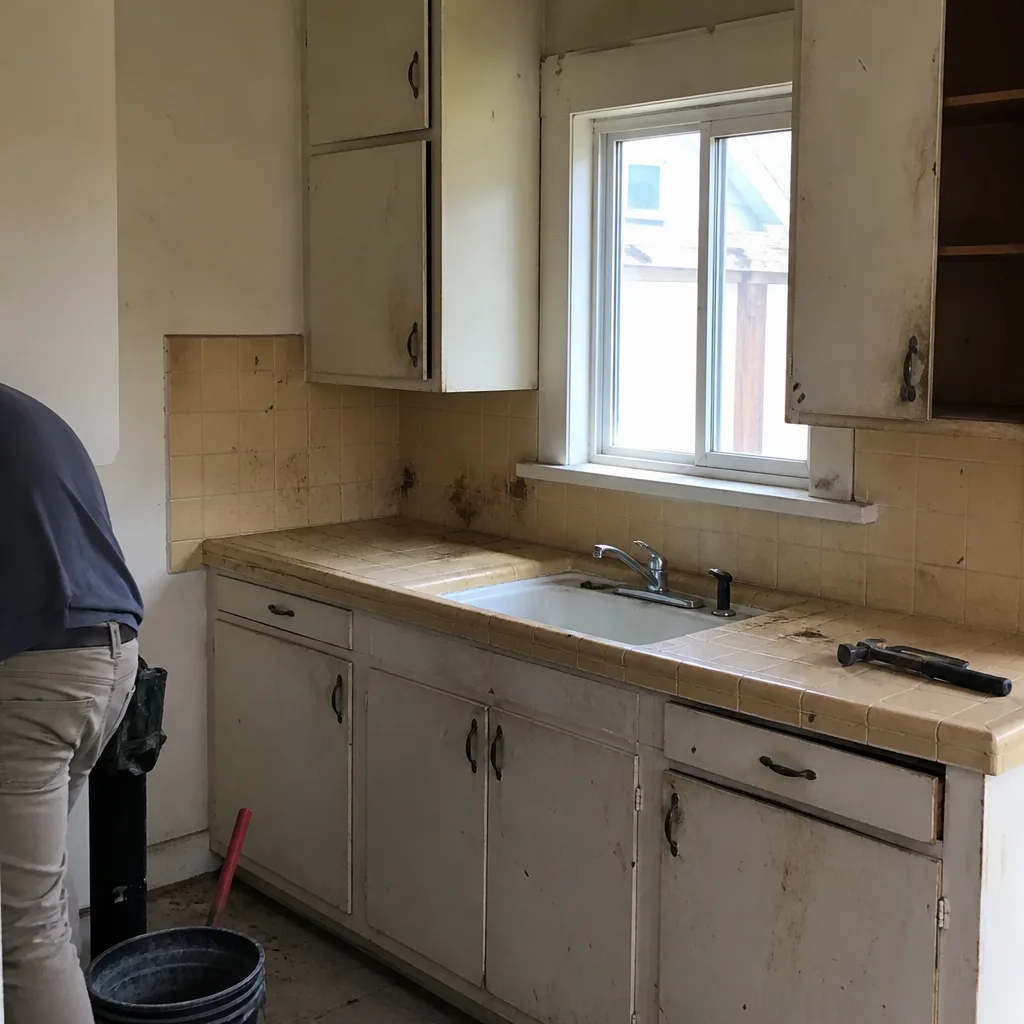 Before
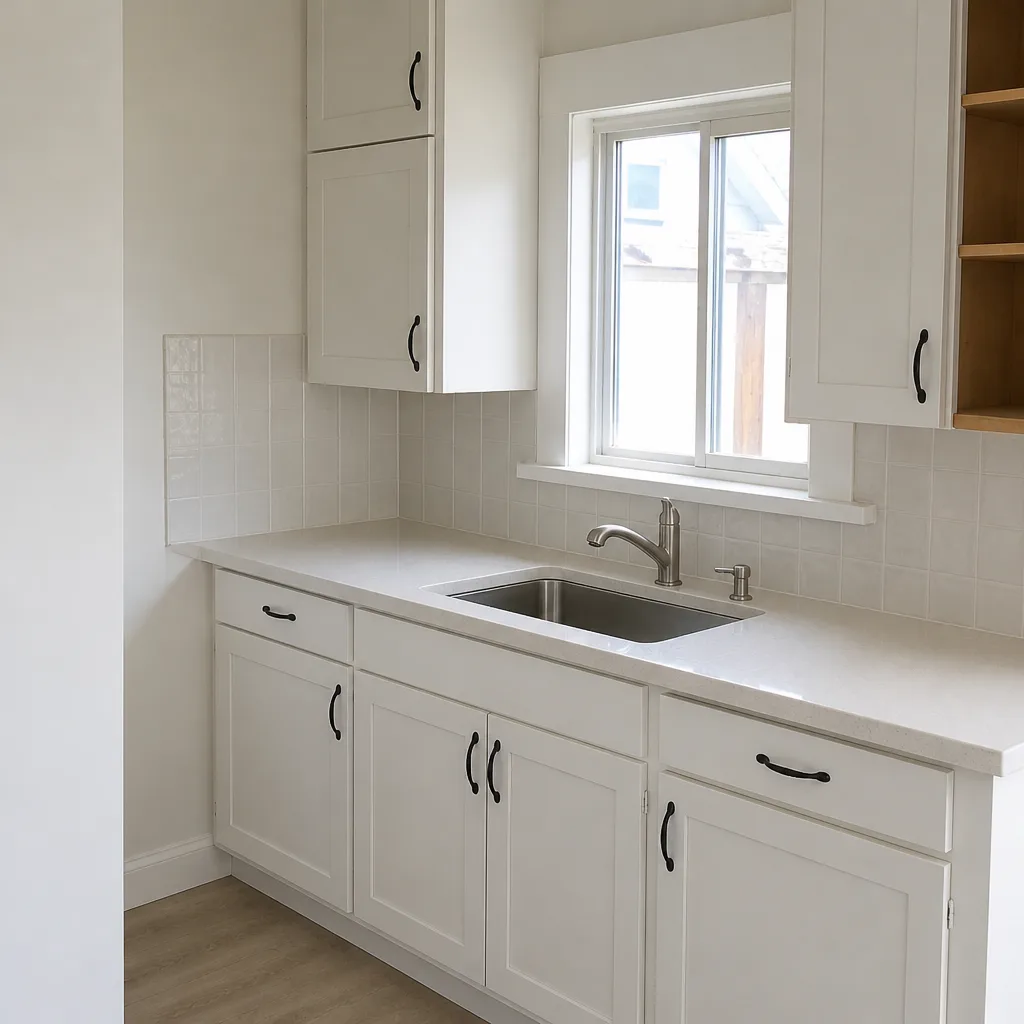 After
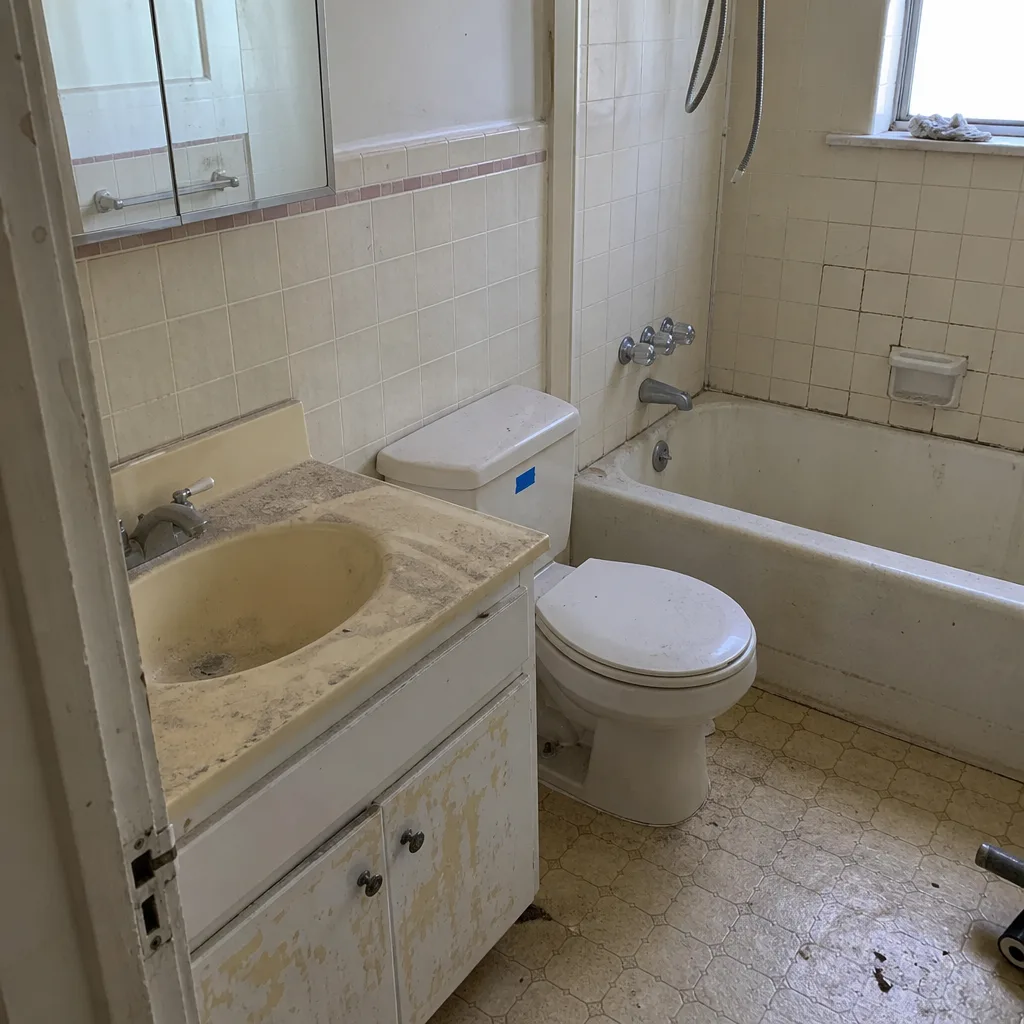 Before
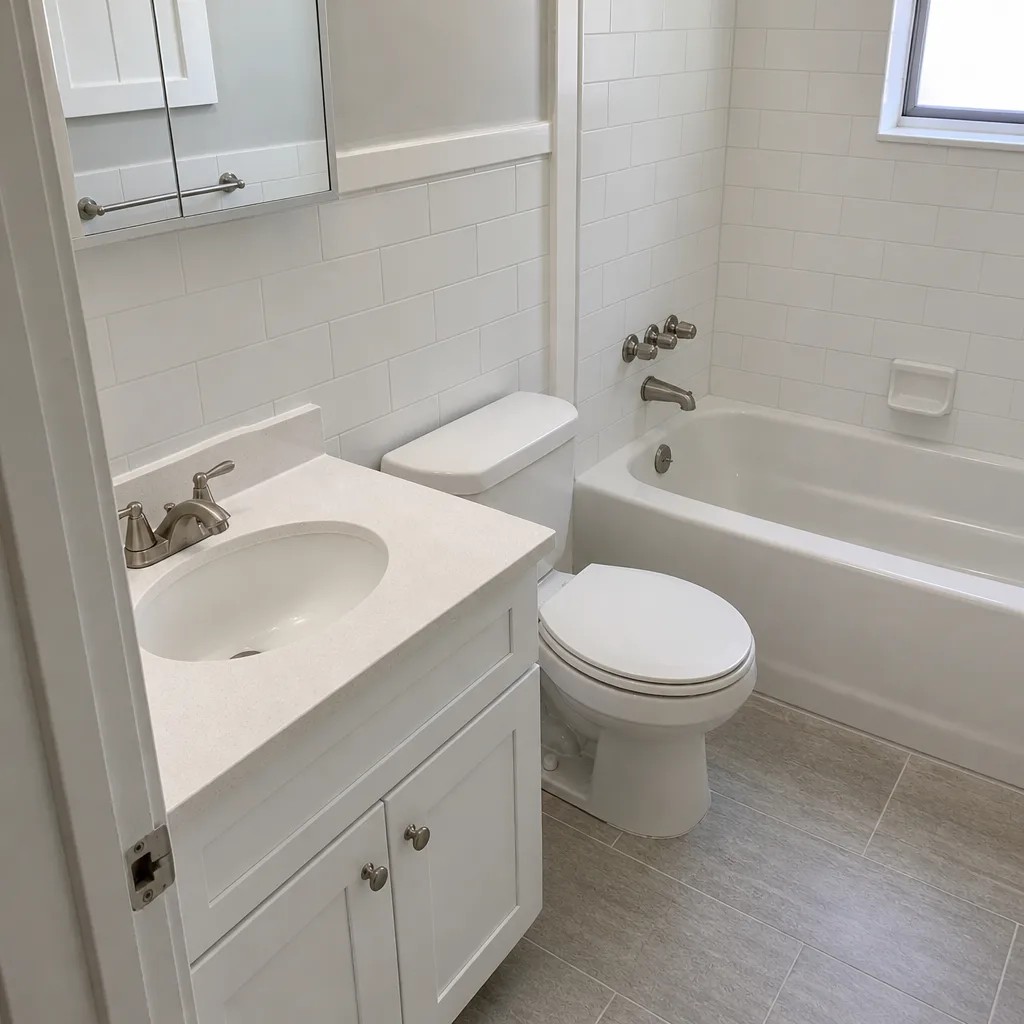 After
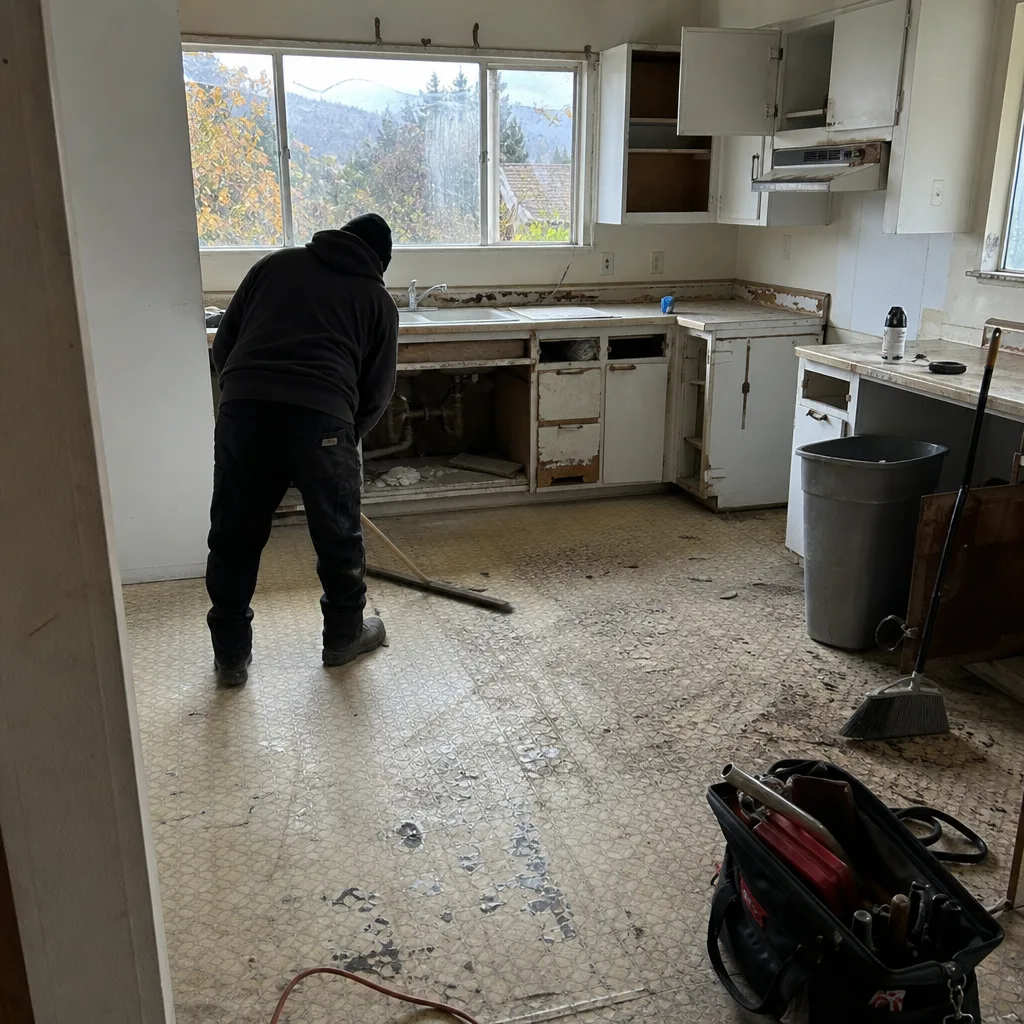 Before
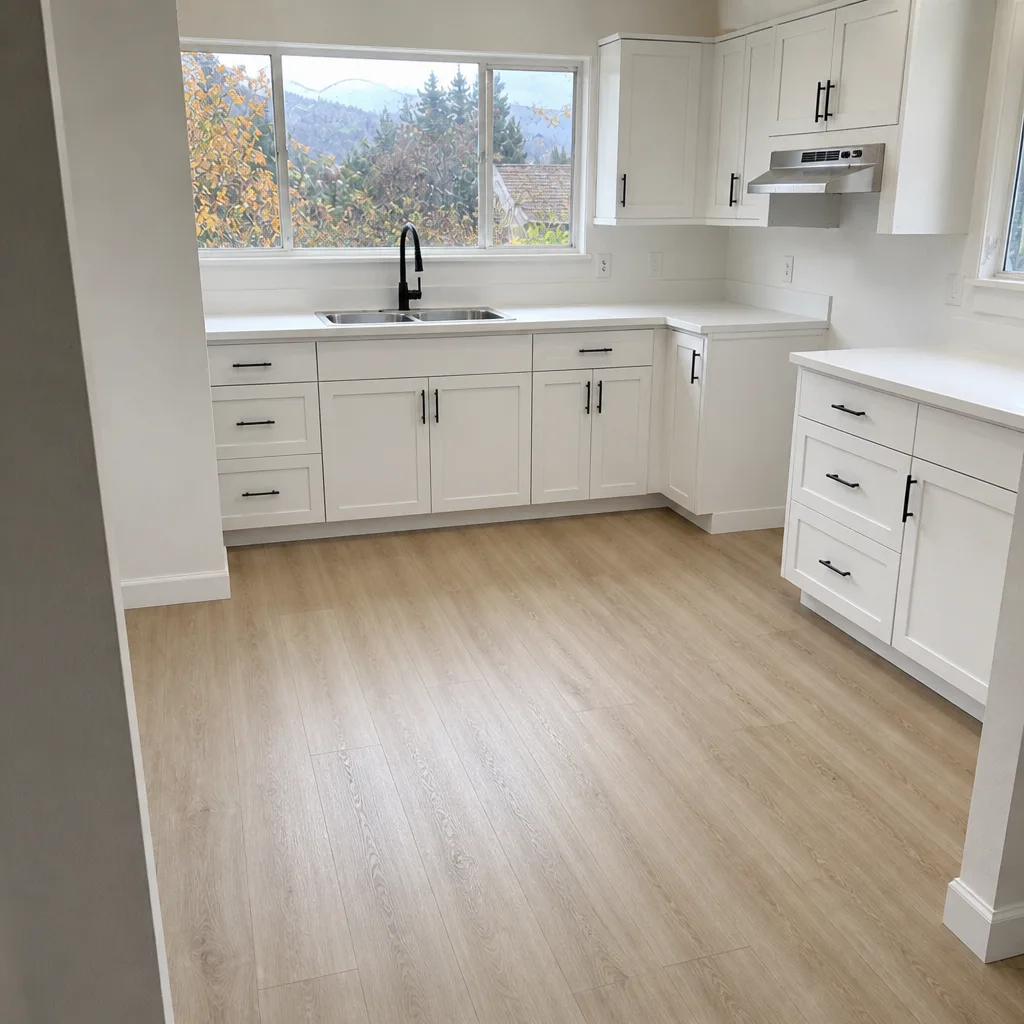 After
When to Call a Professional
Bring in a professional when the problem is structural, hidden, or plumbing-related: a moving shower pan, loose tile over a soft substrate, a ceiling stain below the bathroom, a persistent musty smell, a toilet that won’t sit stable, or any electrical issue. Also call when the fix requires opening a wall or floor. Small maintenance items – caulk, sealer, cleaning, fan service – are yours to handle. The line is whether water or structure is involved. Groundwork Construction Co. of Oakland offers free estimates in Oakland – call (833) 997-7759, and a live person answers around the clock to talk through what you’re seeing.
Frequently Asked Questions
Every 12 to 18 months in a daily-use shower, and sooner if you see cracking or pulling away. The first re-caulk after a remodel should happen at the 90-day mark if the original bead has shrunk. Oakland’s humidity adds a little wear, so check it at the spring and fall passes.
Yes. New grout, caulk, and sealer are still curing and moving through the first three months, and finishes need re-sealing on an interval to keep manufacturer warranties valid. Fresh materials reduce the workload, not the schedule. Call (833) 997-7759 for a free estimate on any repair the checks turn up.
Use your nose, your eyes, and the ceiling below: a musty smell, softened drywall or baseboard, and a stained or sagging ceiling below the bathroom are the three signals that don’t require demolition. A paper-towel dampness check on under-sink lines and a toilet-tank dye test catch the plumbing side.
Use the manufacturer-approved cleaners, re-seal on the recommended schedule, clean and run the exhaust fan, and keep a dated record of every inspection and purchase. Most manufacturer warranties condition coverage on “proper maintenance,” so the paper trail matters. Groundwork Construction Co. of Oakland backs its own work under the 730-Day Done Right Promise, and your upkeep makes warranty conversations easier.
Yes. Natural stone needs sealing every 6 to 12 months because it’s porous, while porcelain tile can go 12 to 18 months in the shower. Oakland’s humid coastal air adds a little frequency to both, and stone is the more sensitive of the two. Test sealer with a water-drop check.
A well-built bathroom remodel typically holds up 15 to 20 years with the schedule followed, and major systems like tile and fixtures can outlast that. The variable is water control: bathrooms that get their caulk, sealer, and fan serviced last far longer than those left alone. Call (833) 997-7759 to get an estimate on any repair revealed during your checks.
The Bottom Line
The best remodeled bathroom is one that’s maintained on purpose. Start with the 90-day curing check, keep a spring-and-fall inspection calendar, match intervals to your material types, watch for silent water intrusion with the low-tech checks, and document your upkeep to protect the warranty. Master baths run on the tighter clock because they carry the daily moisture; guest baths can run longer. Oakland’s humid air and seismic movement mean cracks and caulk failures show up sooner than you’d expect. Join the Home Additions & ADU in Oakland plan or the Driveway & Pavers in Oakland work as you look at the whole property, and let the team at Groundwork Construction Co. of Oakland home handle the build under a written promise.
Ready to remodel a bathroom or repair one the calendar has flagged? Groundwork Construction Co. of Oakland brings the material brand partners, upfront pricing with no surprises, and the 730-Day Done Right Promise on every project. Call (833) 997-7759 for a free estimate – a live person answers, 24/7.
Written by the team at Groundwork Construction Co. of Oakland.