
Last updated November 17, 2026
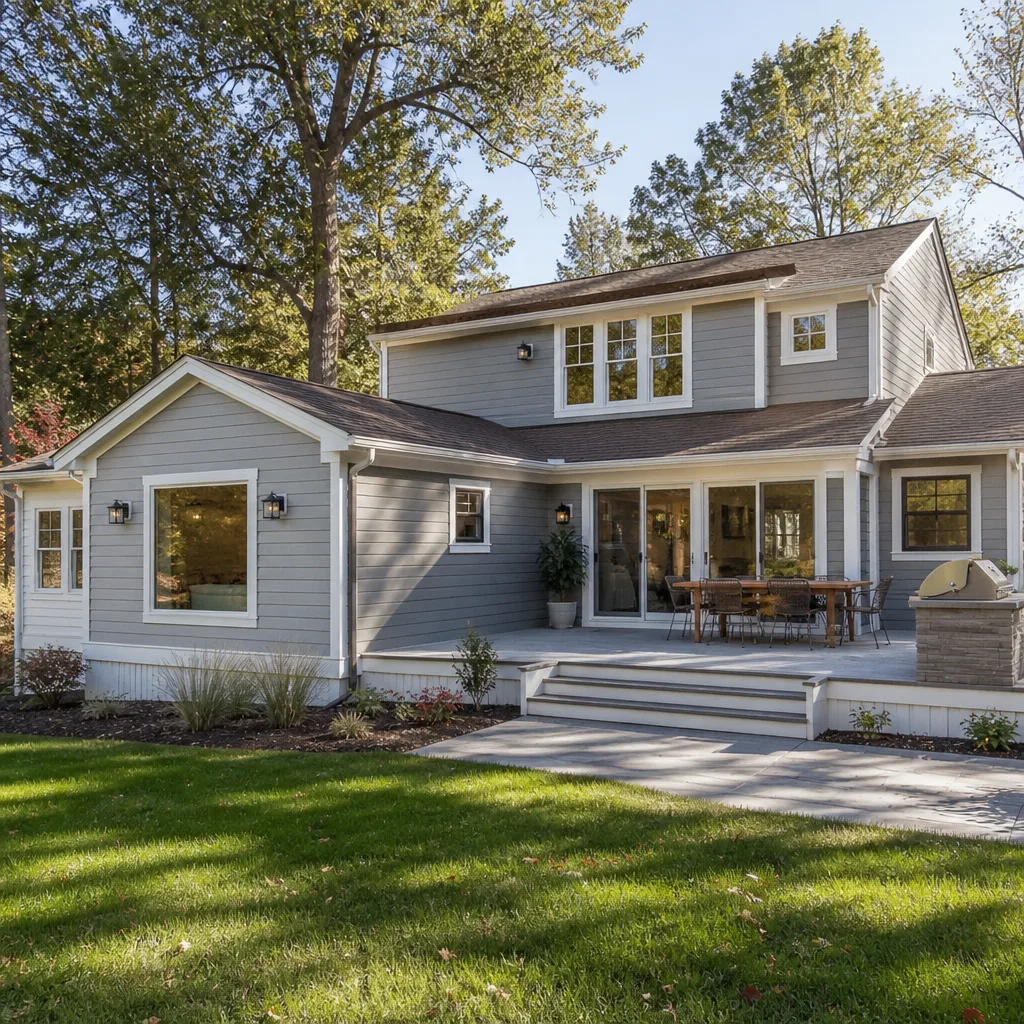 Home additions & ADU
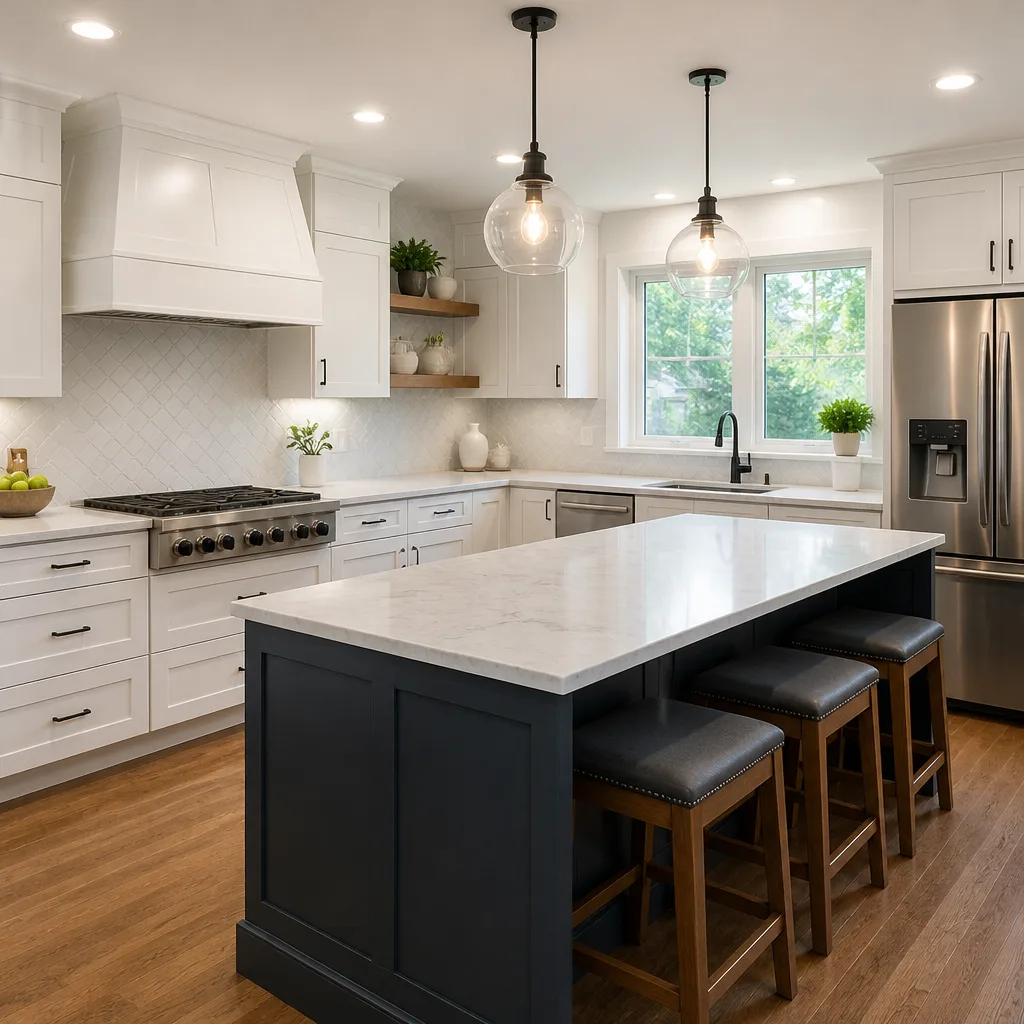 Kitchen remodeling
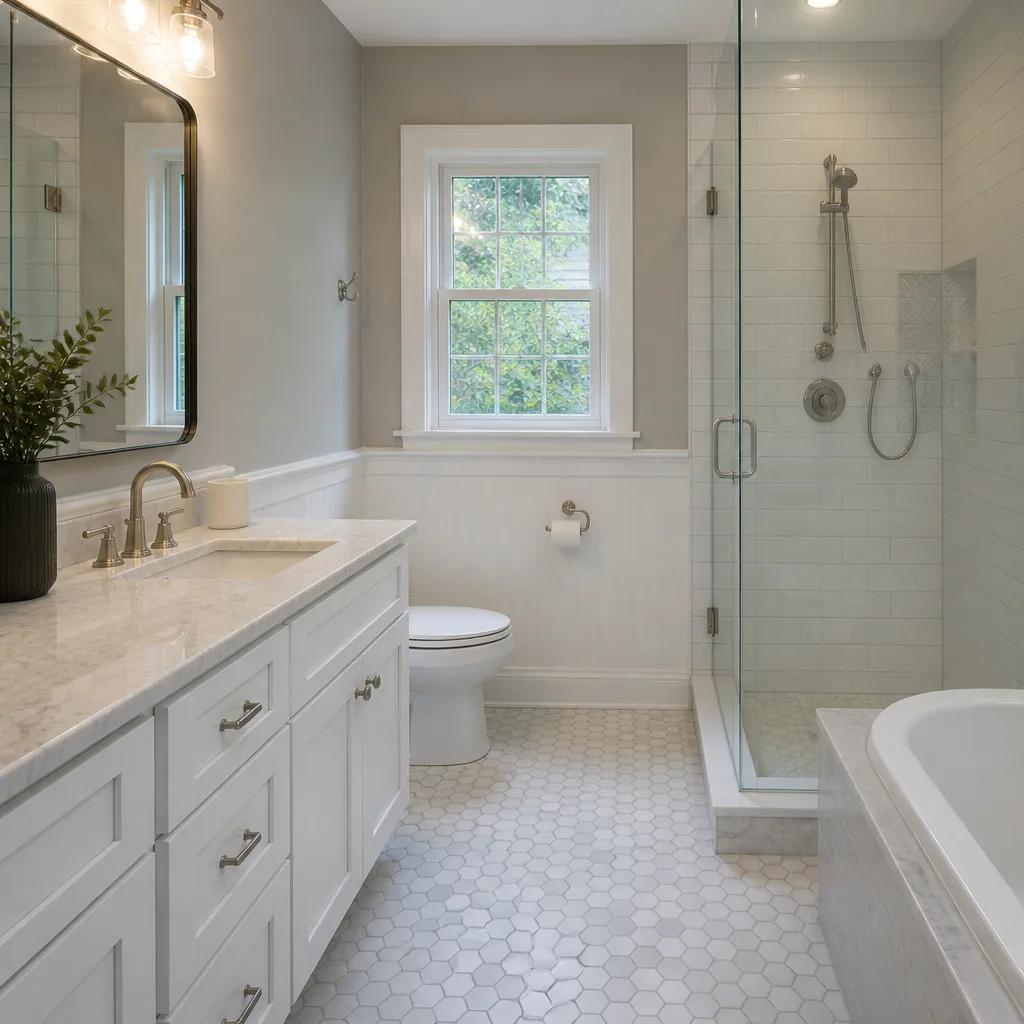 Bathroom remodeling
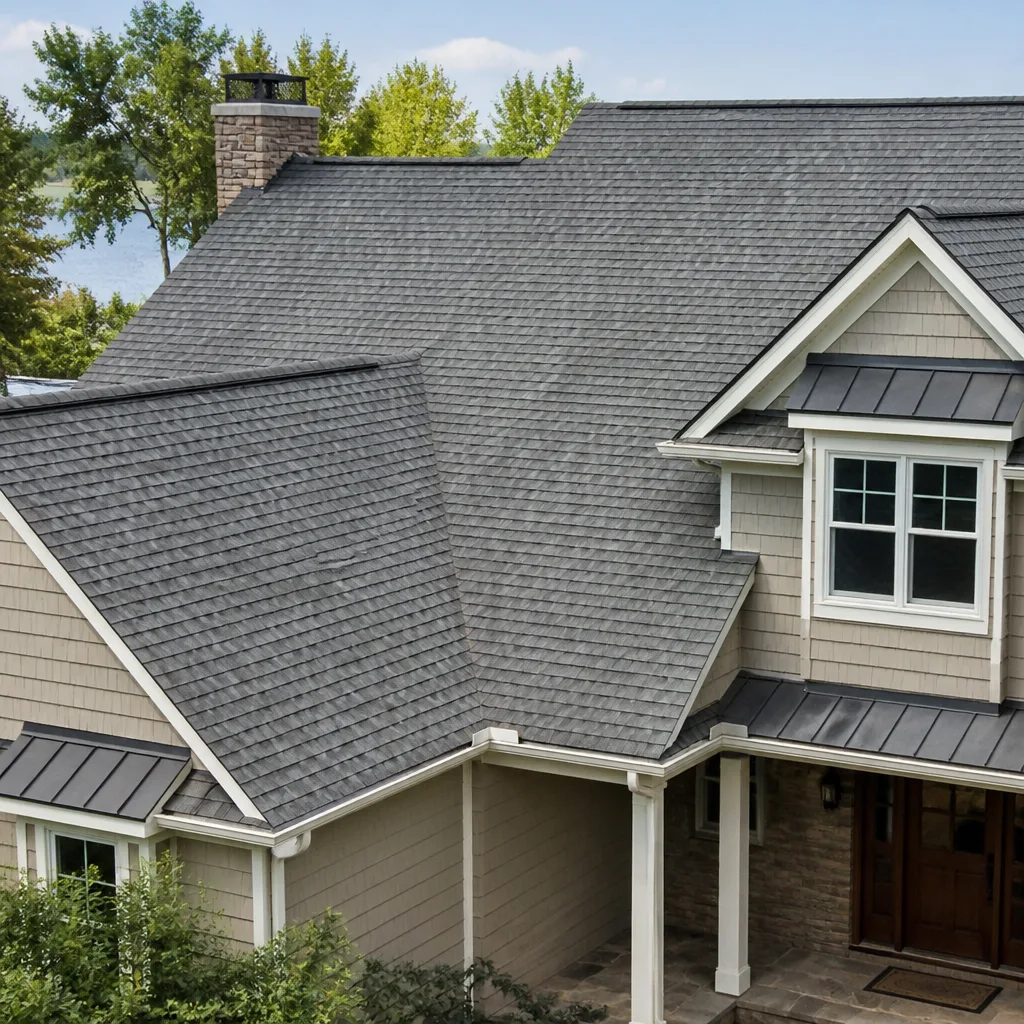 Roofing
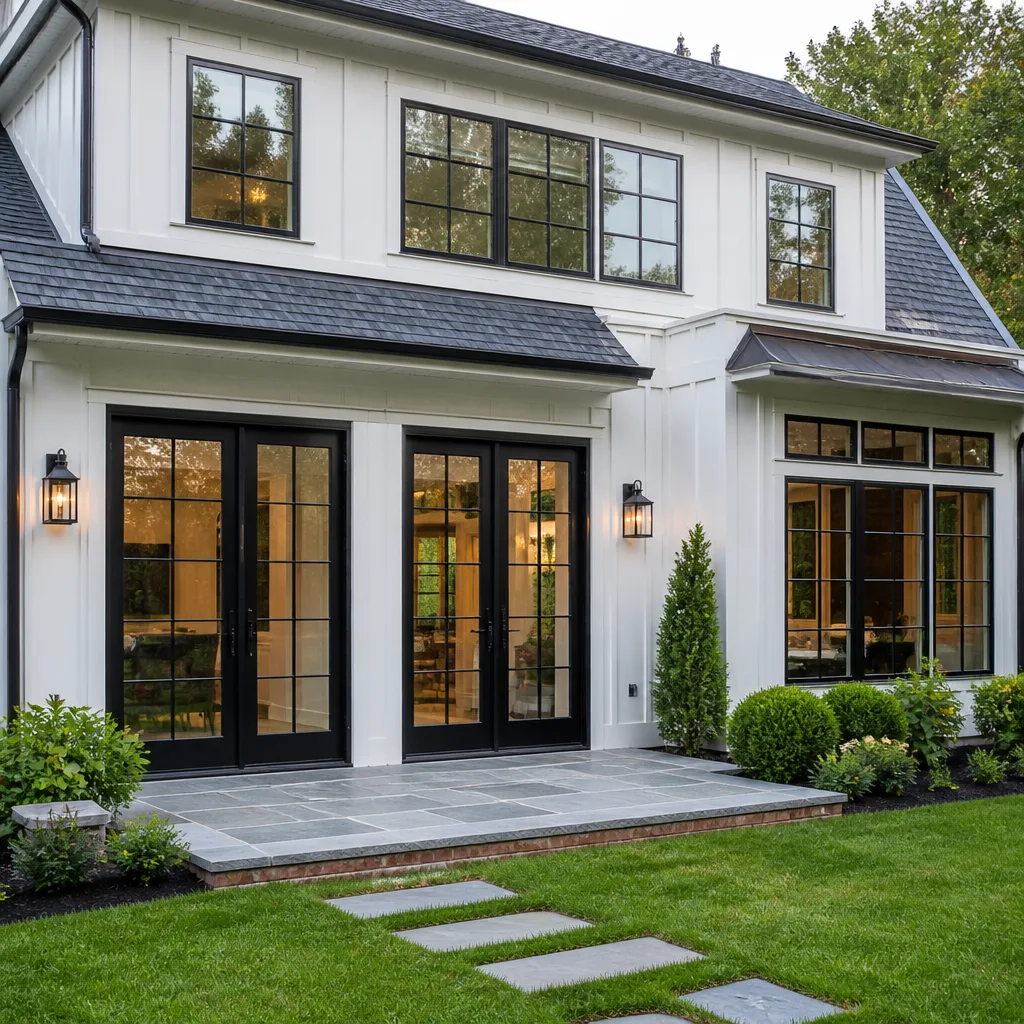 Windows & doors
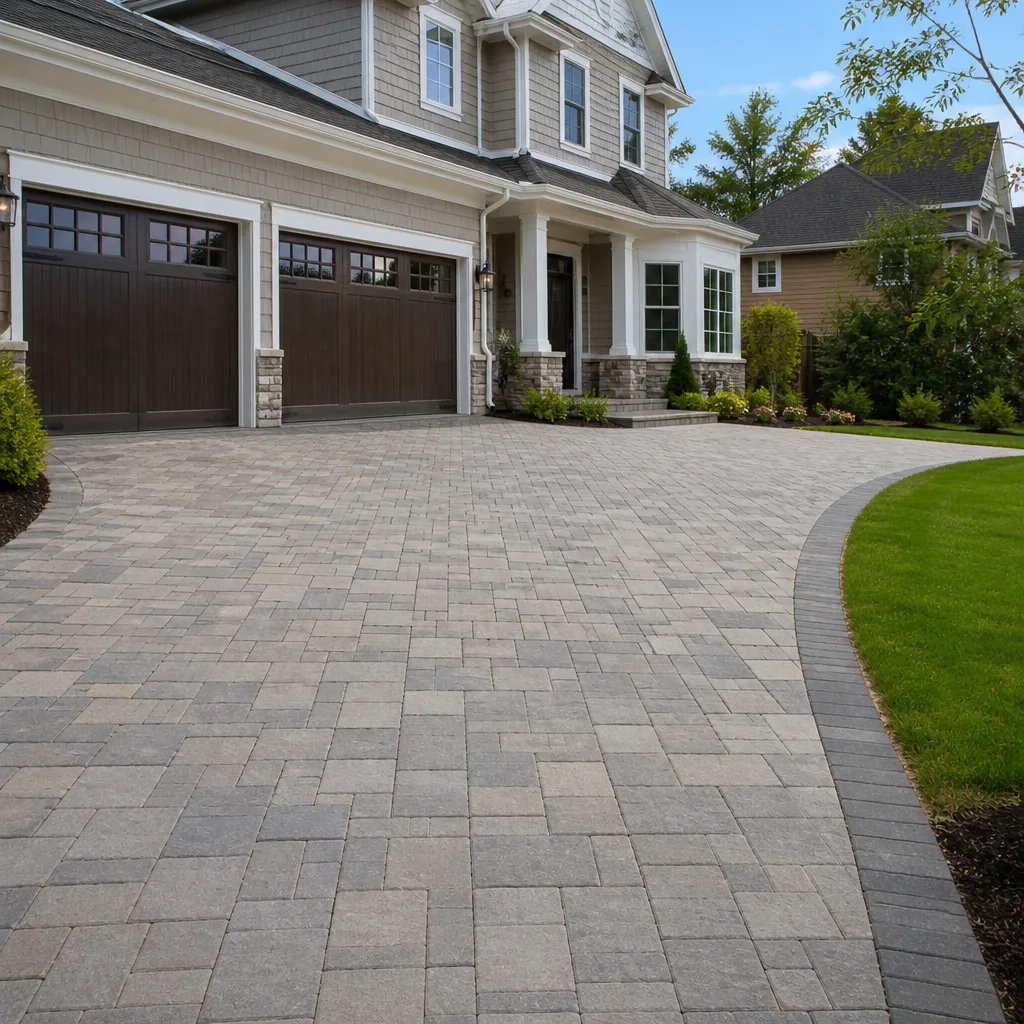 Driveway & pavers
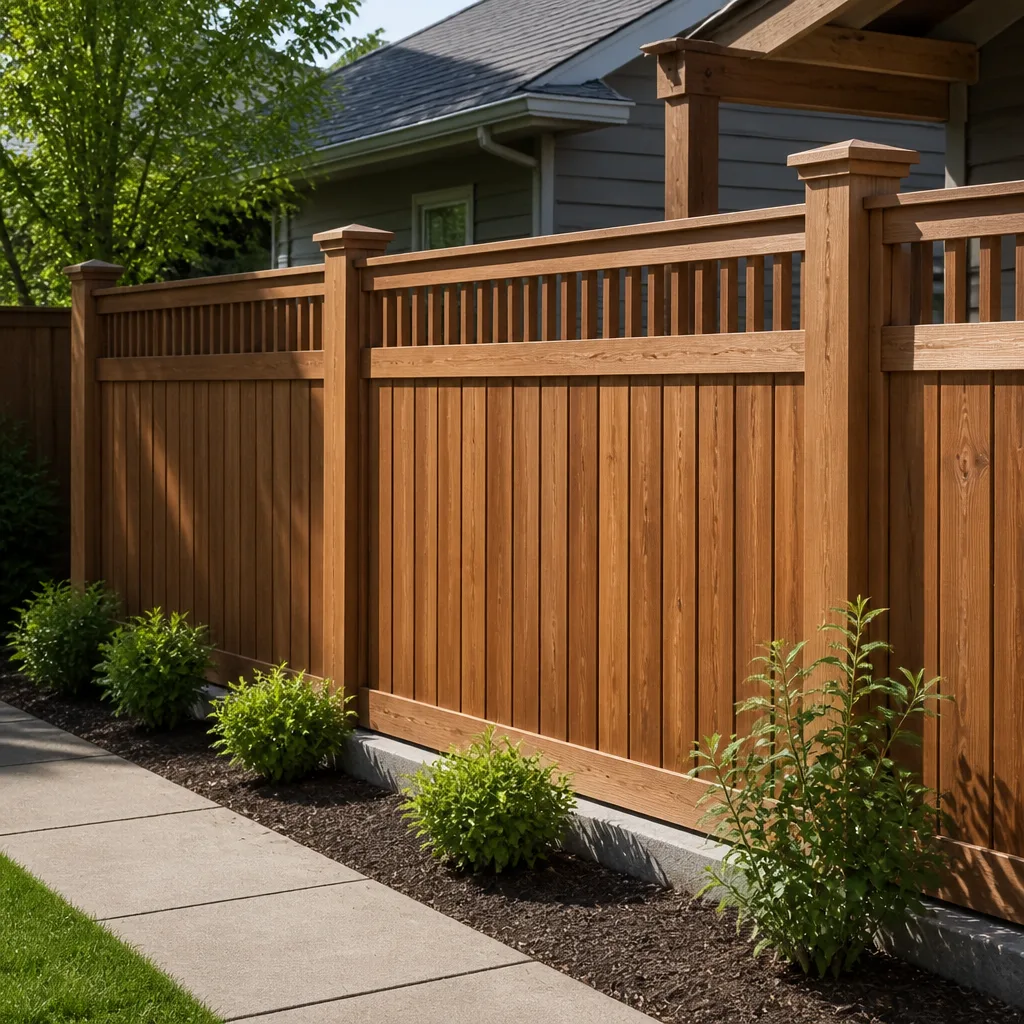 Fence
Free written scope consultation - allowances, timeline, and change-order rules on paper before a single trade is scheduled
Construction Cost Breakdown: The Oakland Homeowner’s Reference for 2026
The national average for a concrete driveway replacement means nothing in Oakland, where labor rates, disposal fees, and permit costs can push the same job 40-60% above what homeowners research before calling a contractor. That gap between the number you find online and the number on the bid is the single biggest source of sticker shock we see. This guide breaks down what residential construction in Oakland actually costs in 2026: real per-square-foot ranges for the projects Oaklanders run into most, the permits and fees that never make it into national benchmarks, how material volatility since 2021 reshaped budgets, and how to read a contractor bid so you can tell efficiency from a hole in the scope.
Quick Answer
Most common residential projects in Oakland run about 30-60% above national averages in 2026 due to Bay Area labor rates, elevated disposal and hauling costs, and permit and school development fees that add real money to any significant build. Expect $12-$20 per square foot for concrete flatwork, $18-$30 per square foot for pavers, and $45-$90 per square foot for retaining walls, before site-specific work like grading or drainage. ADU foundations and exterior remodels vary widely with soil conditions and design, so treat any single number as a starting range, not a bid.
Styles & brands we work with
- Kitchen remodeling
- Bathroom remodeling
- Home additions & ADU
- Roofing
- Windows & doors
- Driveway & pavers
- Fence
Table of Contents
- Why Oakland Costs More Than the National Average
- Concrete Flatwork: What Drives the Price
- Paver Installation and Retaining Walls
- ADU Foundations and the Fees Behind Them
- Exterior Remodels and Siding
- Material Volatility: What Stabilized, What’s Still Elevated
- Labor Cost Drivers in the Bay Area
- How to Read a Contractor Bid
Why Oakland Costs More Than the National Average
Oakland sits at the intersection of three cost pressures that smaller markets simply don’t have: high labor rates driven by Bay Area competition for skilled trades, disposal and hauling costs inflated by limited local landfill capacity and traffic, and a permit system that layers city fees on top of school development fees on top of inspection costs. Add hillside lots, older housing stock, and the seismic considerations that come with them, and you have a market where a job that costs $10,000 in Fresno can legitimately cost $15,000 to $16,000 here.
We see the gap most clearly in flatwork and demolition scopes. The material (concrete, pavers, lumber) is often the smallest part of the budget. Labor and disposal carry the rest. In the Oakland flats, a straightforward driveway replacement is manageable. In the hills, where access is tight and you may be looking at a sloped or terraced site, the same square footage can carry a premium for equipment, shoring, and haul-off you never saw coming.
Permit fees are the quiet addition. Oakland charges plan review and inspection fees that scale with project valuation, and school development fees apply to certain additions and new livable square footage. Those costs arrive before a shovel hits the ground and are almost never in the number a homeowner researched. Plan for them from day one. Our Groundwork Construction Co. of Oakland home page lays out the breadth of work we handle across these categories, but the point here is simpler: budget for the paperwork, not just the pour.
Concrete Flatwork: What Drives the Price
Concrete flatwork, meaning driveways, walkways, patios, and slabs, runs roughly $12-$20 per square foot in Oakland in 2026 for standard broom-finished work. That range assumes reasonable access, minimal demolition, and a site that doesn’t require extensive grading. Each of those assumptions has a price when it’s false.
Here’s what pushes a flatwork job toward the top of the range or beyond it:
- Demolition and haul-off. Breaking out an old slab and trucking it away adds meaningful cost. Disposal in the Bay Area is not cheap.
- Access and slope. Hillside properties may require equipment you don’t see on a flat suburban lot. Tight side-yard access slows everything down.
- Grading and drainage. Oakland’s rainy winters punish flatwork that doesn’t drain. Correcting grade or adding drainage is work, and work is money.
- Finish and reinforcement. Exposed aggregate, stamped finishes, and thicker slabs for vehicle loads all add cost over a basic broom finish.
- Tree roots and soil. Mature trees are everywhere in neighborhoods like Rockridge and Temescal. Root barriers and soil correction are common line items.
If your project leans toward driveways specifically, the dedicated Driveway & Pavers in Oakland page goes deeper into material choices and layout. For rough budgeting, multiply your square footage by $12-$20 and then add 15-20% as a contingency for the unknowns a site visit will reveal.
Paver Installation and Retaining Walls
Paver installation runs about $18-$30 per square foot in Oakland, installed, depending on the paver type, base preparation, and edging. Retaining walls land in the $45-$90 per square foot range for the wall face, with engineered or taller walls costing more because they require design, permitting, and heavier materials.
Pavers cost more per square foot than concrete up front, and homeowners ask us constantly whether that’s worth it. In our experience, it often is in Oakland for two reasons. First, pavers handle the seasonal ground movement better than a monolithic slab, so you get fewer cracks over time. Second, when a paver does settle or a section fails, you lift and reset that section. You don’t jackhammer the whole thing. That matters on older lots where the subgrade isn’t perfectly stable.
Retaining walls deserve their own warning. Anything over a modest height typically needs engineering and a permit, and a wall that holds back soil is a structural element, not a landscaping accent. We’ve seen walls in the Oakland hills that were built without proper drainage and started leaning within a few seasons. Drainage behind the wall, proper base, and correct backfill are not optional. If your yard is sloped, factor engineering and permitting into the budget from the start rather than discovering it mid-project.
ADU Foundations and the Fees Behind Them
ADU foundations are the hardest category to price with a single per-square-foot number, because so much depends on the site. A flat lot with good access might support a slab-on-grade foundation at the lower end of the range. A sloped lot, poor soil, or a detached unit placed far from utilities can require a stem wall, pier-and-beam, or more extensive excavation, and that moves the number significantly.
What we can tell you is where the money goes beyond the concrete:
- Permit and plan review fees. ADUs are permitted projects. Oakland’s fees scale with valuation, and plan review takes time and money.
- School development fees. New livable square footage can trigger these. They are a real line item and they arrive early.
- Utility trenching. Running water, sewer, and electrical from the main house to a detached ADU can be a substantial cost, especially across established landscaping or hardscape.
- Site work. Grading, drainage, and access improvements for the build itself.
For a deeper look at how foundations, design, and permitting fit together on an ADU, see our Home Additions & ADU in Oakland page. The honest answer for ADU budgeting is this: get a site-specific number before you commit. A range is useful for planning; it is not a bid.
Exterior Remodels and Siding
Exterior remodels, including siding replacement, trim, and painting, are typically priced per square foot of wall area rather than floor area, and the range in Oakland in 2026 is wide: roughly $10-$25 per square foot for siding installed, depending on material. Fiber cement products like James Hardie sit at a premium over vinyl, and for good reason. They hold up to Oakland’s marine-influenced climate far better over the long haul, which is why we work with brands we trust rather than whatever is in stock.
The cost drivers on an exterior remodel are often hidden behind the old siding. On older Oakland homes, we regularly find deteriorated sheathing, missing flashing, or water damage once the wall is open. That’s not a contractor padding a bid; it’s the reality of a 1920s bungalow. A responsible contractor builds a contingency into the budget for exactly this. A contractor who doesn’t has either not looked closely or is planning to come back with a change order.
Windows and doors often ride along with an exterior remodel. If that’s part of your scope, treat it as its own budget line. Quality window replacement is a long-horizon investment, and the material matters more than the marketing. We specify brands we’re confident will still be serviceable a decade from now, and we back the install in writing.
Material Volatility: What Stabilized, What’s Still Elevated
Material costs since 2021 have been a roller coaster, and homeowners who budgeted off an old number have been burned. Here’s the honest state of things in 2026:
What stabilized. Lumber has come down substantially from its 2021 peak and is far less volatile now. Basic framing materials are no longer the wildcard they were. Standard concrete pricing has largely settled after several years of increases, though it remains higher than pre-2021 levels.
What’s still elevated. Finished goods, specialty products, and anything with complex supply chains remain pricier than five years ago. Windows, certain siding products, and specialty fixtures carry premiums that haven’t fully normalized. Fuel and transportation costs keep a floor under delivered material prices across the board.
The practical takeaway is that a contingency buffer is not pessimism. It’s basic planning. We recommend holding 15-20% above your working budget for a project of any real scope. On a $40,000 project, that’s a $6,000-$8,000 cushion. If it goes unused, you have money back. If a wall opens and reveals rot, or a material line comes in higher than quoted, you’re covered without a panic call. Upfront pricing with no surprises is how we work, and a realistic contingency on your side is how you protect yourself.
Labor Cost Drivers in the Bay Area
Labor is where Oakland diverges most sharply from national benchmarks. Skilled tradespeople in the Bay Area command rates that reflect the cost of living here, and the pool of available, qualified crews is tight. That competition for good labor is good for quality and hard on budgets.
What affects labor cost on your project
- Prevailing wage thresholds. Certain publicly funded or publicly assisted projects carry prevailing wage requirements that raise labor costs. If your project touches public money or program requirements, ask about this early.
- Certified trade requirements. Some project types and scopes require licensed, certified tradespeople. That’s a good thing for the work, and it costs more than an uncertified crew.
- Crew availability windows. Good crews book out. The Bay Area’s construction demand means the best tradespeople are scheduled weeks or months ahead. Waiting for the right crew is usually cheaper than rushing with the wrong one.
- Specialty scopes. Engineered retaining walls, complex foundations, and anything requiring design work carry higher labor because fewer people can do them well.
Our technicians have up to 12 years of experience, and that experience is what lets a crew work efficiently instead of learning on your dime. When you compare bids, ask who is actually doing the work and what their experience is. A low labor number sometimes means a less experienced crew, and that’s a different kind of expensive.
How to Read a Contractor Bid
The single most useful skill in this entire guide is learning to read a bid. A low number is not a deal; it’s a question. Here’s a numbered process we’d suggest any Oakland homeowner follow:
- Check for line-item scope. A real bid breaks the work into items with quantities and prices. A one-line lump sum with no breakdown hides what’s included and what isn’t.
- Look for the exclusions. Permits, disposal, demo, and site work are the classic exclusions. A bid that leaves them out will grow when they’re added later.
- Confirm the permit responsibility in writing. Who pulls the permit? Who pays the fees? A bid that doesn’t address this is incomplete.
- Compare the same scope across bids. A $12,000 bid and an $18,000 bid aren’t comparable if one excludes the $6,000 of work the other includes.
- Ask what happens if conditions differ from the bid. A contractor who plans for contingencies transparently is more trustworthy than one who promises a fixed number with no allowance for reality.
- Check the warranty in writing. What’s covered, for how long, and by whom. Verbal warranties are not warranties.
- Verify the license and insurance. Ask for proof. A real professional provides it without hesitation.
When a bid comes in far below the others, the honest question isn’t “why is this one cheap?” It’s “what did they leave out?” Sometimes a low number reflects genuine efficiency. Often it reflects missing scope, and you’ll pay for the difference later with interest.
Common Mistakes to Avoid
- Budgeting off a national average. The number you found for your city’s size means little in Oakland. Build your budget from local ranges and a real contingency.
- Forgetting permit and school development fees. These arrive early and are easy to overlook. On any permitted addition, they’re a real line item, not a rounding error.
- Choosing the lowest bid without comparing scope. A low number with missing line items is not a bargain. It’s a change order waiting to happen.
- Skipping the contingency. On older Oakland housing stock, opening a wall or a floor regularly reveals surprises. A 15-20% buffer is standard practice for a reason.
- Ignoring drainage and slope. In the Oakland hills, a project that doesn’t account for water and grade will show it within a few rainy seasons. Drainage is not optional here.
- Accepting a verbal warranty. If the workmanship guarantee isn’t written down, treat it as nonexistent. Ask for it in the contract.
- Rushing a good crew out of impatience. Booking the right tradespeople a few weeks out usually costs less than fixing rushed work later. Availability windows are a feature of a healthy market.
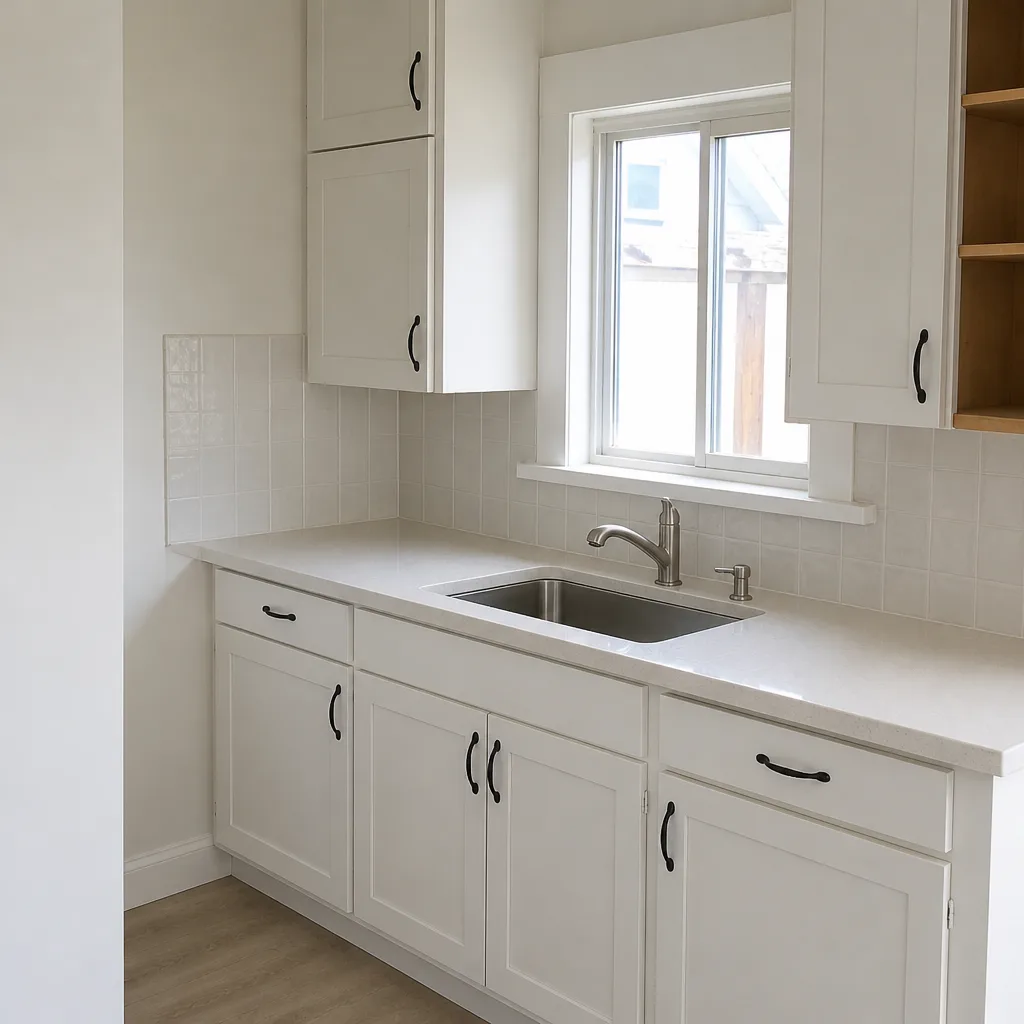
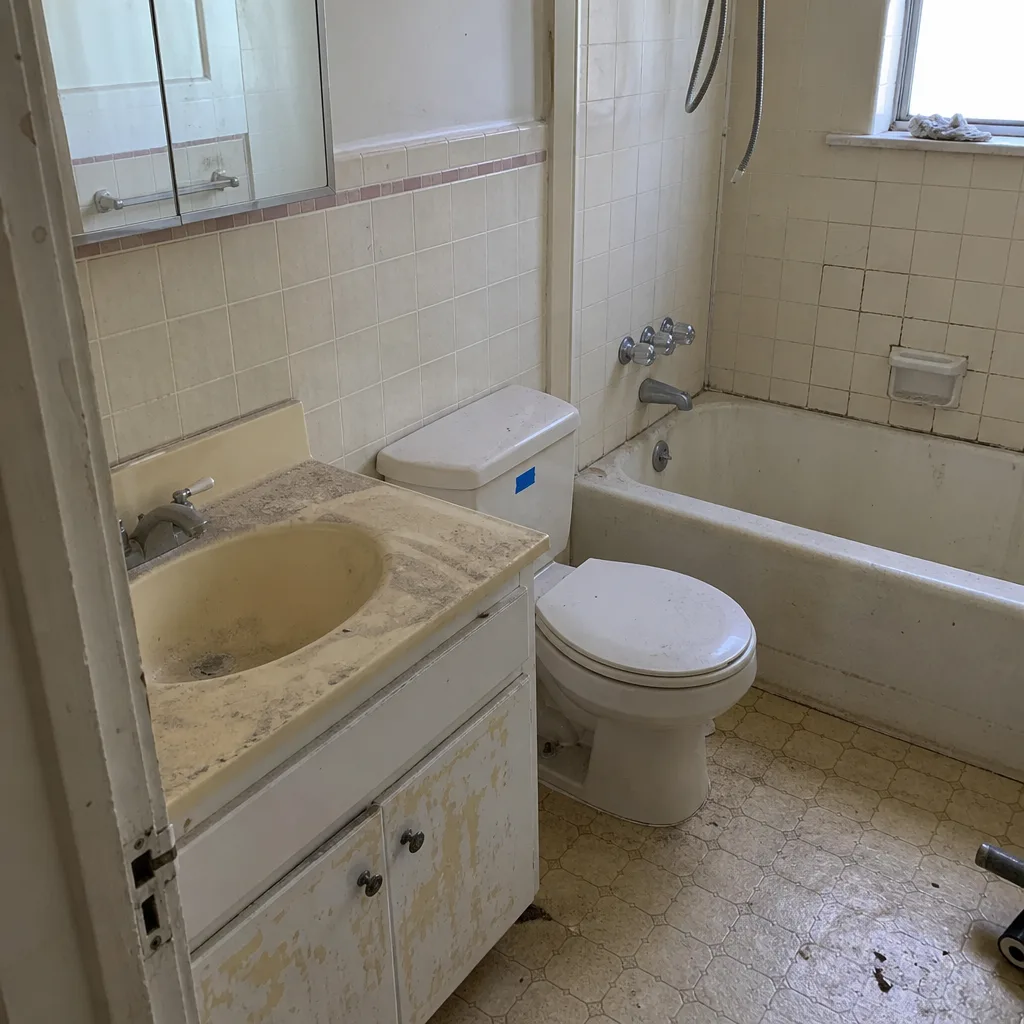
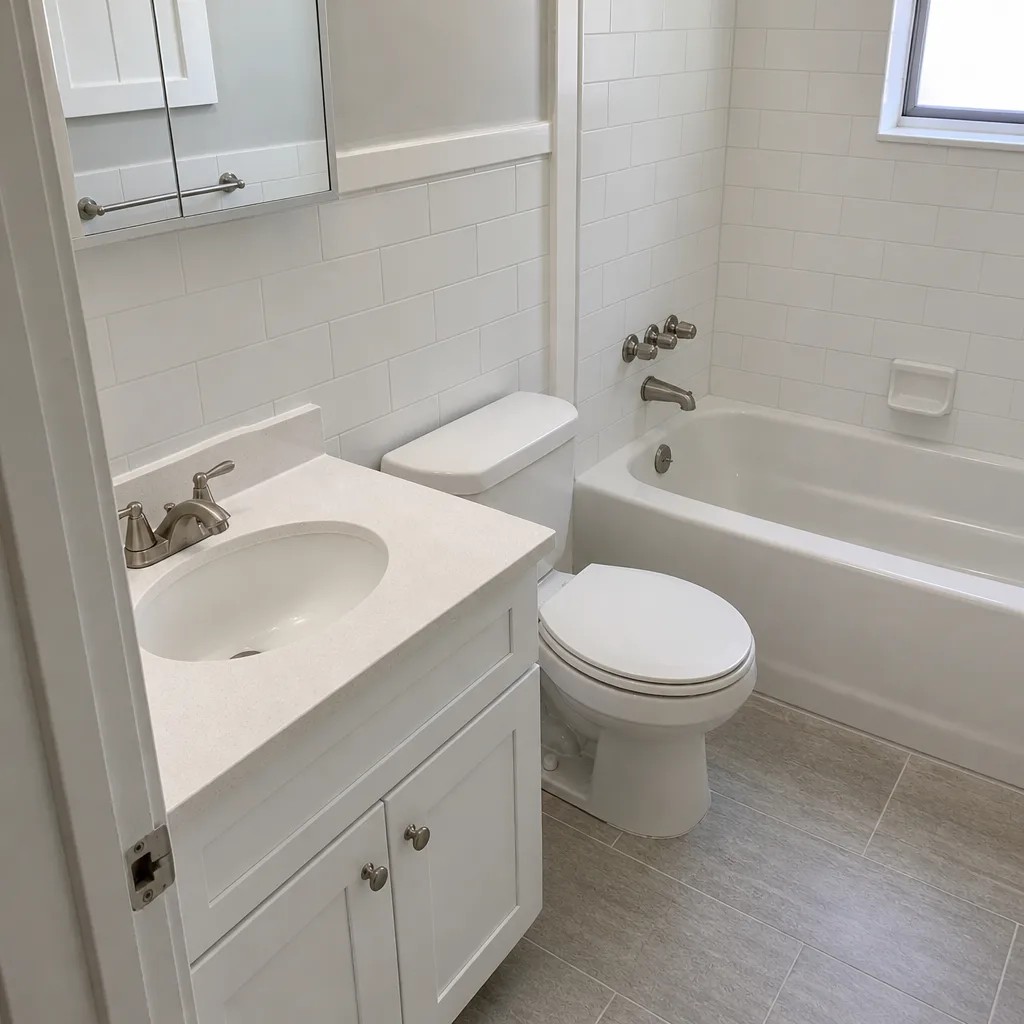
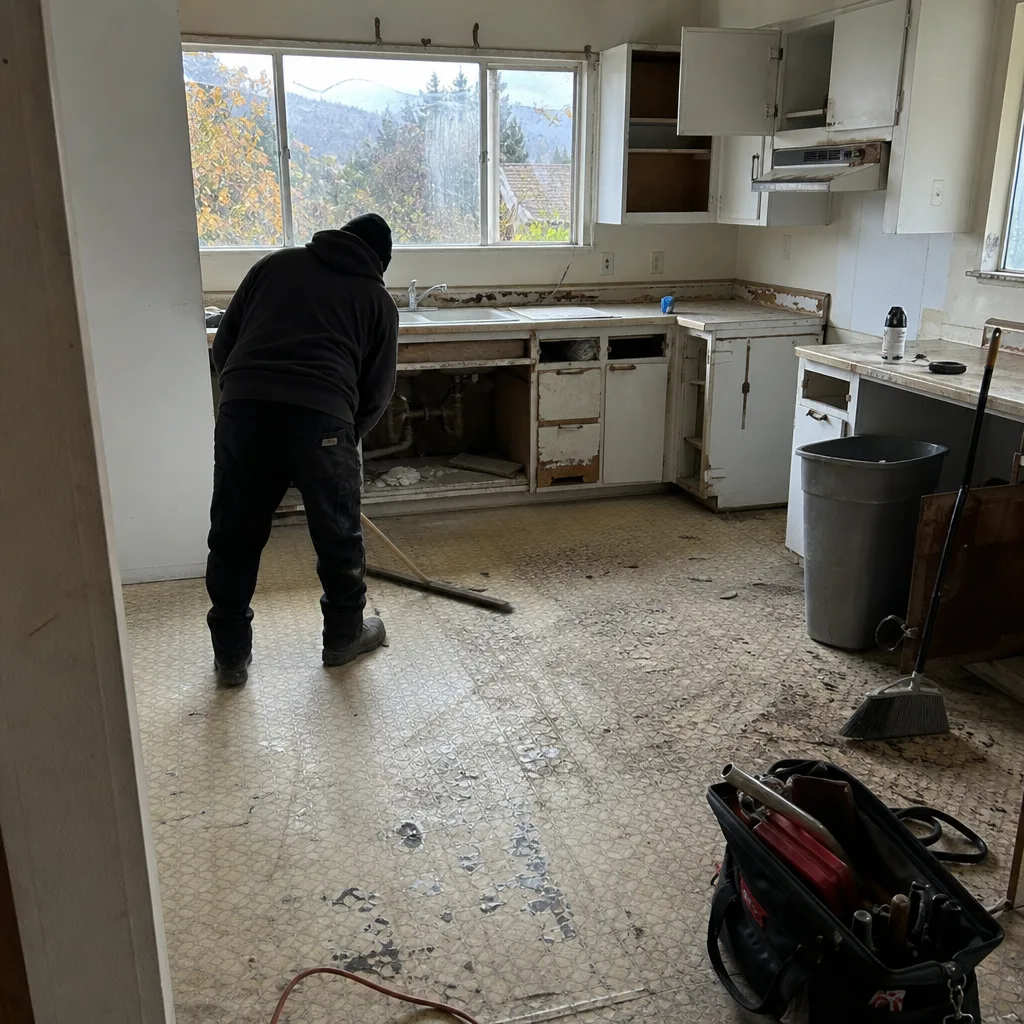
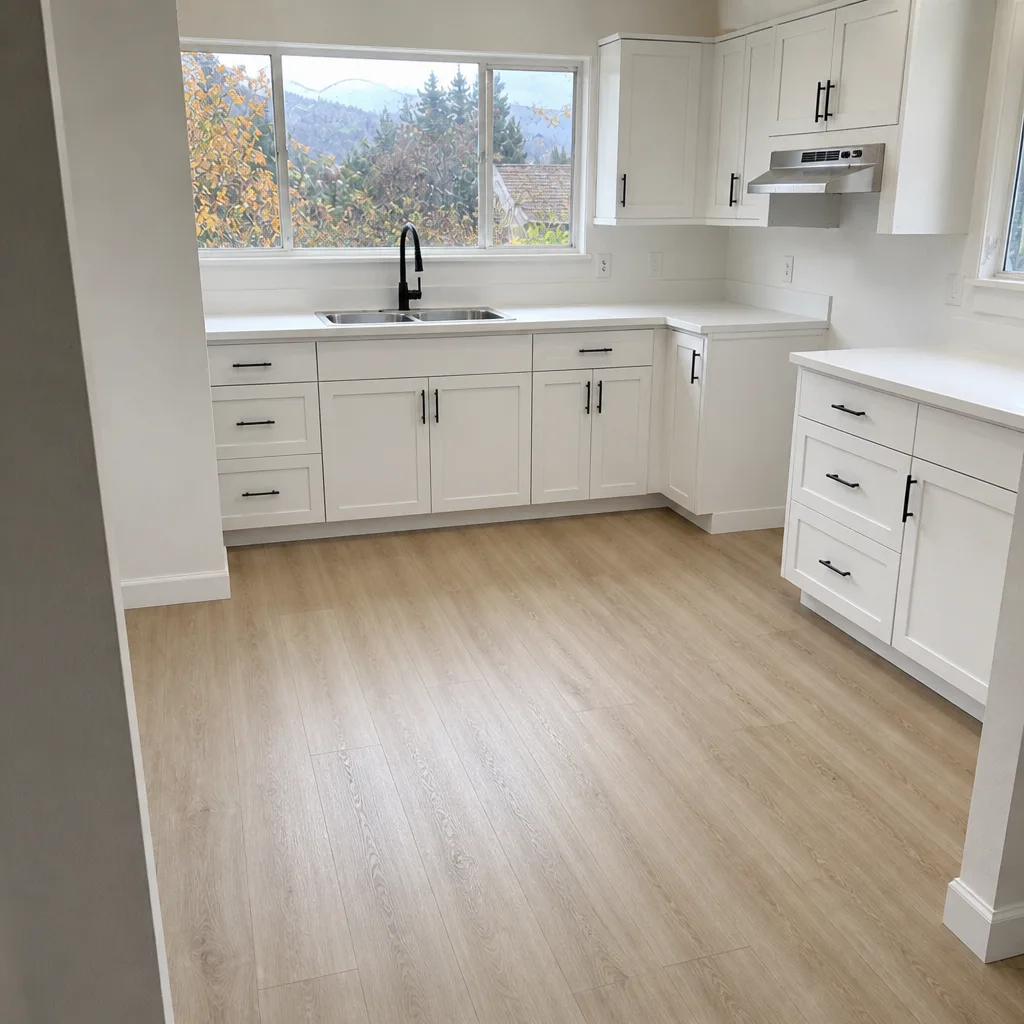
See the difference
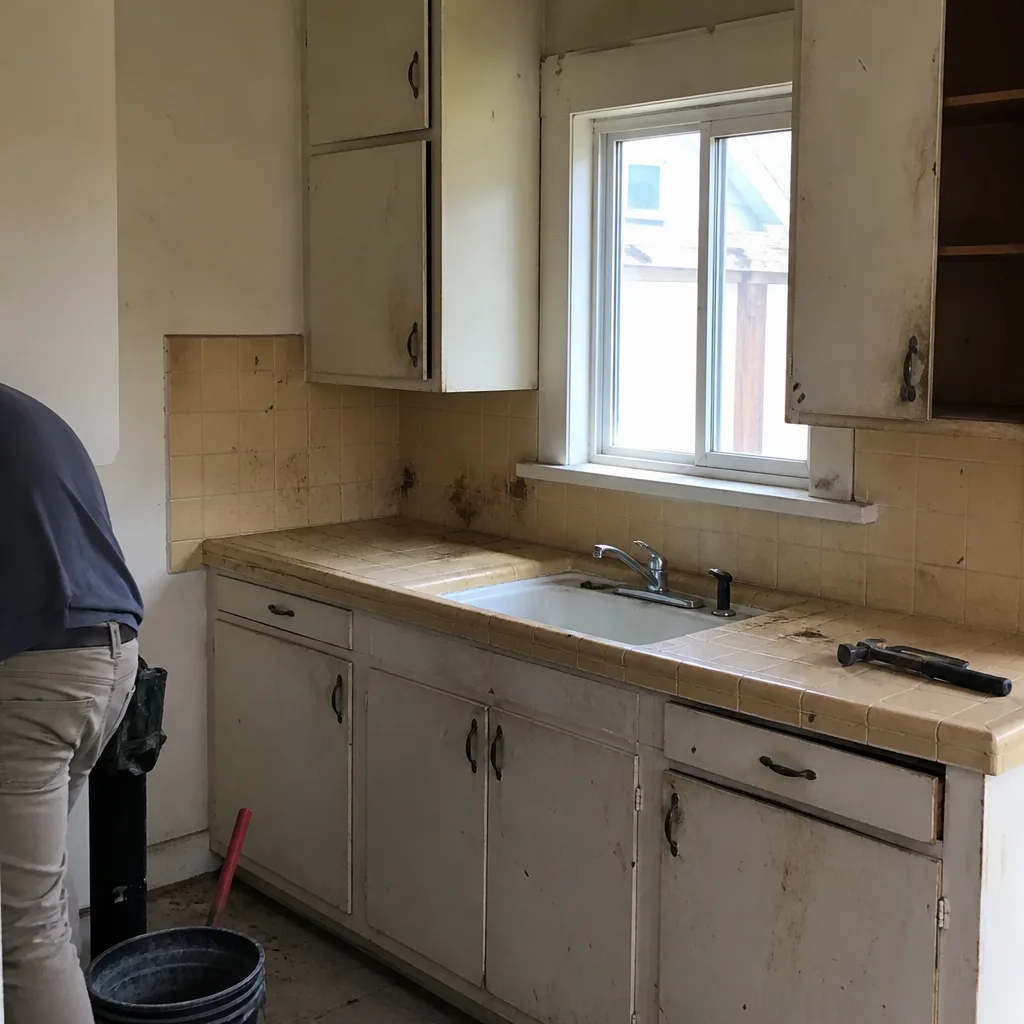 Before
 After
 Before
 After
 Before
 After
When to Call a Professional
Some work is manageable for a handy homeowner. Other work is not, and pretending otherwise is how people get hurt or create expensive problems. Call a professional when a project involves: structural elements like retaining walls that hold back soil; anything that requires a permit and inspection, including additions and ADUs; excavation near utilities; work on a sloped or hillside lot where grade and drainage are in play; exterior work at height, where falls are a genuine danger and require fall protection and experience; and any scope where the bid you received doesn’t make sense and you need a second opinion before committing five figures.
The cost of an expert assessment is small next to the cost of doing it wrong. Groundwork Construction Co. of Oakland offers free estimates in Oakland. Call (833) 997-7759 to schedule yours. A written, line-item quote with clear scope and a written workmanship guarantee tells you exactly what you’re paying for. If a fence is part of your project, our Fence Installation in Oakland page covers what to budget for that scope separately.
Frequently Asked Questions
A concrete driveway replacement in Oakland typically runs $12-$20 per square foot in 2026 for standard work, so a typical two-car driveway lands somewhere in the $10,000-$20,000 range before demo, grading, and drainage are added. Hillside access and older-site conditions can push that higher. Call (833) 997-7759 for an exact quote; estimates are free.
A well-scoped project with an upfront, line-item quote should not change unless the site reveals conditions nobody could have seen, like hidden rot or poor subgrade. We price projects upfront and put the number in writing so you know what you’re paying from the start. When surprises do come up, you’ll see them as explicit line items, not vague supplements. Call (833) 997-7759 to talk through your project.
Yes. Permitted work requires permits, and responsible contractors pull them and build the fee into the upfront quote, including Oakland’s plan review fees and any applicable school development fees. A bid that leaves permits out is missing real scope. Call (833) 997-7759 to get a quote that includes permitting from the start.
Plan on 15-20% above your working budget for any project of real scope. On older Oakland housing stock, opening walls and floors regularly reveals problems, and material and labor costs remain elevated relative to five years ago. A cushion means a surprise is a line item, not a crisis. Call (833) 997-7759 for a free estimate that helps you size that buffer to your specific project.
Three reasons: Bay Area labor rates driven by cost of living and competition for skilled trades, elevated disposal and hauling costs, and permit fees plus school development fees that scale with project valuation. Together those can push the same job 40-60% above national benchmarks. Call (833) 997-7759 for a local number, not a national one.
It depends on scope and permitting. A driveway replacement might take days; an ADU foundation or an exterior remodel runs weeks to months, and permit review adds time on top. Good crews book out ahead, and waiting for the right one usually costs less than rushing a project that has to be redone. Call (833) 997-7759 to get a timeline specific to your scope.
The Bottom Line
Oakland construction costs in 2026 are real, local, and higher than the national numbers you’ll find in a search. Concrete flatwork runs $12-$20 per square foot, pavers $18-$30, retaining walls $45-$90, and ADU foundations and exterior remodels vary with site and design. The fees and volatility most guides skip are exactly where your budget gets tested: permit fees, school development fees, Bay Area labor rates, and a material market that’s calmer than 2021 but not back to old levels. Read your bid for scope, not just the bottom line. Build in a 15-20% contingency. And back the whole thing with a written guarantee you can point to.
Groundwork Construction Co. of Oakland works from foundation to finish line, with upfront pricing and no surprises. Every project is covered by our 730-Day Done Right Promise, if it’s not done right, we make it right. Technicians arrive background-checked and in uniform, and calls are answered by a live person 24 hours a day. Standing offers include a free project estimate and design consult, $1,000 off projects over $10,000, and 0% financing for 18 months. Call (833) 997-7759 to schedule your free estimate and get a real, local number for your project.
Written by the team at Groundwork Construction Co. of Oakland.