
Last updated November 17, 2026
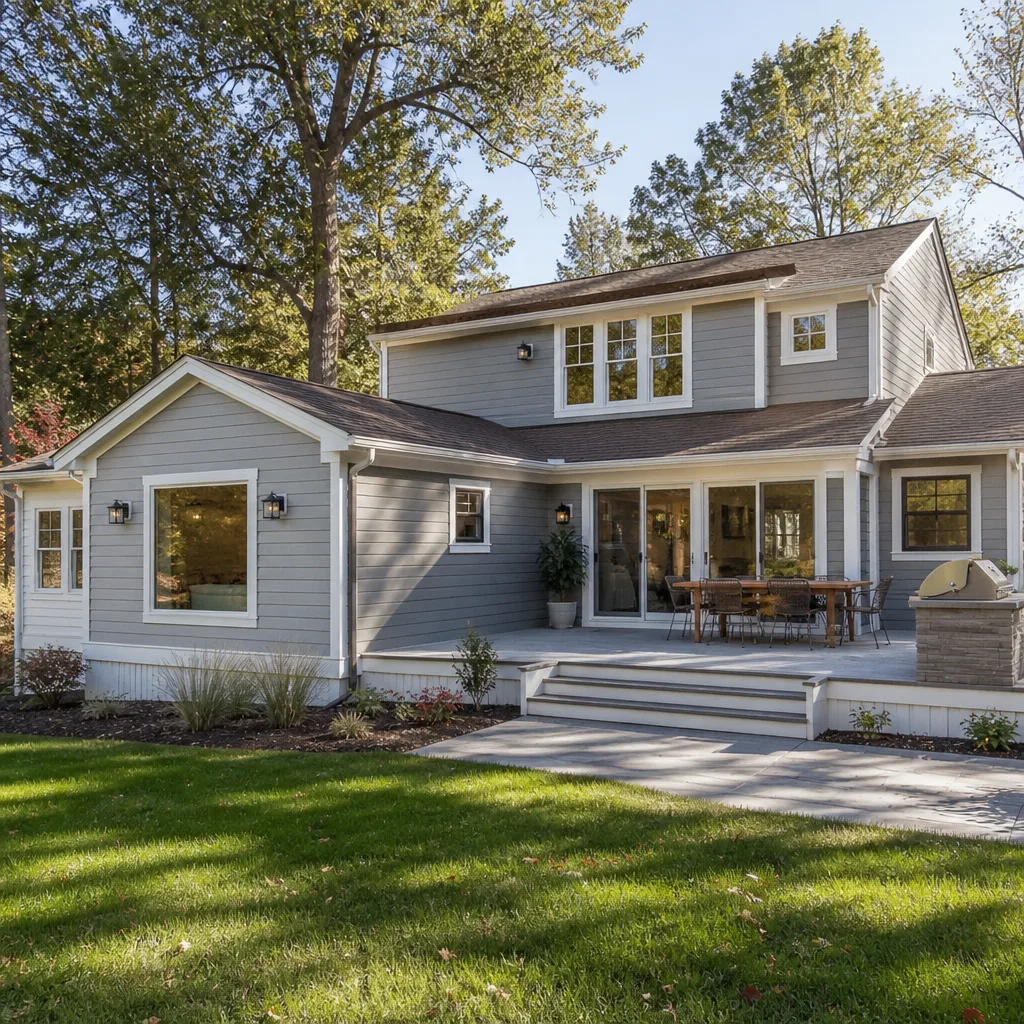 Home additions & ADU
 Kitchen remodeling
 Bathroom remodeling
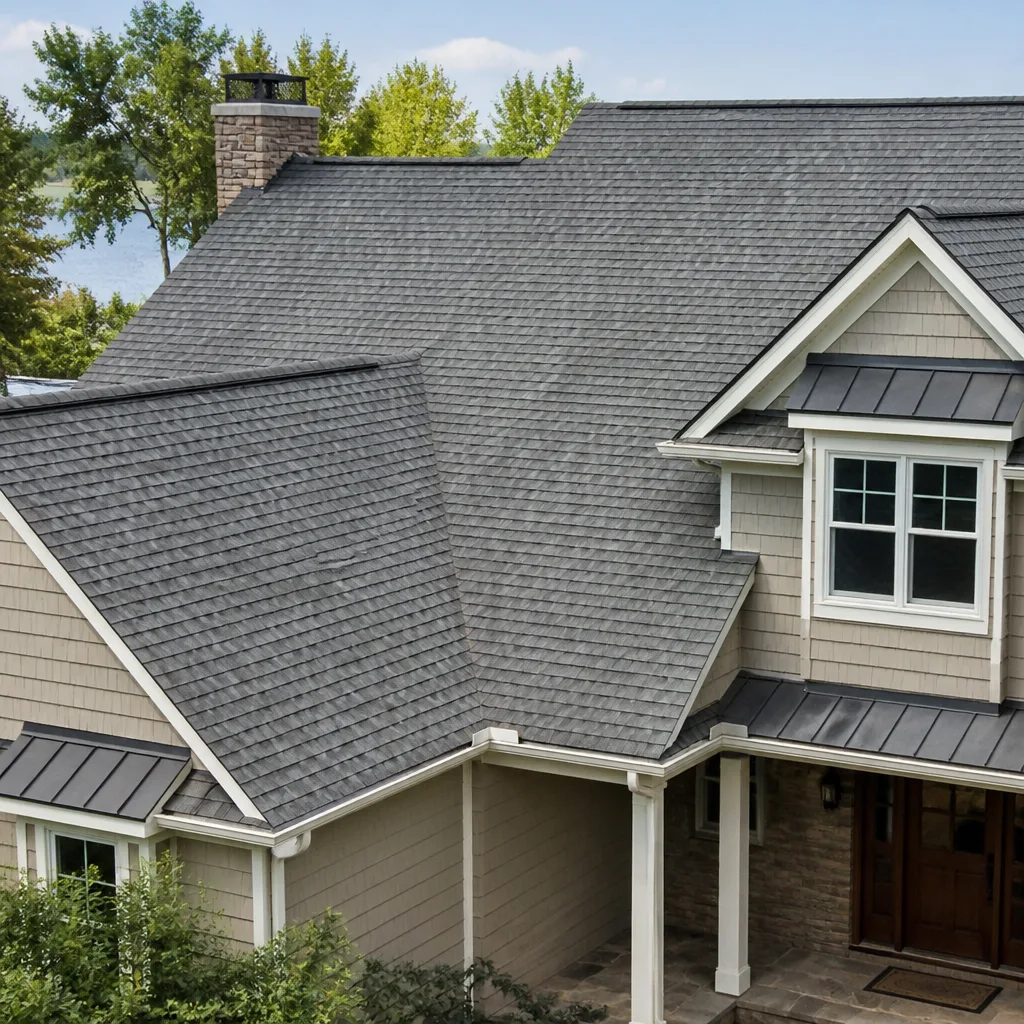 Roofing
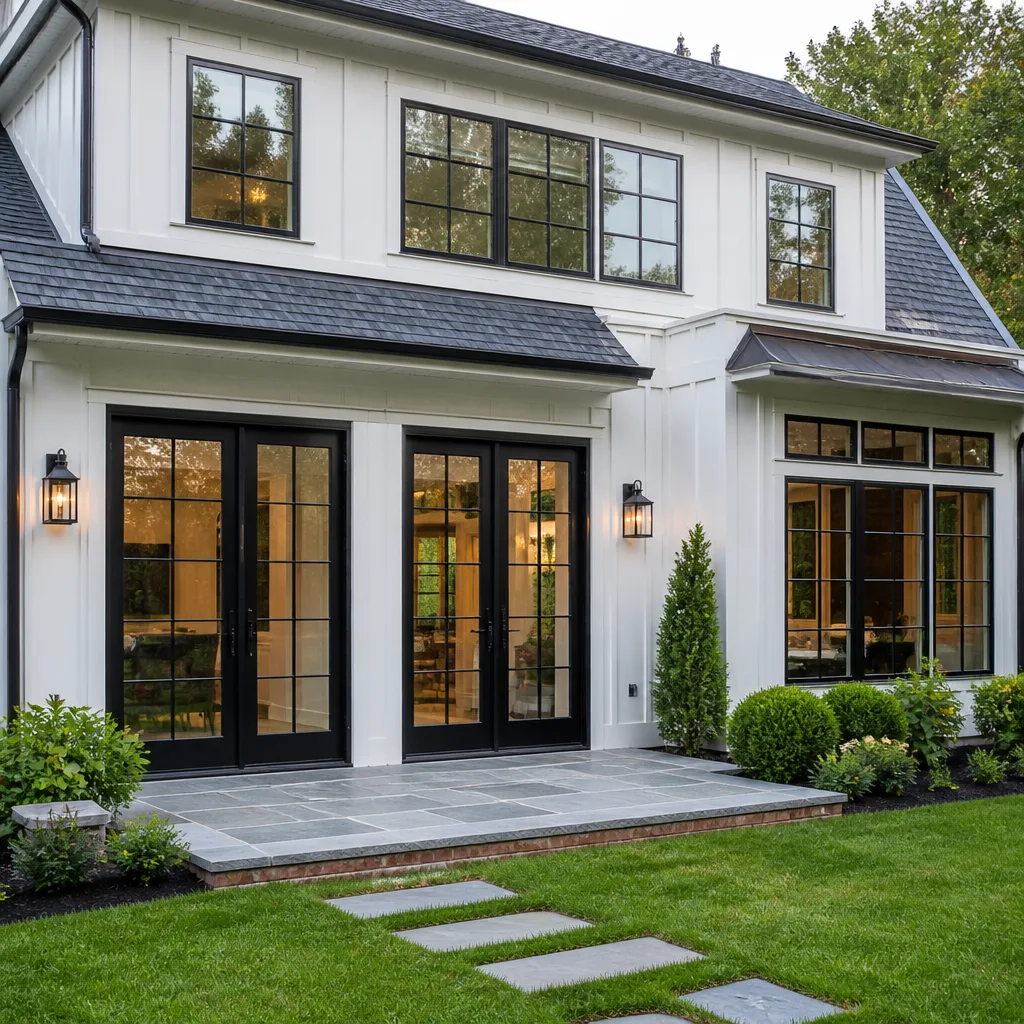 Windows & doors
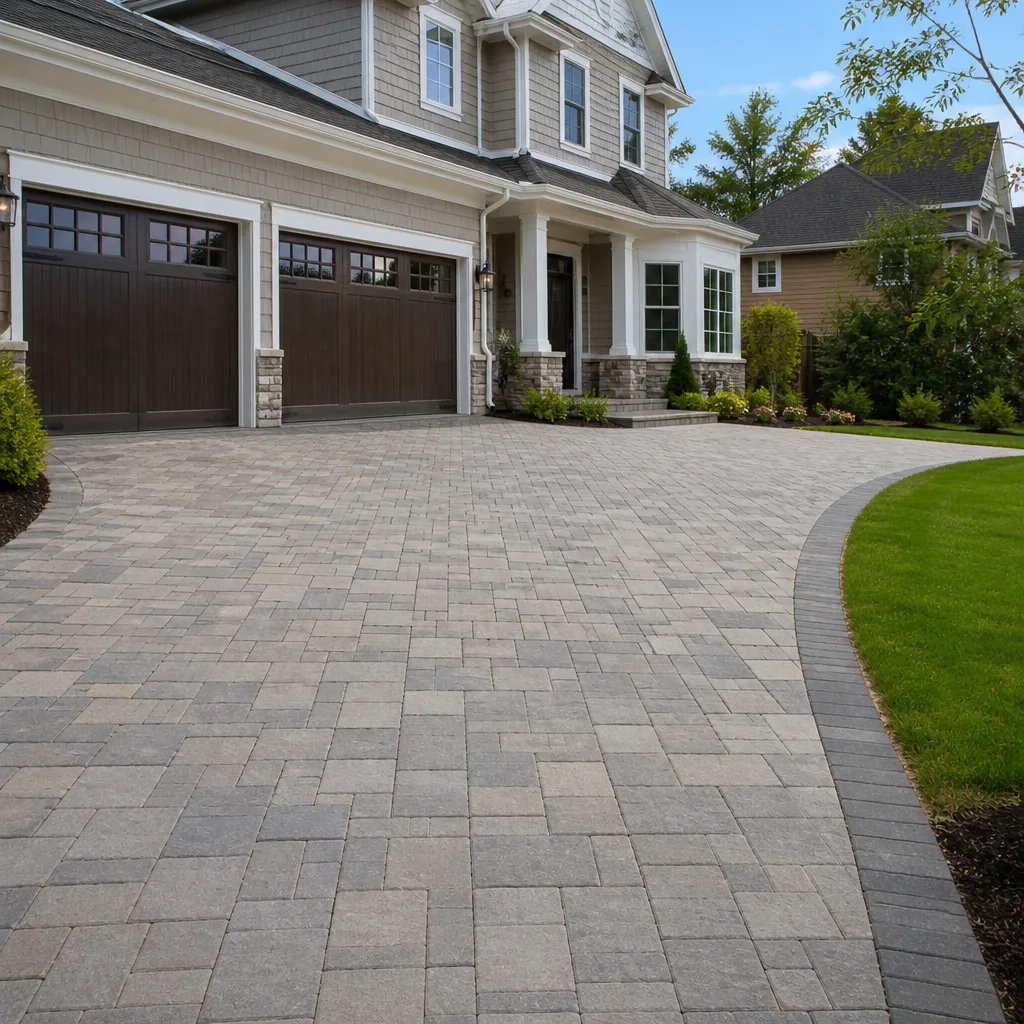 Driveway & pavers
 Fence
Free written scope consultation - allowances, timeline, and change-order rules on paper before a single trade is scheduled
Construction Emergency Preparedness Guide for Oakland Homes
After the Loma Prieta earthquake, thousands of Oakland homes with minor pre-existing foundation cracks became uninhabitable – not because the quake was catastrophic to them specifically, but because deferred maintenance removed their margin for error. That’s the hard lesson Oakland homeowners live with: this city stacks wildfire risk, seismic activity, and aging infrastructure on top of each other, and the window between a small problem and a catastrophic one is shorter here than in almost any other American city. This guide covers what to harden before an event, how to respond in the first hours, and how to protect your insurance claim afterward.
Quick Answer
Construction emergency preparedness in Oakland means hardening the specific weak points that fail during earthquakes and wildfires – cripple walls, water heaters, chimneys, roof vents, and decks – then knowing the exact response sequence when something happens. The highest-value steps are seismic bracing of older foundations, ember-resistant venting in the hills, and a documented paper trail of permits, photos, and warranty records that speeds up insurance and FEMA claims. Most of this work is inexpensive relative to the damage it prevents, and it’s planned work, not emergency work.
Styles & brands we work with
- Kitchen remodeling
- Bathroom remodeling
- Home additions & ADU
- Roofing
- Windows & doors
- Driveway & pavers
- Fence
Table of Contents
- Why Oakland Homes Face a Shorter Response Window
- Pre-Event Hardening: The Upgrades That Actually Reduce Damage
- Wildfire Interface Prep for Oakland Hills Homeowners
- The Emergency Response Sequence After a Seismic Event
- Finding a Vetted Contractor When Demand Spikes
- Documentation That Speeds Up Insurance and FEMA Claims
- Common Mistakes to Avoid
- When to Call a Professional
Why Oakland Homes Face a Shorter Response Window
Oakland sits on a web of active faults – the Hayward Fault runs directly through the city’s eastern neighborhoods, and the Rodgers Creek and Calaveras systems add to the picture. What makes Oakland different from a generic “earthquake country” city is the age and type of its housing stock. Large parts of the flatlands and the foothills were built before 1950, and a significant share of those homes have unbraced cripple walls, unreinforced brick chimneys, and foundations that have already moved slightly over decades.
That combination is what turned Loma Prieta from a manageable event into a wave of red-tagged homes. A foundation with a hairline crack might survive a moderate shake. A foundation with a hairline crack, a chimney that’s already leaning, and a water heater strapped to nothing is a different story. The margin for error is what you’re buying when you harden a house.
Then there’s the wildfire layer. The Oakland Hills fire of 1991 destroyed nearly 3,000 homes, and the conditions that fed it – steep terrain, narrow winding roads, dense vegetation, and wind-driven ember transport – haven’t gone away. Homes in Montclair, Joaquin Miller, and the hills above Highway 13 face ember exposure that flatland homes don’t, and embers, not flames, are what ignite most structures.
And underneath both of those sits ordinary aging infrastructure: clay sewer laterals that crack, galvanized supply lines that fail, roofs that have outlived their shingles. In most cities, a small construction problem is an inconvenience. In Oakland, it can be the thing that removes your margin for error when the ground moves. If you’re planning ahead rather than reacting, our Groundwork Construction Co. of Oakland home page is the place to start mapping out what your house actually needs.
Pre-Event Hardening: The Upgrades That Actually Reduce Damage
Not every retrofit is worth the money. These four are the ones that consistently change outcomes in an Oakland earthquake, ranked roughly by return on investment.
1. Cripple Wall Bracing
A cripple wall is the short stud wall between your foundation and the first floor, common in older Oakland homes with raised floors. Unbraced, it’s the single most common failure point in a seismic event – the house slides or racks off its foundation. Bracing it with plywood sheathing and proper anchoring is the highest-value seismic upgrade available to most pre-1950 homes in the city. This is permitted work and requires an engineer’s or licensed contractor’s assessment, not a weekend project.
2. Water Heater Strapping
A 50-gallon water heater weighs over 400 pounds when full. Unstrapped, it topples in a shake, ruptures the gas line, and starts fires – which is exactly how post-earthquake firestorms spread. Two metal straps anchored to the studs, plus a flexible gas connector, cost very little and eliminate a serious ignition risk.
3. Chimney Assessment and Bracing
Unreinforced masonry chimneys are the most common source of earthquake injuries inside homes, because they fail at the roofline and drop through the roof. In Oakland’s older homes, that means a proper assessment of the chimney’s condition and bracing or replacement where needed. Do not climb on a roof to inspect this yourself; height work on damaged masonry is genuinely dangerous.
4. Foundation Crack Evaluation
Hairline cracks in a slab are often cosmetic. Horizontal cracks, stair-step cracks in block foundations, and cracks that have widened over time are not. Getting a professional read on what you’re actually looking at tells you whether you need a repair now or a monitoring plan.
None of this is emergency work. It’s planned work, and that’s exactly why it’s worth doing while there’s no pressure. Groundwork Construction Co. of Oakland handles these as part of broader scopes, and every project is covered by our 730-Day Done Right Promise – if it’s not done right, we make it right.
Wildfire Interface Prep for Oakland Hills Homeowners
If you live in the hills, your home’s wildfire exposure is mostly about embers, not the flame front. Embers travel a mile or more ahead of a fire and enter through vents, gaps, and combustible materials. Three categories of work matter.
Ember-Resistant Venting
Standard foundation and attic vents are ember entry points. Ember-resistant venting, or vent covers rated for the purpose, blocks that path. It’s a small job with outsized impact on whether a house survives an ember shower.
Non-Combustible Decking and Siding
Wood decks and wood siding are fuel. When you replace either, choosing non-combustible or fire-rated materials changes the home’s ignition profile permanently. This is where working with established material brands pays off, because the product actually has a fire rating rather than a marketing claim. Our Home Additions & ADU in Oakland team handles this kind of material selection in the context of a larger project when you’re already building.
Defensible Space Grading
Defensible space isn’t just clearing brush. It’s grading and drainage work – the way the ground slopes and drains around your home affects both fire behavior and post-fire mudslide risk, which is a real hazard on Oakland’s steep hillside lots after vegetation burns off. Getting the grading right ahead of time is construction work, not landscaping work. Related groundwork like hardscaping appears in our Driveway & Pavers in Oakland service if you’re redoing the surfaces around the house.
One caution: strict defensible space rules and vegetation management requirements vary by parcel in the Oakland Hills. Check with the city before you clear anything that might be a protected tree, and don’t let a contractor tell you otherwise.
The Emergency Response Sequence After a Seismic Event
In the first hour after a shake, most people make one of two mistakes: they walk straight into a damaged house, or they immediately climb on the roof. Don’t do either. Follow this sequence.
- Assess from outside, first. Before entering, look for a lean in the walls, a gap where the house meets the foundation, cracked or dislodged masonry, or a roof line that’s visibly out of level. If any of these are present, do not enter.
- Check for gas smells from outside. If you smell gas, leave, get clear, and call PG&E from a safe distance. Never re-enter to shut off a valve you can’t reach safely.
- Enter only if the exterior looks intact. Move cautiously, and check that doors open and close normally; a door that suddenly sticks can indicate the frame has shifted.
- Photograph everything, before you touch anything. Every crack, every displaced object, every damaged wall from every angle. This documentation is the foundation of any insurance claim.
- Do not attempt structural repairs yourself. Beyond the danger, a homeowner repair can complicate your insurance claim and fail a later inspection.
- Call a licensed contractor for a safety assessment, and call the city’s building department if there’s visible structural damage. Both may be needed; they serve different purposes.
Calling us early matters because our phone is answered by a live person 24/7 – no voicemail, no waiting until Monday. That’s true for planned work and it’s true when you’re standing on the sidewalk deciding whether your house is safe to sleep in.
Finding a Vetted Contractor When Demand Spikes
After a disaster, demand for contractors in Oakland multiplies overnight, and predatory operators descend on the market. The signs of a bad actor are consistent.
- They want cash upfront, with no written contract. Reputable contractors provide written, line-item pricing. Upfront pricing, no surprises, means the number you see is the number you pay.
- No license, no insurance. Ask for it and verify it, don’t take a verbal assurance.
- They can’t tell you how they handle permits. A contractor who dismisses permits as unnecessary is telling you something about how they work.
- They pressure you to sign immediately. Genuine urgency after a disaster is real, but legitimate contractors will still put commitments in writing.
- No verifiable warranty in writing. Ask what happens if the work fails six months later, and get the answer in writing.
What a properly vetted contractor looks like in practice: background-checked technicians, uniformed crews, a documented scope, and a long workmanship guarantee. Groundwork backs its work with a 730-Day Done Right Promise, which is one of the longest workmanship guarantees in the residential construction space. That’s the standard to expect when you’re hiring after an event, not a premium add-on.
Documentation That Speeds Up Insurance and FEMA Claims
The single biggest accelerator for a claim is documentation you created before the disaster. Insurers pay on evidence, and FEMA assistance requires proof of ownership, occupancy, and damage. Build this file now, while you’re not in a hurry.
- Photo and video of every room, every system, and the exterior, including the inside of the attic and the crawl space. Date the files.
- Permits and inspection records for any work ever done on the house. These prove the work was legitimate and help establish repair history.
- Warranty records for roofs, windows, appliances, and fixtures. A roof under warranty can be repaired rather than replaced, which changes what you owe.
- Receipts for major purchases, especially anything you’d have to replace.
- A written home inventory with photos of serial numbers on major appliances.
After the event, keep every receipt related to temporary stabilization and emergency repairs – mitigation costs are often reimbursable, but only if you have receipts. And keep a copy of this documentation off-site, either in the cloud or with a relative outside Oakland. A file cabinet in a damaged house is not a backup.
Common Mistakes to Avoid
- Treating a small foundation crack as cosmetic. In a city with the Hayward Fault running underneath it, a widening crack is data, not a blemish. Get it evaluated before the next shake removes your margin for error.
- Skipping the water heater strap. It’s one of the cheapest fixes on this list and one of the most common causes of post-earthquake house fires. Two straps and a flexible connector are not a budget-buster.
- Clearing hillside vegetation without checking with the city. Oakland’s hillside parcels have specific rules about protected trees and defensible space. Clear the wrong thing and you can end up with a citation and a fine.
- Hiring whoever shows up first after a disaster. Demand spikes and predatory contractors swarm Oakland after every event. No license, no insurance, no written contract, no deal.
- Entering a post-quake house without inspecting from outside first. A visible lean in the walls or a gap where the house meets the foundation means stop. Structural danger is not visible once you’re inside.
- Failing to document before you clean up. Every photo you don’t take of the damage is evidence you can’t submit with your claim. Photograph first, repair second.
- Letting a contractor talk you out of permits. Unpermitted work can complicate an insurance claim and surface as a problem at sale. Insist on permits and inspections passed.
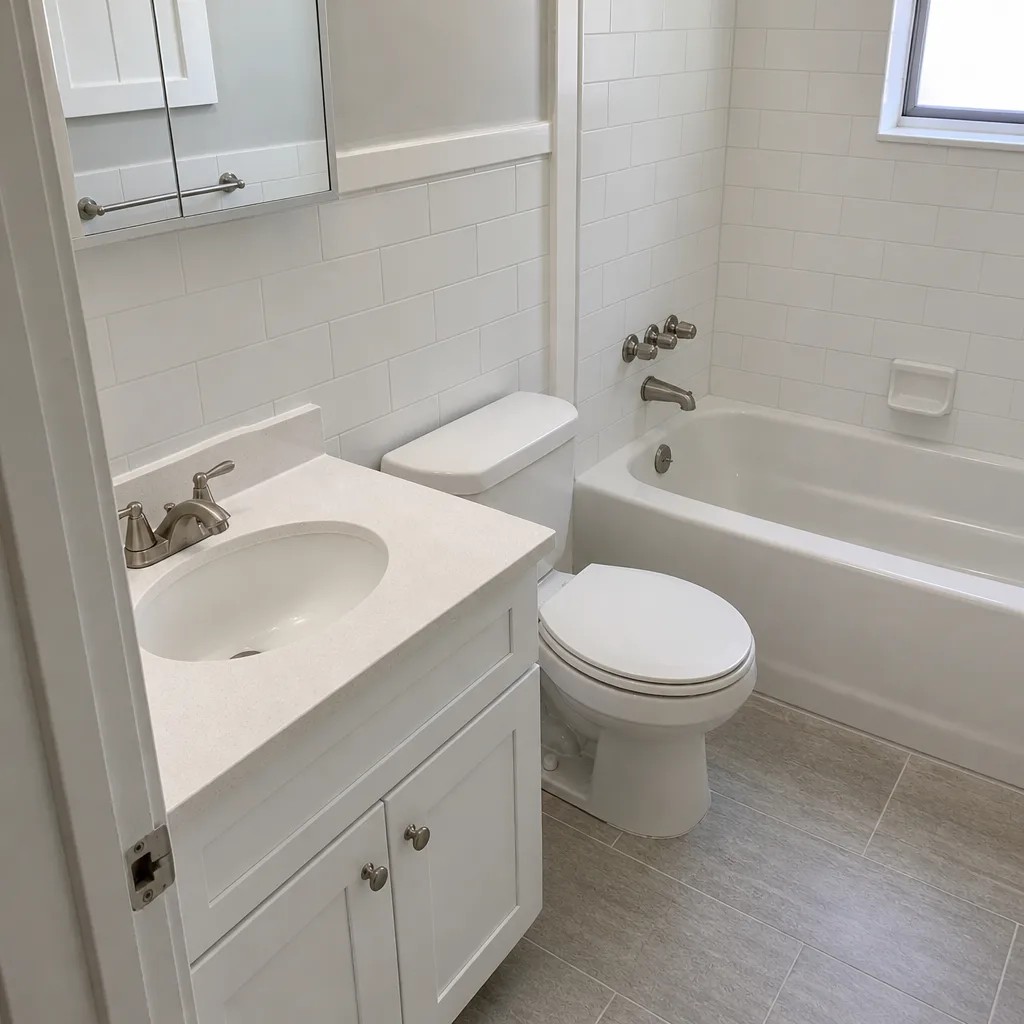
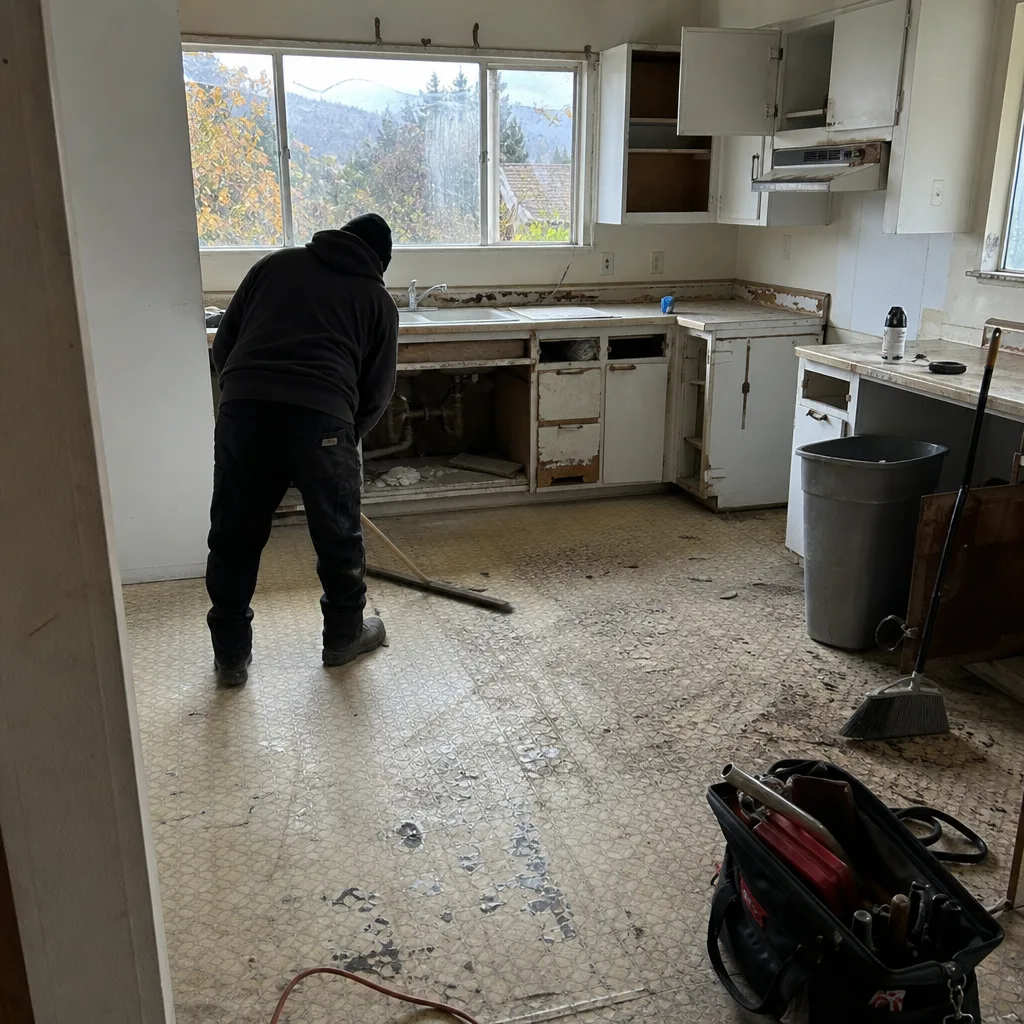
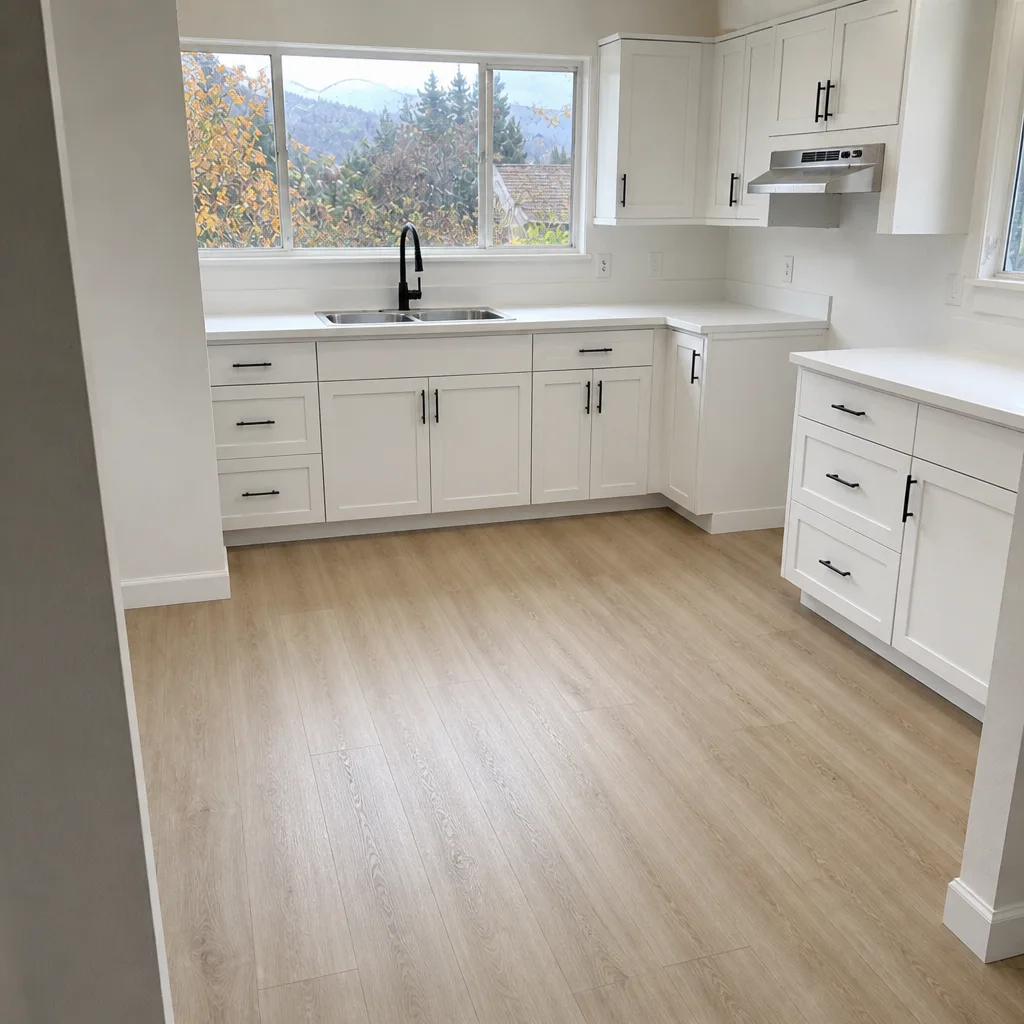
See the difference
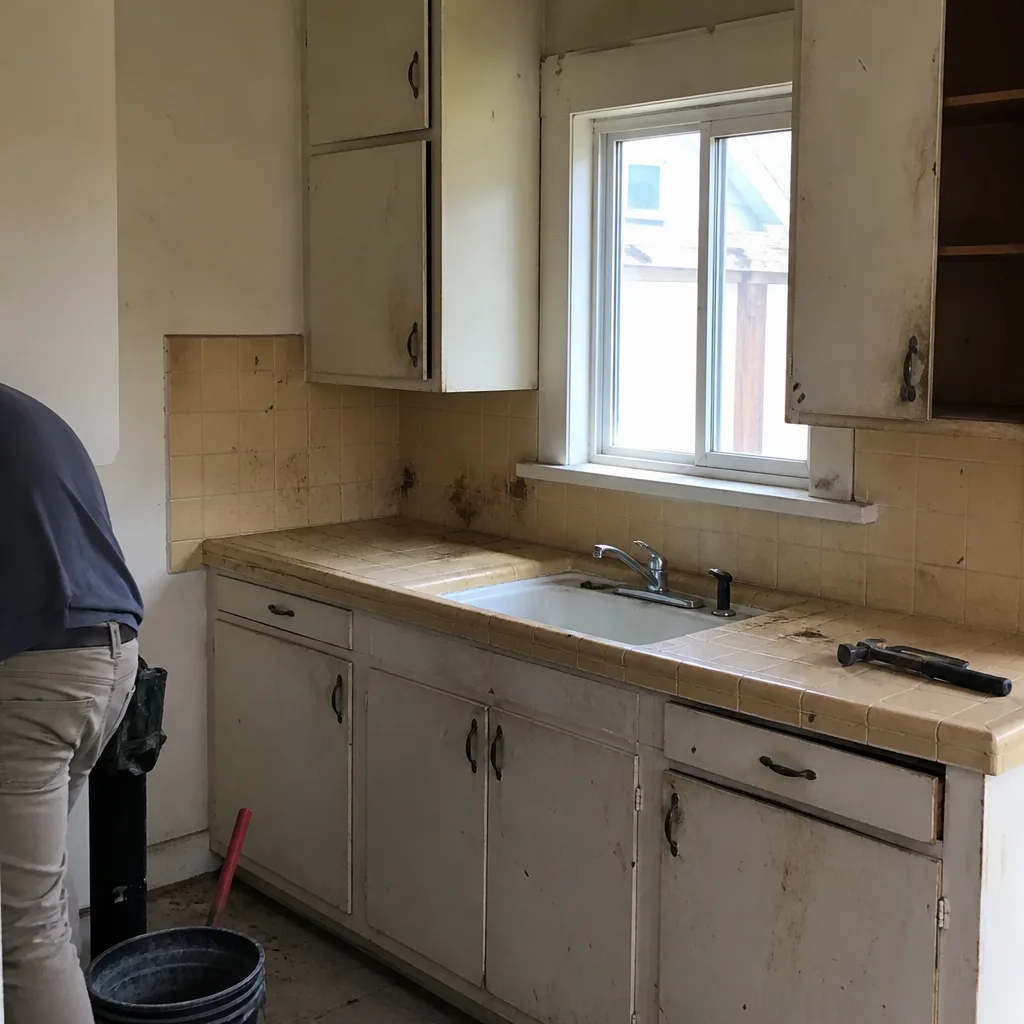 Before
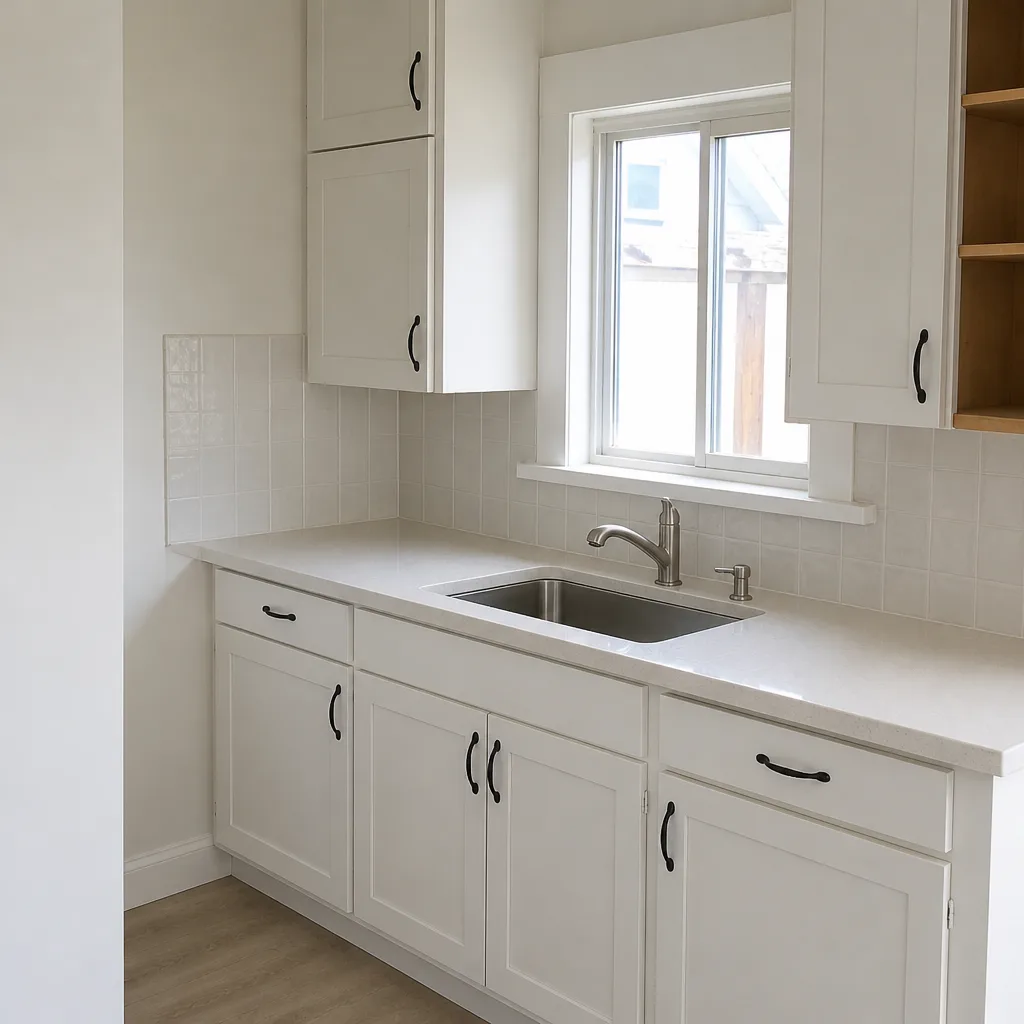 After
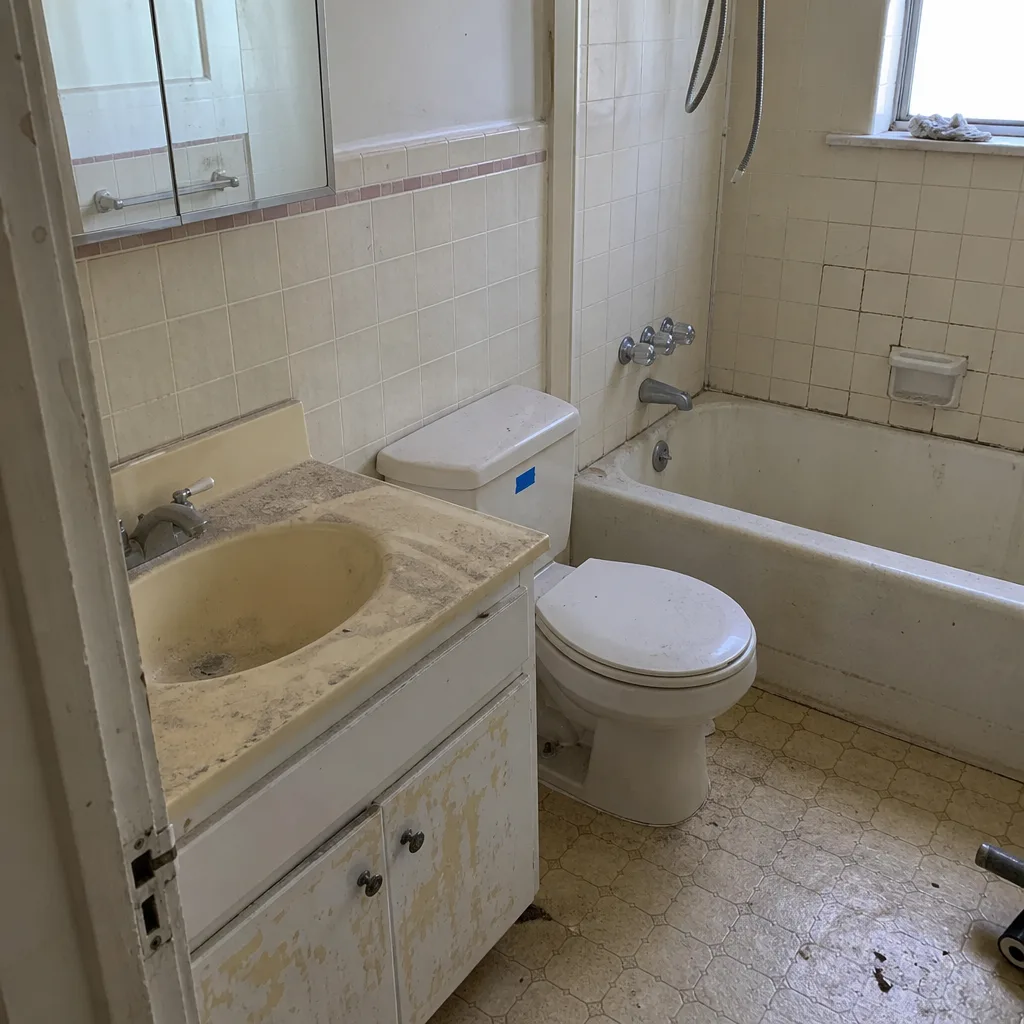 Before
 After
 Before
 After
When to Call a Professional
Call a licensed contractor when you see visible structural movement – a lean in the walls, a gap where the house meets the foundation, stair-step or horizontal cracks in a block foundation, or a chimney that’s shifted. Call when a door has suddenly begun sticking or a wall has cracked along a drywall seam in a line, which can indicate framing movement. Call when you need a seismic assessment on a pre-1950 home, and call before any hillside grading or drainage work, because the stakes on a steep Oakland lot are high. And call after any event that’s left you unsure whether the house is safe, because a professional assessment costs less than being wrong.
Groundwork Construction Co. of Oakland offers free estimates in Oakland – call (833) 997-7759. We’ll walk the house with you, put the scope and pricing in writing, and give you a straight answer about what needs attention now versus what can wait. Our technicians have up to 12 years of experience, and every project is covered by the 730-Day Done Right Promise.
Frequently Asked Questions
Most homeowners we work with spend in the range of a few thousand dollars to about fifteen thousand, depending on whether the scope is water heater strapping and venting alone or full cripple wall bracing and foundation anchoring. Cripple wall bracing on a typical pre-1950 Oakland home is the largest line item; water heater strapping is among the smallest. Final pricing depends on the home’s condition and square footage, so call (833) 997-7759 for an exact quote – estimates are free, and you get a written line-item breakdown.
Inspect the exterior from outside before entering: look for wall lean, gaps between the house and foundation, and dislodged masonry. If you see those, do not go in, and call a licensed contractor and the city building department. If the exterior looks intact, check for gas smells from outside, then enter cautiously and photograph everything before touching anything.
Standard homeowners policies in California do not cover earthquake damage; you need separate earthquake coverage, typically through the California Earthquake Authority or a private carrier. Check your policy now, before an event, because you cannot buy coverage after a loss. Good documentation of the home’s condition before any damage occurs is what makes a claim faster and cleaner.
Verify the license and insurance yourself rather than taking a verbal assurance, insist on a written contract with line-item pricing, and ask what the workmanship warranty actually says. Predatory operators tend to demand cash upfront and resist putting commitments in writing. Reputable contractors will show documented pricing, permits, and a warranty in writing.
Ember-resistant venting is the highest-value single upgrade, because embers are what ignite most structures, not the flame front. After that, non-combustible decking and siding, and defensible space grading that also handles drainage on steep hillside lots. Grade and material choices change what happens to the house in an ember shower.
Yes. Structural upgrades like cripple wall bracing and foundation anchoring require permits and inspection. Water heater strapping and minor vent work are lighter-touch, but any structural change should go through the city. Unpermitted work can complicate insurance claims and surface as a problem when you sell the house.
The Bottom Line
Oakland homes sit where wildfire risk, seismic activity, and aging infrastructure overlap, and the margin between a small problem and a catastrophic one is narrow. Prep what fails first: cripple walls, water heaters, chimneys, and roof vents. Build the documentation file now, while you’re not under pressure. Know the exterior-first response sequence, and don’t enter a house that’s visibly moved. When you hire after an event, verify license, insurance, written pricing, and warranty. Most of this is planned work. That’s exactly when it’s worth doing. If you’re ready to map out what your house needs, call (833) 997-7759 for a free estimate. Our phone is answered by a live person 24/7, we pull the permits, and every project is backed in writing by our 730-Day Done Right Promise. We also handle related exterior work like Fence Installation in Oakland when a project scope grows, and we offer 0% financing for 18 months plus $1,000 off projects over $10,000 to make larger retrofits manageable.
Written by the team at Groundwork Construction Co. of Oakland.