
Last updated November 17, 2026
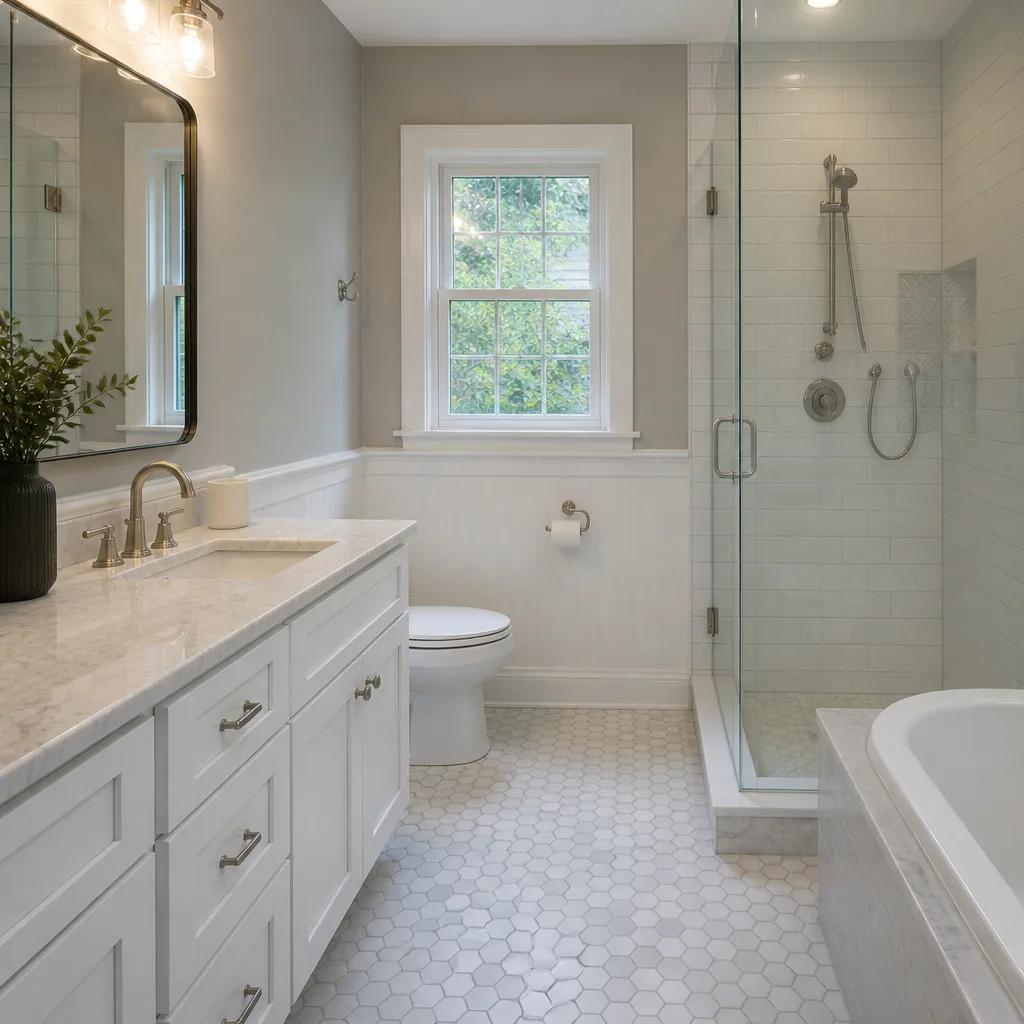 Bathroom remodeling
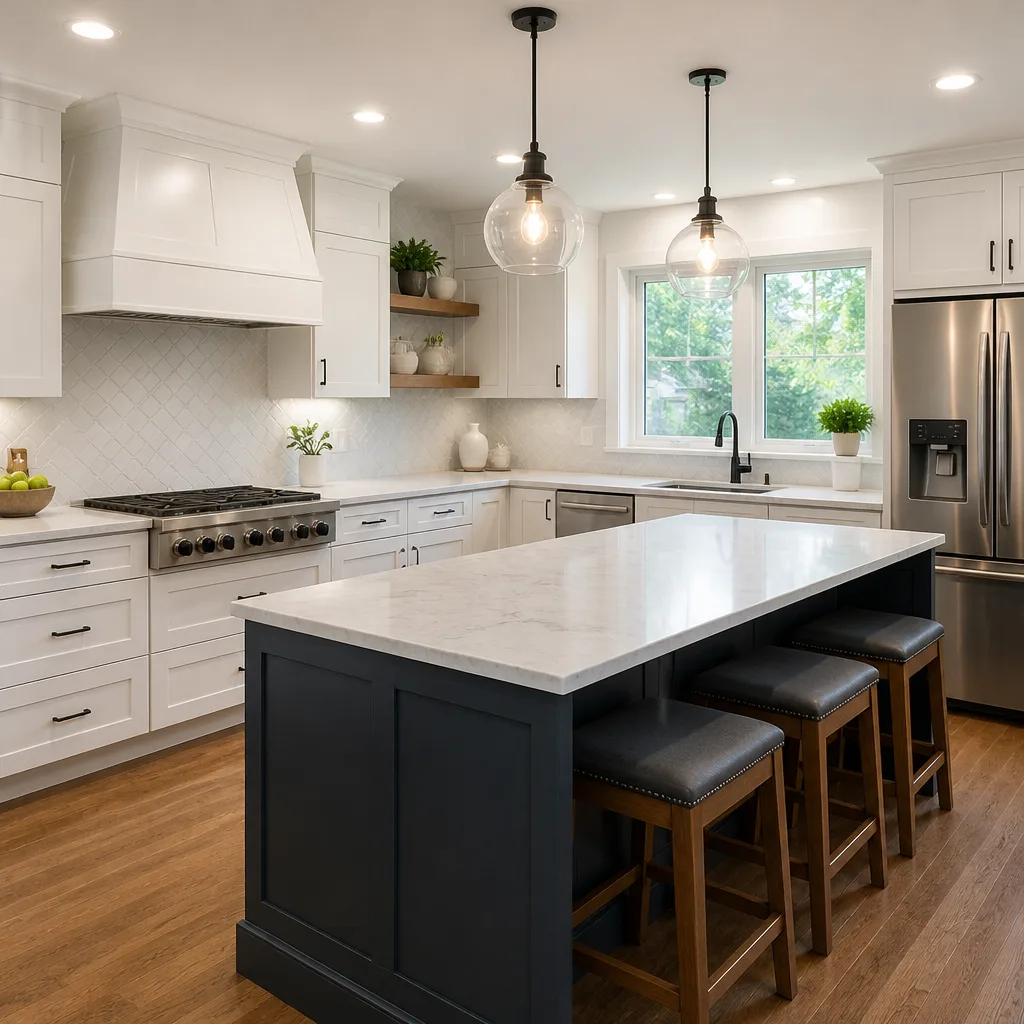 Kitchen remodeling
 Home additions & ADU
 Roofing
 Windows & doors
 Driveway & pavers
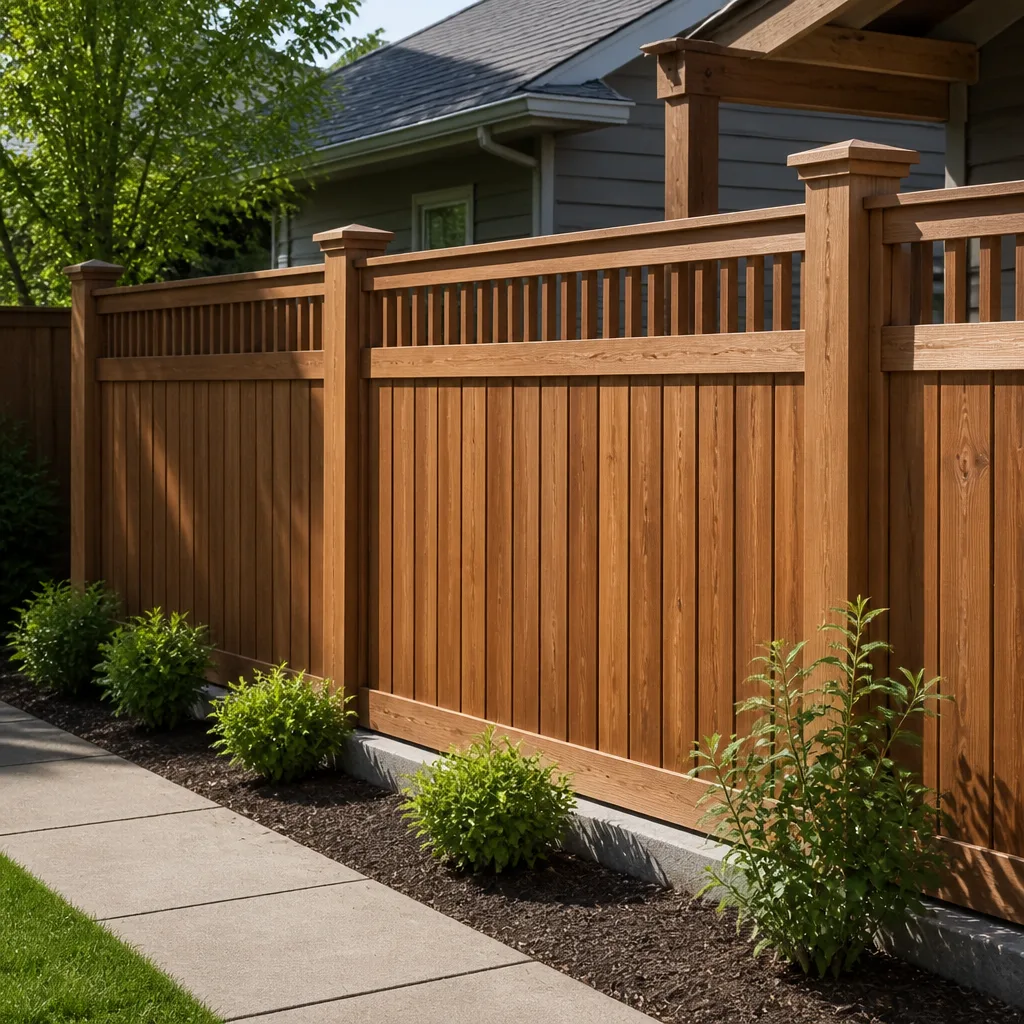 Fence
Free written scope consultation - allowances, timeline, and change-order rules on paper before a single trade is scheduled
DIY vs Professional Bathroom Remodeling: What’s Safe to Do Yourself
The most expensive bathroom remodel mistakes in Oakland aren’t made by bad contractors. They’re made by homeowners who crossed the line from cosmetic work into structural or plumbing territory without knowing it. We’ve walked into bathrooms where a weekend tile job turned into a $14,000 subfloor replacement because the demo hammer went one inch too far. The homeowner wasn’t careless. They simply didn’t know where the line was. This guide draws that line clearly: what’s genuinely safe to handle yourself, what requires a permit and a licensed trade, and how to stage your own work so it doesn’t collide with the professional scope.
Quick Answer
Painting, swapping hardware, replacing a mirror or vanity light, and re-caulking are safe DIY bathroom tasks for a capable homeowner. Anything that touches drain lines, supply plumbing, load-bearing walls, ventilation ductwork, or waterproofing membranes requires a licensed professional and usually an Oakland building permit. The dividing line isn’t your confidence level. It’s what’s behind the drywall.
Styles & brands we work with
- Kitchen remodeling
- Bathroom remodeling
- Home additions & ADU
- Roofing
- Windows & doors
- Driveway & pavers
- Fence
Table of Contents
- Where the DIY Line Actually Sits
- Safe DIY Tasks: Paint, Hardware, Mirrors, and More
- What You Should Never Do Yourself
- Oakland Permit Rules That Apply to Partial DIY Work
- The Hidden Cost of Partial DIY
- How to Stage DIY Tasks Alongside a Pro Scope
- Three Questions Before You Pick Up a Tile Saw
- What Unpermitted Work Does at Resale
Where the DIY Line Actually Sits
Most homeowners think of the DIY decision as a sliding scale based on skill. It isn’t. It’s a hard boundary based on consequence. If a task goes wrong, how much does it cost to fix? Paint a wall badly and you repaint it for $60. Move a drain line badly and you’re opening the ceiling below, replacing saturated joists, and paying for a plumber, a drywall crew, and possibly mold remediation. The gap between those two outcomes is the real line.
Here’s how we frame it for Oakland homeowners planning a bathroom remodel:
- Cosmetic work (paint, hardware, mirrors, accessories): reversible, low-cost to fix, no permit. Fair game for a careful homeowner.
- Surface work (tile, vanity replacement in the same footprint, toilet swap in the same location): doable with research, but mistakes get expensive fast and waterproofing failures show up a year later.
- Systems work (plumbing, electrical, HVAC): licensed trade only. These are the tasks that create the five-figure disasters.
- Structural work (moving walls, widening doorways, altering floor framing): engineered and permitted, full stop.
The homeowners who get burned are almost always confident people who handled category one well and assumed category three worked the same way. It doesn’t. The skills don’t transfer, and the failure modes are invisible until they’re expensive.
Safe DIY Tasks: Paint, Hardware, Mirrors, and More
These are the tasks we regularly tell Oakland homeowners to keep for themselves. They save real money, they don’t require a permit, and if you take your time the result looks professional. Just plan them so they don’t interfere with the licensed crew’s schedule.
- Painting. Walls, ceiling, trim, and cabinet fronts. Use a bathroom-rated paint with a satin or semi-gloss finish so it handles moisture and wipes clean. In Oakland’s older homes, prime first – the plaster and old paint layers need it.
- Cabinet and drawer hardware. Pulls, knobs, and hinges. Measure twice, drill once. This is the single cheapest visual upgrade in any bathroom.
- Mirrors and vanity lighting. Replacing a mirror is easy. Swapping a light fixture is easy only if the existing wiring is already there and the circuit is off at the breaker – if you need a new circuit or a relocated box, that’s an electrician’s job.
- Caulking and grout refresh. Re-caulking the tub surround and resealing grout lines extends the life of existing tile. Scrape the old caulk out fully, clean with a mildew remover, let it dry completely, then apply a bathroom-grade silicone.
- Accessories and storage. Towel bars, shelving, medicine cabinets that mount to existing studs, shower curtains, hardware.
- Toilet seat replacement. Genuinely simple and instantly better.
One note on the tile saw, since it comes up constantly: laying tile is a legitimate DIY skill, but the waterproofing underneath it isn’t forgiving. A shower pan that looks perfect and leaks at the curb will cost you the ceiling below and possibly a mold remediation in a year. If you want to tile a floor in a dry area, go ahead and learn. Leave the wet areas to someone insured for the failure.
What You Should Never Do Yourself
We can’t overstate this next part. These tasks are dangerous and, in most cases, illegal to perform without a license or permit in Oakland. Doing them yourself doesn’t just risk a bad outcome – it can void your homeowner’s insurance on a claim related to the work.
- Moving drain lines or supply plumbing. Relocating a toilet, adding a sink, or moving the shower drain requires a licensed plumber and a permit. A slow leak behind a wall means rot, mold, and a repair bill that dwarfs the original plumbing cost.
- Electrical work beyond a fixture swap. New outlets, GFCI installation near water, adding a dedicated circuit for a heated towel rack or a jetted tub – all licensed electrician territory. Bathrooms are wet locations; the code is stricter here for a reason.
- Anything touching a load-bearing wall. Widening a doorway, removing a wall between the bath and closet, or opening up the layout. Structural work needs an engineer, a permit, and an inspection.
- Ventilation work. Adding or relocating an exhaust fan and its duct run affects moisture control and, in Oakland’s older homes, sometimes intersects with knob-and-tube wiring in the attic.
- Waterproofing a shower pan or wet-area tile installation. Not because you can’t learn, but because the failure is invisible until it’s a $10,000 repair.
- Gas line work. If your bathroom has a gas fixture, no. That’s a licensed plumber, always.
If any of the tasks above are on your list, the honest answer is to hire them out and save your DIY energy for the cosmetic scope. We’ve written about how a full bathroom remodeling in Oakland comes together when the licensed scope is handled by professionals from the start.
Oakland Permit Rules That Apply to Partial DIY Work
This is where we see the most confusion. Partial DIY work still triggers permit requirements, and homeowners routinely assume that because they’re doing the labor, the permit rules don’t apply. They do.
In Oakland, the following bathroom-related work requires a building permit and inspections, regardless of who performs it:
- Any plumbing alteration – moving or adding fixture locations, replacing drain lines, or changing supply runs.
- Any electrical work extending beyond swapping a fixture in the same location.
- Structural changes, including non-load-bearing wall removals (the city still wants to know about them).
- Adding or relocating a bathroom vent fan and its ducting.
- Converting a half-bath to a full bath, or adding a bathroom where one didn’t exist.
- Any work affecting the building envelope (window replacement in wet locations, exterior wall changes).
Cosmetic work – paint, tile in dry areas, cabinetry, fixtures in the same location – typically doesn’t require a permit. But anything that changes the system or the structure does. The permit exists partly for your safety and partly so the work is documented on the property record when you sell. Unpermitted bathroom work is one of the most common punch-list problems we see in Oakland resales, and it has real dollar consequences at the closing table.
During inspections, the city looks at rough plumbing, rough electrical, waterproofing, and framing before the finish goes on. If your DIY scope was supposed to be inspected and wasn’t, that’s a gap the buyer’s inspector will find.
The Hidden Cost of Partial DIY
The classic scenario: a homeowner takes on demo to save money, then calls us for the rest. Sometimes that works beautifully. Other times it costs them more than if we’d done the demo ourselves, because we have to price in remediation before any new work can start.
Here’s how remediation pricing usually lands in Oakland:
- Torn-out drywall beyond the planned scope: $400 – $1,200 to repair and re-close.
- Cut plumbing or a punctured supply line during demo: $300 – $900 in plumbing repair, plus possible drywall and paint.
- Damaged or missing subfloor from improper demo: $800 – $2,500 depending on square footage and whether joists were affected.
- Waterproofing applied incorrectly and removed: $1,500 – $4,000 in shower pan remediation depending on the system.
- Hidden moisture or mold uncovered after demo: $1,200 – $6,000 in mitigation and rebuild.
Those aren’t scare numbers. They’re what we see when a demo goes one step past where it should have stopped. The homeowner was saving a few hundred dollars of labor and cost themselves a few thousand in remediation. The demo isn’t where the money is – the planning, the sequencing, and the licensed trades are. If you’re comparing the two approaches, take a look at what a pro completes in a full bathroom remodel to see where the value actually sits in the scope.
The good news: there’s a way to do partial DIY right, and it comes down to sequencing.
How to Stage DIY Tasks Alongside a Pro Scope
If you’re going to do part of the work yourself, the sequencing matters as much as the tasks themselves. Here’s how we stage DIY scope alongside a professional crew on a typical Oakland bathroom remodel:
- Before the pro scope begins: Pack out the bathroom, remove personal items, and pull anything you’re keeping (medicine cabinet, shelving) that won’t be reinstalled.
- During the pro scope: Stay out. Don’t paint behind the crew or try to squeeze a fixture swap in between phases. The trades are on a schedule and interruptions cost time.
- After rough-in and inspections pass: The walls are open, the systems are signed off, and finish work begins. This is when your cosmetic scope starts.
- After final paint by the crew: You re-caulk, install accessories, hang the mirror, and stage the room. Nothing you do here can undo the licensed work.
The one thing to avoid: starting your DIY paint or tile before the crew’s final inspection. Wet areas need to be accessible for the city inspector, and a finish coat that has to be cut out for inspection is wasted money.
If your bathroom project is part of a broader plan – say, adding an en-suite or an ADU – the sequencing gets more complex. That’s where a Home Additions & ADU in Oakland conversation is worth having before you decide which pieces to DIY.
Three Questions Before You Pick Up a Tile Saw
Before you commit to a DIY task, ask yourself three questions honestly. If any answer is “not sure”, that’s the signal to hire it out.
- If I get this wrong, how much does it cost to fix? If the answer is under a few hundred dollars and reversible, proceed. If it involves water, electricity, structure, or a wall cavity, the answer is “too much” – hire it out.
- Do I know what the code requires, not just what looks right? Oakland’s rules on wet-location electrical, ventilation, and waterproofing don’t show up in a YouTube tutorial. If you can’t state the code requirement from memory, you’re guessing.
- Will this be inspected, and who’s on the hook if it fails? If your work requires a permit and inspection, the licensed trade needs to be the one performing it so the warranty and the inspection align. DIY scope should be work that doesn’t need inspection.
If all three answers point to “go ahead”, you’re on solid ground. If one of them doesn’t, that’s where the project gets handed off. Being honest about your own limits isn’t a failure of skill – it’s how the professionals stay out of trouble too.
What Unpermitted Work Does at Resale
Unpermitted bathroom work is one of the most common issues we see surface during an Oakland home sale, and the cost almost always lands on the seller. When a buyer’s inspector flags a bathroom that doesn’t match the property record, the seller has three options: pull a retroactive permit (often requiring the walls to open back up for inspection), negotiate the price down, or eat the lost sale.
The retroactive permit path is the cleanest and the slowest. It means opening enough of the work for the city to inspect what was done, which usually means demo of finish material. Even when the work was performed correctly, the cost to un-finish it for inspection can run $2,000 – $8,000 on a modest bathroom.
We encourage every Oakland homeowner considering partial DIY to think about resale before the first tile is set. Work that doesn’t need a permit and is done well is a value-add. Work that skipped a permit can erase the entire remodel’s contribution to your home’s value. The math rarely favors the shortcut.
If your overall plan includes a fence or a driveway project alongside the bathroom, the same principle applies to exterior work. Communities like Oakland have their own permit thresholds for Fence Installation in Oakland and for hardscape, and the Driveway & Pavers in Oakland scope has its own inspection requirements.
Common Mistakes to Avoid
- Cutting into a wall without a stud finder and a plan. In Oakland’s older housing stock, the wall you open may reveal knob-and-tube wiring or a surprise plumbing stack. Have a plan before the hammer goes in.
- Skipping the permit because “it’s just a small change”. Oakland requires permits for electrical work beyond a fixture swap and for any plumbing relocation, no matter how small it seems at the time.
- Waterproofing the shower without understanding the system. A waterproofing membrane applied incorrectly is worse than none, because it hides the failure until the ceiling below is wet.
- Tiling over a subfloor that wasn’t flat. A tile floor that looks level but isn’t flat will crack along the grout joints within a year. Use a long straightedge and check the subfloor before you start.
- Starting paint before the licensed scope is inspected. The city needs access to the wet areas. Finish paint that gets cut out for inspection is money you don’t get back.
- Assuming demo is the easy money. Improper demo is the single most common cause of remediation pricing we see on partial-DIY bathroom jobs in Oakland.
- Reusing old shutoff valves and supply lines. They’re the cheapest part in the bathroom and the most common failure point. If you’re touching a fixture, replace the shutoffs while you have access.
See the difference
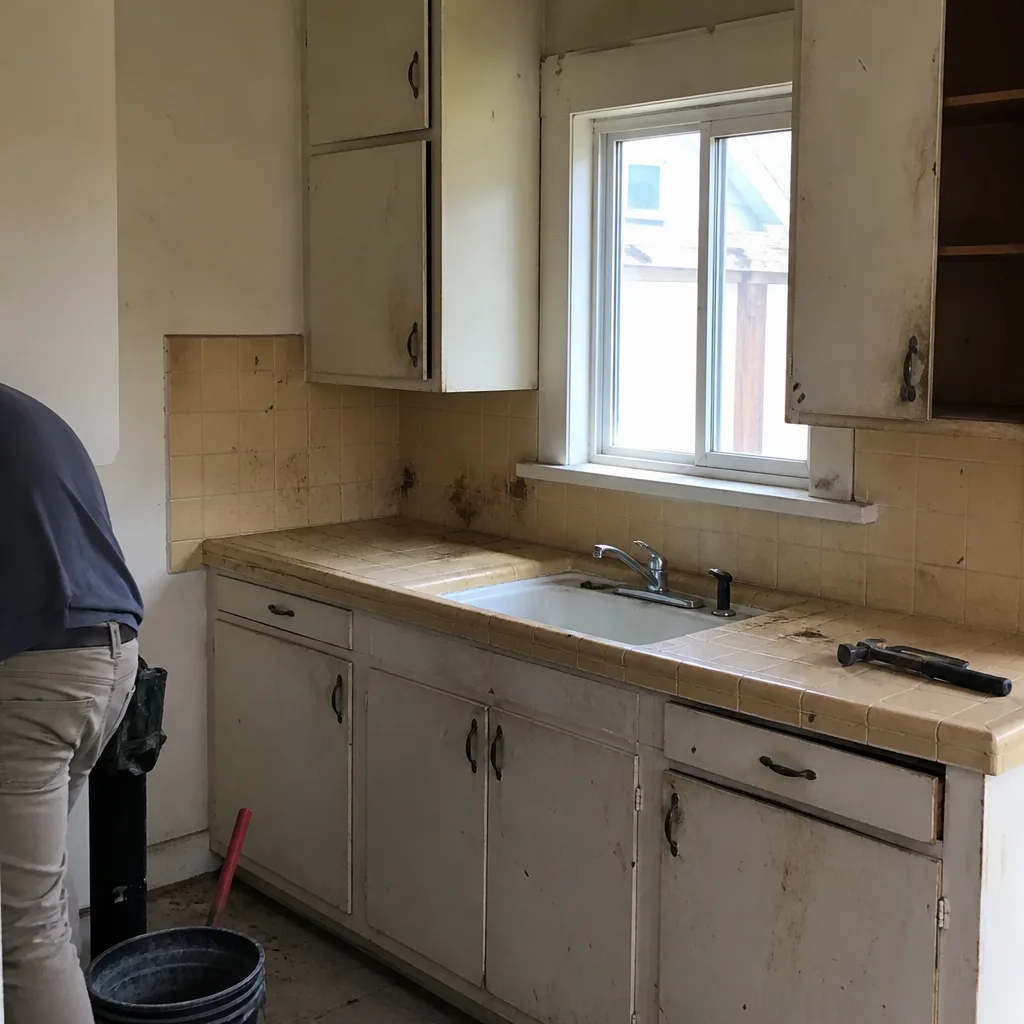 Before
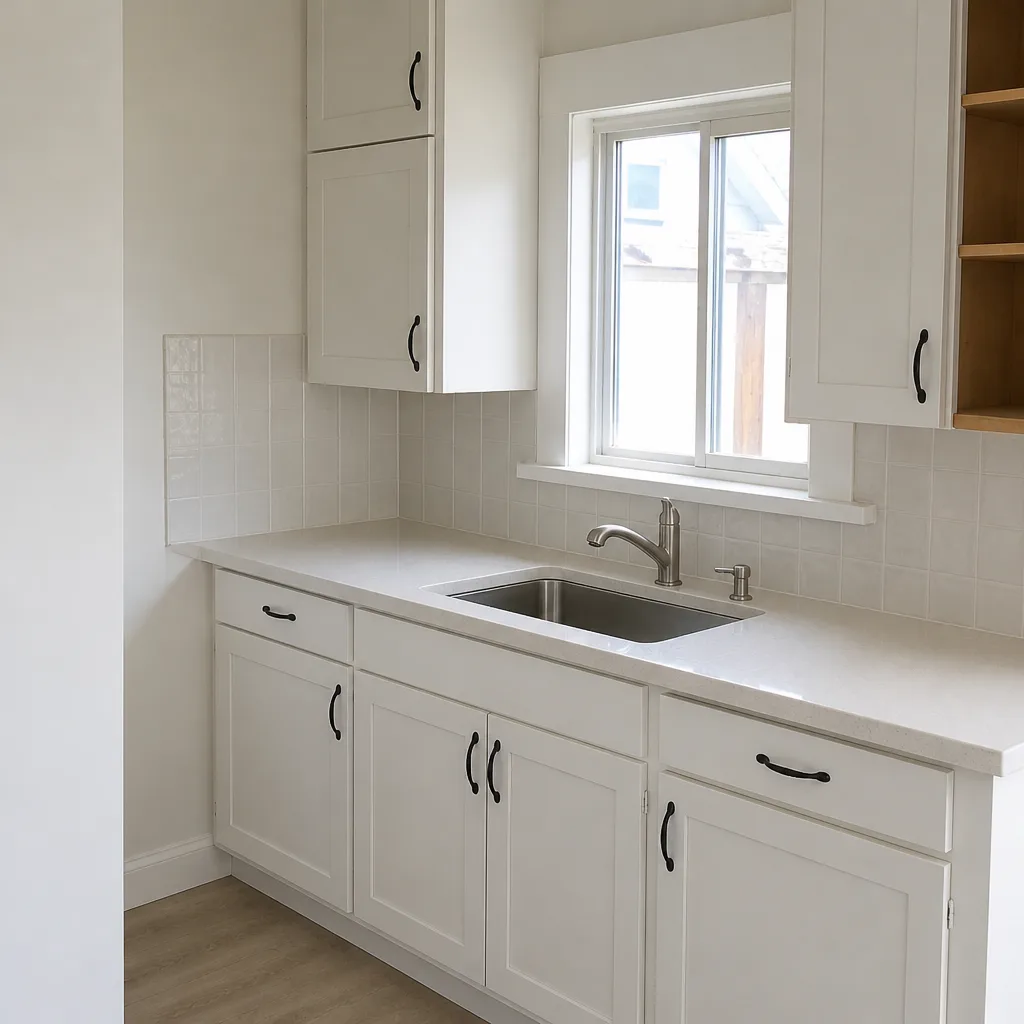 After
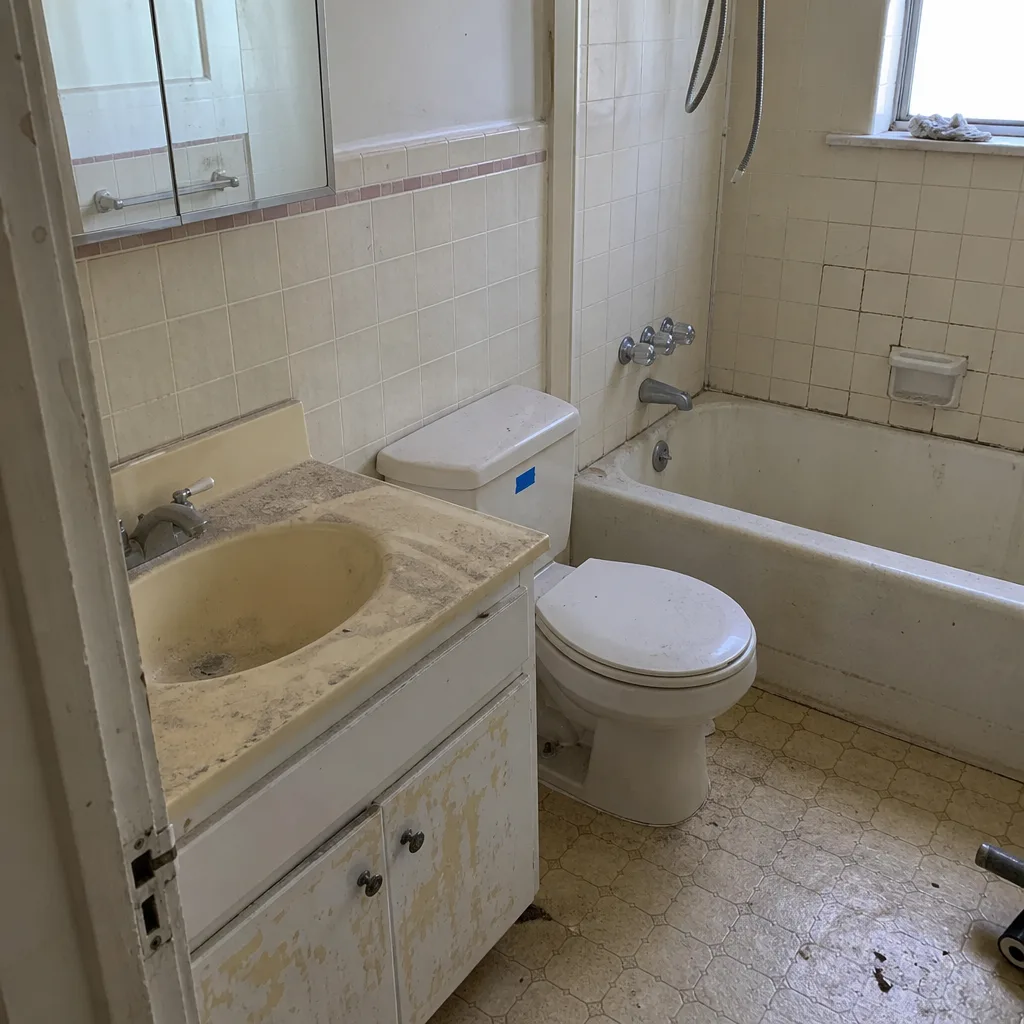 Before
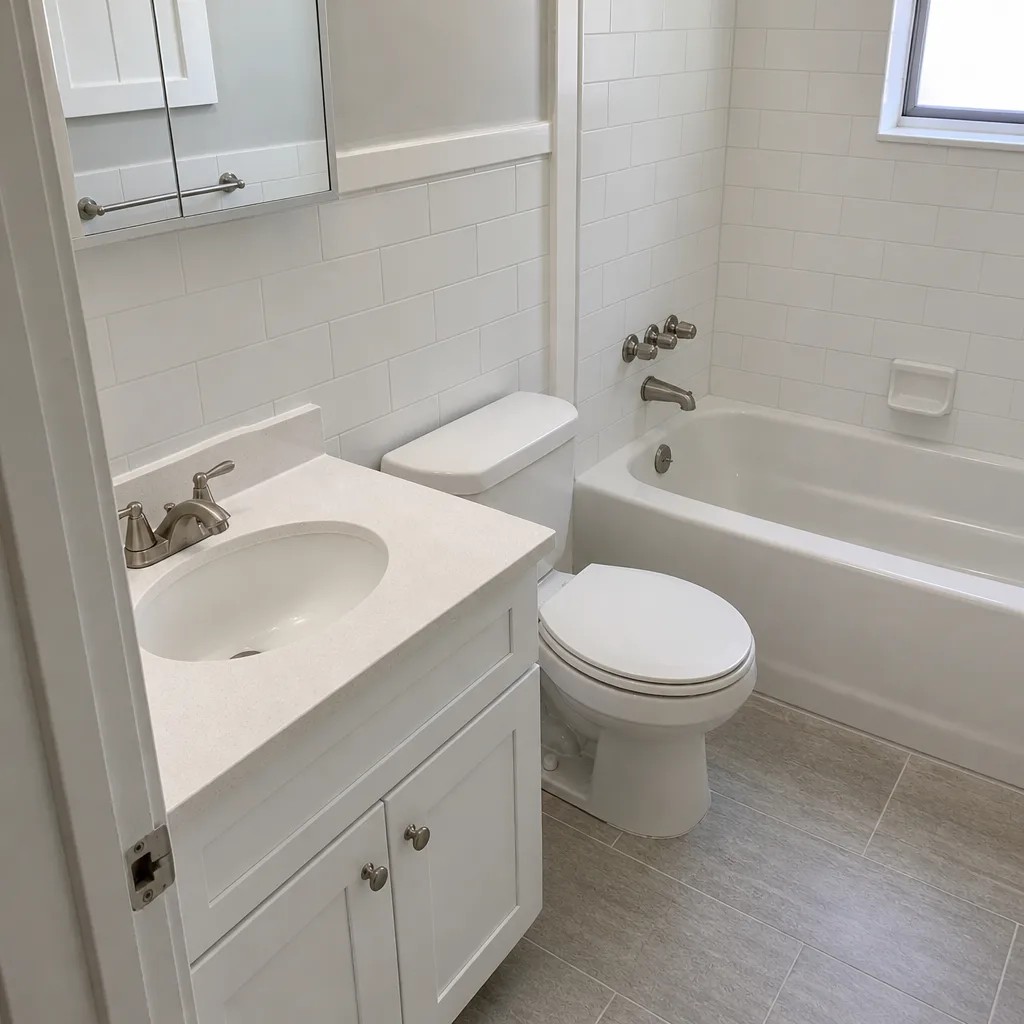 After
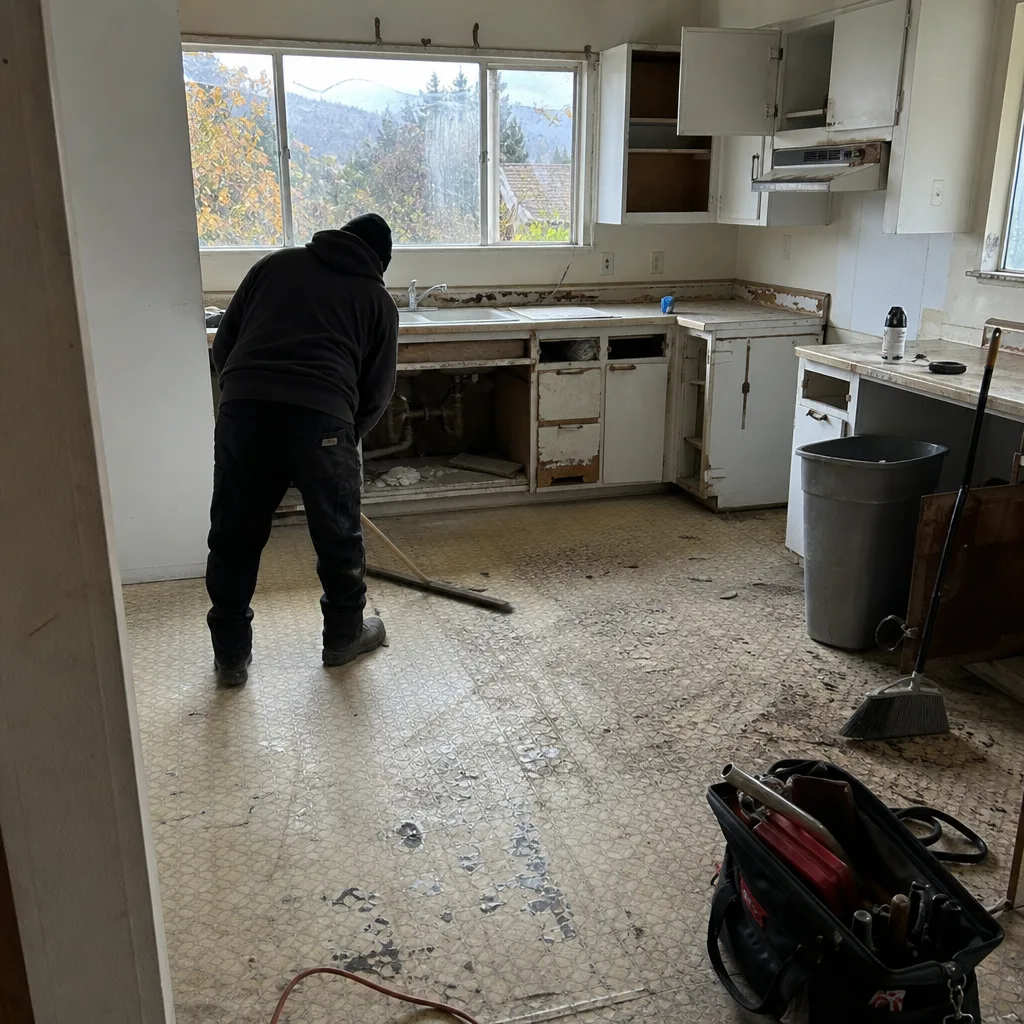 Before
 After
When to Call a Professional
Call a professional the moment your scope touches plumbing, electrical, structural work, waterproofing, or ventilation – any task that shows up on a permit list, and any task where the failure wouldn’t be visible until it’s expensive. We also recommend a professional for tile installations in wet areas, for any layout change, and for any partial remodel in a home built before 1980 where surprises are the norm. If you’ve already started a DIY scope and hit something unexpected, the right move is to stop and call before you open more wall. Groundwork Construction Co. of Oakland offers free estimates in Oakland – call (833) 997-7759. We’ll walk the bathroom with you and tell you honestly which pieces you can take and which ones you shouldn’t.
Frequently Asked Questions
Yes, for cosmetic work. Paint, hardware, mirrors, caulking, and fixtures in existing locations are all legal to perform yourself without a permit. Anything involving plumbing relocation, electrical work beyond a fixture swap, structural change, or ventilation requires a permit and, in practice, a licensed trade to perform it.
A partial-DIY bathroom remodel in Oakland typically lands 10 – 20% below a full professional scope, most often in the $16,000 – $28,000 range depending on square footage and finish level. The savings come from labor on cosmetic tasks. Moving the savings higher than that usually means someone is skipping permitted work, which costs more at resale. Call (833) 997-7759 for an exact quote on the professional scope – estimates are free.
No, replacing a toilet in the same location typically doesn’t require a permit. Moving the toilet to a new location does. If the new toilet requires a different drain or supply line, that’s a plumbing alteration and needs a permit.
The buyer’s inspector will flag any work that doesn’t match the property record, and the seller typically has to either pull a retroactive permit, negotiate a price reduction, or lose the sale. Retroactive permitting often requires opening finish material so the city can inspect, which can add $2,000 – $8,000 to the final number.
We don’t recommend it. Tiling the surface looks straightforward, but the waterproofing underneath is where the failure lives. An incorrectly applied shower pan or membrane leaks slowly and invisibly, and by the time you notice, you’re replacing the ceiling below. We’ve seen the repair bill outweigh the cost of a professional install every time.
A full professional scope typically runs 3 – 5 weeks for a hall bath and 5 – 8 weeks for a primary bathroom. DIY cosmetic work added on top can add another week or two depending on your availability. If your DIY scope creates delays or has to be redone, add the timeline for the correction. Call (833) 997-7759 to schedule a free estimate and get a real timeline for your Oakland bathroom.
The Bottom Line
DIY is safe when the work is cosmetic, reversible, and doesn’t touch a system. Paint, hardware, mirrors, and caulking save real money and make a visible difference. The line sits where consequence gets big – plumbing, electrical, structural, waterproofing, and ventilation – and crossing that line without a license is where the most expensive Oakland bathroom remodel mistakes happen. If you’re planning a partial-DIY project, sequence your work after the licensed scope clears inspection, keep your scope to tasks that are safe to reverse, and pull permits for anything that changes the systems. The math on partial DIY usually works – as long as you stay on the right side of the line.
Groundwork Construction Co. of Oakland writes from the job site, and our Groundwork Construction Co. of Oakland home page lays out how we approach every project, from foundation to finish line. If you want the licensed scope handled right and your DIY scope staged cleanly alongside it, call us at (833) 997-7759 for a free estimate. Upfront pricing, no surprises, and a 730-Day Done Right Promise behind every project we take on.
Written by the team at Groundwork Construction Co. of Oakland.