
Last updated November 17, 2026
 Home additions & ADU
 Kitchen remodeling
 Bathroom remodeling
 Roofing
 Windows & doors
 Driveway & pavers
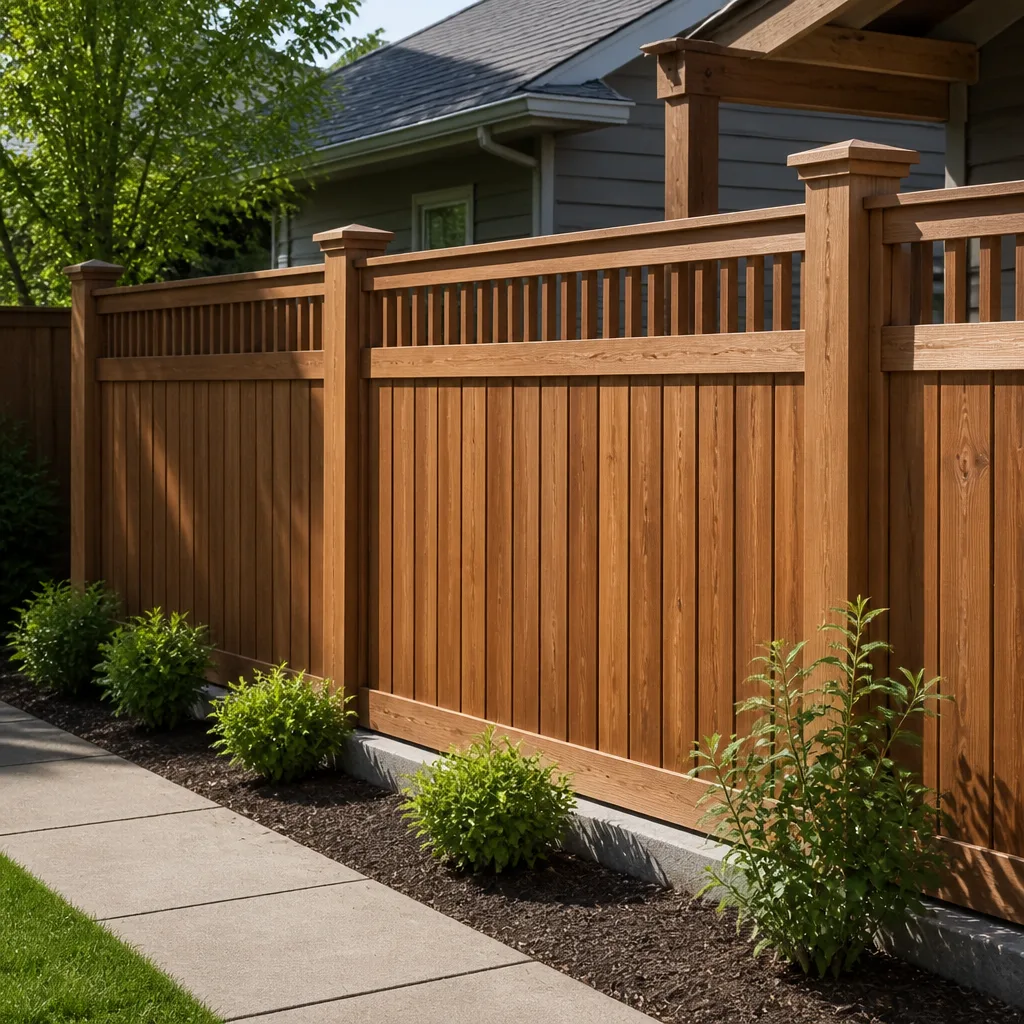 Fence
Free written scope consultation - allowances, timeline, and change-order rules on paper before a single trade is scheduled
Fence Installation Warning Signs Every Homeowner Should Know
If a contractor skips a permit for a fence in Oakland and you sell your home two years later, that unpermitted fence becomes your problem at closing, and you’ll pay to fix someone else’s shortcut. The permit was never about paperwork. It was the first checkpoint that told you whether this crew follows rules or skips them. Bad fence jobs rarely collapse the week they’re finished. They lean, they rot, they rack out of square, and they do it slowly enough that the contractor is long gone by the time you notice. This guide teaches you to read a fence job while it’s happening, in real time, with the specific things we check on Oakland installs.
Quick Answer
The biggest fence installation warning signs are shallow post holes, skipped permits, improper concrete mixing, gates that don’t hang true from day one, and contracts with vague material specs or front-loaded payment schedules. Any one of these during installation predicts a fence that fails within a few winters, and in Oakland’s clay-heavy soil, the failure usually shows up faster than homeowners expect.
Styles & brands we work with
- Kitchen remodeling
- Bathroom remodeling
- Home additions & ADU
- Roofing
- Windows & doors
- Driveway & pavers
- Fence
Table of Contents
- The Post-Hole Depth Test
- Permit Red Flags Specific to Oakland
- Concrete Mixing: On-Site vs. Pre-Mixed
- Gate Alignment as a Workmanship Test
- Contract Language Warning Signs
- Reading the Weather and the Schedule
- Material Specs and Why They Matter
- Common Mistakes to Avoid
The Post-Hole Depth Test: Why Anything Shallow Fails
A wood fence post should be set at least one-third of its height above grade into the ground, plus a gravel base and concrete collar. That means a 6-foot post needs at least 2 feet below grade, and in most professional installs we see 30 to 36 inches in Oakland’s soil. Anything shallower than the one-third ratio is a structural failure waiting for the first wet season. Post holes are also the easiest thing to cut corners on because once the concrete is poured, nobody can see the depth. If you’re home when the crew is digging, walk outside and look. You don’t need to measure anything, just confirm they’re digging holes that look roughly a third the height of the post, or a bit more. A crew digging 12-inch holes for a 6-foot fence is telling you they’ve decided your fence is a two-year product, not a twenty-year one.
What a correct post hole looks like
- Hole diameter about three times the post width, so the concrete has room to form a solid grip
- Depth at least one-third the post height above grade, deeper in expansive clay
- 2 to 4 inches of gravel at the bottom for drainage
- Concrete collar crowned slightly above grade so water sheds away from the post rather than pooling
- Post held plumb during cure with braces, not just hand-set and eyeballed
We’ve seen Oakland fences where a contractor buried posts in bare dirt with no gravel and no concrete, then backfilled the hole. That works for about two winters in the flatlands near Piedmont Ave, where the soil stays moist. You find out the year the post starts to lift in a wind storm. When you’re comparing bids on Fence Installation in Oakland, ask the contractor to state their post depth in writing. The ones who won’t are the ones who plan to dig shallow.
Permit Red Flags Specific to Oakland
Fence permits in Oakland are governed by the city’s building department, and the answer to “do I need a permit?” depends on height, location, and whether the fence sits on a property line or a public right-of-way. A front-yard fence or any fence over a certain height typically triggers plan review. Fences on a corner lot near the sight triangle at an intersection get extra scrutiny because of pedestrian visibility. Rather than guess, what matters is whether your contractor brings it up first, and how.
Language that should raise your eyebrows
- “You don’t need a permit for a fence, that’s just for structures.” Fences above the height threshold are structures to the city.
- “The permit slows us down, we can pull it after.” Permits are pulled before work, not after.
- “It’s a repair, not a new install.” A whole-fence replacement is not a repair.
- “The homeowner can pull it themselves to save money.” Sometimes true, but the contractor should explain how, not wave it off.
- Silence. A contractor who never mentions permits at all is telling you they don’t pull them.
If the contractor dodges the conversation entirely, ask directly: “Are you pulling the permit, and can I see the number before you start?” An honest answer takes ten seconds. A dodge takes a paragraph. We’ve watched Oakland homeowners discover an unpermitted rear fence during a refinance appraisal and pay to legalize it years after the fact. That’s a conversation no one wants to have at closing. For a broader look at the projects where permits genuinely change outcomes, our guide to Groundwork Construction Co. of Oakland home walks through what a permitted build looks like across service lines.
Concrete Mixing: On-Site vs. Pre-Mixed Tells You a Lot
Post longevity in Bay Area clay soil comes down to concrete quality. Two crews can use the same bag of Quikrete and end up with very different results depending on how it’s mixed. On-site mixing is fine when it’s done correctly. It goes wrong when a crew pours the dry mix into the hole, adds water from a hose, and stirs it with a shovel for fifteen seconds. That produces a weak, inconsistent set, and a post that wobbles within three years.
What proper mixing looks like
- Water measured, not free-poured from a hose into the hole
- Mix combined in a wheelbarrow or mixing tub to a uniform peanut-butter consistency before pouring
- No dry pockets and no standing water at the top of the post
- Mix allowed to cure undisturbed for at least 24 hours before fence panels are hung
- Concrete crowned above grade so it sheds water instead of collecting it
If a crew is pouring sloppy, soupy concrete into holes and moving on immediately, the posts will lean. That’s not a guess. Watery mix separates, aggregate settles to the bottom, and the post ends up sitting in a weak column with no lateral grip. Ask your contractor whether they mix in a tub or pour dry. Ask how long the posts cure before panels go up. Both answers tell you more than any brochure. Our team installs fences under the 730-Day Done Right Promise, which only works because we get the details right the first time. You can see the same approach on the hardscape side in our Driveway & Pavers in Oakland work, where base preparation matters just as much.
Gate Alignment: The Single Best Workmanship Test
A gate that doesn’t hang true from day one will never hang true. If your new gate drags, rubs, or swings unevenly the day it’s installed, the fence has a problem, not a break-in period. Gates are loaded heavier than fence panels, they open and close constantly, and they expose every error in post plumb, footing, and hinge placement. If the gate is off, the whole crew rushed the post setting.
What to check on day one
- Open the gate halfway, let go, and see if it stays put. It should not swing on its own.
- Look at the gap between gate and post. It should be even top to bottom, roughly a pencil width.
- Close the gate and check the latch. It should catch easily without lifting or pushing.
- Look at the hinge side of the gate post. Is it plumb, or leaning?
- Watch the gate under load: push down gently on the latch side while it’s closed. No sag or spring-back.
We’ve seen gates that were half an inch out of square at installation and a full inch and a half out of square after one rainy season in Oakland. The crew knew. They installed it anyway. That’s the whole signal: a crew that lets a misaligned gate leave the site has decided that what you notice isn’t their problem. A properly installed gate in the Rockridge and Temescal neighborhoods holds within a sixteenth of an inch through the wet months, because the posts were set plumb and the footings were deep.
Contract Language Warning Signs
Read the contract as carefully as you’d read a mortgage. The words on the page tell you what a contractor will and won’t do, and the way a contract is written tells you how the job will go long before anyone lifts a shovel. Vague material specs and front-loaded payment schedules are the two biggest tells in Oakland fence contracts.
Four phrases that should slow you down
- “Similar quality materials.” That phrase is a license to swap in a cheaper product. A strict contract names the exact brand, model, board thickness, and species, or the wood grade if you’re going with redwood or cedar.
- “Standard warranty.” There is no standard. The contract should state the warranty period in writing. Anything else is a promise to figure it out later, when you’ll be the one chasing it.
- “Half down, balance on completion.” Front-loading half the total before a single post is set puts all the risk on you. A reasonable schedule releases a deposit, then progress payments tied to verified milestones, then a holdback until final walkthrough.
- “Final payment on verbal approval.” Insist on a written walkthrough with a punch list. Final payment happens after you walk the fence and sign off, not because the crew said it looked good.
A written contract with a specific spec list, a warranty term, and a milestone-based payment schedule is a contractor telling you they’ve done this before and will do it again. A contract with initials at the bottom and a handshake is a test of whether you’ll complain. You won’t have to chase one of these. Our quote process puts it in writing: no-hassle upfront pricing where the number you see is the number you pay.
Reading the Weather and the Schedule
In Oakland, fencing season is basically year-round, but the timing of an install still matters. Post concrete doesn’t want to be poured in a downpour, and wood wants a couple of dry days to stabilize before it’s stained. A contractor who schedules installs with no regard to the forecast is telling you they’re scheduling to their calendar, not to yours.
Two specific signals to watch:
- A crew that shows up to dig in heavy rain. Holes fill with water, concrete gets diluted, posts go in plumb and then lean as the mud settles. This is the single biggest source of the leaning fences we get called to replace.
- A crew that installs, stains, and packs up on the same day. Stain on freshly installed green wood blocks moisture the wood needs to release, and the finish peels within a year. Two visits with a gap between them is normal for a quality job.
We’ve also seen crews install during the hottest week of the year, inland past the tunnel in the hills above Oakland, with no shade and no cure time budgeted. Concrete cures too fast in that heat, and posts fail because the mix dried before it set. The good contractors schedule around the material, not the other way around.
Material Specs and Why They Matter
The two boards that look identical to a homeowner can differ by hundreds of dollars over the length of a fence. That’s why a contract that doesn’t name the material is a contract with a built-in downgrade. The warning sign here isn’t a single red flag; it’s the absence of detail. If the bid says “wood fence, 6-foot, pressure-treated,” ask which species, what post size, what board thickness, and what brand. This is exactly the kind of specificity our material partners bring to a project. When we specify Boral composite or a PGT hardware system on an install, the materials arrive with verifiable specs and full documentation. If you’re considering a composite or vinyl fence, ask which manufacturer and which product line.
A basic material checklist for any fence contract
- Post species and dimensions, e.g. 4×4 redwood or 4×4 pressure-treated ground-contact-rated
- Board species, thickness, and profile (dog-eared, flat-top, board-on-board)
- Fasteners: stainless or hot-dipped galvanized, never electro-galvanized for a wet-climate fence
- Gate hardware brand and specification
- Finish system: penetrating stain vs. film-forming, and number of coats
- Warranty term on both material and workmanship, stated separately
A crew that names all six items in writing is a crew that knows what it’s doing. A crew that circles one word and initials it is leaving room for a cheaper material at your expense. Fence specs matter in the same way that window and door specs matter on a larger project. Our team applies the same documentation standard on windows and doors as we do on fences, because unclear specs are where warranted work goes wrong. If your fence is part of a larger addition, the sequencing with Home Additions & ADU in Oakland needs to be right from the start. Fencing is usually the last trade, but it has to be scheduled so the ADU walkway isn’t blocked while it’s being built.
Common Mistakes to Avoid
- Assuming permits are somebody else’s conversation. In Oakland, the permit is one of the first things that separates a professional crew from a handyman. If the contractor doesn’t raise it, you have to.
- Not looking at the post holes before concrete goes in. This is the only window you’ll ever have. Walk the line once. You don’t need a tape measure to spot a hole that’s 12 inches deep versus one that’s 30.
- Accepting “similar materials” in writing. That phrase in an Oakland fence contract allows a mid-job swap to a cheaper board, and you won’t find out until the fence is up and the invoice is due.
- Paying too much upfront. A contractor who needs 50% before digging can’t afford their own crew, and you’ve now made them your problem. Reasonable progress payments tied to milestones protect both sides.
- Ignoring the gate. If the gate drags on day one, the posts weren’t set plumb. You’ll be calling someone else in a year.
- Skipping the final walkthrough in writing. A verbal “looks good” is not a punch list. Walk the fence with the contractor, note every issue, and release the last payment after the fixes are done.
- Hiring on price alone. In East Bay fence pricing, the lowest bid is usually the one cutting the post holes shallow. The savings come directly out of what you can’t see.
See the difference
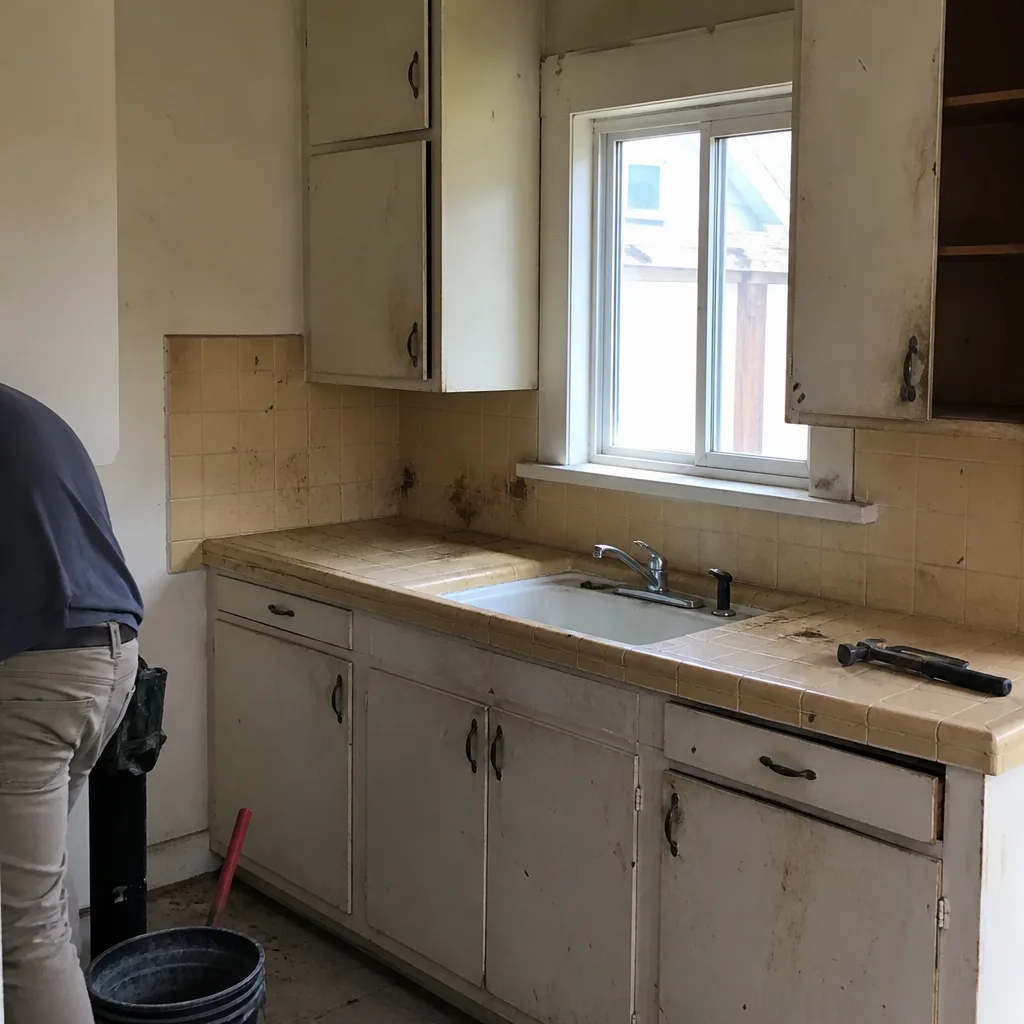 Before
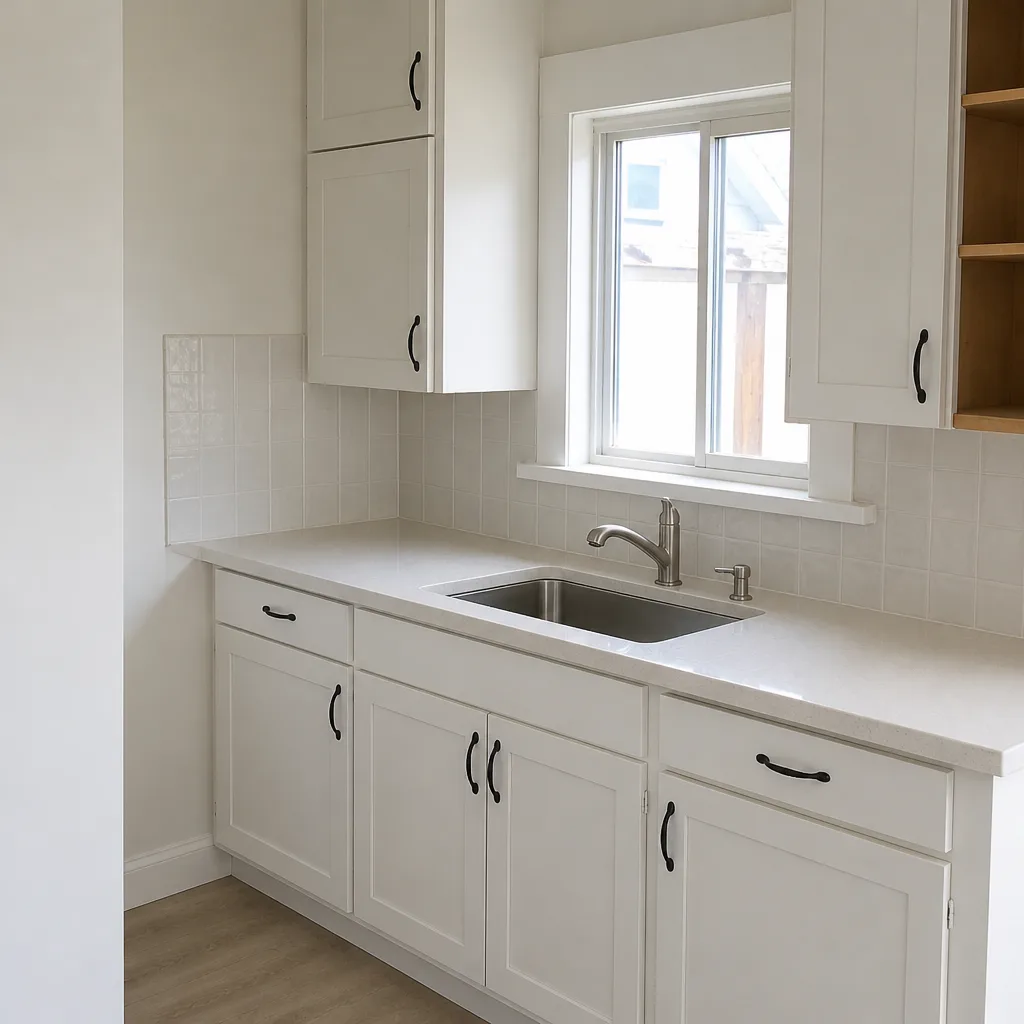 After
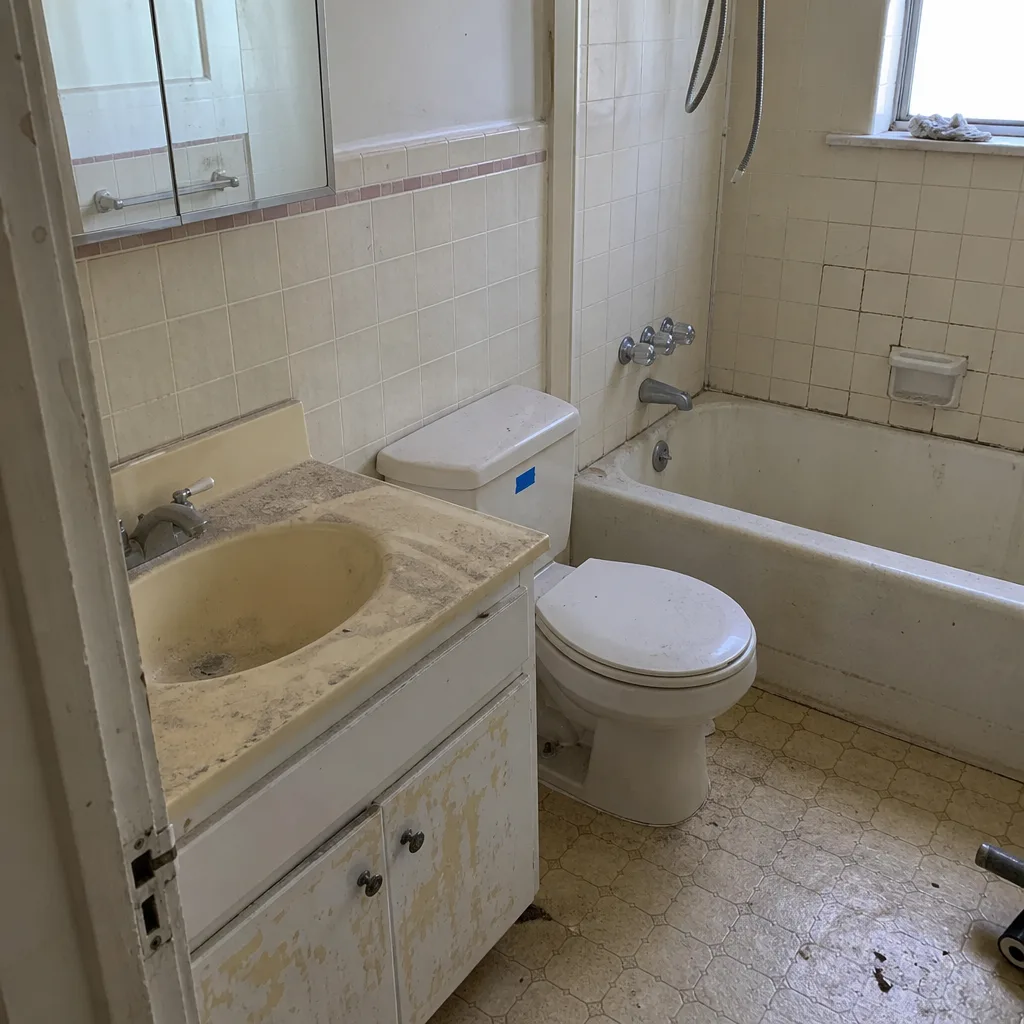 Before
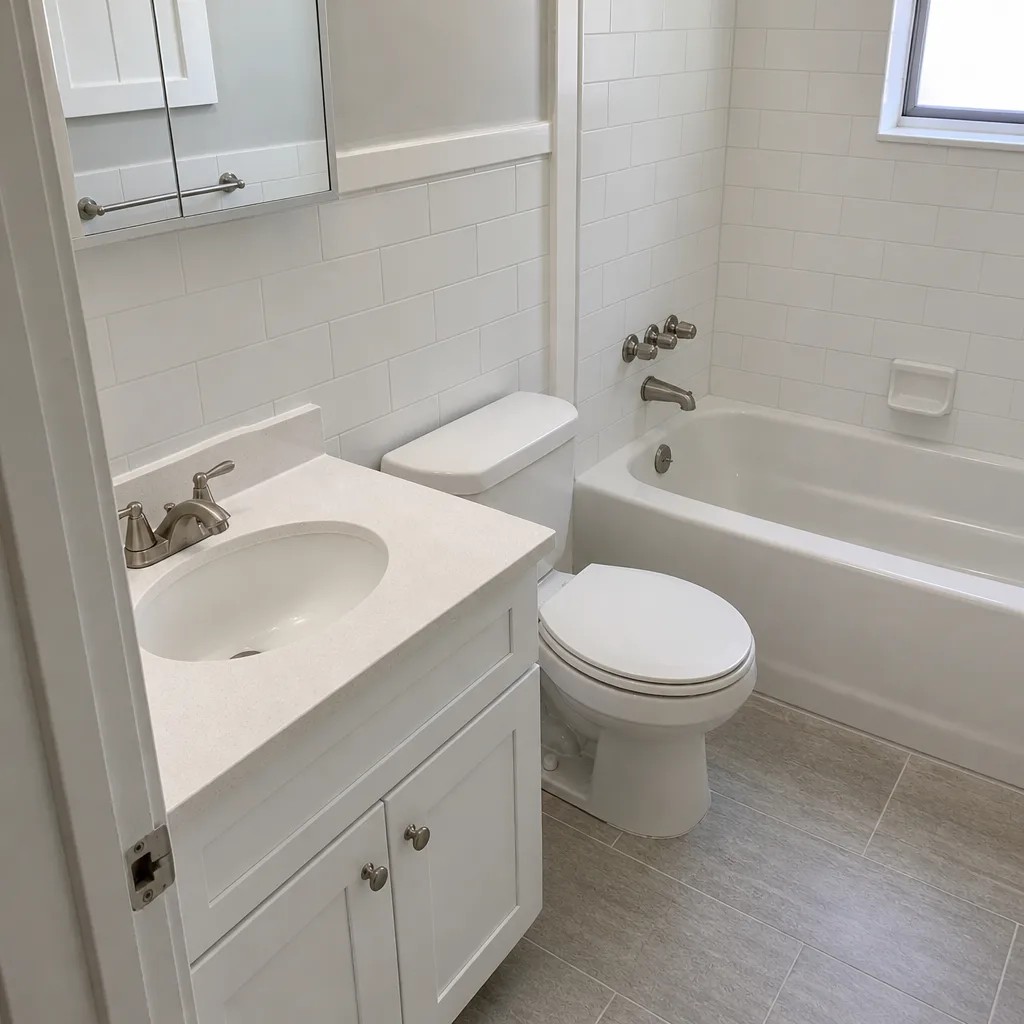 After
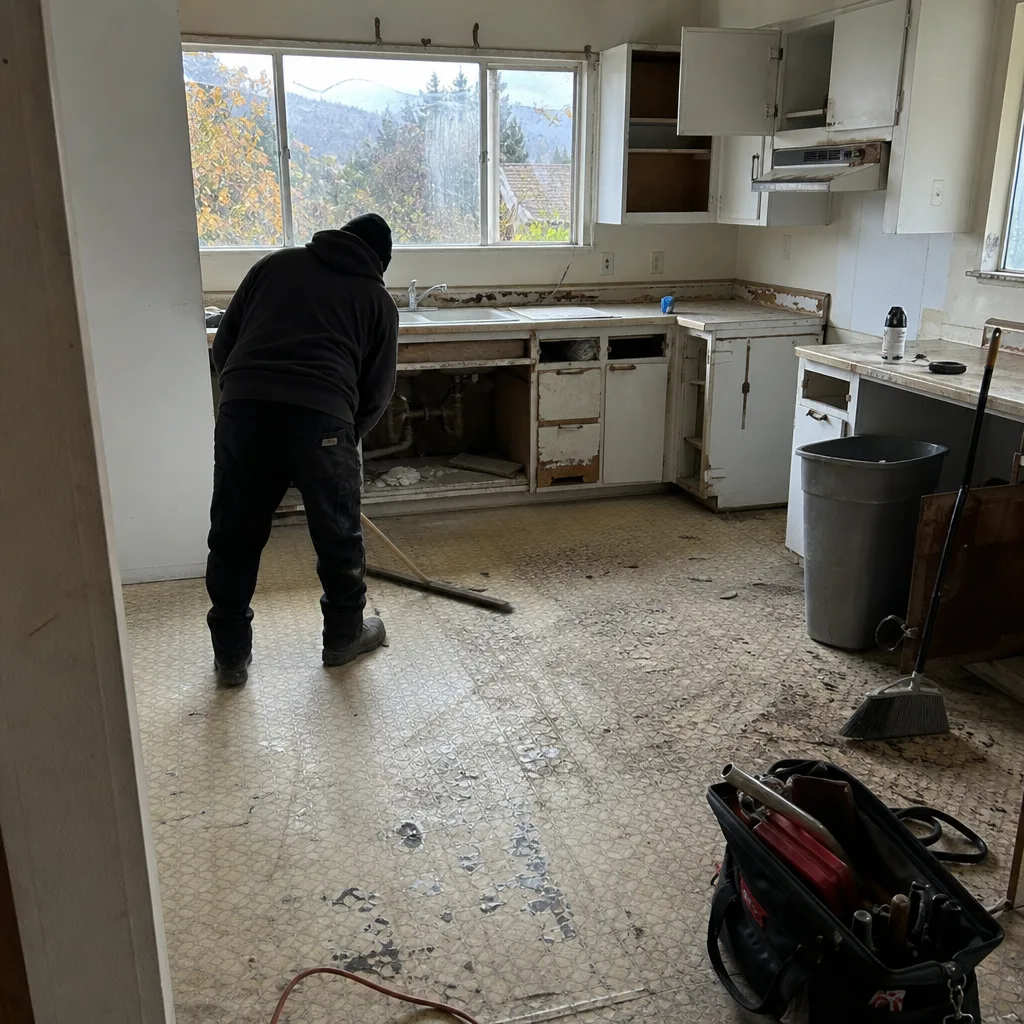 Before
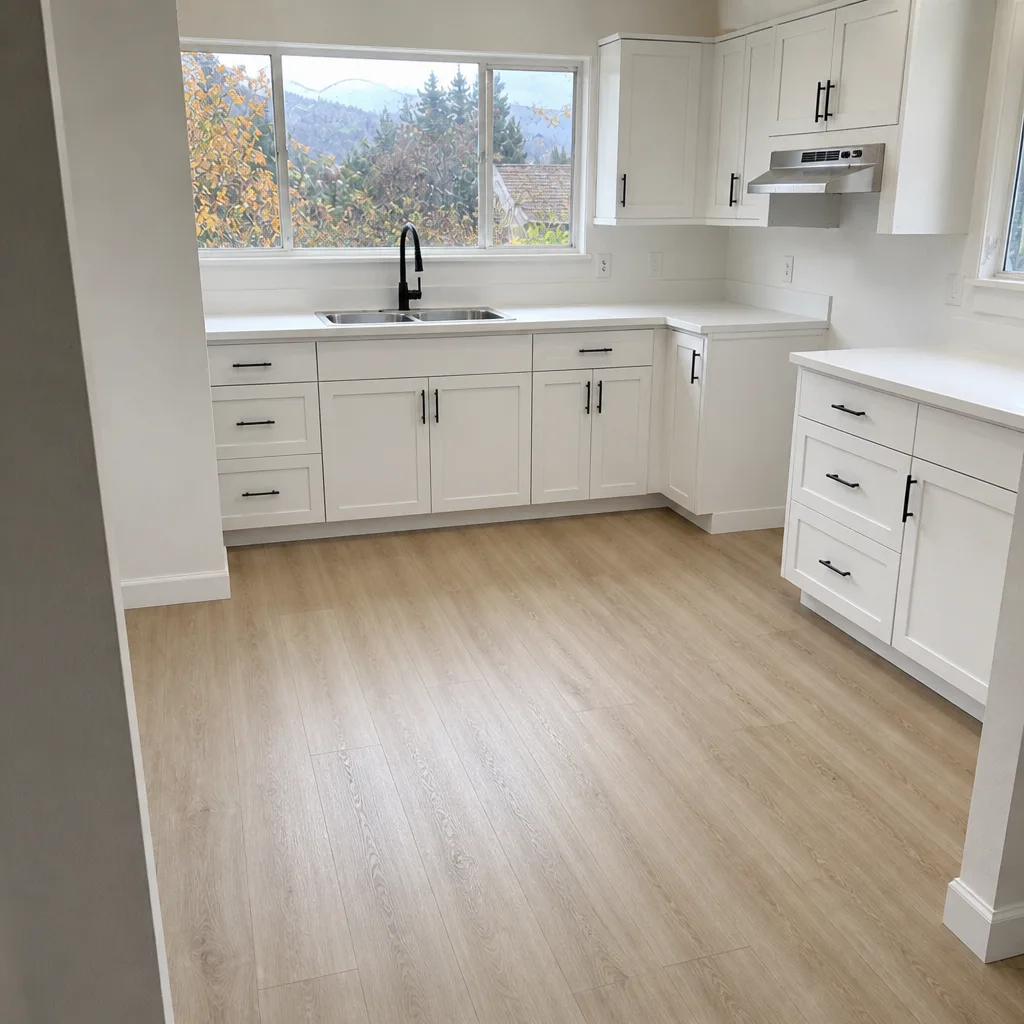 After
When to Call a Professional
A fence looks like a simple project, and it is, in the sense that fencing is one of the older trades. The problem is that fences fail slowly and expensively. If you’re facing any of these situations, an experienced contractor is worth the call. A shared property line with an unresolved boundary. A fence over the height that triggers Oakland permit review. A corner lot near a sight triangle. Post holes in clay-heavy soil. A gate that needs to swing reliably for a household with kids or a driveway with vehicles. A fence tied to a larger project like a home addition, where sequencing matters. Groundwork Construction Co. of Oakland offers free estimates in Oakland. Call (833) 997-7759 and we’ll walk your fence line with you and put a real quote in writing. Our technicians bring up to 12 years of experience to every install, and every project is covered by our 730-Day Done Right Promise.
Frequently Asked Questions
Fence permits in Oakland are triggered by height, location (front yard, corner lot sight triangle, public right-of-way), and whether the fence sits on a property line. Low backyard fencing between neighbors often doesn’t need a permit, while taller front-yard fences and corner-lot fencing typically do. Your contractor should be able to tell you which category your fence falls into before you sign a contract. Call us for a free estimate if you’re not sure whether your project needs one.
Fence posts should be set at least one-third of their height above grade into the ground. A 6-foot post needs at least 2 feet of burial, and in Oakland’s clay-heavy soil, 30 to 36 inches is standard. Anything shallower is a failure that shows up in the first few wet seasons. Ask your contractor to state the depth in writing before work starts. Call us for a walkthrough if you suspect an existing fence was installed shallow.
The main warning signs are shallow post holes, gates that drag or don’t hang true on day one, skipped permits, vague material specs in the contract, and payment schedules that front-load too much cash before any work is verified. Any one of these is a signal. Two or more is a reason to pause. We’ll assess an existing fence install for free. Call us for an estimate on repair or replacement.
On a properly written contract, the price shouldn’t change unless you directly request a scope change. That means the original bid needs to be specific enough to prevent surprises, with named material brands, dimensions, and a stated warranty term. If your contractor’s quote uses language like “similar materials” or “standard warranty,” the door is open for a mid-job price bump. Our pricing is upfront, no surprises. Call (833) 997-7759 for a written quote.
Yes. When a permit is required for an Oakland fence install, our team handles it before work starts and provides the number to you. We don’t take shortcuts on the permit process, and we won’t ask you to file on your own without explaining why. Call us to talk through whether your project needs one.
Most residential fence installs are completed in one to three days on site, with drying time added between the post set and the panel install. On a quality install, you should expect two visits with a gap between them so concrete can cure and wood can stabilize. If your contractor promises a full install, stain, and clean-up on the same day, the schedule is compressed past the point where the materials will hold up. Call us for a timeline specific to your fence line.
The Bottom Line
The warning signs of a bad fence job show up long before the fence fails. They show up in the depth of a post hole, in the wording of a permit conversation, in the consistency of concrete, in the swing of a gate on day one, and in the phrasing of a contract. In Oakland, where clay soil and wet winters punish shortcuts, those signals predict failure better than any single inspection can. Read the job while it’s happening. Ask for the depth, the permit, the material list, and the warranty in writing. The contractor worth hiring will answer all four without hesitation.
Groundwork Construction Co. of Oakland provides free project estimates and design consultations for fences, driveways, home additions, and the rest of the seven service lines we cover. Our team has been in business since 2014, brings up to 12 years of technician experience to every install, and stands behind every project with the 730-Day Done Right Promise. Calls are answered by a live person 24/7. Financing is available at 0% for 18 months, and projects over $10,000 get $1,000 off. Call (833) 997-7759 to schedule your free estimate and get a real quote in writing. Built to last, backed in writing.
Written by the team at Groundwork Construction Co. of Oakland.