
Last updated November 17, 2026
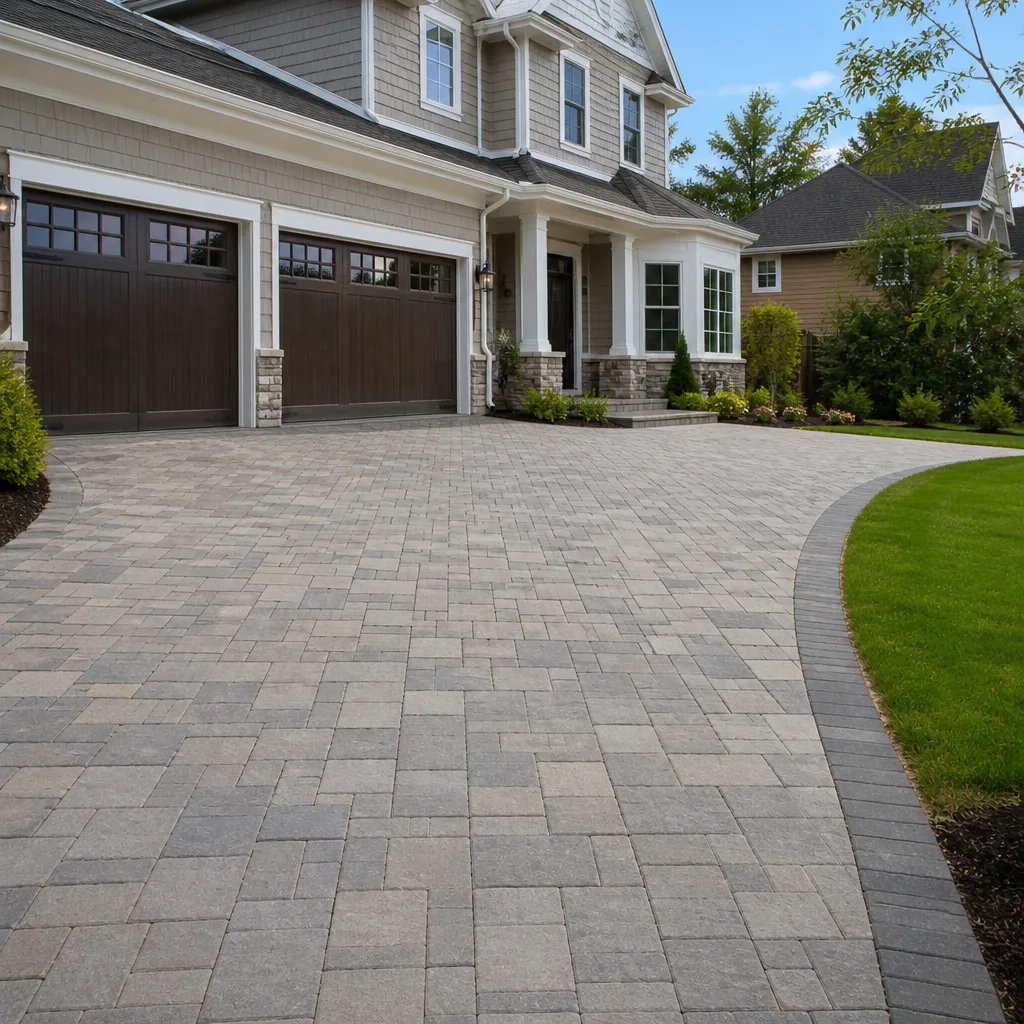 Driveway & pavers
 Kitchen remodeling
 Bathroom remodeling
 Home additions & ADU
 Roofing
 Windows & doors
 Fence
Free written scope consultation - allowances, timeline, and change-order rules on paper before a single trade is scheduled
How Long Does Driveway & Pavers Take? Timelines and What to Expect
The contractor who quotes you a two-day driveway install isn’t lying. They’re just quoting the part that looks like work. If their schedule doesn’t account for base curing time before a single paver goes down, they’re rushing the one step that decides whether you’re calling them back in eighteen months or admiring the driveway in ten years. A paver driveway in Oakland typically takes 5 to 10 working days from demolition to final seal, plus permit review and weather buffer. This guide walks the real calendar, phase by phase, so you know what a honest timeline looks like and how to spot one that’s been trimmed to win the bid.
Quick Answer
A driveway paver installation typically takes 5 to 10 working days of on-site work, and 3 to 6 weeks total once you factor in Oakland permit review, base curing, and the 72-hour no-traffic window after sealing. Most of the variance comes from base thickness, drainage corrections, and whether rain lands during the wet season.
Styles & brands we work with
- Kitchen remodeling
- Bathroom remodeling
- Home additions & ADU
- Roofing
- Windows & doors
- Driveway & pavers
- Fence
Table of Contents
- Phase-by-Phase: The Full Paver Driveway Timeline
- Why Oakland Permit Review Belongs in Your Schedule
- Oakland’s Wet Season and Your Weather Window
- What “Done” Actually Means: The 72-Hour Rule
- Red Flags in a Contractor’s Timeline
- How Timeline Choices Affect Cost
- What Homeowners Can Do Before Day One
Phase-by-Phase: The Full Paver Driveway Timeline
Here’s how a real paver driveway gets built, with realistic time ranges for each phase. These figures come from our own projects across Oakland and the surrounding hills. A flat driveway on stable soil runs the short side of each range. A sloped site in the Oakland Hills or a yard with drainage problems runs the long side.
- Demolition and haul-off (1 to 2 days). Breaking out old concrete or asphalt, loading it, and trucking it out. A typical two-car driveway generates several tons of debris. Short driveways with clean edges move fast. Old concrete reinforced with rebar takes longer.
- Grading and excavation (1 to 2 days). Cutting down to the subgrade, establishing slope so water runs away from the house and garage, and checking the soil. If the subgrade turns out soft or full of clay, this phase grows.
- Base installation (1 to 2 days). Importing and spreading crushed aggregate base, usually 4 to 6 inches compacted. Each 2-inch lift gets compacted separately. Cutting corners here is the single biggest reason paver driveways fail early.
- Base curing and settling (2 to 5 days). This is the step competitors skip in their quotes. Freshly compacted base needs time and moisture to reach density. Rushing pavers onto a base that hasn’t settled produces rutting within the first year.
- Edge restraint and bedding layer (half a day). Setting the edge restraints that keep pavers from spreading, then screeding a thin sand bedding course to a precise grade.
- Paver laying (1 to 3 days). Depends on square footage and pattern complexity. A simple running bond over 600 square feet lays fast. A herringbone pattern with multiple colors and border courses takes longer.
- Cutting, jointing, and compaction (1 day). Cutting edge pavers, sweeping polymeric sand into the joints, and running a plate compactor across the finished surface.
- Sealing and cure (1 day plus 72 hours before traffic). A sealer coat protects color and locks the joint sand. Then the driveway sits untouched for three days while it cures.
Add it up and you’re looking at 5 to 10 working days of active construction. If a bid says “two days, in and out,” ask which of those eight phases they plan to compress. It’s usually base curing and jointing, and both show up as failures later.
Why Oakland Permit Review Belongs in Your Schedule
Driveway work in Oakland often touches more than just the driveway. If you’re widening the apron, adding a curb cut, changing how water drains to the street, or replacing more than a small percentage of the surface, the city may require a permit before demolition starts. That review takes time, and it happens before the first shovel hits the ground.
Typical realities in Oakland:
- Simple like-for-like replacement with no changes to approach, drainage, or footprint often needs little or no permitting, but you should confirm with the city before assuming.
- Any change to the driveway apron, curb cut, or stormwater discharge usually triggers review through Oakland’s public works process.
- Sloped sites where runoff direction changes can pull in grading or drainage review.
- Review timelines vary widely with the city’s workload. Weeks, not days, is a fair expectation during busy periods.
Why does this matter to your calendar? Because the honest sequence is: design consult, permit decision, permit review, scheduling, construction. When a contractor quotes you a start date that ignores the permit step, one of three things happens. The permit isn’t actually required and they should say so clearly. They’re going to skip it. Or they’re going to discover it mid-project and stop work while you wait.
We build permit review into the schedule before any start date is confirmed, and we pull the permits and pass the inspections as part of the job. If you’re still deciding on scope, our team can walk you through what your specific driveway change triggers. Reach out to the Groundwork Construction Co. of Oakland home team for a straight answer before you sign anything.
Oakland’s Wet Season and Your Weather Window
Oakland’s rain window runs roughly November through March. That single fact reshapes your paver timeline more than any other variable. During those months, scheduling becomes a game of reading the forecast, and the stakes are higher than most homeowners realize.
Here’s what heavy rain actually does to an installation in progress:
- It can wash out uncompacted base. Fresh aggregate base absorbs water and loses the density the compactor just built.
- It turns the subgrade in a dug-out driveway into a mud pit. Excavated ground with the topsoil off drains poorly and stays soft for days.
- It makes screeding the sand bedding layer impractical. Wet bedding sand can’t be set to a precise grade.
- It ruins polymeric sand if rain hits before the joints cure. Polymeric sand needs to set without water intrusion for a window after installation. Rain too early can wash it out of the joints and force a re-sand.
- It delays sealing. Sealant needs a dry surface and moderate temperatures to properly bond and cure.
In practice, that means a well-run Oakland paver job schedules weather buffer into the calendar during the wet season. A job that would take 6 working days in September becomes an 8 to 12 working day build in January, with a couple of rain days built in as a safety margin. If the forecast shows heavy rain mid-install, a good contractor pauses rather than pushing pavers onto saturated base. That pause is not a sign of a slow crew. It’s a sign of one that knows what wet base does to a finished driveway.
Our scheduling keeps wet-season jobs flexible. We build the weather contingency in from the start, so a rain delay is a planned adjustment, not an emergency.
What “Done” Actually Means: The 72-Hour Rule
The crew packs up, the driveway looks finished, and the invoice asks for payment on the spot. But if you park on that driveway the same afternoon, you may be undoing part of the work.
After the sealer is applied, the surface needs roughly 72 hours of no vehicle traffic while it cures fully. That’s a floor, not a target. Depending on the sealer, temperature, and humidity, some jobs should stay off-limits closer to a week. During that window:
- Foot traffic is usually fine after a day or so, depending on the product.
- Light items can sometimes sit on the surface before vehicles do, but heavier loads should wait.
- Vehicles and anything parked on the surface should stay off for the full cure window.
- The sealant needs to fully harden before it’s subjected to weight and turning tires.
Here’s why it matters more than most homeowners expect. A sealed driveway that takes vehicle traffic too early can show tire marks, dull patches, or uneven sheen. Worse, turning tires can pull at sealant that hasn’t fully cured and leave visible scuffs. In a dry month this matters less. In a cool, humid stretch, it matters a lot.
“Done” in a real paver driveway schedule means: sealed, cured, inspected, and the driveway has sat untouched for 72 hours after the final coat. If a contractor calls the job done and takes the final payment while the sealer is still tacky, ask them to come back and inspect the surface after the cure window.
Red Flags in a Contractor’s Timeline
Once you understand the phases, you can read a bid sheet like a pro. Watch specifically for shortcuts in the two most compressed steps: base preparation and curing.
- A total install of two to three days on a driveway over 400 square feet. Physically possible on a perfect site, but usually the sign of skipped base lifts, no compaction confirmation, and pavers laid on a rushed base.
- No mention of base thickness or lift count. A solid bid says what base goes down and how deep. “Aggregate base” without numbers is a warning sign.
- Pavers laid the same day the base is compacted. Normal on small patios. On a driveway that carries a two-ton car, it’s a shortcut that shows up as rutting and settling within the first year or two.
- No mention of permits. If your project involves an apron, curb cut, or drainage change, a bid that says “no permits needed” without checking is either wrong or hoping you won’t ask.
- Sealing the same day as jointing in wet or cool weather. Sealer needs a dry surface. Applying it in the wrong conditions means it never bonds correctly.
- No traffic-free window listed after sealing. A contractor who says “you can drive on it tonight” doesn’t understand (or doesn’t care about) sealant cure time.
- Pressure to sign the same day. A real builder will give you time to read the bid, compare timelines, and ask questions.
One more red flag that’s specific to Oakland: any contractor who doesn’t ask about drainage and slope before quoting. Getting water away from the house and garage is the job. A timeline that doesn’t account for grading and drainage is a timeline built on unknowns.
Our team at Driveway & Pavers in Oakland builds every schedule off a site visit, with base thickness, drainage and slope, and permit status spelled out before you commit. If a competitor’s bid looks suspiciously fast, we’re happy to compare notes.
How Timeline Choices Affect Cost
Time and money are tangled in paver work. Every additional day costs labor, equipment, and staging. But every shortcut to save a day risks a failure that costs far more.
What drives cost in either direction:
- Base depth and lift count. Thicker base with more compaction lifts adds a day of labor but prevents early settling.
- Drainage work. Regrading slope, adding a drain, or correcting a low spot costs money and time. Skipping it saves both until the first heavy rain reveals the mistake.
- Pattern complexity. A herringbone with a border and two paver colors takes longer to lay than a single-color running bond.
- Edge restraint type. Standard plastic edge restraint is fast. Concrete restraint costs more and takes longer but holds up where a driveway meets a lawn or planting bed.
- Sealer choice. Some sealers cure faster in cool weather than others. A good contractor matches the sealer to the season.
We price upfront and in writing, so the number on the bid is the number on the invoice. Our standing promotions – $1,000 off projects over $10,000 and 0% financing for 18 months – make the bigger, better-built driveway more reachable than the cut-down version. And every paver driveway we install comes with our 730-Day Done Right Promise: if it’s not done right, we make it right.
If your driveway project is part of a larger plan, our team also handles Fence Installation in Oakland and Home Additions & ADU in Oakland, so the whole scope can run on one coordinated schedule instead of three separate ones.
What Homeowners Can Do Before Day One
You can move the calendar forward by handling a few things before demolition starts:
- Clear the driveway. Move cars, garbage bins, planters, and anything else off the surface the night before. Every minute a crew spends moving your stuff is a minute not spent building.
- Get the design decision out of the way. Paver style, color, and pattern should be locked before the first order. Changing your mind mid-install means waiting on deliveries and possibly reworking the layout.
- Confirm the permit status in writing. Ask your contractor whether your project requires permits and who’s pulling them. Get the answer in writing before work starts.
- Plan alternate parking. Between demolition, installation, and the 72-hour seal cure, you’ll be without the driveway for a stretch. Arrange parking for two vehicles for the full windows, plus a bit of buffer.
- Check the weather yourself. During the wet season, ask your contractor what their plan is if rain hits mid-build. A good answer involves a pause, not a rushed cover-up.
Other home projects around Oakland run on similar schedules. If you’re eyeing a bigger upgrade, our Home Additions & ADU in Oakland team can help you plan scope and sequencing alongside the paver work.
Common Mistakes to Avoid
- Trusting a two-day quote for a full driveway. It’s physically possible only on pristine sites with no base work needed. On a typical Oakland driveway, it usually means skipping curing and compaction.
- Scheduling the install without checking permit requirements first. A short, like-for-like replacement is often straightforward, but an apron change or drainage modification can add weeks. Confirm before signing.
- Starting in December without weather buffer. Oakland’s wet season runs November through March. A job that looks like 6 days on paper can stretch to 10 or 12 with rain days, so plan for that reality up front.
- Driving on the driveway too soon after sealing. The 72-hour minimum matters. Parking a car on uncured sealer can leave permanent marks and put you back to square one.
- Skipping the base inspection. Ask your contractor how deep the base goes and how many compaction passes each lift gets. Vague answers usually mean it’s not being done carefully.
- Choosing a sealer based on lowest price, not correct cure for the season. The wrong sealer in cool, humid months may never fully cure.
- Signing with a contractor who can’t explain the sequencing. If they can’t tell you what happens in what order and why, they’re building from habit, not from a plan.
See the difference
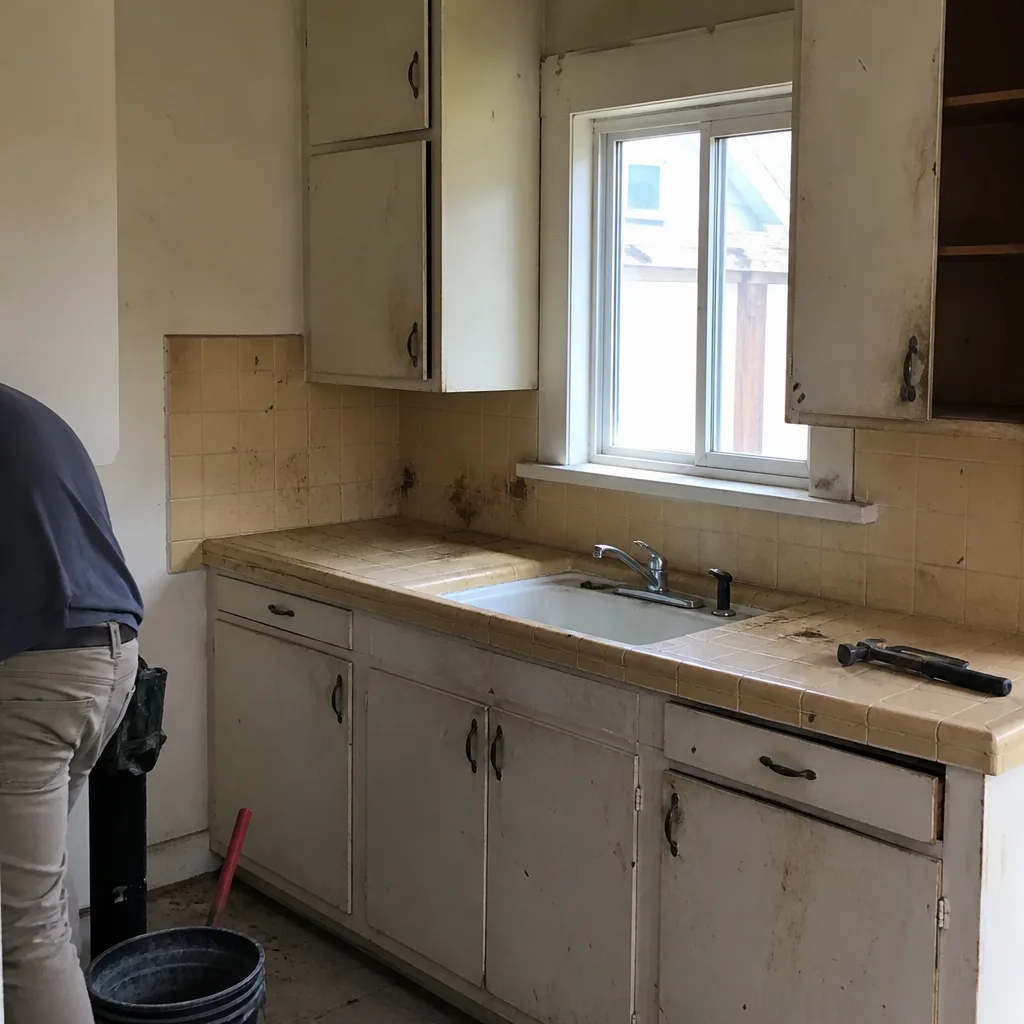 Before
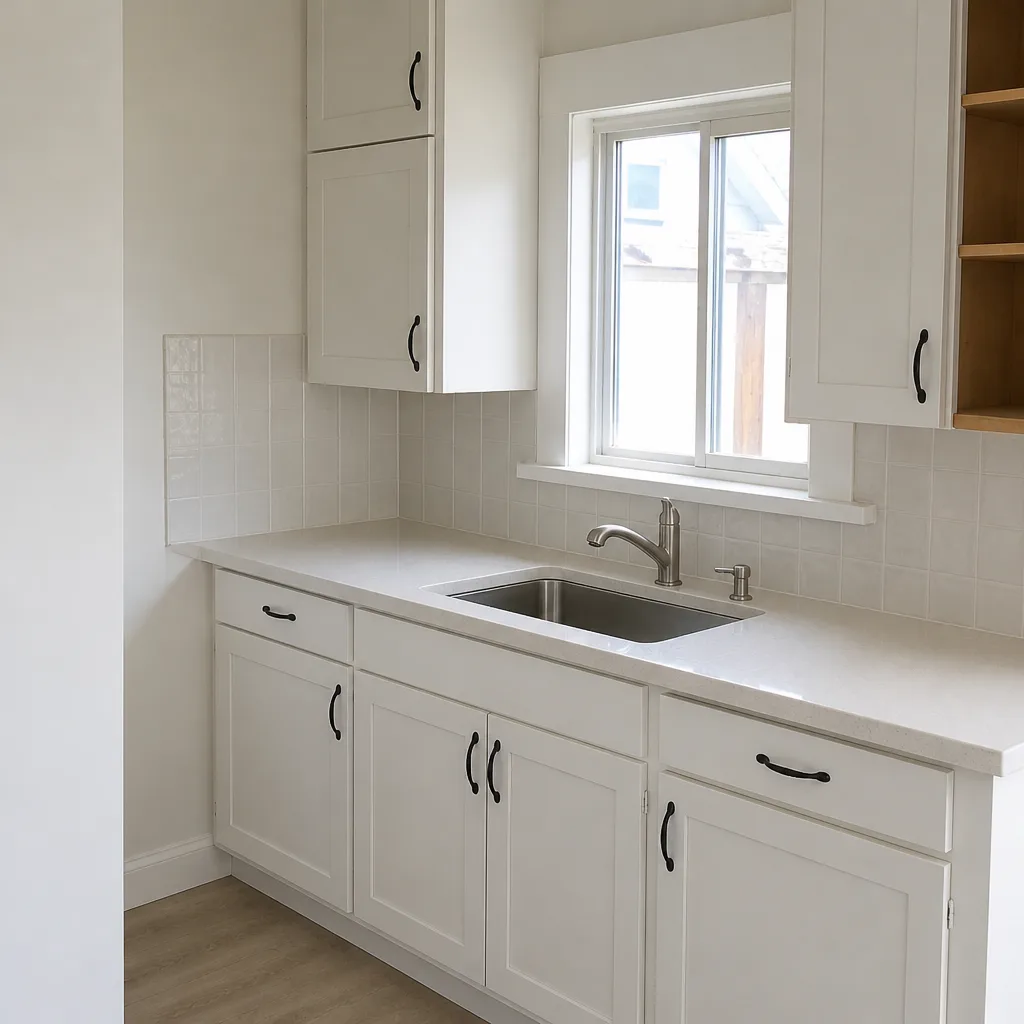 After
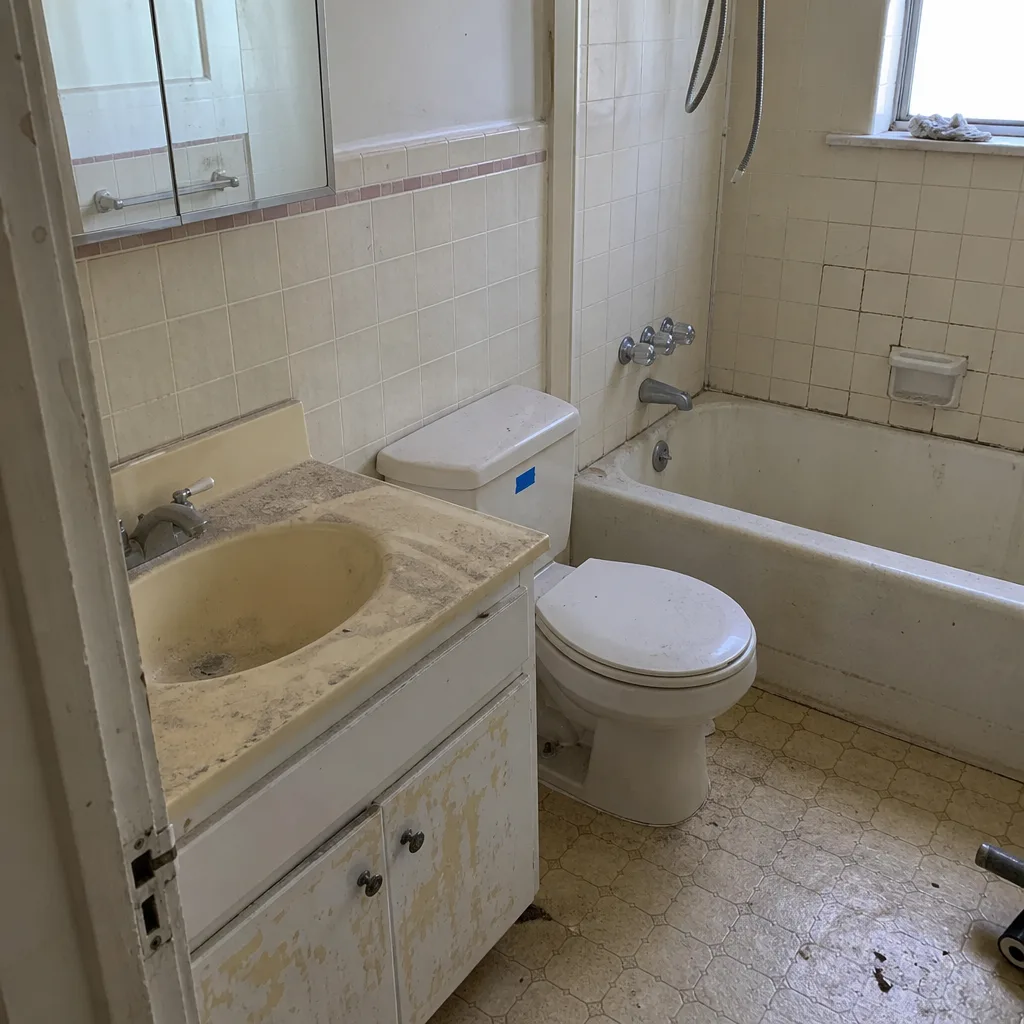 Before
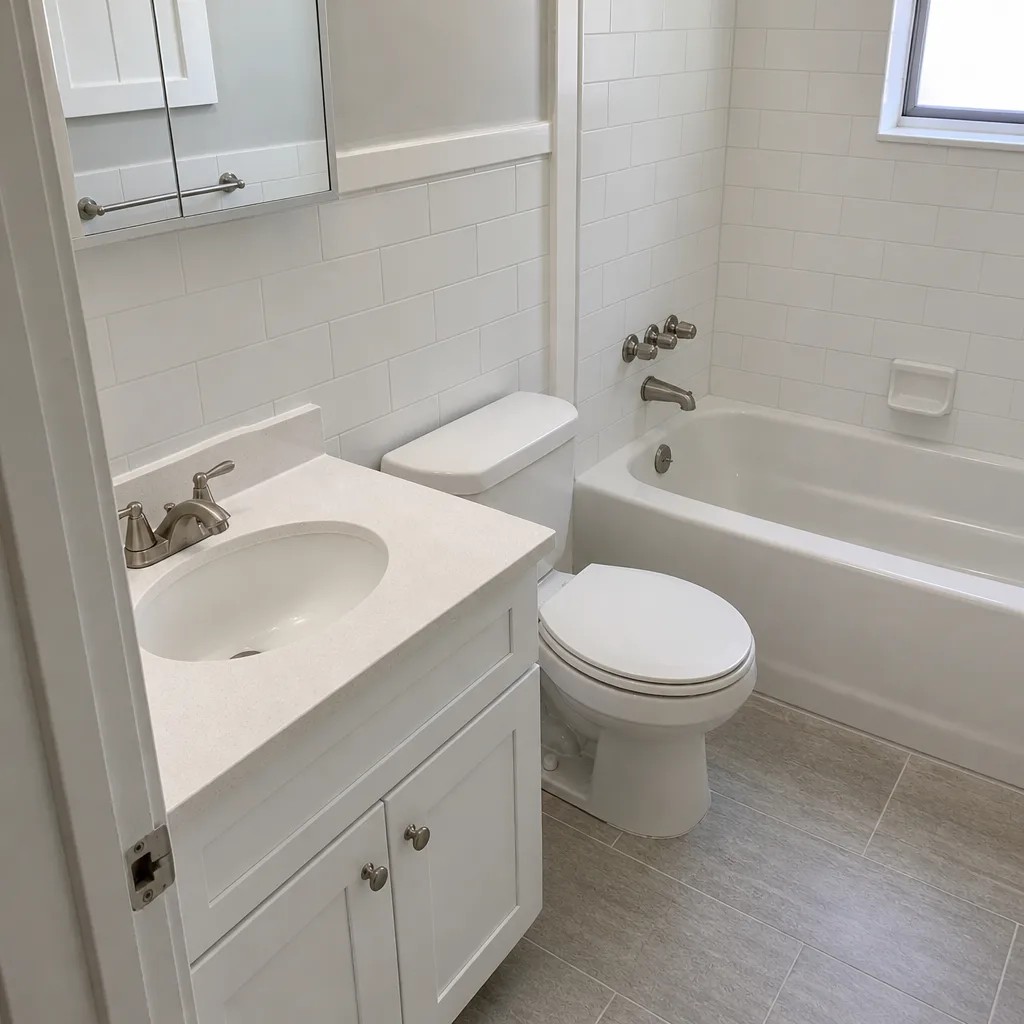 After
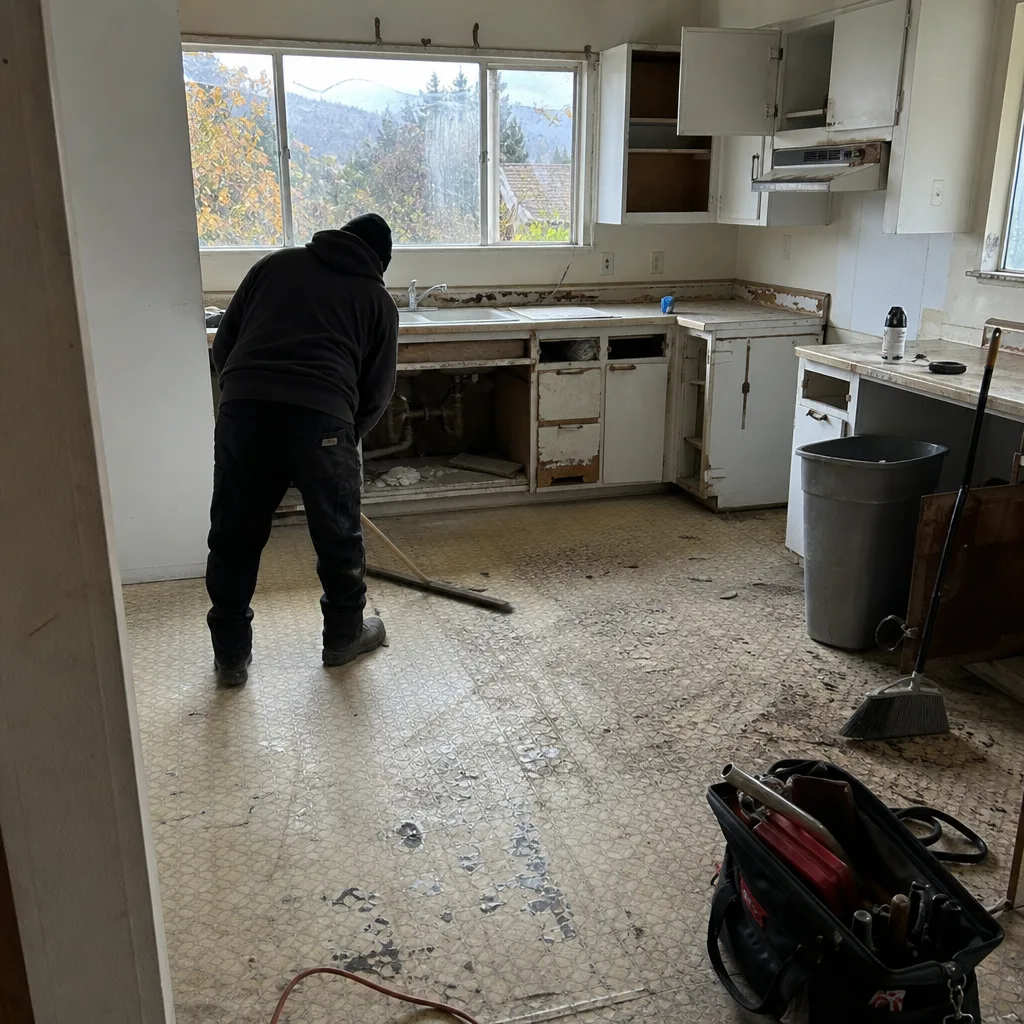 Before
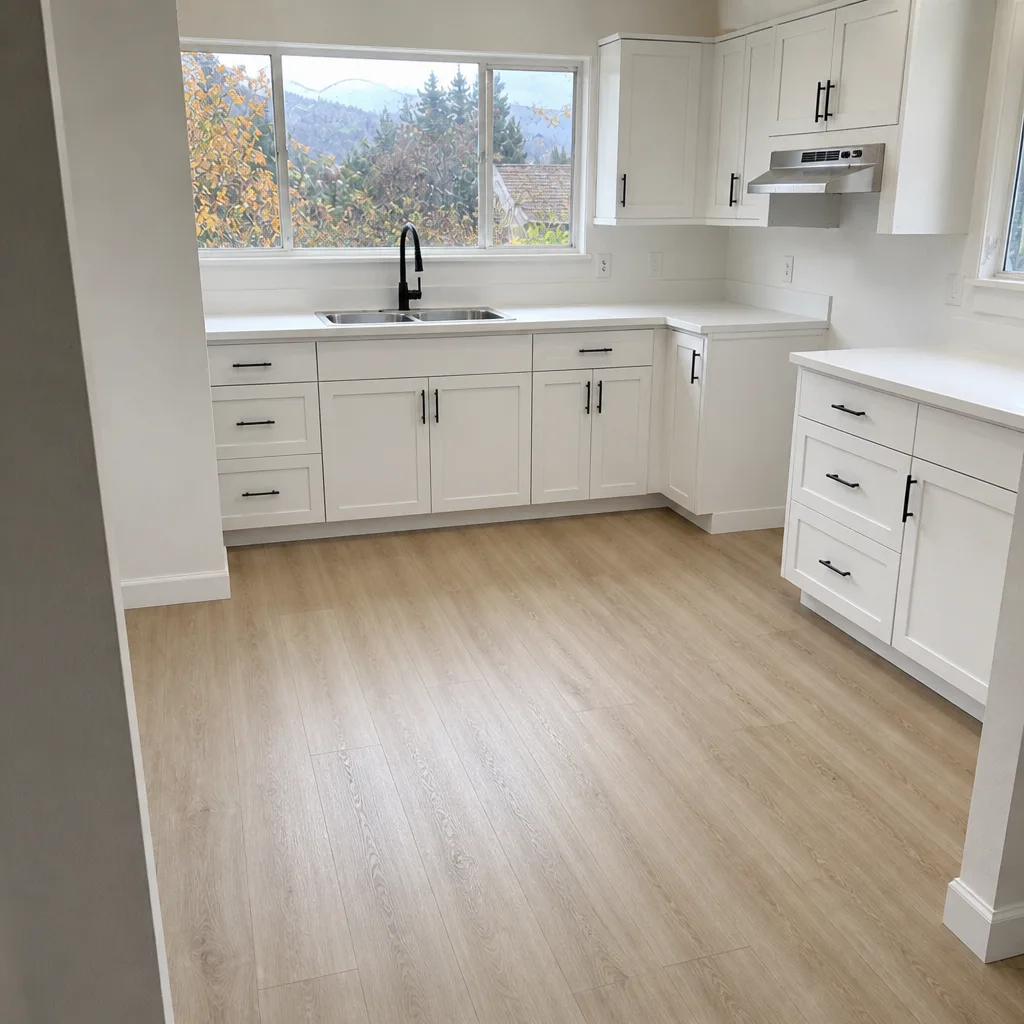 After
When to Call a Professional
Some driveway projects are genuinely weekend-appropriate: resetting a few pavers on a patio, touching up joint sand, cleaning a sealed surface. Everything past that reaches into the parts of the job that require equipment, experience, and judgment. Call a professional when your project involves any of these:
- Removing existing concrete or asphalt, especially reinforced concrete
- Any grading, slope correction, or drainage change
- Installing pavers over 100 square feet in a driveway setting
- Any change to the driveway apron, curb cut, or street interface
A driveway is one of the largest continuous surfaces on a property, and a paver driveway that holds needs correct base prep, correct base curing, correct jointing, and a correct cure window. Getting any one wrong means pulling up part of the job. Groundwork Construction Co. of Oakland offers free estimates in Oakland – call (833) 997-7759 to schedule yours. Our technicians have up to 12 years of experience, they arrive background-checked and in uniform, and every estimate includes a written line-item scope with the timeline spelled out phase by phase.
Frequently Asked Questions
A typical paver driveway in Oakland takes 5 to 10 working days of on-site construction, and 3 to 6 weeks total once you factor in design consultation, permit review, weather buffer, and the 72-hour post-sealing cure. Larger driveways, sloped sites in the Oakland Hills, and drainage corrections push toward the longer end. Call (833) 997-7759 for a precise timeline on your specific driveway – estimates are free.
Only in narrow cases, and almost never for a full driveway with existing surface to remove. Two days might cover laying pavers over an already-prepped, fully-cured base on a small, flat, straightforward site. If a two-day quote arrives for a full replacement on a typical Oakland driveway, it’s usually a sign that base curing and jointing phases have been compressed or skipped. Call (833) 997-7759 for a realistic phase-by-phase comparison.
Costs vary widely with square footage, base depth, paver style, and site conditions. A typical paver driveway in Oakland falls somewhere in the range of what you’d expect for the square footage, base work, drainage, and finish. We don’t quote from a table – every project gets a written line-item estimate after a site visit. Call (833) 997-7759 for your free estimate, and ask about 0% financing for 18 months and $1,000 off projects over $10,000.
Often yes, especially if the project changes the driveway apron, curb cut, drainage direction, or footprint. A pure like-for-like replacement may or may not require a permit, and that depends on the current city requirements for your specific address. Rather than guess, confirm with your contractor in writing before signing. Groundwork pulls the permits and passes the inspections on projects where they’re required. Call (833) 997-7759 to talk through your specific case.
Rain during installation forces a pause if it lands before polymeric joint sand has cured or before a sealer has set. A well-run crew stops and waits rather than pushing pavers onto wet base or sealing over damp pavement, because either shortcut produces a failure within the first year or two. In Oakland’s wet season (November through March), a good schedule includes weather contingency so a rain day becomes a planned adjustment rather than an emergency. Call (833) 997-7759 to plan your wet-season start.
Wait at least 72 hours after the final sealer coat before putting a vehicle on the driveway, and longer in cool or humid conditions. Foot traffic is usually fine within a day of sealing. If a contractor tells you that you can drive on it the same evening, ask what sealer they used and what its actual cure requirements are – the answer matters more than the convenience. Call (833) 997-7759 for a walkthrough schedule and cure window in writing.
The Bottom Line
A driveway & pavers project in Oakland takes 5 to 10 working days of active construction and 3 to 6 weeks from design decision to final cure. The variable that matters most isn’t the paving itself. It’s the base prep, the curing time, and the post-installation cure window. A realistic contractor builds those into the schedule; a bid that skips them is the one you’ll regret in eighteen months. Know the phases, ask about the base, ask who’s pulling the permit, and confirm the 72-hour post-seal cure. From foundation to finish line, that’s what separates a driveway that lasts from one that gets redone.
Ready to Get a Real Timeline?
Our team answers the phone 24/7 – a live person, not a voicemail. Every driveway & pavers estimate is free, upfront, in writing, and includes the full phase-by-phase timeline plus a clear scope. Call Groundwork Construction Co. of Oakland at (833) 997-7759 to schedule your free estimate and design consult. Built to last, backed in writing.
Written by the team at Groundwork Construction Co. of Oakland.