
Last updated November 17, 2026
 Windows & doors
 Kitchen remodeling
 Bathroom remodeling
 Home additions & ADU
 Roofing
 Driveway & pavers
 Fence
Free written scope consultation - allowances, timeline, and change-order rules on paper before a single trade is scheduled
Windows & Doors Warning Signs Every Homeowner Should Know
A door that suddenly won’t latch after years of working fine isn’t a door problem. It’s often the first visible sign of foundation movement or framing settlement, and treating it as a hardware fix delays the diagnosis of something far more serious. The same holds for a window that fogs between the panes, a sill that softens under your thumb, or an energy bill that climbs while your HVAC equipment checks out fine. Your windows and doors are reading out the condition of your home’s envelope. This guide teaches you to interpret those signals so you know whether you’re looking at a $200 fix or a $12,000 problem before you call anyone. We’ve walked through thousands of Oakland homes, and the pattern is almost always there before the damage is.
Quick Answer
The warning signs that matter most are the ones that point to the building envelope rather than the window or door itself: doors that stick or won’t latch after years of working fine (often settlement), fogging between glass panes (seal failure), soft or discolored sills (water intrusion), interior staining near frames (roof, flashing, or cladding failure above and beside the unit), and unexplained energy bill spikes (air leakage, not always HVAC). A single symptom rarely means replacement. A pattern of two or more, especially clustered on one side of the house, means you need a proper diagnosis before you spend a dollar on anything.
Styles & brands we work with
- Kitchen remodeling
- Bathroom remodeling
- Home additions & ADU
- Roofing
- Windows & doors
- Driveway & pavers
- Fence
Table of Contents
- How to Read a Sticking or Misaligned Door
- What Different Types of Window Frame Damage Tell You
- Interior Water Staining Near Windows: Finding the Real Source
- Energy Bill Spikes: Isolating Envelope Failure From HVAC Failure
- Fogging Glass and Failed Seals
- Red Flags During a Window or Door Contractor Walkthrough
- Oakland-Specific Conditions That Accelerate Failure
- Repair or Replace? A Decision Framework
How to Read a Sticking or Misaligned Door
When a door starts sticking, the instinct is to reach for a plane or a can of lubricant. That treats the symptom. The pattern of the sticking tells you much more than the sticking itself, and it usually falls into one of three categories.
Seasonal wood movement is the most common and the least serious. If a door swells and sticks in humid months and frees up in dry months, you’re seeing wood absorb and release moisture. In Oakland, the wet season from November through March typically shows this clearly, and doors often free themselves by May. A plane to the latch edge, adjusted strike plates, or a coat of sealer on the top and bottom edges usually solves it permanently. If the sticking comes and goes with the weather, you don’t have a structural problem.
Hardware wear shows up as a door that sags slightly, catches at the top corner, or needs a lift to latch. Hinges loosen over time, especially on heavier exterior doors where the top hinge carries more load than the bottom. Check by opening the door halfway and seeing if it drops. If the gap at the top and bottom of the door is even but the latch doesn’t line up with the strike, it’s hardware. If the gap is uneven, keep reading.
Structural settlement or framing movement shows up as a door that was perfectly fine for years and suddenly isn’t. The tell is a door that sticks at the top corner while the hinge side sits flush, or a door that won’t latch because the strike plate has shifted vertically. This is the pattern to take seriously. It’s often the first visible sign of a foundation issue, a failing header, or movement in the wall framing, and here’s the critical point: treating it as a hardware fix delays the diagnosis of something far more serious. Replacing the door on a wall that’s moving just moves the problem to a new unit.
How to Check a Door in 60 Seconds
- Open the door halfway and let it hang. If it swings on its own toward open or closed, the hinges are out of plumb.
- Look at the gap between the door and the frame at the top and bottom of the latch side. Even gap = hardware. Uneven gap = movement.
- Check the interior and exterior trim for cracks radiating from the corners. New cracks mean the wall is moving, not just the door.
- Look at the floor under the threshold for a gap or a dip. A sagging threshold means the subfloor or framing below needs a look.
- Note when the problem started, seasonally or suddenly. Seasonal = maintenance. Sudden = diagnosis.
If steps 2, 3, or 4 point to movement, this is the moment to stop and bring in someone who can assess the whole envelope. A door that suddenly won’t latch after years of working fine is a diagnostic tool, and reading it correctly saves you from spending money on the wrong repair.
What Different Types of Window Frame Damage Tell You
Window frame damage isn’t one problem. Where the damage shows up points to a different root cause and a different level of urgency. This is the distinction most homeowners miss, and it’s the difference between a Saturday caulk job and a window replacement with some flashing repair behind it.
Corner Cracking
Hairline cracks at the mitered corners of a window frame or at the joints where trim meets frame usually point to building movement or thermal expansion, not water damage. In older Oakland homes, especially in neighborhoods like Rockridge and Temescal where housing stock runs a century old, some corner cracking is cosmetic and has been there for decades. The rule: watch the crack. If it’s growing, if it’s wider on one side of the frame than the other, or if it appears on multiple windows on the same wall, the wall is moving and you need a diagnosis before you replace the window.
Sill Rot
Soft, spongy, or discolored sills point to water sitting where it shouldn’t. Push a screwdriver into the sill. If it sinks in easily or comes up with dark wet wood, you have rot, and it’s rarely isolated to the sill. Rotting sills mean water has been getting in for a while, and it usually travels into the framing below. This is the damage that turns a $400 window replacement into a $2,000 repair once the rough opening is exposed. Oakwood, Cunningham, and older neighborhoods near Lake Merritt see this often on south-facing windows where the sun and rain cycle is hardest on the sill.
Flashing Failure
Flashing is the metal or membrane that sheds water around the window opening, and its failure shows up as staining, staining on the interior wall below the window, or damaged trim alongside the unit. Flashing failure is the most serious of the three because it’s the hardest to see and the most likely to have caused hidden damage. It’s also the one most window replacement companies miss: they pull a unit out, find soft framing behind it, and either walk away or bill you for a repair that should have been in scope from the start. Ask directly whether the quote includes flashing replacement. If the answer is vague, the quote is incomplete.
Interior Water Staining Near Windows: Finding the Real Source
Interior water staining near a window looks like a window problem. It’s often not. Water travels, and the stain is usually downstream of where it started. Before you blame the window, run through this diagnostic, which points to one of three sources.
Source 1: The window itself. Look for staining that follows the window’s perimeter, appears on the interior trim, or shows up only when wind drives rain against that specific face of the house. A window leaking from its own frame will show staining below the sill, at the bottom corners of the unit, or on the drywall directly below the frame and nowhere else. This points to failed glazing, a failed seal between sash and frame, or poor caulking at the exterior perimeter.
Source 2: The roof above it. Staining that appears in a vertical column above the window, or high on the wall near the ceiling, points to roof or attic conditions above. Check the attic above the window for staining on the rafters or decking, and check the roof itself along that wall for missing shingles, gutter problems, or flashing failures at the roofline. Wood shingle and composition roofs both fail in ways that show up as interior wall staining. If the stain is high and centered above the window rather than surrounding it, look up first.
Source 3: The wall cladding beside it. Staining that climbs the wall beside the window, appears at the window’s side, or shows up on a window whose flashing is intact points to cladding or siding leaking above or beside the opening. Stucco cracking, siding joints that have lost their caulk, and windows set without a consistent water-shedding plane all leak this way. The fix isn’t the window. The fix is the wall.
The order matters: check above, then beside, then at the window. Getting this wrong is how homeowners end up replacing a perfectly good window while the actual leak site keeps running water into the wall.
Energy Bill Spikes: Isolating Envelope Failure From HVAC Failure
An energy bill spike is a signal, but it doesn’t tell you what’s failing. Your windows and doors may be losing conditioned air, or your HVAC equipment may be losing efficiency. Both look identical on the bill. Here’s how to isolate one from the other before you call anyone.
The Overnight Test
Close every window and exterior door. Turn off all exhaust fans for a few hours. On a cool evening, run your hand slowly around each window frame, every hinge, and every threshold. If you feel cool air moving, you’ve found envelope leakage. A draft at the hinge side of a door or around a window frame is air moving through the wall assembly, and no amount of caulking the visible gap will fix a door or window whose weather stripping and frame have failed.
The Standalone HVAC Test
Check your HVAC equipment separately. A dirty air filter, a failing blower motor, or a low refrigerant charge all show up as a bill spike. If the system runs noticeably longer than it used to on the same days of the year, and your draft test came up clean, the envelope is probably fine and the equipment needs service. If the equipment has been serviced and the bills are still climbing, the envelope is the suspect.
The Smoke Pencil Test
A cheap smoke pencil or incense stick held near the corners, latches, and hinges of windows and doors shows exactly where air is moving. A steady sideways pull at the hinge of an exterior door is a weather stripping failure, a $25 fix. A steady pull around a window frame is a harder problem, and it usually means the seal between the window and the rough opening is failing. Measure the effect on your bill by comparing the same month year over year. A spike of more than 15% on the same rates and same usage pattern points to something physical, either equipment or envelope. Get a diagnosis before replacing anything, and ask any contractor whether they’ll smoke pencil the windows and doors as part of the walkthrough. Groundwork does on every estimate, because a window replacement that doesn’t fix a draft at the hinge is money wasted.
Fogging Glass and Failed Seals
Fogging between two panes of an insulated glass unit is the clearest and least ambiguous signal on this list. It means the seal that held the argon or air gap has failed, moisture has entered, and the insulating value of the glass is gone. There’s no repair. The glass unit needs to be replaced, or the whole window if replacement glass isn’t practical.
The tricky part is that the seal doesn’t always fail visibly at first. Look for condensation on the interior of the glass only when it’s cold outside, a milky or slightly hazy appearance in the morning that clears later, or a thin film inside the glass that doesn’t wipe off from the inside. Any of these mean the seal is failing or has failed.
Fogging is not a structural problem, which is good news. The window is telling you its glass is done, not that your house is moving. The fix is straightforward: replace the failed glass unit or replace the window. On a window near the end of its life, replacing the whole unit is usually the better investment. On a newer window still under a manufacturer’s glass warranty, the failing unit is often covered, and a call to the manufacturer or installer gets you a replacement glass unit at no cost.
What matters is whether the surrounding frame and flashing are sound. A fogged window with solid framing is a glass replacement. A fogged window with soft wood or failing flashing is a window replacement plus a repair, which is why the walkthrough matters more than the visible symptom.
If you’re replacing units in an Oakland home and want glazing that holds up to the local marine layer and sun cycle, we specify from a small set of partners we trust: Andersen and Marvin for the long-horizon residential work, with CGI and CWS where the project calls for them. The brand matters less than the installation, but the brand is where the warranty lives, and the 730-Day Done Right Promise covers the workmanship on top of it.
Red Flags During a Window or Door Contractor Walkthrough
The walkthrough is where most homeowners get taken. A contractor who is missing scope, underpricing to win the job and making it up later, or skipping the rough opening assessment will show you red flags during a 30-minute walk. Watch for these.
Red Flag 1: No Rough Opening Assessment
A contractor who measures the window and quotes a replacement without looking at the opening has quoted you the easy half of the job. The rough opening is what’s behind the frame, and it’s where rot, water damage, and poor previous installation live. If they don’t go into the attic or remove a piece of interior trim to look at the flashing and framing, the quote is a guess. Ask them to describe what they saw. If the answer is vague, get another quote.
Red Flag 2: Flashing and Trim Not in the Scope
Look at the written scope line by line. Does it include flashing replacement, sill repair, trim, caulking, disposal, and painting or staining? The cheap quote often leaves out flashing and trim, then charges for them as change orders. A written line-item quote with fixed pricing, no change orders, is the standard. If a quote is one number with no line items, the missing scope is the risk you’re carrying. Upfront pricing with no surprises is not a marketing line; it’s a contract term.
Red Flag 3: They Don’t Ask About the House
A contractor who only looks at a window is missing the envelope. A good one asks about the house: how old is it, what siding does it have, is there a history of leaks, has the foundation been assessed. If they don’t ask, they’re quoting a product, not solving a problem. The symptoms don’t live in the window; they live in the wall assembly, and the contractor who knows that will price the job differently. This is the difference between a $400 replacement and a $4,000 repair you find in the wall after the window comes out, and it’s the difference between a project that holds up and one that doesn’t.
Red Flag 4: No Permit Discussion
Window and door replacement in Oakland typically requires a permit, especially for a like-kind replacement that touches the structural opening or changes the unit size. A contractor who doesn’t mention permits or implies you can skip them is the one who leaves you with an unpermitted job on the record. Ask whether they’ll pull the permit and handle inspection. That answer tells you a lot about how they operate.
Red Flag 5: No Written Warranty
Ask what happens if a leak develops six months after the install. A one-year workmanship warranty is standard. A longer written promise, backed in writing, is a signal of accountability. The 730-Day Done Right Promise is one of the longest workmanship guarantees in residential construction, and it covers the workmanship on every project. Any contractor who won’t put their warranty in writing is asking you to trust a verbal promise. Don’t.
Oakland-Specific Conditions That Accelerate Failure
Oakland’s climate and housing stock create failure patterns that a homeowner in Phoenix or Minneapolis never sees, and they’re worth recognizing because they change how you read the symptoms.
The marine layer. Windows and doors on the west and north faces of an Oakland home take moisture-laden air almost year-round, especially in neighborhoods near the water in the flatlands and along the Oakland Estuary. Wood frames and trim on those faces fail first, and sills on north-facing units rot faster than the rest of the house. If your damage clusters on one face, that’s the marine layer doing its work, and it tells you the cladding and flashing on that side need a harder look.
The sun cycle on exposed faces. East and south faces bake in the summer, which expands and contracts the glass and frame daily. Insulated glass seals on those faces fail faster, and you’ll see the first fogged units on the sunny side of the house. Window fogging that appears only on south-facing windows is a sun exposure issue, not a whole-house problem.
Hillside and older housing stock. Homes in the Oakland Hills and in older neighborhoods like Rockridge, Temescal, and Adams Point often have original wood windows and doors that have absorbed and released moisture for a century. Some movement is normal. The warning sign is sudden change, or movement that clusters on one side of the house, which points to foundation or framing issues that show up at the windows and doors first. This is exactly the pattern we see most often in Oakland: a door that worked for years suddenly won’t latch, and the door is fine.
Seismic and settlement history. Older Oakland homes have been through decades of ground movement, and the symptoms show up in the envelope first. A window that’s out of square, a door that sticks on one side, a hairline crack running from a window corner to the ceiling: these are worth a professional diagnosis, especially in a home that’s had additions or foundation work. From foundation to finish line, the envelope is the first place the house tells you something’s moving.
Repair or Replace? A Decision Framework
Once you’ve read the signals, the question is what to do about them. Use this framework to decide whether you’re looking at a repair or a replacement, and to understand the range of outcomes before you call.
- One symptom, no water, no movement. Sticking door in the wet season, a draft at one hinge, a window that’s out of square by a sixteenth of an inch. Repair. Adjust hardware, replace weather stripping, caulk, plane a door edge. This is maintenance, and it’s the cheapest possible outcome.
- Fogging, no rot, no water. Replace the glass unit or the window. No structural repair needed. The cost range is predictable: a glass replacement is a fraction of a full unit, and a full unit replacement is a known number once you have a written quote.
- Rot, flashing failure, or interior staining. Diagnosis first, then a repair that includes the wall assembly. This is where the quote matters most, because the cheap quote that skips flashing is the one that leaves water running into the wall. Ask for the line-item scope with flashing, trim, and framing repair included.
- Multiple symptoms clustered on one side, or a door that suddenly won’t latch after years. Structural assessment before any window or door work. Replacing units on a wall that’s moving is money thrown away, because the new units will move with the framing and fail the same way. If the diagnosis points to foundation or framing work, the window and door replacement comes after, not before.
The reason this framework matters is scope. A repair is a $200 to $600 visit. A replacement project with hidden rough-opening damage can run well into five figures if the wall assembly needs work. Knowing which one you’re facing before you call is the difference between a shopping conversation and a diagnosis.
The same principles apply across the rest of the house. Envelope problems we see in Oakland windows and doors often show up alongside driveway and paver settling, fence posts that have moved, and additions whose wall assemblies need the same water-shedding discipline. If your window or door symptoms are part of a larger pattern, it’s worth looking at the whole property: Groundwork Construction Co. of Oakland handles the full scope, and we’re the rare contractor who can diagnose a window symptom, check the framing, and handle the wall and addition repairs it points to without handing you off to a second crew.
Common Mistakes to Avoid
- Treating a suddenly stuck door as a hardware problem. A door that worked for years and suddenly won’t latch is a signal of movement, and replacing the strikes or the door itself delays the diagnosis while the movement continues. Fix the hardware only when the gap is even; diagnose the wall when it isn’t.
- Replacing a window to fix a leak that isn’t the window. Interior staining above or beside a window usually comes from the roof or the cladding. Replacing the window in that case leaves the actual leak running. Check above, then beside, then at the window.
- Taking the cheapest quote on a window replacement. The low quote is almost always missing flashing, trim, or rough-opening repair. When the wall opens up, those missing items come back as change orders, and the cheapest quote becomes the most expensive project. Ask for a written line-item quote with fixed pricing.
- Ignoring a draft because the window “looks fine.” A draft at a hinge or frame is air moving through the wall assembly, and it doesn’t show on the surface. Smoke pencil the windows and doors, and measure your bill year over year. A 15% spike on the same usage is a physical problem.
- Assuming fogged glass means the whole window is shot. Fogging is a failed seal, not a structural problem. On a newer unit, the glass warranty often covers it. On an older unit, a glass replacement is a fraction of a window replacement.
- Skipping the permit. Window and door replacements in Oakland generally need a permit, and an unpermitted job stays on the record when you sell. A contractor who doesn’t mention permits is a contractor with something to hide.
- Buying on brand alone and skipping the install detail. Andersen, Marvin, Pella, and the rest all make a fine window, and every one of them fails if the flashing and rough opening are done wrong. The installation is what fails, and it’s what the 730-Day Done Right Promise covers.
See the difference
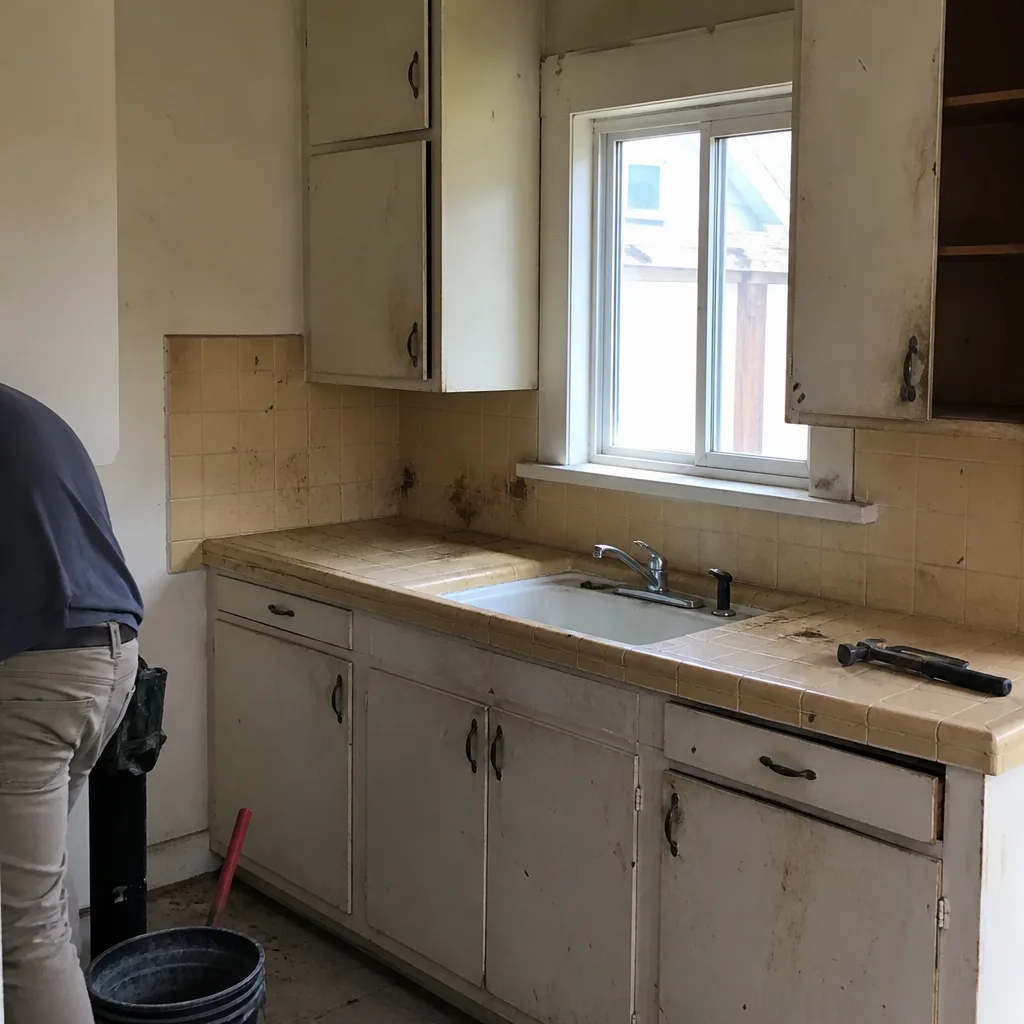 Before
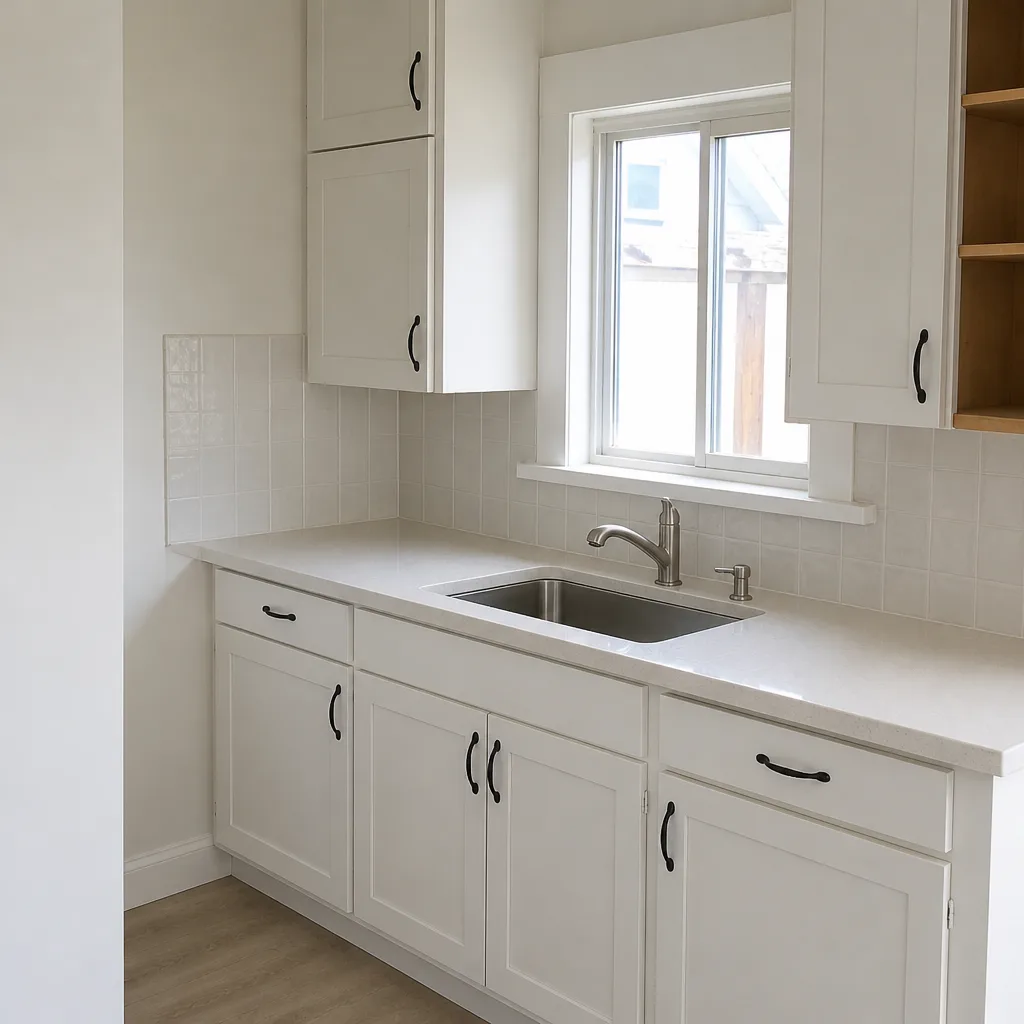 After
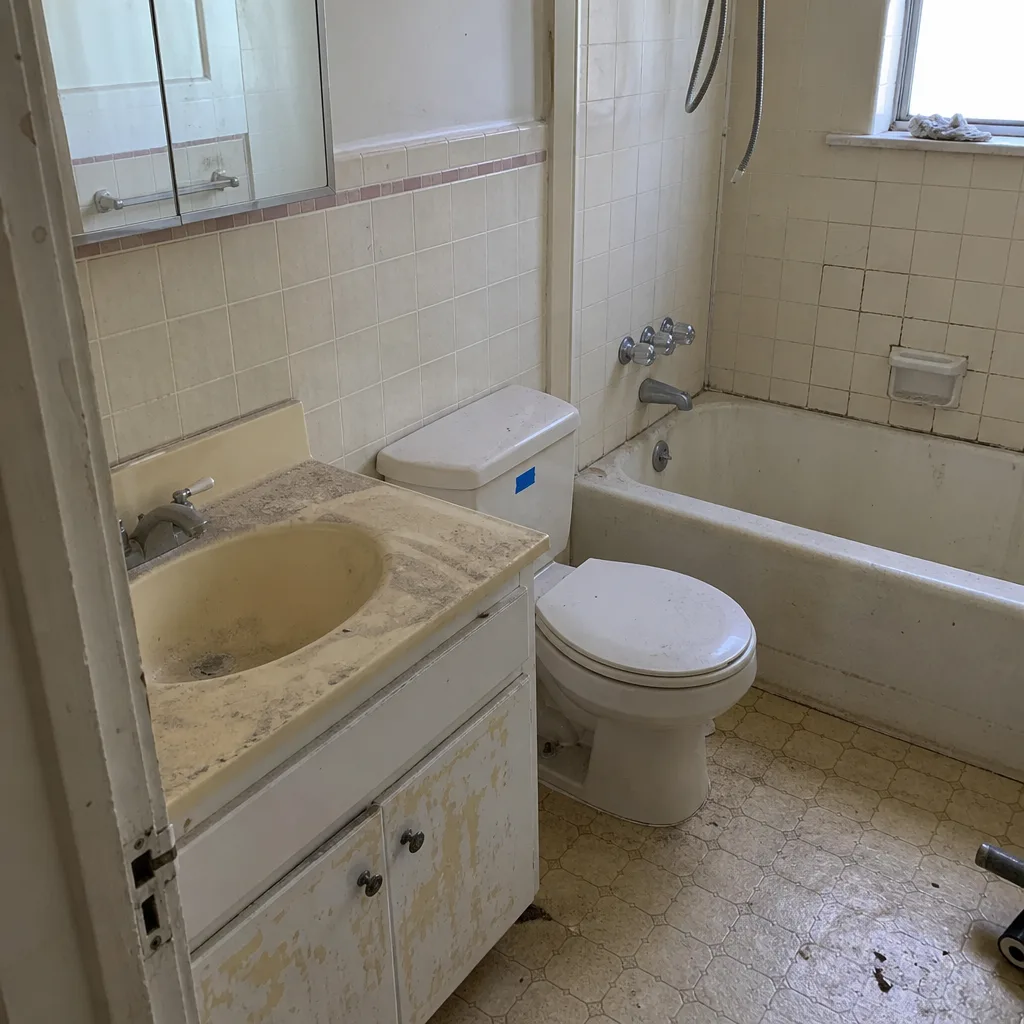 Before
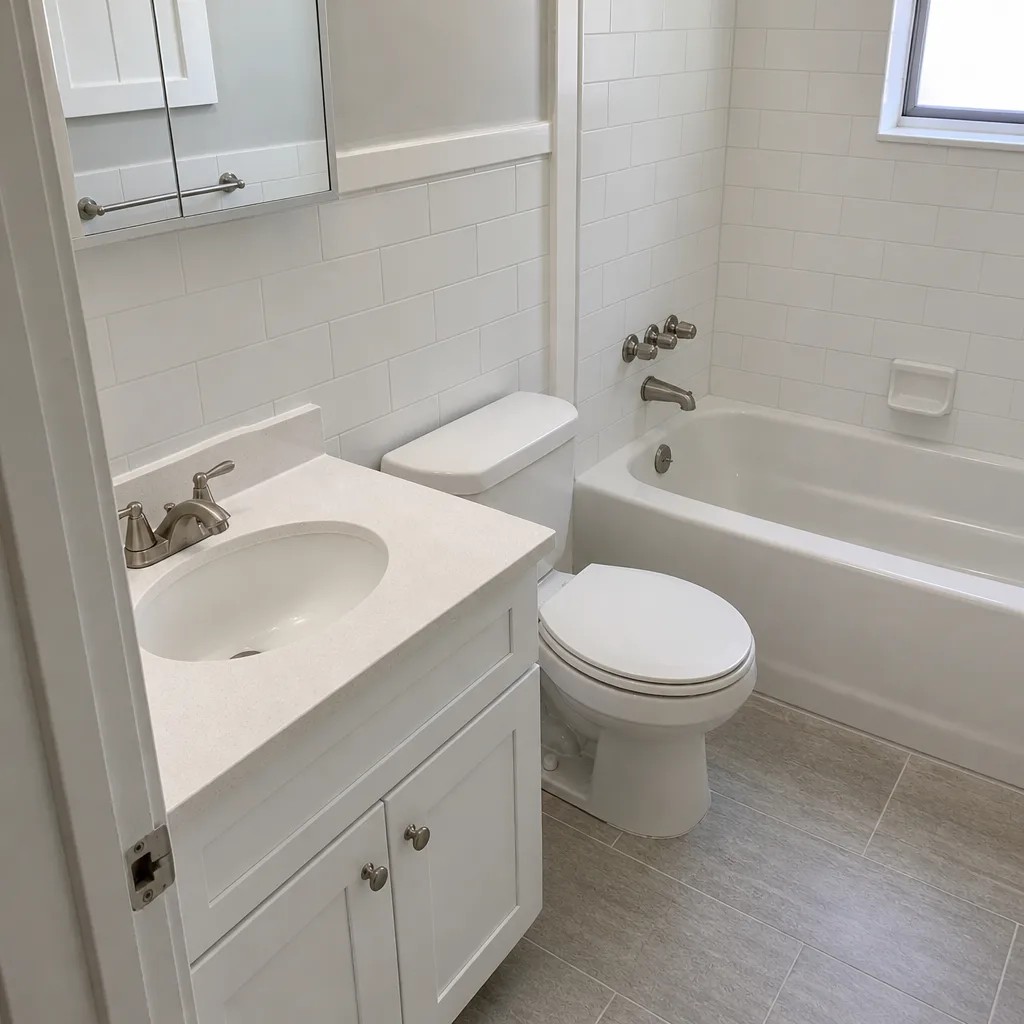 After
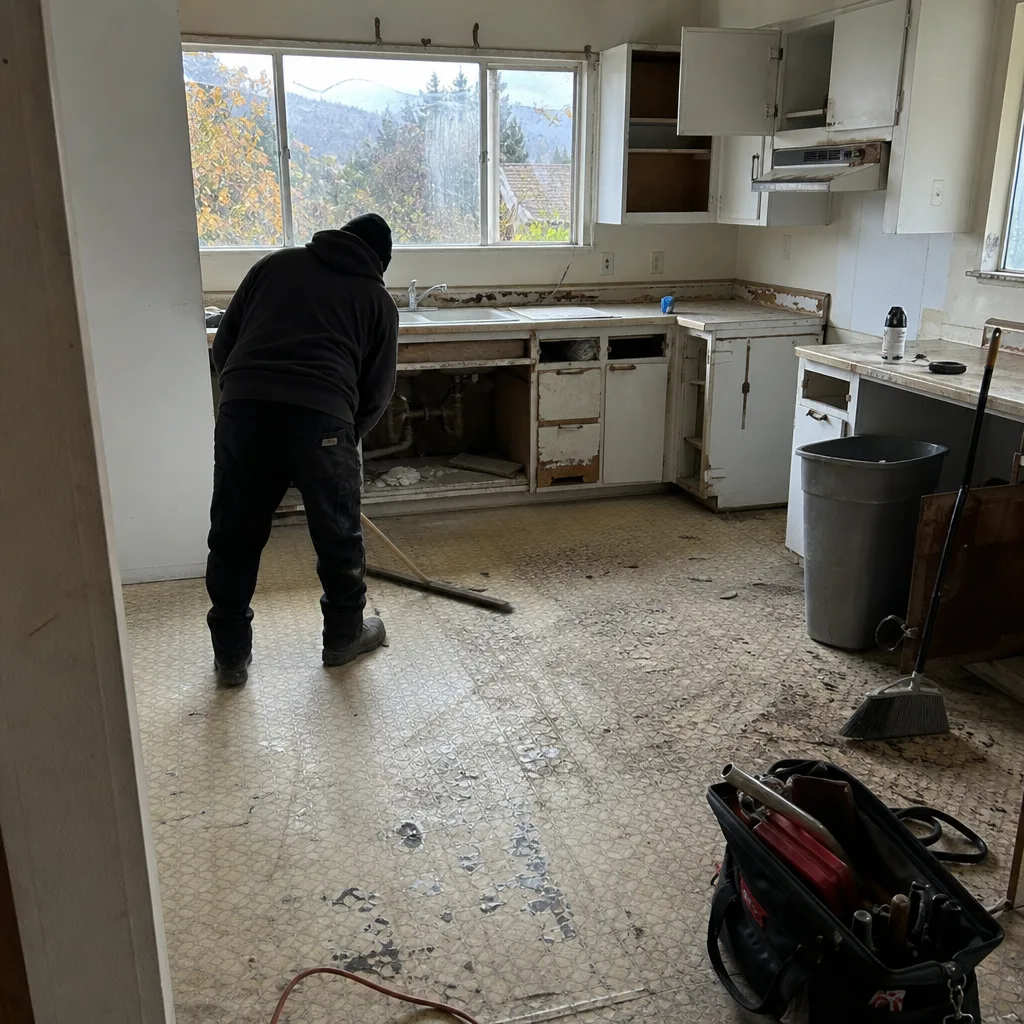 Before
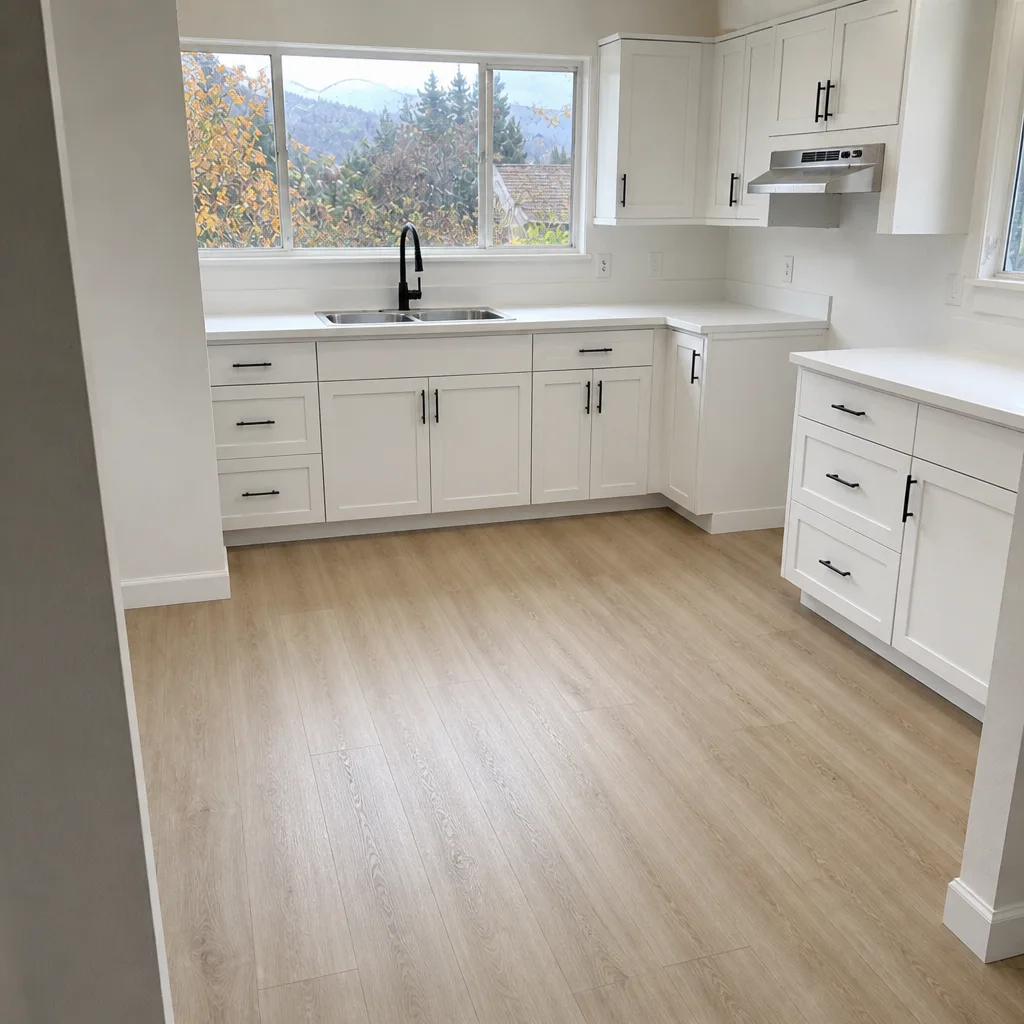 After
When to Call a Professional
Call a professional when the symptoms cross from maintenance into diagnosis. A door that sticks seasonally is a plane and a coat of sealer. A door that suddenly won’t latch after years, a window with soft sills, interior staining that appears near a window, fogging on multiple units, a draft that doesn’t close with weather stripping, or any cluster of symptoms on one side of the house is a diagnosis, and the diagnosis has to happen before you spend money on the repair. The single most expensive mistake in this guide is buying a window for a wall problem. If you’re in Oakland and the pattern is unclear, Groundwork Construction Co. of Oakland offers free estimates in Oakland – call (833) 997-7759. A technician arrives background-checked and in uniform, answers your questions on the walkthrough, and gives you a written line-item scope with fixed pricing. Calls are answered by a live person 24/7, so you’re never stuck in a voicemail waiting until Monday. A free project estimate and design consult is standing, no strings, and it’s the cheapest way to find out whether you’re looking at a $200 fix or a $12,000 problem.
Frequently Asked Questions
A door that suddenly stops latching usually means the strike plate has moved relative to the door, which points to movement in the wall or framing rather than the hardware. Check the gap between the door and frame at the top and bottom of the latch side: if it’s uneven, the wall has moved and the door is telling you something is settling. Don’t replace the door or force the strike until someone assesses the framing. Call (833) 997-7759 for a free estimate and walkthrough.
Staining that follows the window’s perimeter and appears below the sill points to the window, while staining that climbs in a vertical column above the window or near the ceiling points to the roof or framing above. Check the attic above the window for staining on the rafters, then the wall beside the window for cladding leaks. In Oakland, the marine layer on north and west faces makes wall cladding a common source, so don’t assume the window first. Call (833) 997-7759 and we’ll trace the source before anyone quotes a replacement.
Fogged glass from a failed seal often can be repaired by replacing just the insulated glass unit, which costs a fraction of a full window replacement. If the frame and flashing are sound, glass replacement is the right answer. If the surrounding wood is soft or the flashing has failed, the window needs replacement plus repair. A free estimate tells you which one you’re facing, and estimates are free when you call (833) 997-7759.
If the HVAC equipment is serviced and running normally, a bill spike usually points to air leakage through your windows and doors, not equipment failure. Run a smoke pencil around every frame, hinge, and threshold on a cool evening, and compare the same month year over year: a spike above 15% on the same usage pattern points to the envelope. We test this on every walkthrough. Call (833) 997-7759 for a free estimate.
Window and door replacement in Oakland generally requires a permit, especially for a like-kind replacement that touches the structural opening or changes the unit size. Any contractor who skips the permit leaves an unpermitted job on the record that comes up at sale. Ask whether they pull the permit and handle inspection, and get it in writing. We handle the permit and inspection on every replacement project, and you can call (833) 997-7759 to ask about your specific window.
Watch for a contractor who doesn’t inspect the rough opening, doesn’t include flashing and trim in the written scope, doesn’t ask about the age and condition of the house, and won’t put the warranty in writing. Those four red flags usually mean the quote is underpriced to win and will grow through change orders once the wall opens up. A written line-item quote with fixed pricing, a permit, and a warranty you can read are the signals of a contractor worth hiring. Call (833) 997-7759 for a free estimate with a scope you can actually compare.
The Bottom Line
Your windows and doors are reading out the condition of your home’s envelope, and the signal that matters most is the pattern, not the single symptom. A door that sticks seasonally is maintenance. A door that suddenly won’t latch after years of working fine is a diagnosis, and it may be the first sign of settlement. Window frame damage tells you where the problem lives: corner cracks mean movement, soft sills mean water, failing flashing means the wall assembly needs work. Interior staining has a source above, beside, or at the window, and finding it in the right order saves you a replacement you don’t need. Energy bill spikes need isolating before you blame the HVAC. From foundation to finish line, read the signals before you call, and if the pattern is unclear, get a free estimate and let someone who does this every day tell you what you’re looking at.
Groundwork Construction Co. of Oakland is here to read the signals with you. Call (833) 997-7759 for a free estimate – a live person answers 24/7, a background-checked technician arrives in uniform, and you get a written line-item scope with upfront pricing, no surprises. Projects over $10,000 get $1,000 off, and 0% financing for 18 months is available, all backed by the 730-Day Done Right Promise: if it’s not done right, we make it right. Built to last, backed in writing.
Written by the team at Groundwork Construction Co. of Oakland.