
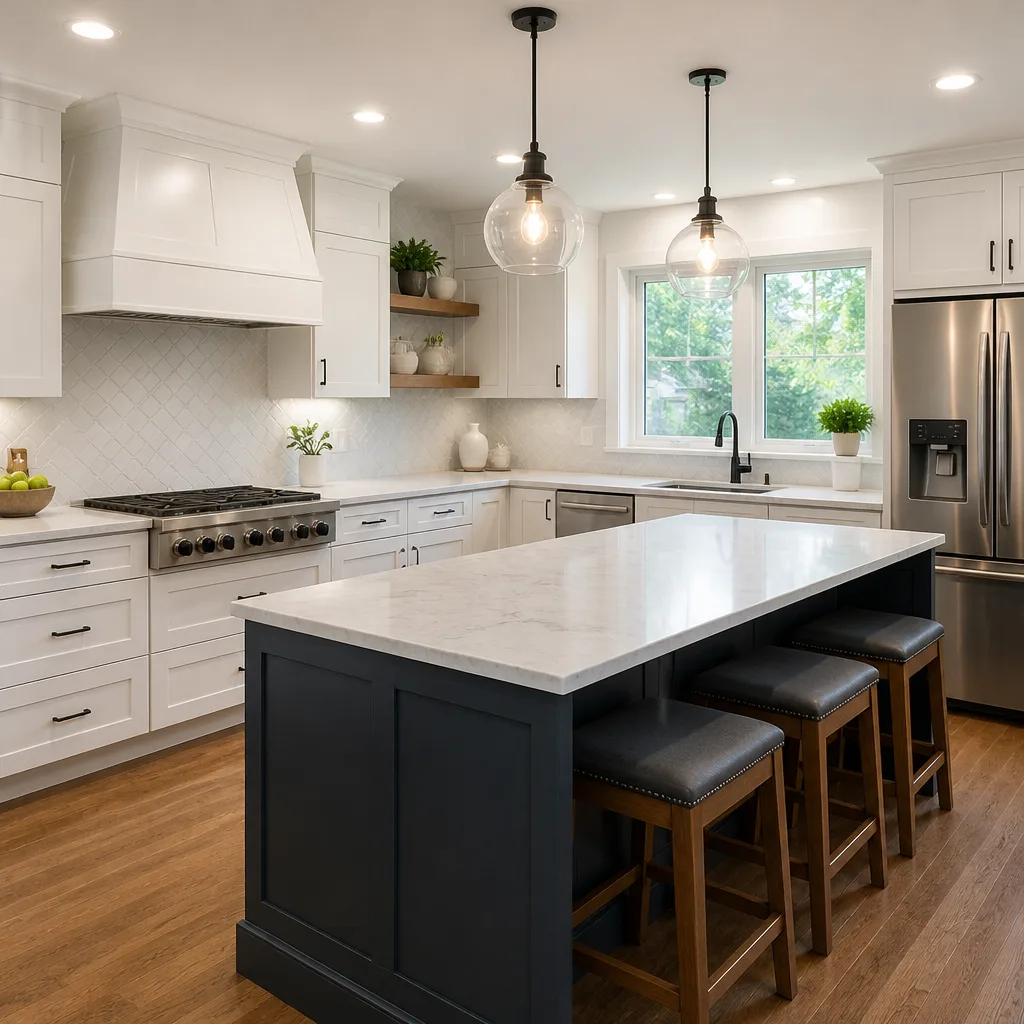
 Kitchen remodeling
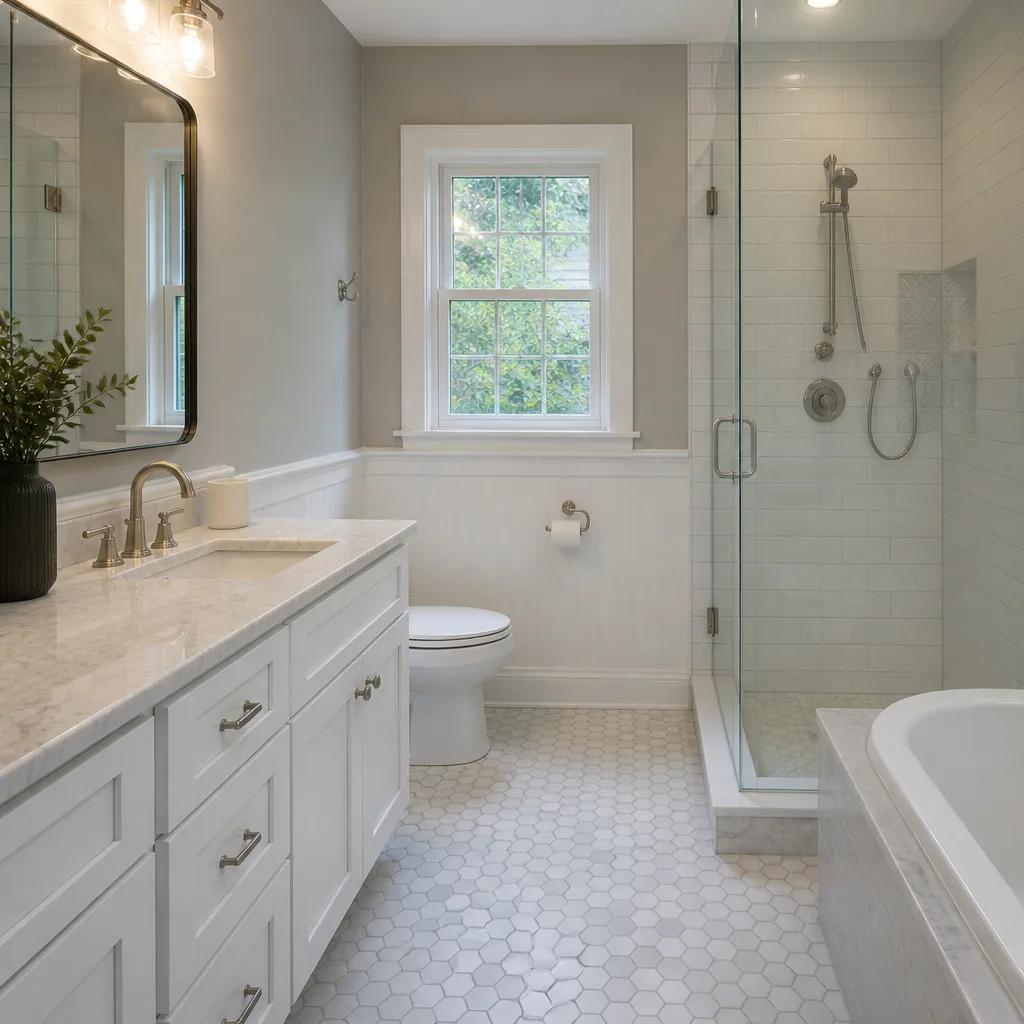 Bathroom remodeling
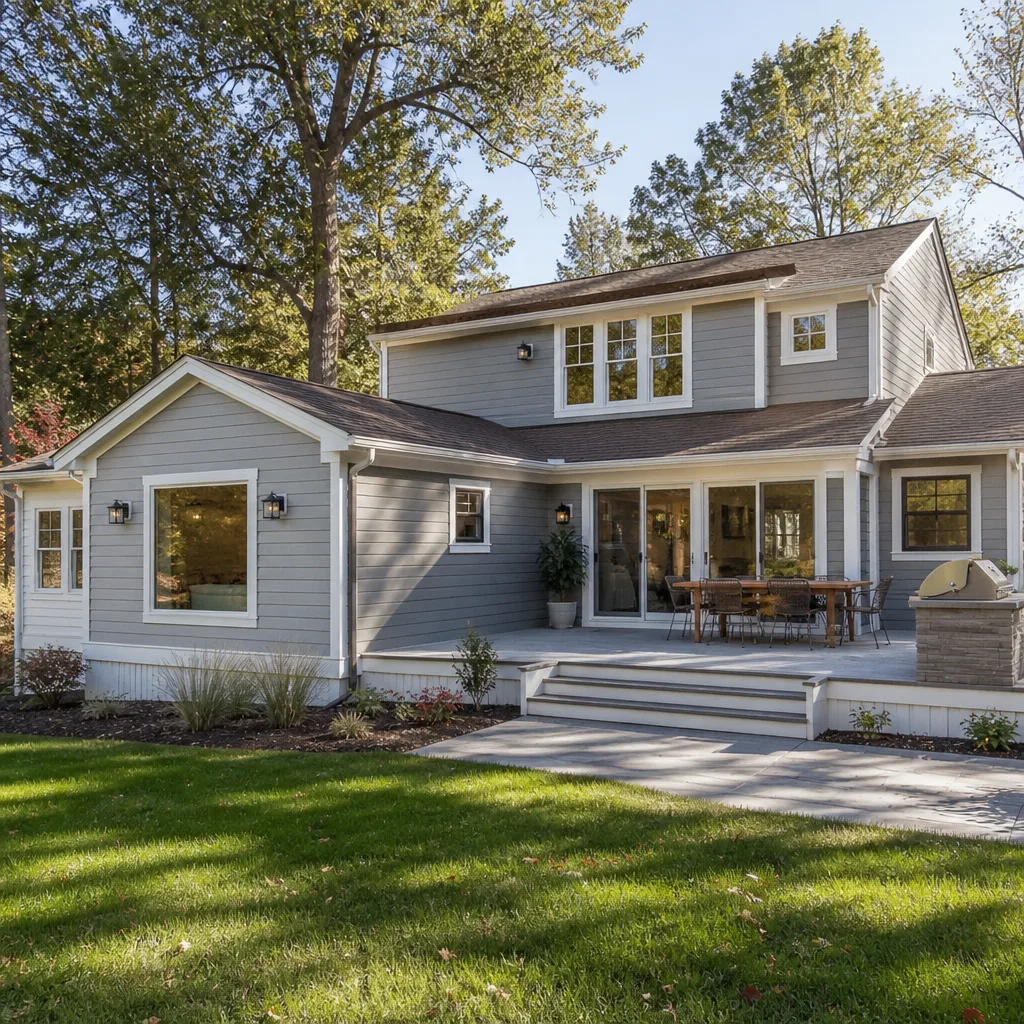 Home additions & ADU
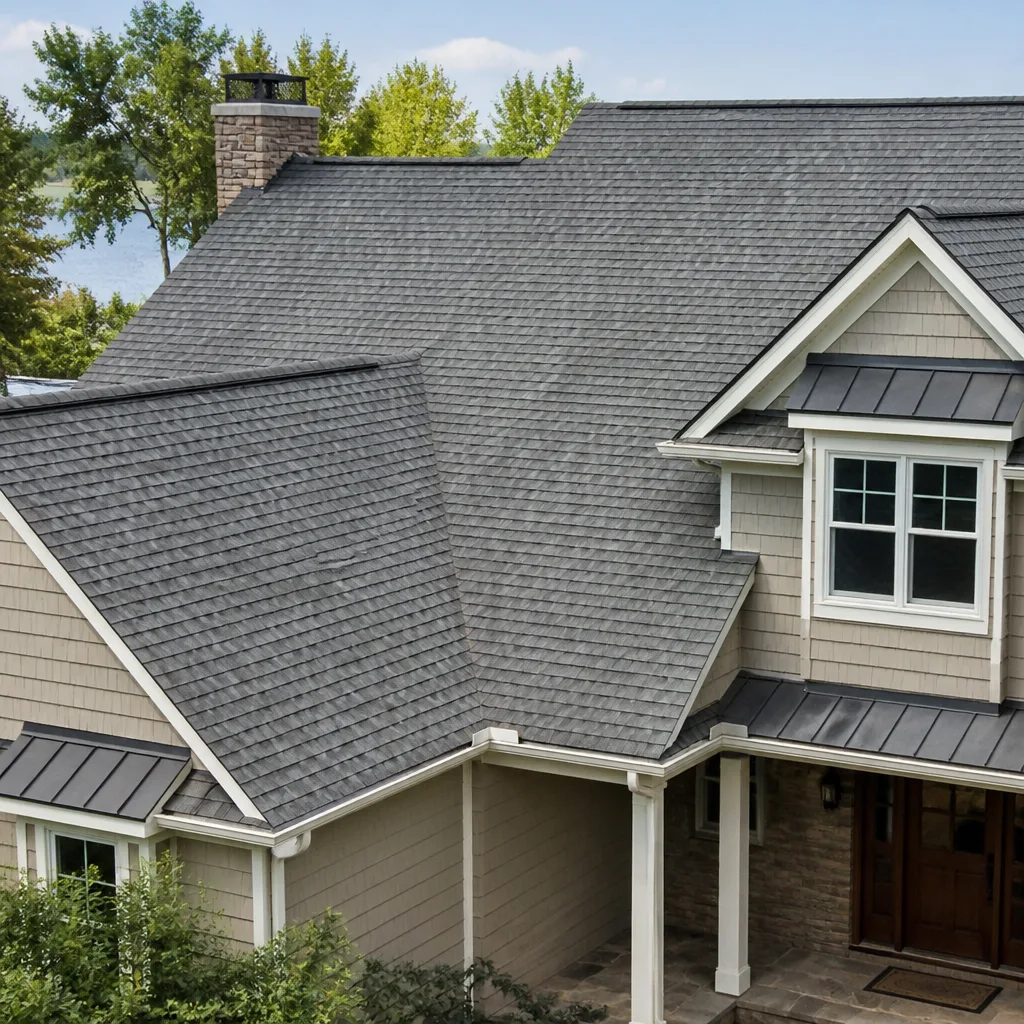 Roofing
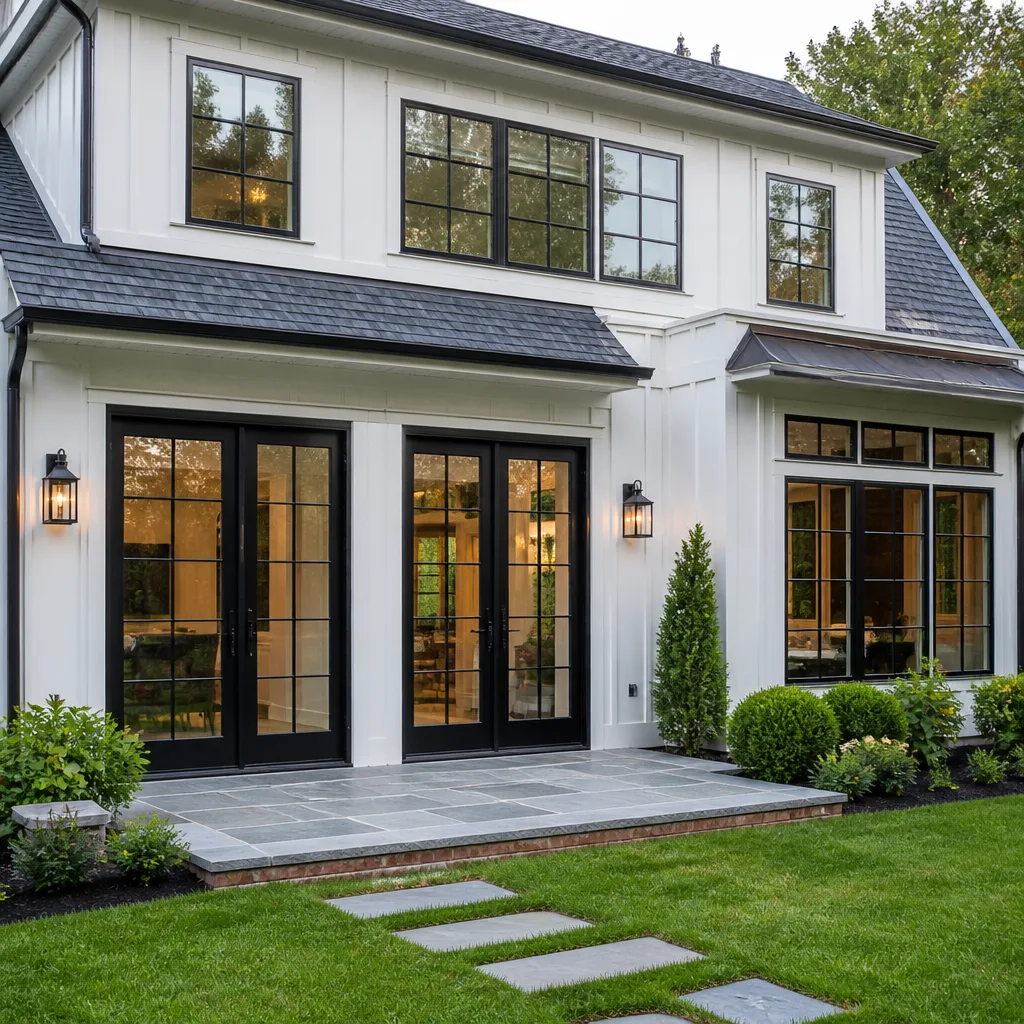 Windows & doors
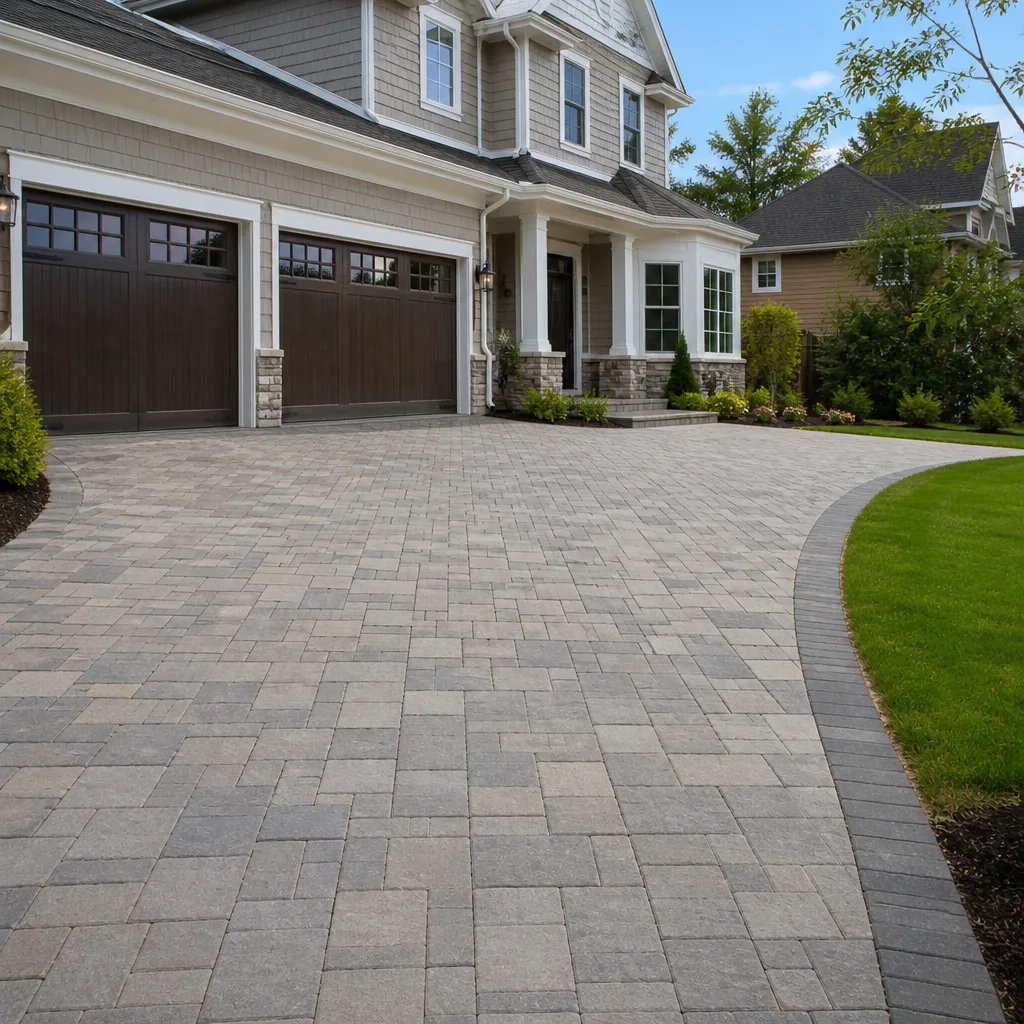 Driveway & pavers
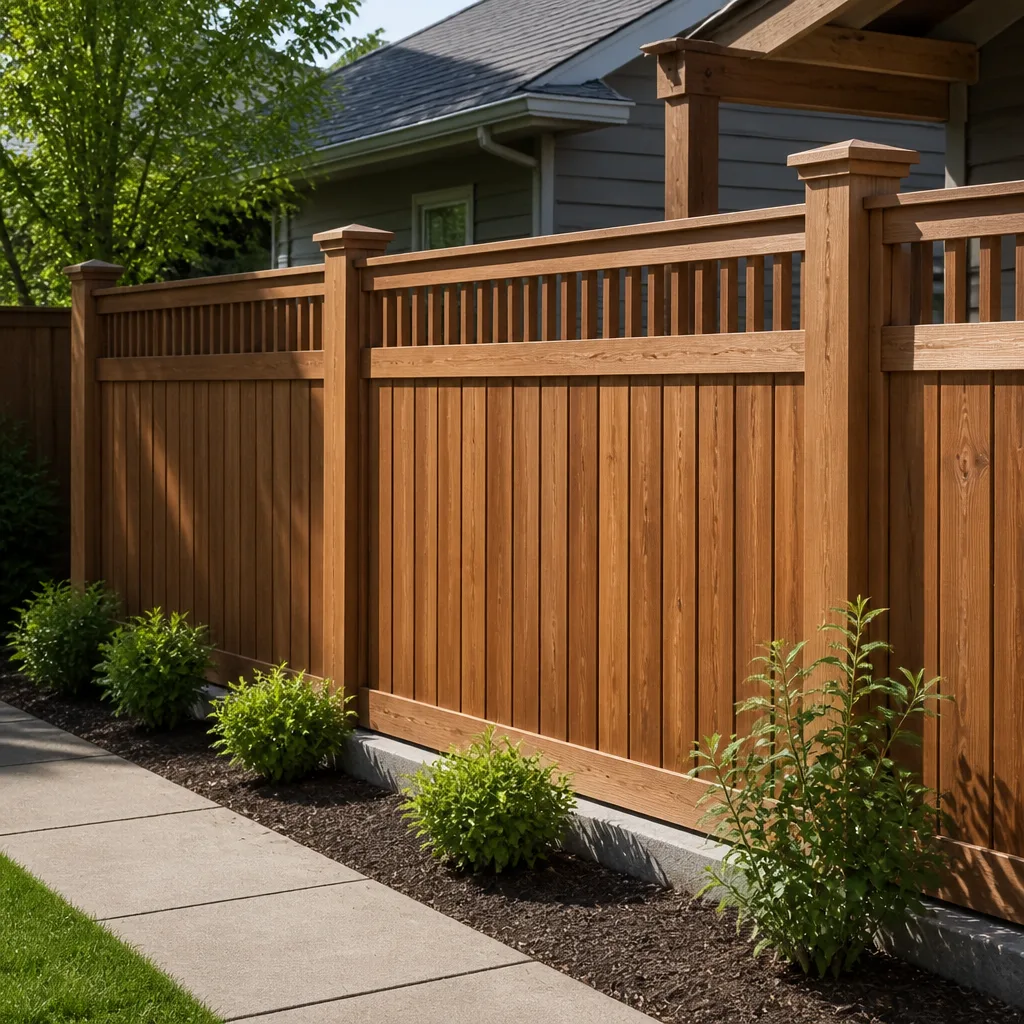 Fence
Free written scope consultation - allowances, timeline, and change-order rules on paper before a single trade is scheduled
Styles & brands we work with
- Kitchen remodeling
- Bathroom remodeling
- Home additions & ADU
- Roofing
- Windows & doors
- Driveway & pavers
- Fence
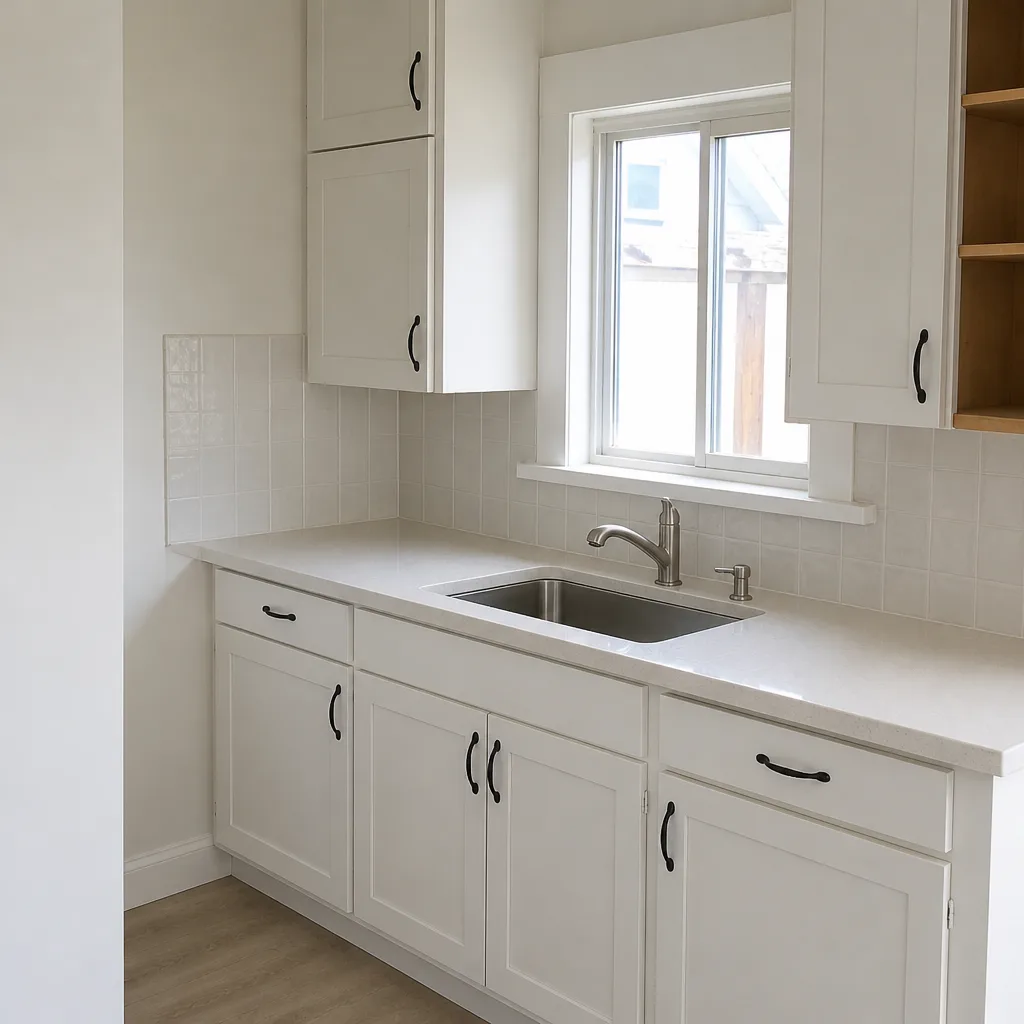
See the difference
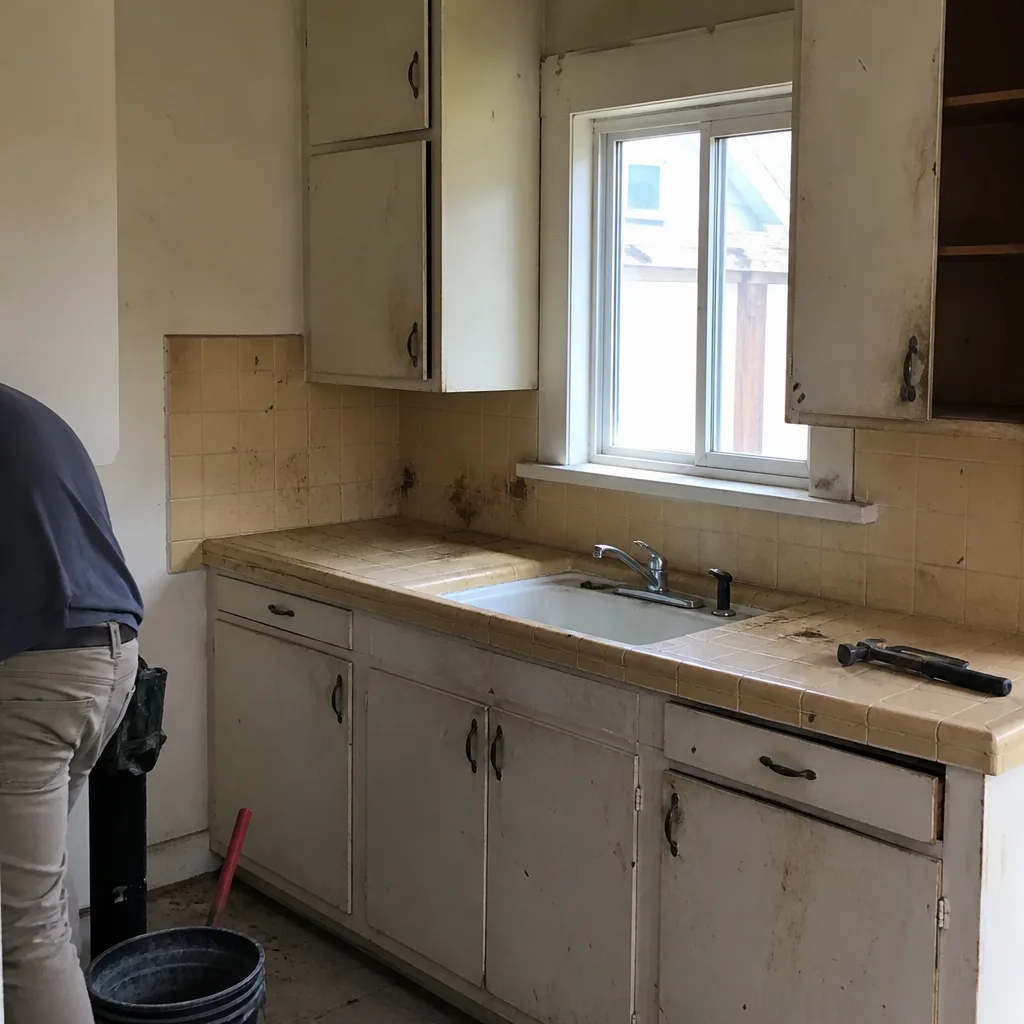 Before
 After
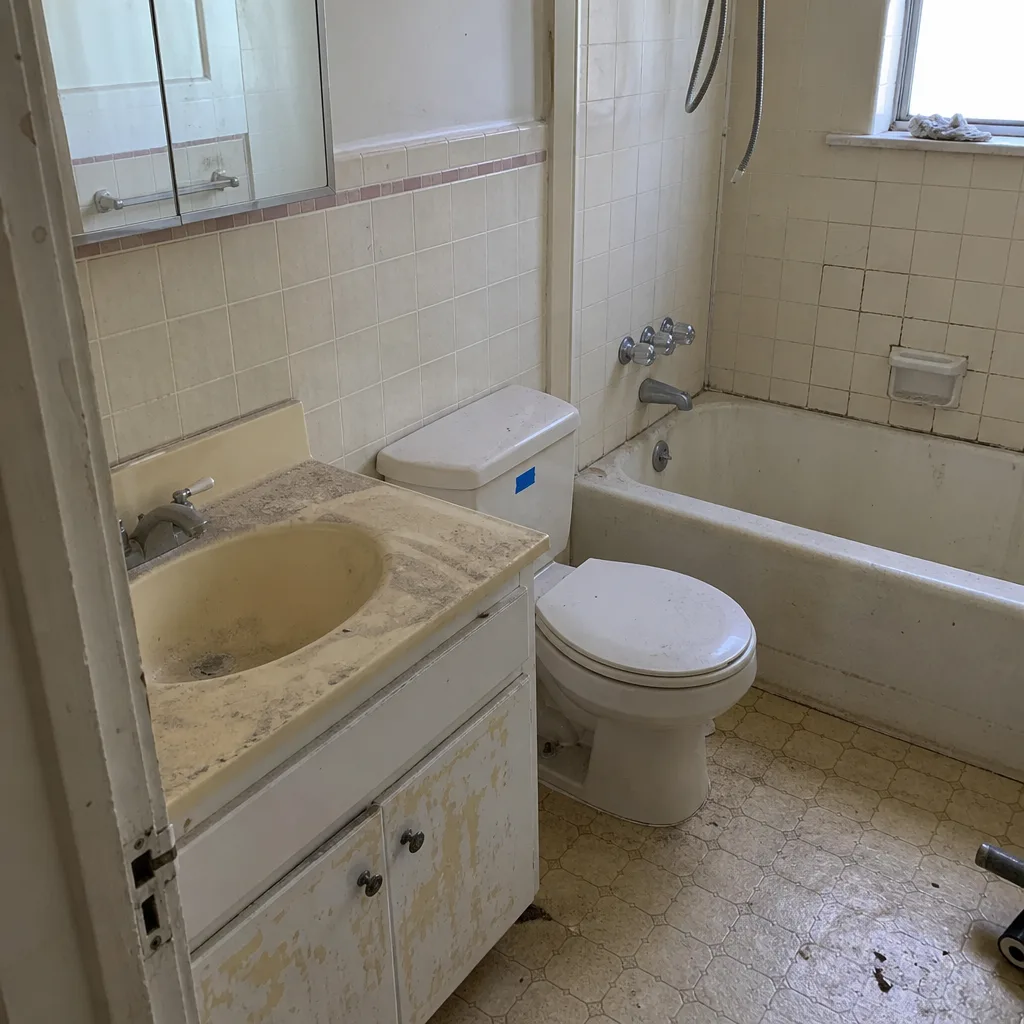 Before
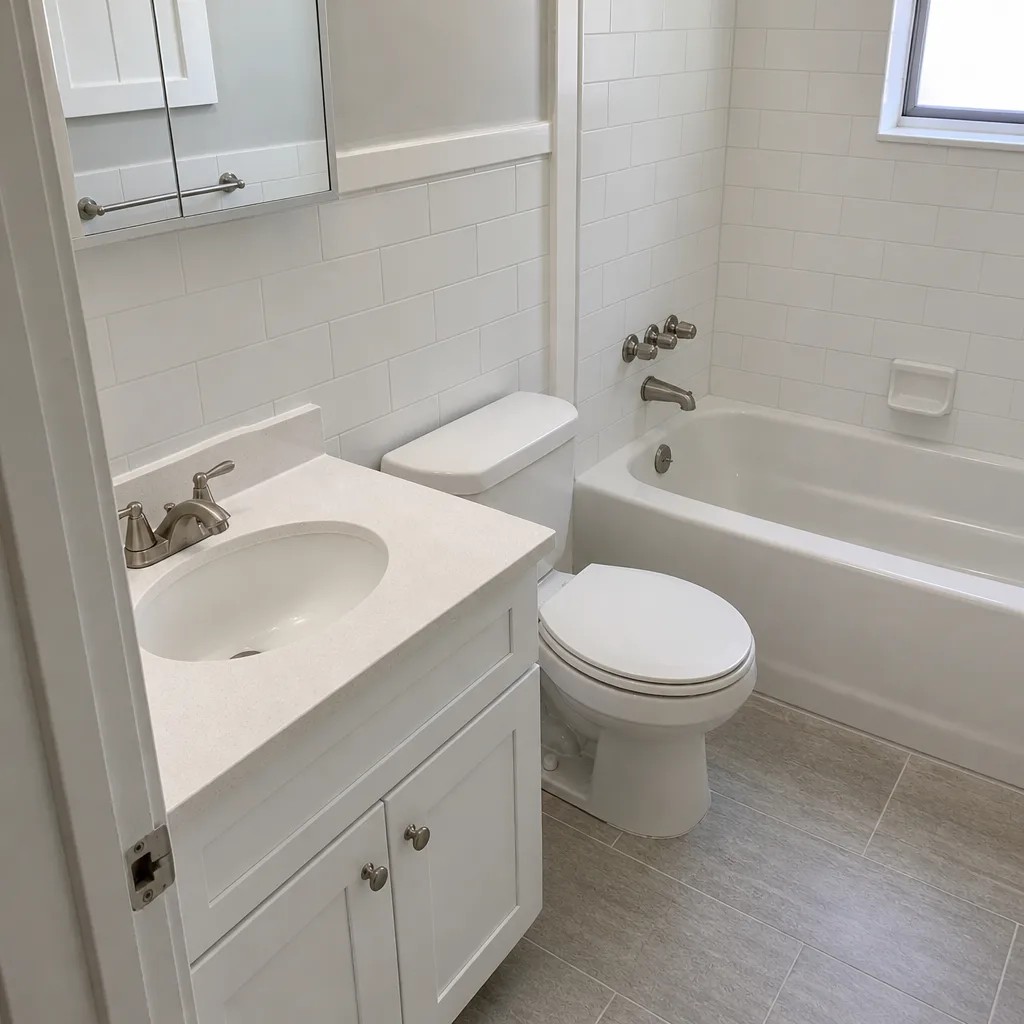 After
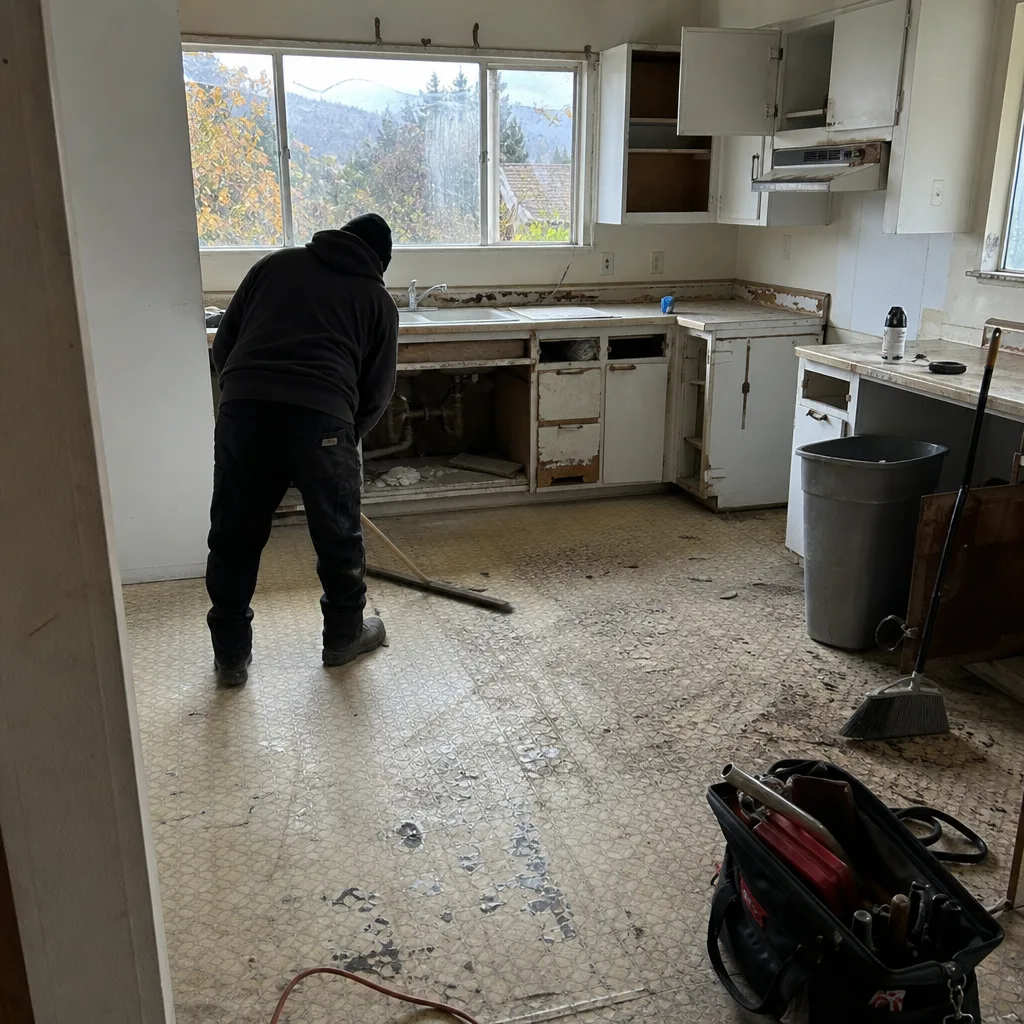 Before
 After
Can You Build an ADU on Your Oakland Property? Usually Yes, With Conditions
In most cases, yes: California state law allows at least one accessory dwelling unit on nearly every single-family lot in Oakland, and the city’s zoning code permits ADUs in the RM, RD, RS, and RU districts. But eligibility isn’t a simple yes-or-no. Whether the city actually accepts your application depends on your lot coverage, your slope, your fire hazard severity zone designation, and whether any unpermitted structures exist on the property. Call (833) 997-7759 for a free feasibility review before you spend a dollar on design.
Key Takeaways
- State law guarantees one ADU on almost every single-family lot, but Oakland adds local checks that can block an application.
- Unpermitted garages, sheds, and additions from the 1960s-1980s can stop the city from accepting your permit until they’re legalized or removed.
- Oakland Hills parcels in a Very High Fire Hazard Severity Zone carry extra requirements that flatland lots in Fruitvale or San Antonio don’t.
- Hillside lots may trigger a geological hazard assessment ($2,500-$5,000) before approval.
- Multi-family properties open the door to ADUs that most eligibility guides skip entirely.
Oakland’s ADU Eligibility Checklist: What Actually Decides Your Application
Oakland’s housing stock makes this harder than the state law suggests. The city is dominated by detached and semi-detached homes and small multi-unit buildings constructed between 1900 and 1940: Victorian row houses, Craftsman bungalows in Rockridge and Temescal, and stucco-clad Mediterranean revivals. Those properties come with century-old quirks that a modern suburban lot simply doesn’t have. Here’s the sequence we walk through when a homeowner asks whether they can build an ADU on their property in Oakland.
First, the zoning district. RM, RD, RS, and RU districts each carry their own ADU allowances, setback requirements, and height limits. A lot that’s zoned RD may allow a two-story detached unit while an RS parcel next door caps out lower. Zoning is the gate, not a footnote.
Second, lot coverage. Add up every covered structure on the parcel – the house, garage, covered porch, any sheds. If existing coverage is already near the limit, the ADU footprint may not fit. This is where flatland 40-foot lots in Fruitvale and long, narrow hillside parcels diverge fast.
Third, fire hazard severity zone status. A significant portion of Oakland Hills parcels sit in a Very High Fire Hazard Severity Zone. That designation adds requirements for fire-resistant construction, defensible space, and sometimes access for emergency vehicles that the city won’t waive. A lot in Montclair is not the same application as a lot in the lower Dimond.
Fourth, slope and geology. If your lot has meaningful grade, the city may require a geological hazard assessment – typically $2,500-$5,000 – before approving an ADU in slide-prone areas. This requirement simply doesn’t exist for flatland neighborhoods like Fruitvale or San Antonio. It’s a hillside reality, and it needs to be priced into the project long before design starts.
Four checks, and the honest answer is that no two Oakland lots run the same path through them. That’s why our first step with any Home Additions & ADU project is a property-specific feasibility review, not a generic “you probably qualify” answer from a website.
The Unpermitted Structure Problem: Why Oakland Permits Get Held Up
Here’s the part most eligibility guides leave out. Oakland’s building department runs what’s known as an RBR check – a record and research review – and if that review surfaces an unpermitted garage, shed, or addition on your property, the city can refuse to accept your ADU application until the structure is legalized or removed. In older Oakland neighborhoods, this is not a rare edge case. Unpermitted work done from the 1960s through the 1980s is routine, and a converted garage in the back almost always has a paper trail worth checking.
We’ve watched viable ADU projects stall for months because a 1970s carport conversion nobody mentioned in the listing came up on the RBR check. Legalizing means getting the existing structure permitted (as-is or retroactively) or demolishing it. Either path costs time and money – but discovering it before design saves far more. This is the pre-construction assessment piece that separates a real feasibility review from a sales call.
Multi-Family Properties: The ADU Angle Most Guides Skip
Oakland’s pre-1940 housing stock includes a lot of duplexes, triplexes, and small apartment buildings. State law now allows ADUs on multi-family properties that have existing residential units – up to 25% of the existing unit count, with a minimum of one unit permitted. That opens opportunities for small apartment building owners that a single-family-focused eligibility guide never touches.
If you own a fourplex in West Oakland, that math can allow an additional unit you didn’t know you could build. The requirements differ from single-family ADUs (fire separation, parking, utility connections), but the upside is real. This is one area where a property-specific analysis beats every online calculator.
Hillside vs. Flatland: Two Different Realities
A hillside ADU in the Oakland Hills and a flatland ADU in the Fruitvale or San Antonio districts are not the same project. On a slope, expect a geological hazard assessment, retaining walls, and drainage engineering – plus the seismic considerations that come with older foundations that were never engineered for modern loads. Contractors working in Oakland’s pre-1940 homes routinely find that opening walls triggers mandatory structural upgrades the city won’t let you skip.
On flatland lots, the build is often cleaner – but lot coverage and setback math becomes the binding constraint. Both paths are workable. The question is knowing which one you’re on before the design dollars are spent.
What Does an ADU in Oakland Actually Cost?
Total ADU construction in Oakland typically lands between $90,000 and $220,000, and the full home addition / ADU range – from a modest garage conversion to a fully detached unit – sits at $45,000 to $130,000 for the addition scope. Here’s how the line items break down in this market.
| Project Type | Typical Cost Range (Oakland) |
|---|---|
| ADU Construction (full scope) | $90,000 – $220,000 |
| Garage Conversion | $30,000 – $80,000 |
| Home Addition | $45,000 – $130,000 |
| Geological Hazard Assessment (hillside) | $2,500 – $5,000 |
Every project we run through Groundwork Construction Co. of Oakland is backed by the 730-Day Done Right Promise – if it’s not done right, we make it right – and comes with no-hassle upfront pricing: the number you see is the number you pay. Three standing offers apply to qualifying projects: $1,000 off projects over $10,000, a free project estimate and design consult, and 0% financing for 18 months. Choose your fixtures from brands we actually trust – Blanco, Delta, and American Standard, on the finish side. Build to last, backed in writing.
If you’ve been wondering about the wider scope of what’s possible, our home page lays out the full range of what we build.
FAQs
Maybe – and the deciding factor is usually lot coverage, not raw lot size. Add up every covered structure on the parcel; if existing coverage is near the limit, the ADU footprint may not fit even on a lot the state says qualifies. Call (833) 997-7759 for a free feasibility check.
It can block your ADU application. Oakland’s RBR check will flag it, and the city can refuse to accept your permit until the structure is legalized or removed. Resolving it before design is the right order of work – and it’s the first thing we look for.
Possibly, if your lot is in a slide-prone zone. A hillside geological hazard assessment in Oakland typically costs $2,500-$5,000 and can be required before the city approves the project. Flatland neighborhoods like Fruitvale and San Antonio don’t trigger this requirement the way hillside parcels do.
Expect $90,000-$220,000 for a full ADU, or $30,000-$80,000 for a garage conversion. Garage conversions and additions to existing structures fall in the $45,000-$130,000 range. Call (833) 997-7759 for an exact quote – estimates are free.
If you’d rather have it looked at, Groundwork Construction Co. of Oakland offers a no-pressure assessment in Oakland – call (833) 997-7759. We’ll run the zoning, coverage, fire-zone, slope, and RBR checks before you commit to design, and tell you honestly what your lot can hold.
Written by the team at Groundwork Construction Co. of Oakland, serving Oakland, CA.