
Last updated November 17, 2026
 Fence
 Kitchen remodeling
 Bathroom remodeling
 Home additions & ADU
 Roofing
 Windows & doors
 Driveway & pavers
Free written scope consultation - allowances, timeline, and change-order rules on paper before a single trade is scheduled
Fence Installation Maintenance Schedule: What to Do and When
Oakland’s marine layer does more damage to an unprotected wood fence than rainfall does. We’ve pulled boards off fences in the flats that looked perfectly dry on the sunny side and were soft as cardboard on the north face, eaten from the inside by months of fog that never quite burns off. Most homeowners here maintain for rain. They seal in spring, patch in winter, and wonder why the fence is failing by year nine. The real enemy is the damp air that parks over Oakland from May through September. This guide lays out a full-year maintenance schedule, tuned for Oakland’s climate, that can push a wood fence past the 20-year mark instead of the 8-to-12 you get by leaving it alone.
Quick Answer
A wood fence in Oakland lasts 8-12 years without maintenance and 20 or more with a proper schedule: inspect and clean in early spring, make repairs in late spring, seal with a penetrating oil in late summer (not spring, when the wood is still too wet), and inspect posts, hardware, and north-facing boards again before the winter rains. The single most important task is a post-at-grade check every spring, because rot at the soil line is what actually kills fences in Oakland.
Styles & brands we work with
- Kitchen remodeling
- Bathroom remodeling
- Home additions & ADU
- Roofing
- Windows & doors
- Driveway & pavers
- Fence
Table of Contents
- Why Oakland’s Climate Is Hard on Wood Fences
- Spring: Inspect, Clean, and Repair (Before You Seal)
- Late Summer: The Sealing Window That Actually Works
- The Post-at-Grade Inspection: Finding Rot Before It Spreads
- Mold, Mildew, and the North-Facing Problem
- Hardware Maintenance: Hinges, Latches, and Post Caps
- Fall and Winter: Storm Prep and What to Check After Rain
- Keeping Maintenance Records That Protect Your Warranty
Why Oakland’s Climate Is Hard on Wood Fences
Wood fails when its moisture content swings back and forth. In a dry climate, a fence gets wet in winter and dries out fast. In Oakland, that cycle never resolves. The marine layer pushes humidity over 80 percent on summer mornings in neighborhoods like Rockridge and Temescal, and the fog rolls in thick along the flats near Lake Merritt and down toward Fruitvale. Boards soak up moisture overnight and dry slowly through the afternoon, so the wood stays in a damp middle zone for months. That’s the perfect environment for mold, mildew, and wood-decay fungi. It’s also why a fence in the Oakland Hills, where the air is drier and the sun is stronger, ages differently from one three miles downhill in the flats. Same schedule, different wear patterns.
The rain that does fall in Oakland, roughly 23 inches a year concentrated between November and March, mostly matters at the base of the fence. Water wicks up into the end grain of posts and along the bottom rail. If your fence sits in a low spot that holds water after a storm, that corner of the yard will fail first, every time. We see it constantly in yards near Sausal Creek and in the low-lying parts of East Oakland where drainage is poor.
One more local factor: UV. When the fog burns off, Oakland’s summer sun is intense, and it bleaches and cracks the south and west-facing boards faster than anything else. You’re maintaining against two enemies at once. Damp on one side, sun on the other.
Spring: Inspect, Clean, and Repair (Before You Seal)
Spring is inspection and repair season in Oakland, not sealing season. The wood is still holding winter moisture, the fog hasn’t lifted, and a sealer applied now traps that moisture inside. That’s how you get a fence that peels and grays under a coat of finish that looked great in April.
Here’s the spring sequence, roughly March through May:
- Walk the whole fence line. Look for leaning posts, loose boards, popped nails, and gaps at the bottom. Note which direction each problem section faces.
- Do a post-at-grade check on every post. More on this in its own section below, but this is the single most important thing you’ll do all year.
- Wash the fence. A garden hose with a stiff brush handles most of it. For mildew, a diluted oxygen bleach solution works better than pressure washing, which drives water into the grain and can fuzz the wood surface if you get too close.
- Make repairs. Replace split boards, reset popped fasteners, and address any rot you found. Small rot cut out and patched in spring won’t spread. Ignored rot will.
- Let it dry, and leave it alone. Give the wood four to eight weeks in Oakland’s summer weather before you think about sealing.
Spring is also the right time to plan any fence replacement or new installation, since the ground is soft and the weather cooperates. If your inspection turns up a fence that’s past saving, our Fence Installation in Oakland team can walk the property and give you a straight read on repair versus replace. The same logic applies across the trades: you inspect and plan in spring, then execute. It’s the same rhythm we use on Driveway & Pavers in Oakland, where a wet-season inspection catches settling before it becomes a redo.
Late Summer: The Sealing Window That Actually Works
Late summer is the only reliable window to seal a wood fence in Oakland. By mid-August to early October, the wood has had months of dry afternoons to shed its moisture. Wood needs to be under about 15 percent moisture content before a penetrating oil sealer will absorb properly. Seal in spring and you’re sealing over water. Seal in late September and the oil sinks in where it belongs.
Why penetrating oil and not film-forming sealer? Penetrating oil sealers soak into the wood and let it breathe, which matters enormously in a humid climate. Film-forming sealers and varnishes sit on the surface, then crack and peel as the wood underneath expands and contracts. In Oakland’s moisture swings, film finishes fail fast.
How to seal correctly:
- Test the wood first. Sprinkle a few drops of water on a board. If it beads and sits, the wood is still too wet or already sealed. If it soaks in within a minute, you’re ready.
- Check the forecast. You want 48 hours of dry weather, no fog, and temperatures between roughly 50 and 85 degrees. In Oakland that means scheduling around the morning marine layer – aim for late morning through mid-afternoon.
- Apply a penetrating oil sealer with a pump sprayer or brush, working it into the end grain at the top and bottom of every board. End grain is where water enters, so it needs the most.
- Wipe off any pooling within 30 minutes. You want absorption, not a puddle drying on the surface.
- Reapply every two to three years. Fences on the foggy flats often need it closer to every 18 to 24 months. Hill fences can stretch to three years.
One planning note: fall is also the season we schedule bigger exterior projects, from Home Additions & ADU in Oakland framing to hardscape installs. If you’re pairing fence maintenance with a larger project, get the sealing done while the weather holds, then move to the heavier build.
The Post-at-Grade Inspection: Finding Rot Before It Spreads
Rot starts at the soil line and works its way in. By the time a post is visibly failing or the fence is leaning, the decay has usually been active for two or three years. The good news is that a two-minute check per post catches it early.
Here’s the technique we use:
- Clear the dirt away from the base of each post – one to two inches down. You want to see the wood right where it meets the soil.
- Probe the wood with a screwdriver or an awl. Press firmly at the soil line and just above it. Good wood resists and the tool skates off. Any softness, sponginess, or a tool that sinks in easily means rot.
- Look for staining and softening. Dark water stains or wood that has gone soft and dark at the base are early warning signs.
- Push and pull each post. It should feel solid with no give at the base. A post that rocks even slightly has lost structural integrity below grade.
- Check drainage at each post. If soil is mounded up against the post, water sits there. Level the soil slightly so it slopes away.
In Oakland, the posts most at risk are the ones in the fog belt, in yards with poor drainage, and anywhere the original installer set the post directly into soil without a concrete footing or a galvanized anchor above grade. A post that’s rotting at the base doesn’t need to wait until the fence falls over to get replaced. A single post replacement costs a fraction of replacing a whole section later. We’ve seen too many Oakland fences fail because a $150 post repair got deferred until it took the whole panel down.
Mold, Mildew, and the North-Facing Problem
Walk to the north side of your fence in July and you’ll see what we mean. The north-facing boards get almost no direct sun, so the morning fog sits on them and doesn’t dry until afternoon, if it dries at all. That’s where mildew colonizes first – typically as a greenish-black film or powdery white patches near the bottom rail and on the shadiest boards.
The pattern is predictable:
- Worst spots: north-facing boards, boards under tree canopy, and the bottom two feet of any fence on the foggy flats.
- What it looks like: greenish-black film, powdery white or grey patches, and a musty smell if you get close.
- Why it’s a problem beyond looks: mildew on its own doesn’t eat wood, but it holds moisture against the surface and contributes to rot at the base. It also tells you the boards aren’t drying between fog banks.
Treatment: scrub the affected boards with a soft brush and a diluted oxygen bleach solution, then rinse. Avoid chlorine bleach if you can – it can damage the wood fibers and is harsh on nearby plants. After cleaning, let the boards dry fully, and if it’s late summer, seal the north side first so it gets the most protection. If a north-facing board is soft, not just stained, it’s rot, and it needs replacing. For a broader look at how we handle weather-driven damage on exteriors across Oakland, the playbook is the same one we bring to every trade we touch.
Hardware Maintenance: Hinges, Latches, and Post Caps
Metal hardware is the part of a wood fence that fails quietly. Hinges rust, latches stick, and post caps collect water. None of it is expensive to address. All of it becomes expensive if you ignore it.
A full hardware cycle twice a year – spring and fall – covers it:
- Inspect hinges and gate hardware every spring and fall. Look for rust, loose screws, and gates that sag or drag.
- Lubricate moving parts annually. A few drops of a silicone or lithium grease on hinge pins and latch mechanisms keeps things moving and slows corrosion. Skip oil-based lubricants that attract grit.
- Check post caps every season. Caps that are cracked, loose, or missing let water straight into the end grain of the post – the number one route to post rot. Replace them, and make sure they’re seated snugly with a bit of sealant.
- Replace worn hardware, don’t just tighten it. A hinge or latch that’s been rusting for years will leave screw holes stripped and the gate misaligned. Swapping it early is cheaper than repairing the gate frame later.
- Check gate alignment after every storm. A gate that suddenly drags in December means a post has shifted or the hinge has pulled. Address it before it becomes a bigger structural problem.
Stainless or hot-dipped galvanized hardware lasts far longer in Oakland’s humid air than standard steel. If you’re replacing hardware, spend the extra few dollars – it’s one of the best returns in fence maintenance.
See the difference
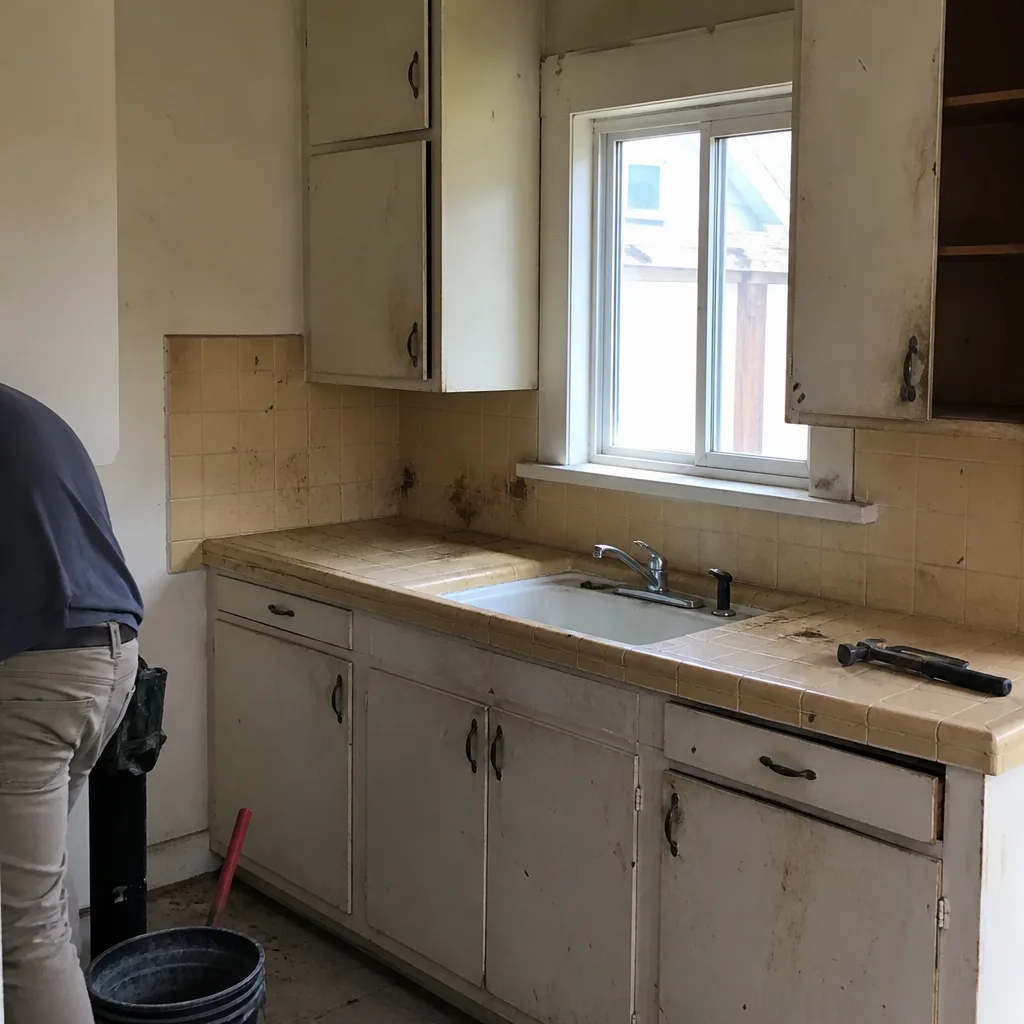 Before
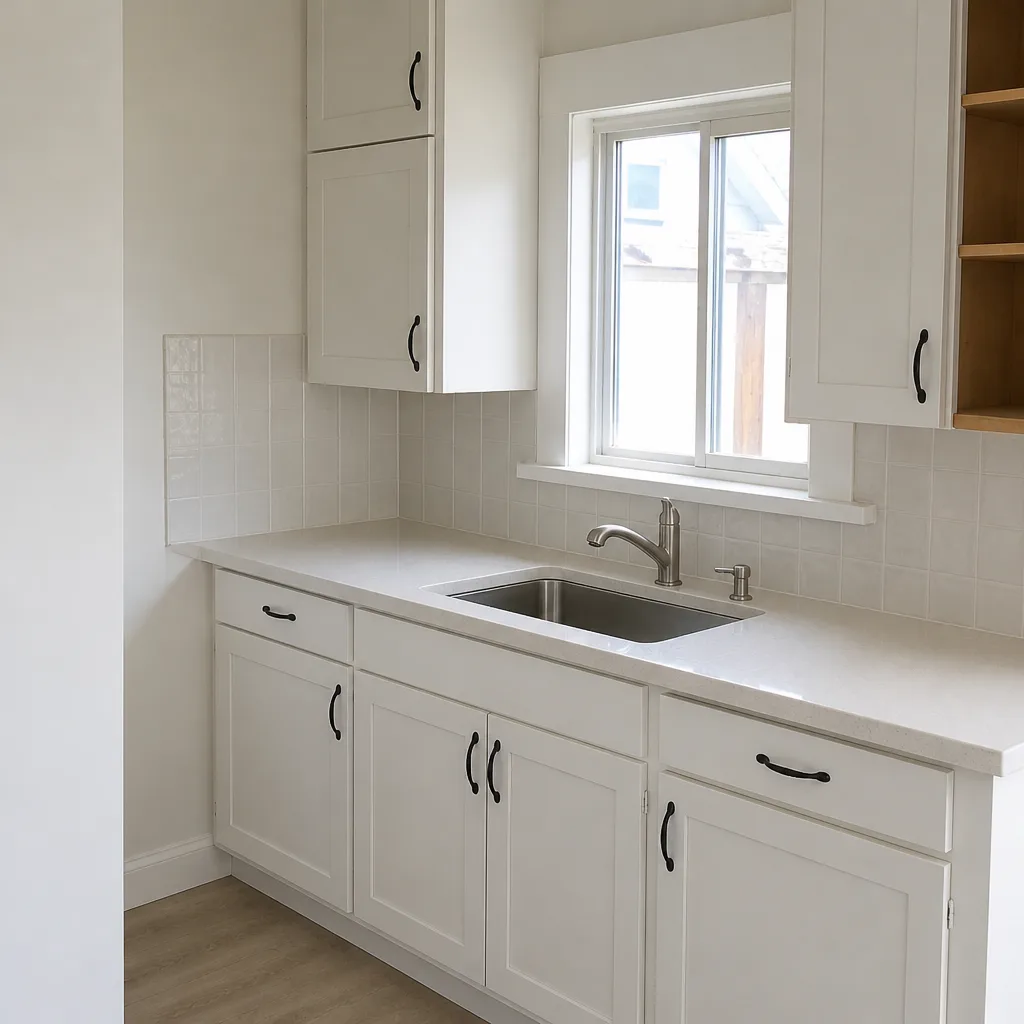 After
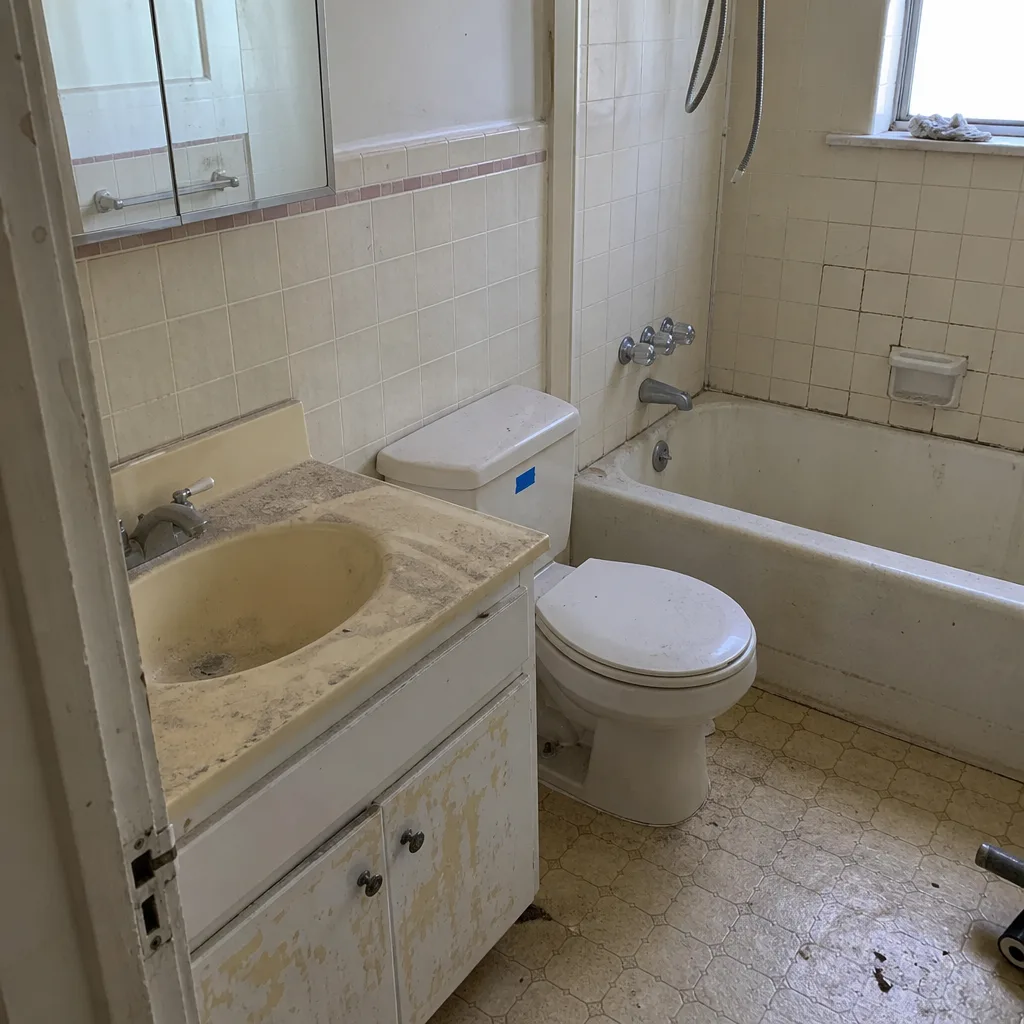 Before
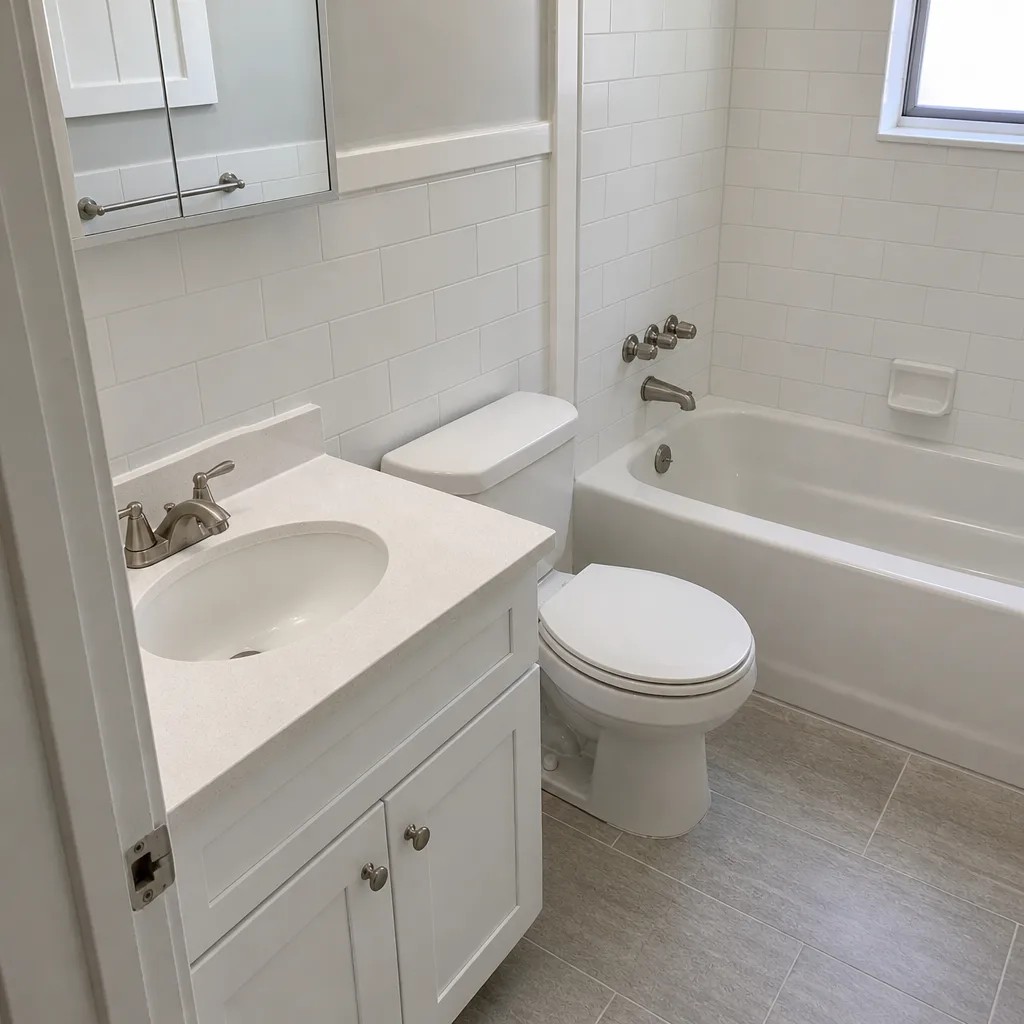 After
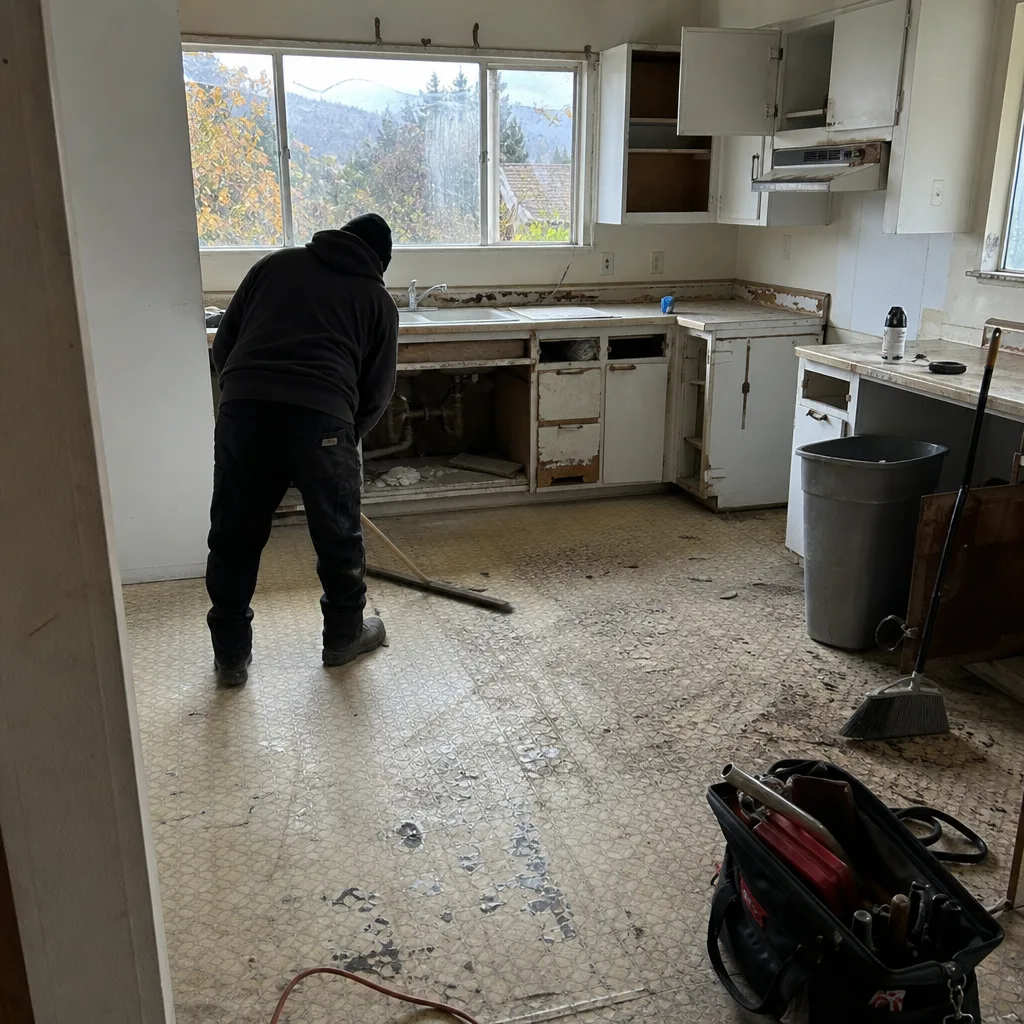 Before
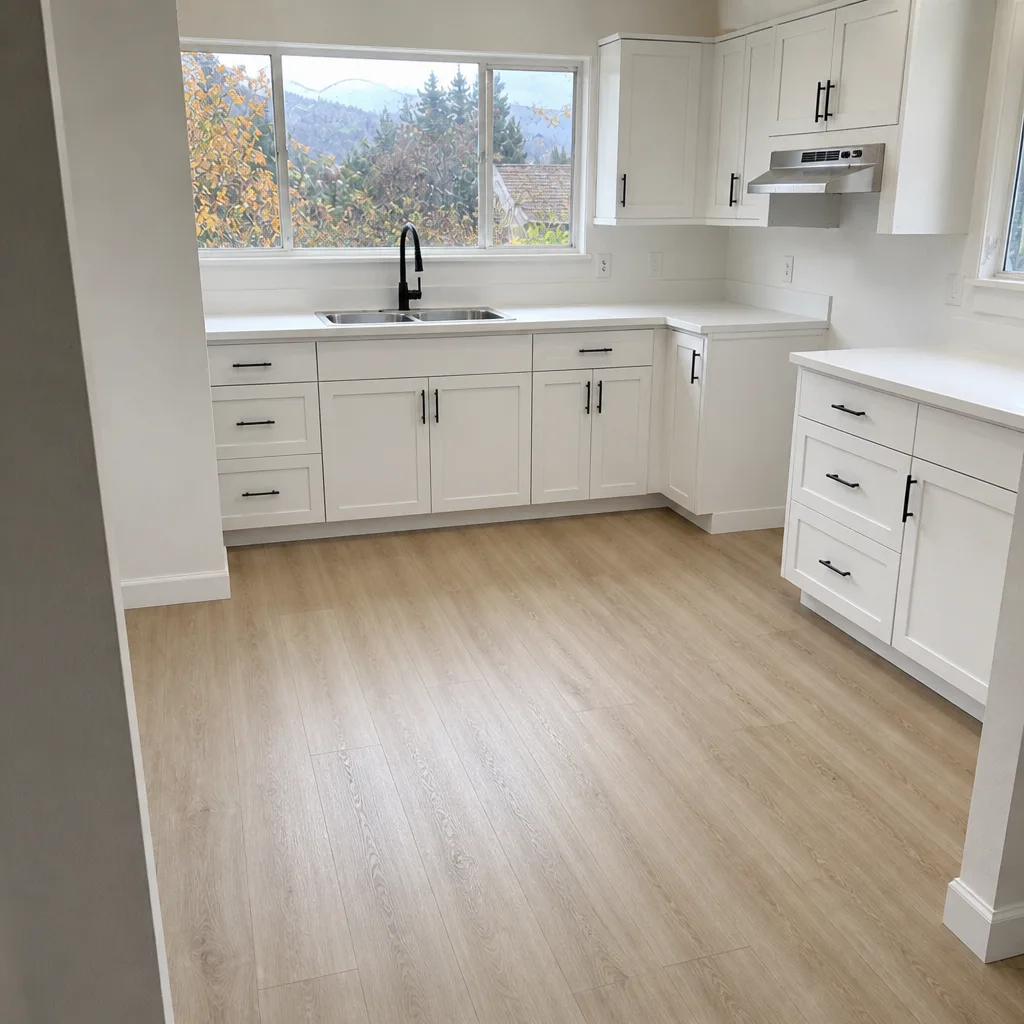 After
Fall and Winter: Storm Prep and What to Check After Rain
Oakland winters are mild, but they’re wet, and the storms that roll through between November and March put real stress on a fence. Wind catches panels, saturated soil loosens posts, and standing water finds every low spot.
Your fall checklist, roughly October through November:
- Walk the fence line after the first big rain. Check for leaning posts, soil washed out at the base, and any standing water.
- Clear debris from the base of the fence – leaves, mulch, and soil piled against boards all hold moisture and invite rot.
- Look for loose boards and popped nails. Wind works fasteners loose, and a single loose panel can pull a whole section when the next storm hits.
- Confirm post caps are still seated before the rain starts in earnest. This is the last cheap chance to keep water out of the posts.
- Address drainage before the big storms. If a low spot pools water against the fence, divert it or raise the soil so it slopes away.
After each storm, do a quick walk. You’re looking for the same things – lean, rot at the base, loose panels, and any hardware that’s been strained – so that one storm’s damage doesn’t become next spring’s replacement project.
Keeping Maintenance Records That Protect Your Warranty
If your fence was installed by a contractor and is still under a workmanship warranty, documentation is what keeps that warranty intact. Most warranties on fences exclude damage from neglect, and the burden of proof is on you. Keep a simple record from day one:
- Date, photos, and what you did for each maintenance task – the seal date, the cleaner used, repairs made, and hardware replaced.
- Receipts for products and materials, especially the sealer.
- Photos before and after major repairs, plus a photo of any rot you found and how you addressed it.
- A written record of any professional work, including the scope and the completion date.
What voids a warranty matters just as much. Most fence warranties exclude damage from a lack of routine maintenance, improper sealing, water damage from poor drainage, and modifications to the fence or its hardware. If you skip sealing for five years in Oakland’s climate and the boards rot, that’s on you, not the installer. Keep the records, and when you do call for warranty work, you’ll have proof the fence was maintained. For warranty-level work, our Fence Installation in Oakland page explains what’s covered. That record-keeping habit is worth adopting across every home project, and it’s the same discipline that protects any warranty, from a fence to a full Groundwork Construction Co. of Oakland home remodel.
Common Mistakes to Avoid
- Sealing in spring. The single most common mistake in Oakland. The wood is still wet from winter and fog, and sealing over it traps moisture that causes peeling, mildew, and rot. Wait for late summer.
- Ignoring the north side. The sunny side looks great while the north side quietly rots. Inspect and treat the north face first.
- Pressure washing too aggressively. High pressure drives water into the grain and fuzzes the wood surface, which makes it hold even more moisture. Use low pressure and a brush.
- Skipping the post-at-grade check. Most fence failure in Oakland starts at the soil line. A two-minute probe per post catches rot years before the fence leans.
- Choosing the wrong sealer. Film-forming varnishes and polyurethane crack in Oakland’s moisture swings. Penetrating oils let the wood breathe and last far longer.
- Letting soil and mulch pile against the fence. It holds water against the boards and hides rot until it’s severe. Keep the base clear and sloped away.
- Throwing away the warranty paperwork. Missing maintenance records can void a warranty claim. Keep the seal dates, receipts, and photos.
When to Call a Professional
Most fence maintenance, cleaning, inspecting, and sealing is genuinely doable yourself. Call a professional when the work moves from care to structure. That means a post that’s soft at the base or rocking in the ground, a section that’s leaning after a storm, a gate that won’t align no matter how you adjust the hinges, or a fence that’s reached the end of its lifespan and needs replacing. Setting posts is the part of fence work where shortcuts get expensive; a post set without a proper footing or drainage will fail early in Oakland’s wet soil, no matter how good the rest of the fence is.
For structural repairs and replacements, Groundwork Construction Co. of Oakland offers free estimates in Oakland – call (833) 997-7759. Our technicians have up to 12 years of experience, and every project is backed by our 730-Day Done Right Promise.
Frequently Asked Questions
Seal a wood fence in Oakland in late summer, roughly mid-August through early October, when the wood has dried out after the foggy season. Sealing in spring traps winter moisture in the boards and causes peeling and rot. Apply a penetrating oil sealer, not a film-forming finish, and reapply every two to three years.
Inspect every post at the soil line once a year, ideally each spring. Clear the dirt back an inch or two and probe the wood with a screwdriver. Any softness or give means rot. In Oakland’s humid climate, catching rot early at the post base is far cheaper than replacing a failed section later.
North-facing boards get almost no direct sun, so the morning marine layer sits on them and doesn’t dry until afternoon. That constant dampness lets mildew colonize first. Treat it with a diluted oxygen bleach scrub, let the boards dry, and seal the north side first in late summer.
Most fence warranties exclude damage from lack of maintenance, improper sealing, water damage from poor drainage, and unauthorized modifications. Keep records of your sealing dates, repairs, and products. If you can’t show the fence was maintained, a workmanship warranty claim can be denied.
DIY maintenance – cleaning, inspecting, and sealing a typical fence – runs a few hundred dollars in materials. Professional sealing costs more, and structural repairs like replacing rotted posts or sections cost more still. Call (833) 997-7759 for a free estimate on structural repair or full replacement.
Use a penetrating oil sealer in Oakland’s climate. It soaks into the wood and lets the fence breathe, which matters in a humid environment. Film-forming finishes like varnish and polyurethane sit on the surface and crack as the wood expands and contracts with the season. Penetrating oil lasts longer here.
The Bottom Line
The difference between an 8-year fence and a 20-year fence in Oakland is a schedule you actually follow. Inspect and repair in spring. Seal with a penetrating oil in late summer, when the wood is dry. Check every post at the soil line each year. Clean the north side before mildew takes hold. Keep your hardware tight and your warranty records current. None of it is complicated. It’s just a matter of doing the right task in the right season instead of sealing in April and hoping. If your inspection turns up rot, lean, or a fence that’s past saving, Groundwork Construction Co. of Oakland will give you a free estimate and a straight answer on repair versus replace. Call (833) 997-7759 to schedule yours.
Written by the team at Groundwork Construction Co. of Oakland.