
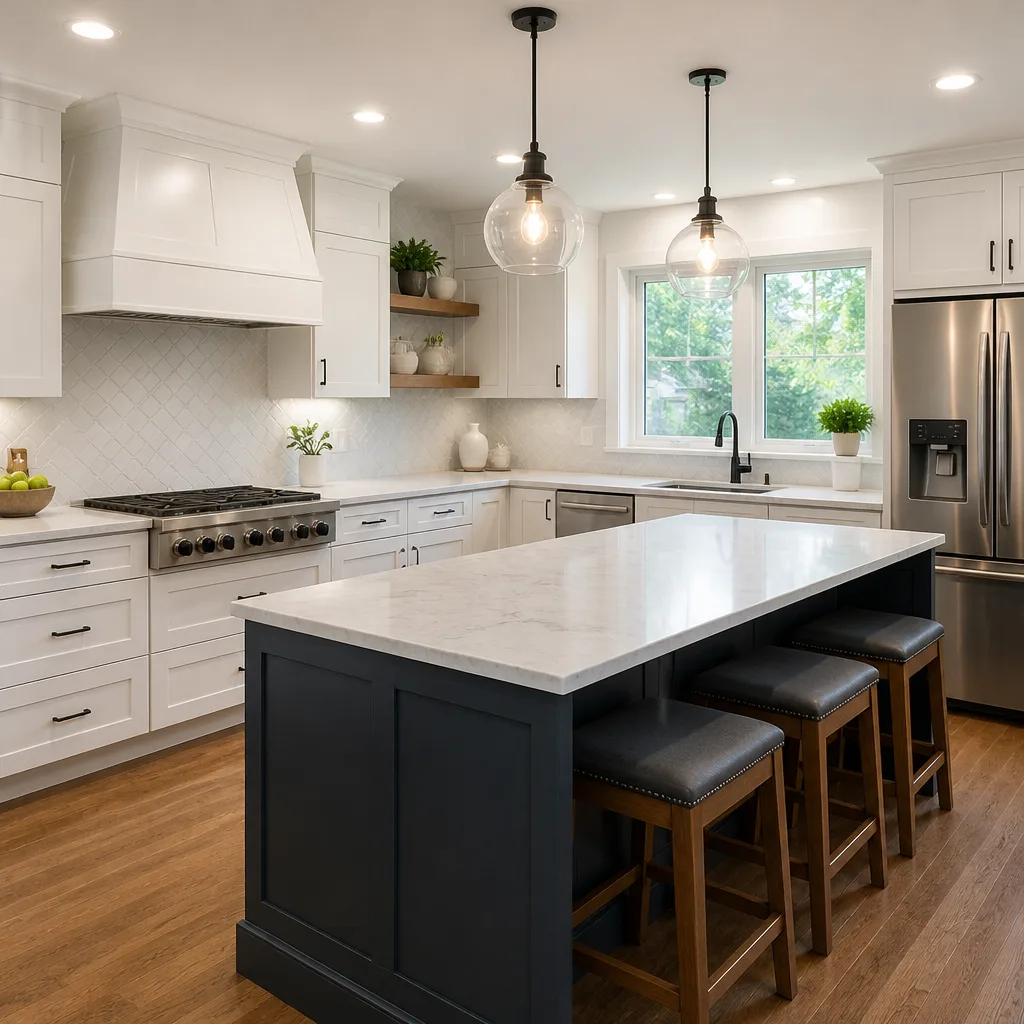
 Kitchen remodeling
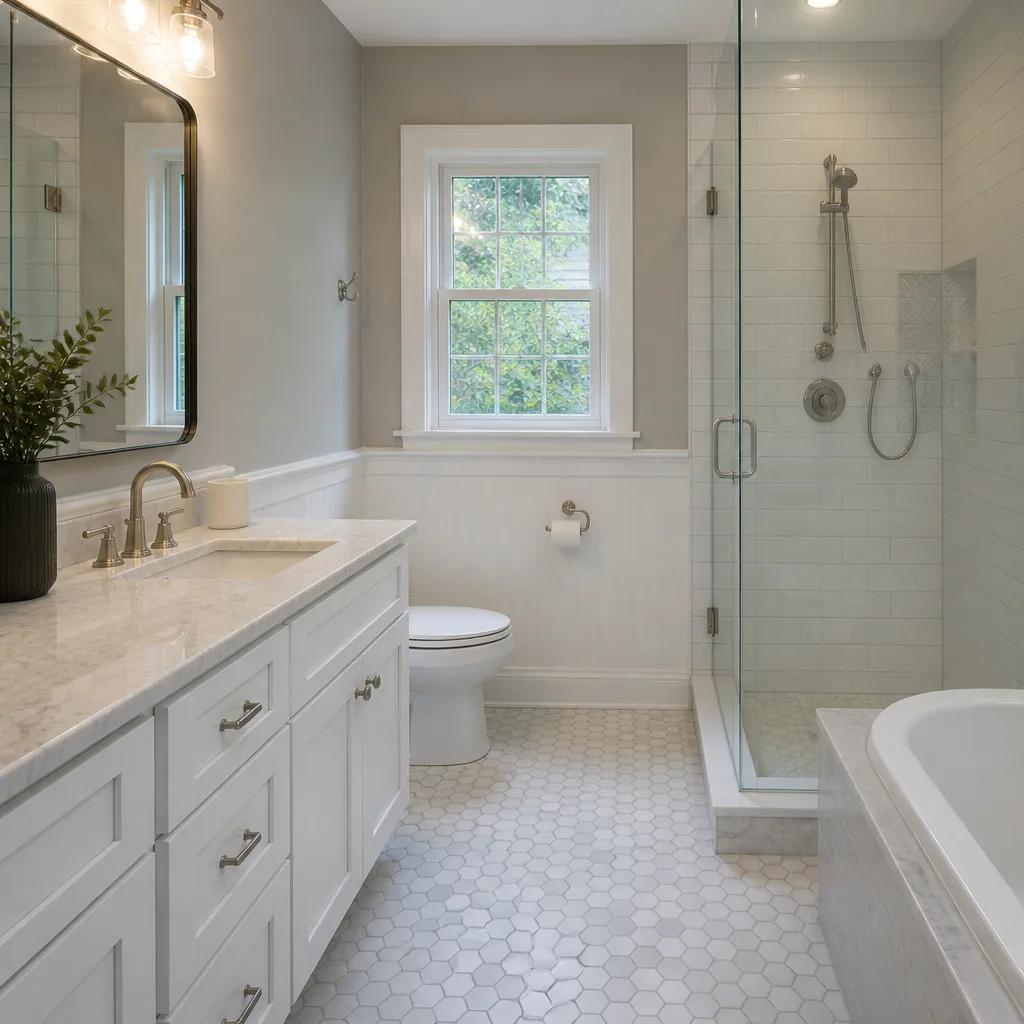 Bathroom remodeling
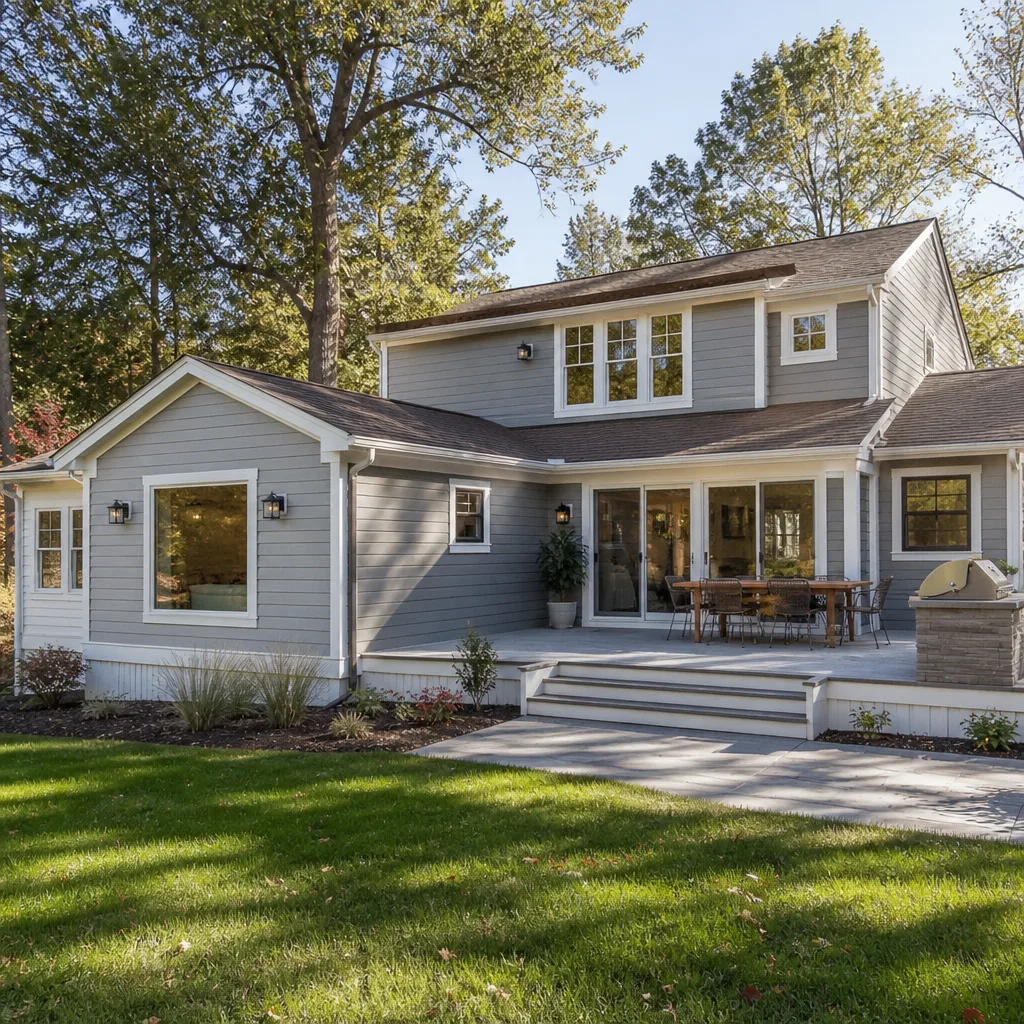 Home additions & ADU
 Roofing
 Windows & doors
 Driveway & pavers
 Fence
Free written scope consultation - allowances, timeline, and change-order rules on paper before a single trade is scheduled
Emergency & Storm Damage in Burlingame: What It Costs and How Fast We Move
Emergency & storm damage repair in Burlingame typically runs $900 to $6,500 for the storm-response work itself, with the number driven by how much water got behind the siding and whether the garage door hardware seized instead of failing clean. Most active leaks get dried and sealed the same day you call, and the permanent repairs land within one to three weeks depending on permit scope. Call (833) 997-7759 and a live person answers, day or night.
Why Burlingame storm damage hits garage hardware first
Burlingame sits between the bay and the coastal hills, and the morning moisture that rolls through Easton Addition and Burlingame Park does something specific to a garage: it never fully dries. Salt air rides in with the fog, settles on galvanized springs, hinges, and opener chains, and starts eating the coating. We see it constantly. A door that was fine in September starts shrieking and binding by February because the torsion spring has surface rust under the coils and the hinges have frozen. Storm-driven rain off the bay pushes the same damp into the bottom panel and the track anchors.
That’s why our emergency & storm damage call here is rarely just a roof patch. Water gets in at the flashing, runs down a wall, and finds the garage first because it’s the lowest, least-heated space on the property. The door hardware is the tell. What fails first, and how often:
- Spring corrosion: uncoated springs in coastal exposure can lose tension years before their inland lifespan, and a corroded spring snaps without warning.
- Hinge and roller freeze: steel rollers and hinges rust and stop rolling, which overloads the opener and wears the chain.
- Track anchor pull-out: wet wood at the jamb lets lag screws back out, so the track drifts out of plumb.
- Bottom-panel rot: storm splash at the threshold softens the panel edge and the weather seal.
What we do about it is the difference between patching and fixing. We spec galvanized or coated torsion springs, stainless hinges and fasteners, and nylon rollers that don’t rust or need lubrication. We run a corrosion inspection on every storm call, even when the job started as a roof leak. Safety note: torsion springs and the cables under them are under extreme tension and can kill someone who releases them wrong. We never advise a homeowner to touch them, and neither should anyone else.
Styles & brands we work with
- Kitchen remodeling
- Bathroom remodeling
- Home additions & ADU
- Roofing
- Windows & doors
- Driveway & pavers
- Fence
What an emergency & storm damage job looks like, stage by stage
Storm work isn’t one visit. Here’s the real sequence, including the decisions you’ll make and when.
Stage 1: Stabilize (day 1, first hours)
We stop the water. That means tarping or temporary sealing the breach, pulling anything that’s actively failing, and shutting off a door system that’s become unsafe. You decide whether the garage comes off its opener for now or gets locked out entirely. Most of this is done within the first two to four hours on site.
Stage 2: Dry and assess (days 1 – 3)
Wet framing and sheathing get opened to the air so they can dry, and we map what the storm actually reached. This is where the surprise usually lives: storm water finds prior remodel layers, and opening one wall shows you what’s behind the next. You get a written scope with line items before anything permanent is ordered.
Stage 3: Structural and exterior repair (days 3 – 10)
We repair or replace damaged sheathing, flashing, fascia, and trim, then close the exterior back up with proper detailing so the next storm doesn’t repeat the call. This stage is where the roof and the garage tie together, and it’s the point to look at the wider scope if the damage ran into the roofing; our Roofing in Burlingame work picks up there as part of a full repair package.
Stage 4: Hardware and system replacement (days 5 – 12)
Corroded springs, hinges, rollers, and tracks get replaced with corrosion-resistant parts, and the opener gets load-tested against the new hardware. If the door itself is beyond saving, this is where you choose a replacement, and many homeowners step up to impact-rated units here. Homeowners often pair this with Impact Garage Doors in Burlingame when the old door is already coming off.
Stage 5: Inspection and sign-off (final days)
Where the repair touched structure or permitted scope, we walk the inspection and hand over the paperwork. Final walkthrough is with you, item by item against the written scope. That scope is what the 730-Day Done Right Promise covers – if it’s not done right, we make it right.
See the difference
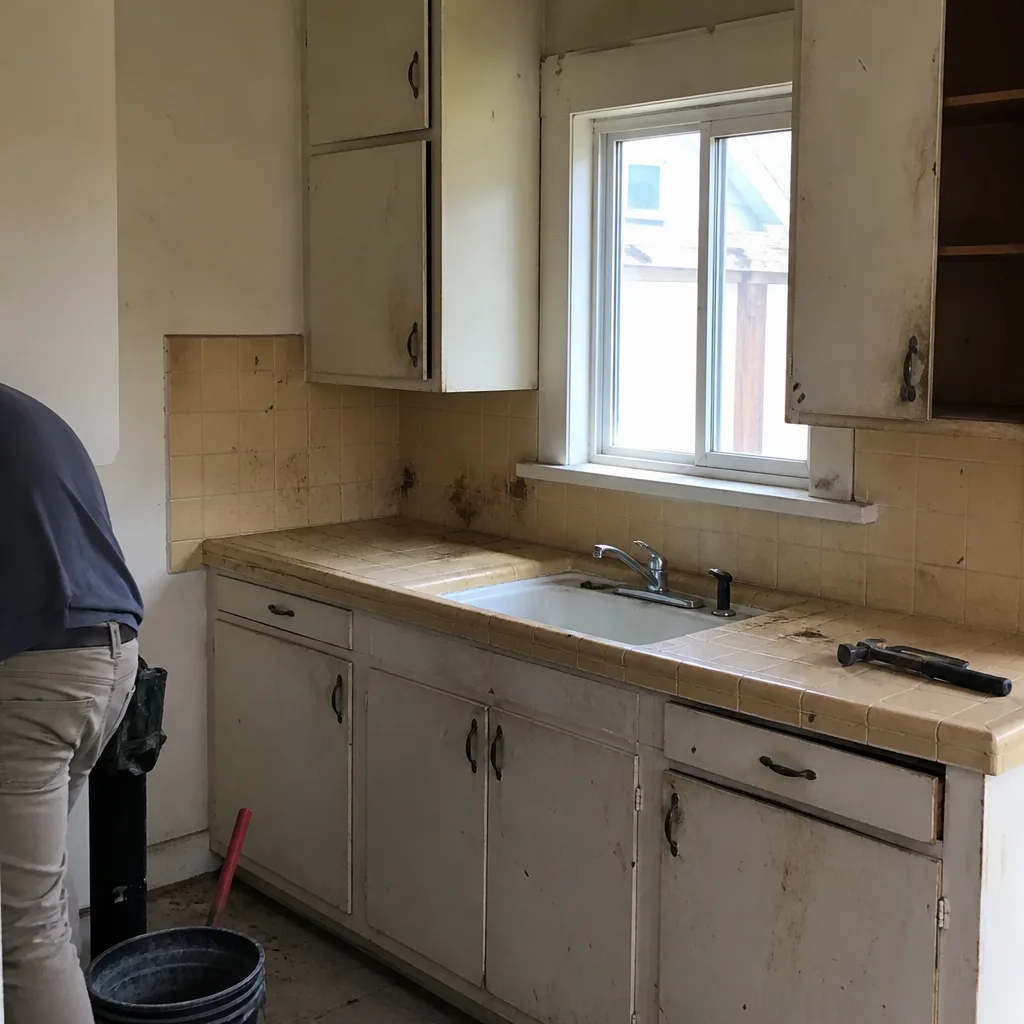 Before
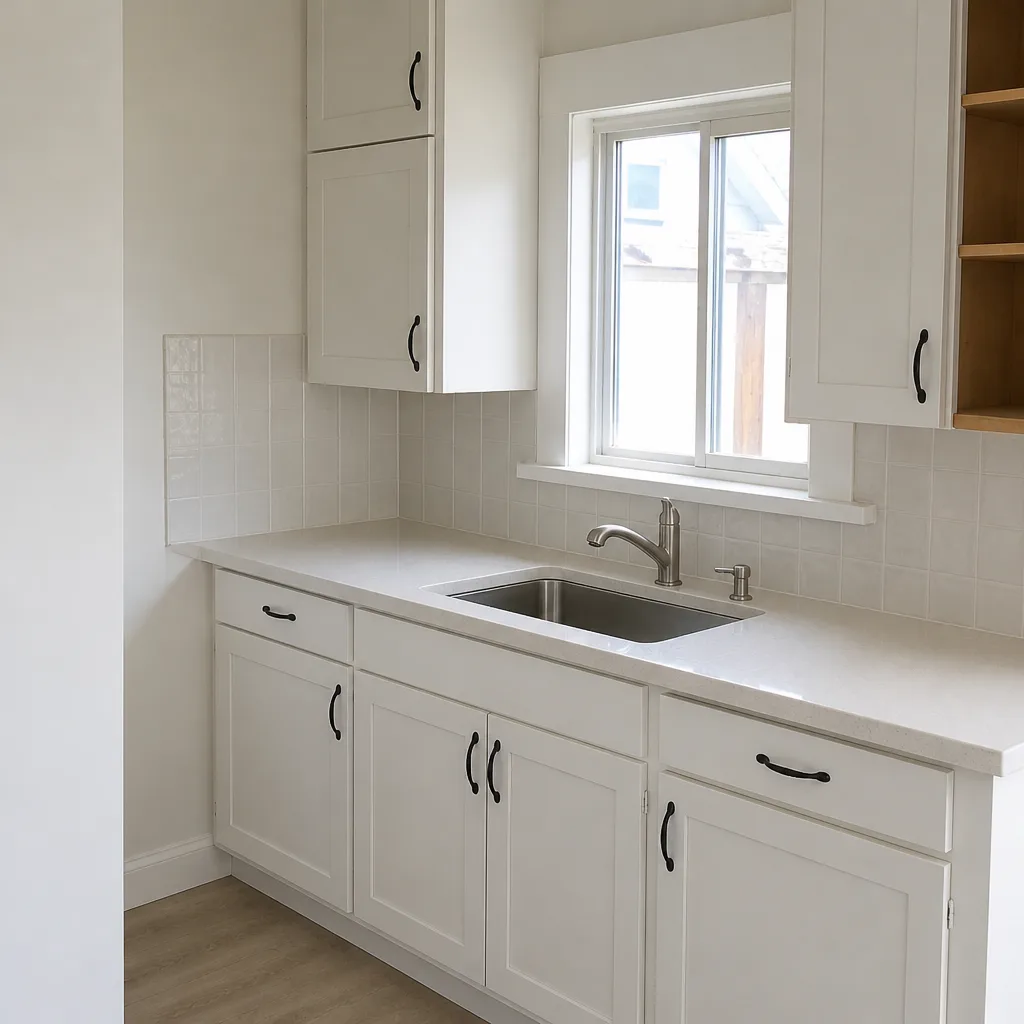 After
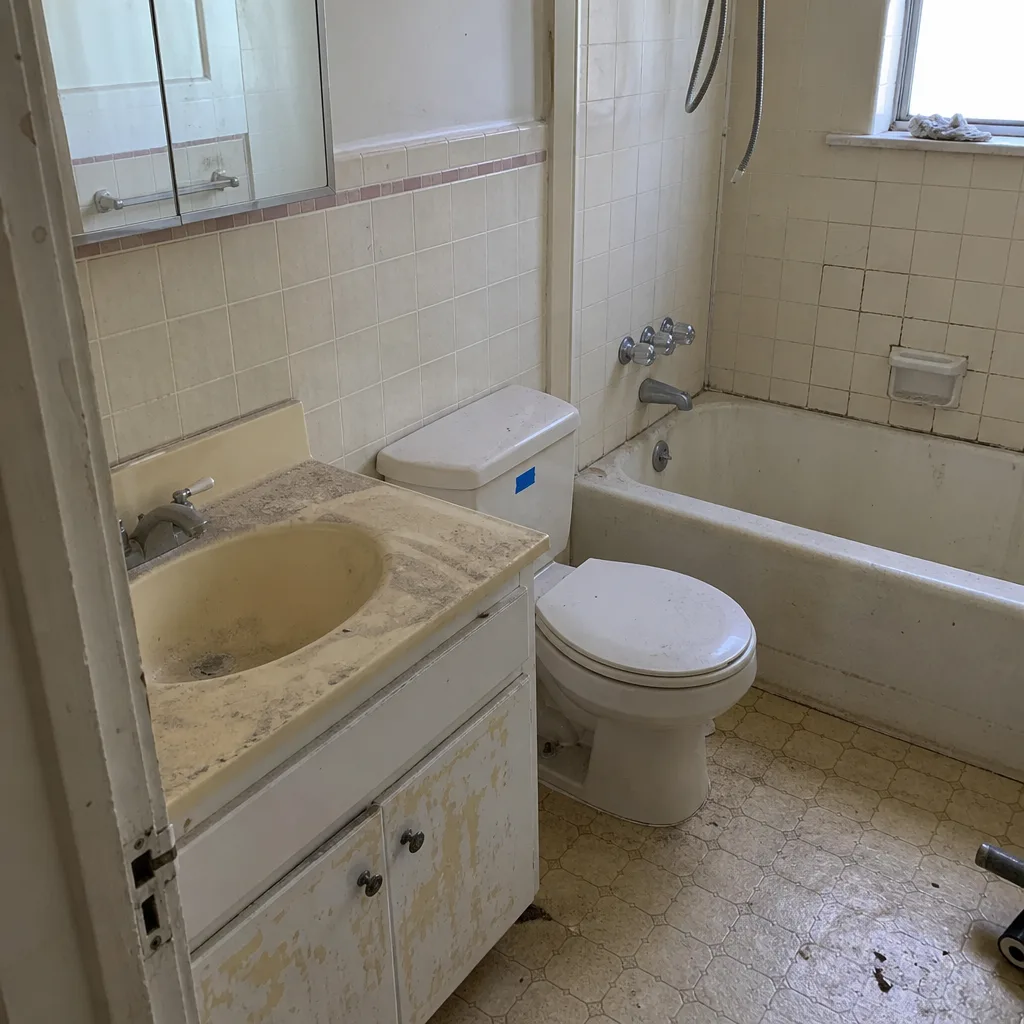 Before
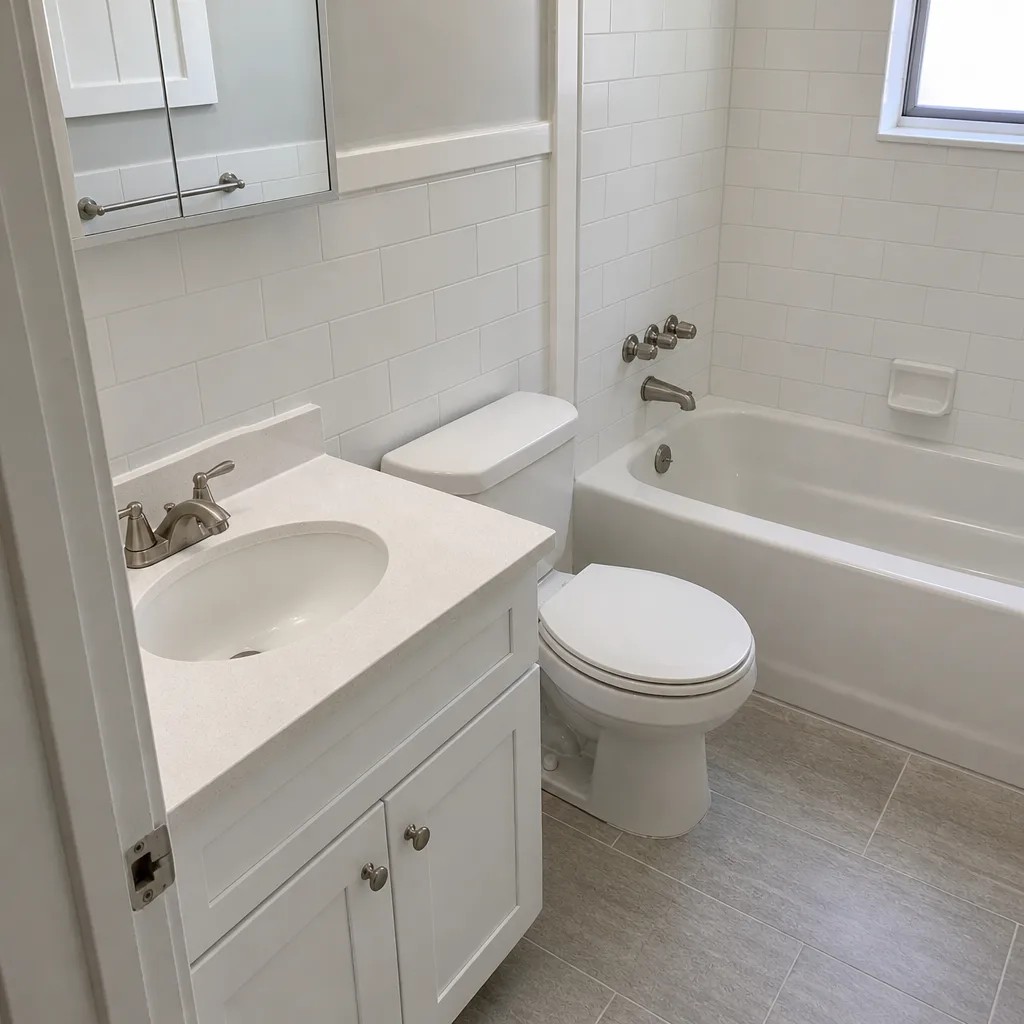 After
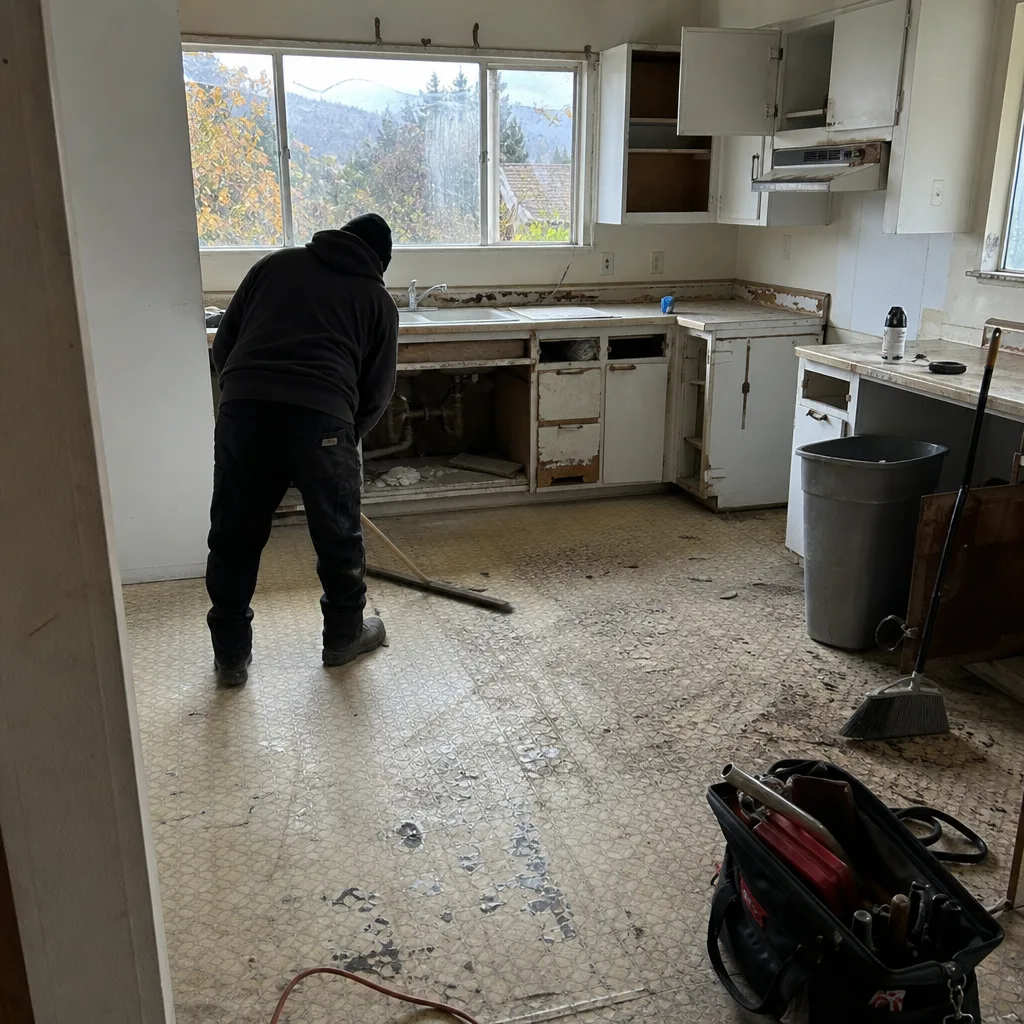 Before
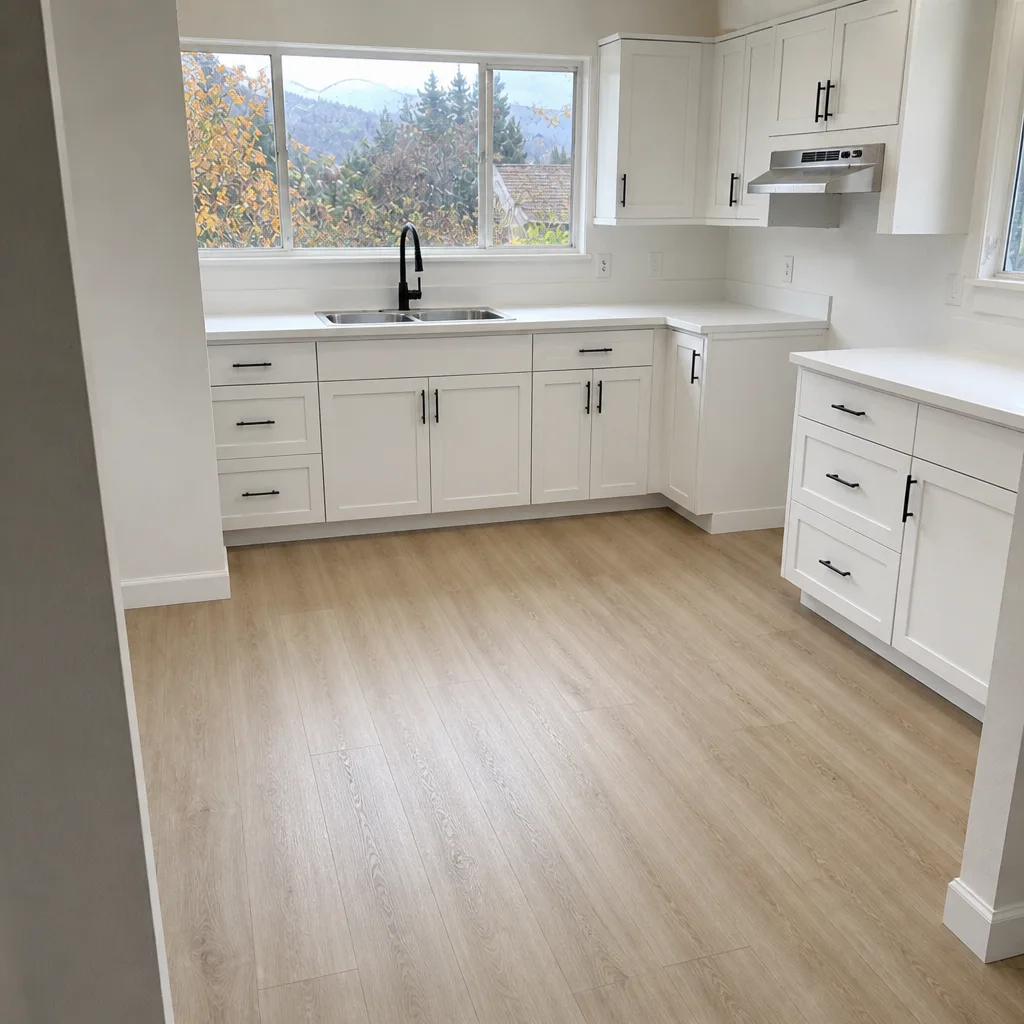 After
The choices you’ll actually make
Storm repair isn’t a yes-or-no. These are the real decisions, with the honest trade-off on each:
- Coated vs. uncoated springs: coated costs a bit more and lasts measurably longer in Burlingame’s damp air. Uncoated is cheaper today and the wrong call on a coastal lot.
- Nylon vs. steel rollers: nylon runs quieter, won’t rust, and needs no lube; steel is stronger for a heavy door but corrodes in salt air without maintenance.
- Stainless vs. galvanized fasteners: stainless resists pitting longer; galvanized is a budget option for interior-only hardware.
- Repair vs. replace the door: a rotted bottom panel or warped section can often be replaced alone, but if the frame and tracks are both compromised, replacement is the better spend.
- Temporary vs. permanent weatherproofing: a tarp buys time; proper flashing and seals end the problem. We don’t sell tarps as a fix.
Materials matter here because the coast is unforgiving. We source hardware through our vetted partners the same way we do windows and doors through brands like Therma-Tru, and the spec matters more than the label.
What Emergency & Storm Damage costs in Burlingame, CA
Storm-response repair in Burlingame runs $900 to $6,500 for the typical call, and a door and hardware replacement on top of that usually adds $1,200 to $4,500. Exact numbers below are the market-calibrated ranges we quote from, and your written estimate is itemized line by line.
| Item | Typical range |
|---|---|
| Emergency tarp, dry-out, and water stop | $300 – $1,200 |
| Garage hardware corrosion replacement (springs, hinges, rollers, tracks) | $400 – $1,400 |
| Exterior storm damage repair (flashing, trim, sheathing) | $900 – $6,500 |
| Bottom-panel and seal replacement | $350 – $1,100 |
What pushes a job toward the high end? Four things: hidden damage behind the walls (older Burlingame homes hide stacked remodel layers), how far the water traveled, material grade you choose for springs, rollers, and fasteners, and permit scope if structural repair is involved. What’s in a written estimate: labor, materials, disposal, permit fees where required, and the 730-Day Done Right Promise. What’s usually extra: hidden damage discovered mid-job (we present it in writing before we proceed), and any upgrade you decide on after the fact. Upfront pricing, no surprises – the number you see is the number you pay.
Serving Burlingame, CA – Our Local Coverage Area
We serve Burlingame and nearby communities. Use the map below to see the area we cover. If you’re nearby, we can almost certainly help.
What Burlingame homes do to this job
Burlingame’s core is early-1900s through 1940s single-family stock – Craftsman bungalows, Spanish Colonial Revival, Tudor cottages – and storm work here means respecting that. The homes in Burlingame Park and Easton Addition often carry original knob-and-tube-era wiring, pier-and-beam or raised foundations, and narrow setbacks that make access and staging tight. The hist